Earthshine Nature Programs Newsletter 2020
Note: I apologize in advance for the bizarre formatting in the following post. I have tried everything to rectify the issues – yet they persist.
It has been a very strange year but we are still here. Although we lost close to 100% of our nonprofit income this year due to not being able to present our outreach programming to the public in schools, camps, festivals, special events, and birthday parties – it was your support that kept us above water…but only just.
Even with the global pandemic we still managed to accomplish amazing things this year!
Wildlife Rescue & Rehabilitation
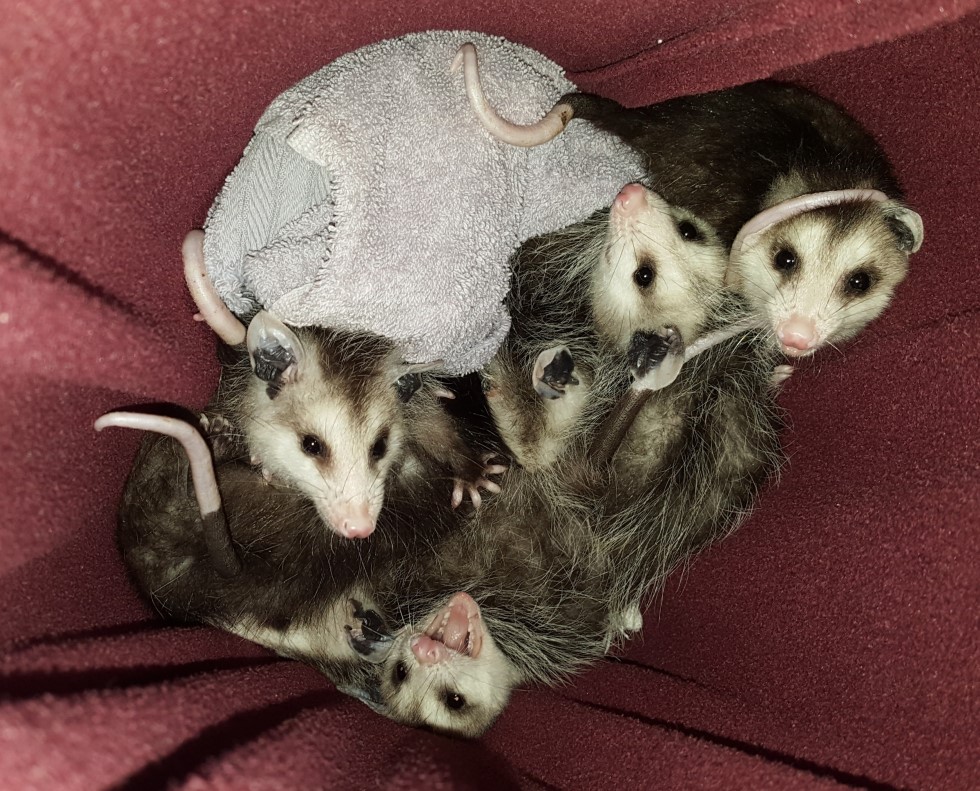
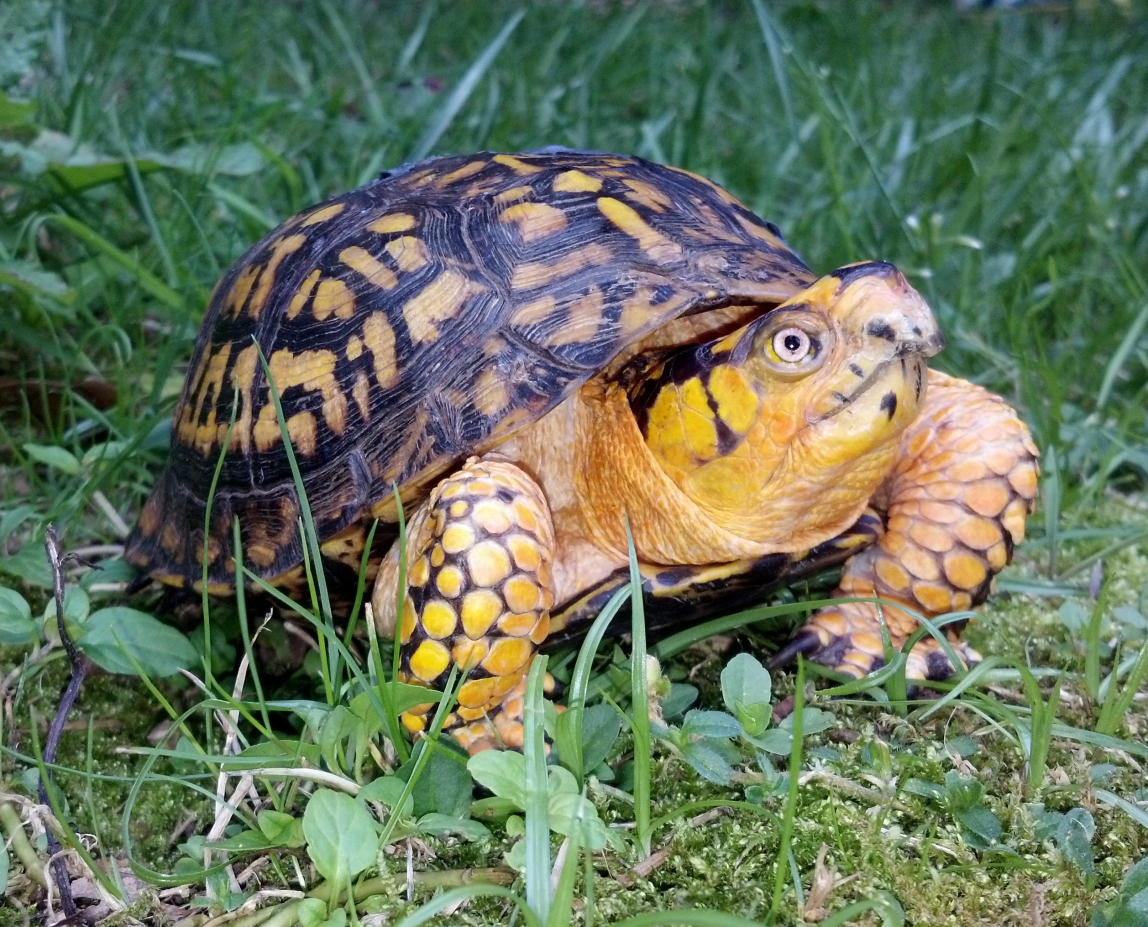
In the spring of 2020 we rescued a family of young Opossum joeys who lost their mother. They were close to the age where they would have left the warm home of their mother’s pouch to strike out on their own so we gave them a few days to build their strength, fed them tasty natural treats, and released them in a remote forest. (See them in the Virtual Leaf Festival video linked later in this document). We rescued only one Eastern box turtle this year. Strangely, it was found in the bathroom of a motel in a nearby town. There was no suitable box turtle habitat near the motel so our hypothesis is that a visitor to the motel may have picked it up during a local forest excursion on a local highway or byway, it may have come from out of state, it may have been a “pet,” that was forgotten when its “owner” departed – or it may have been left intentionally. Whatever the case, we have no idea on its origins and therefore, due to its questionable origins, it cannot be released into the wild for fear of vectoring a disease to the local box turtle population – so it is now in our quarantine facility. Come spring of 2021, if it checks out health wise, it will join our small population of non-releasable education ambassadors in our newly improved box turtle habitat.
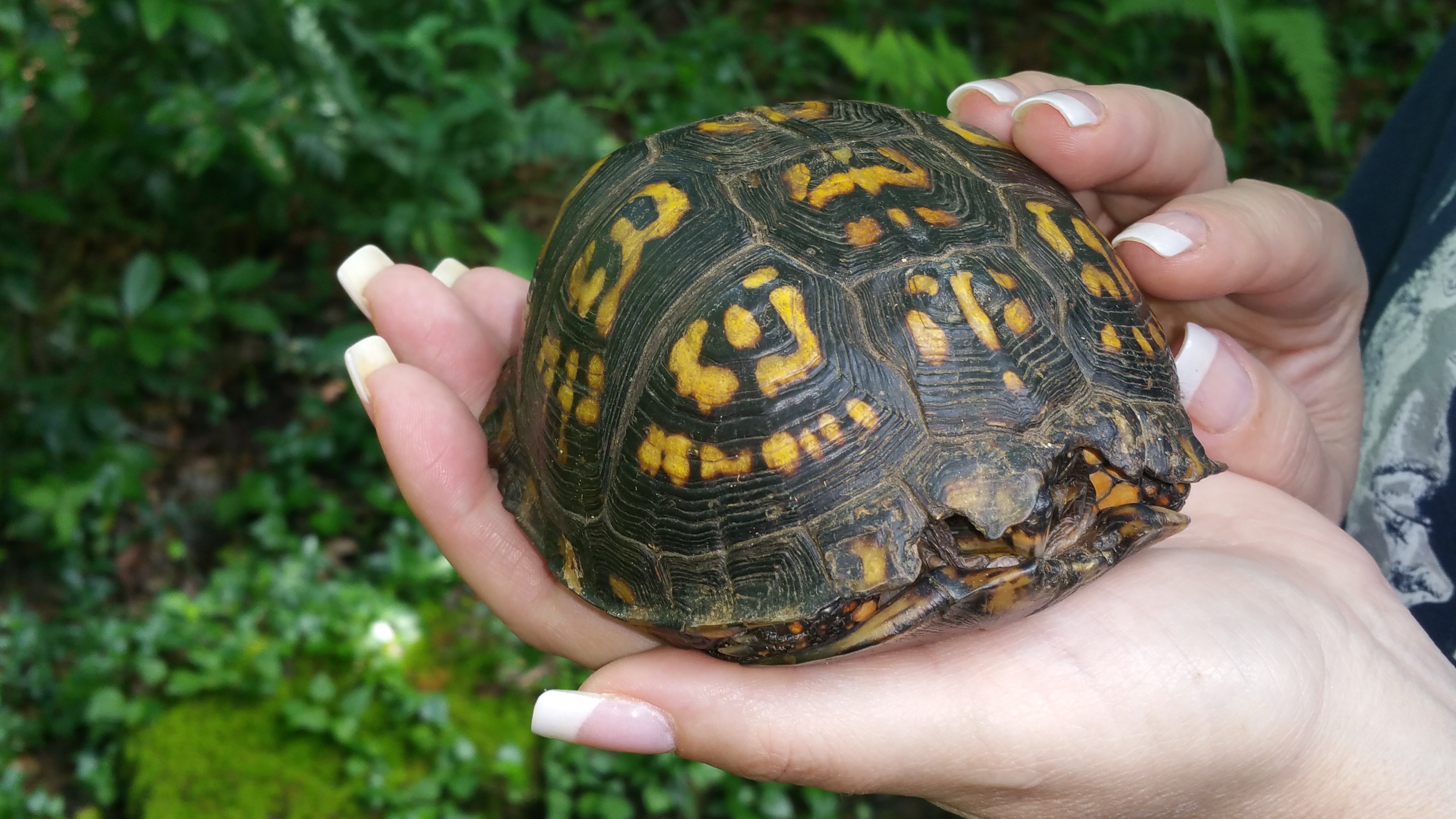
Yes, that’s right, one of this year’s major projects was to improve and enlarge our outdoor box turtle habitat. The students of Trails Momentum worked very hard over the summer to increase the habitat’s size by over 2x its original footprint. They also built a newer and better shelter/overwintering structure for our 9 non-releasable resident Eastern box turtles and our two Red-footed tortoises who share the habitat during the warmer months of the year. The students also built a very nice stone shelter structure in the box turtle habit and named it “Turtlehenge” – so cool!
This year we also relocated several Copperheads, a dozen hatchling Common snapping turtles, and one massive Timber rattlesnake. These beautiful and very misunderstood animals were discovered in areas that are highly used by humans therefore, for the safety of all parties, they needed to be moved to new habitats. While the trans-location of reptiles is not the ideal option – it is far better than the other option of death. I moved these animals to remote locations in protected areas with excellent habitat and resources that will hopefully serve to meet their needs for the rest of their lives.
A New Recruit!
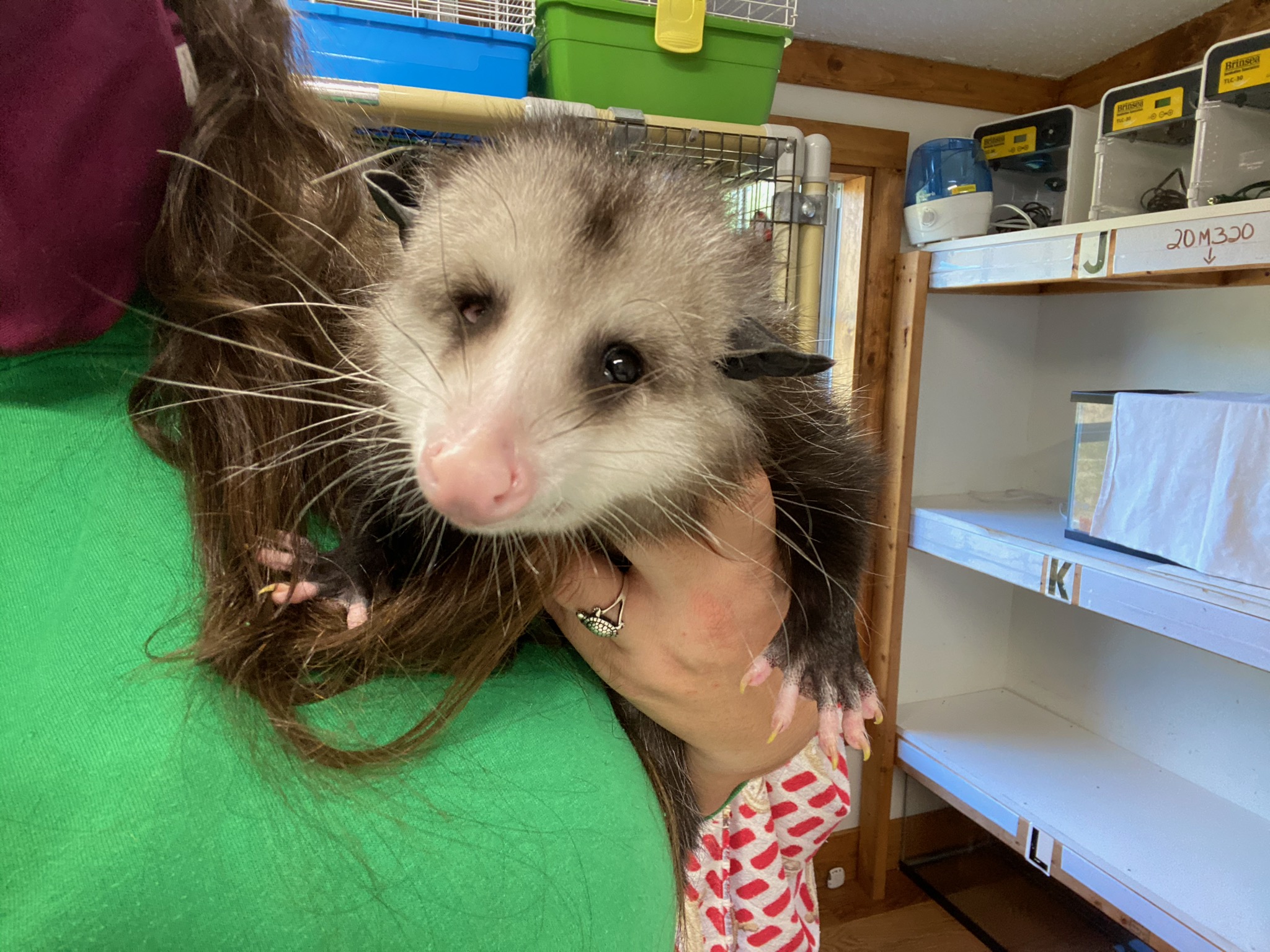
In the fall we adopted a female opossum from the wonderful folks at Appalachian Wildlife Refuge. They had rescued her after she was hit by a car and lost an eye. She also has some neurological trauma and therefore, due to her injuries, is non-releasable. She will spend the rest of her days with us where she will live in our awesome ‘possum palace as an education ambassador for her kind.
Opossum facts: The Virginia Opossum, or ‘possum, is North America’s only native marsupial. Female Opossums have a pouch on their belly where they can carry up to 13 joeys. When the joeys are old enough they climb onto their mother’s back and cling to her soft fur and watch everything she does – this is their “home schooling” time where they learn all there is to know about being an Opossum. When they are too heavy to hold on, they fall off and start their lives as mostly solitary, mostly nomadic, most important members of the forest community. Opossums have 50 teeth – that is more than any land mammal in North America! Opossums are omnivores and will use all those teeth to eat just about anything including carrion. Some of their favorite foods are wild berries, grapes, persimmons, strawberries, bananas, and any insect they can catch including all the pest species that would invade your home and garden as well as small rodents such as mice, moles, voles, and rats. They will even eat lizards and snakes including venomous snakes such as Copperheads and rattlesnakes! Opossums have a very strong resistance to the venoms of these snakes and therefore, if bitten by their meal, they just shrug it off and continue on with their serpentine lunch. Opossums are also highly resistant to the Rabies virus so it is extremely rare for an Opossum to catch, carry, or transmit rabies. Opossums are nocturnal so you will usually not see them during the day as this is the time they are comfortably sleeping in whatever warm place they have found to call home for the night. Opossums do not hibernate so they may be seen at almost any time of the year – but not usually during the coldest times when they just stay home, roll over, and sleep in until it gets warmer. They are not equipped for excavating burrows so they will often use the abandoned burrows of other animals such as Groundhogs, skunks, foxes, and sometimes the crawl space under your house. Opossums have very dexterous toes and opposable thumbs on their hind feet – just like we have on our hands. These adaptations help them hold onto tree branches when they are searching for some of their favorite foods – birds and their eggs, rodents, and fruit. Opossums also have a prehensile tail that helps stabilize them when navigating in the tree branches and it also allows them to carry bedding materials back to their den to make a soft nest to sleep in as in this photo of Potter some of you may remember from almost a decade ago.

When frightened and/or cornered, Opossums will snarl, growl, and show their wide toothy grin, but they rarely bite. If the threat does not abate the Opossum will “play ‘possum” – it will go into a self-induced, involuntary comatose state where it will fall over, often defecate and urinate on itself, stiffen, – and for all intents and purposes – appear dead. This incredible tactic serves to deter the would-be attacker from feeding upon what looks like a possibly sick animal and it departs to find a better meal. After a time, the Opossum reanimates, grooms itself, and continues on about its day as if nothing happened. Opossums are amazing and wonderful creatures that help us far more than we will ever know. While they are misunderstood by many, they deserve our respect and admiration for the special and vital role they play in helping to keep nature in balance.
Outreach
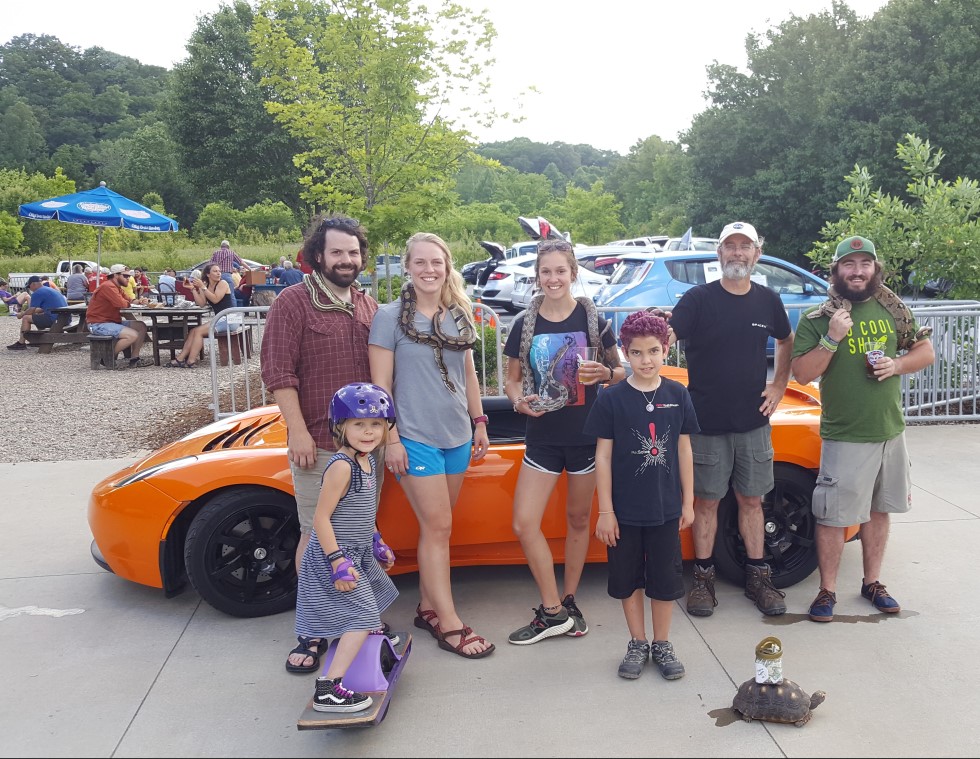
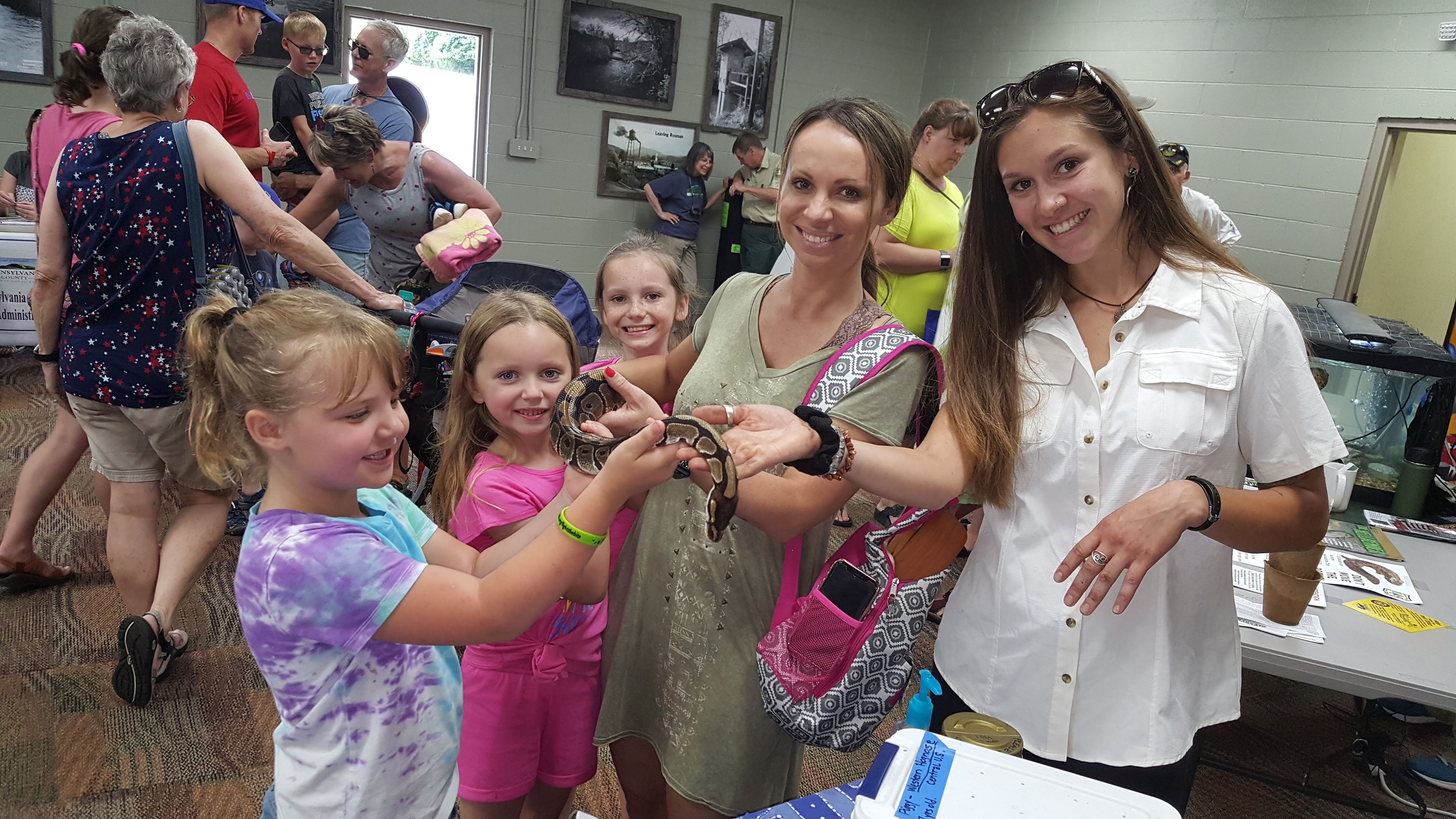
Unlike every year during the decade since our founding, due to the pandemic in 2020 we were only able to present one in-person public nature education program this year in February. We did however, adapt to the situation and present several virtual programs for private family groups, one science museum program, and one virtual festival. Please feel free to watch two of these via the following links.
Virtual LEAF Festival video
Asheville Museum of Science Ask a Scientist Series
Sadly, until the pandemic subsides and things start to get back to some kind of “normal,” we will not be able to physically take our animal ambassadors and our outreach programming classes into any classrooms, summer camps, festivals, or special events. However, we will continue to introduce and educate thousands of people to the wonder and beauty of wildlife, nature, and our deep interconnectedness to our shared environment via our virtual programming and via our YouTube channel. These online platforms allow us to offer alternative and safe ways for you to learn and support nature, live alongside and respect wildlife, and be better stewards of our shared environmental life support system with the adoption of cleaner, more energy secure, renewable energy and transportation technologies such as our focus – solar energy and electric vehicles.
Speaking of vehicles, September 29th, 2020 was our one year anniversary of driving the ENP Chevy Bolt EV – The “Mighty Bolt” as we lovingly call her – as our dedicated outreach education and wildlife rescue vehicle.

Keep reading for some mighty cool “Mighty Bolt” stats from the first year of driving the ENP Mighty Bolt EV:
14,356 miles driven.
That is an average of: 1,196.33 miles per month. 299.08 miles per week. 42.72 miles per day.
Electric fuel used: 4,330.17 kWh Avg. miles/kWh: 3.2 Avg. kWh/100 miles: 31 Avg. MPG Electric: 110.3
Estimated Gallons of Hydrocarbon Fuel Saved: 613 Estimated CO2 Avoided: 12,153 lbs.
Fuel costs: For the 14,356 total miles traveled: $176.71 – or, $14.71 per month. $3.68 per week. $.52 per day.
So that breaks down to an average of $0.012 cents per mile for the Mighty Bolt’s electron fuel.
$0.1 cents per mile! I will let that sink in for a moment.
The math: 176.71(fuel cost)/14,356(miles driven) = .0123 (cost/mile)
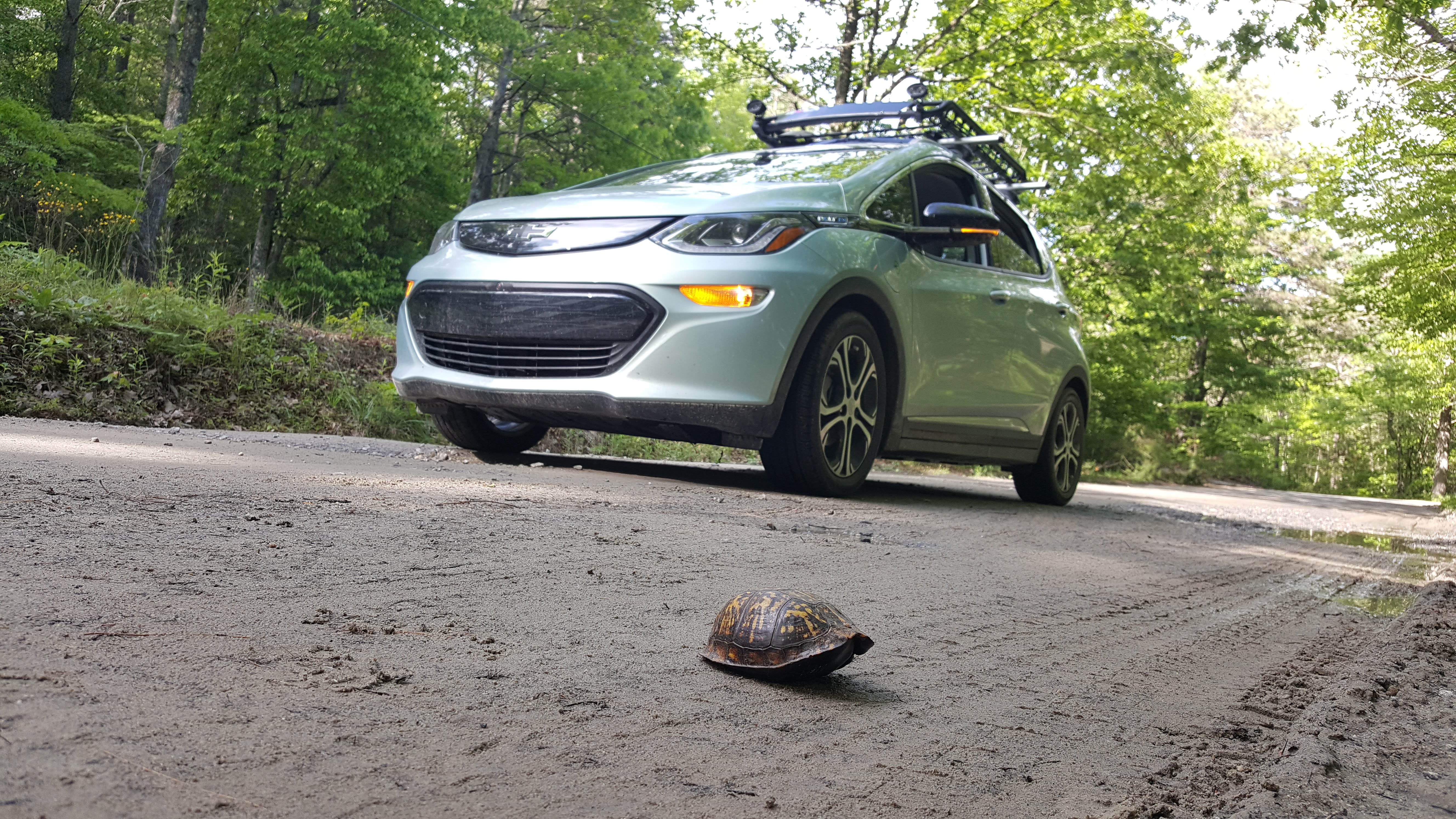
I have calculated that if ENP were still using a gasoline powered vehicle for our work, its fuel costs would have been around .13 cents per mile which would add up to around $1,800 for one year of use – and that is not including repairs, ”tune ups,” and maintenance costs! The ENP outreach EV is over 75% solar charged so its operational costs are lower than if it were to be charged only on grid power. Even if we had charged the Mighty Bolt EV on grid power alone it would have only increased our operational costs to: $433.017 – wow! Still a much better deal than anything powered by fossil fuels. The math: 4,330.17(kWh used to fuel EV) x .10(energy cost/kWh) = 433.017
Driving electric over the last year has given ENP an operational cost savings of over $1,600! No matter who you are, where you are from, or how much money you have to burn – you must logically agree the choice is mighty clear: the Mighty Bolt EV is the best choice for ENP in getting from point A to point B!
A very revealing energy use chart for year one with the Mighty Bolt EV.

The ENP Bolt EV is truly Mighty, it is over 75% solar charged and therefore costs ENP only .01 cents/mile to drive, it has a very small environmental footprint, and it serves as a wonderful energy education teaching tool inspiring the next generation to think above and beyond the status quo.
SO COOL!

The ENP EV Motto: Drive electric to preserve nature, wildlife, and wild places. Drive electric for the health of you and your family. Drive electric for freedom from dependence on expensive, polluting fossil fuels. Drive electric for energy independence. Drive electric for a better future for all.
Learn more about driving electric at: www.blueridgeevclub.com
(ENP Executive Director Steve O’Neil co-founded this club)
This EV is owned by ENP and is used primarily as the ENP company outreach vehicle. It is charged and fueled mostly with cleanly generated electricity provided by the ENP/Trails student-built classroom solar array. It also serves as an outstanding teaching tool for our Trails students, ENP outreach program participants, and everyone we meet.
Organic Garden and Chickens

2020 was the fourth year for our student organic garden project. This year, after letting the chickens free range in the garden and turn and fertilize the soil over the fall and winter months, we decided to plant our garden in the soil again. This no-till all-natural fertilization and planting method worked surprisingly well. It allowed us to produce almost as many tasty organic vegetables as we produced in the 2019 straw bale garden experiment. We also noticed more vigorous plants and far less pests this year and it may be due to the chickens scratching up and eating many of the pests overwintering in the soil. We believe the only way to have a truly organic garden is to not use any toxic chemicals or fossil fuels in the preparation and tending of the garden so, as in past years, this year the students and I prepared the garden using only human and chicken power and fertilized it with composted food scraps and composted animal waste from our chickens and education animals and a few local horses.
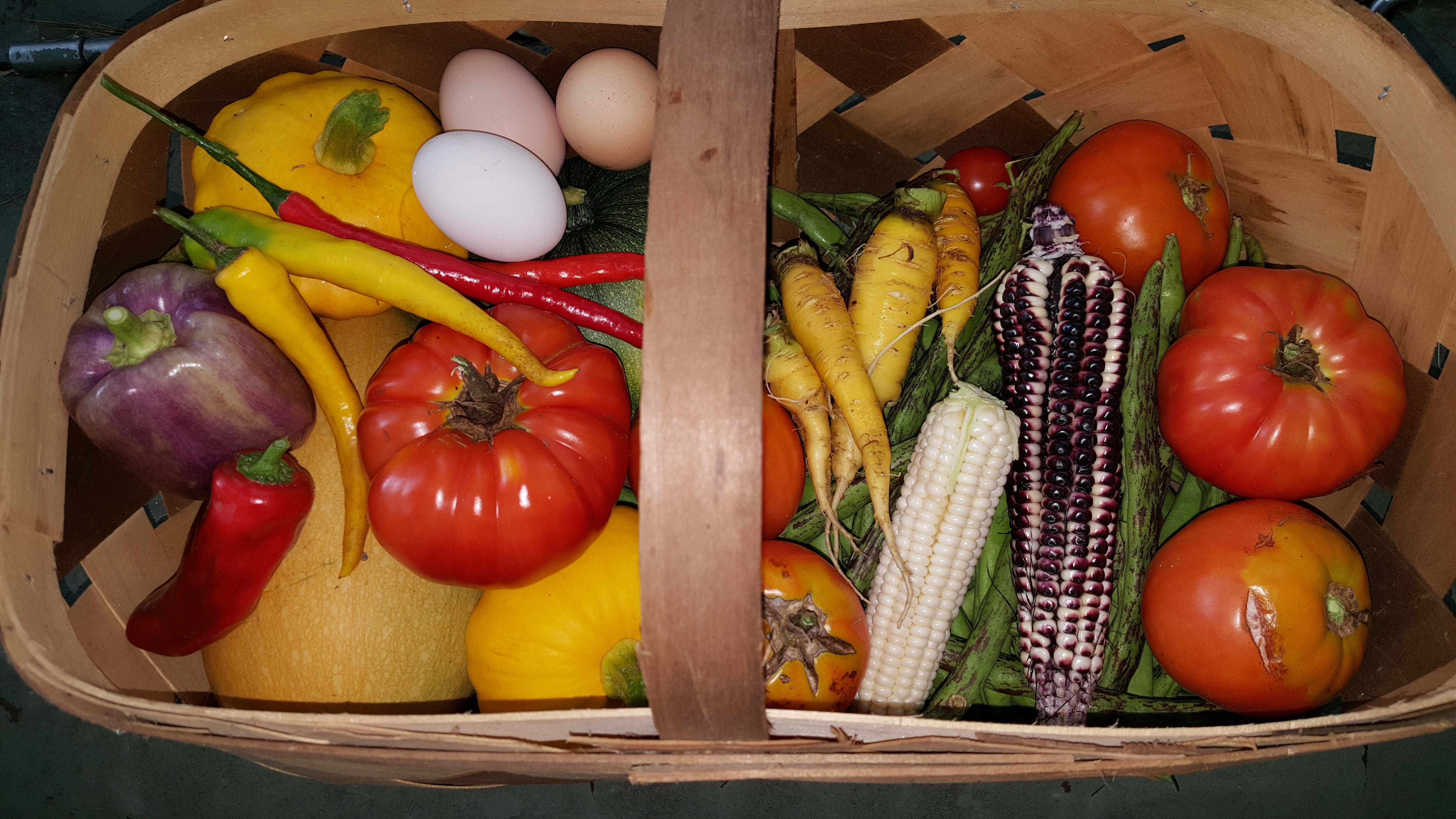
The students planted and tended the garden throughout its growing season and we never used any toxic insecticides, herbicides, or synthetic fertilizers! I am happy to say that our fourth year of the garden project was a great and tasty success with over 100 yummy squash, endless bunches of green beans, countless tomatoes, Peruvian black corn, red and yellow carrots, and several varieties of peppers – and this year our Passion fruit vine produced dozens of tasty fruits! All of this wonderful organic produce was shared among the students, staff, chickens, turtles, and tortoises! We also constructed a new grape arbor and planted six apple trees – so next year we hope to have an even more fruitful harvest.

Our small flock of friendly laying hens had a slow start but grew to over 25 birds this year! Several of the new recruits stayed with us and several more were adopted by chicken people in the community. Our chickens are free-range, organically fed, and have been hand-raised by our students as pets. They are wonderful therapy animals – with the great side benefits of giving us tasty organic, free-range eggs, no-cost organic fertilizer, and toxin and pesticide-free pest control for our student organic garden project!

Just in case you missed it, ENP was featured in The Laurel of Asheville
Read the story at this TinyURL link: https://tinyurl.com/yb7zxhdp
Or just search online for “Laurel of Asheville Earthshine Nature”
The ENP Renewable Energy Program

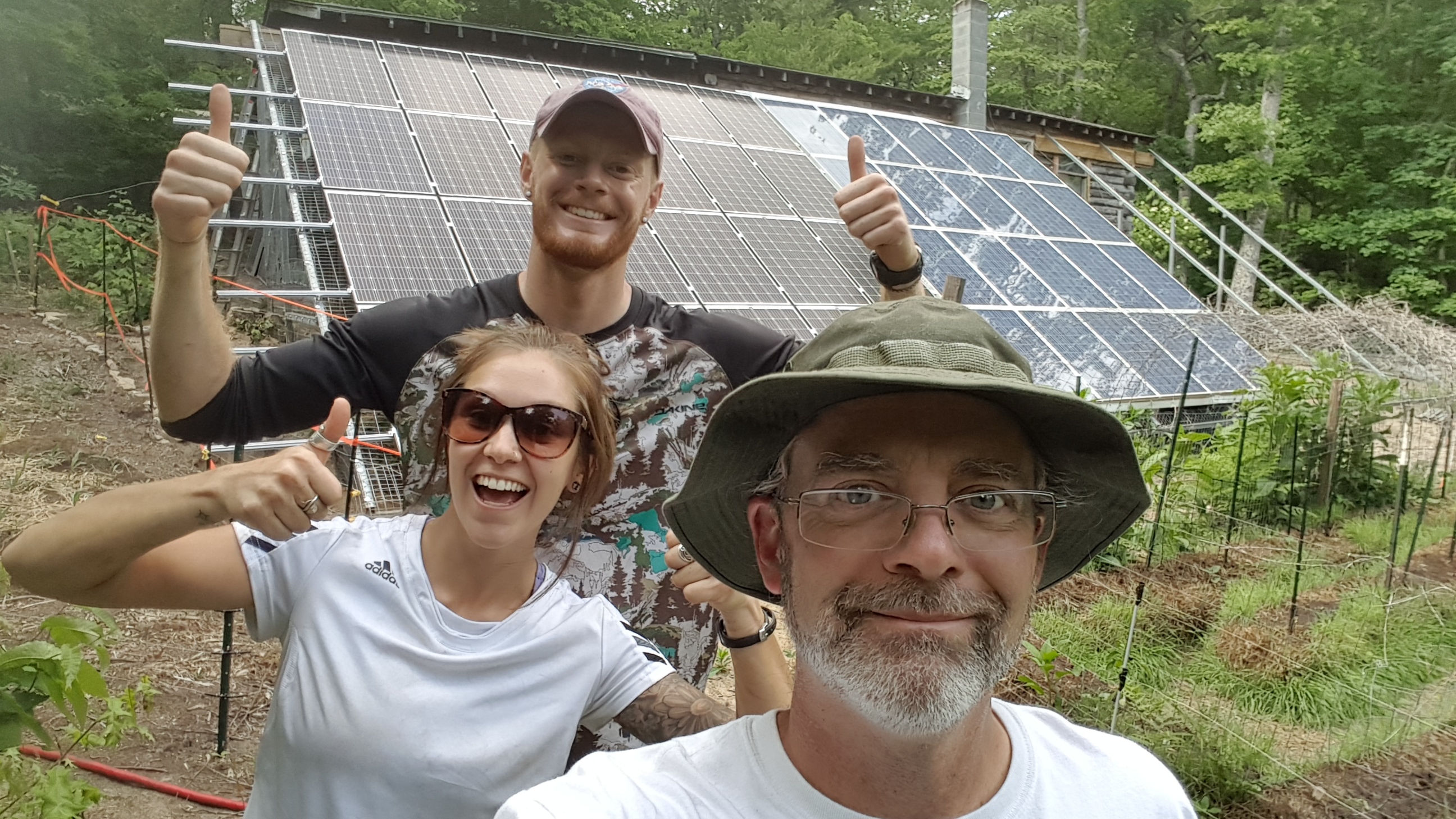
On November 8th 2020 we celebrated three full years of producing clean, renewable, “locally grown” solar electricity for our classroom and electron fuel for the ENP outreach EV! With the generous support of Bob Harris of Black Bear Solar Institute, Pisgah Forest resident Jim Hardy, Lake Toxaway Charities, Trails Carolina, Trails Momentum, and our many other wonderful project supporters – maybe you were one of them – and all of my amazing Trails Carolina and Trails Momentum students, ENP interns, and volunteers – this project has been an phenomenal success! As of the writing of this document our student-built solar array has produced over 22 megawatt-hours of clean, renewably produced, electricity! Since the classroom solar array became fully operational on July 04th 2019 (our Energy Independence Day) it has consistently, quietly, and without any harmful toxic pollution or emissions, produced close to 4 times the power we need to meet the daily needs of our classroom building, education animal habitats, our all-electric outreach vehicle’s electron fuel needs – all this and with power to share! We produce so much electricity that we send the surplus out to the local energy grid giving our closest neighbors on the campus of Trails Momentum renewable energy. Some of that excess power even goes to our nearby off-campus neighbors. Over the course of the entire year that excess has totaled close to 10 mWh – so our classroom has now become a renewable energy power plant not only for the campus and students of Trails Momentum but also for the local community!! Due to all that excess energy production, we have built up so much energy credit with Duke Energy that we could turn off the array and run on solar credits for several months without paying anything for energy!

With the completion of Phase 2 last year, the most complex portion of our classroom solar array project is now complete. We are now continuing with fundraising for Phase 3 – the final Phase of our classroom energy project. This will consist of a “secure power” off-grid circuit that will allow us to use energy direct from the solar array – this backup power system is almost finished and when online it will allow us to harvest electricity directly from the solar array when our grid connection is offline, giving us power as long as the sun shines. The final components of Phase 3 is a “plug and play” battery storage system that will store excess electricity produced during the day and will then supply that stored solar energy to all our building’s systems at night and during power outages. We will then only use our grid connection to Duke Energy as a back-up power source during long periods of dark/rainy/stormy weather. Isn’t science amazing! To make the remaining portion of the 3rd and final Phase of this amazing student energy project a reality for our classroom, our students, and our animal ambassadors, we need your continued support in this final push to the end.
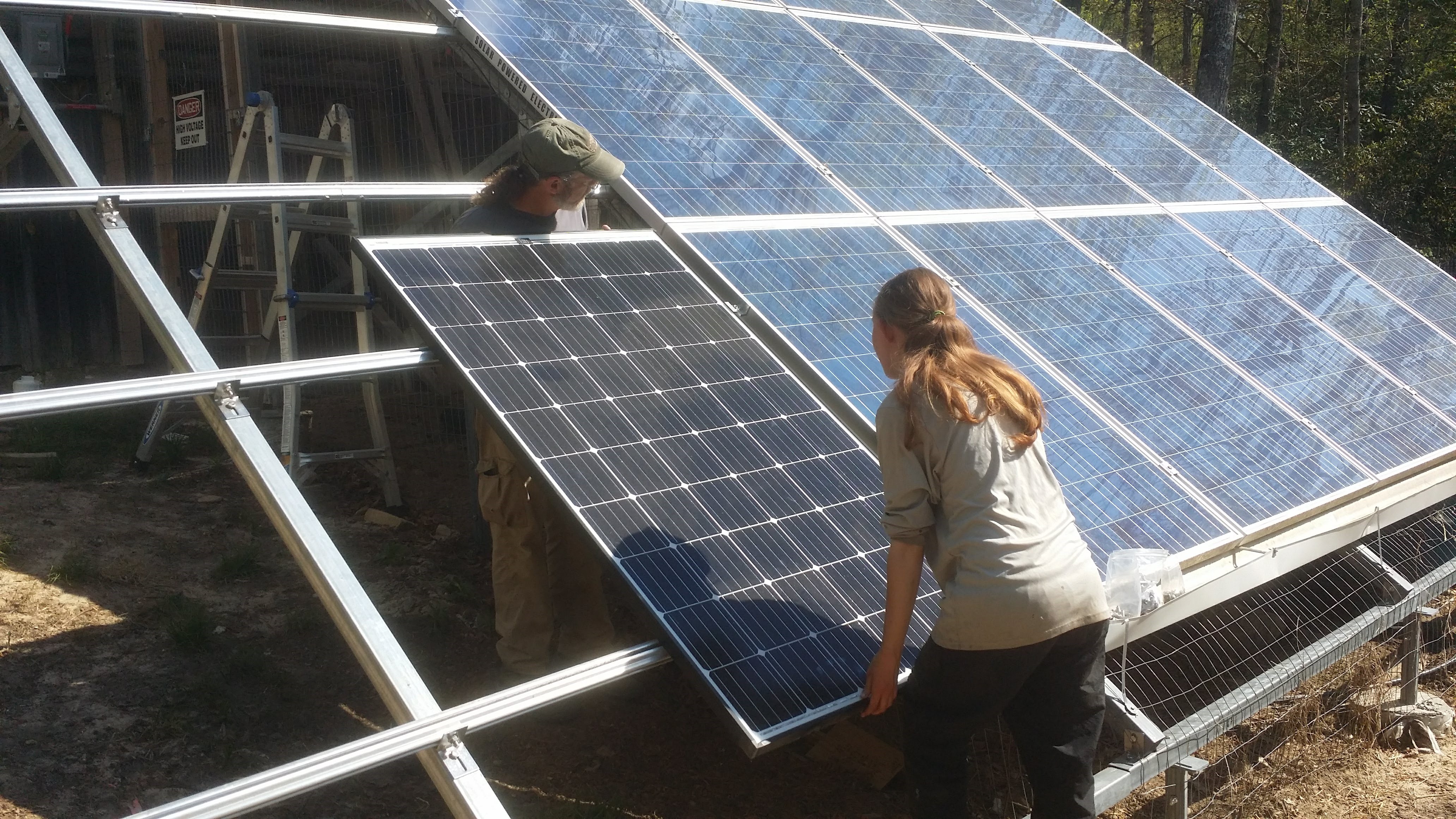
Please consider making a year-end gift to Earthshine Nature Programs and help us reach our renewable energy-powered goals. Read on for several other unique ways you can support us later in this document.
Watch this short time-lapse video of Phase Two of the solar array’s construction!
Supporter Spotlight – Jewell and Joe Mimms

My mother-in-law Jewell Mimms was born in 1939 in the beautiful, wild, mountains of Western North Carolina in a small log cabin without electricity or running water. She spent her life dedicated to her family and friends, her religion, reading almost anything, and to her music. She was an accomplished musician and could play the piano and guitar, and she had a beautiful voice and loved to sing with friends and with her daughter, my wife Marian. Jewell’s husband Joe Mimms was born in 1928 in southern Georgia and, like his wife, he grew up on a remote farm without electricity or running water. Joe joined the Navy when he was a teenager where he became a master radio operator/electrician and later focused on the new and quickly evolving fields of computers and radar. Joe’s mastery of these technologies led him to serve in all branches of the armed services save for the Marines and Coast Guard. After leaving the service Joe worked as a communications and computer specialist for NASA during the Apollo era. Joe was one of the specialists responsible for keeping the massive deep space network tracking/communications antennas at the Pisgah Tracking Station (now the Pisgah Astronomical Research Institute) locked on the Apollo spacecraft as they journeyed to and from the moon! Joe loved nature and spent much of his off time hamming it up on his amateur radio set, in the forest hunting deer, or on the lakes and rivers fishing for catfish – his favorite. Jewell and Joe supported Earthshine Nature Programs with generous donations for many years because they had a very close connection with nature when they were young and felt that kids today were drifting away from this most important connection with nature. They understood that Earthshine Nature Programs’ education programs and projects serve to connect people of all ages with the natural world and how important that is in today’s world. Jewell and Joe left us over the last few years but their legacy lives on in all of the projects and programs they supported with their donations over the past decade. Thank you Jewell and Joe for your love, wisdom, knowledge, and for your support of ENP – you are both so greatly missed by so many.

Our Wildlife Conservation Programs: Turtle Tracks, Snake Tracks and Snake Trails

Our wildlife tracking programs have ended and we are now focusing all our energy on our classroom and environmental education outreach programming, wildlife rehabilitation, and renewable energy education programs as well as on reporting our findings from the reptile conservation projects we conducted over the last decade of following misunderstood reptiles. What we learned while tracking these wild reptiles is far too much to fit into the pages of this newsletter so we have decided to write it all down and share it with you in three very special publications. The first of these three publications – The Rattlesnakes of the Blue Ridge – contains a naturalist’s perspective on everything we have learned by following the secret lives of Utsanati and Zoe – the two wild Timber rattlesnakes we followed in their native habitats for four years in the beautiful Blue Ridge Mountains of WNC. Within the pages you will find an overview of the natural history of the Timber rattlesnake, a consolidation of my field observations and personal reflections, tracking and activity maps, and many high-quality photographs. This document, and the others that will follow on our Eastern box turtle and Black rat snake conservation projects, will grant fascinating insight into the lives of these unique, wonderful, and very misunderstood creatures as well as useful information on coexisting with these animals and other native wildlife species on your lands. All proceeds from the sale of this, and the future documents in this series will be 100% directed toward our continuing nonprofit wildlife conservation, rehabilitation, and environmental education missions.
To purchase a copy of The Rattlesnakes of the Blue Ridge, and/or Turtle Tracks: Box Turtles of the Blue Ridge or Snake Trails: The Rat Snakes That Live Among Us at the special price of $30.00 each – please contact us via our email address or via the contact link on our website http://www.earthshinenature.com/contact
There Are So Many Ways to Support Our Work
We welcome your support in keeping our unique programming alive – especially now with the pandemic greatly reducing our nonprofit outreach income. There are many ways you can choose to help us make our programs and projects a reality. During the pandemic the best and safest way to support us isthrough direct donations of funds and supplies and there are several ways to do so;
- Donate on our website www.earthshinenature.com/donate via the PayPal link – while you are there please take a look at our website wish list for more detailed information on our current needs.
- Send us a donation to our “snail mail” address – contact us for more information.
- Visit our GoFundMe campaign www.gofundme.com/enpsolartrails and/or Patreon pages www.patreon.com/earthshinenature and support us with one-time or ongoing monthly donations.
- Visit our Amazon Wish List at this TinyURL Amazon link: https://preview.tinyurl.com/y6mvwzm5 or by searching Amazon for the Earthshine Nature Programs Wish List.
- An easy way to support us – at no cost to you – is via Amazon Smile donations. Just visit: smile.amazon.com and sign up to support Earthshine Nature Programs and every time you make a purchase on Amazon using your Amazon smile account, a portion of Amazon’s profits will be donated to ENP!
- Support us with a Legacy Donation. This is a gift from you to ENP in your will. It could be monetary, land, or even a vehicle donation. For more details please visit: www.earthshinenature.com/donate
- After the pandemic subsides you may donate time and energy by volunteering with us as we always have many opportunities available from working festivals, in the garden, cleaning animal habitats, etc.
- Due to the pandemic we are exploring new ways of conducting our outreach programming outside of the classroom. To that end we are now looking for a hard shell mini-camper to use as a portable outreach classroom. A camper donation of any size or age will be considered but our best fit would be a small unit we could pull behind our outreach EV such the smallest versions of the Scamp, Casita, Lil Snoozy, or Happier Camper mini-campers. If you choose to donate a used or new mini-camper to ENP we will be sure to put it to good use as a mobile outreach education classroom that will benefit all our program participants on the road at schools, camps, festivals, and all of our Trails Carolina and Trails Momentum students.
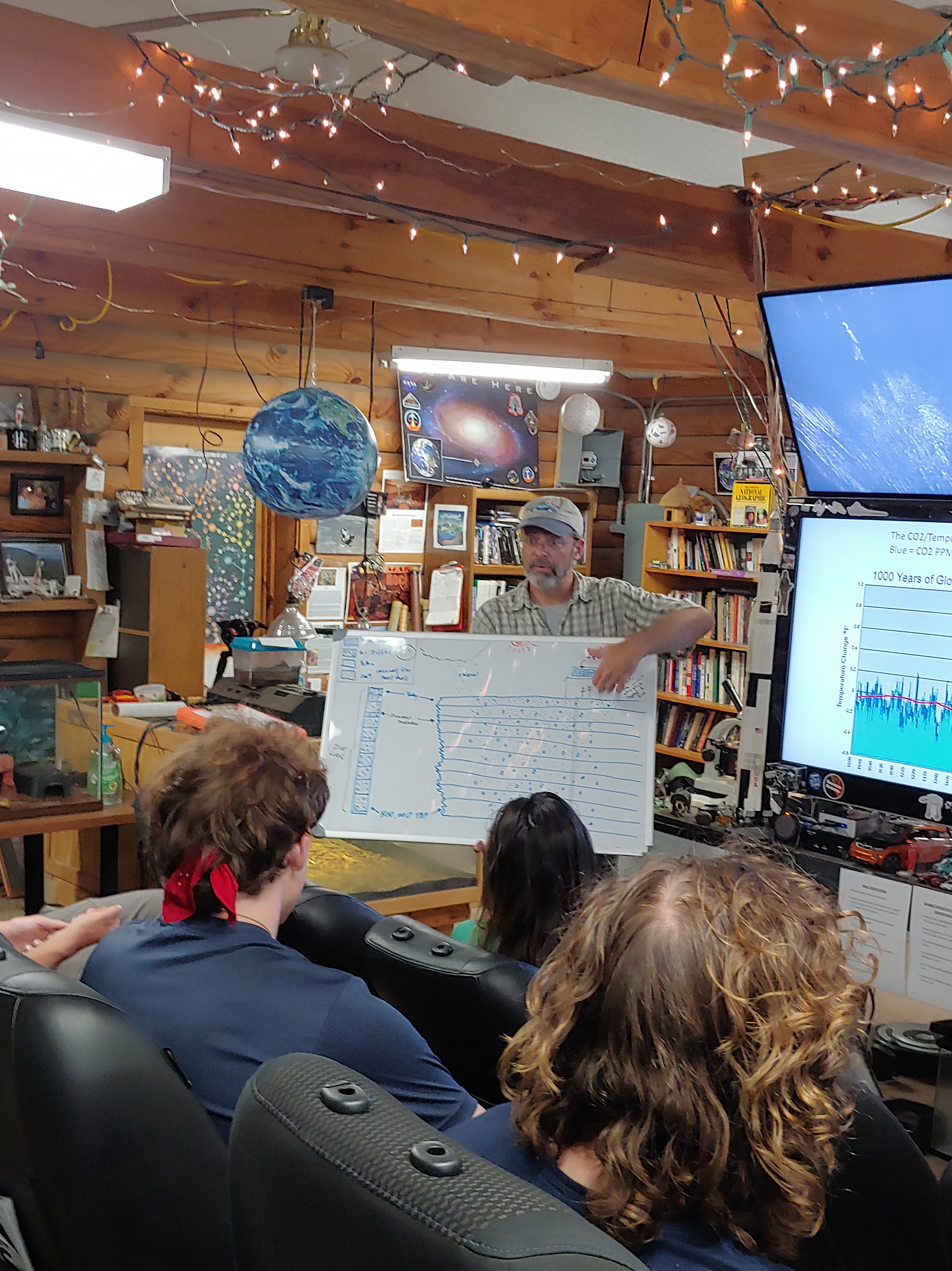
However you choose to support us, your support will have a lasting positive impact on our ability to bring our nature, wildlife conservation, and science literacy messages to the hundreds of young naturalists, scientists, and thinkers that we encounter each year via our outreach programming in the local and regional community, and through our wonderful partnership with Trails Carolina and Trails Momentum where Steve works as naturalist to provide nature knowledge, science education, curiosity, and inspiration to their populations of outstanding youth. Learn more at: Trailscarolina.com and Trailsmomentum.com
All donations to ENP are tax deductible. Receipts available upon request.
THANK YOU SO MUCH FOR YOUR SUPPORT
Without your continued support, Earthshine Nature Programs would not function. Please consider making a tax-deductible donation, end of year, or legacy gift to us today and in the future. Earthshine Nature Programs is a 501c3, donation-funded, volunteer operated, wildlife conservation and rehabilitation, environmental stewardship, science education and communication, not for profit organization.
At ENP we are passionate about sharing our love, respect, and curiosity for nature, wildlife and wild places, environmental stewardship, science literacy, and reason with everyone we meet – especially our classroom and outreach programming students. It is the students of today who will make the big wildlife and nature conservation, science, and energy decisions of the future, and it is our goal to communicate to our students the most up to date, unbiased, peer-reviewed evidence, practices, technologies, and environmental ethics so they will be better informed and ready to take on the world and will be the change that will guide us all forward. We feel that by sharing the facts and evidence, demonstrating working models of what is possible, respectfully coexisting with each other, and by working together toward the common goal of creating and maintaining a better world for all living things today and into the future, we will bring the changes that will make all of our dreams come true.
Earthshine Nature Programs (501c3) is supported primarily through monetary, resource, and time donations from caring, concerned individuals just like you. We work hard to fundraise and acquire grants and donations from any and all sources that would like to support us. With your help with a one-time donation of equipment or funds, a year-end gift, a legacy gift, and/or your continuing patronage, and eventually – post pandemic – we will get back to hands-on volunteering. With our help, together we will continue to create something truly unique and wonderful that will serve to educate and inspire the thousands of students, summer campers, knowledge seekers, and others we meet each year with a newfound curiosity, a greater respect, an evidence-supported understanding, and a powerful conservation ethic for caring for the natural environment that supports us all and gives us all life.
THANK YOU ALL
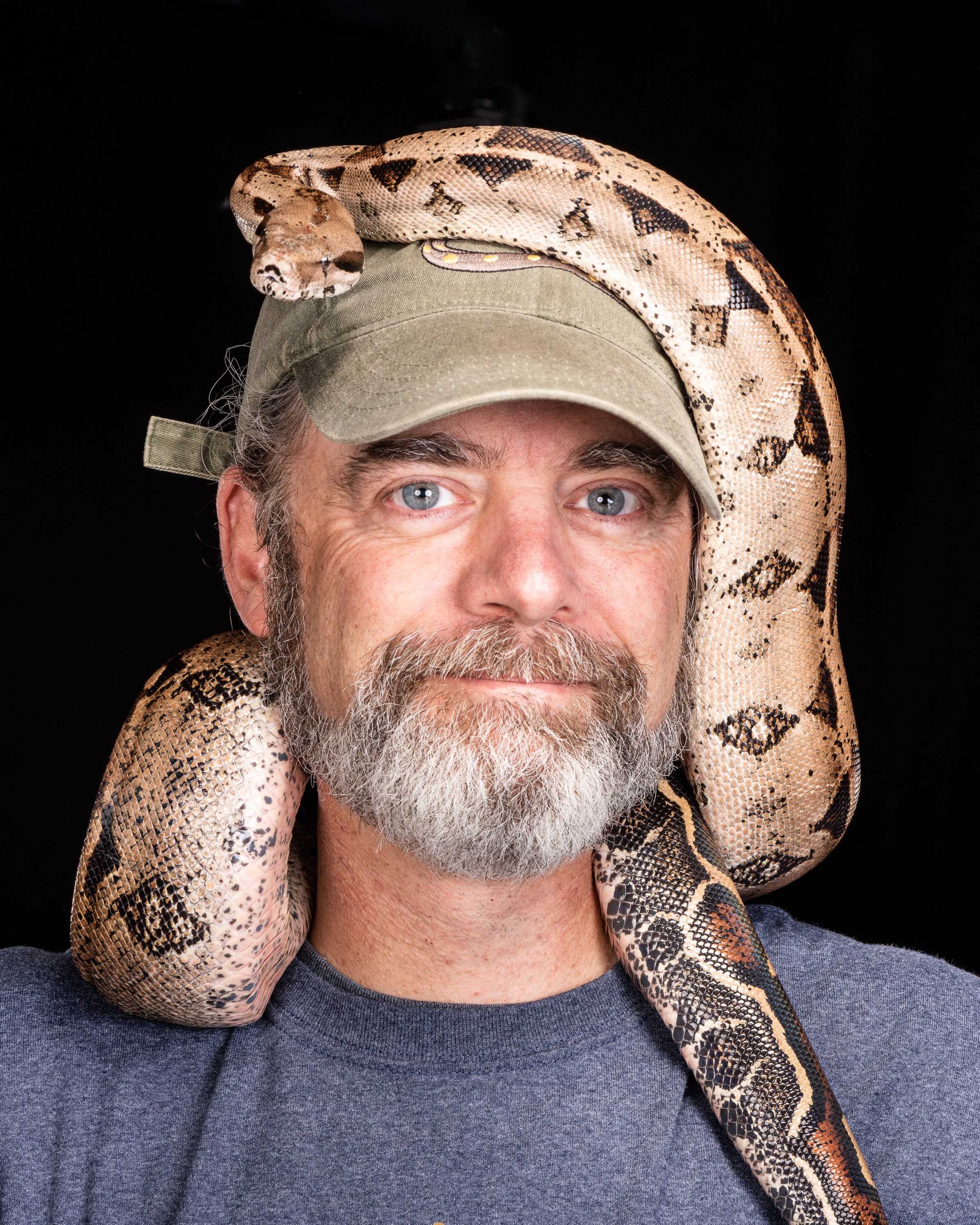
Sincerely, Steve O’Neil
Executive Director of Earthshine Nature Programs (501c3)
Email: earthshine.nature@gmail.com
Website: www.earthshinenature.com
Nature Blog: www.earthshinenature.wordpress.com
YouTube: www.youtube.com/user/snakesteve68
EV Blog: bluewaterleaf.wordpress.com





 Earthshine Nature