Earthshine Nature Programs Newsletter 2022

A wild Eastern box turtle crossing a forest road with the ENP Outreach vehicle, the Mighty Bolt EV, in the background.
Yes, we helped the turtle across the road 🙂
We have made the best of things, engineered a new way to get things done, and had a really great year –
and we could not have done it without you!
THANK YOU ALL!!!
Wildlife Rescue & Rehabilitation
The big animal story of 2022 is what happened to Tripod the Eastern box turtle. Tripod is our mascot and she is the turtle pictured on our company logo. She has been with us since the spring of 2007 when we found her badly injured on the side of the road in the Rosman community after she had been hit by a vehicle while attempting to escape several bulldozers that were in the process of modifying her natural habitat into habitat for humans. Along with a destroyed home she also had a destroyed left rear leg and badly damaged front feet – so I quickly transported her to our amazing wildlife veterinarian Dr. Chris Coleman, who removed her badly damaged leg, tended to her damaged feet, and sent her home to recover. Sadly, due to her severe injuries, the fact that her habitat had been destroyed, and that science shows that moving a wild reptile far from its home is often detrimental to its health – we made the call to let Tripod live out the rest of her days in our outdoor turtle habitat. Tripod has now lived with us for almost 16 years traveling from our original location at Earthshine Lodge to our new location at the Trails/ENP Science and Nature center. She has done very well and has been exceptionally healthy – until this spring when the unthinkable happened. Shortly after Tripod and our other box turtle ambassadors emerged from their long winter naps in their outdoor habitat, I noticed that Tripod looked…odd. I gently picked her up and discovered something very wrong with her three remaining feet – something had chewed on them during her overwintering torpor and they were badly damaged and infected. Paulina rushed her to one of our veterinarians – the wonderful Dr. Kaylee Lorch – who carefully performed a procedure to repair her damaged feet. The surgery worked and Tripod is doing very well…however, since she no longer has any toes (and only three stumps), she is now severely mobility challenged. Although she is physically challenged, she continues to eat well and is thriving despite her limitations. Due to her physical challenges, she will live indoors in our classroom where she will meet our students on a one-on-one basis and never have to worry about being harassed by other wild critters.

Tripod in her habitat
We also assisted another Eastern box turtle in regaining its full mobility. This juvenile wild turtle was brought to us in the summer with an unusual injury. One of the scutes (plates) on its plastron (bottom shell) had been damaged in the past, possibly as the result of an accidental injury from a lawn mower or weed trimmer. The injury had healed – but not in the correct location so now the shell plate was just hanging on below the turtle by a short piece of living tissue. Although it was fully healed – it was in the wrong place and therefore always in the way of the little turtle’s left front foot so in effect – it would trip over a piece of its own body when it would try to walk. It was a really bizarre injury but the little turtle was otherwise in great shape, bright-eyed, healthy, and eating very well. Again, our amazing volunteer Paulina dropped it off with Dr. Lorch for a bit of a shell adjustment – and after a successful procedure (see the photo above) the little turtle we named Tiny was all healed up and released back into his home habitat.

Tiny shortly before his release
This year we had an exciting Rat snake rescue performed by longtime ENP volunteer supporters Jim and Alice Hardy. Jim and Alice documented the exciting events that occurred when they found an adult Eastern rat snake tangled in a roll of garden netting.

Jim works to free the wild rat snake
Jim worked tirelessly to free the snake from the netting and Alice captured the event on her iPad – I later edited it into a video for you to view and learn from. Garden netting such as this can be very harmful to wildlife so please, we ask that you to please consider the misunderstood wild creatures such as snakes when you use netting such as this. Thank you, Jim and Alice, for freeing this snake so that it may go on about its life helping to keep nature in balance.
Watch the Rat snake rescue video below –
____________________________________
Outreach
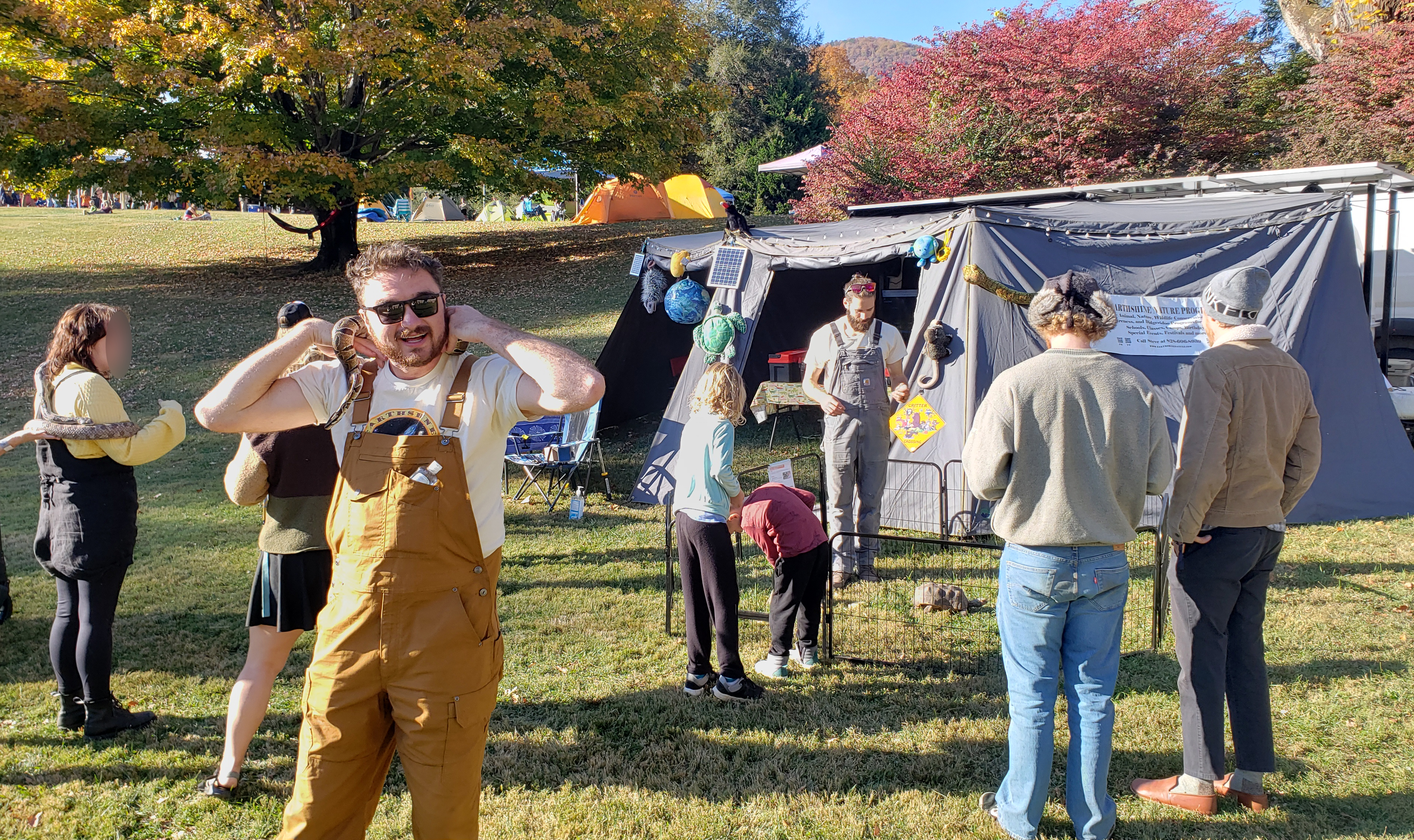
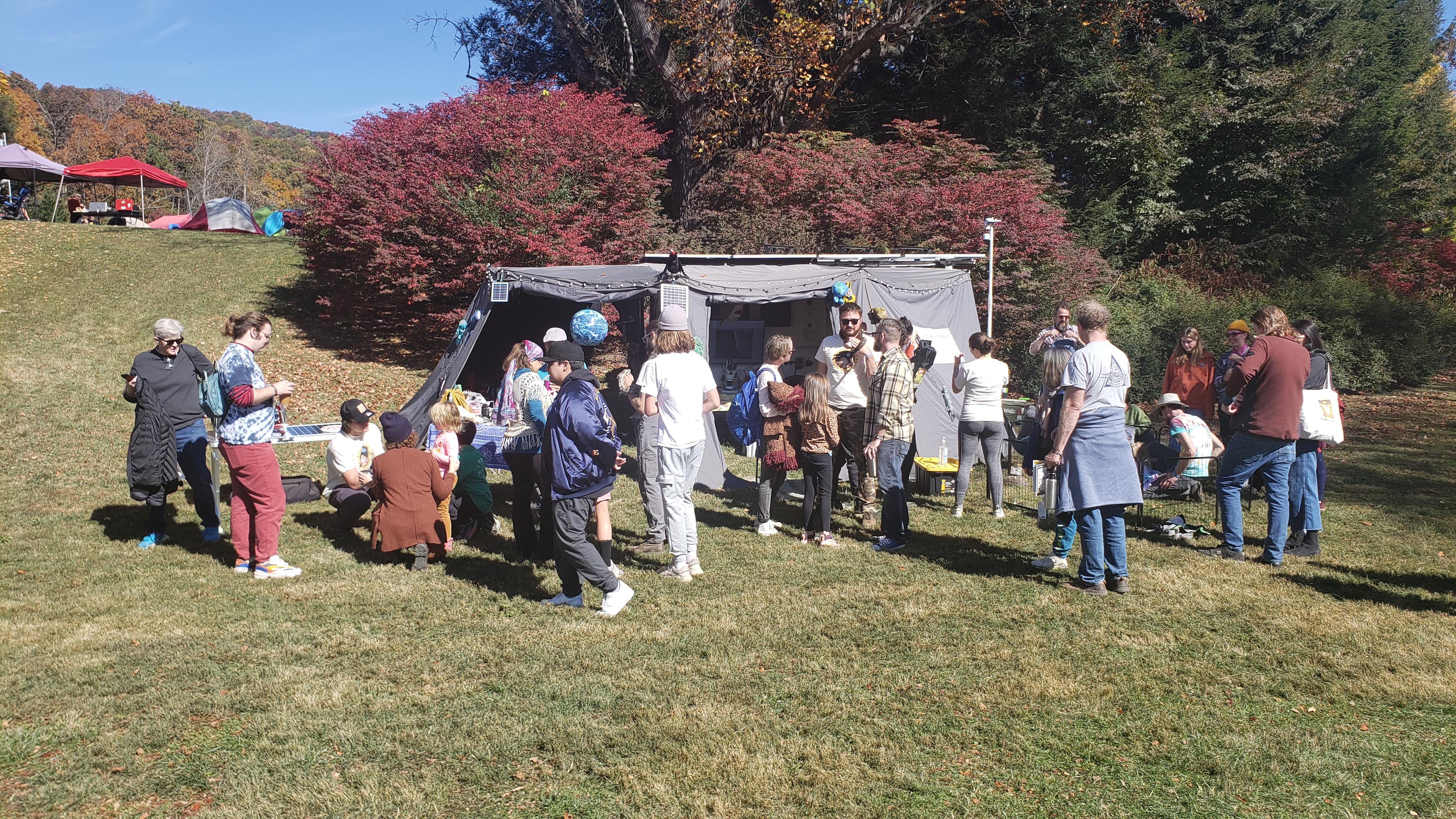
The 2022 outreach season was wonderful and full of excitement. Even with “the virus” still running amok on planet earth, we saw our outdoor programming return to almost “normal” – and then some. As in the pre-pandemic world, we presented at many of the same outdoor venues as in years past and in several new locations. What allowed us to make this happen so well this year was support from our amazing volunteer program staff extraordinaire Marian, Paulina, Jim & Alice, Ron & Rachael, Michael & Katrina, and Cade who were always there when needed to make the magic happen for our outreach program participants and animal ambassadors. The second reason this year’s outreach programming went so well was also due in part to the creation of our amazing new mobile outreach classroom – the SS NaSA PoD!
The Mobile Outreach Classroom Project
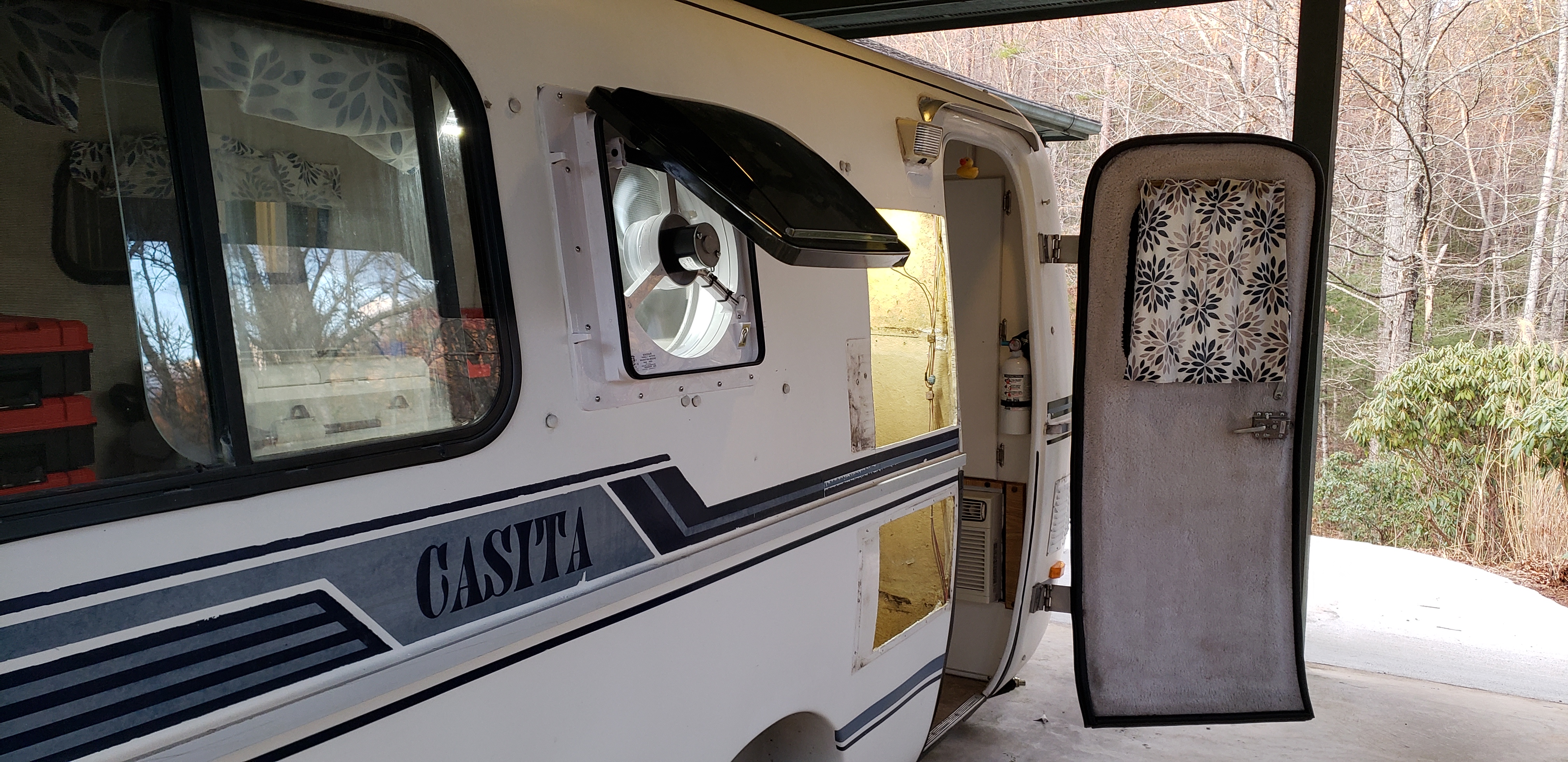
Last year we introduced you to our plan to construct a mobile outreach classroom to provide us with a better way to take our programming on the road in the time of covid-19 and beyond. The wonderful news is that with your help – we did it!!! Shortly after last year’s newsletter arrived in your mailboxes, ENP received a most generous donation from Asher and family that allowed us to purchase the 1995 Casita RV pictured here as it was when we purchased it – which we then set to work on converting into our mobile classroom.
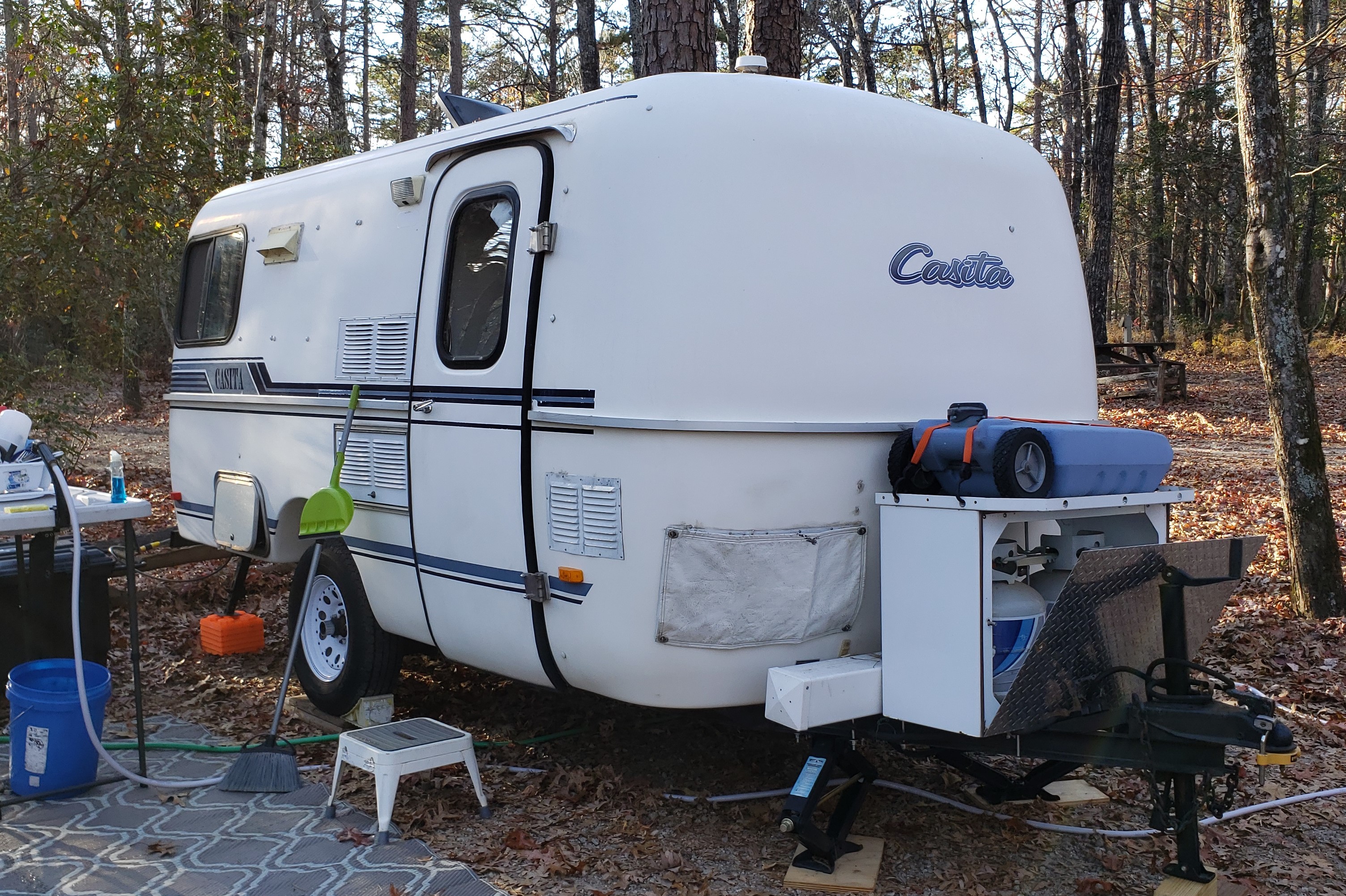
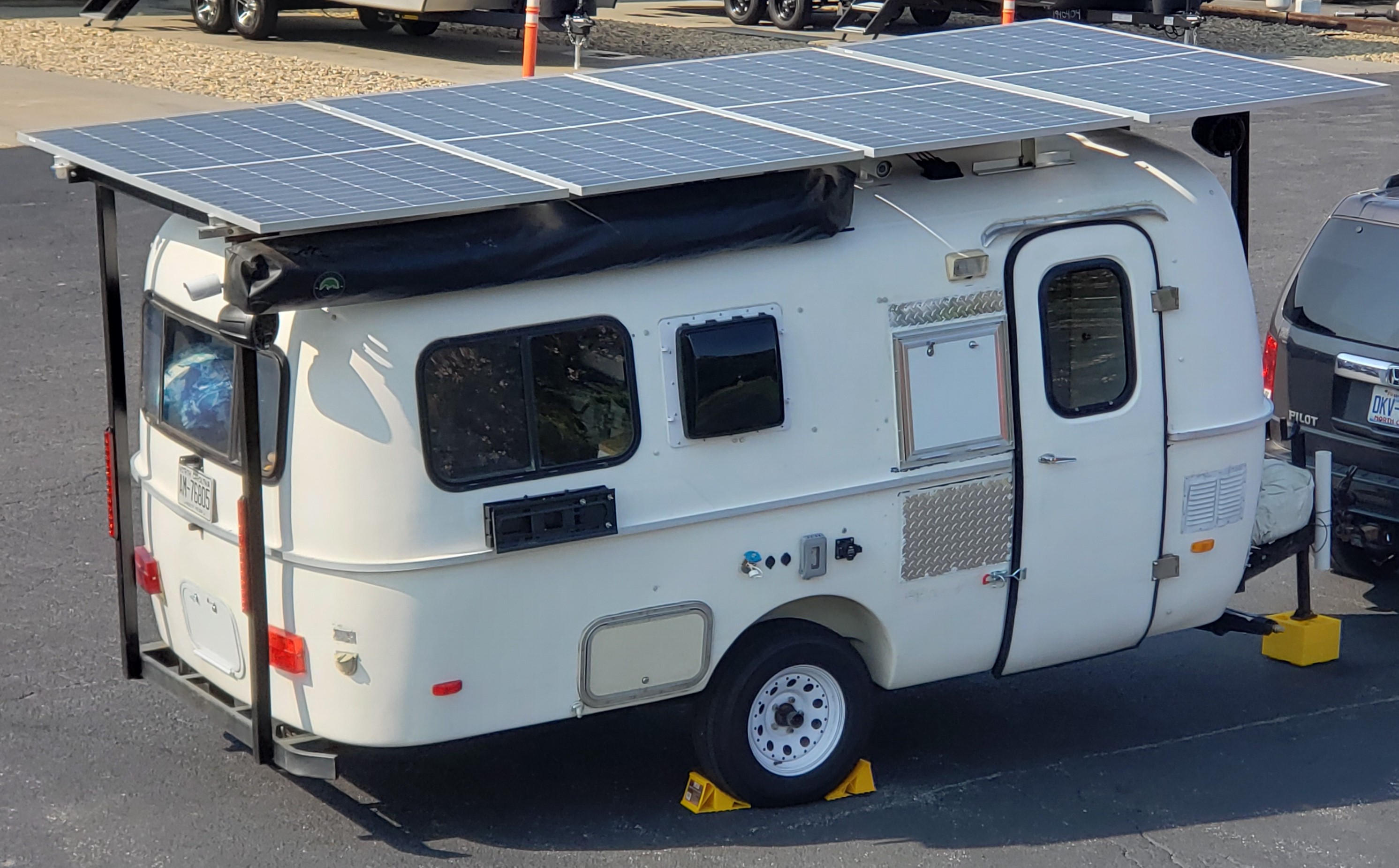
We worked all winter and into the spring to retrofit the little Casita camper and by May it was mostly complete. With Asher’s help, we also gave it a name – the SS NaSA PoD – which stands for
Science Steve’s Nature and Science Adventure Pod of Discovery
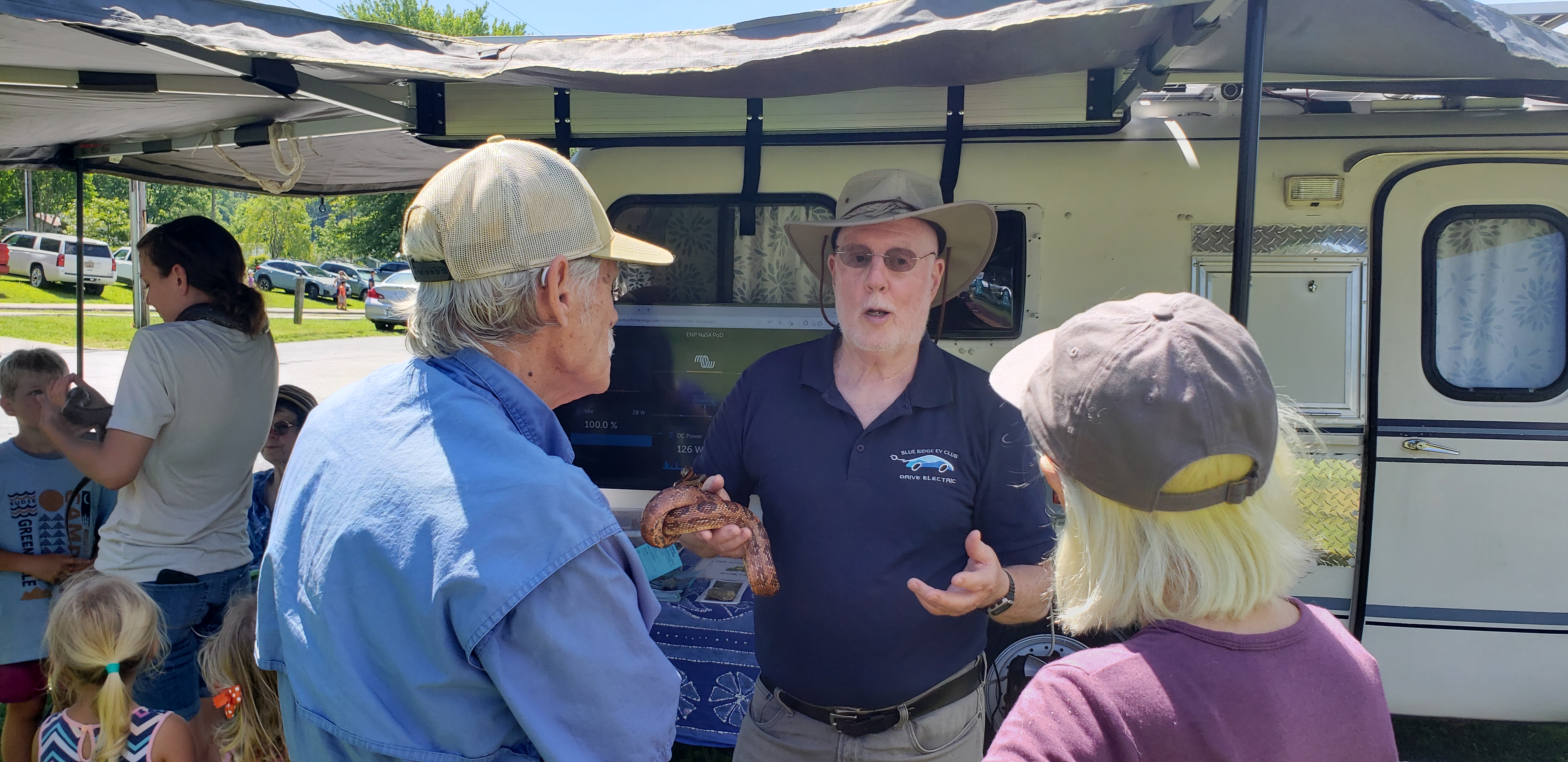
– or just “The PoD” for short. We put The PoD to work doing what it was designed to do – take our wildlife, nature, and science programming to many local and regional camps, schools, and even two outdoor festivals! It was a wonderful programming season and the SS NaSA PoD performed exactly as we designed it to do – it is a wonderful addition to our programming offerings. We are so grateful for the most generous outpouring of support we received from all of you who worked with us to make this amazing project happen (and to my wonderful wife Marian who put up with my long hours working on this project that she often called my “mistress.”)
THANK YOU ALL SO MUCH for your amazing generosity!!!
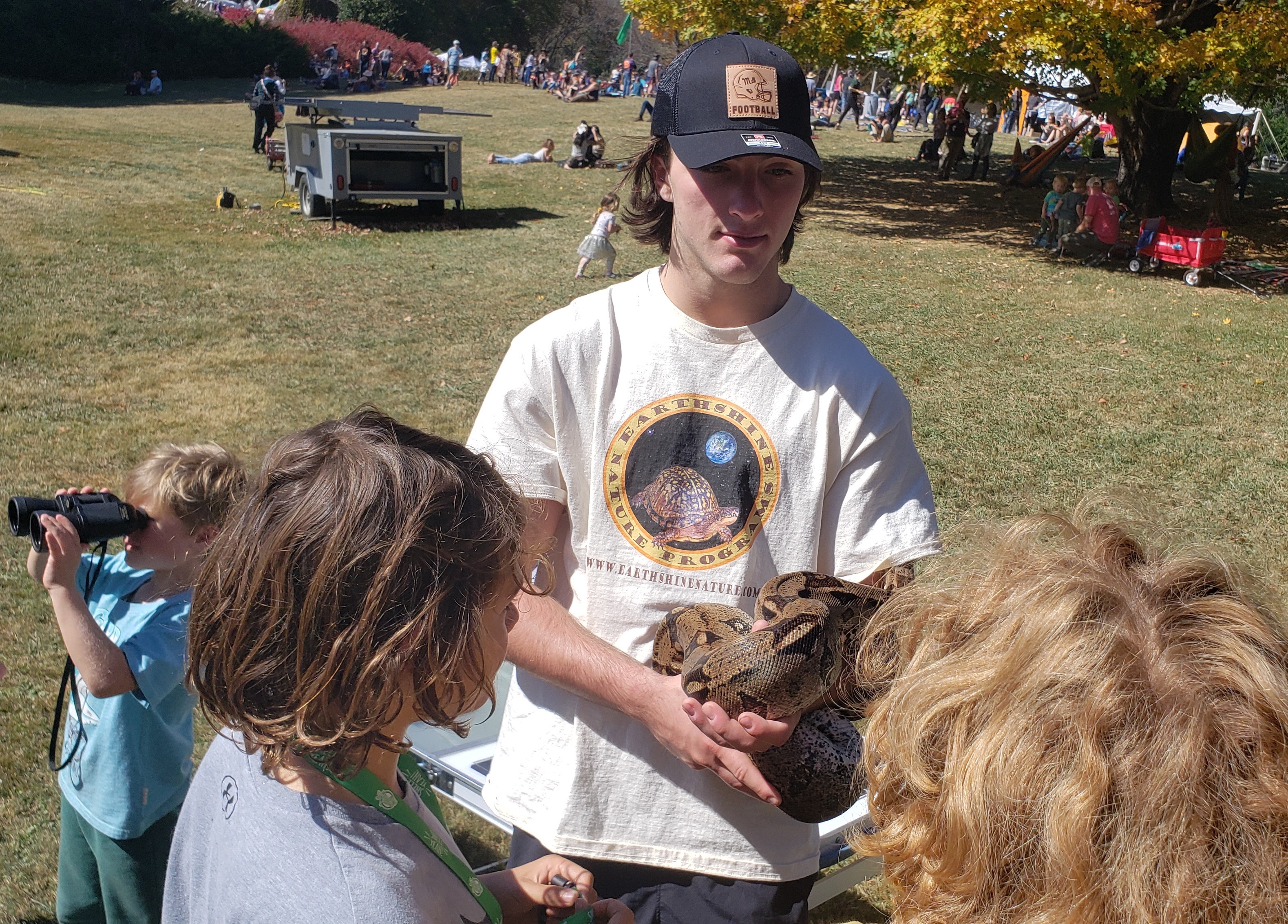
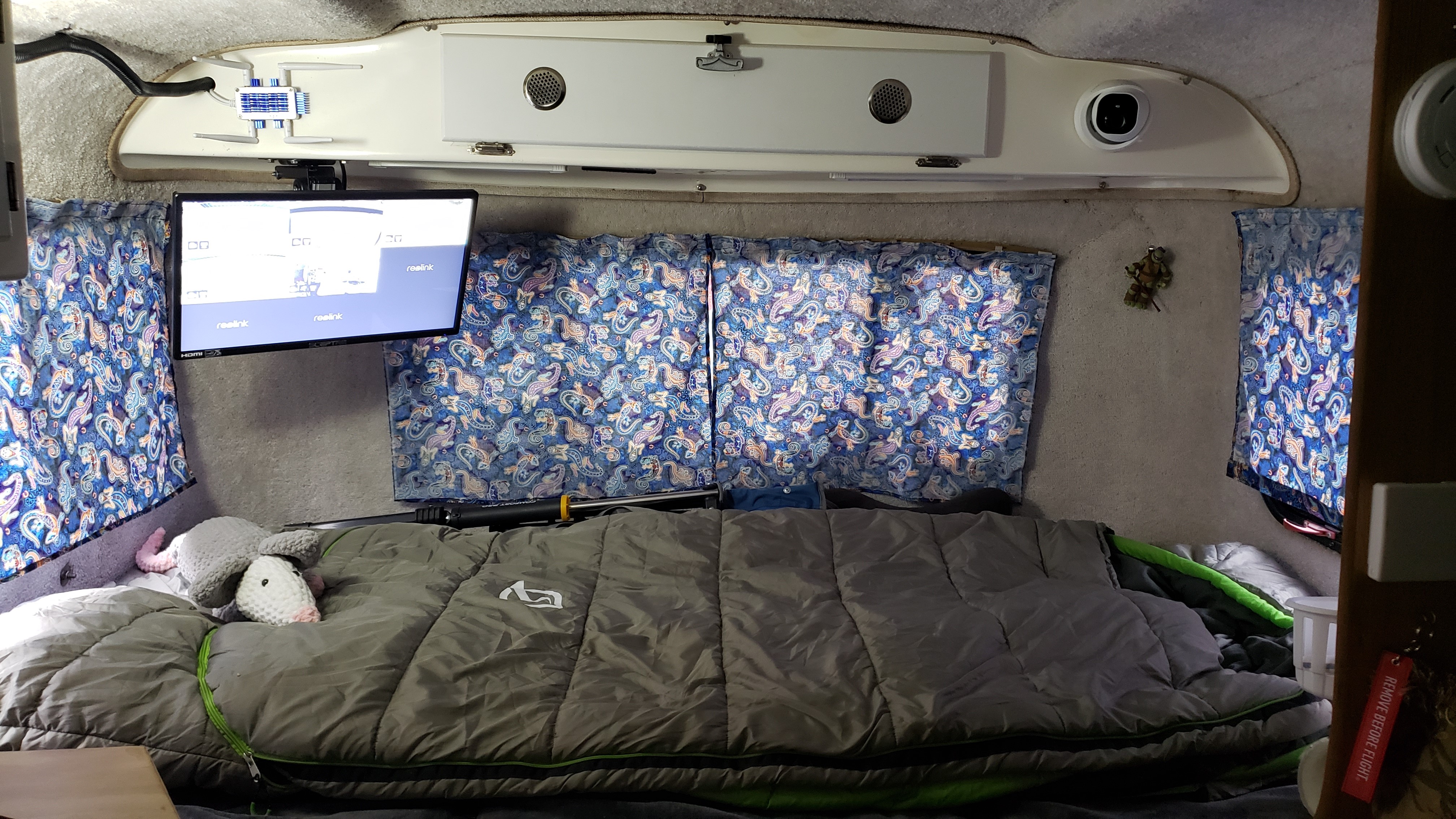
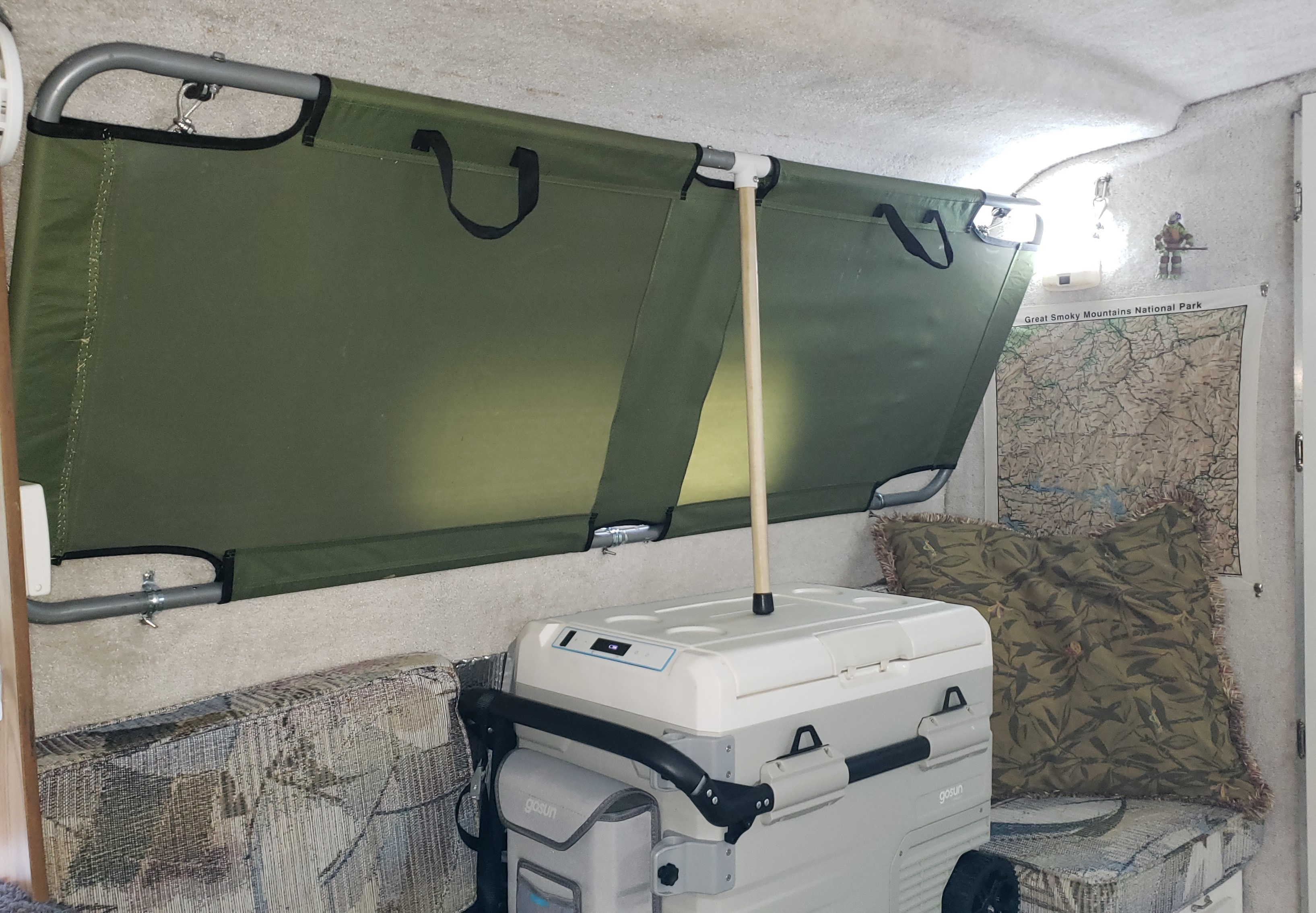
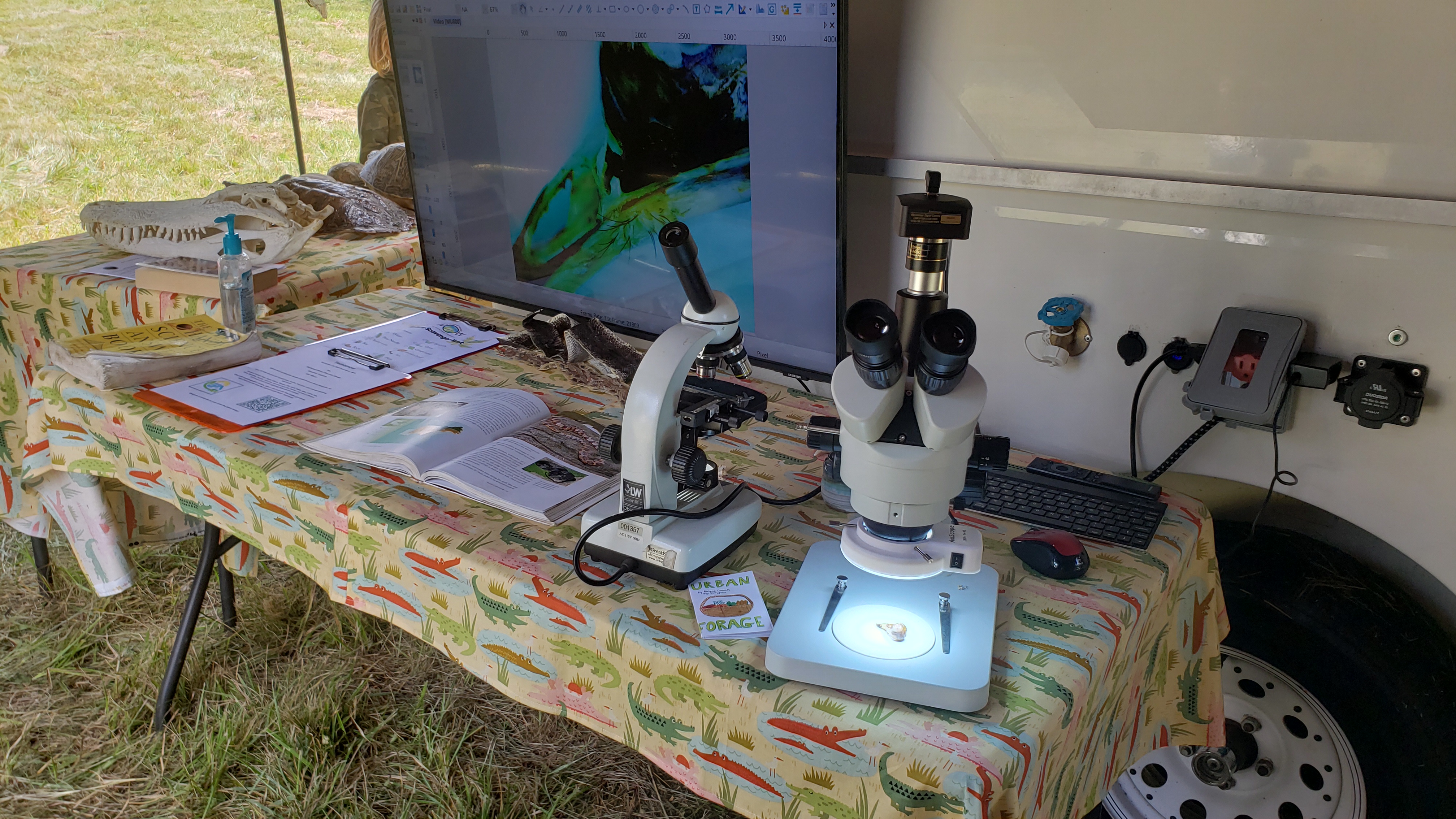
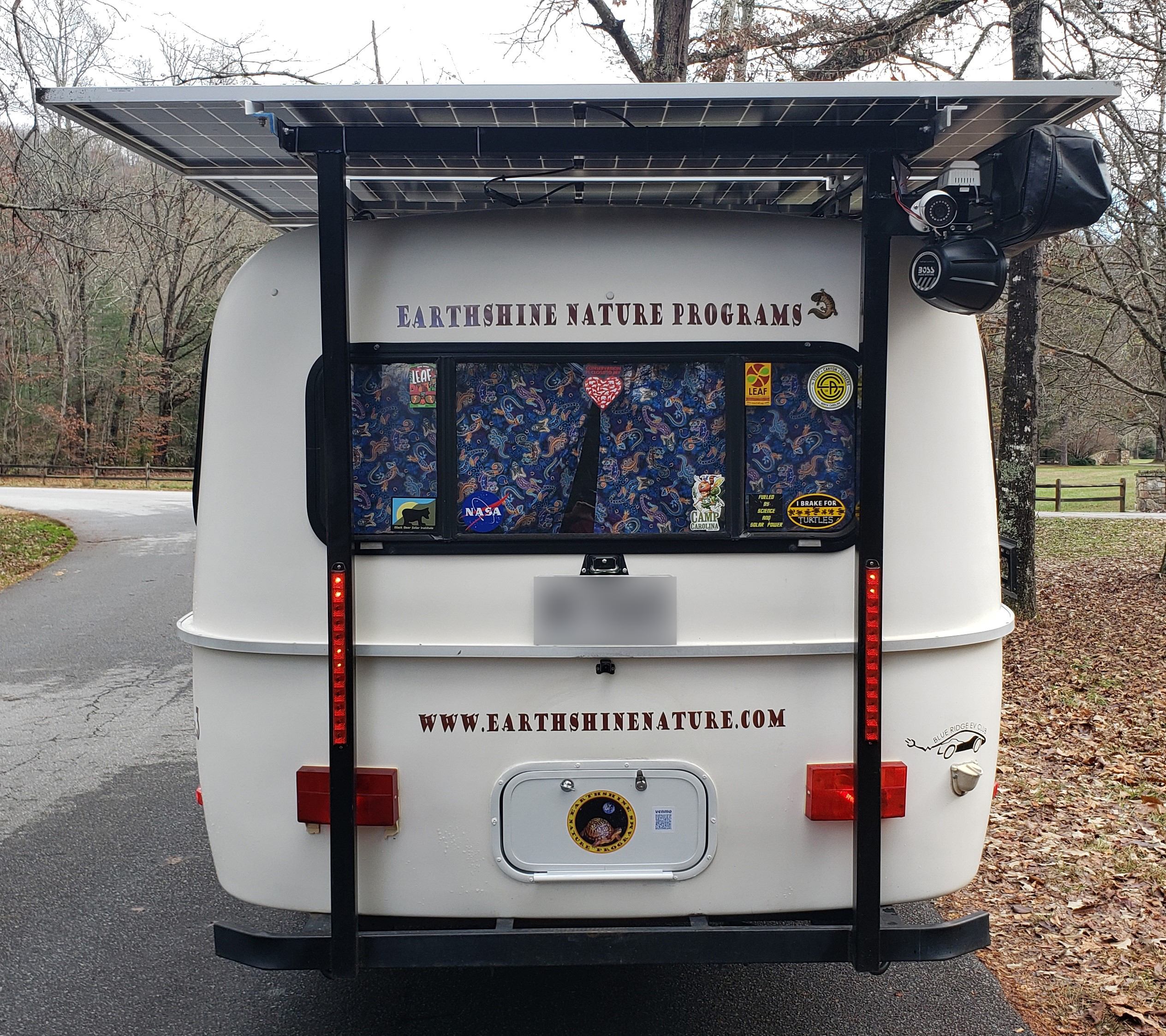
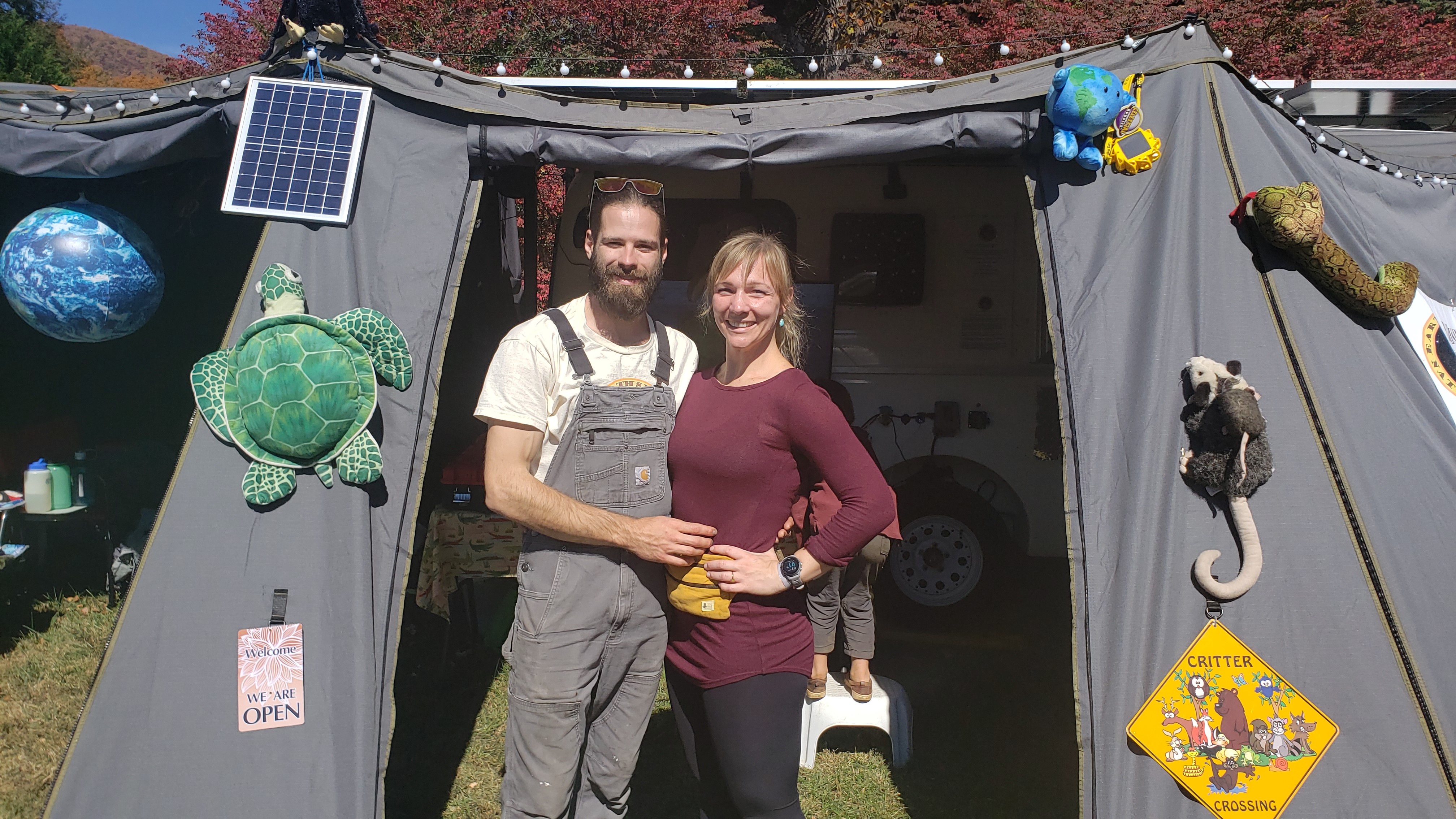
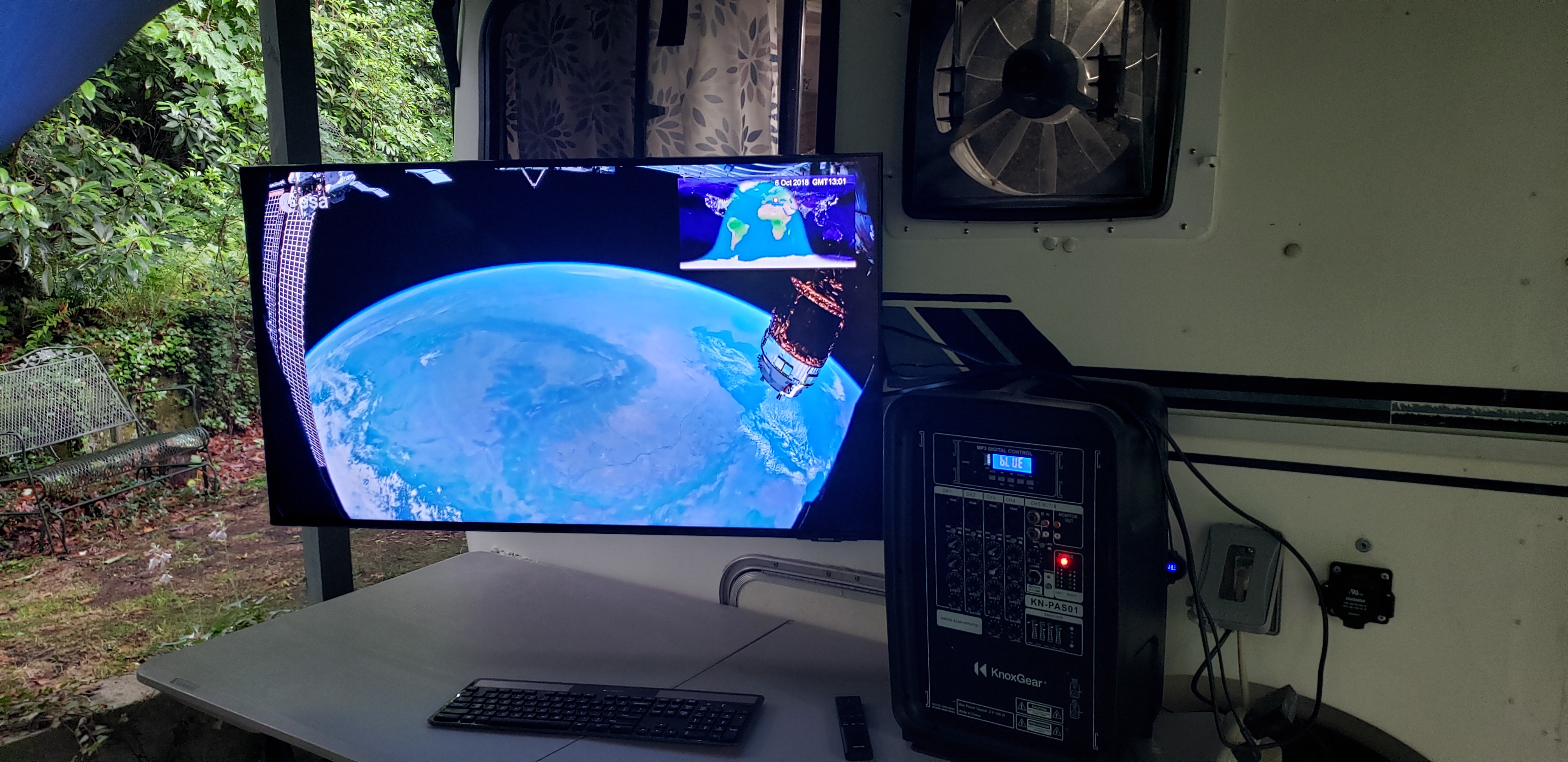
What follows are photos beginning with how the PoD looks today after our work to retrofit it as a mobile classroom, and a few photos of the PoD in action from over the summer of 2022. Please enjoy the fruits of your support and be content in the knowledge that your incredible support is helping us to continue to plant great seeds of curiosity, knowledge, and wonder wherever we may travel.

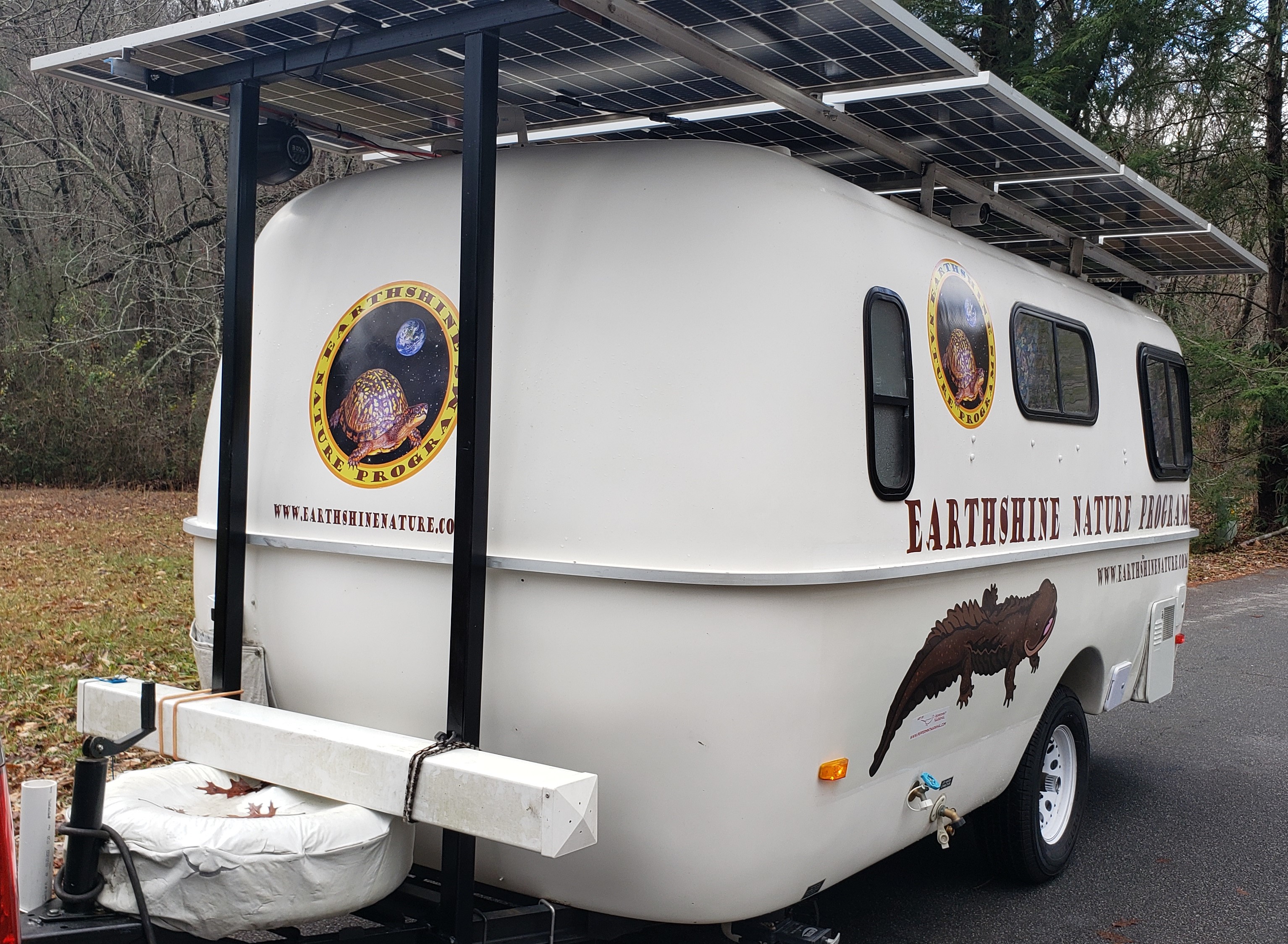

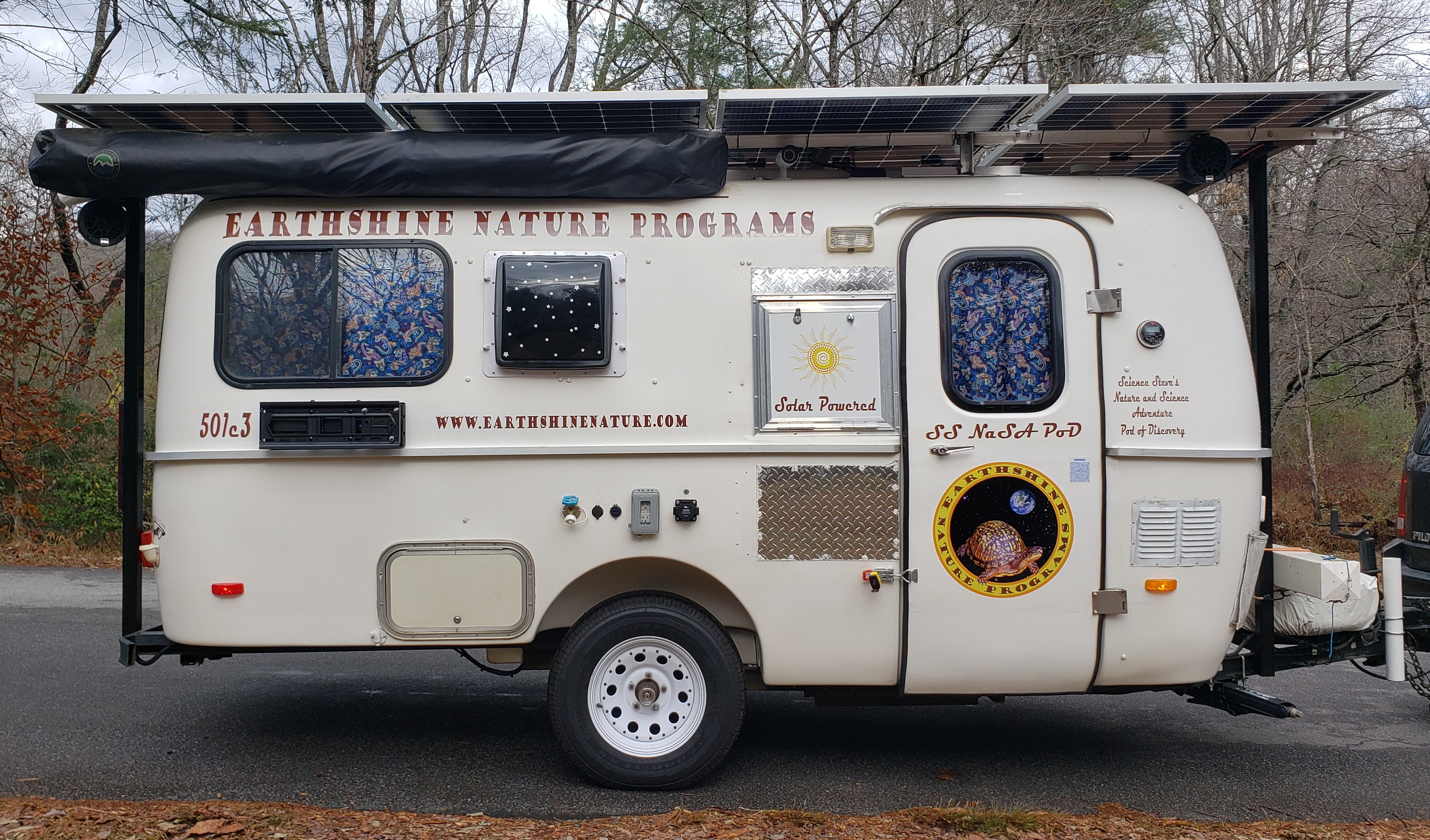
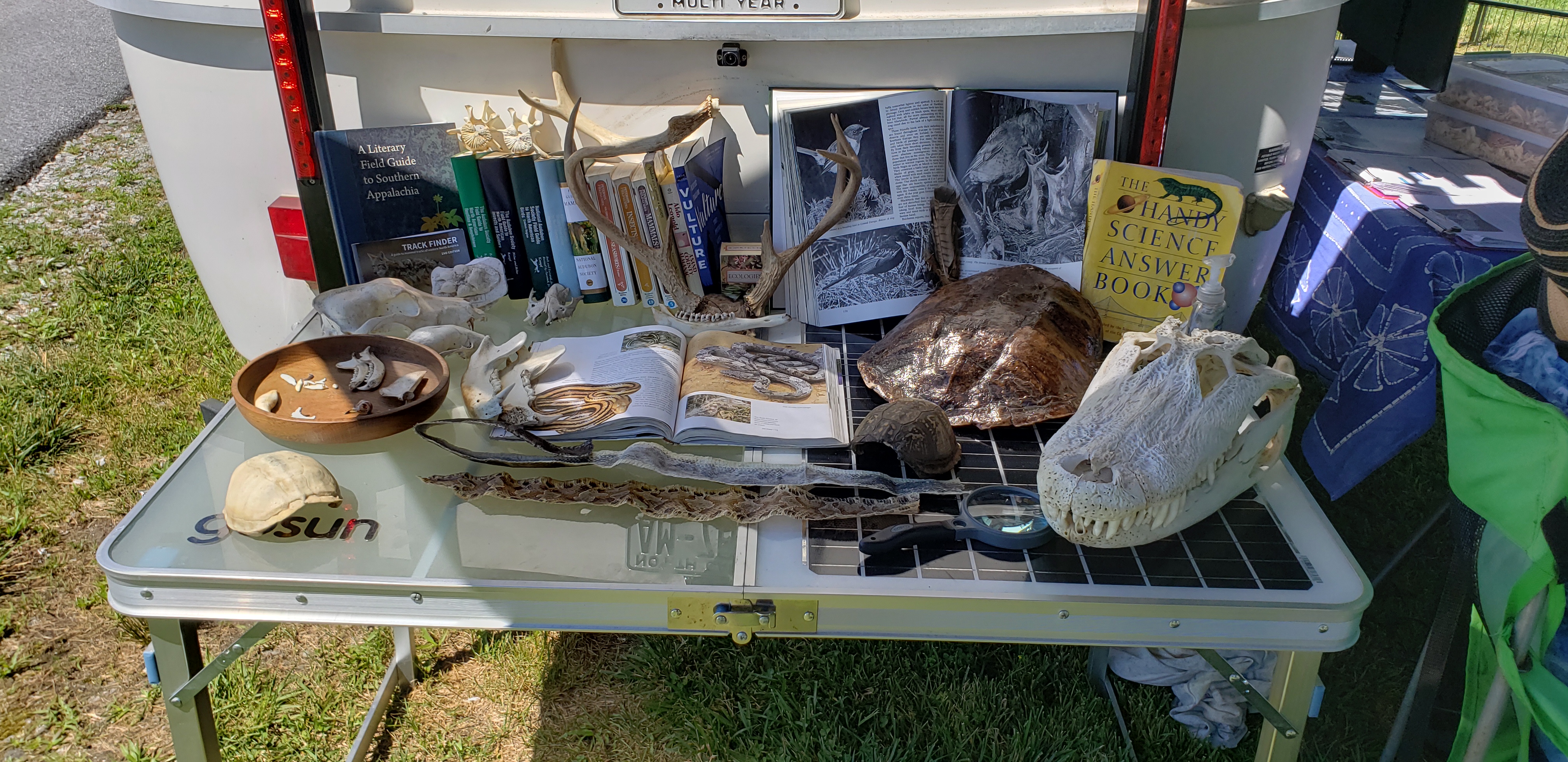


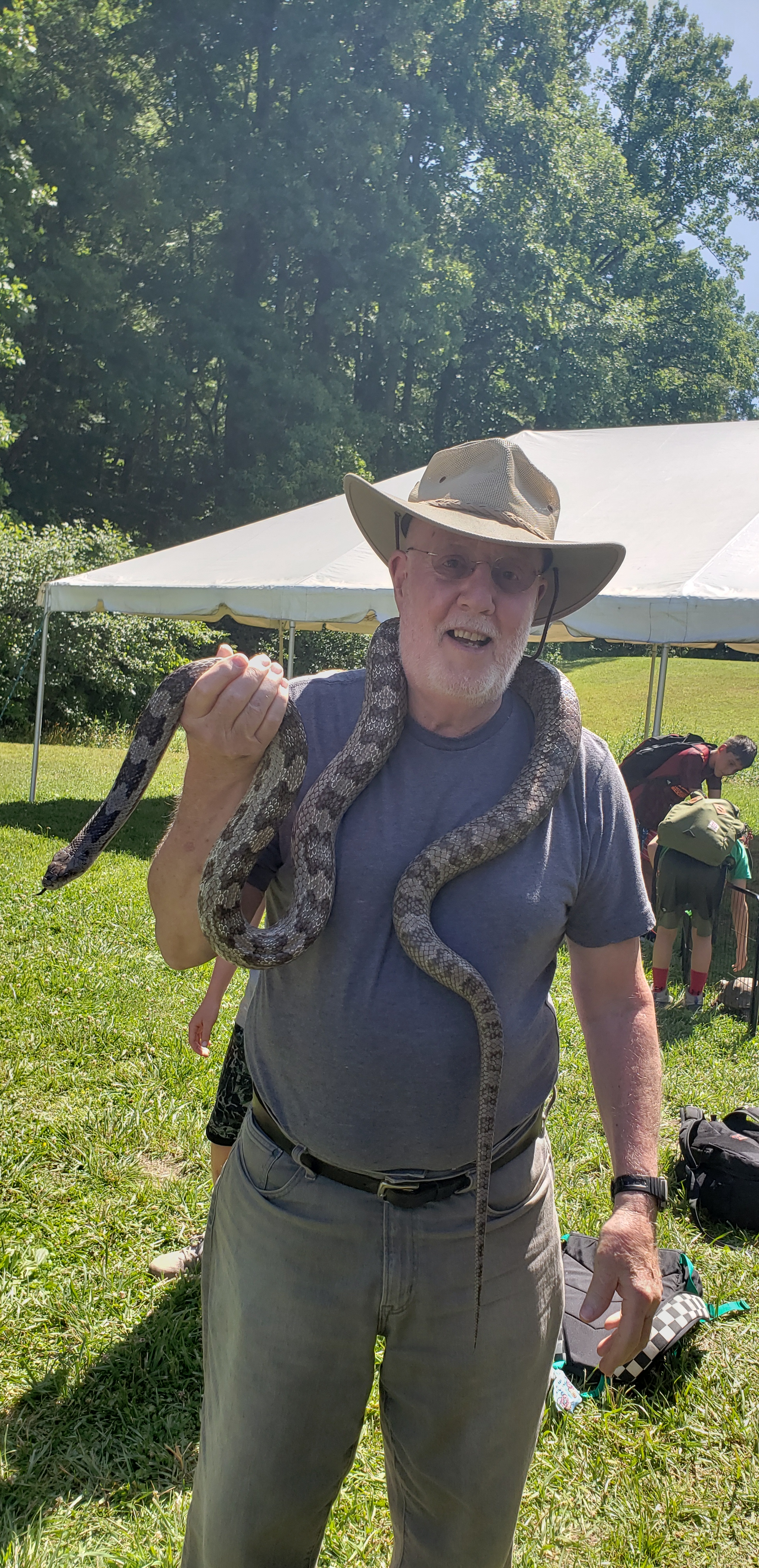
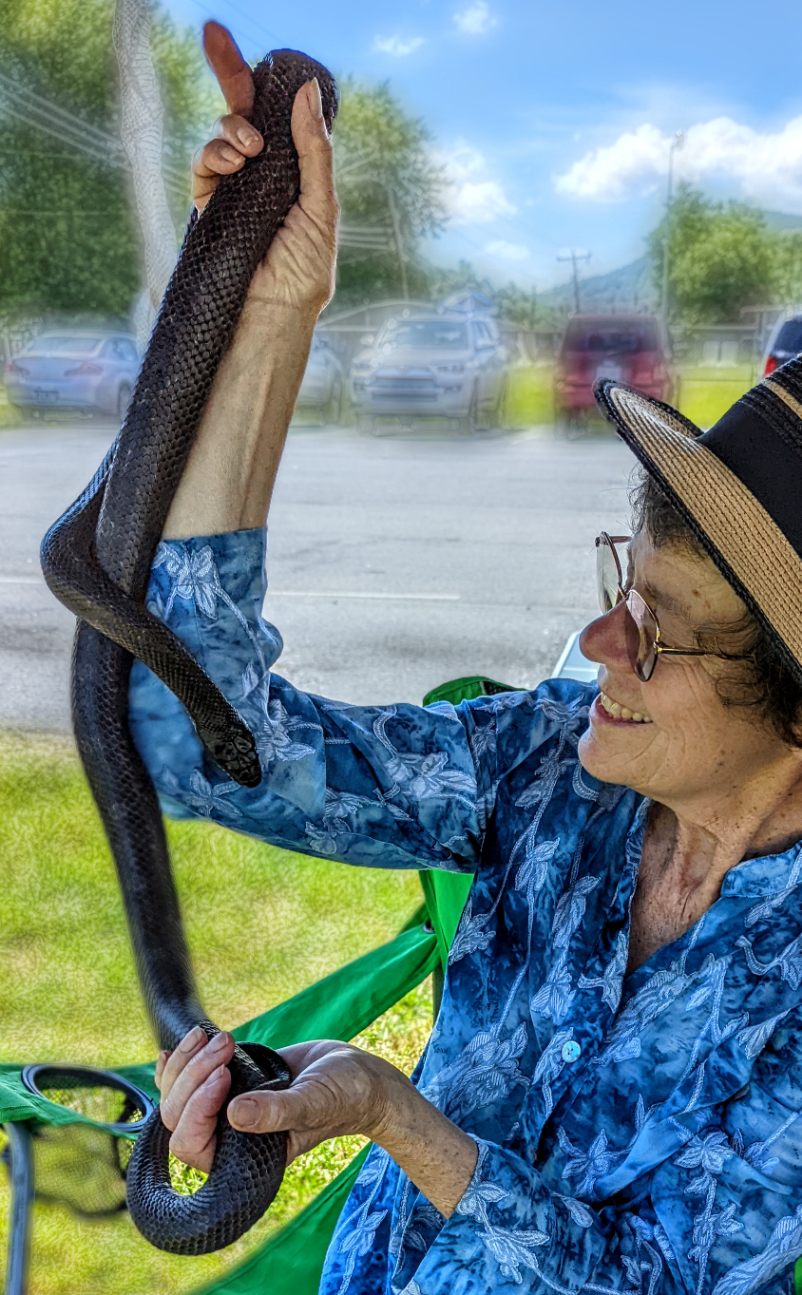
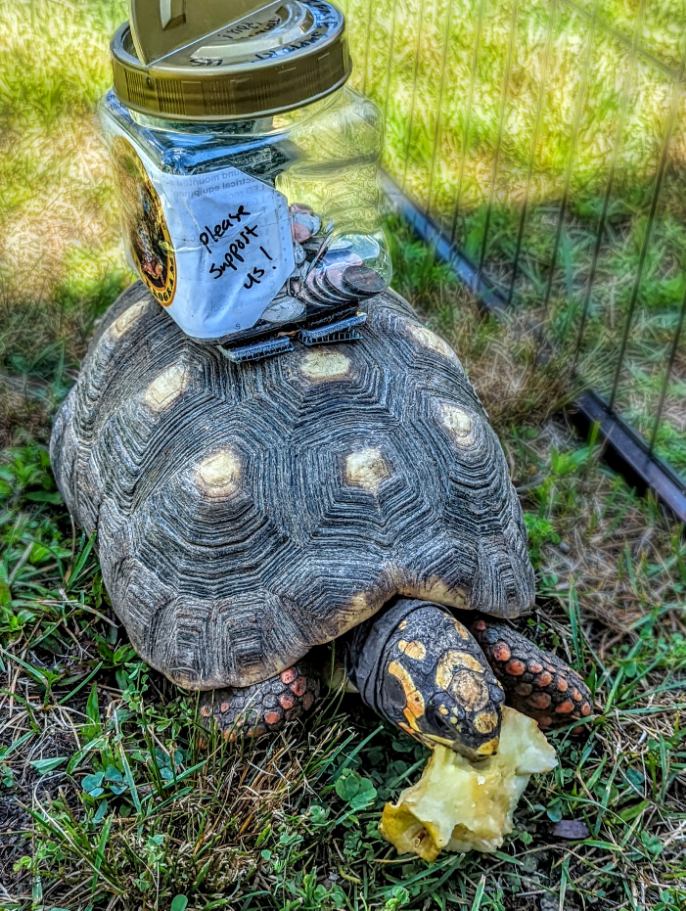
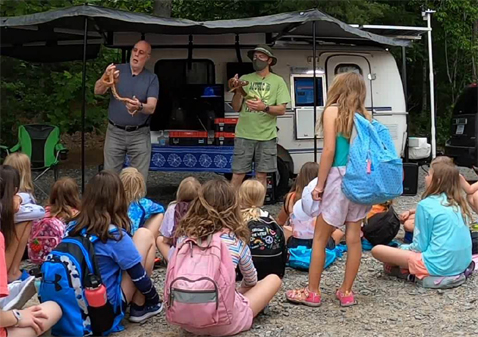


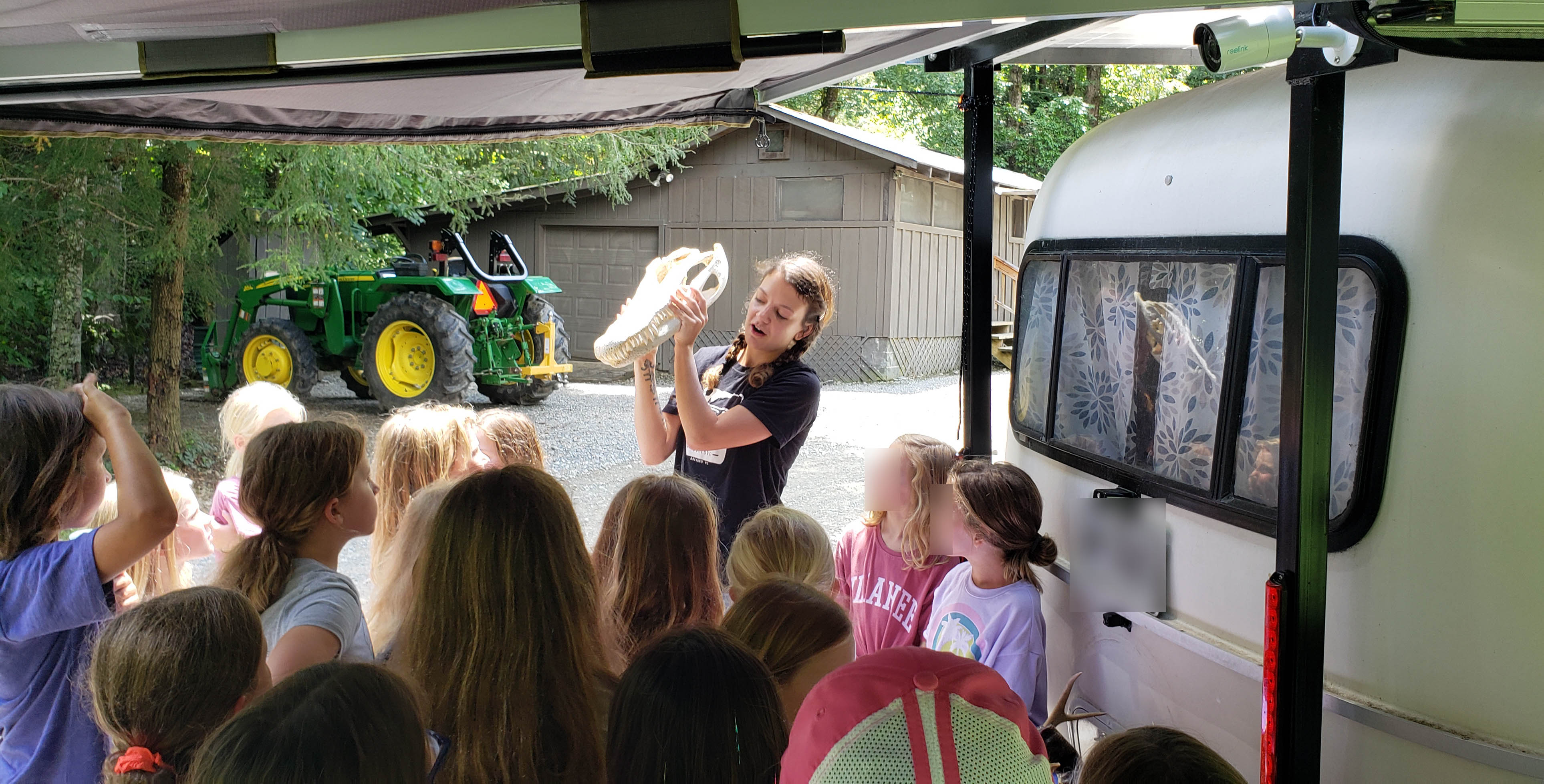
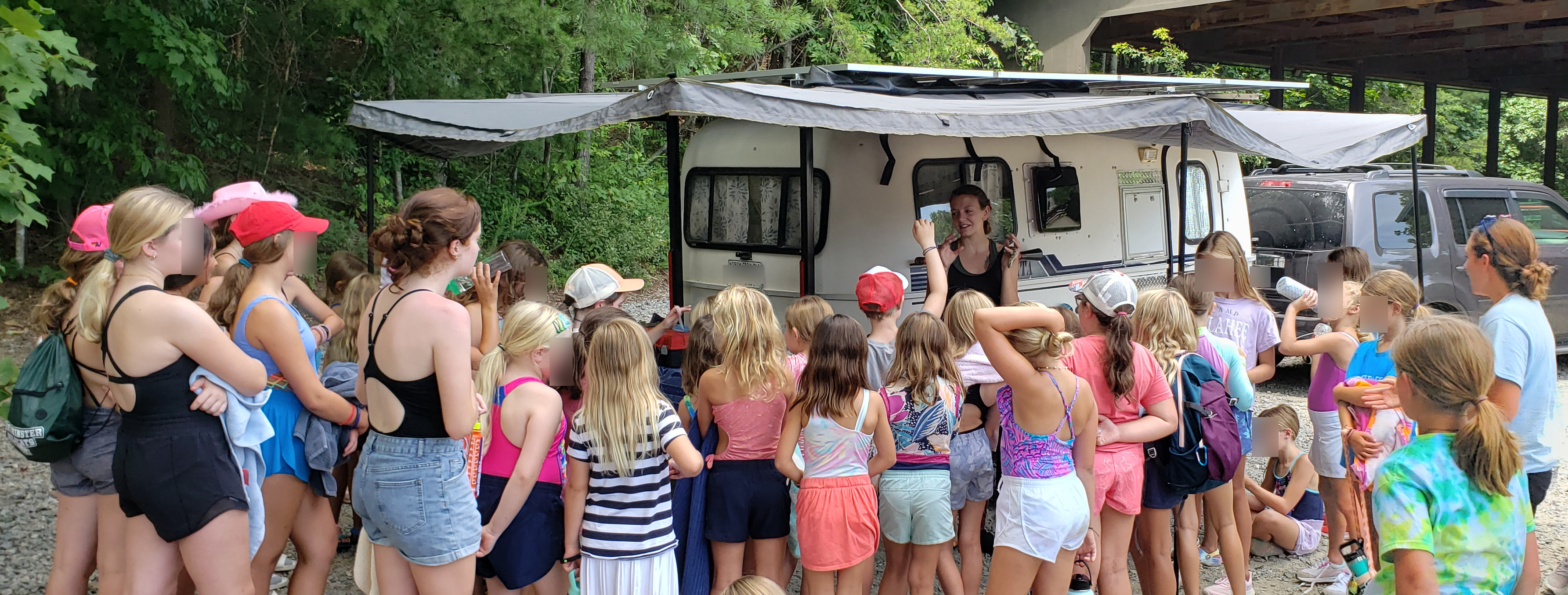
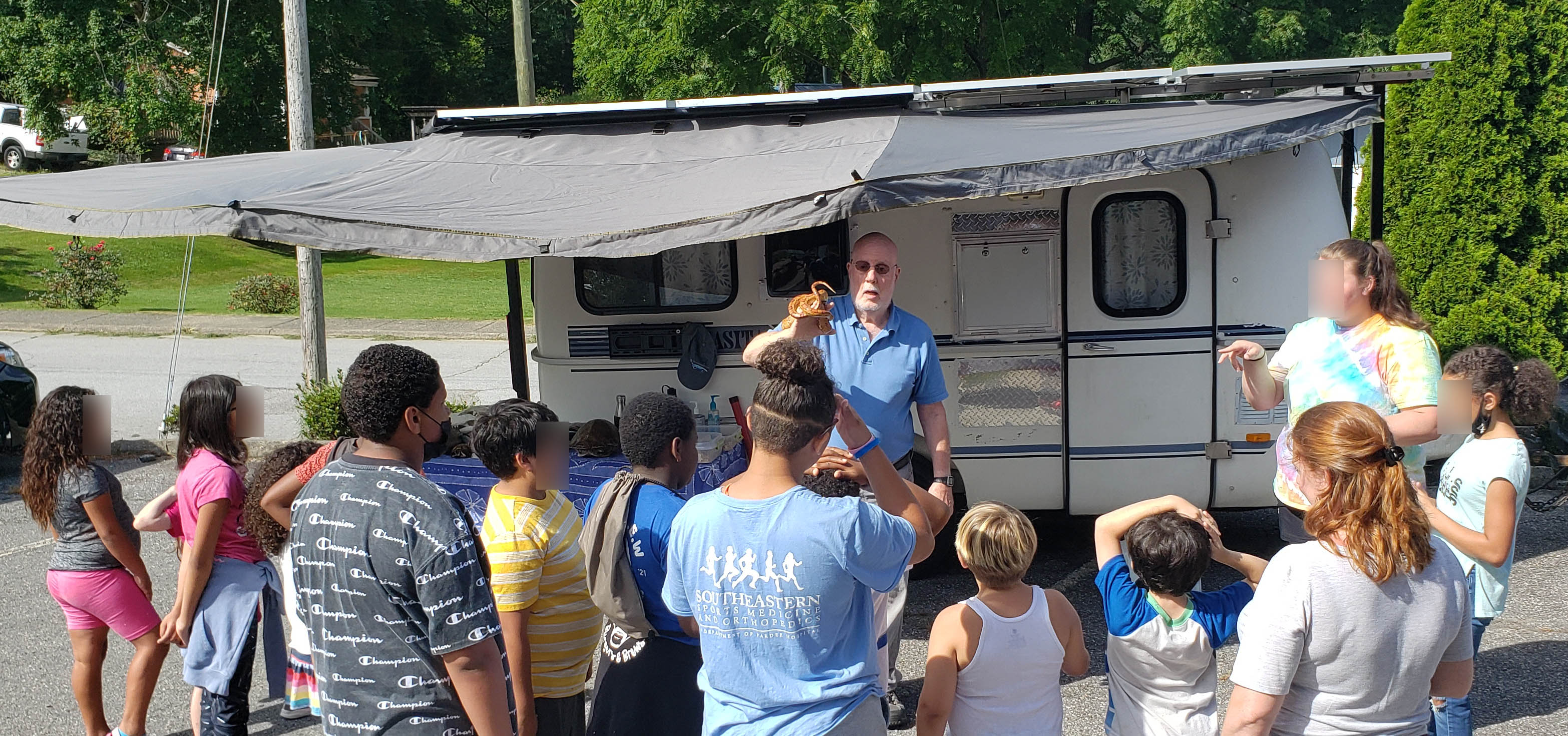

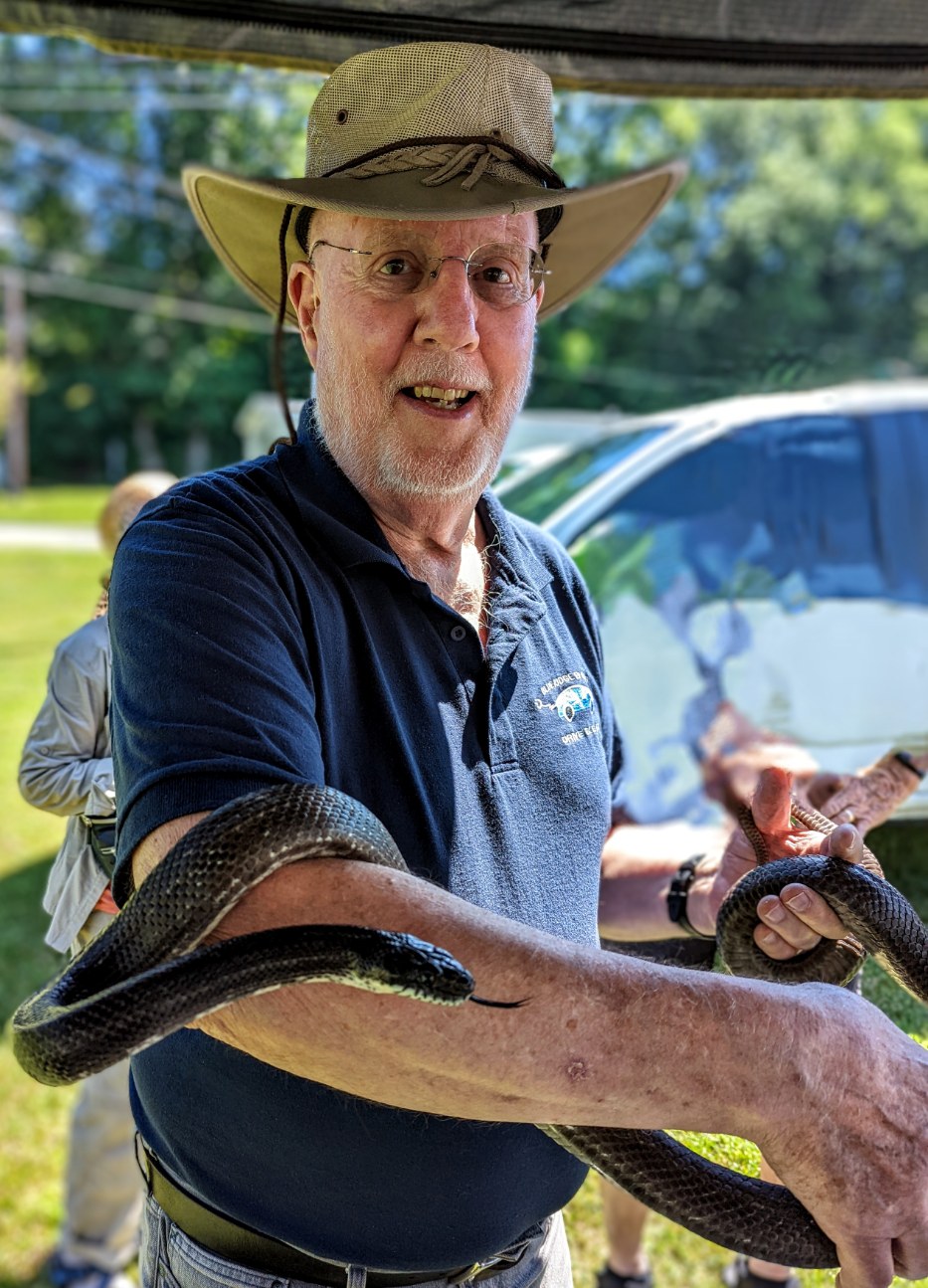
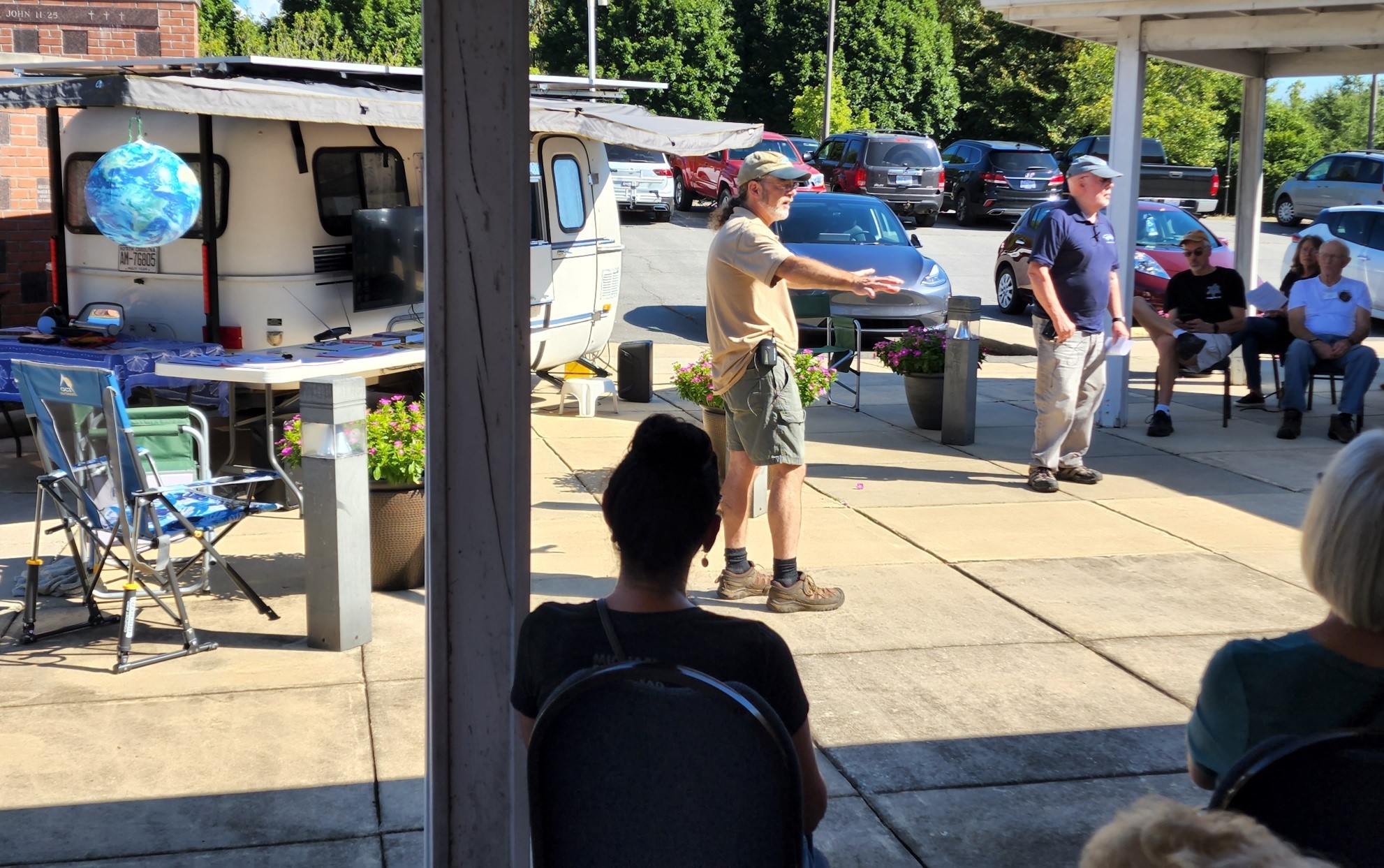


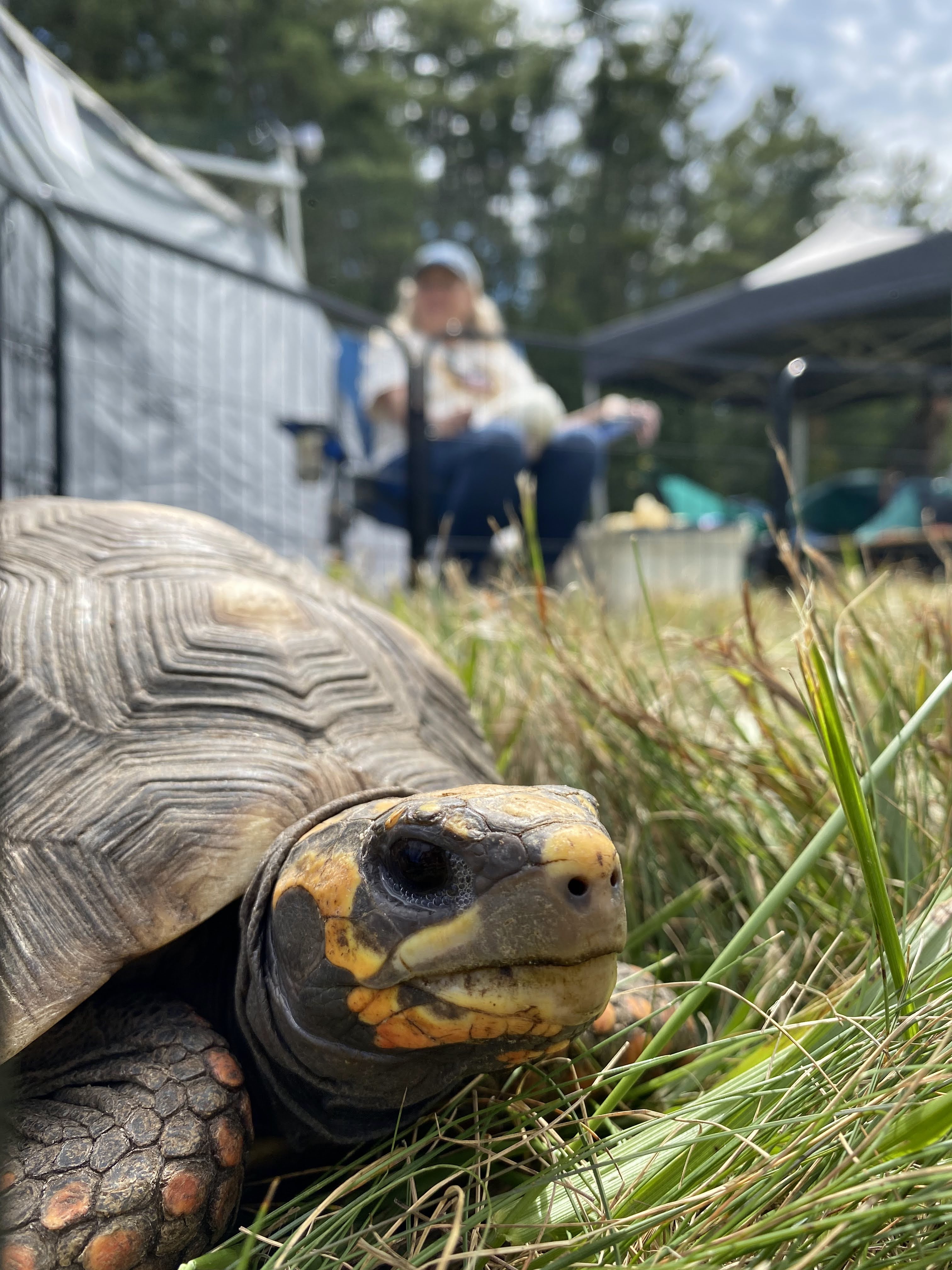

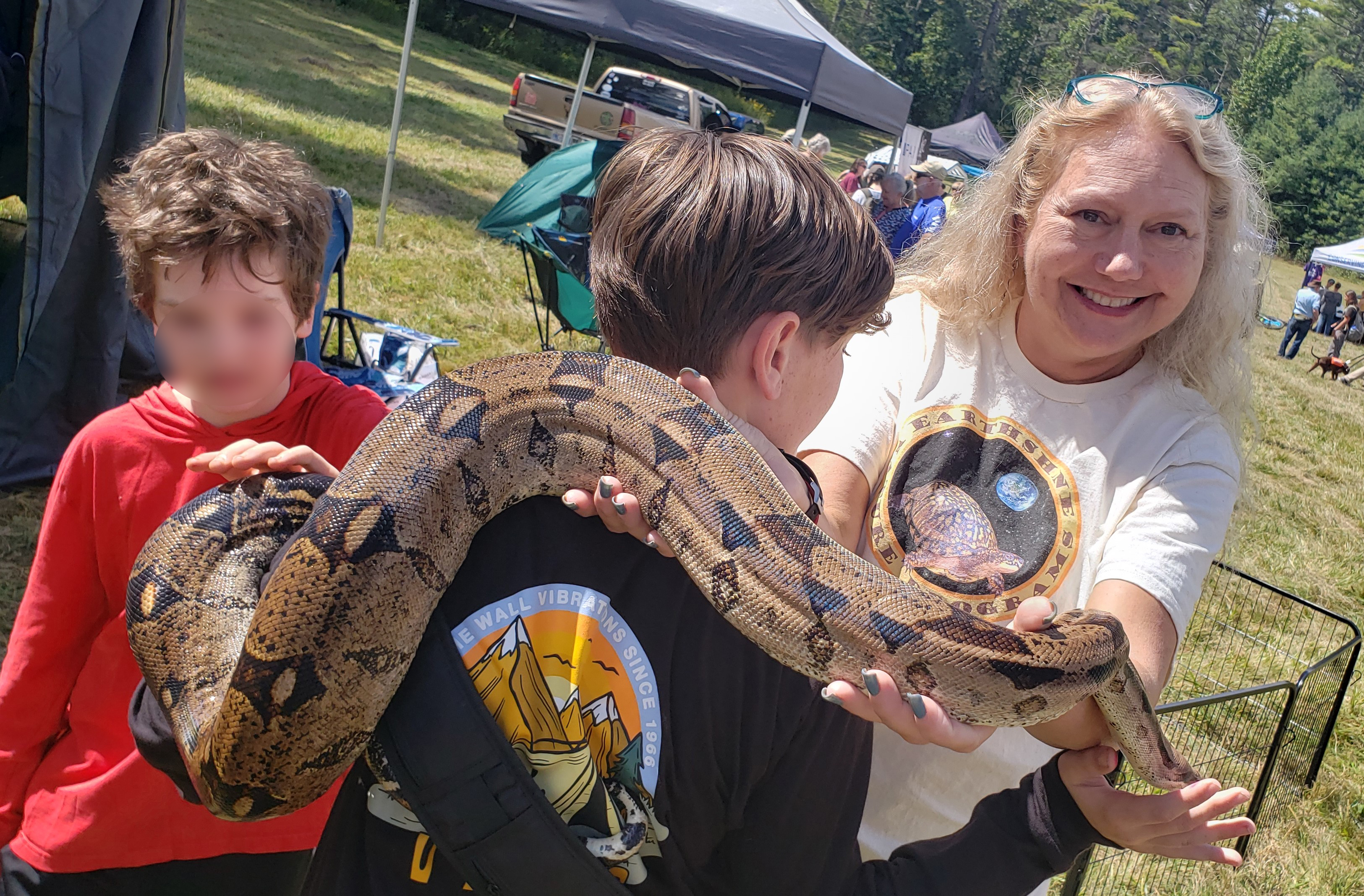



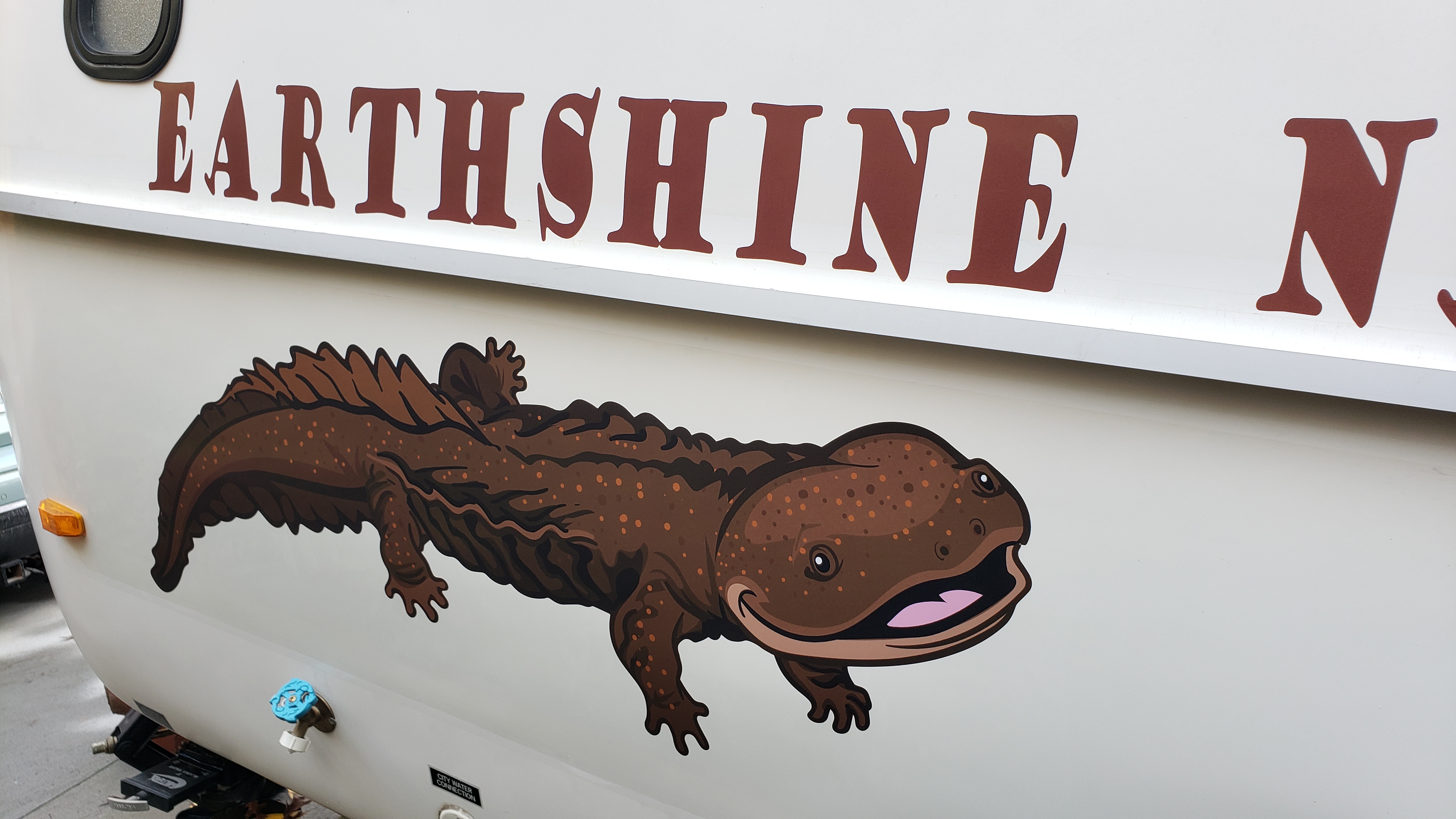
The custom Hellbender artwork on the PoD was donated by Peppermint Narwhal – please visit them today:
Your support of Peppermint Narwhal helps wildlife species in need.
If you are interested in discovering all the details of the acquisition, construction, and implementation of the SS NaSA PoD, please take a look at our previous post on this blog for all the details.
Remember to look for the SS NaSA PoD out there in 2023 and beyond!
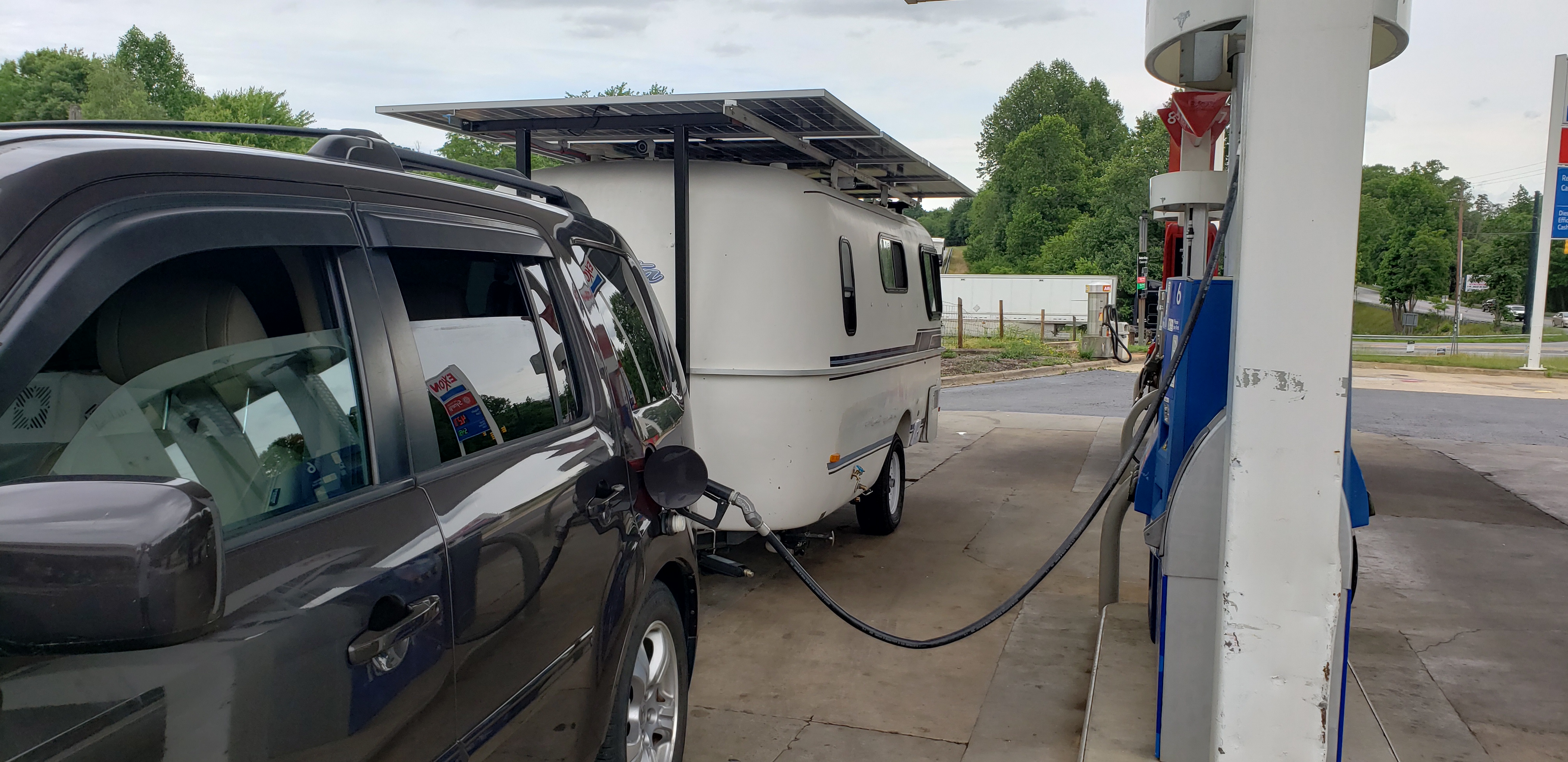
While the PoD is working exactly as we engineered it to do, and doing it very well – the one big issue we are having is with its tow vehicle, an aging Honda Pilot with high miles that struggles to pull the PoD up hills – and in our area, we are known for the hills that we call mountains. Needless to say, we are concerned about the remaining lifespan of the Honda and truly do hope it makes it a bit longer until we are somehow able to source an all-electric truck to be used as the PoD’s dedicated tow vehicle/outreach/work/utility vehicle for ENP. Please do contact us if you would like to assist us with the acquisition of an all-electric work truck to be used primarily as the tow vehicle for the SS NaSA PoD. Follow this link for more information on our future outreach vehicle plans and for ideas on how you can help us make it all happen.
Speaking of vehicles
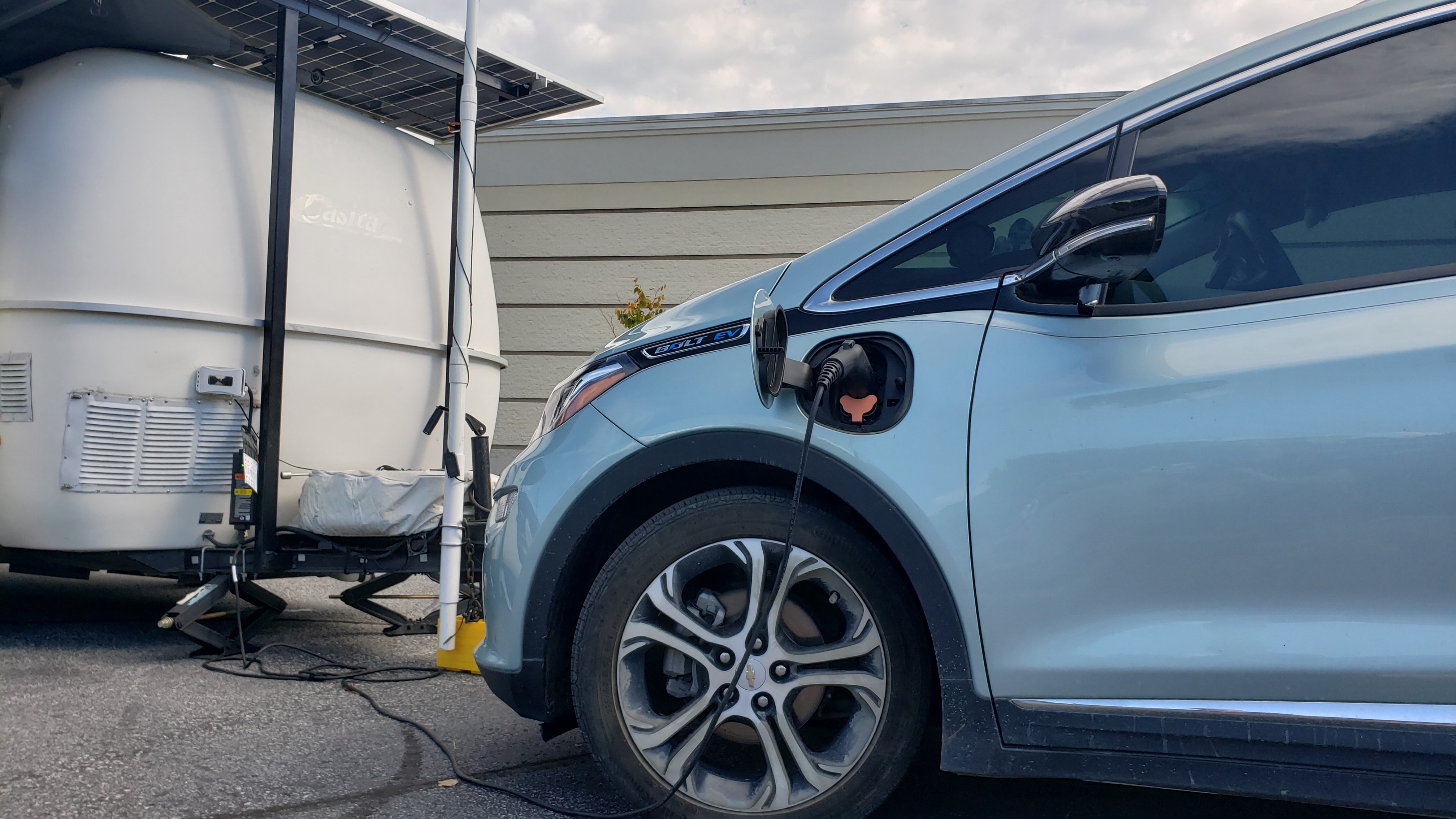
September 29th, 2022 was the three-year anniversary of driving the ENP Chevy Bolt EV – The “Mighty Bolt” as we lovingly call her – as our outreach education and wildlife rescue vehicle.
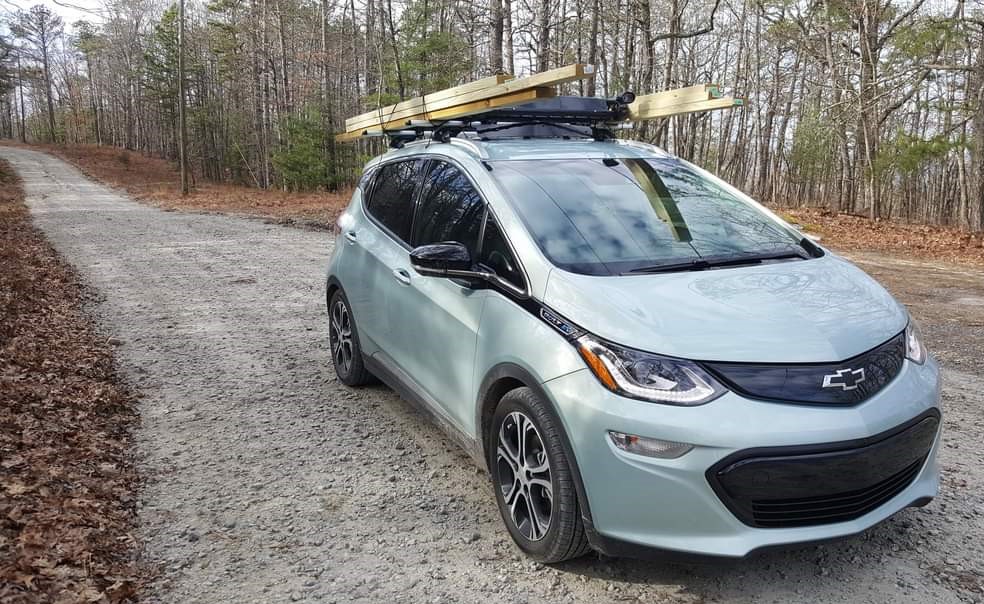
The Mighty Bolt in its element
I have estimated that if ENP had been using a petroleum-distillate-powered vehicle during this time, its fuel costs would have been around 13 cents per mile, and when we account for the mileage we have driven the Mighty Bolt EV during that time, our fuel costs for a legacy vehicle (such as the Honda Pilot we use to pull the PoD with a fuel economy of around .13 cents/mile) would have added up to around $5,400 for three years of use – not including the cost of repairs, “tune-ups,” and maintenance costs associated with “legacy” vehicles. Since the ENP outreach EV is fueled (charged) primarily from our student-built classroom solar array – its fuel costs are zero ($0.00/mile) for its daily driving duties. Even if it were charged primarily using the energy mix from the local power grid it would still only cost ~.01 cents/mile to drive. These savings are substantial for a small, volunteer-operated, environmental conservation and education outreach organization. All this awesome gives the Mighty Bolt EV very small business and environmental footprints, and it continues to serve as a wonderful energy education teaching tool inspiring the next generation to think above and beyond the status quo and work hard to have better Leave No Trace (LNT) ethics than past generations. As a very wise person once said: “Work very hard to leave the earth better than you found it.” Here at ENP that bit of wisdom is at the center of our mission and we work very hard every day to make that mission a reality.
The Mighty Bolt EV and SS NaSA PoD are owned by ENP and are used primarily as our outreach vehicle and mobile classroom. They are both fueled mostly by renewably generated electricity provided by the ENP/Trails Science student-built classroom solar array and the PoD’s rooftop solar array. They both serve as wonderful teaching tools for our Trails students, ENP outreach program participants, and everyone we meet via our programming.
This year ENP was interviewed for a story about the Eastern box turtle in Our State magazine!! What an honor!! Read the story via this link: https://tinyurl.com/ourstate1 or if you prefer the full link:
www.ourstate.com/tracking-turtles-with-the-box-turtle-connection
Organic Garden and Chickens

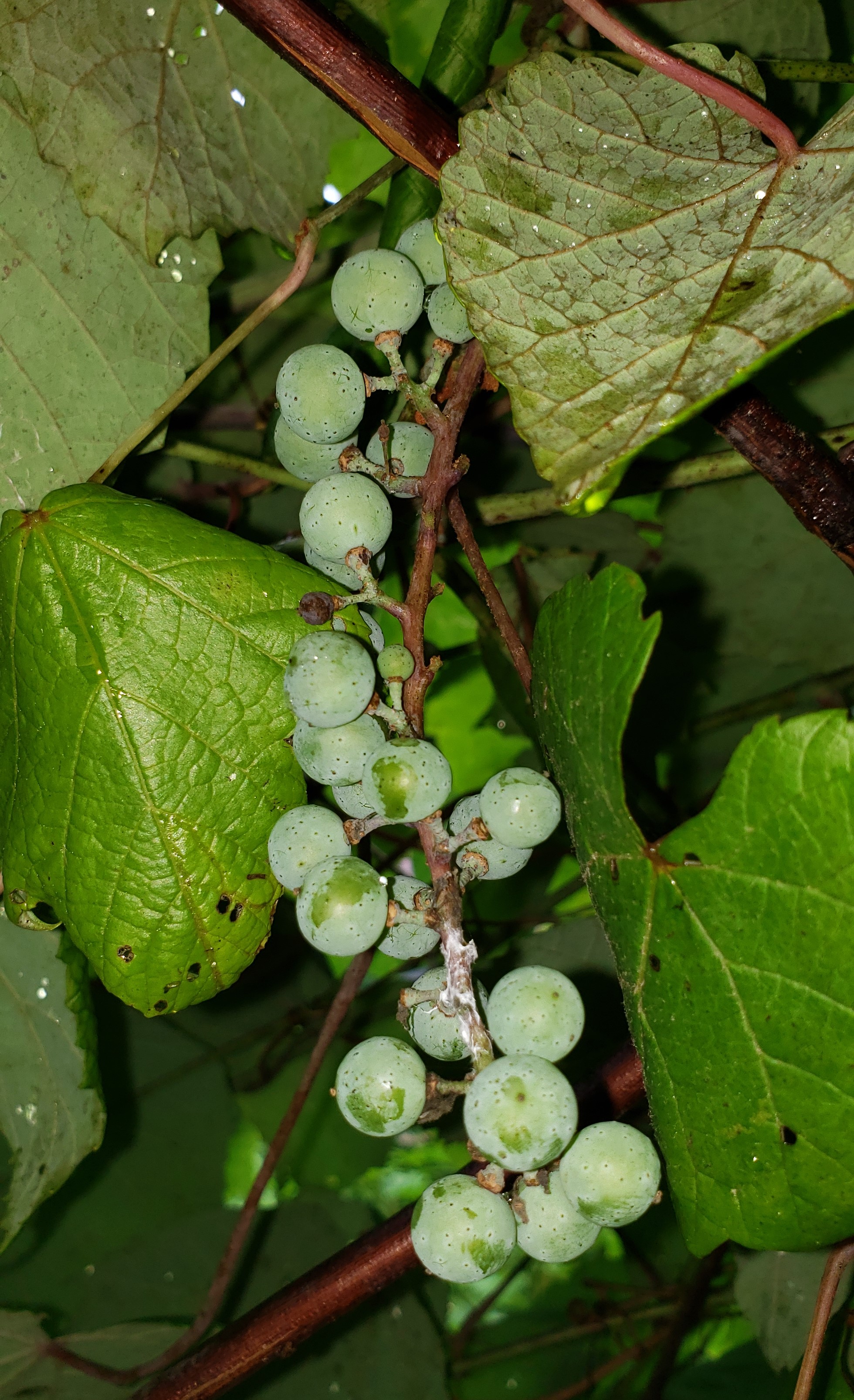
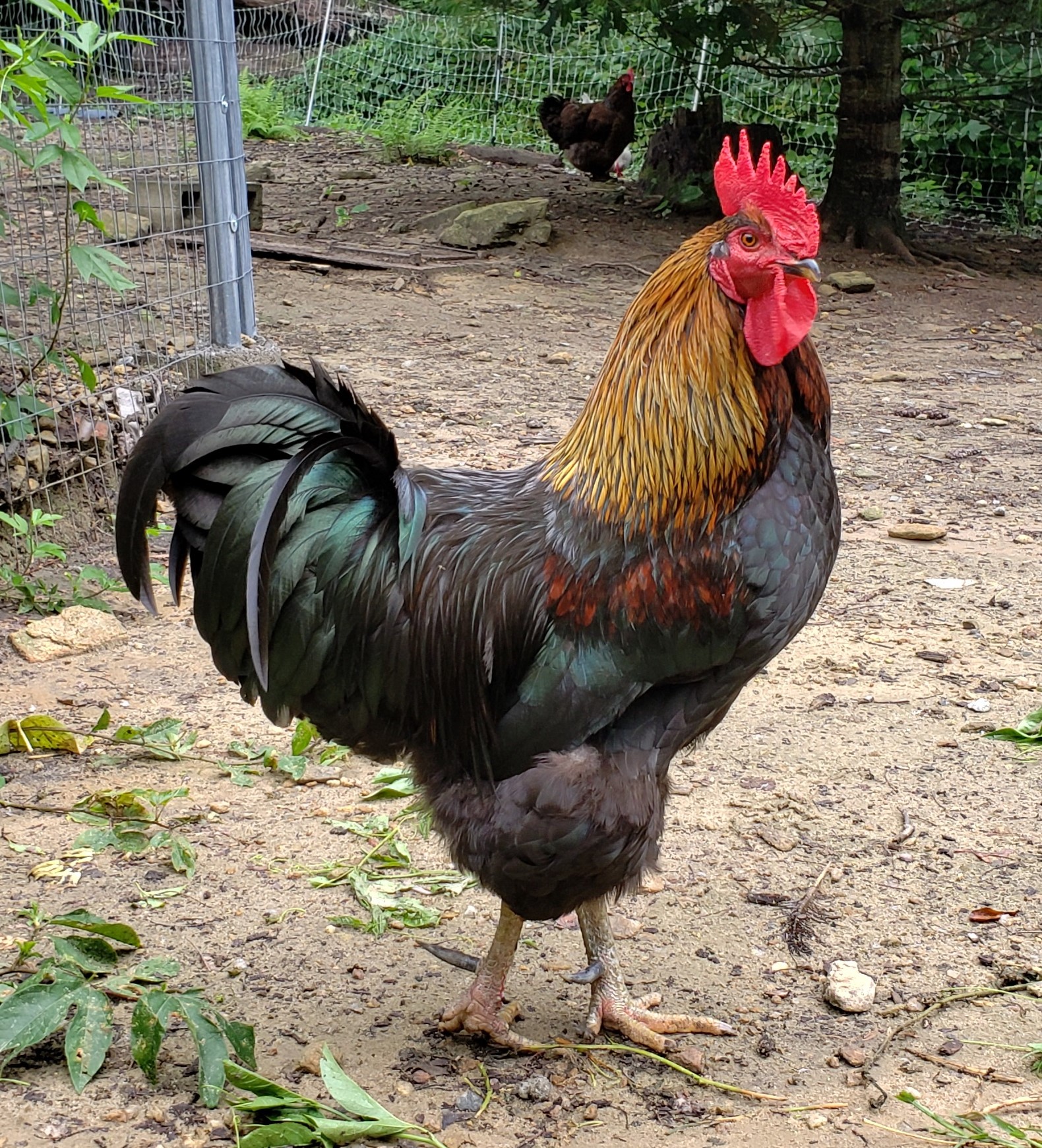
This was the sixth year for our student organic garden project. We produced loads of green beans, hot and mild peppers, cherry and grape tomatoes, three varieties of carrots – Cosmic purple, Solar yellow, and Lunar white (cool theme right?) – and finally, after many years of waiting – our native grape vines produced fruit! All of this wonderful organic produce was shared among the students, staff, chickens, turtles, and tortoises!

No veggie is safe around here!
As in previous years, we noticed vigorous plant growth and far fewer pests this year due to the chickens scratching up and eating many of the pests overwintering in the soil. We have always believed the only way to have a truly organic garden is to not use any toxic chemicals or fossil fuels in the preparation and tending of the garden so, as in past years, the students and I prepared the garden using only human, chicken, and solar power, and fertilized it with well-seasoned composted food scraps and cage waste from our chickens and education animals. Our small flock of friendly chickens are happy and healthy, but they are not producing many eggs due to their age. Next year we will introduce a few young hens to the flock to increase egg production for our students. Our chickens are free-range, organically fed, and have been hand-raised by our students as pets. They are wonderful, friendly, therapy animals – with the great side benefits of giving us tasty, organic, free-range eggs, no-cost organic fertilizer, and pesticide-free pest control for our student garden project.
The ENP Renewable Energy Program

High above the ENP/Trails Science wilderness-based classroom
On November 8th, 2022 we celebrated five full years of producing clean, “locally grown” renewable solar electricity with our student-built classroom solar array!! This year we achieved another milestone on that same day with the final completion of the entire solar array! Therefore, November 8th is not only our solar activation day – it is also our solar array completion day – very cool indeed. But what steps were needed to complete the array and why did it take us so long? The answer to that question is in how we constructed the array – in phases. Phase 1, the blue (5.4 kW) center section of the array, was completed on November 8th 2017. Phase 2 consisted of the East (4.8 kW) and West (7.2 kW) arrays – the darker colored sections in the photo – that were completed on July 4th 2019 – giving the classroom array a combined output power of 17.4 kW. Then, this past spring we had the good fortune to be able to acquire four slightly used solar modules (1.2 kW) from a friend. Along with these new-to-us modules came several micro-inverters which allowed my students and I to install them rather quickly onto the remaining open spaces on the eastern and western sides of the solar array support structure. We then used some of that same hardware to install our two remaining spare solar modules (.5 kW) into the final two open spaces on the array – so with the installation of these final six solar modules (Phase 2.1) – our student-built classroom solar array is now fully complete!!


My students and I installing the last solar modules
The combined array now has the capacity to produce over 19 kW of solar-produced renewable energy! This classroom energy project has been a phenomenal success! As of the writing of this document our student-built solar array has produced over 69 megawatt-hours of clean, renewably-produced, electricity! That is enough energy to power an average American home for over 6 years or drive an average EV over 250,000 miles – and it also has offset close to 50 tons of CO2 – amazing!! Since our classroom solar array has been online it has consistently, quietly, and without any pollution or toxic emissions, produced several times the energy needed to meet the daily requirements of our classroom building, education animal habitats, and our all-electric outreach vehicle’s daily driving electron fuel needs – all this and with power to share! We produce so much electricity that we send the surplus out into the local energy grid giving our closest neighbors on the campus of Trails Momentum loads of renewably-produced energy. Some of that excess electricity even goes to our nearest off-campus neighbors – so our classroom continues to be a renewable energy power plant not only for our classroom and campus – but also for the local community!!
All of this solar-powered awesome was made possible with the most generous support of Bob Harris of Black Bear Solar Institute, Pisgah Forest residents Jim and Alice Hardy, Lake Toxaway Charities, Trails Carolina, Trails Momentum, and our many other wonderful project supporters – maybe you were one of them – and all of our amazing Trails students, and ENP interns, and volunteers – THANK YOU ALL!!
With the full completion of Phases One and Two – and now 2.1 – the most complex portions of our classroom solar array project are fully complete. However, we are continuing to fundraise for Phase Three – the final phase of our long-running classroom energy project. This will consist of two interconnected parts:
Part One – a “secure power” off-grid circuit that will allow us to use energy directly from the solar array during power outages when the grid goes down and we have sunshine hitting the array – so only during the day. With your support in previous years, this part of Phase Three is now fully installed and wired but due to the pandemic setting many things back, it is not yet online – but we do hope to see it go live soon.
Part Two – this will consist of a “plug and play” battery storage system that will store much of the excess electricity produced during the day and will then supply that stored solar energy to the building’s systems at night and during power outages – which happens frequently in our remote wilderness location. Once Phase Three is fully complete and online we will then use our original power grid connection to our utility as a backup power source during long periods of dark/rainy/stormy weather. As with the Secure Power portion of Phase Three – we have completed much of the preparation for the battery storage unit to allow it to function in a “plug-and-play” manner once we raise the funds needed to purchase the remaining primary components – the storage batteries and battery inverters.
To make the remaining portion of the 3rd and final phase of this amazing student energy S.T.E.M. project a reality for our classroom, our students, and our animal ambassadors, we need your continued support in this final push to the end.
Please consider a year-end gift to Earthshine Nature Programs to help us reach our renewable energy-powered goals. Read on for several other unique ways you can support us later in this document.
Watch a short time-lapse video of Phase Two of the solar array’s construction
Isn’t science amazing!
___________________________________________
Origin Story/Supporter Spotlight
In 2007 – just a few weeks after I discovered Tripod as outlined earlier in this newsletter – I met Billy and Gail Hagler. They were visiting Earthshine Lodge where I was working as program staff. I spoke at length with the Haglers about the unique importance of nature and box turtles and we realized that we were kindred spirits in our love of wild things and wild places.
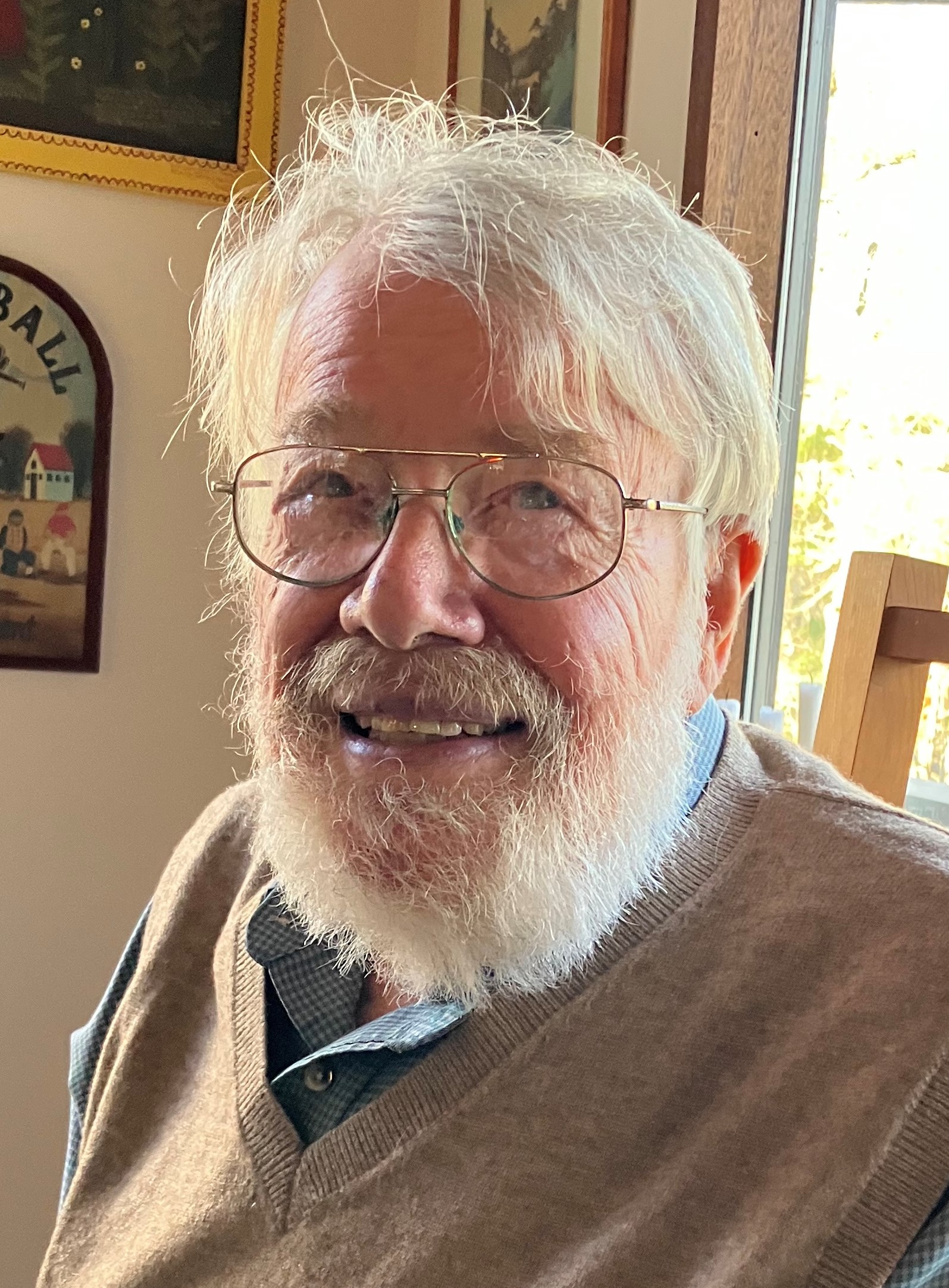

The Haglers then told me all about a box turtle their grandson had found recently on their land in a nearby community. Since their grandson was visiting from afar and would be unable to take the wild turtle home as a pet, the Haglers wondered if it would be possible to somehow keep track of this special turtle that their grandson had named Mr. Bones. I suggested using radio telemetry and the Haglers loved the idea and asked what I needed to make it all happen. I outlined the plan and the Haglers supported the project thereby becoming ENP’s very first supporters – even before ENP officially existed. I then attached a micro-radio transmitter to the carapace (upper shell) of Mr. Bones and we released him into his home habitat on the Hagler’s property.

Mr. Bones the Eastern box turtle with his transmitter
We then started keeping track of Mr. Bones (and another turtle they found and named Mrs. Bones) so the Hagler family could follow the events of their lives from afar via the magic of the internet. Weekly I would locate both turtles, collect vital location, environmental, and movement data, then make a short video of their status and upload it to a YouTube page which later became the ENP YouTube channel. We tracked Mr. Bones for several years until his transmitter prematurely failed in 2012 and we lost track of him. Luckily, we were able to continue tracking Mrs. Bones for several more years as she led us on many amazing adventures until the day I found her transmitter alone in the forest without the turtle it was supposed to be attached to. It had small scratch marks on its casing and attachment adhesive. I have had transmitters damaged and removed from turtle’s shells before and I believe it to be the work of curious squirrels/rodents or possibly a neighborhood dog. As for Mr. and Mrs. Bones, I am sure they are safe and happy living wild and free in the wonderful remote forests, fields, rock outcrops, and riparian areas of the Hagler’s beautiful nature preserve. Although we eventually lost track of both Mr. and Mrs. Bones, we were able to gather valuable data on the travels of the Eastern box turtle in the mountains of Western NC as well as provide a young boy and his family with a unique way to learn about the secret lives of a most unique and beautiful animal – the Eastern box turtle. This was ENP’s very first wildlife conservation education project and it would not have been at all possible without the Haglers who made it happen with their most generous support.
THANK YOU Billy, Gail, and family for supporting ENP over the years without you, ENP may never have happened.
It is with a heavy heart that we must report that Gail Hagler passed away recently and was laid to rest upon the very same lands where both Mr. and Mrs. Bones roam wild and free among the beautiful flowers, ferns, forests, and trails that Gail and Billy love so much. Rest in Peace Gail Hagler – you will be missed by many.
If you would like to follow in the turtle tracks of Mr. and Mrs. Bones, their stories will be forever preserved on the ENP YouTube channel and can be found via these links:
Mr. Bones Tracks: https://tinyurl.com/bonestracks or if you prefer the original link: https://youtube.com/playlist?list=PLDE596565944C8A26
Mrs. Bones Tracks: https://tinyurl.com/mrsbonestracks Or if you prefer the original link: https://youtube.com/playlist?list=PLF53F20D890D9AAC9
________________________________________________________
Sadly, this year we also lost another great friend of the wild things and ENP – Allen Robinson.
Allen had worked with us as a wildlife outreach programming presenter for the last two years, sharing his love of a very secretive and beautiful creature – the Flying squirrel (look in his shirt pocket in the below photo) – with our summer day campers at Campus Adventures at Brevard College.
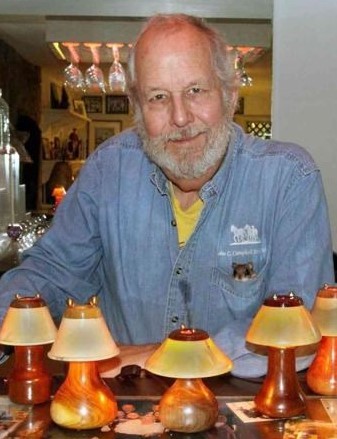
Allen was also an accomplished wood turner as you can see from the beautiful works of art that decorated his home – some of which appear in the foreground of the photo of Allen and his furry “flying” friend.
We at ENP wish Allen a peaceful rest among the woods, wild lands, and wild things that he loved so much.
_________________________________
A few years ago ENP was featured in the Laurel of Asheville. Read the story at this TinyURL link:
or just search online for “Laurel of Asheville Earthshine Nature”
__________________________________
Wildlife Conservation Education Programs
Our wildlife conservation/field study programs ended several years ago and we are now focusing all our energy on our classroom and environmental education outreach programming, wildlife rehabilitation, and renewable energy education programs.




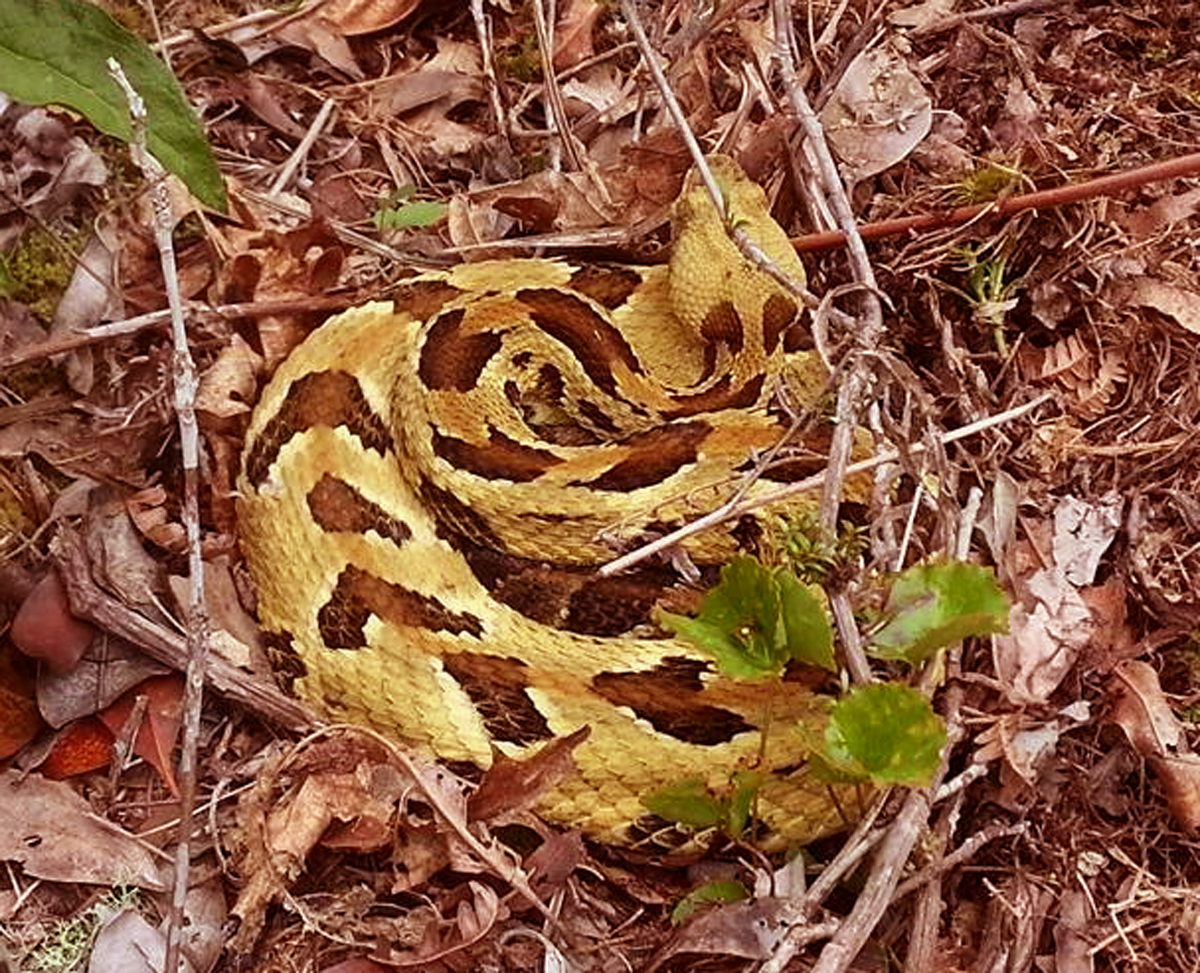

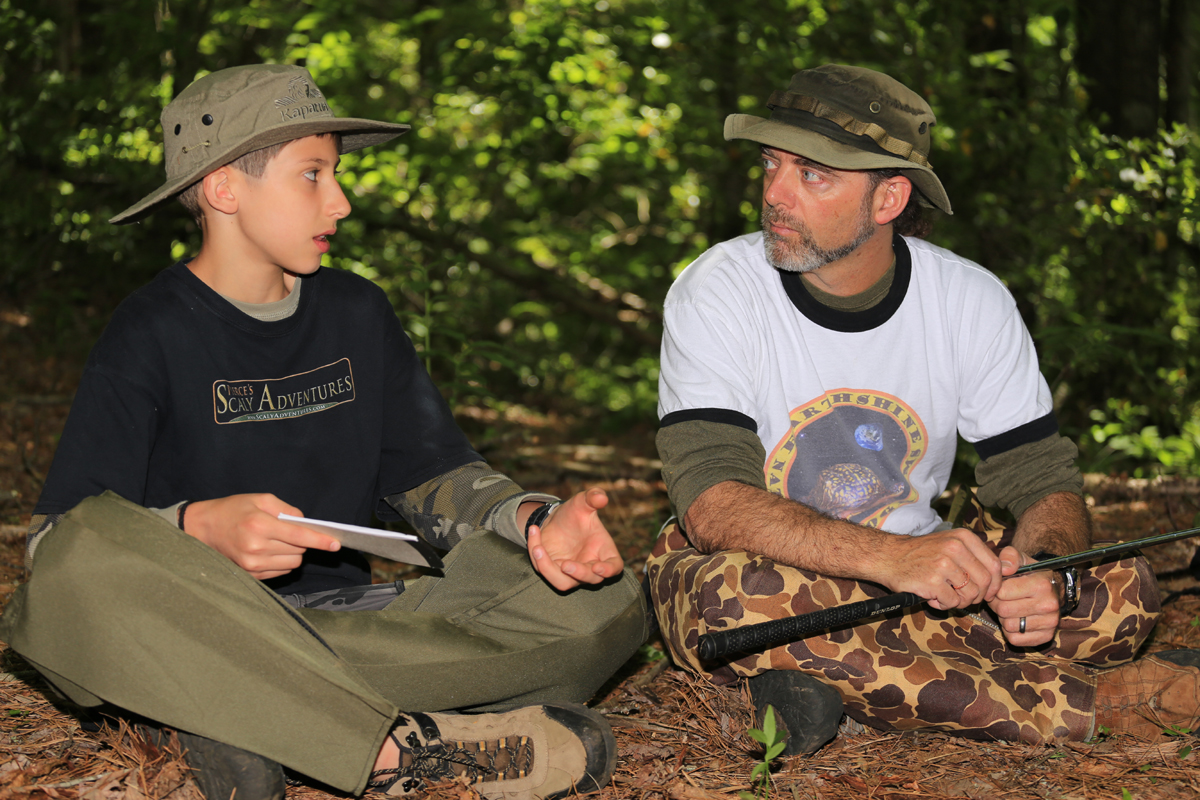

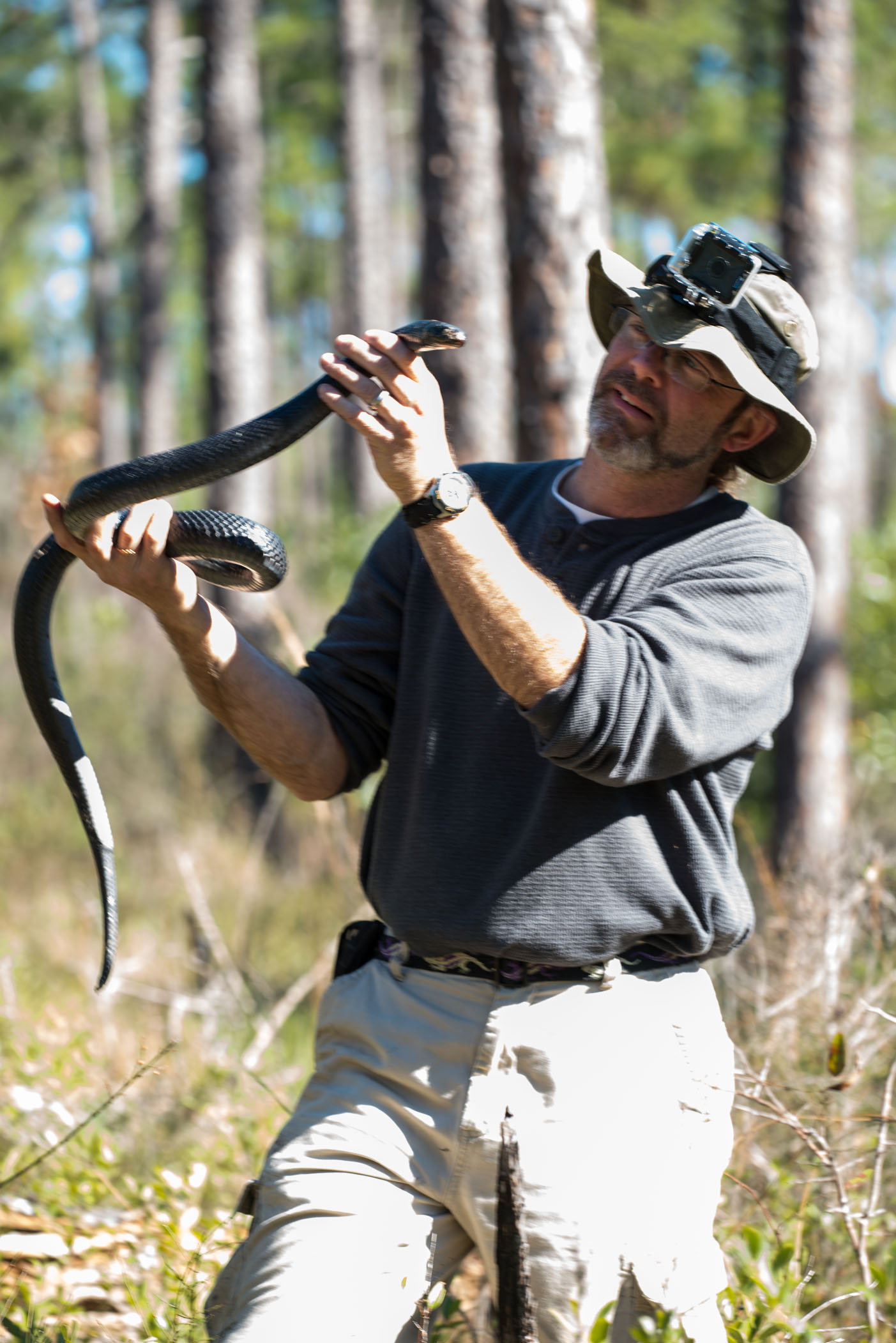
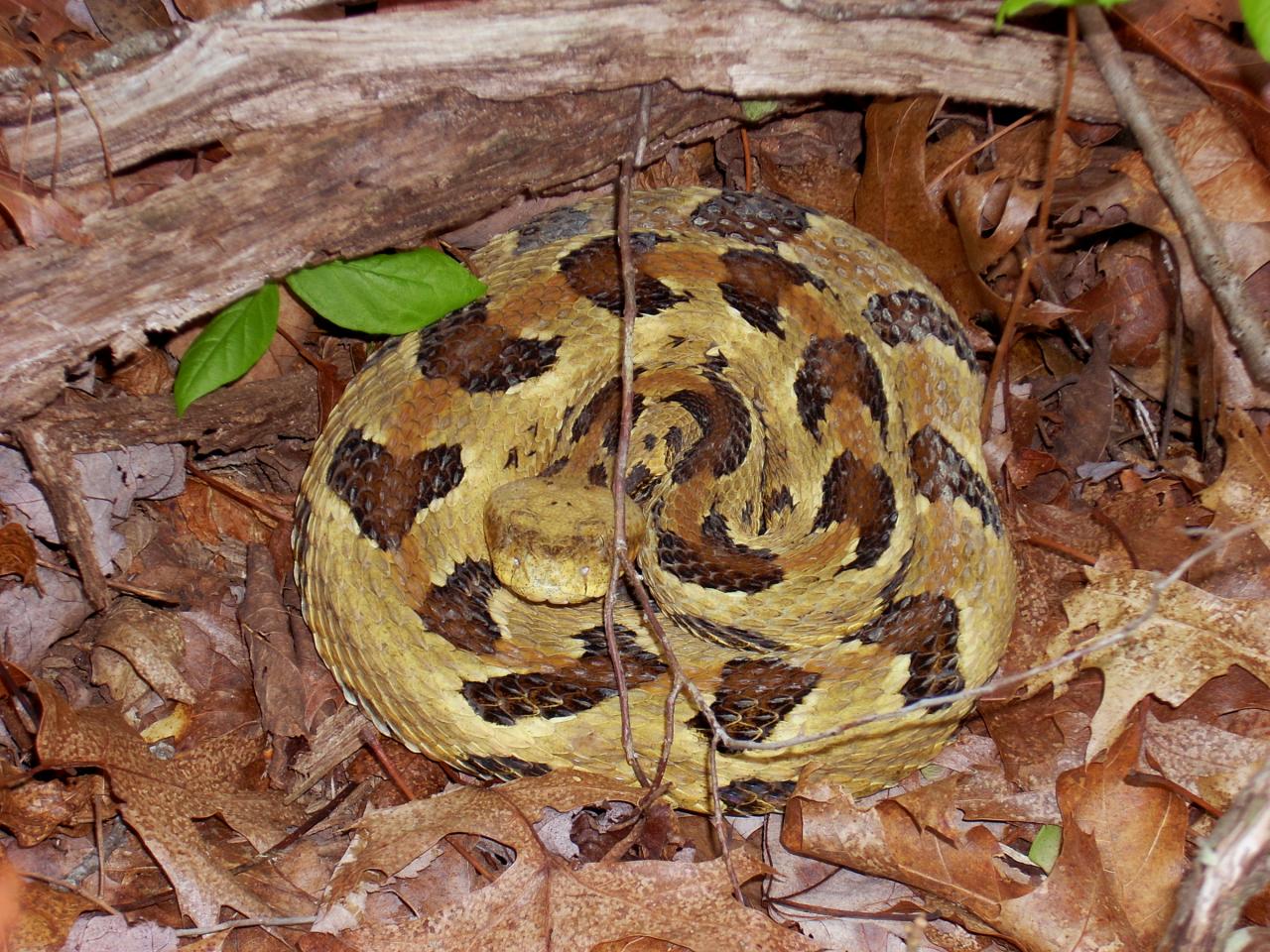


However, you can still learn what we learned in our wildlife adventures by purchasing a copy of the first of these three publications or preordering the others –
Snake Tracks: The Rattlesnakes of the Blue Ridge (available)
Turtle Tracks: Box Turtles of the Blue Ridge (preorder)
Snake Trails: The Rat Snakes That Live Among Us (preorder)
These three publications contain a naturalist’s perspective on the discoveries we learned by following the secret lives of Utsanati and Zoe – the two wild Timber rattlesnakes we followed in their native habitats for four years, and the stories of Mr. Bones, Mrs. Bones, Catherine, Jimmy, Mojo, and several other Eastern box turtles and Two Eastern rat snakes (blacksnakes) Apollo and Splinter – that we followed between 2007 and 2016 using radio telemetry techniques in the beautiful Blue Ridge mountains of WNC. Within the pages of these documents you will find an overview of the natural history of each species, a consolidation of my field observations and personal reflections, as well as tracking, and activity maps, and many high-quality photographs. These overviews of our three biggest conservation projects offer fascinating insights into the lives of these unique, beautiful, and often very misunderstood creatures as well as provide the reader with useful information on coexisting with these animals and other native species on your lands. All proceeds from the sale of these publications will be 100% directed toward our continuing nonprofit wildlife conservation, rehabilitation, and environmental education mission and projects. To purchase or reserve your copy(s) please send us an email or use the contact link on our website
www.earthshinenature.com/contact
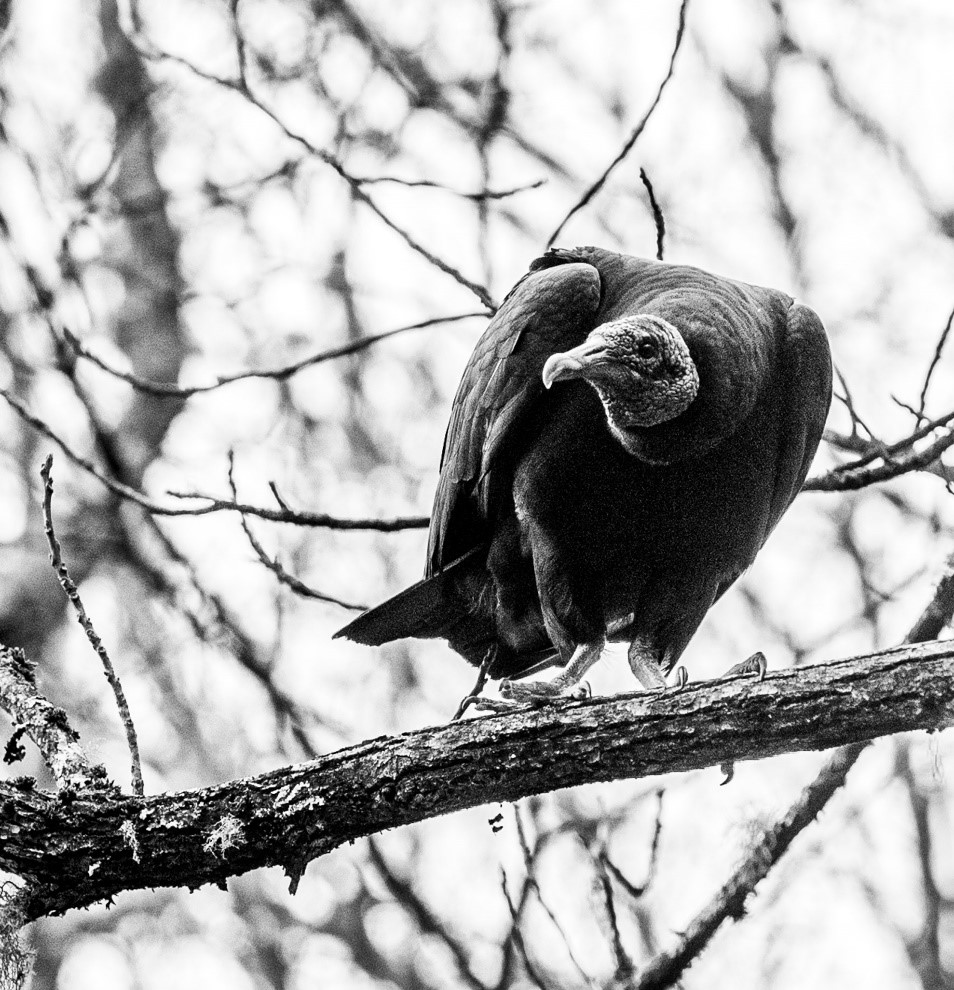
As you know we at ENP love the more misunderstood wild creatures of the world, and since 2018 we have also been following the lives of two Black vulture (Corygyps atratus) families. One of the families used a remote rock shelter at the top of a sheer cliff face as a nursery for its young where we set up several cameras to observe the baby vultures and their parents from egg to fledge. Watch their epic-length story below or on our YouTube channel via this TinyURL link: https://tinyurl.com/vulturestory or if you prefer the original link: https://youtu.be/jI-FLPrF3zc
SPECIAL THANKS to John V. for making this unique project possible.
During the pandemic, we learned of another family of Black vultures living in an abandoned house, and as with the rock shelter family, we set up our cameras and started collecting data. We are still in the data-collecting phase of this project and have yet to produce a video documentary of the unique wildlife activity at this location – but we did deploy our cameras at a nearby feeding site and captured some amazing footage of vultures (and many other species of wildlife) doing what vultures do best. If you are interested in learning all we are learning about the amazing and very misunderstood world of the vulture, just follow these links:
Let’s Talk About Vultures blog post: earthshinenature.wordpress.com/2021/10/21/lets-talk-about-vultures-part-1/ or use the TinyURL: https://tinyurl.com/vultures1
The Wild Restaurant video series is on YouTube: Search for Earthshine Nature Programs then navigate to The Wild Restaurant playlist or type in the TinyURL link: tinyurl.com/thewildrestaurant
Or use the full link: https://youtube.com/playlist?list=PLpltqHFlPTaLf_dR26XKKAbNp-BQfemop
A Vulture Family Album video playlist is on YouTube: Search for Earthshine Nature Programs then navigate to the playlist, use the TinyURL: tinyurl.com/vulturefamilyalbum
or type in the direct link:: https://youtube.com/playlist?list=PLpltqHFlPTaKOZ0bK4WbafUK7K482XatY
Hopefully, after learning a bit more about these beautifully bizarre and most misunderstood birds with unique table manners, maybe you will come to have greater respect and admiration for the most-important role they play in nature as I have done while working on this unique project.
THANK YOU to everyone who supported us and helped us make this very special project a reality!!!
Black vulture photo by Steve Atkins of
Fox Cove Photography
There Are Many Ways to Support Our Work
We welcome your support in keeping our unique programming alive.
There are many ways you can choose to help us make our programs and projects a reality.
- Donate on our website www.earthshinenature.com/donate
- Send a donation to our “snail mail” address at the end of this newsletter.
- Visit our Patreon page www.patreon.com/earthshinenature and support us with one-time or ongoing monthly donations.
- An easy way to support us – at no cost to you – is via Amazon Smile donations. Just visit: smile.amazon.com and sign up to support Earthshine Nature Programs every time you make a purchase on Amazon using your Amazon smile account.
- Support us with a Legacy Donation. This is a gift from you to ENP in your will. It could be monetary, land, or even a vehicle donation. For more details please visit: www.earthshinenature.com/donate
- You may choose to donate time and energy by volunteering with us as we always have many opportunities available from working festivals, in the garden, cleaning animal habitats, etc.
However you choose to support us, your support will have a lasting positive impact on our ability to bring our nature, wildlife conservation, and science literacy programming to the hundreds of young naturalists, curiosity-seekers, scientists, and thinkers that we encounter each year via our outreach programming in the local and regional community, and through our wonderful partnership with Trails Carolina and Trails Momentum where Steve works as naturalist to provide nature and wildlife knowledge, science education, and inspiration to their populations of outstanding youth. Learn more about them at:
Trailscarolina.com and Trailsmomentum.com
All donations to ENP are tax deductible. Receipts are available upon request.
THANK YOU SO MUCH FOR YOUR SUPPORT
Without your support, Earthshine Nature Programs would not function. Please consider making a tax-deductible one-time donation, end-of-year, or legacy gift to us today or in the future. Earthshine Nature Programs is a volunteer-operated, nature and wildlife conservation, and science communication, donation-funded, 501c3 not-for-profit organization. At ENP we are passionate about sharing our love, respect, and curiosity for nature, wildlife and wild places, environmental stewardship, science literacy, and evidence-based decision-making with everyone we meet – especially our classroom and outreach programming students. It is today’s children who will grow up to make the big wildlife and nature conservation, science, and energy decisions of the future, and it is our ongoing mission to communicate to our students the most up-to-date, unbiased, peer-reviewed evidence, practices, technologies, and environmental ethics so they will be better informed and ready to take on the world and will work together to bring the changes that will guide us all forward into a more prosperous and all-inclusive future guided and shaped by facts, evidence – and a healthy dose of common sense. We feel that by sharing the facts and evidence, demonstrating working models of what is possible, respectfully coexisting with each other, and working together toward the common goal of creating and maintaining a better world for all living things today and into the future – we will bring the changes that will make all our dreams come true.
Earthshine Nature Programs (501c3) is supported primarily through monetary, resource, and time donations from caring, concerned individuals just like you. We fundraise and acquire grants and donations from any and all sources that would like to support us. With your support from a one-time donation of equipment or funds, a year-end gift, a legacy gift, and/or your continuing patronage and hands-on volunteering, together – we will continue to create something truly unique and wonderful that will serve to educate and inspire the thousands of students, summer campers, knowledge seekers, and others we meet each year with a newfound curiosity, greater respect, an evidence-supported understanding, and a powerful conservation ethic for caring for the natural environment that supports us all and gives us all life.
Sincerely, Steve O’Neil
Executive Director of Earthshine Nature Programs (501c3)
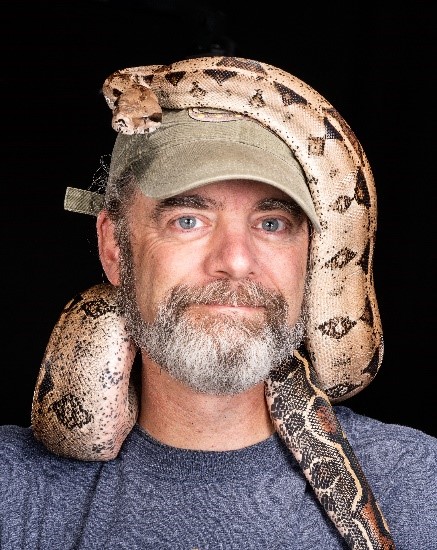
Steve and Ashley – By Evan Kafka http://www.evankafka.com
Snail Mail: please contact us if you are interested in sending us anything in the mail.
Phone: (828) 606-8939
Email: earthshine.nature@gmail.com
Website: www.earthshinenature.com
Nature Blog: www.earthshinenature.wordpress.com
YouTube: www.youtube.com/user/snakesteve68
EV Blog: bluewaterleaf.wordpress.com
Please note: any/all ads that appear within or below this post are not provided, supported, or endorsed by ENP nor are we supported in any way by these ads –



























 Earthshine Nature