We are the Explorers
Yet another great video from NASA. This one is voiced by Peter Cullen better known as Optimus Prime.
“Everything we have ever accomplished, leads to this moment in time.”
Yet another great video from NASA. This one is voiced by Peter Cullen better known as Optimus Prime.
“Everything we have ever accomplished, leads to this moment in time.”
Words cannot describe this new video from the ISS. Watch and understand.
Recently several new species of legless amphibians called Caecilians have been discovered. Below are a couple of amazing photos of a female guarding her eggs from the article that can bee seen here.
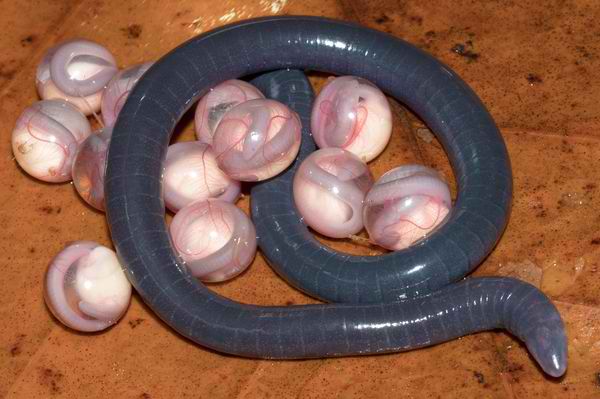
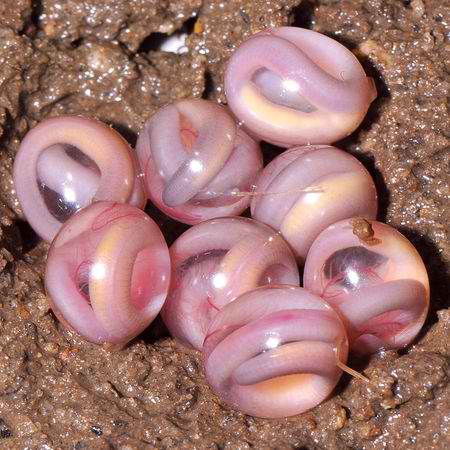 Check out this incredible video of the discovery!
Be sure to read the full article at National Geographic for more amazing photos and the full story!
This is an absolutely beautiful video that my friend Alan shared with me. It is a must see for everyone because not only is it beautiful to the eye but it also shows the intricate connectedness that all life shares. Without all cogs of the wheel the web of life will fall apart. Protect and cherish all life.
Take a look at a few of the most recent photos of a few of the inhabitants of the Earthshine Nature Center waiting out the winter.
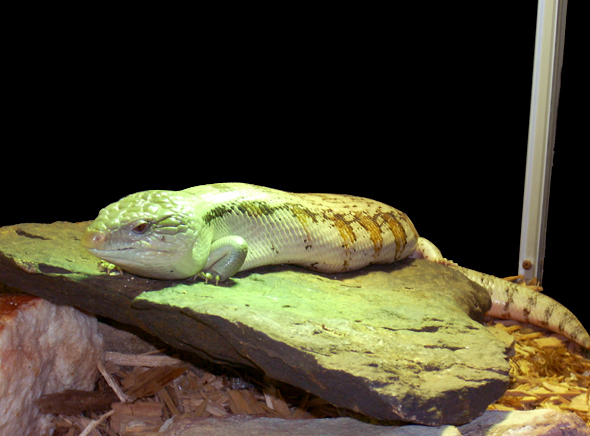
The first one is of Indi the Blue Tongue Skink basking under her new full spectrum sun lamp that was donated by Nature Center volunteer Amy Lord–THANK YOU Amy! I cannot think of a better way to spend the winter than flat out like a lizard basking.
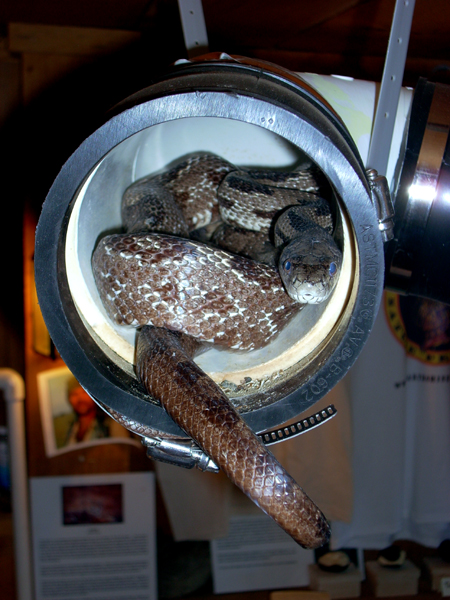
Now check out Hayward the Gray ratsnake resting in one of the Ratsnake Skyway tubes–isn’t he a beautiful snake!
Take a look at Fiona–our newest snake–a beautiful Royal Python (aka Ball Python). She was donated to us by Savannah from the WNC Nature Center in Asheville, NC. THANK YOU Savannah!

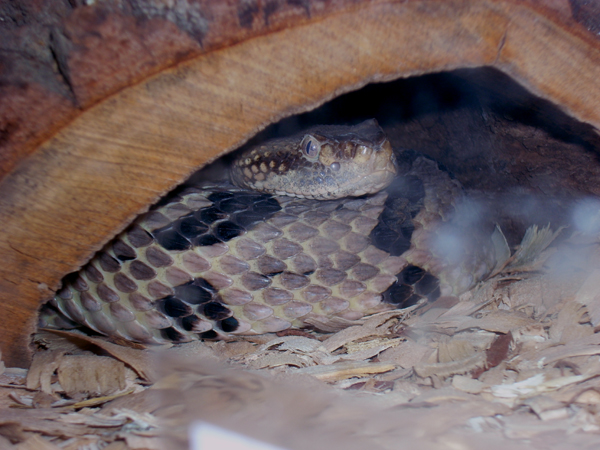
And here is Gandalf the Canebrake rattlesnake resting under his log. (sorry about the dirty glass.)
Check out Penny the Copperhead in her cave.

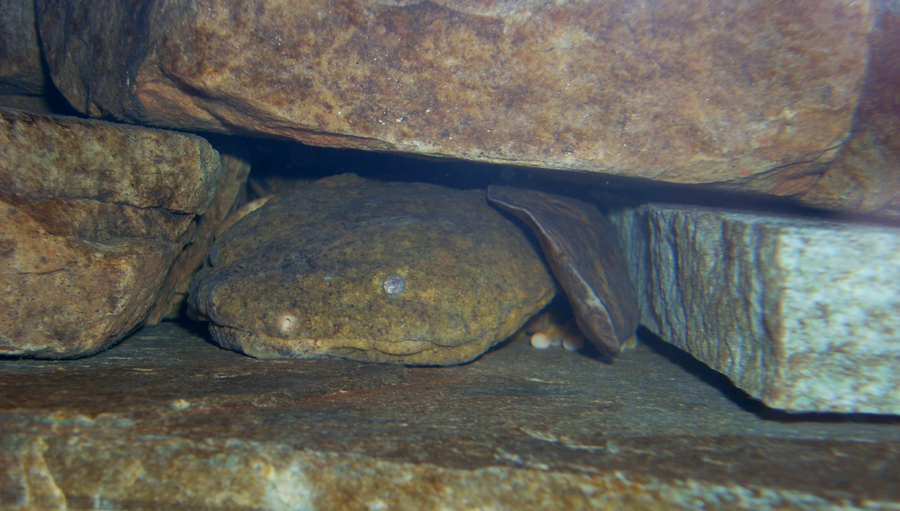
Finally there is Gollum the Eastern Hellbender who is squeezed into his favorite notch in the rocks. It looks like his is uncomfortable but Hellbenders love to jam themselves in tight crevices–it makes them feel secure.
If you would like to visit all of the animals in the Earthshine Nature Center please drop me an email and we can schedule a time for a visit. –Steve
Check it out! WLOS TV recently did a story called Digital Detox that featured Earthshine Lodge and the Earthshine Nature Center! Potter the Opossum and Fiona the Ball Python were the lucky Nature Center critters who got short spots in the story–watch the entire story here.
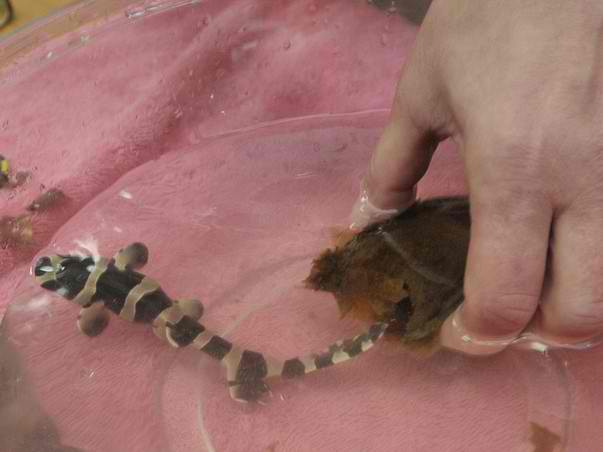
My friend Brenda Ramer operates the Team E.C.C.O. Center for Ocean Awareness in Hendersonville, NC. She is now the proud parent of a baby Bamboo Shark!! Read all about it and then go check it out for yourself at Team E.C.C.O. in downtown Hendersonville!
Check out this beautiful Aurora video shot in Norway recently!
For the full effect view the video full screen.
Aurora 2012 from Christian Mülhauser on Vimeo.
Check out this photo of Earthshine Nature’s spotted salamanders–aren’t they wonderful!
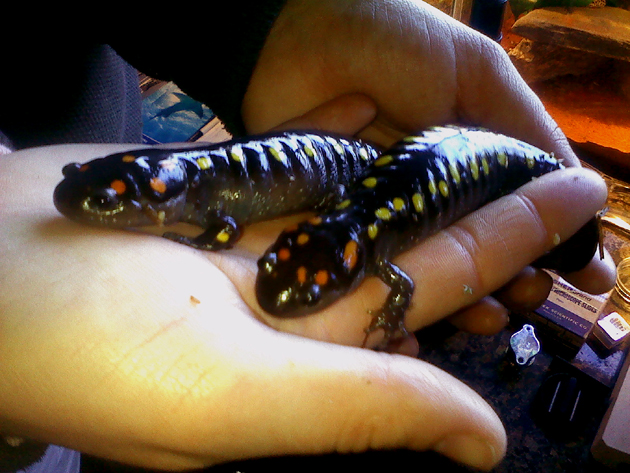
Spotted Salamanders are fairly common in the forests of Western North Carolina but they are seldom seen because of their nocturnal underground lifestyle. They spend most of their lives in underground burrows searching for invertebrates to feed on such as worms and insects. They come to the surface in the late winter when the first warm rains of spring lure them onto the surface in search of mates and their egg laying sites–predator free vernal ponds and pools hidden in the forest. Once they find their pools–sites they return to yearly–they mate and then the females lay large masses of eggs. The eggs of the spotted salamander are contained within a rather firm yet jellylike mass that protects the developing embryos within. The egg mass is often covered with a specialized algae that shares a symbiotic relationship with the developing salamander larva. The larva exhale carbon dioxide which directly benefit the algae and the algae photosynthesize the suns energy creating an oxygen rich environment which gives the embryos the perfect environment for growth. Amazing!
Count yourself lucky if you are in the right place at the right time to see Spotted Salamanders in the wild–they are a true treasure to behold.
If you have temporary ponds on your property that often fill up in the late winter and spring then dry up in the summer then you may have Spotted Salamanders! Please consider leaving the ponds intact for the benefit of wildlife that need them such as the Spotted Salamander.
For more information and beautiful photos of Spotted Salamanders and their egg masses check out my friend Alan’s posting on the Wandering Herpetologist Blog.
If you would like to meet our salamanders just email me and I will gladly arrange a visit.
 Earthshine Nature