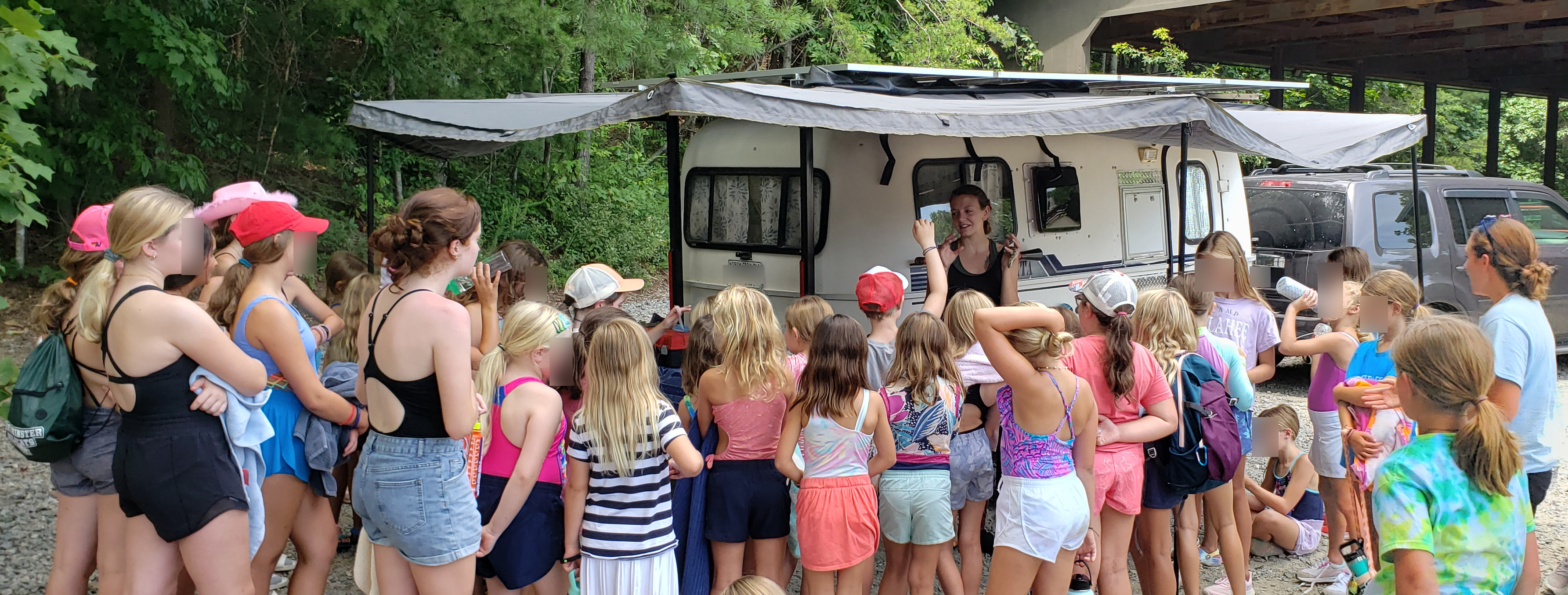
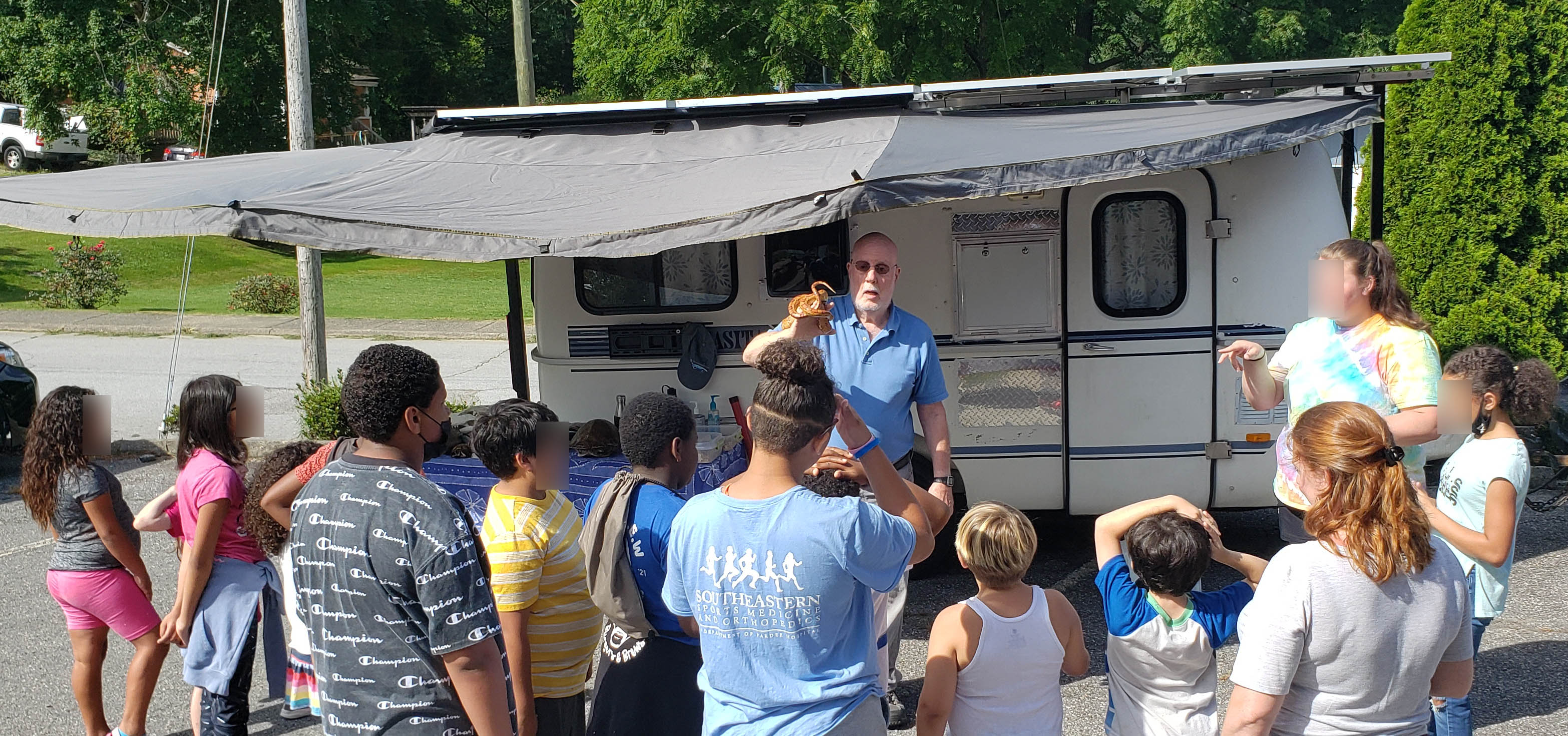
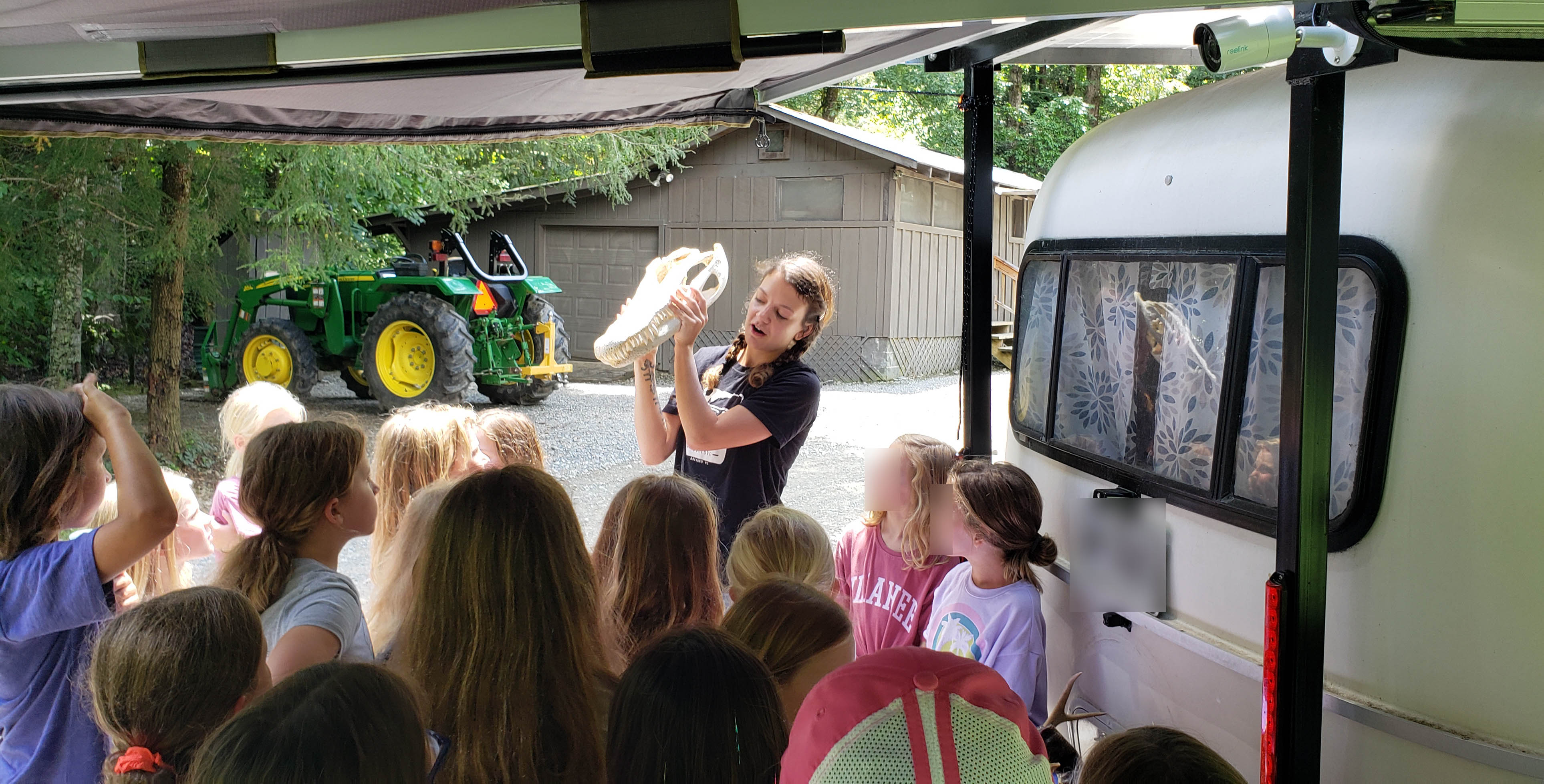
Over the past few weeks of summer, the crew at ENP has been hard at work presenting many wildlife and nature education programs to hundreds of campers at local summer and day camps – it has been so rewarding and so much fun! It has also been wonderful to have the SS NaSA PoD supporting and augmenting our programming efforts – it is a wonderful piece of engineering that is making all the awesome possible!
It has been so busy over the last several weeks that we have not had much time to work on the few remaining tasks needed to complete the PoD, between our full-time jobs and all the programs there is just not enough time in the day. Now that our summer programming schedule is winding down and all the campers are returning to school, we will have more time to concentrate on the remaining tasks – but first, a few photos from the first summer with the SS NaSA PoD!
It was a wonderfully busy summer of nature and wildlife conservation education, science communication, and solar power and there is much more to come!
However, along with the educational fun, we did have one issue that we had to deal with since it was directly related to the health of our animal ambassadors when they are residing in the PoD – we were forced to replace the PoD’s air conditioning unit when it failed in early July. Without climate control, the interior of the PoD could become overheated and/or saturated with high humidity leading to health concerns for our education animals as well as we human animals that sometimes reside in the PoD…and the Victron solar-electronics systems.
So, on July 4th weekend Jim and I set out to replace the old air conditioning unit and after much “MacGyvering” by me and custom fabricated woodworking by Jim – the new AC unit is now in place and working perfectly, the animals are climate controlled, and the interior of the PoD and its solar-electronic support systems are dry.
In keeping with my tradition of being totally transparent with all our nonprofit projects that many of you have supported – I have made a detailed video of the entire air conditioner replacement process. After the introduction of the problem and the job description, most of the video is produced in time-lapse mode so as not to bore you with this several hours long project. I must admit that for many people I would predict that a video about replacing an air conditioner is not what most would call engaging viewing – but it is interesting what we had to do to make this work. That being said, if you are the type of person who likes the process as well as the product then this video will hopefully interest you.
Also during July, we took one day off to gather with family and friends for a picnic. At the same time, I took this opportunity to give the PoD and its new AC unit an overnight camping test so I packed up the PoD and the pup and headed over the mountains to a small creekside RV park in the tiny town of Maggie Valley just outside the Great Smoky Mountains National Park.
The PoD and its new AC unit worked perfectly and we never had to plug into the nearby electric service since the solar array fully covered all power needs – so awesome – and the pup and I had a great time visiting with everyone. That’s me and my awesome dad Lee cooking fish for everyone.
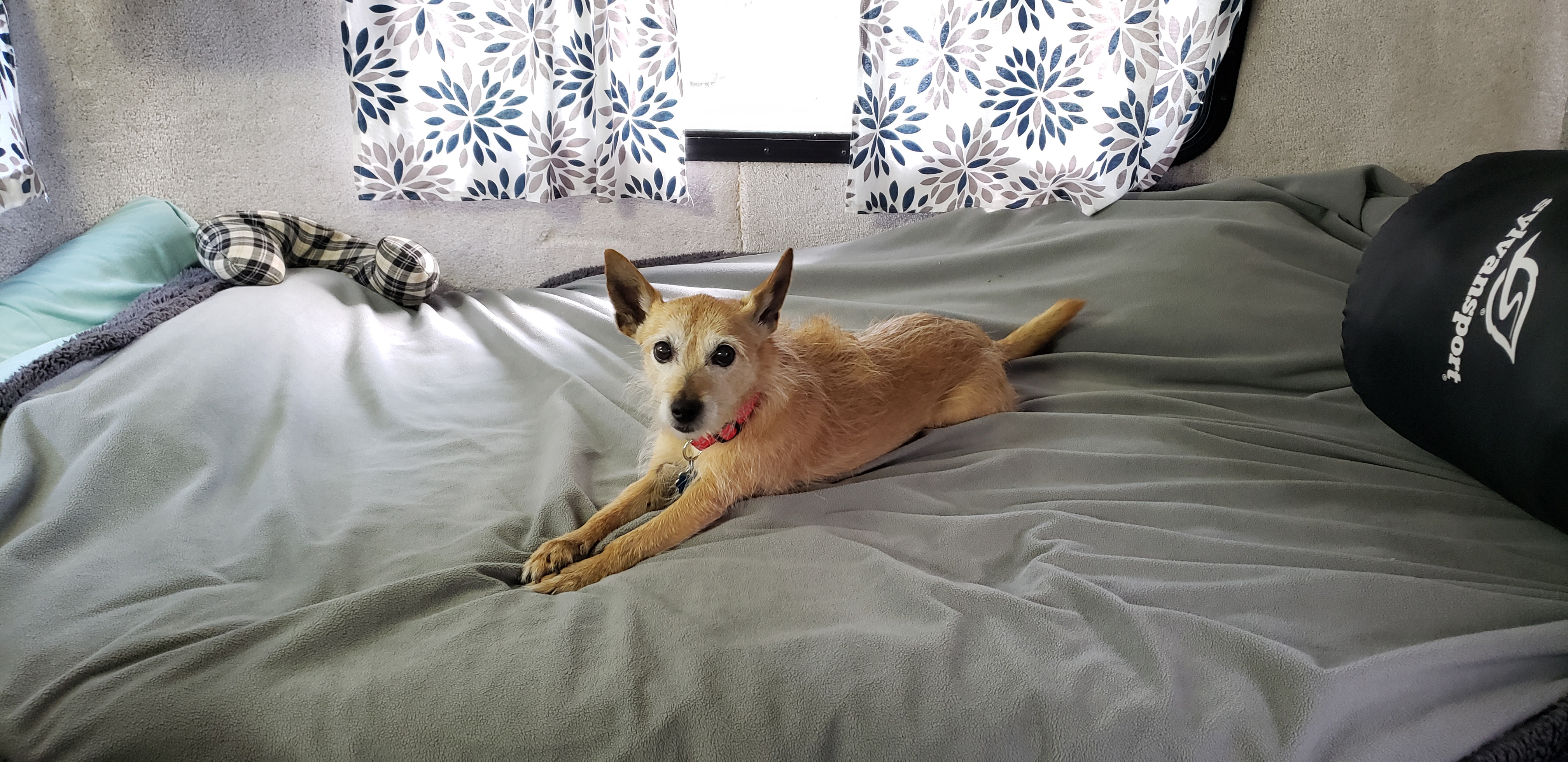
Our little old pup Tange just loves to camp!
THANK YOU to everyone who has supported and is continuing to support this most unique environmental outreach education project – we are eternally grateful for your most generous support. You are all the greatest of heroes!!!
This amazing outreach education project will serve to inspire and educate all the curiosity seekers who discover it. But to do this right – we do still need your support. The next steps in working toward the completion of the PoD are outlined below and will most likely occur in the following order:
Installing the microscope station – it will be on order soon and will be fully outlined in the next update!
Installing the telescope – yes, I said telescope. The PoD will have a telescope available for special “sky party” night programs!! This telescope will use a special camera* to connect to the PoD’s flatscreen monitor to allow large groups of people to view all the awesome from the cosmos that surrounds our pale blue dot of a planet. More on this later.
Painting the PoD and installing appropriate decals/insignia.* (updates in the next update)
Stocking the field guide library.
Updating the curtains/cushions with an appropriate theme.
Installing the 120/240 Volt “shore power” service.
Installing the composting toilet.*
*These are our remaining needs. If you are interested in assisting us with a donation of these final items and/or the support needed for us to be able to complete this project – please do contact us directly or feel free to donate via the links below.
If you do choose to assist us in making this project a reality, this unique mobile classroom will greatly benefit the nature, environment, and wildlife conservation education, evidence-supported science, reality, common sense, and renewable energy awareness education for all our outreach program participants in the WNC region as well as our wonderful students at Trails Carolina and Trails Momentum who will benefit from the unique wonders it will contain while they are in class and in the field on expedition.
We will be sure to share any and all updates in posts on this blog, in our end-of-year newsletter, and on our YouTube channel so please consider subscribing to stay up to date on this wonderful project.
The SS NaSA PoD and the Mighty Bolt EV (our primary outreach vehicle) are owned by ENP (501c3) and used primarily as the ENP company outreach vehicle and mobile outreach classroom for ENP and our education partners Trails Carolina and Trails Momentum. They will be powered and fueled primarily with cleanly-generated electricity provided by the ENP/Trails student-built classroom solar array and the SS NaSA PoD’s rooftop solar array. They will both serve as outstanding teaching tools for our Trails students and ENP outreach program participants.
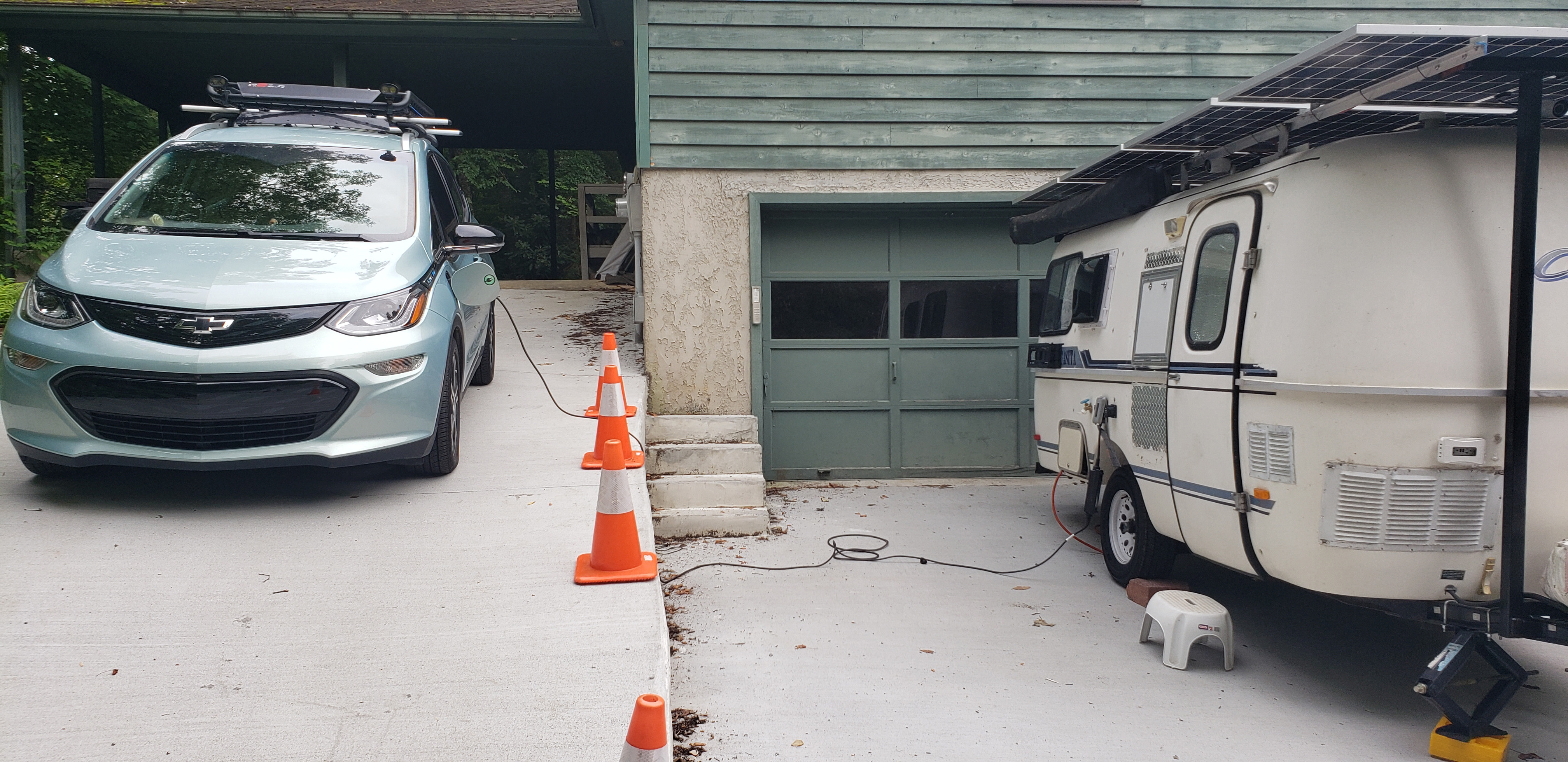
If you have read this far here’s something interesting and cool – the PoD can charge an electric vehicle! Out of curiosity, I plugged the Mighty Bolt EV into the PoD and it charges without any issues! This is not only free solar-generated fuel for the car but it is also a great thing to have in case the power ever goes out all over the area. Even better – when the PoD is complete it will be able to provide power from its solar array-battery storage system to our house if we ever have a long-term power outage – so very cool!!
I hear you asking “what are the orange cones for?” The answer: until we install a fence/railing they are there to warn people of the steep drop-off between the upper and lower driveways.
Please note: any/all ads that appear within or below this post are not provided, supported, or endorsed by ENP nor are we supported in any way by these ads –
Since our last update, we have completed a few more key aspects of the project.
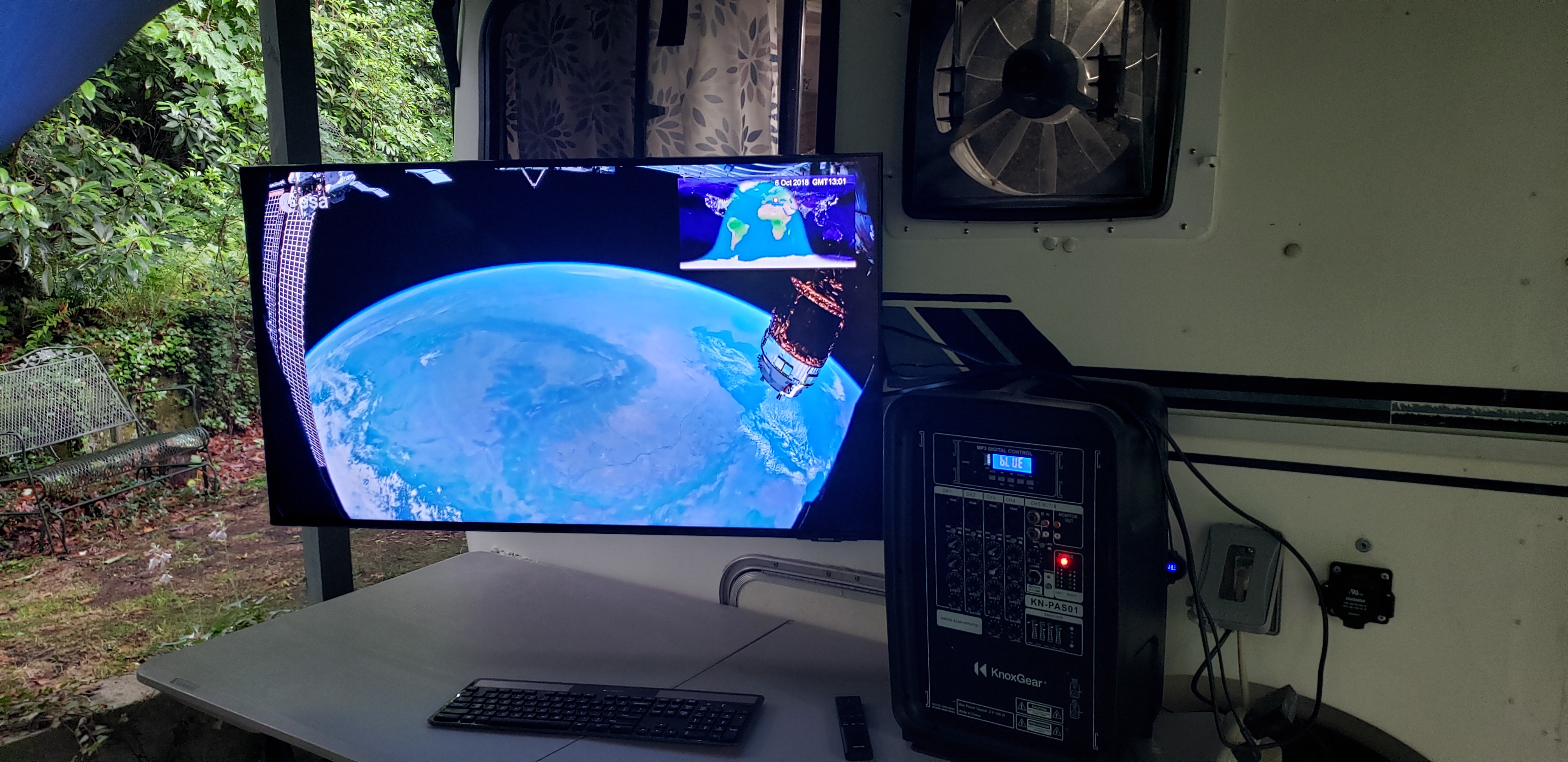
We installed the presentation monitor and its support arm. Below is a photo of the finished product.
Below and to the right of the monitor is the PA system which we also installed.
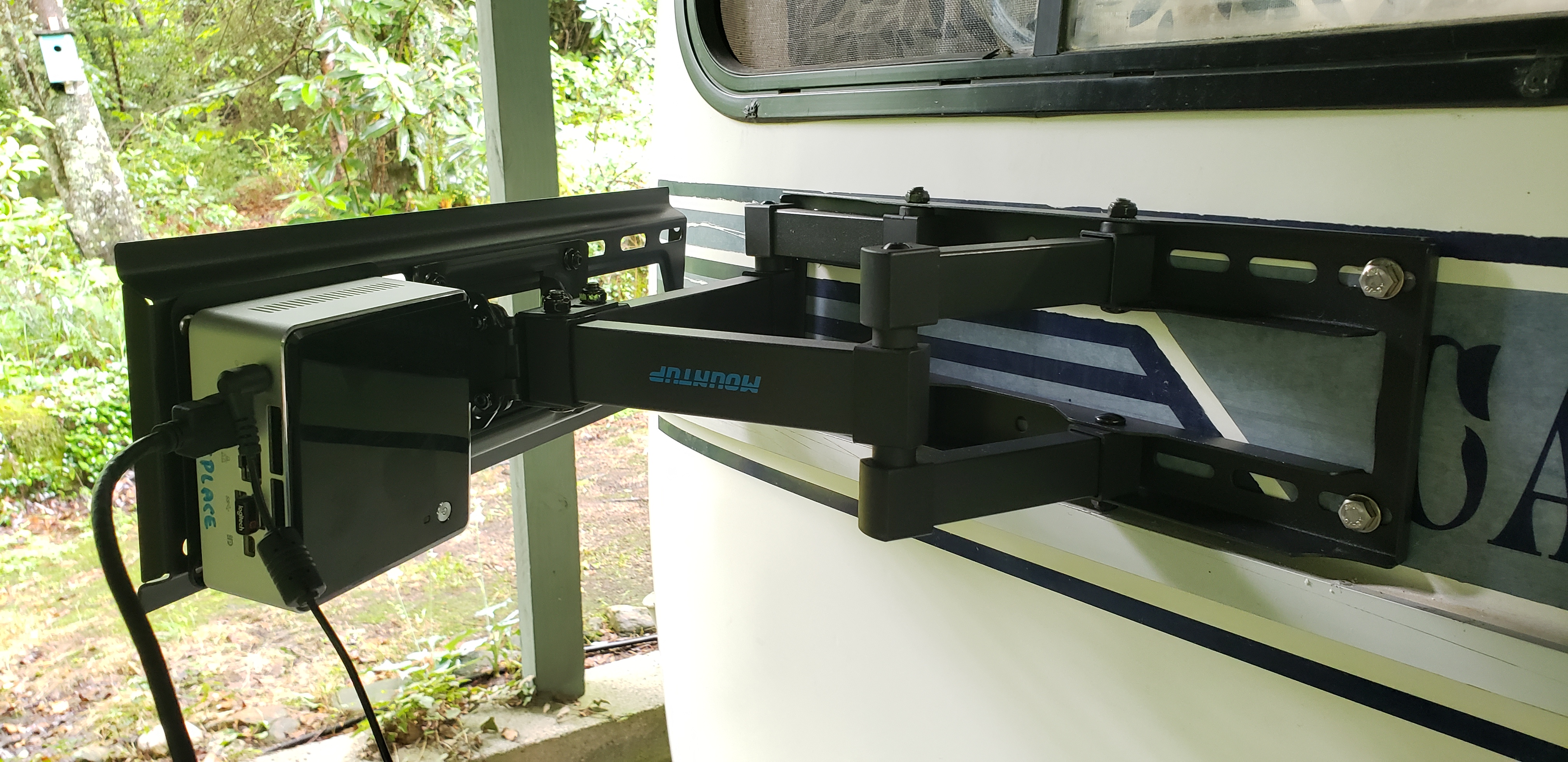
The monitor is attached by a quick disconnect to a retractable support arm as seen in the next photo.
The black and silver box on the back of the monitor mounting arm is a NUC computer that runs the monitor.
The monitor support arm folds securely against the vehicle during travel.
We also installed water tank level sending units (the silver device with the black wire) on both water tanks to allow us to know at a glance how much water is in our tanks.
This is needed for the obvious reason that water is life for our animals and for us on multi-day excursions – and also because we use water as a ballast to balance out our load while the vehicle is underway.
The water level sending units send their signal to the same panel that reports the status of our solar power system – that fact made installation and use very easy.
On June 5th, 2022 the SS NaSA PoD mobile outreach classroom rolled out for its first official outreach program at a local girl’s camp! It was a wonderful success!
Watch the video below to see the PoD in action!
Since our first official outreach program, we have presented two more programs – one at a local boy’s camp, and another at a river festival – what follows are some photos from those wonderful events.
THANK YOU to everyone who has supported and is continuing to support this most unique environmental outreach education project – we are eternally grateful for your most generous support. You are all the greatest of heroes!!!
This amazing outreach education project will serve to inspire and educate all the curiosity seekers who discover it. But to do this right – we do still need your support. The next steps in working toward the completion of the PoD are outlined below and will most likely occur in the following order:
Installing the microscope* station.
Stocking the field guide library.
Updating the curtains and cushions with an appropriate theme.
Installing the 120/240 Volt “shore power” service.
Painting the PoD and installing appropriate decals/insignia.*
Installing the composting toilet.*
*These are our remaining needs. If you are interested in assisting us with a donation of these final items and/or the support needed for us to be able to complete this project – please do contact us directly or feel free to donate via the links below.
If you do choose to assist us in making this project a reality, this unique mobile classroom will greatly benefit the nature, environment, and wildlife conservation education, evidence-supported science, reality, common sense, and renewable energy awareness education for all our outreach program participants in the WNC region as well as our wonderful students at Trails Carolina and Trails Momentum who will benefit from the unique wonders it will contain while they are in class and in the field on expedition.
We will be sure to share any and all updates in posts on this blog, in our end-of-year newsletter, and on our YouTube channel so please consider subscribing to stay up to date on this wonderful project.
The SS NaSA PoD and the Mighty Bolt EV (our primary outreach vehicle) are owned by ENP (501c3) and used primarily as the ENP company outreach vehicle and mobile outreach classroom for ENP and our education partners Trails Carolina and Trails Momentum. They will be powered and fueled primarily with cleanly-generated electricity provided by the ENP/Trails student-built classroom solar array and the SS NaSA PoD’s rooftop solar array. They will both serve as outstanding teaching tools for our Trails students and ENP outreach program participants.
Please note: any/all ads that appear within or below this post are not provided, supported, or endorsed by ENP nor are we supported in any way by these ads – they are an automated feature of WordPress.com.
Over the last month, we have worked very hard on the PoD and we are happy to report that it is mostly complete! Recently we took it on its shakedown cruise – but before I tell you how that went I would like to give you a breakdown of the progress we have made since our last update. I could show several static photographs but instead, I have decided to share with you video update #2 that goes over all of the changes to the interior since the last update as well as a unique time-lapse of much of the work we have completed over the last 5 weeks or so. I hope you enjoy watching this update in video format but please note – it covers a lot of ground so it is a bit long at just over 1/2 an hour.
In our next update and video, we will cover the latest modifications to the exterior of the PoD as well as how it performed on its “shakedown cruise.”
This amazing education project will serve to inspire and educate all the curiosity seekers who discover it. But to do this right – we still need your support. If you choose to assist us in making this project a reality, this unique mobile classroom will greatly benefit the nature and wildlife conservation education, evidence-supported science, reality, common sense, and renewable energy awareness education for all our outreach program participants in the WNC region as well as our wonderful students at Trails Carolina and Trails Momentum who will benefit from the unique wonders it will contain while they are in class and in the field on expedition.
The construction and use of this unique mobile classroom will be documented on this blog, in our end-of-year newsletter, and on our YouTube channel.
The ENP NaSA PoD and the Mighty Bolt EV (our primary outreach vehicle) are owned by ENP and used primarily as the ENP company outreach vehicle and mobile outreach classroom for ENP and our education partners Trails Carolina and Trails Momentum. They will be powered and fueled primarily with cleanly-generated electricity provided by the ENP/Trails student-built classroom solar array and the NaSA PoD’s rooftop solar array. They will both serve as outstanding teaching tools for our Trails students, ENP outreach program participants, and everyone we meet via our outreach programs.
THANK YOU to everyone who has supported and is continuing to support this most unique project – you are all the greatest of heroes!!!
Please note: any/all ads that appear within or below this post are not provided, supported, or endorsed by ENP nor are we supported in any way by these ads – they are an automated feature of WordPress.com.
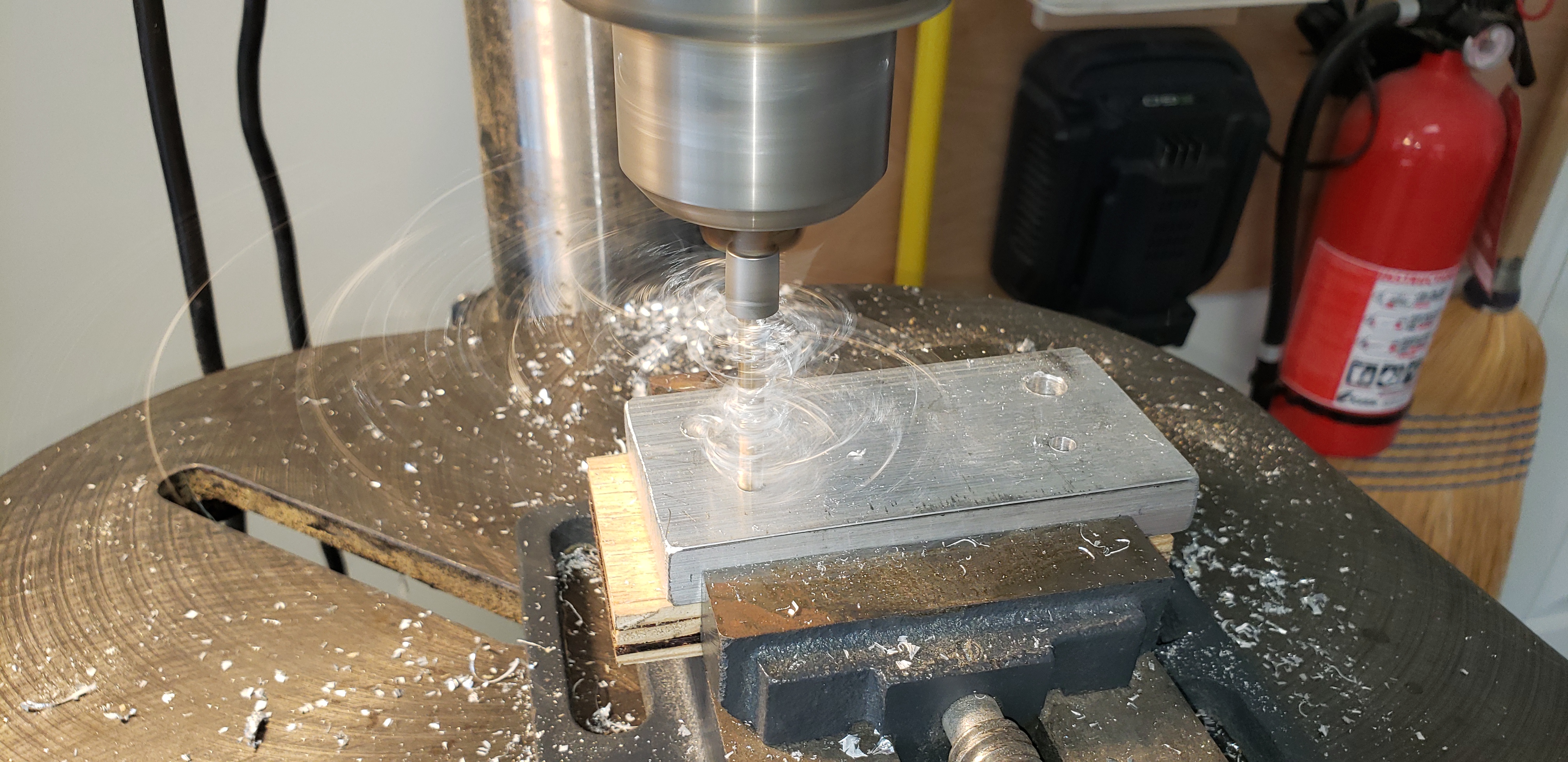
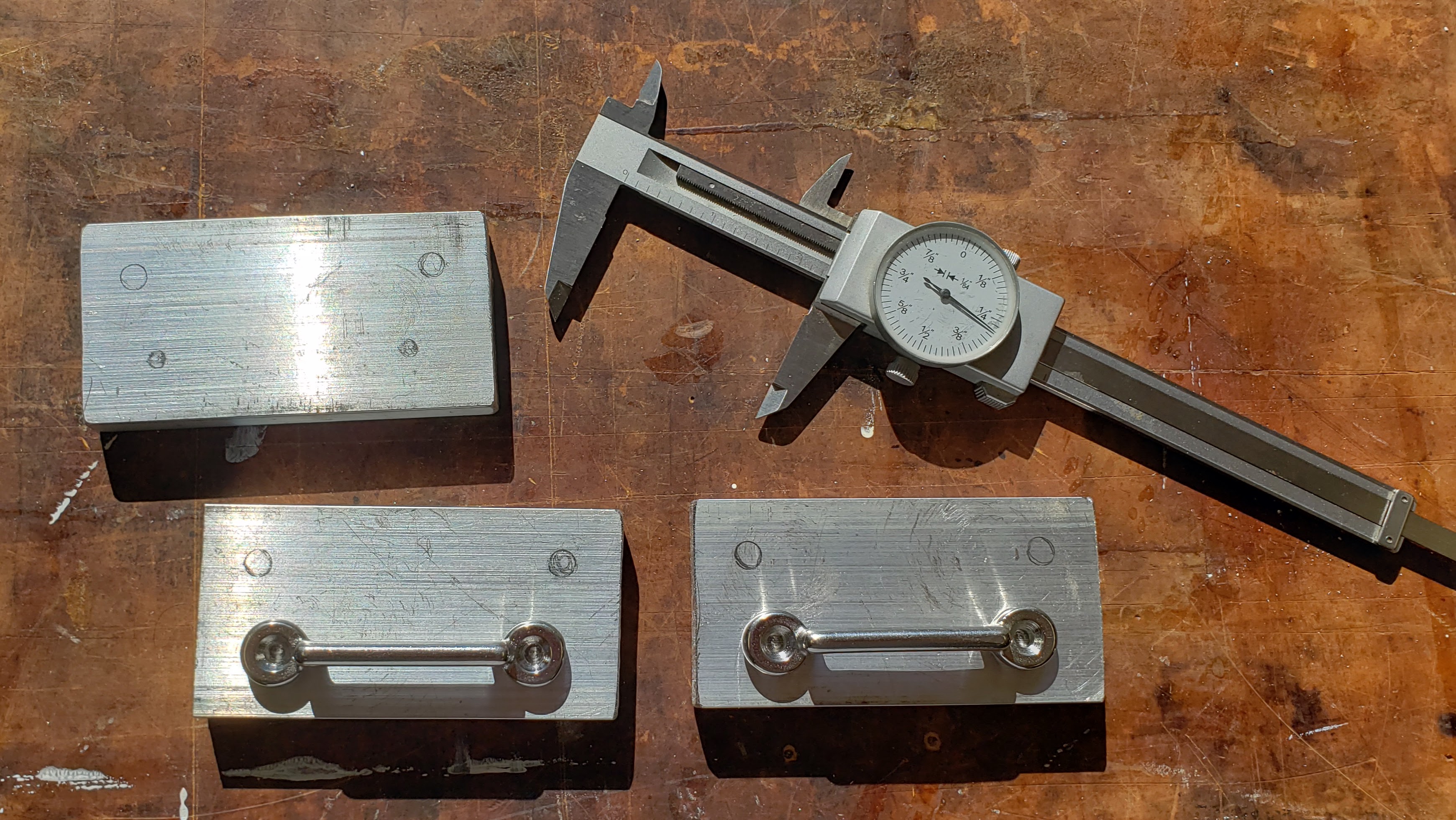
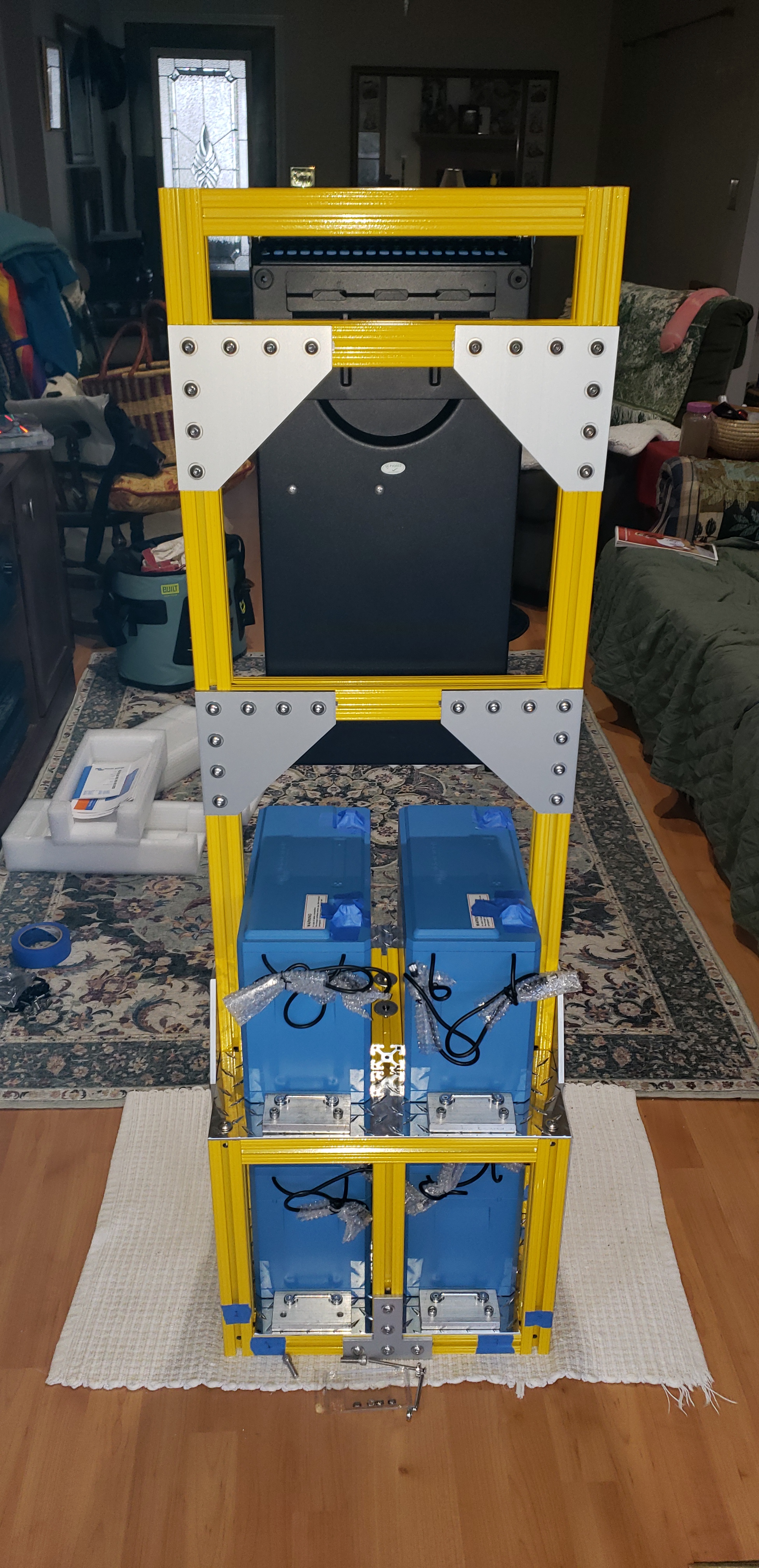
Recently, Jim and I worked together to carefully machine some specialized support pieces for the Solar Inverter Battery Support Structure (SIBaSS – pronounced “Sea Bass” – LOL).
Take a look at some of the photos from that adventure below.
Drilling precision holes in a block of aluminum is fun!
Drilling a hole in a piece of T-Slot aluminum.
Aluminum blocks, strap cleats, and T-Slots in the process of being assembled.
Precision work.
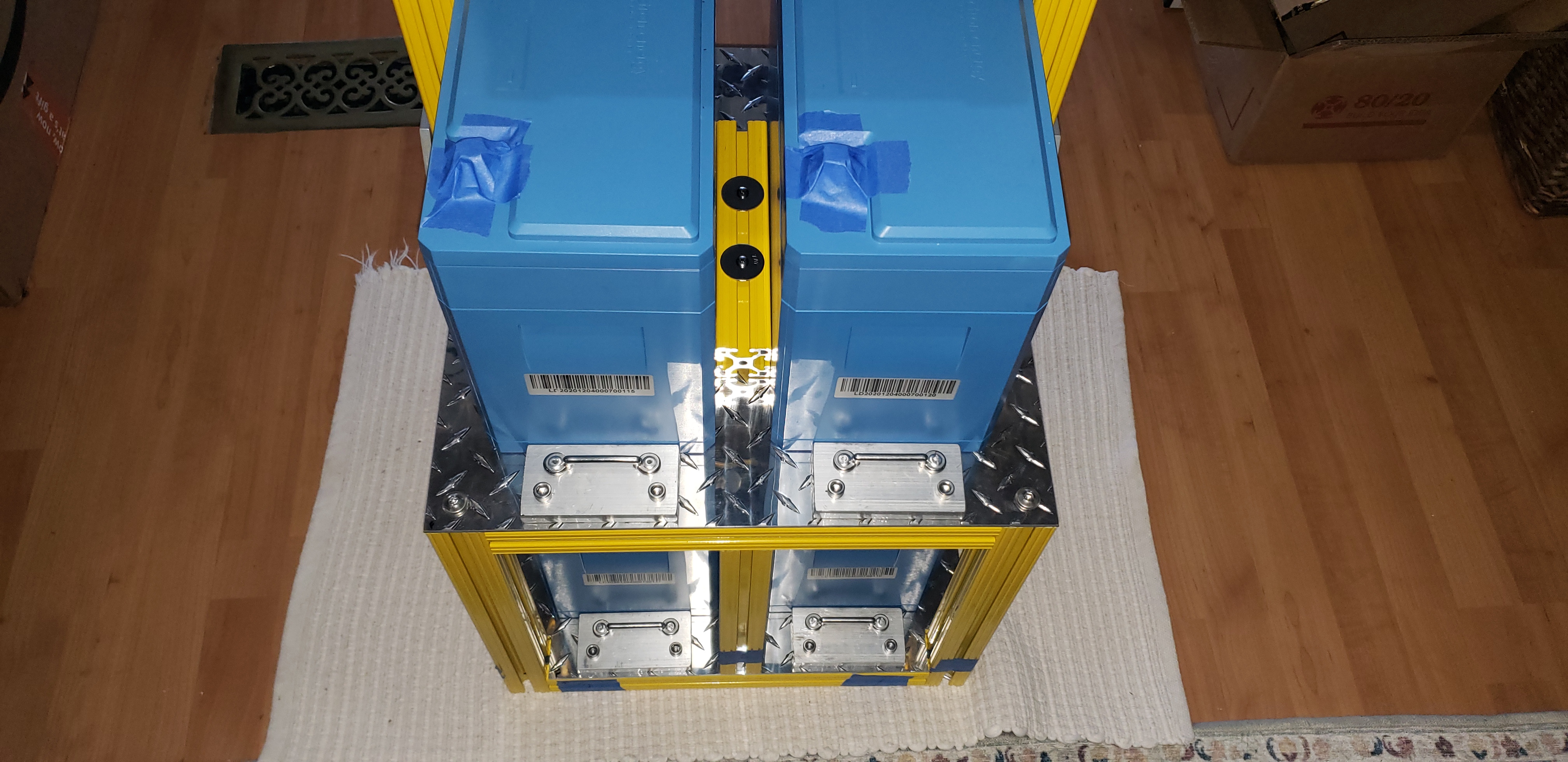
All these parts were then applied to the SIBaSS and, with the webbing straps I will add soon, will all work together to hold the batteries and inverter securely in place.
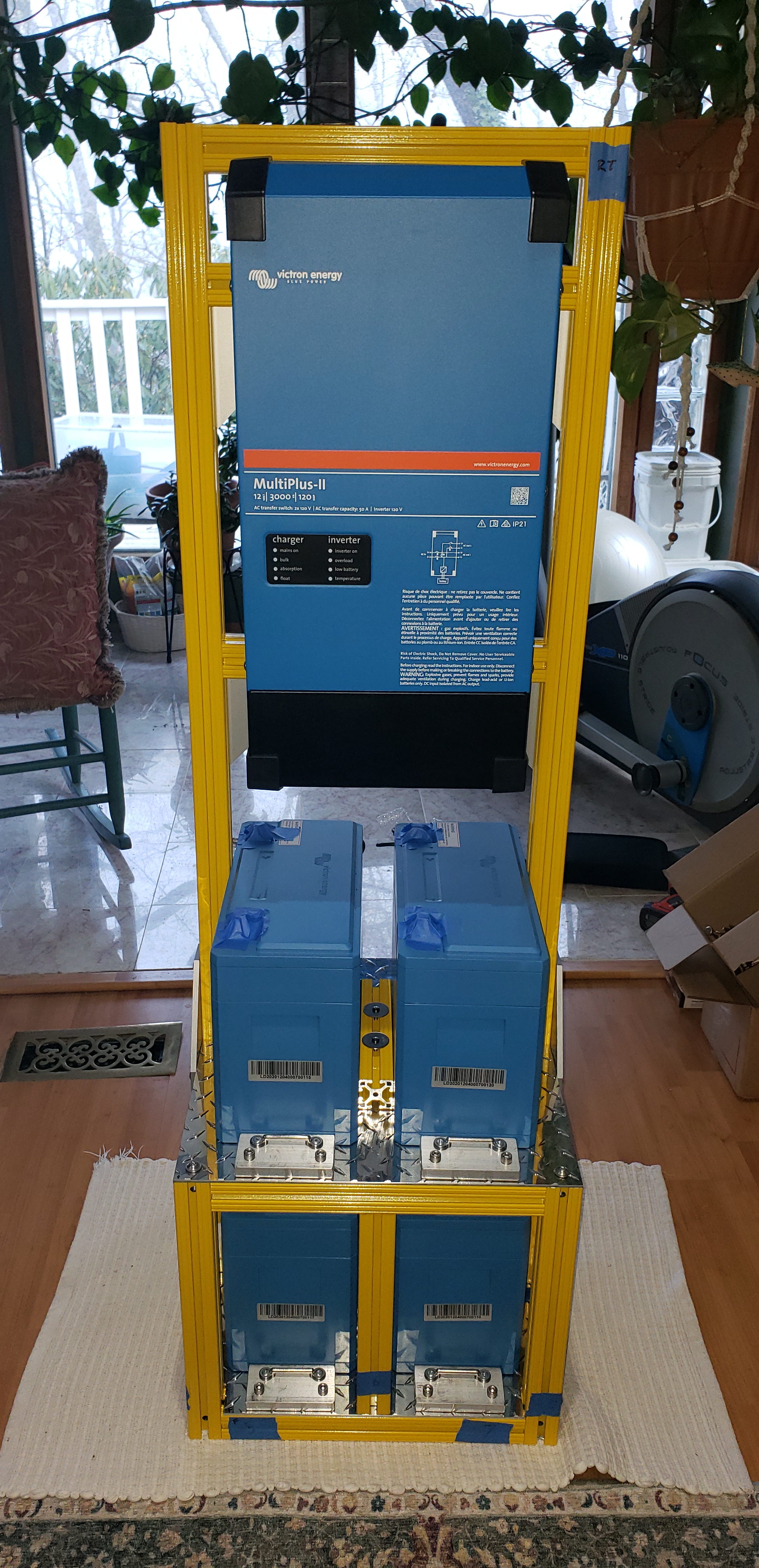
At this point in the build, this is what the SIBaSS looks like. The solar inverter is on the top of the structure and the four batteries are below.
The aluminum blocks and yellow T-slot battery spacers are now in their final positions.
The back of the assembly. The large triangular gussets in the corners will serve to further strengthen the structure keeping it rigid and secure when the PoD is rolling down the road. A few small parts are still needed before the SiBaSS is complete and can finally be installed in the PoD.
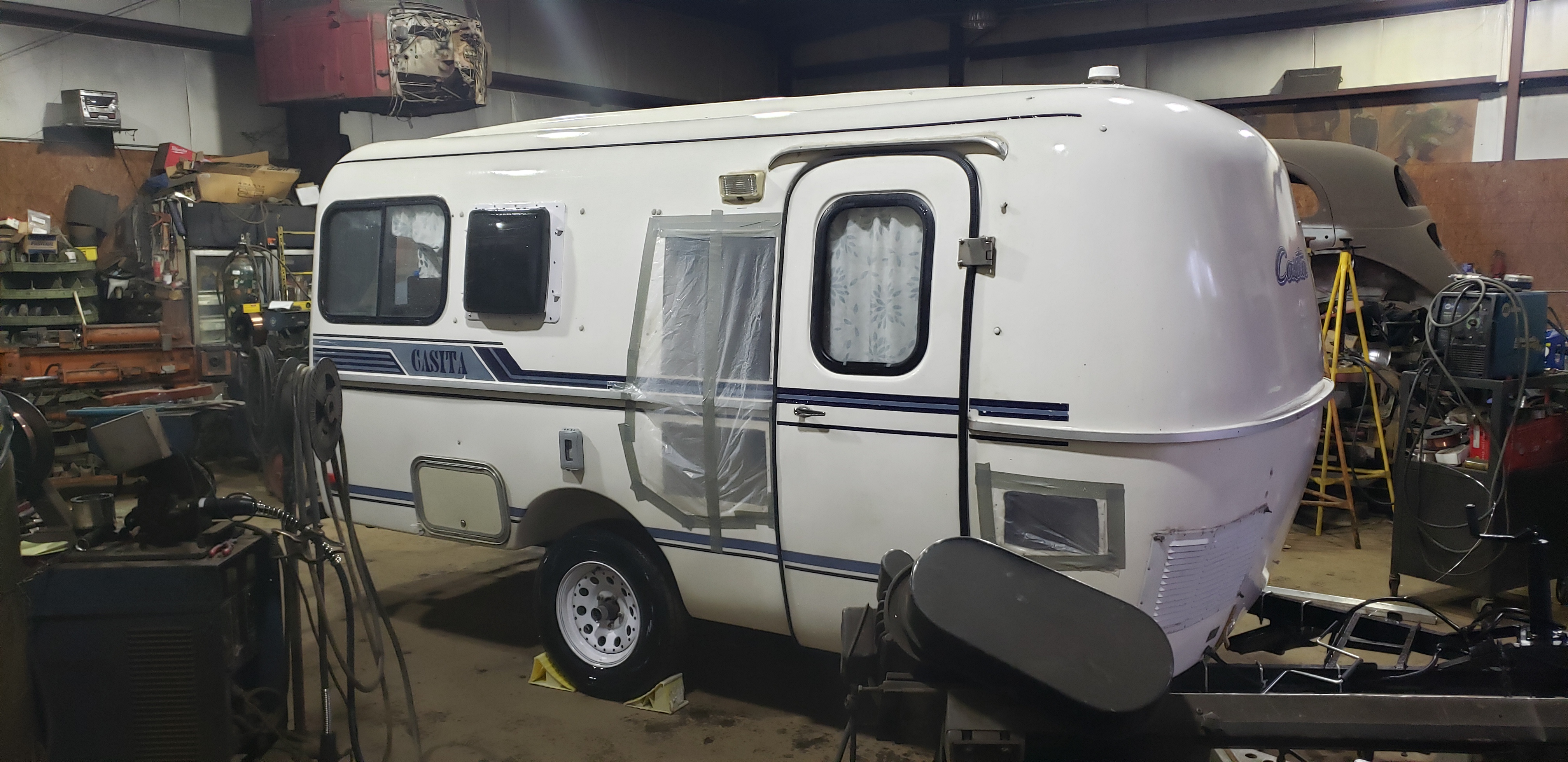
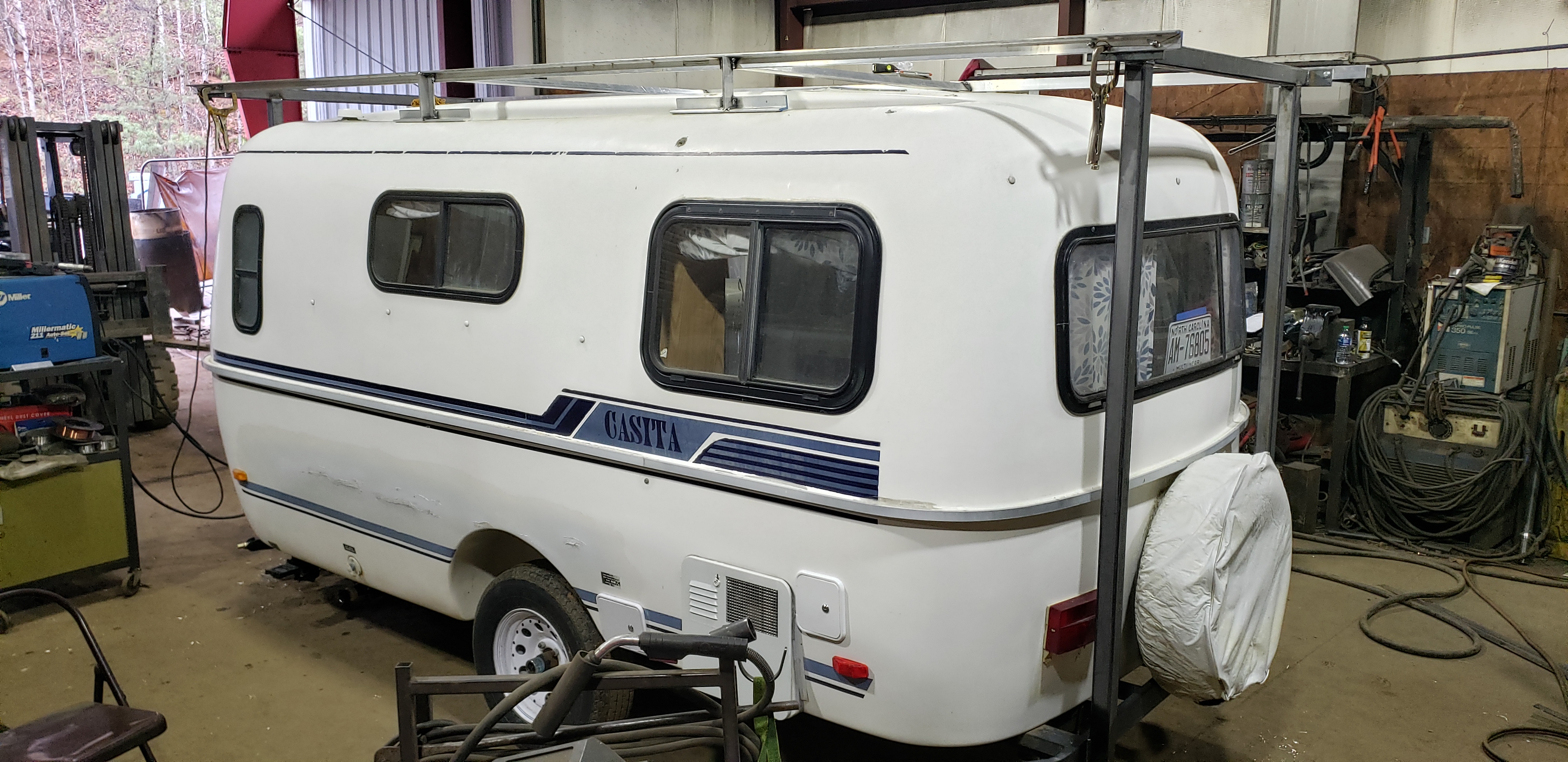
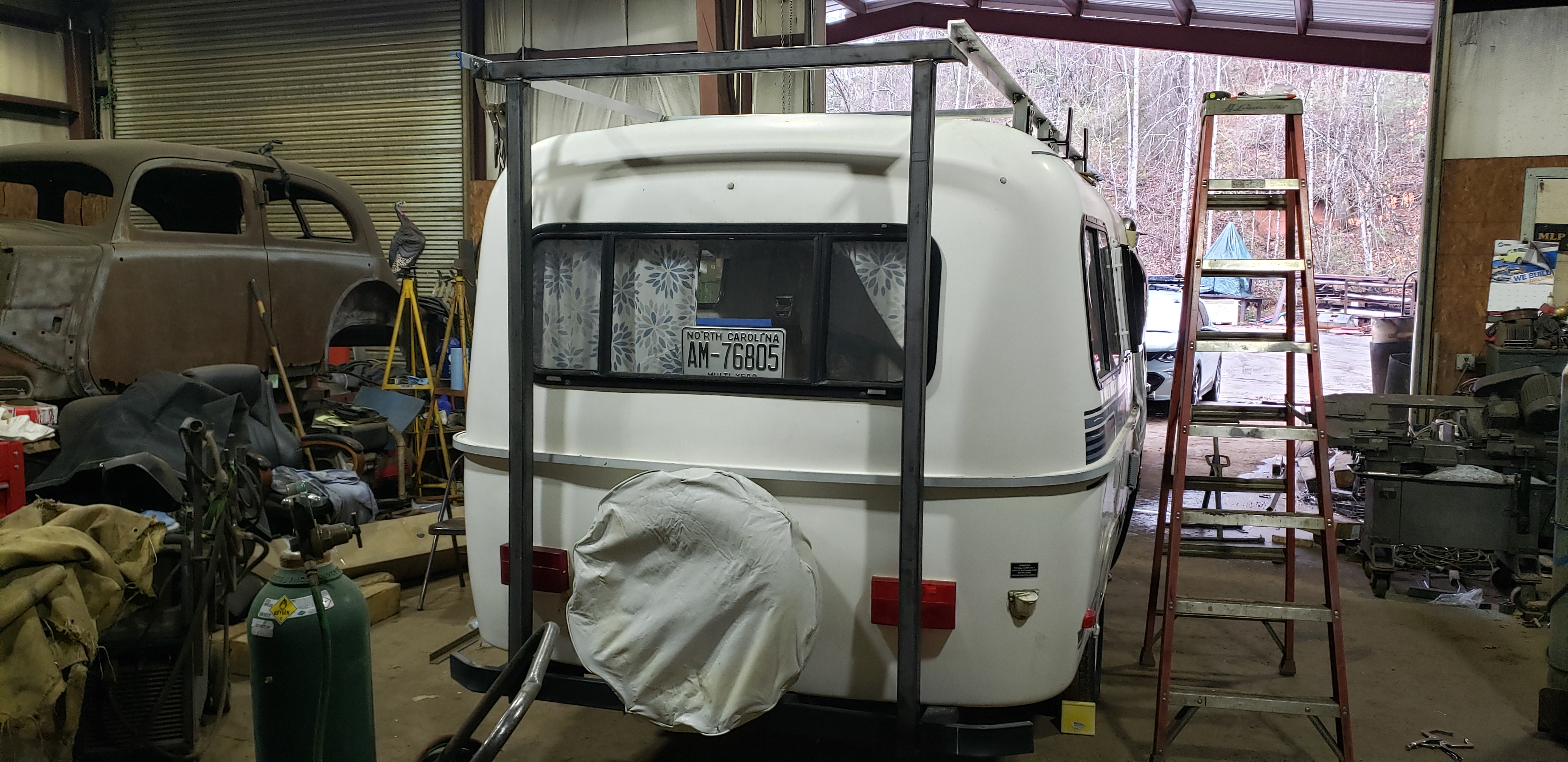
In other news, we have transported the PoD to the Red Dog the welder who is working his magic and, as I write this, installing the solar array support structure onto the PoD. Here are a few photos of this major step in the process. Below, Red is toting the PoD into the shop with his forklift.
The PoD in the shop. Note the plastic shields I installed over the future window holes and air conditioner service port in the side – it was raining. Of note – the skylight Jim and I fabricated and installed a few days ago had a very good test today and I am happy to report that it passed with zero leaks.
Day One: Getting ready to begin the welding job.
Hmmm, I might need to re-locate the brake lights to the other side of the steel support beams.
Getting things perfectly aligned before the welding begins.
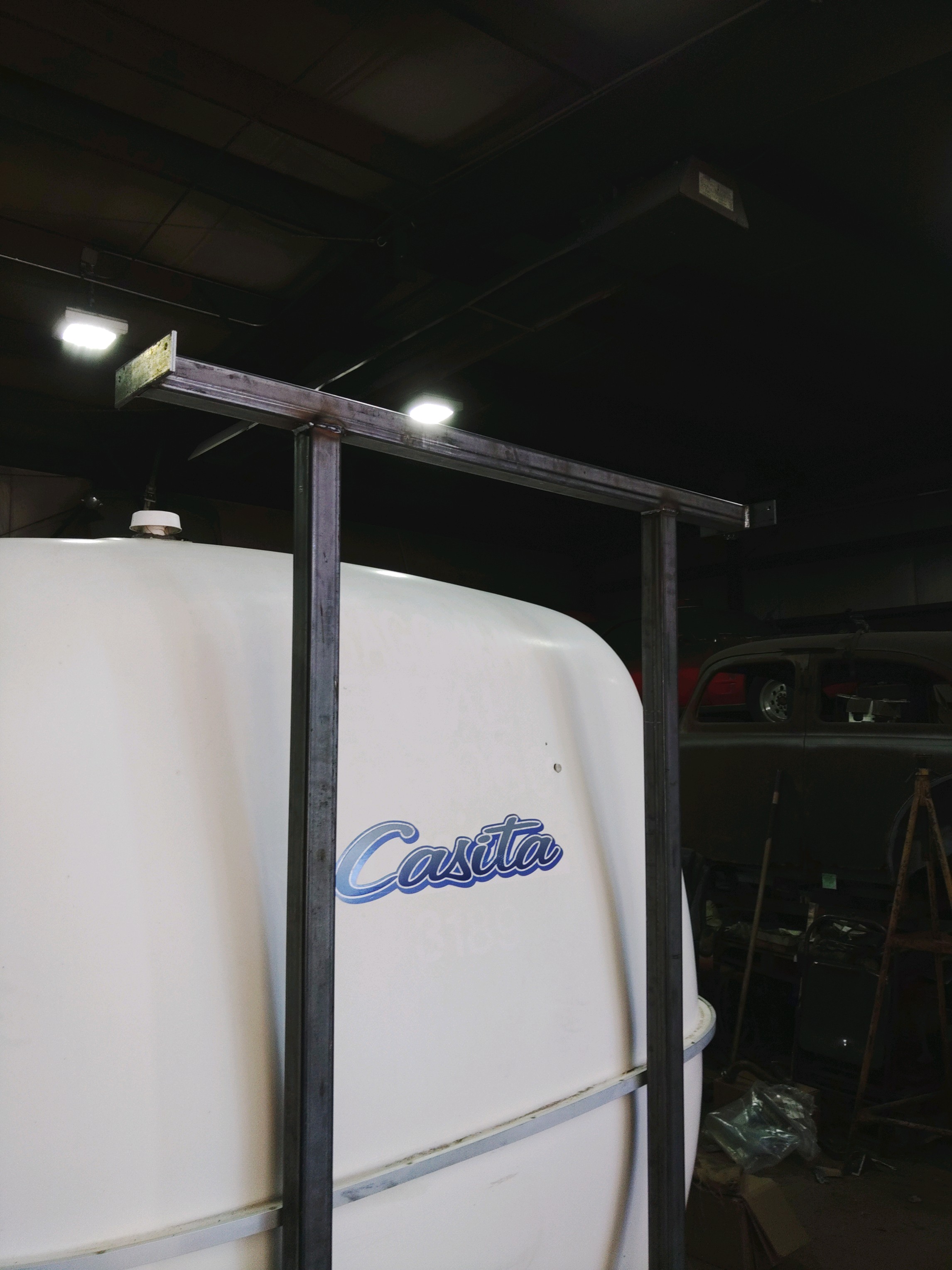
Array support structure taking shape.
Precision cuts require precision tools.
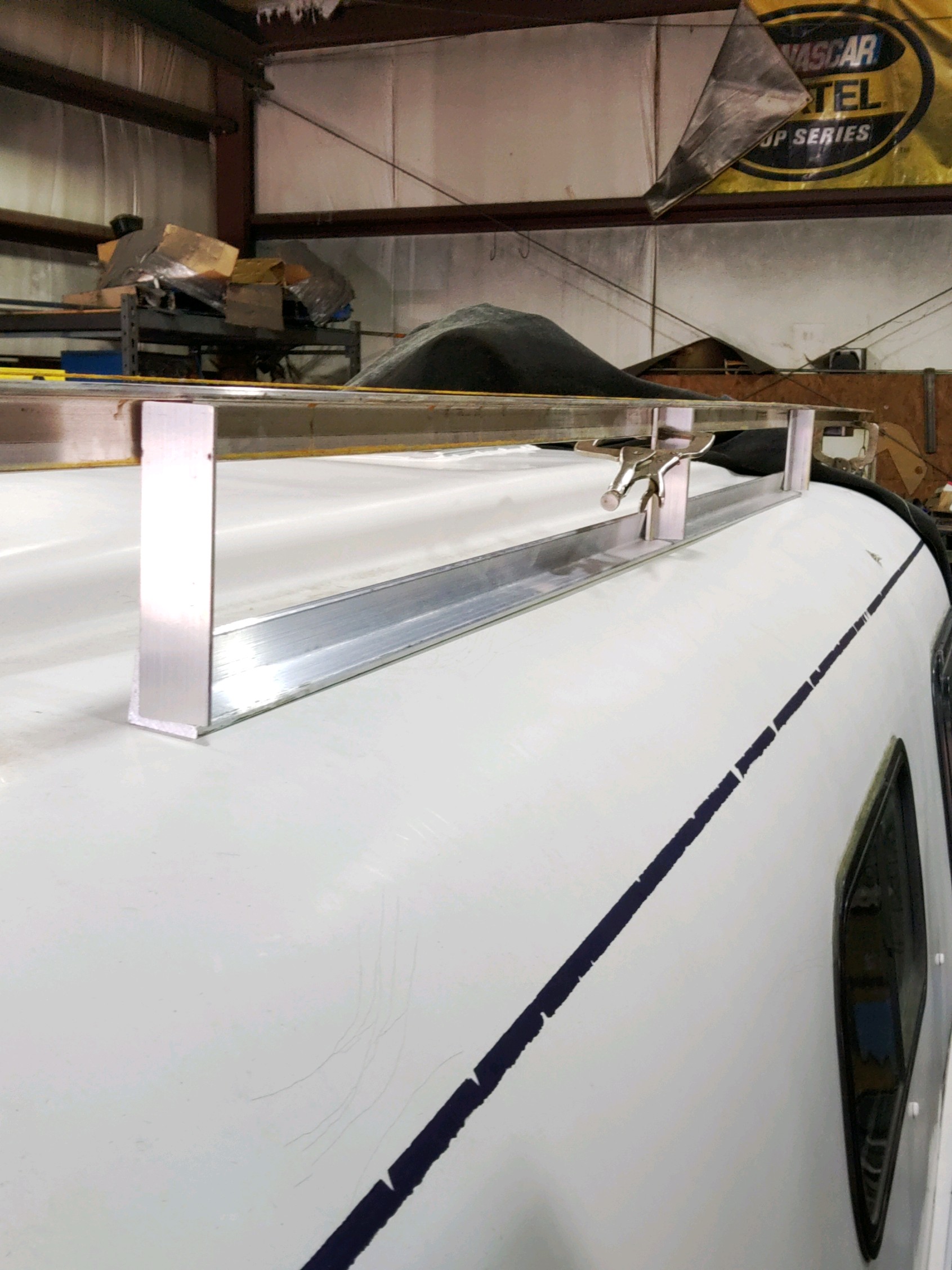
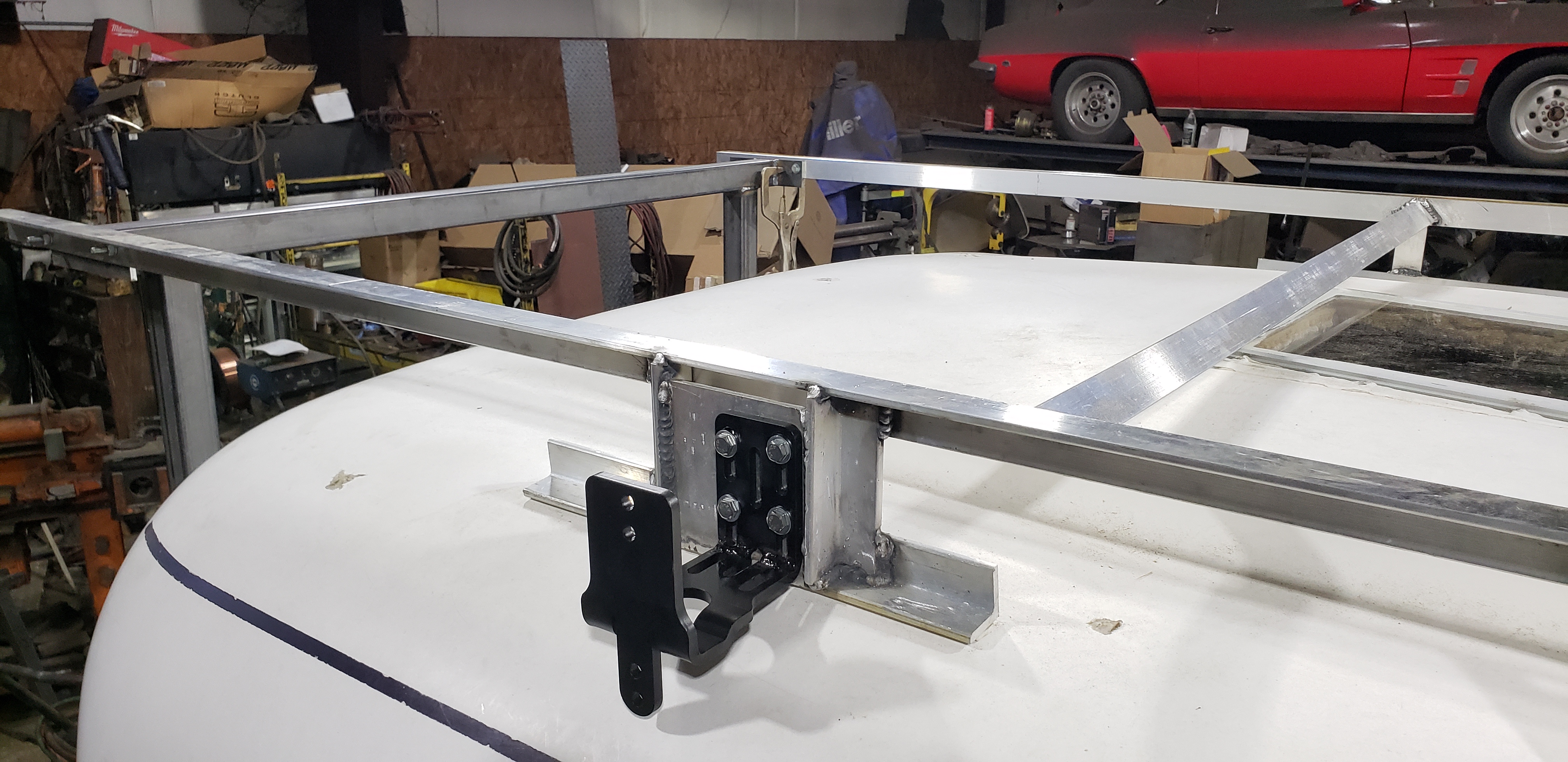
The solar array support rack being aligned. The solar modules (panels) will bolt directly to the shiny pieces of aluminum in the below photo.
This rack system is a special challenge since the roof of the PoD is made of fiberglass. The next photo shows one of the long “foot-like” structures Red is fabricating that will help to distribute the weight of the solar array and the awning over the entire rooftop.
Day Two of the construction: the rack is starting to come together.
One of the three brackets where the awning will attach.
Stay tuned – there is much more to come.
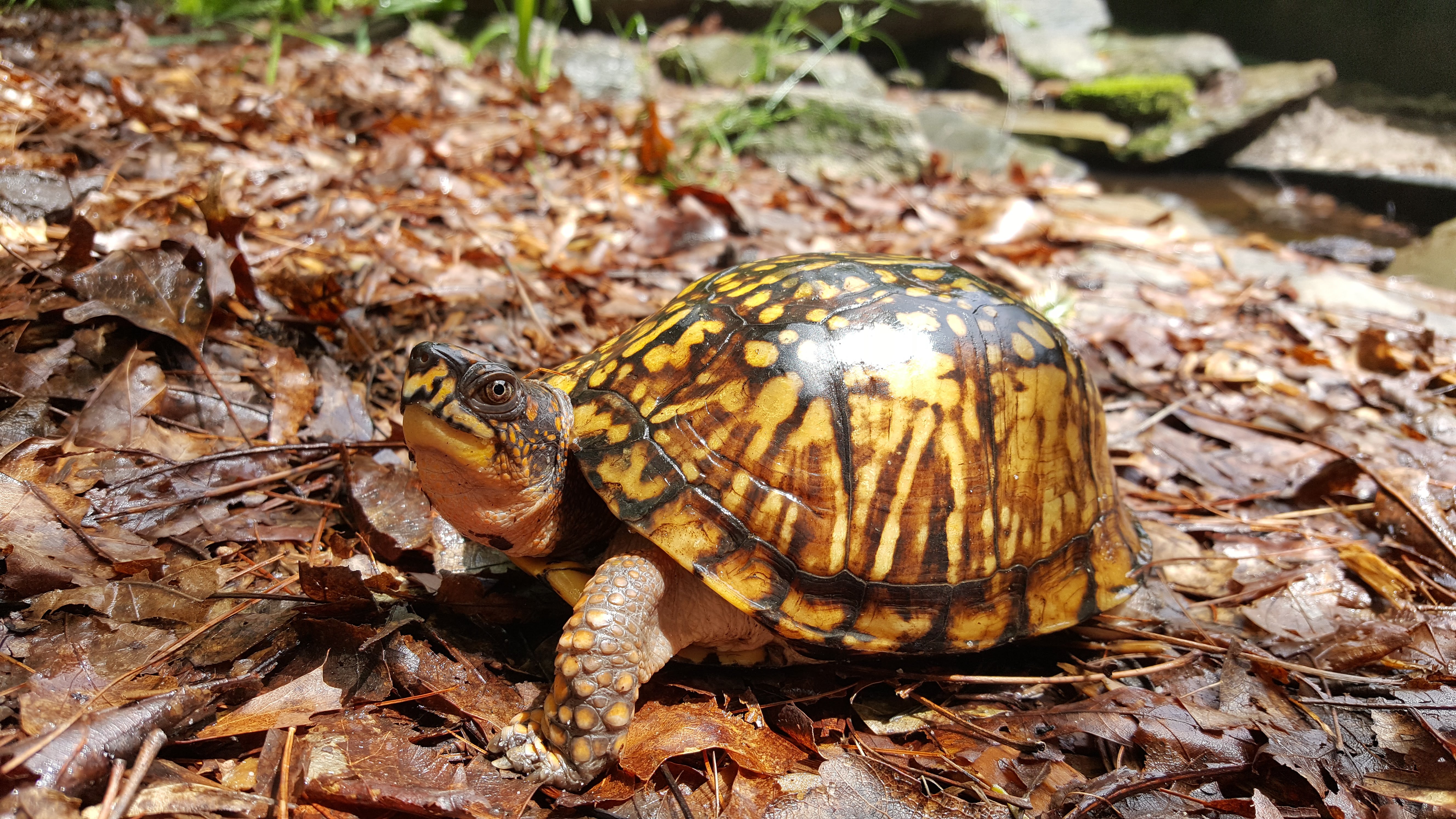
In closing, this is Tripod the Eastern box turtle – the ENP mascot. It will not be long before the warm sun of springtime awakens her from her long winter’s nap 🙂
Please subscribe and follow this blog for more updates.
We hope to have the ENP NaSA PoD in service on or before Earth Day 2022!
This amazing project will serve to inspire and educate all the curiosity seekers it will meet. But to do this right – we do still need your support. If you choose to assist us in making this project a reality, this unique mobile classroom will greatly benefit the nature and wildlife conservation, science, reality, common sense, and renewable energy awareness education for all our outreach program participants in the WNC region as well as our wonderful students at Trails Carolina and Trails Momentum who will all greatly benefit from the wonders it will contain while they are in class and in the field on expedition.
The construction and use of this unique mobile classroom will be documented on this blog, our end-of-year newsletter, and soon on our YouTube channel.
The ENP NaSA PoD and the Mighty Bolt EV (our primary outreach vehicle) are owned by ENP and used primarily as the ENP company outreach vehicle and mobile outreach classroom. They will be charged and fueled primarily with cleanly generated electricity provided by the ENP/Trails student-built classroom solar array and NaSA PoD’s rooftop solar array. They will both serve as outstanding teaching tools for our Trails students, ENP outreach program participants, and everyone we meet via our outreach programs.
Please note: any/all ads that appear below this post are not provided or endorsed by ENP nor are we supported in any way by these ads – they are an automated feature of WordPress.com.
We have made some progress since our last post where we revealed our new Mobile Outreach Classroom Project that we have named the
ENP NaSA PoD
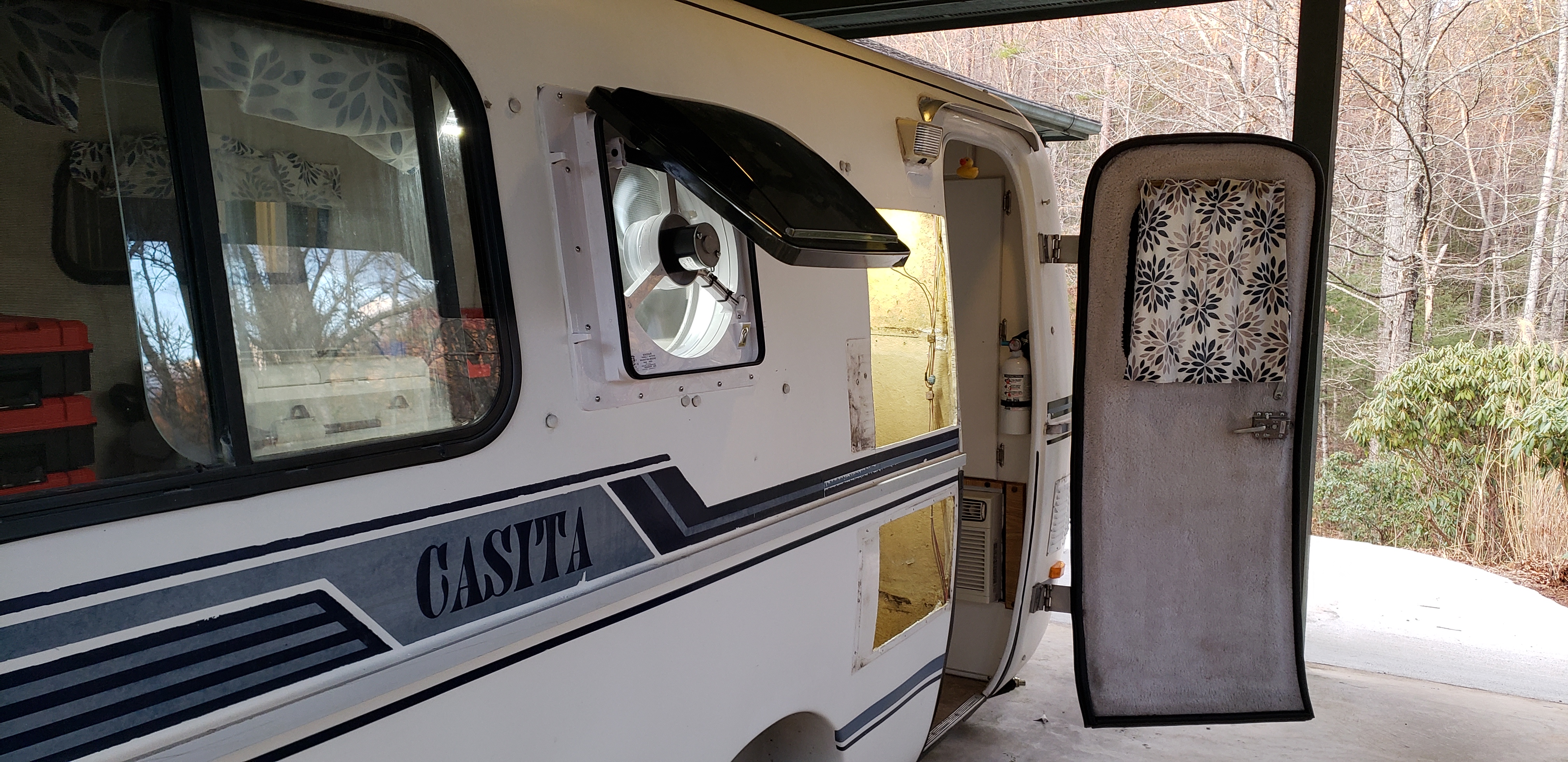
We had a nice spring-like day so we took the opportunity to install the air circulation/vent fan into the hole we cut into the side of the camper a few weeks ago.
It works very well.
We also installed a new LED light above the kitchenette area.
There is still a bit of trim work to be done around the fan/backsplash.
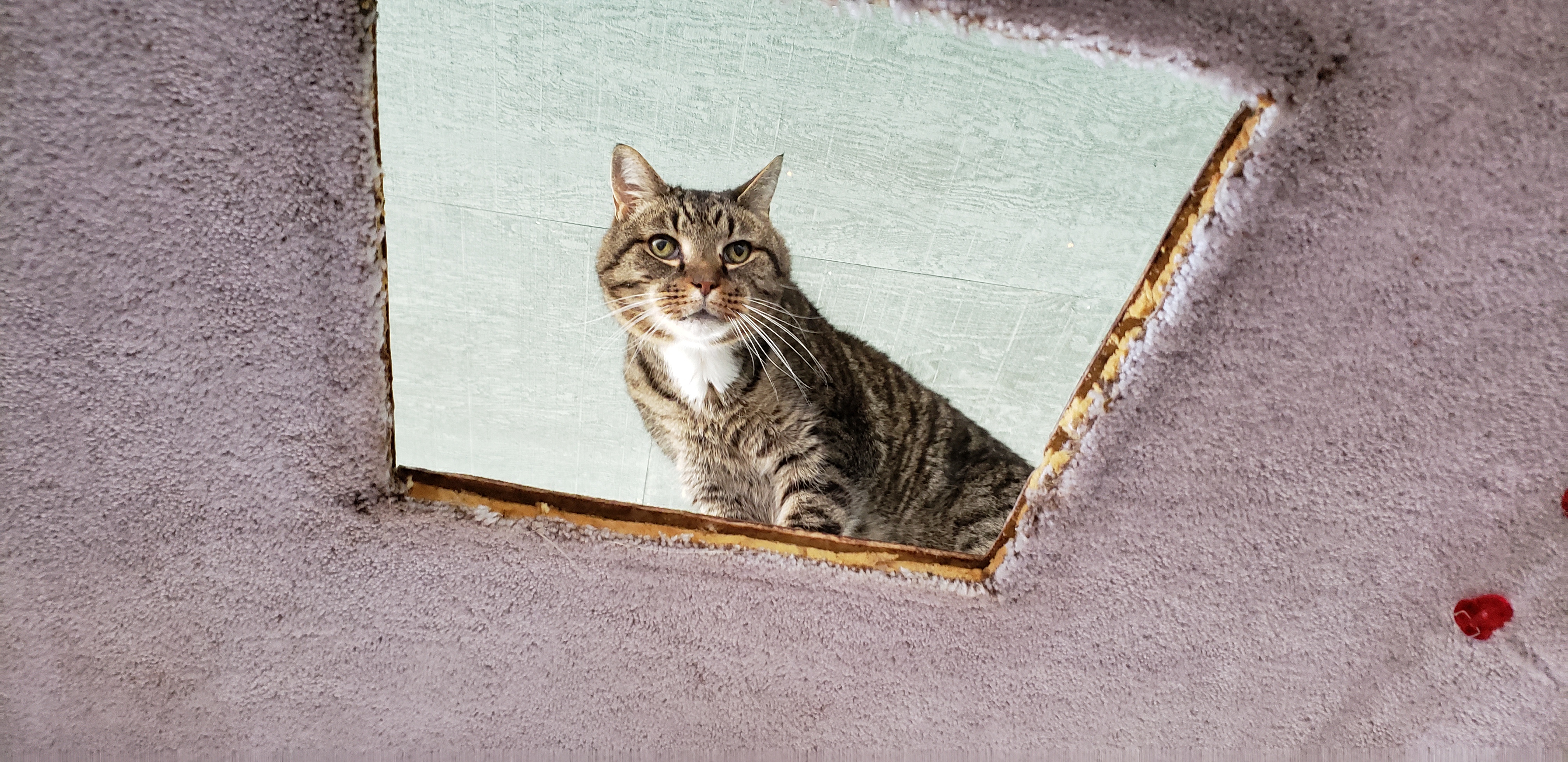
Cosmo watches through the old fan hole in the roof 🙂
We hope to have the ENP NaSA PoD in service on or before Earth Day 2022!
Stay tuned – there is much more to come.
Please subscribe and follow this blog for more updates.
This is an amazing project that will serve to educate and inspire all the curiosity seekers it meets. But to do this thing right – we do still need your support. If you choose to assist us in making this project a reality, this unique mobile classroom will greatly benefit the nature and wildlife conservation, science, and renewable energy awareness education of all of our outreach program participants in the WNC region as well as our wonderful students at Trails Carolina and Trails Momentum who will all greatly benefit from the wonders it will contain while they are in the field on expedition.
The construction and use of this unique mobile classroom will be documented on this blog, our end-of-year newsletter, and soon on our YouTube channel.
The ENP NaSA PoD and the Mighty Bolt EV (our primary outreach vehicle) are owned by ENP and used primarily as the ENP company outreach vehicle and mobile outreach classroom. They will be charged and fueled primarily with cleanly generated electricity provided by the ENP/Trails student-built classroom solar array and NaSA PoD’s rooftop solar array. They will serve as outstanding teaching tools for our Trails students, ENP outreach program participants, and everyone we meet via our outreach programs.
Please note: any/all ads that appear below this post are not provided or endorsed by ENP nor are we supported in any way by these ads – they are an automated feature of WordPress.com.
It was a wonderful 2013 for Earthshine Nature Programs!
Although this report is a bit late, we wanted to fill you all in on the amazing year we had in 2013 thanks to many of you. So sit back and enjoy the year in review!
We started the year off at our new base of operations on the campus of The Academy at Trails Carolina near Dupont Forest in Henderson County, NC. We owe a huge debt of gratitude to our great friend Jim Hardy who donated of his valuable time and amazing carpentry skill to construct several new and incredibly strong tables to hold many of the animal habitats. After Jim completed the tables and the Academy students painted them, Earthshine’s one and only Erith aka: “Tadpole” gave of his time and his truck to assist me with the move of many of the habitats and animals–thank you Erith!
Then Jim returned and constructed a wonderful large Opossum habitat for Crash. That’s Jim building the “possum palace” below.
Crash loves his new habitat! Thank you Jim!
This new location gave us so much more room to expand and expand we did! Over the last year we have added more habitats both at our new location and at the Earthshine Discovery Center. Early in the year some very nice people in Asheville donated to us a huge 250 gallon aquatic habitat with all support systems! Our friends Erith, Jason, Michael, Steve A., and many of the Academy students assisted in the break down, transport and set up of the massive aquarium and associated support systems in the new nature center. The massive aquarium now houses dozens of tropical fish, a young snapping turtle and Jack our juvenile Dwarf Caiman–that is a photo of Jack below.
One of our next projects was to construct an outdoor box turtle habitat at the Trails nature center–that is the new habitat in the photo below.
Students from the Academy and Trails wilderness worked together during the winter and spring to complete the habitat. It is a circular enclosure constructed of primarily donated/reclaimed/re-purposed materials, native food plants, a large brush pile for sheltering and overwintering and a small pond for turtle hydration purposes and as an amphibian breeding pool. The pond needed a water filtration system but a good, name brand outdoor filtration system would have been in the hundreds of dollars. I did not want to spend that much on a filter system so the students and I constructed a filtration system from a 12 volt pump, three different kinds of bulk filter medium, some random aquarium materials that I had on hand, and a few new off-the-shelf components. We then wired in a 40 watt photovoltaic (solar) panel I donated, my father-in-law donated a new 12 volt battery to store the power and then the wilderness students and I installed it and it is now online and operational keeping the water clean for several hours per day with free energy from the sun!
In 2014 the students and I will be planting several blueberry and grape plants in the turtle habitat to provide better cover and tasty snacks for the turtles (and the students). We will also construct wooden benches—with rough cut sawmill lumber—on top of the turtle habitat’s wall to provide nice outdoor seating which will allow the enclosure to function as an outdoor classroom. We are also planning to install three more 40 watt solar panels alongside the previously installed solar panel and a second battery. These panels will be built by the students over the winter in our renewable energy class. This will boost the power output of the system allowing it to collect more energy from the sun during the shady summer months under the canopy. The pump will then be able to run for much longer periods and for most of the night and on cloudy days. These new updates will allow the enclosure to become an even better habitat for the resident turtles and become a wonderful outdoor classroom with a focus on the Eastern box turtle, wildlife rehabilitation, recycling and renewable energy.
Introducing Vadim our new Russian Tortoise!
Vadim is named after the late Asheville artist Vadim Bora. Vadim was donated to us after his previous owner decided that he was not able to care for him any longer. He will live in the new turtle habitat with Charlie the Red foot tortoise and the box turtles Rose, Crash, Chewy, Rasputin and Ben Franklin.
Chewy chowing down on fresh tomato and spinach!! Our turtles eat very well!
Uber Cool Nomenclature Note: In the early fall some staff and I were cutting down a couple of hazard trees outside the nature and science center and together we chose a new name for the turtle habitat and/science and nature center complex and this name shell be: Turtle Island. I know, I know, you might say “there already is a Turtle Island near Boone, NC and it has even been on TV… Please do not confuse our Turtle Island with Mr. Conway’s Turtle Island thank you. I believe that there can safely be more than one Turtle Island on Turtle Island Earth 🙂
———————————————————————————————————–
Science Class at Earthshine and Turtle Island
2013 was filled with nature, science, fun, adventure and above all: SCIENCE! Over the last year class we have studied many different science topics including but never limited to:
Citizen Science/Environmental Science: We work together to study nature by getting out in it, getting dirty and making a difference. We study the ecosystem around us from the creeks and bogs to rocks and logs. We are keeping track of the movements of several wild reptiles by following in the “Turtle Tracks” and “Turtle Trails” of four Eastern box turtles, “Snake Tracks” of two Timber rattlesnakes and in the spring of 2014 we will begin following in the “Snake Trails” left by Splinter the ratsnake who lives just outside Turtle Island! We are learning loads of great environmental and wildlife conservation science and helping to collect valuable reptile movement data for a statewide reptile monitoring project that is working to understand, conserve and protect some of the most misunderstood yet most important creatures on the planet–reptiles. In this class the students get hands-on time with accepted scientific wildlife research and monitoring techniques and equipment as well as special professional guests such as wildlife diversity biologists and volunteers who pop in from time to time to teach the students about their chosen professions.
Turtle Trackers at work at Earthshine!
Animal Adaptations: Why does that animal have a stinger, that one venom, that one wings, the other one feathers, hair, a sticky tongue or an opposable thumb? Why doesn’t a snake have legs, why is a salamander slimy and a toad dry and how the heck does a bumblebee fly? All these questions and more are answered in this class that uses many of our resident education animals as hands-on teaching aids. In this class the students not only learn about the animals but they get plenty of one on one time with the animals. May students develop strong bonds with their favorite animal when they not only hold it but also learn how to feed, medicate and care for the resident and rehab animals.
Air and Space a student favorite–who doesn’t want to be an astronaut! We start with the Wright Brothers, fly with “Lucky Lindy” Lindburgh and Check Yeager, launch into space and land on the moon with Armstrong and Aldrin, ride the most complex and most powerful vehicle ever built—the Space Shuttle, orbit the earth at 17,500 mph on the International Space Station while learning about life in space and how it benefits us in our daily lives and then land on Mars with the Mars Science Lab Curiosity Rover. We close out this class by watching Col. Chris Hadfield performing the first ever music video from space! It is a great ride that has become a favorite among students, staff, Steve and over 21,000,000 viewers worldwide!
Ancient Clues: We visit with some of the most intriguing finds in the history of archaeology starting with Otzi the Iceman: a 5300 year old Neolithic man found frozen in the ice in the Austrian/Italian Alps. Visit Pompeii and Herculaneum and investigate the ancient volcanic disaster that preserved Roman daily life in 79 AD and try to answer the questions that the Kennewick Man left us with over 9000 years ago.
Waterworld: we explore the real final frontier–the Oceans–with indigenous fishermen, Jacques Cousteau, James Cameron, college students and visionaries who are working to help us better understand this fragile blue water planet we all call home.
Energy—past, present and future: Where do we get energy to operate our bodies, houses, cars—our society? Where does it come from, where does it go and at what cost to us and the earth? We start with food in the belly and fire in the hearth, learn about energy use in ancient times, modern times and in the future. Topics include—fire, food, fossil fuels, renewable energy and electric vehicles. Part of this class is hands-on classroom and field based “labs” where the students participate in the construction and maintenance of several different renewable energy projects such as:
Solar energy: Over the summer several students assisted with the construction and installation of a solar powered turtle pond filter. This winter many students will build and assist with the installation of three new solar panels at “Turtle Island.” I am also working to develop a day trip for Academy students to visit one of North Carolina’s largest solar farms that produces enough clean energy to power 750 homes!
Electric Vehicles: after learning the history of the electric car in class students take a walking “field trip” to visit Science Steve’s all electric car–a 2012 Nissan Leaf.After learning about how the car works, many of the students haveexpressed a great interest in buying an EV or hybrid as their first car or trading in their–as one student put it “archaic old earth killing gas guzzler”–when they return home from Trails.
Gravity feed crop irrigation/micro-hydroelectric power: during the fall many of the Trails wilderness and Academy students have worked with me on the construction and installation of a gravity fed garden irrigation system that is now functioning at the Academy. This system has been designed to double as a micro-hydro generating station at some point in the future.
Generator Bicycle: my wife Marian kindly donated her old bicycle to be used as a stationary generator bike. After scrounging up some more donated and recycled parts and supplies and a few new ones, the students and I worked to construct the gen-bike over the last couple of months and it is now a reality! The gen-bike is now online and generating student, staff and Steve produced pedal power to operate the computer and data projector I use to show science and nature documentaries in class. Now, if the students want to watch the show they take turns pedaling the bicycle to power the show! The gen-bike serves to directly show students just how much work energy is needed to watch a movie. They learn by experiencing the direct transfer of their bodies biochemical energy to the mechanical energy of the bicycle then on to the electromagnetic/electrochemical energy in the generator/battery/inverter and then finally ending with the projection of their expended energy in the form of an educational motion picture on the “silver screen.” Added benefits from the gen-bike is that it will provide power to the turtle pond filter on dark days when the solar array is not producing much power and it also gives the students and I some much needed exercise.
Feel free to drop in any time and take the gen-bike for a “spin.”
Waste: when you flush it, drain it or throw it away…where is away? Where does our waste go? Leave no trace, reduce, reuse, recycle…rethink…these are all lessons I work to teach in this dirty class. In this class students from the Academy go on field trips to visit a waste water treatment plant, recycling sorting facility, landfill, and landfill gas (LFG) powered art studio and greenhouse!
True Heroes aka Humans are Amazing! Inspiring examples of humans who are true heroes. Ordinary and extra-ordinary people who have in some way made a positive difference in the world for people, wildlife and the planet. We learn from some of the greats such as but never limited to: Neil Armstrong and Col. Chris Hadfield, Steve Irwin, Paul Watson, Elon Musk, Diana Nyad, Stephen Hawking, Les Stroud, David Attenborough, Jane Goodall, Dian Fossey, Authur C. Clarke, Jennifer Pharr Davis, and more…
Diana Nyad swimming from Cuba to Key West in 2013
—————————————————————————————————–
Wildlife Rehabilitation Report
During 2013 ENP/Trails Nature rescued and rehabilitated several box turtles, one snake and 9 baby ‘possums! In the early spring the ‘possums mothers were hit by cars and the little Joeys were rescued by a passerby who checked the mother possums’ pouches, found the babies, and then took them to the WNC Nature Center who then called me. The young marsupials grew up at the Trails Nature Center until mid-June when I transferred them to the nature center at Camp Illahee in Brevard where the nature girls took good care of them until I released them into the forests surrounding Turtle Island in early July.
The cute photo below is of one of the young ‘possums soundly sleeping a few days before I released him. The extra leg sticking through a hole is from a sleeping sibling under the blanket!
The box turtles we rehabilitated this year were all hit by vehicles or lawnmowers. Three were released back into their habitats after some recovery time at the nature centers. One came in late in the year and is overwintering at the Trails Nature Center and will be released in the spring at its place of origin. Two of these turtles had major shell fractures—the rather graphic photo below is of Ben Franklin just before we applied his shell patch in class.
The Academy students and I carefully repaired the shells of both turtles with a special epoxy resin that will hold their shells together like a cast allowing them to knit back together and form new shell underneath. Our veterinarian Dr. Coleman of Haywood Animal Hospital in Hendersonville, NC prescribed a course of antibiotics for both turtles that helped them fight off infections due to the shell fractures–
THANK YOU Dr. Coleman!
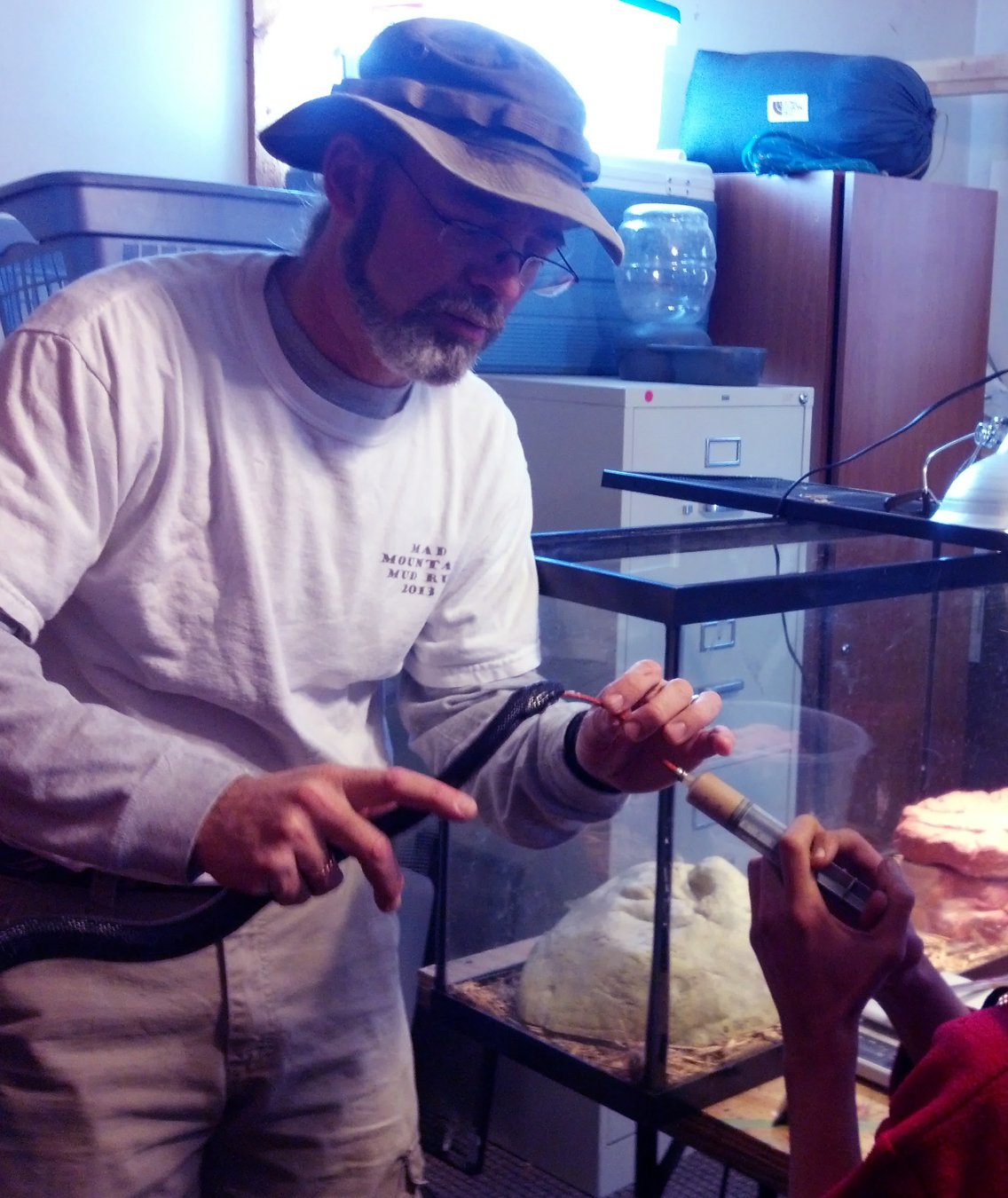
Both turtles would not eat for over a month so the students and I had to force feed them a special food, electrolyte, and vitimin blend through a tube as we are doing in the photo below in order to get their energy up so that they could recover faster.
By late summer they both began eating on their own as Ben shows in the photo below where he is enjoying a juicy forest snail! Notice also that Ben’s left eye is missing–this is an old injury that was healed when Ben came to us–this old turtle has truly been through it!
These two turtles now live in the new turtle habitat at Turtle Island, the Trails Science and Nature center. Unfortunately they must live as captive education animals for the remainder of their lives. This is due not only to their severe mobility limiting shell injuries but also because the individuals that dropped them off with us for treatment did not leave their contact information or the exact places of origin for the turtles. Many reptiles are “locked in” to one home habitat by instinct and will not thrive in a new location unless cared for as we care for our turtles. Moving them around is often a death sentence to them even if you feel like you are doing a good thing by moving them out of harms way to a safe new forest or to your back yard.
If you find an injured reptile on the road and decide to drop it off at a veterinarian or wildlife rehabilitation facility for treatment, please leave with the animal its exact place of origin so that it can be returned home after it recovers.
Ben Franklin is one of the most beautiful box turtles I have ever encountered. He has vivid yellow-orange colors and an atypical yellow eye. Most male Eastern box turtles have cherry red eyes so this makes Ben a very special turtle.
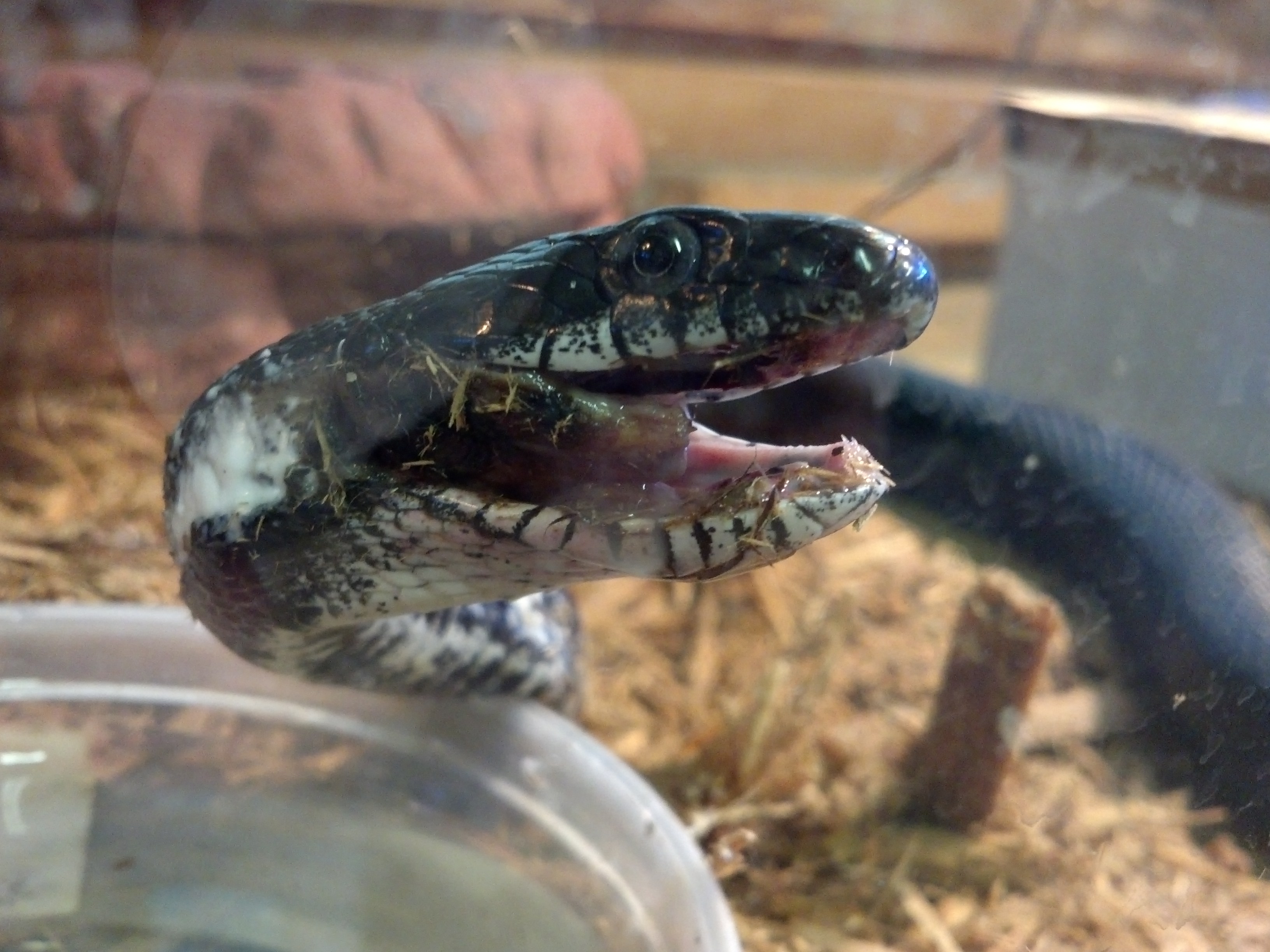
Later in the summer we received a young ratsnake that had been hit by a lawnmower. His injuries were severe with terrible cuts along his sides and a broken jaw. Despite his injuries he was otherwise healthy and strong so we rushed him to Dr. Coleman. This is a photo of the snake shortly after the accident—you can clearly see the broken jaw and wound covered in antibiotic ointment on his right side.
After a visit to Dr. Coleman, he was treated and then cared for by the students and within a couple of weeks he shed his badly damaged skin to reveal fresh, new, healthy pink skin underneath!
Scar Jr. has now recovered and is doing very well and although his horrible scars remain they will continue to shrink with each shed. His jaw however will not heal because it is missing a piece of bone. Due to his jaw injury he refuses to eat on his own so the students and I must tube feed him a special blend of liquefied cat food and vitamins as seen in the photo below.
Since we have been tube feeding him he has shed again and gained strength and weight but he still does not like to be held nor will he eat–now our goal now is simple–get him to eat on his own.
So far he has continued to refuse food but it is my hope that in the spring his natural instincts will turn on his feeding instinct and he will feed. Until that time we wait.
If he will eat on his own then Dr. Coleman has stated that he may be able to attempt some form of reconstructive surgery on his damaged jaw! If this happens and he is able to feed himself we may one day be able to release Scar Jr. back into the wild and that would be a great success for sure!
———————————————————————————————————–
TURTLE TRACKS/TURTLE TRAILS PROJECT UPDATE
We started out the year strong with Catherine, Jimmy and Mrs. Bones following their usual spring movement patterns that I have noted over the last 5 years. Jimmy once again visited the garden area and spent lots of time at Jimmy’s Place while Catherine first trekked next door to the neighbors to the south where she fed heavily on juicy morsels in their backyard. Then, in late spring, she trekked over the ridge to visit our other neighbors to the northeast where she nested–for the third year in a row–on the edge of their gravel driveway.
In the late spring and then again in early summer we attached transmitters to two new turtles at our Trails Academy site. These turtles were named Paula Journeys and Shelly Echo by the Trails Wilderness students and are part of the new Turtle Trails radio telemetry project taking place in the forest surrounding Turtle Island.
Take a close-up look at Shelly Echo–notice her missing foot.
We decided to attach a transmitter to her shell because we would like to learn how a physically challenged turtle survives as compared to a turtle with all of its feet like the other turtles we are following.
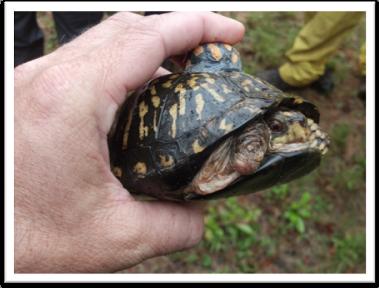
Below is a photo of preparing to attach the newly refurbished transmitter to Shelly’s shell. The transmitter only weighs 10 grams and it is glued on and hurts the turtle in no way.
In 2013 The Earthshine and Trails turtles went about business as usual however, our only Cedar Mountain turtle, Mrs. Bones, vanished in July. She was later discovered several miles away by a concerned citizen and then came home only to need a new transmitter because the original unit had failed due to an exhausted battery. The old unit was replaced and she was soon released back home on the farm. Around this time Mrs. Bones had her amazing story printed in the Transylvania Times for all to read–how cool is that! A few days after her release she came down with a respiratory/eye infection which I treated for several weeks with antibiotics and eye drops. She recovered nicely only a few weeks before the cooler weather of fall set in. Then, just before she was about to go into her winter den, we lost track of her yet again. This time it turned out to be natural causes–a large animal–possibly a bear, coyote or dog–removed her transmitter, spit it out, and then either carried her off or she got away and is doing just fine. I believe it is the latter because she was an older, experienced turtle and would always clamp up tight in her shell at the first sign of danger. Whatever happened to Mrs. Bones she gave us close to five years of wonderful data on the movements of the Eastern box turtle in the mountains of Western North Carolina and this information will directly help private land owners, naturalists, conservationists and scientists conserve and protect her entire species from harm. THANK YOU Mrs. Bones! That’s Mrs. Bones chowing down on a huge land snail!
Watch the final Odyssey of Mrs. Bones’ on Youtube by following the link below.
In lateSeptember Catherine’s transmitter began emitting a strange signal that was very hard to track. I was instructed by the company that manufactured her transmitter, to send it back to them for repair. In the meantime I replaced her unit with a new unit from a different company and so far it has been working flawlessly although it is a bit larger than her previous unit but if it lasts the 2.5 years the company claims–it will be worth it for sure.
Saya and Jimmy Irwin
Jimmy’s transmitter was replaced in 2012 with a refurbished unit and it continues to transmit strongly. Hopefully it will work without interruption until the late summer of 2014 when its battery will be running low and we will replace it with a newly refurbished unit.
Currently, all of the turtles are now sleeping off the winter. They have all returned to their overwintering locations and we hope to see them all again in the spring of the year.
Conclusions? I cannot say anything with absolute certainty however, I am beginning to see solid trends with the movements of these turtles. It is to early to say anything about the Turtle Trails turtles Paula Journeys and Shelly Echo since we just began tracking them in 2013, but about the Turtle Tracks turtles I can say quite a bit. Catherine–she seems to overwinter in relatively the same area every year. It is an area of about 50 feet in circumference on a southwest facing slope above a small spring. The precise location within this area that she picks for her actual “den” is either: near a fallen log or near the edge of the forest/trail. Like Catherine, Mrs. Bones always over wintered in the same area–a south facing slope in a mixed hardwood forest in close proximity to a large rotting pine log. Jimmy on the other hand, over winters in two different locations. Site 1 is on a west facing slope on the edge of a mixed hardwood forest and only about 2 feet from the edge of a grassy field. Site 2 is on a north facing slope deep in the hardwood forest under Rhododendron and Mountain laurel shrubs. These sites could not be more different from each other. Since I have not found Catherine, Mrs. Bones or Jimmy overwintering in any other locations in their habitats it seems that they may be instinctually “locked in” to these sites as their over wintering locations. I remember when I was tracking Mr. Bones, he actually had three different overwintering locations…why do the females seem to stay in the same locations while the males seem to change their den locations? Only the turtles know and we can only guess. Not only do the turtles return to the exact same over wintering areas like clockwork–almost to the day–but they also visit the same foraging and sheltering areas almost without fail. However, only time and continued tracking will reveal more of their secrets as I have only been tracking them for just over 5 years. In 5 more years I may change my theories depending on what new evidence is presented to me by following in the turtle tracks and turtle trails of these remarkable creatures.
———————————————————————————————————–
Snake Tracks Project Update
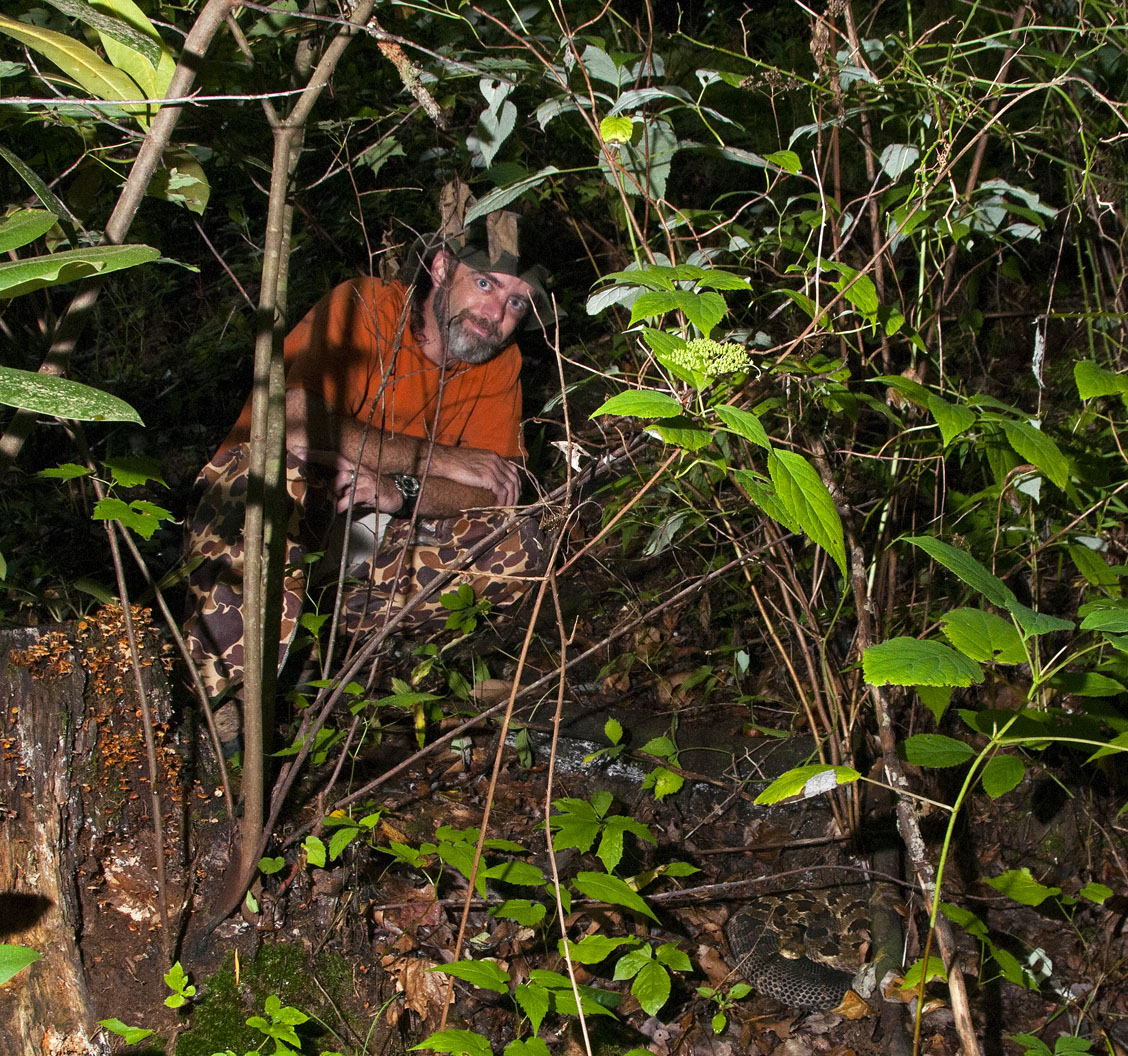
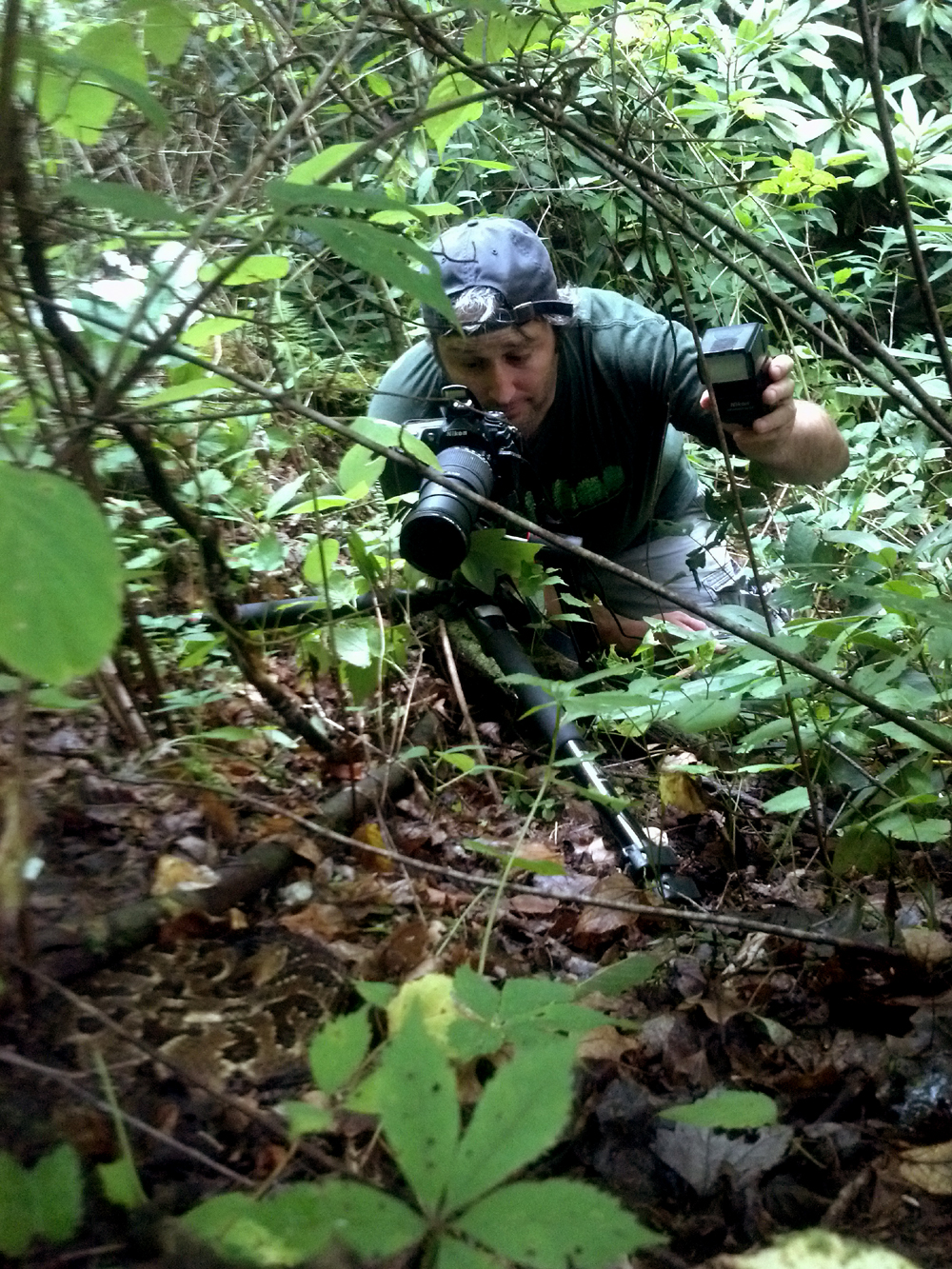
Photographer and friend of ENP Steve Atkins visited us in the spring to get some amazing photos of the young Timber rattlesnake that I rescued with the help of the Scaly Adventures film crew.
In 2013 we spent hundreds of hours in the field visiting with the beautiful nature and wildlife of the woods, fields and streams surrounding Earthshine Discovery Center and Trails Academy. Many of you joined me on exciting and informative Turtle Tracks tracking expeditions where together we located our radio-tagged Eastern box turtles Jimmy Irwin, Catherine, Mrs. Bones, Paula Journeys and Shelly Echo and the Timber rattlesnakes Utsanati and Zoe. We have learned many great things about the natural movements of our native reptiles and the ecology, biology, the nature of the forest and our connection and place in the web of life.
The data we collected from all of the reptiles this year serves to strengthen our hypothesis that Eastern box turtles and Timber rattlesnakes have very strong site fidelity. This simply means that they return to the same places yearly to meet their survival needs. In 2013, as in previous years, I documented all of the reptiles that I am following using many of the exact locations that they have used in the past, for example–in the spring of this year, for the third year in a row, Utsanati the rattlesnake returned to within 30 feet of the site where I first discovered him in June of 2011. Then, in the late summer, he returned to the same area of the power line access-way where he spent several weeks at the same time in 2011 and 2012. Finally, at the end of the 2013 season he moved back to the exact same den site that he used over the last two winters.
Zoe, on the other hand, changed her movement patterns this year. After her early spring egress from the same winter den that she used two winters in a row she moved around 1/2 mile to a small southeasterly facing clearing in the forest on the opposite side of the mountain. In 2012 she visited this very same clearing at the same time in the spring but after a few weeks she then moved down into the grassy fields below during the heat of the summer. In the fall of ’12 she made her way up a small tributary of the creek below the falls before again traversing the ridge top and returning to her den in the late fall. For 2013 however, this year was different in that Zoe spent the entire summer at this location not moving more than a few feet at a time in and around the small, sun washed clearing. Se remained relatively sedentary, sheltering in thick vegetation on the edge of the clearing for several months and then, at the end of the season, she chose to overwinter only a few dozen yards from the clearing–why? What was her motivation for staying at this site? Only time and continued tracking may reveal the answer.
Although I have only been tracking them for a little over a 2.5 years, it is my belief that both Timber rattlesnakes, box turtles, and probably all of our native reptiles, are creatures of habit and use the same sites on an annual or semi-annual basis. This knowledge tells me that moving a wild reptile more than a few hundred feet from its home habitat could be detrimental to its survival. I also believe that these animals seem to prefer edge habitat to the dense forest. Edge habitat is simply the edges of fields, forests and other habitats where the two different habitat types converge thereby creating a blending of the two distinct habitat types into a new habitat type-edge habitat. These edge areas are also often modified or disturbed in some way by humans which create great cover in the form of dense brush and downed timber as well as rock, brush and debris piles–great places to take shelter and hunt for food. These edges also provide great opportunities for thermoregulation (aka: sunbathing, basking) which as we all know the reptiles must have due to their ectothermic (cold blooded) nature. What does this mean for those of you with box turtles, rattlesnakes and other reptiles on your land? Well, you must be doing something right to play host to these remarkable creatures so keep doing whatever it is you are doing and the wildlife will be happy and continue to visit your property working to help keep life in a beautiful balance.
NEW SNAKE TRACKS PROJECT: Ratsnake Tracks!
New to the Snake Tracks project for 2014 will be a new snake study that will be conducted at The Academy at Trails Carolina called “Ratsnake Tracks.” We will be following in the tracks of an adult Black ratsnake that lives just outside the Science and Nature Center at Trails. Over the last year this snake had been seen on many occasions by Trails staff around Crash the ‘possum’s cage as well as on the trail and in a nearby campsite. Then, in the fall, I found this snake basking just outside the back door of the nature center. Steve later worked with Dr. Bolt, with Margaret and Jim assisting, to implant a micro radio transmitter into this new snake. The snake has since recovered nicely and been given the name “Splinter” by Margaret and he is now over-wintering in the Trails nature center only ~10′ from where he was found just outside the back door. Splinter will be released in the spring and the Trails students and I will then track him for several years with the goal of learning all that we can about the natural movements and habitat usage of a wild ratsnake in and around an area highly modified and used by humans.
As with the turtles and rattlesnakes, the story of Splinter will be documented on video and posted on my youtube site so that you may share in this exciting new wildlife conservation and education project!
The first video installment in Ratsnake Tracks starts with me meeting Splinter for the first time then, a short time later, I am joined by Jim and Margaret as we visit Dr. Bolt at Sweeten Creek Animal Hospital to assist with the implantation of Splinter’s new micro radio transmitter.
EARTHSHINE NATURE PROGRAMS on worldwide television!
In May we had an action packed visit from the entire Scaly Adventures TV crew! Pierce, Rick and Tanya Curren visited Earthshine and went out into the field with me to get some exciting video footage of radio tracking the turtles and snakes and then journeyed to the office of veterinarian Dr. Lee Bolt for transmitter replacement surgery on the snakes! Then we went on a rattlesnake rescue to remove a Timber rattlesnake from someone’s outbuilding.
To close out the adventure we gathered around the fire on top of the mountain above the lodge for a great bonfire, music and fun! A few weeks later we all sat back and watched ourselves on international television as we taught real life wildlife conservation to the masses–that’s what it’s all about! Watch the video (from my perspective) of our adventure below. Note: my version of the adventure is longer but it shows much more detail of our adventure than could be shown on the Scaly Adventures TV series due to the time constraints of the networks.
Be sure to check out Scaly Adventures through this link for listings of where and when you can watch the entire series on your TV or streaming on your computer.
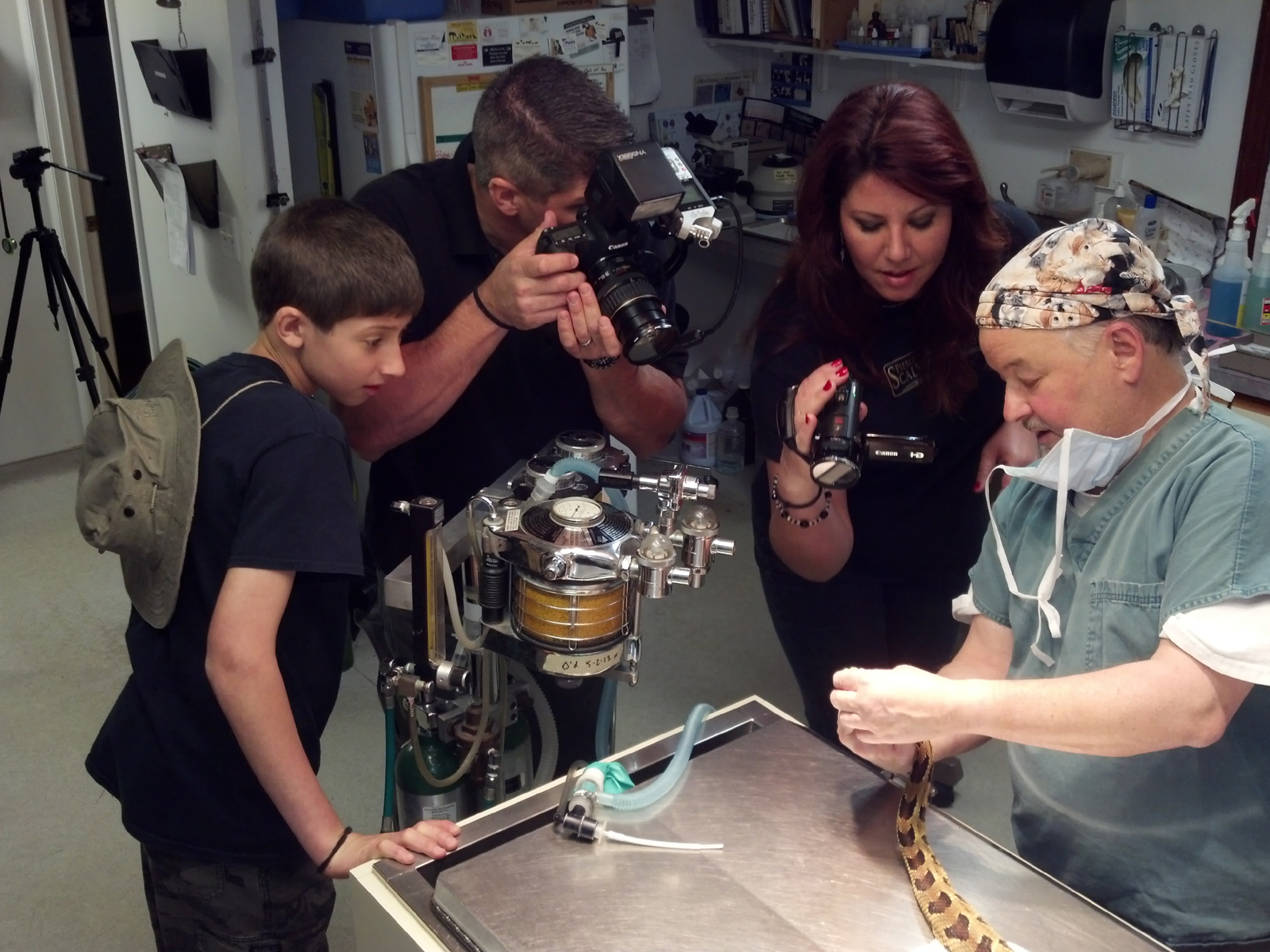
This is a photo taken during the filming of “Reptiles on the Radio” –one of the first Episodes of Pierce’s Scaly Adventures. We were working with Dr. Bolt of Sweeten Creek Animal and Bird Hospital to implant new radio transmitters into Utsanati and Zoe.
The series is going to be re-run over the next few months on the Daystar network and several others so if you would like to watch it just follow visit Scaly Adventures website to check out channels and showtimes!
———————————————————————————————————–
2013 MAD MOUNTAIN MUD RUN Fundraiser
For 2013 we held a very unique fundraiser–we formed a running team of four friends, found sponsors, and ran through 5 kilometers of crazy obstacles and mud–you heard me right, I said mud.
That’s the before photo below!
It was a great success with over a dozen individuals and businesses supporting our muddy challenge. THANK YOU to everyone who supported us in our unique fundraiser! Your generous donations supported our wildlife conservation, education and outreach programs for 2013!
This is the after photo 🙂
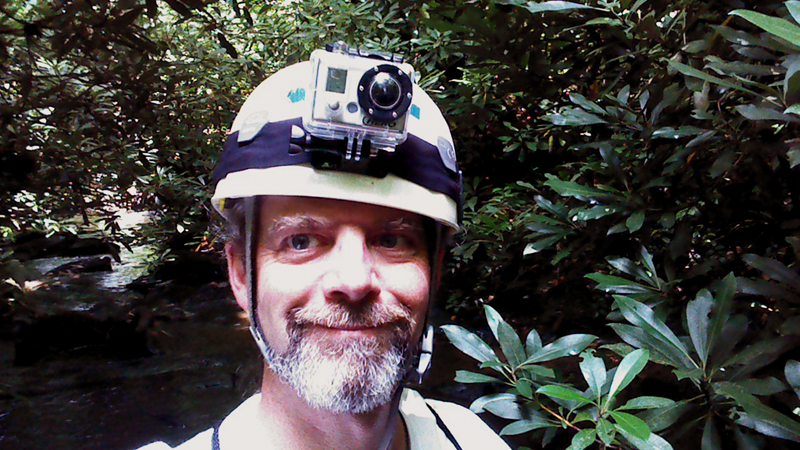
Now for the video–yes, of course there is a video–would you expect any less 🙂 On the day of the mud run I strapped a GoPro camera to my helmet (see above pic) and shot footage of the entire event as I ran through the obstacles with my mud covered friends. My wife Marian and friend Padraig snapped some video from the sidelines and then I later edited all the footage together into a video chronicling the mud covered event!
For 2014 I will be assembling two running teams for the Mad Mountain Mud Run! If you are interested in running with us on either the Earthshine Nature Nerds or Trails Turbo Turtles teams please contact me and we will get muddy in support of wildlife conservation, science, wilderness therapy and outdoor adventure education!
If you would like to sponsor us in the Mud Run in 2014 please contact me and we will discuss the details or feel free to donate by visiting my website where you can donate through Paypal.
———————————————————————————————————
NATURE NEWS
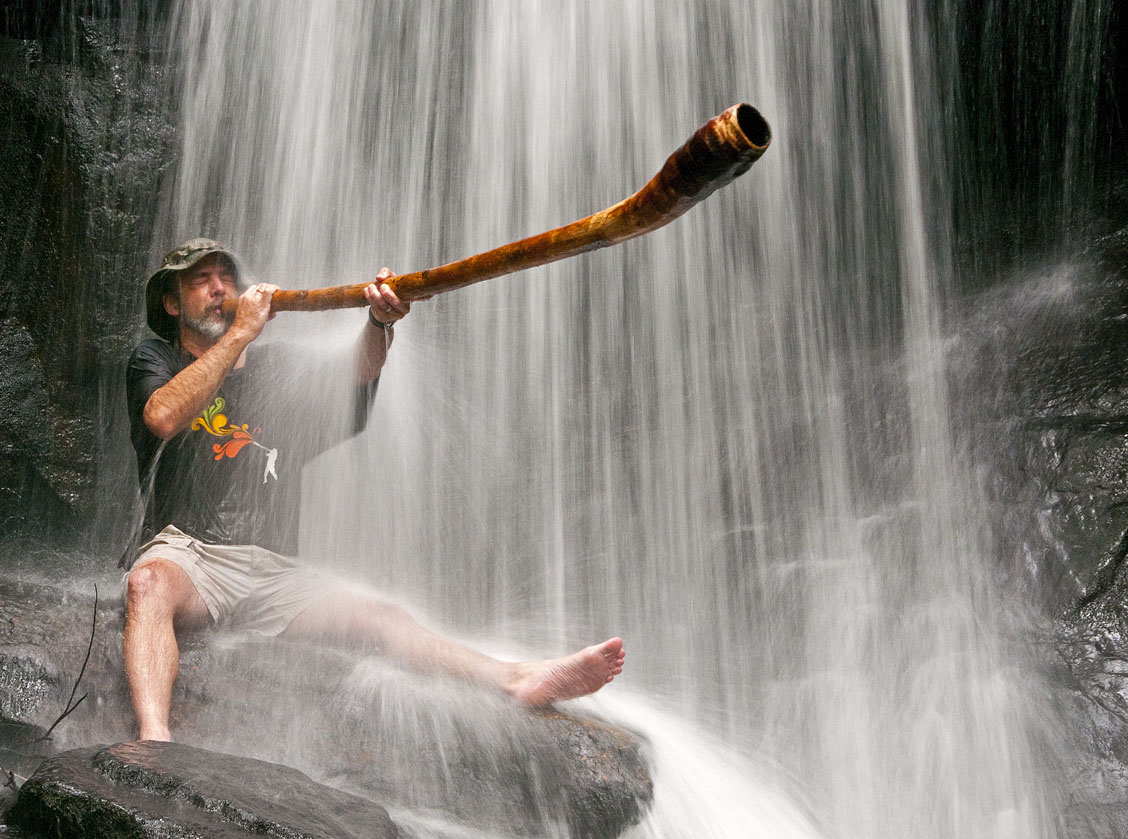
Over the summer I again worked part time at Camp Illahee in Brevard as a naturalist where I worked to teach the girls about the value of nature, reptiles, opossum’s and the didgeridoo–it was a wonderful summer at a wonderful camp!
Charging my all electric Nissan Leaf at Earthshine Discovery Center–probably the first time this has ever happened!
The nature center at Earthshine continues to be a great favorite of visitors to the lodge. Over the last year Karen, Liz and the staff working with my interns Elisha and Riina have restocked the nature center with many new adopted animals including two Ball pythons, a baby snapping turtle, a Red-eared slider turtle, Irwin the Bearded dragon and several new snakes. The box turtle enclosure behind the lodge remains a fixture with Tripod, Rowdy, and the other resident turtles out and about during the warm months of the year so be sure to visit with your favorite turtles when you visit Earthshine.
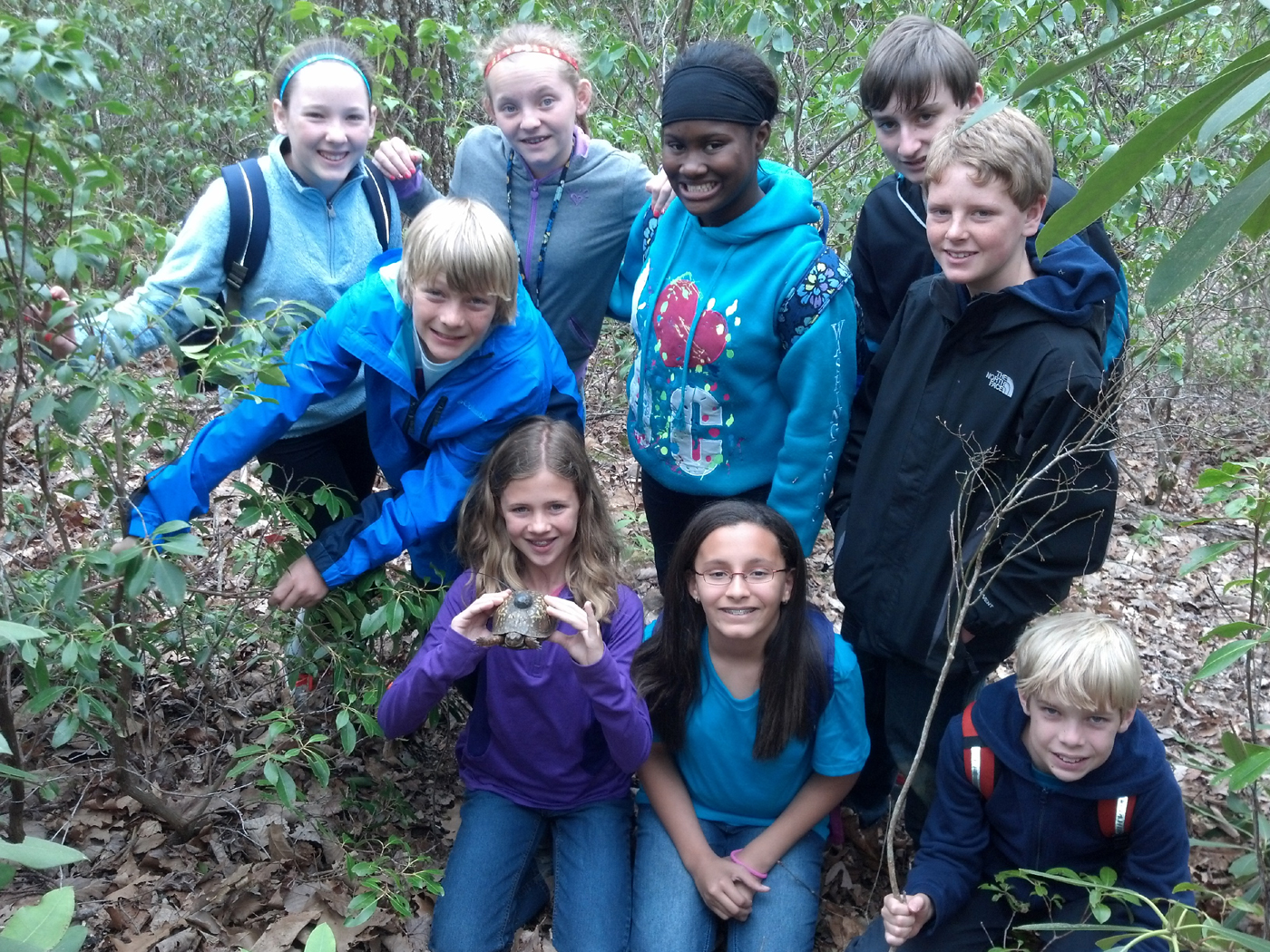
As far as for me–sadly, I do not work at the lodge as much as I would like to. I still drop in a few times per month to track the turtles and snakes and check on things in the nature center. I have also led several turtle tracking hikes over the last year. Take a look at some of the photos from the 2013 turtle tracking season below.
———————————————————————————————————–
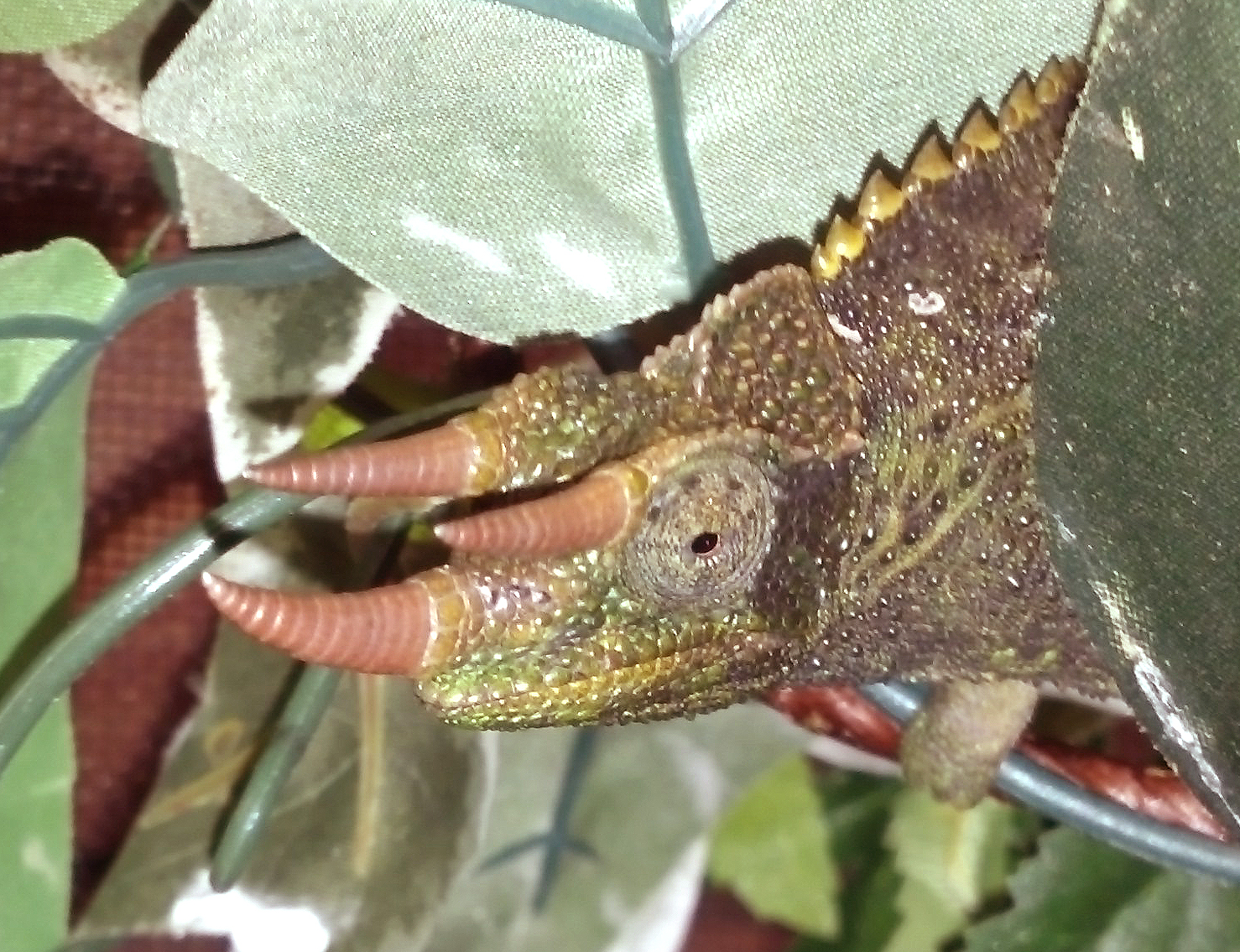
We acquired a few new animals in the Trails Nature Center over the past year the most notable being Cami and Leon the Jackson’s Chameleons. Take a look at the handsome Leon in the photo below.
We also had donated to us an adult female Bearded Dragon named Lola.
Lola was a wonderful old girl who was loved and often hand fed by many of the Trails students. She was an ancient old girl and spent her last few happy months with us during the summer of 2013. Sadly, she has since passed away from old age and will be sorely missed.
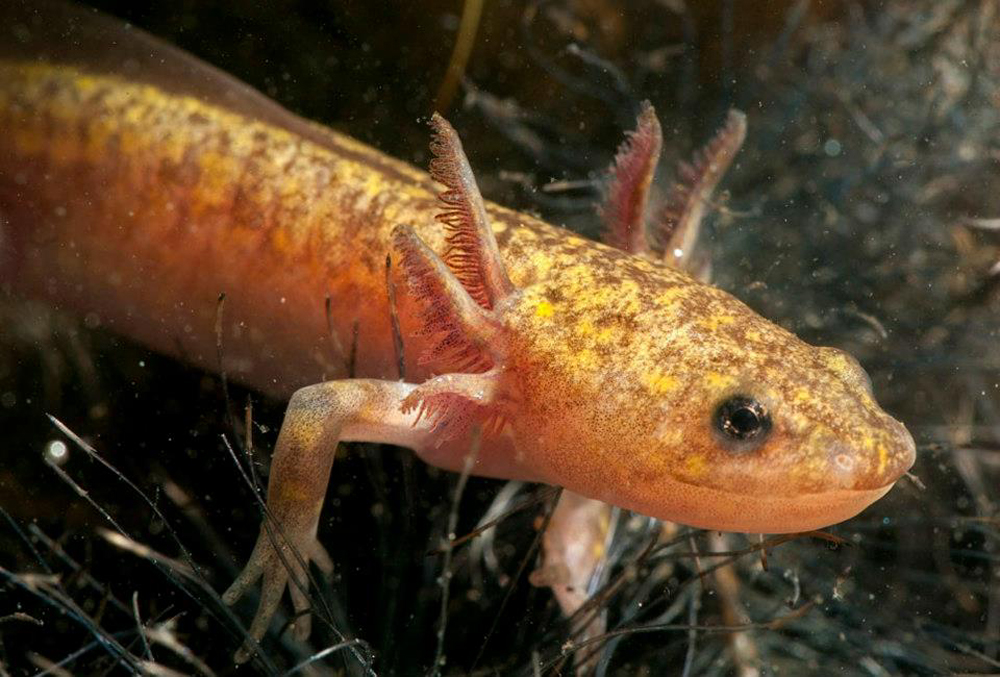
In 2013 we also lost another one of our beloved ambassadors for misunderstood wildlife when Gollum our Eastern Hellbender passed away unexpectedly in the late summer. Goodbye Gollum, you will be greatly missed by all who knew you.
Gollum is now in the museum collection at the North Carolina Museum of Natural History in Raleigh where he continues to teach people about the wonderful and greatly misunderstood Hellbender.
Interestingly, after Gollum passed away we were contacted by the Center for Biological Diversity for permission to use one of the videos I posted of Gollum on youtube over the last year. Gollum now lives on forever in a special music video produced for their Hellbender awareness campaign. Watch the music video below
We are currently in the process of filing out the paperwork and permits for acquiring two new, captive raised, Hellbenders and will be sure to let you know when we have them!
The newest critter on the mountain is this big cuddly girl.
The next time you visit the lodge be sure to ask and we will call her in and let you feed her. Just remember, you will have to bring your own food items for her. By the way, when you visit you can help us locate our donkey Boo boo, sheep and the goats…they all seem to have gone missing 🙂
———————————————————————————————————–
Cryptic Creature on the Mountain in Lake Toxaway!
As many of you may know I have been operating a reptile conservation and education project using radio telemetry at Earthshine Discovery Center in Lake Toxaway for close to seven years now. During this time I have hiked all over the mountains and forests around Earthshine and never seen anything that I would call unusual…until recently. On several separate occasions in late 2013 I discovered some interesting animal signs while tracking the reptiles.
On the first occasion on Thanksgiving Day 2013, while tracking Utsanati the Timber rattlesnake, I found some rather large footprints in the light snow that reminded me of “bigfoot” or “sasquatch” tracks–but it may have been simply a hunter passing through.
On the second occasion I was returning from collecting temperature data on the sleeping turtles and found the scat (poop) of an unusually large animal so like any good naturalist I carefully analyzed the contents of the scat. It was oddly human-like in many ways but after I had it analyzed by a lab it came back with four kinds of intestinal parasites and whatever kind of creature it was had been eating raw, wild lichens and rose hips!
On the third occasion I was hiking on the mountain with a friend and we found some unusual reddish brown hair on the bark of a tree. It was unlike any hair/fur I have ever seen from any native wildlife species in this area. I was so intrigued by this find that I sent it off to a friend who is a geneticist to have its DNA sequenced for species identification and other than it was not the hair/fur of a native wild animal the results were inconclusive!
On the fourth occasion I was again collecting temperature data on the hibernating snakes and I found what looked like an animal’s bedding or nesting area under a large overhanging rockshelter. From the size of the “bed,” the fact that it was constructed out of Rhododendron branches/leaves broken off from about chest high, and that I found more of the reddish brown hair trapped in the layers of the bedding area–I came to the conclusion that we may have been visited by either a homeless person, a vagrant passing through, or possibly: a “Sasquatch.”
On the fifth occasion a friend and I were searching for more sign of the elusive beast when we heard a large animal crashing through the rhododendrons only a few yards from us. Shortly after the encounter we found another bedding area nearby under another large rock overhang. The bed was still warm and it contained more of the reddish brown hair that I found in two other locations on the mountain! The DNA of the third hair sample matched the previous hair samples exactly!
On the sixth and most recent occasion I found very large tracks in the snow crossing a remote dirt road in the forest. The tracks were about the same size as the ones I found on Thanksgiving day of last year and they were not far away from that site. Later that same day I found more tracks in melting snow passing only a few yards from the hibernating male rattlesnake Utsanati. These tracks led me to a small creek where I assume the creature acquired a drink of water. While these finds were most interesting the most amazing find was nearby on a fallen tree–a large hand print in the snow! It was very human-like but with longer fingers and a shorter thumb!
Owing to the large number of unusual findings that I have recently discovered–albeit a bit hard to believe–I have decided to start a new video series in the interest of the scientific method, education and entertainment–to chronicle these sightings and others if I happen to come across more in the future. Currently, all of my findings are condensed into five short YouTube videos that I have entitled: “Sasquatch Tracks.”
Watch Sasquatch Tracks below and please do let me know if you see or hear anything odd when you are visiting the mountain at Earthshine.
Note to the neighbors: As far as if you have anything big and hairy to fear when venturing into the forests around Earthshine, I believe this “Sasquatch” to be nocturnal, gentle, secretive and non aggressive. I also must reveal to you this tidbit that is just between you and me: the “Sasaquatch Tracks” project is just for fun and entertainment for all. I hope all of you out there viewing Sasquatch Tracks have as much fun watching the series and I have had making it.
It is our goal at ENP to promote wildlife conservation of our misunderstood wildlife through exciting hands-on education, outreach programs, science and conservation based field research programs, and online with our blog and nature documentary video series on Youtube.
I am not paid nor do I pay myself to operate ENP or to conduct my wildlife conservation activities. ENP is a 100% volunteer operated program designed to educate you about these greatly misunderstood and amazing animals and hopefully, to impart to you, their beauty, uniqueness and intrinsic value to a healthy Earth and healthy humans.
If you would like to help support our mission and programs please feel free to donate using this link: http://www.earthshinenature.com/donate. Receipts available upon request. You may also donate supplies such as animal foods, medical supplies, reptile vitamins and habitat supplies. If you are interested in donating any of these items or if you would like to “adopt” (sponsor) an animal with a donation of food or supplies going toward the care and conservation of that specific animal please contact us for more information.
THANK YOU Earthshine Discovery Center and all of you out there who have supported us and helped to make Earthshine Nature Programs happen! Without all of you, our wildlife conservation and education mission would not be possible.
Commander Chris Hadfield of the Canadian Space Agency recently commanded the International Space Station for several months. During that time he worked hard all day as the station’s commander and after hours when he could have been sleeping …he recorded dozens of educational videos about life on the station that are all available on Youtube at this link , took hundreds of amazing photographs of earth from orbit (like the one below),
spoke with countless school students, William Shatner, and the Mythbusters just to name a few about science and following your dreams, tweeted like crazy about his experiences in space on Twitter, collaborated on two different musical endeavors with students across Canada and the Barenaked Ladies and on top of all that he somehow found the time to record the first music video from space–a cover of David Bowie’s A Space Oddity!
Yes, that would be a floating space tortilla! (note the speed limit sign!)
Below is just a small sampling of Col. Chris Hadfield’s amazing adventure in space and I highly recommend that you take just a few minuets out of your busy day to watch, learn and hopefully be inspired by his positive use of social networking to go ahead with throttle up and reach for the stars.
…and finally what you have been waiting for: A Space Oddity (truly a MUST SEE epic in my opinion.)
Thank you Col. Chris Hadfield for your great and positive inspiration and passion for life.
Keep up the great work!
Earthshine Nature Programs is in no way responsible for ads that may appear below this line.
—————————————————————-
It has been over two weeks since the Mad Mountain Mud Run, and finally the editing is complete and the video of the mudtastic event is complete! Follow the Earthshine Nature Nerds from Steve’s helmet mounted GoPro camera as they run, crawl, slide, slosh and squish their way through over three mikes of mud covered obstacles in the name of wildlife and nature conservation and children’s education.
If you are unable to view the video above then follow this link to the video on Youtube.
If you sponsored us in the mud run, your supporter t-shirts are in the works as I write this and I will be getting them to you soon.
THANK YOU ALL to all of our SUPPORTERS and FRIENDS who worked to help make this unique mud covered fundraiser a great success! Many, but not all of you were featured on the back of our mud run jersey that we wore in the race!
Without all of you, Earthshine Nature Programs would simply not happen.
If you would like to donate to Earthshine Nature Programs please click here.
Earthshine Nature Programs is not affiliated with any and all ads that may appear below this line.
Check out this really cool video about Tardigrades…the only creature on Earth that is able to survive in the vacuum of space (without a space suit)! VERY COOL!
Knowing that these little critters exist opens up a universe of possibilities if you put on your thinking caps and open your mind…think about it.
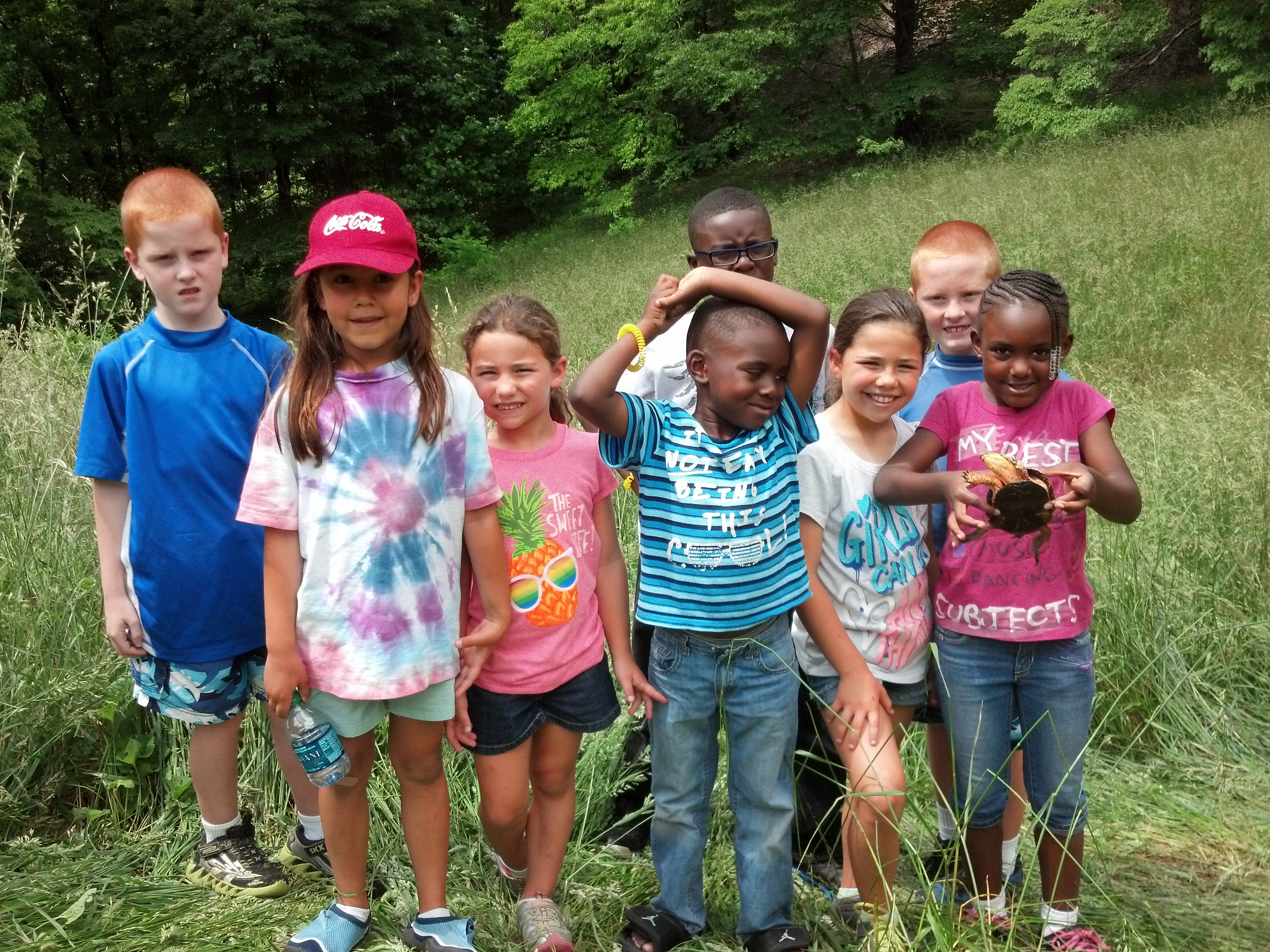
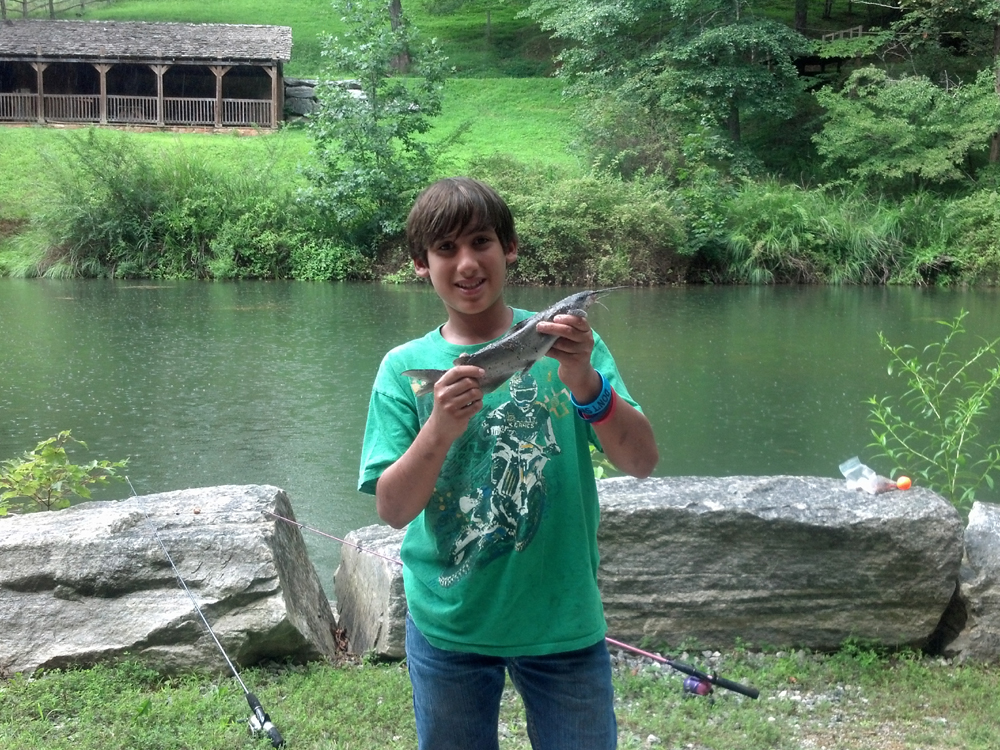
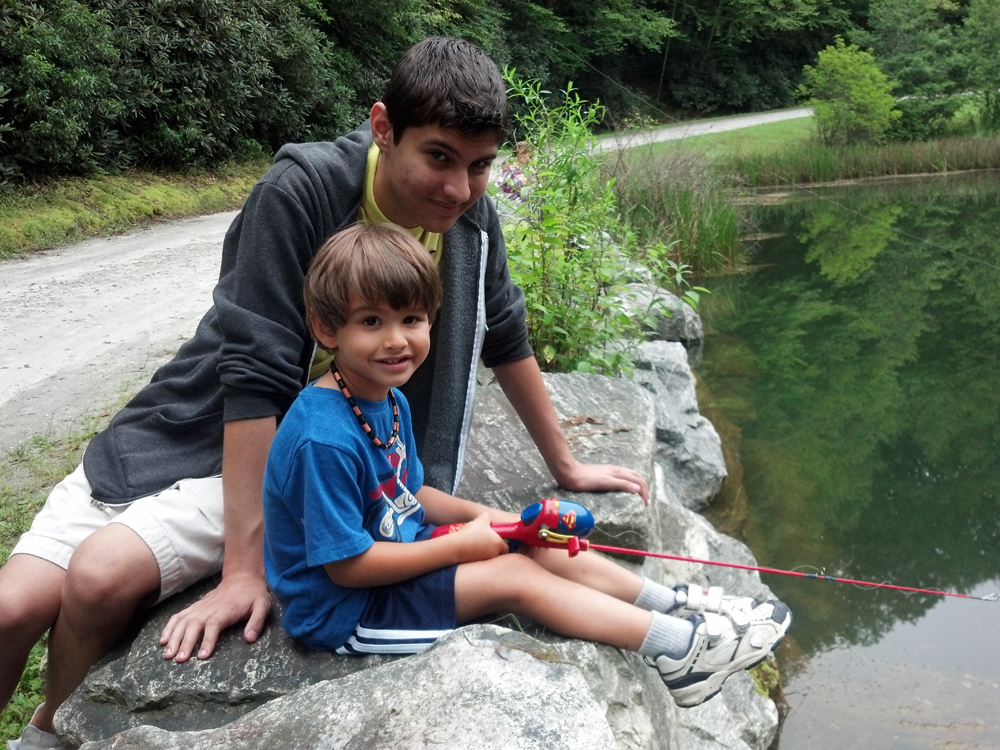
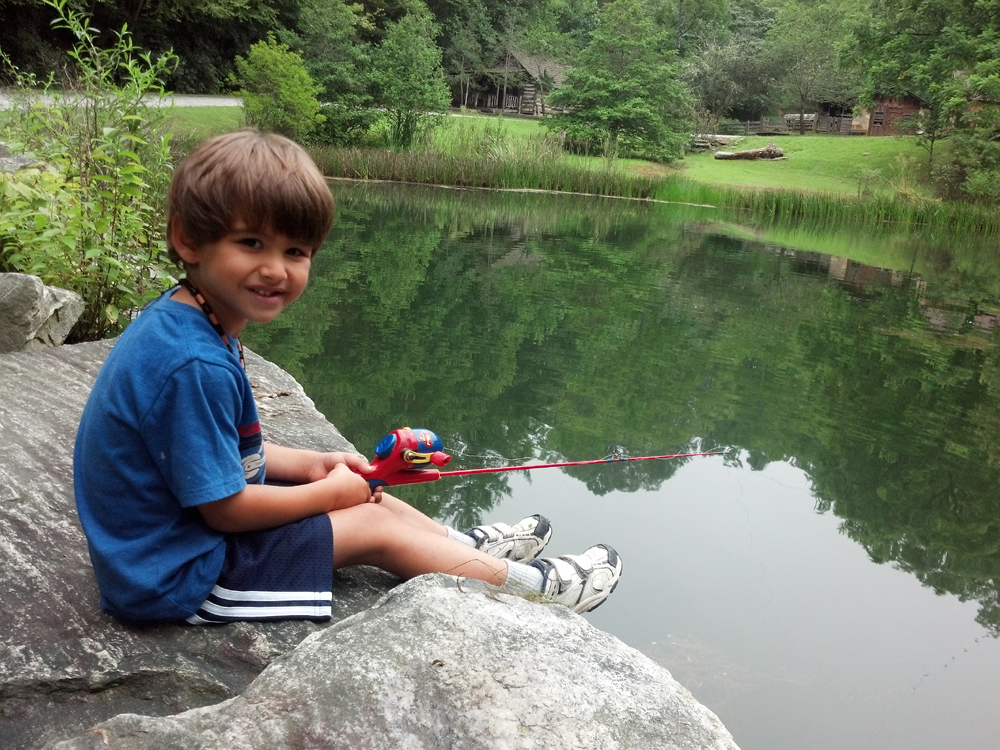
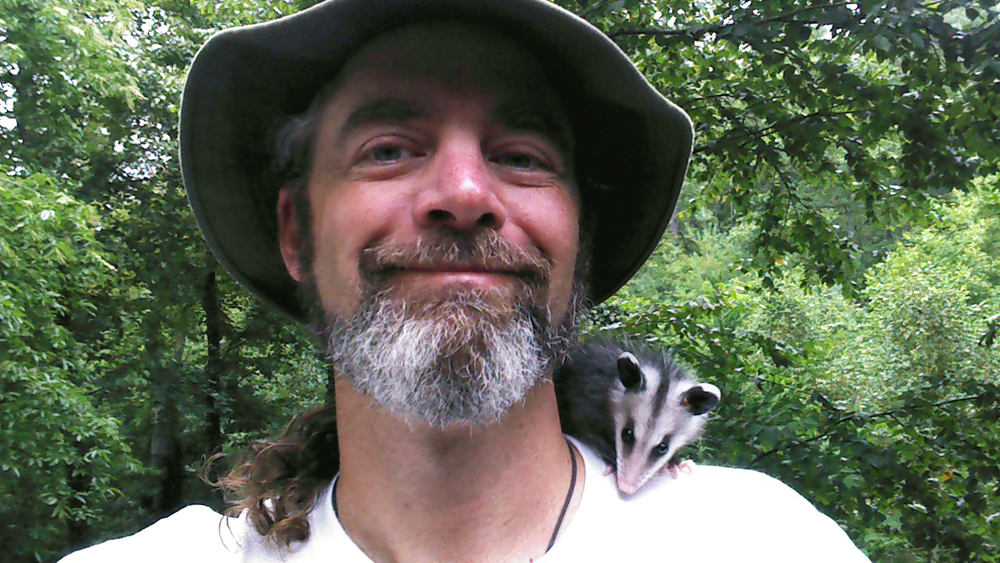
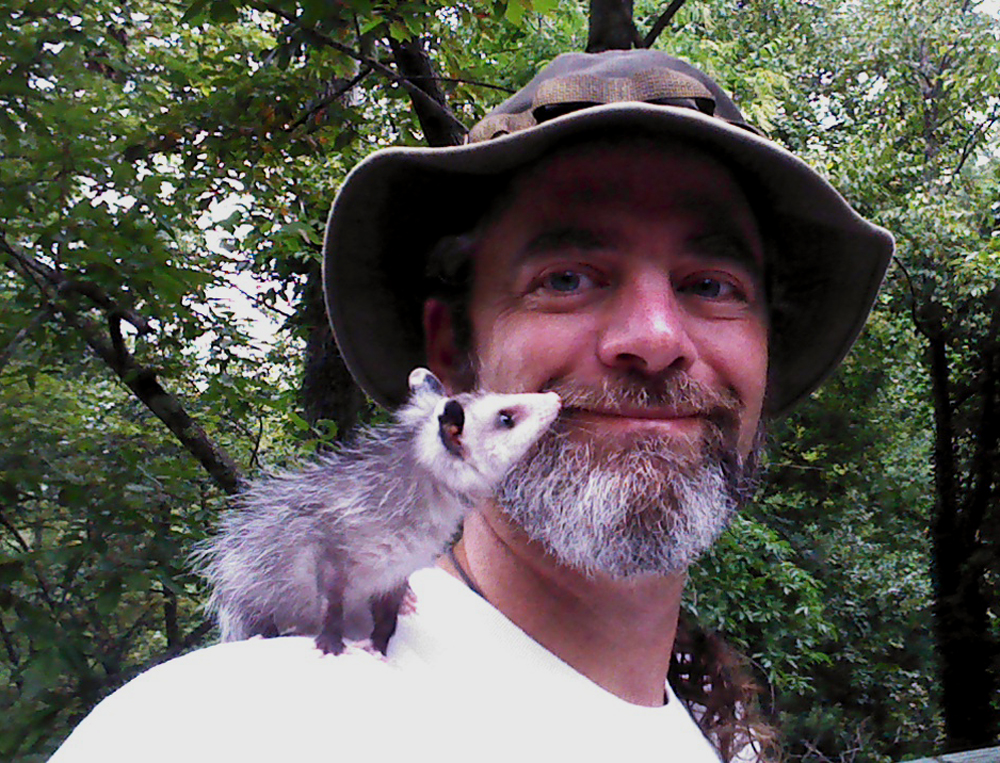
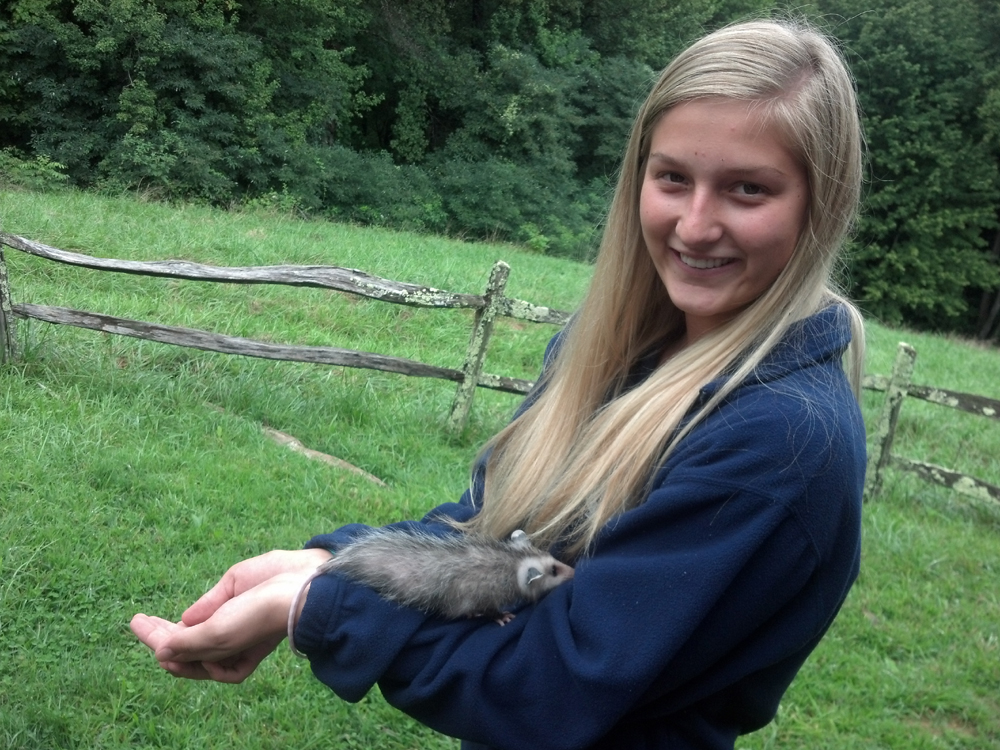
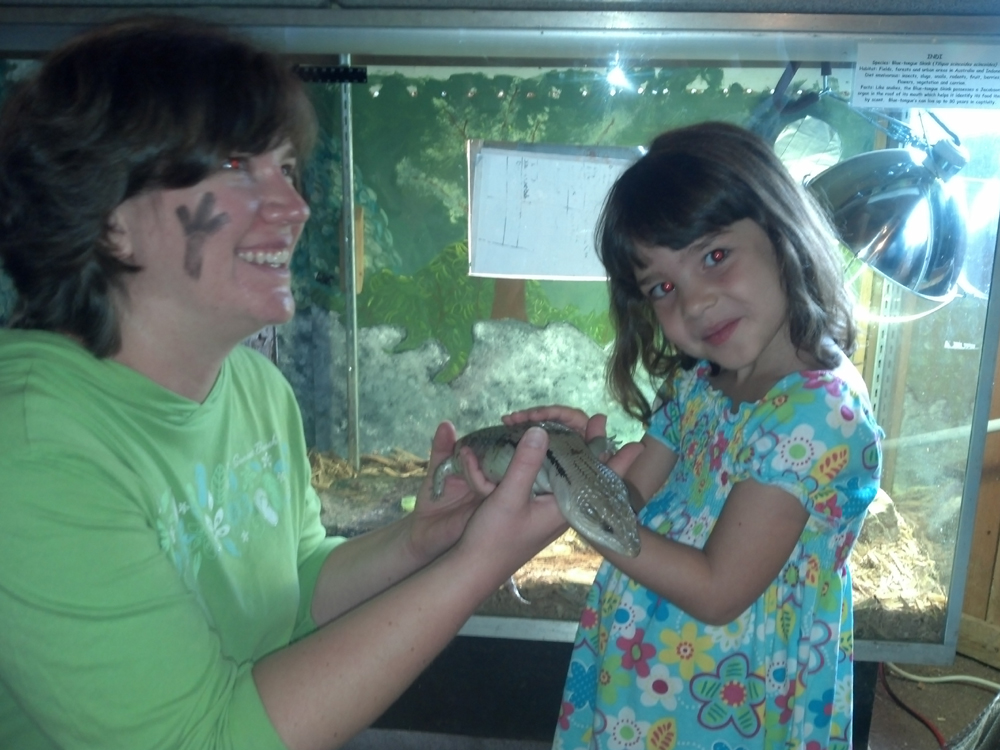
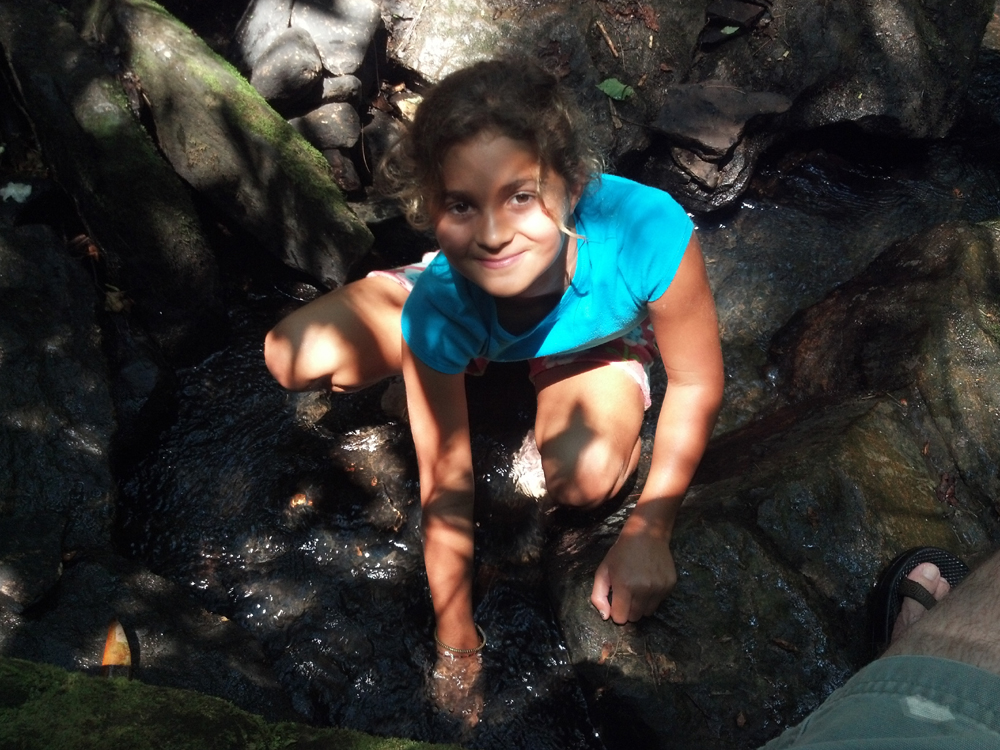
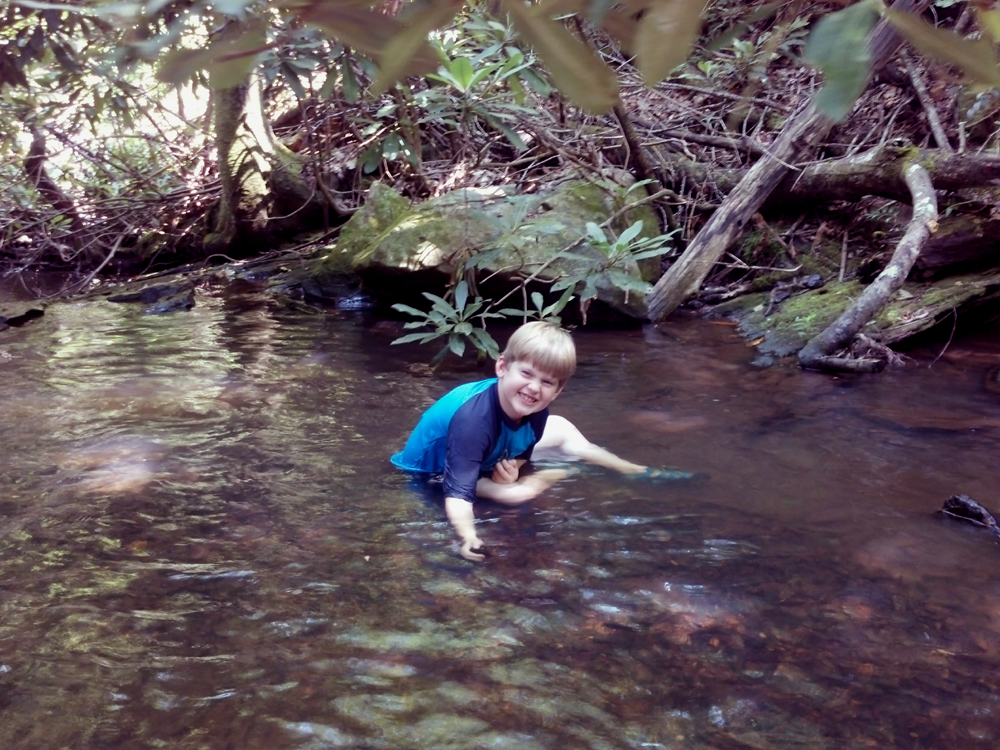
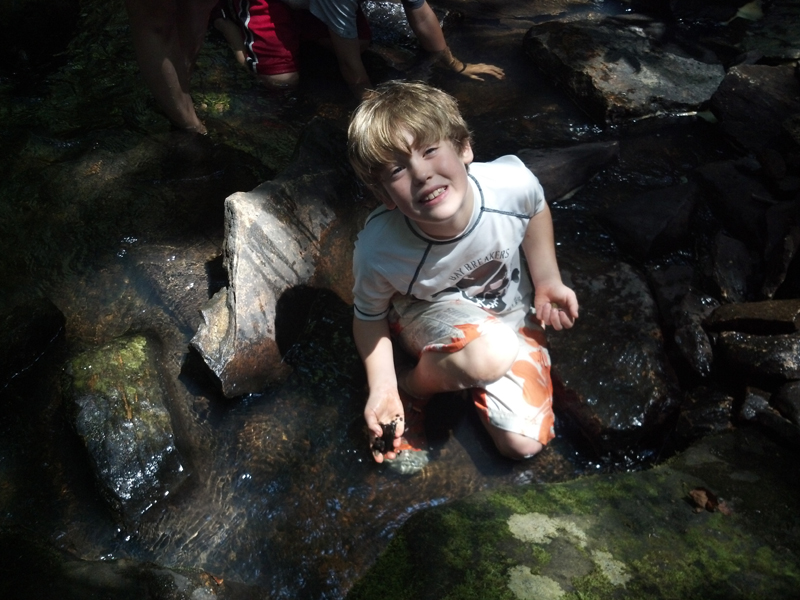
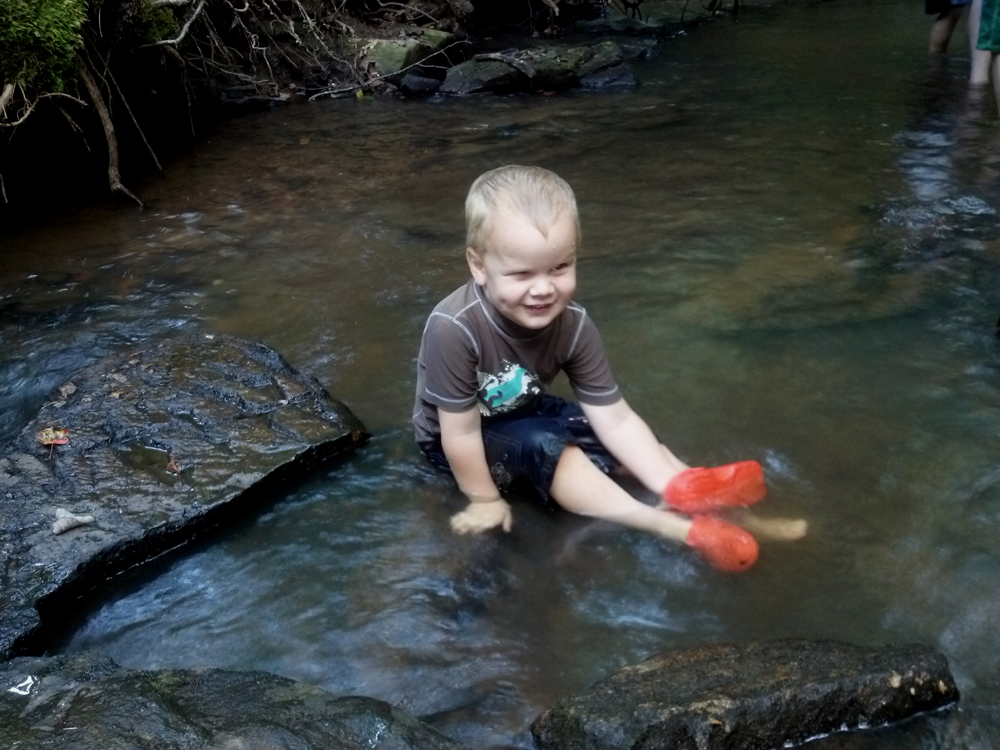
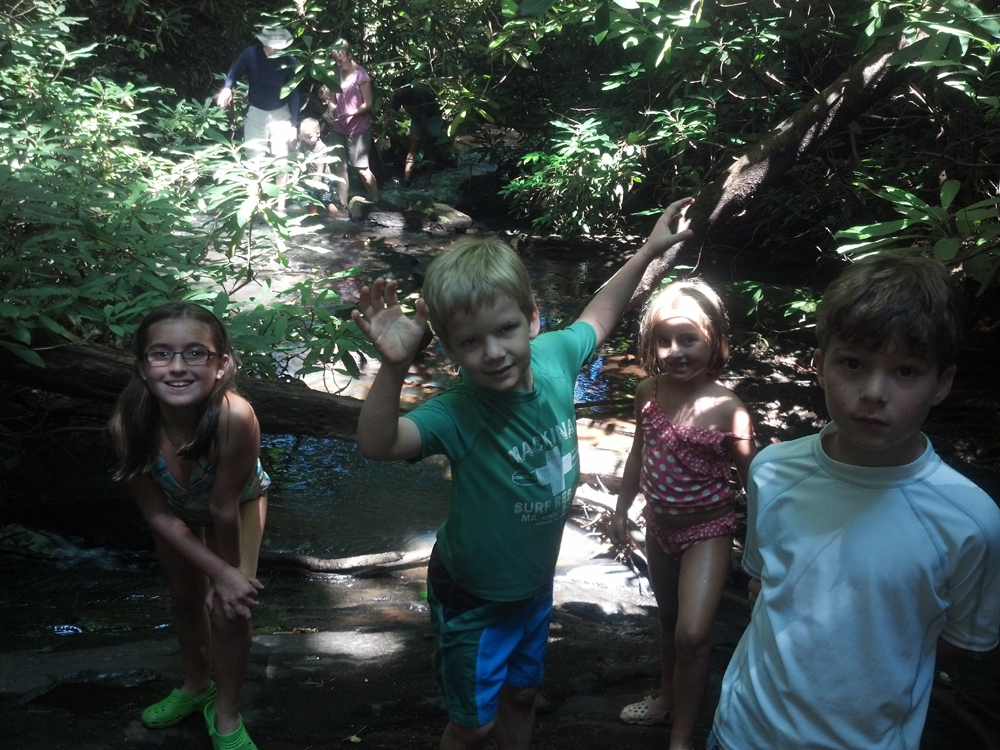
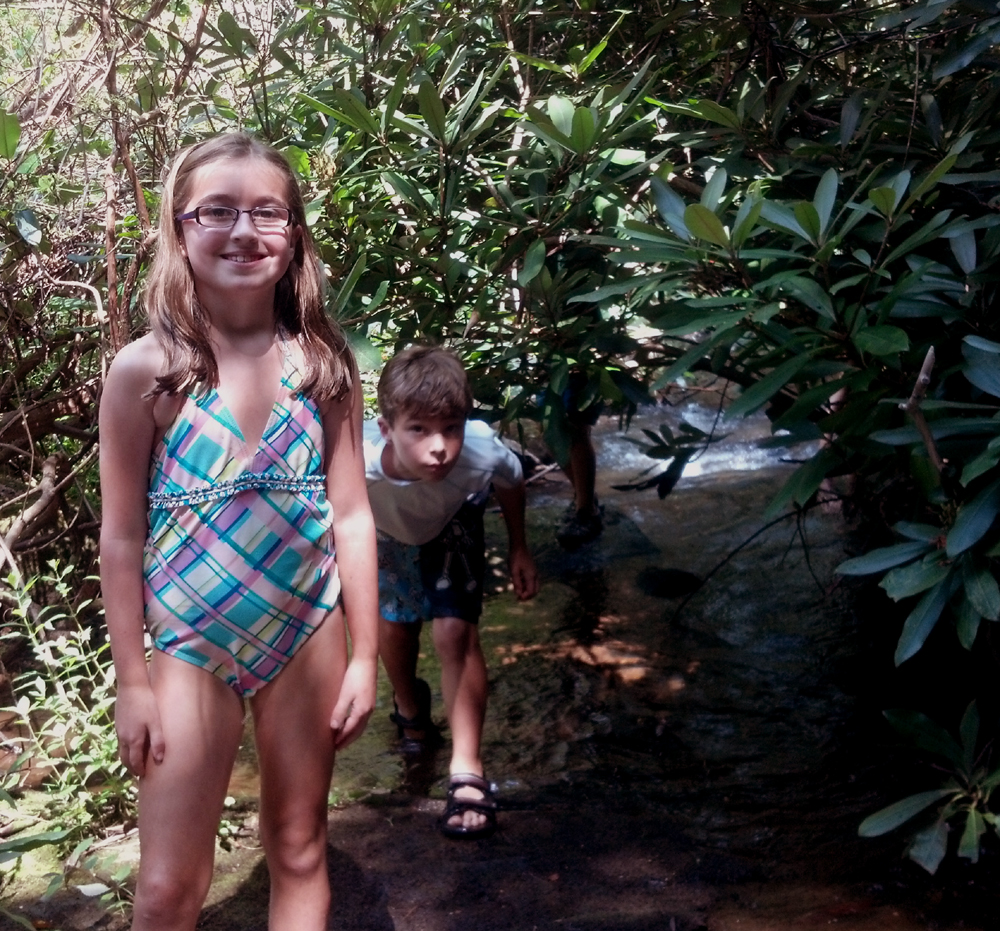
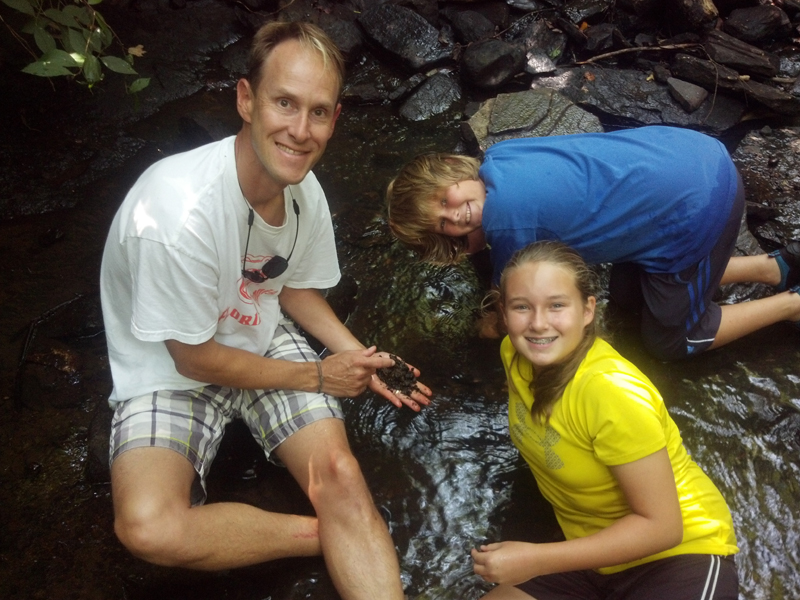
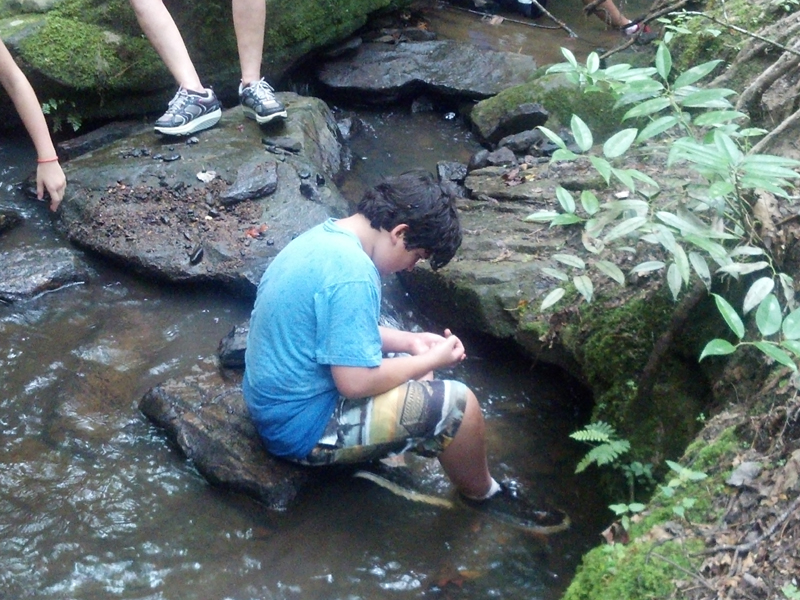
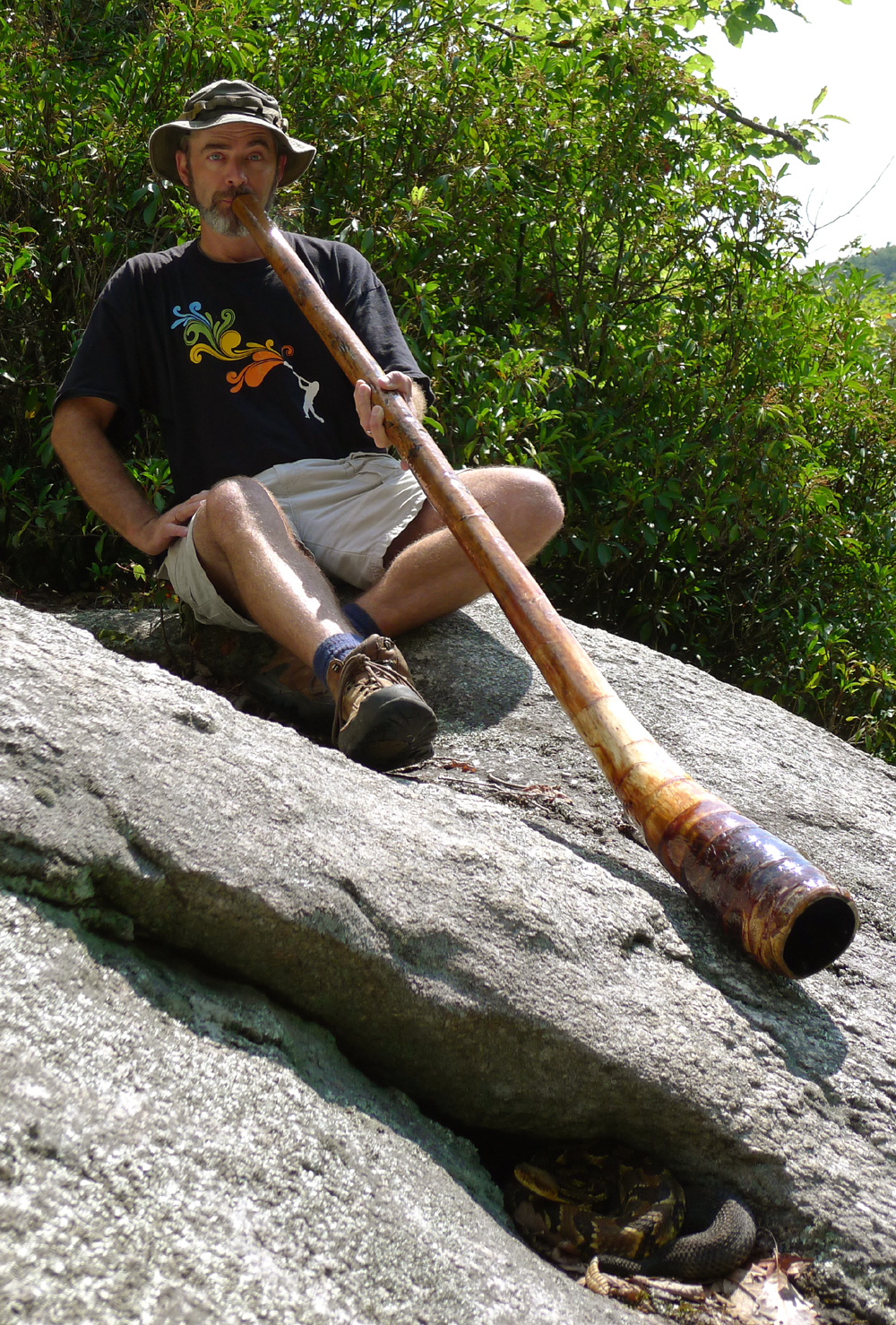
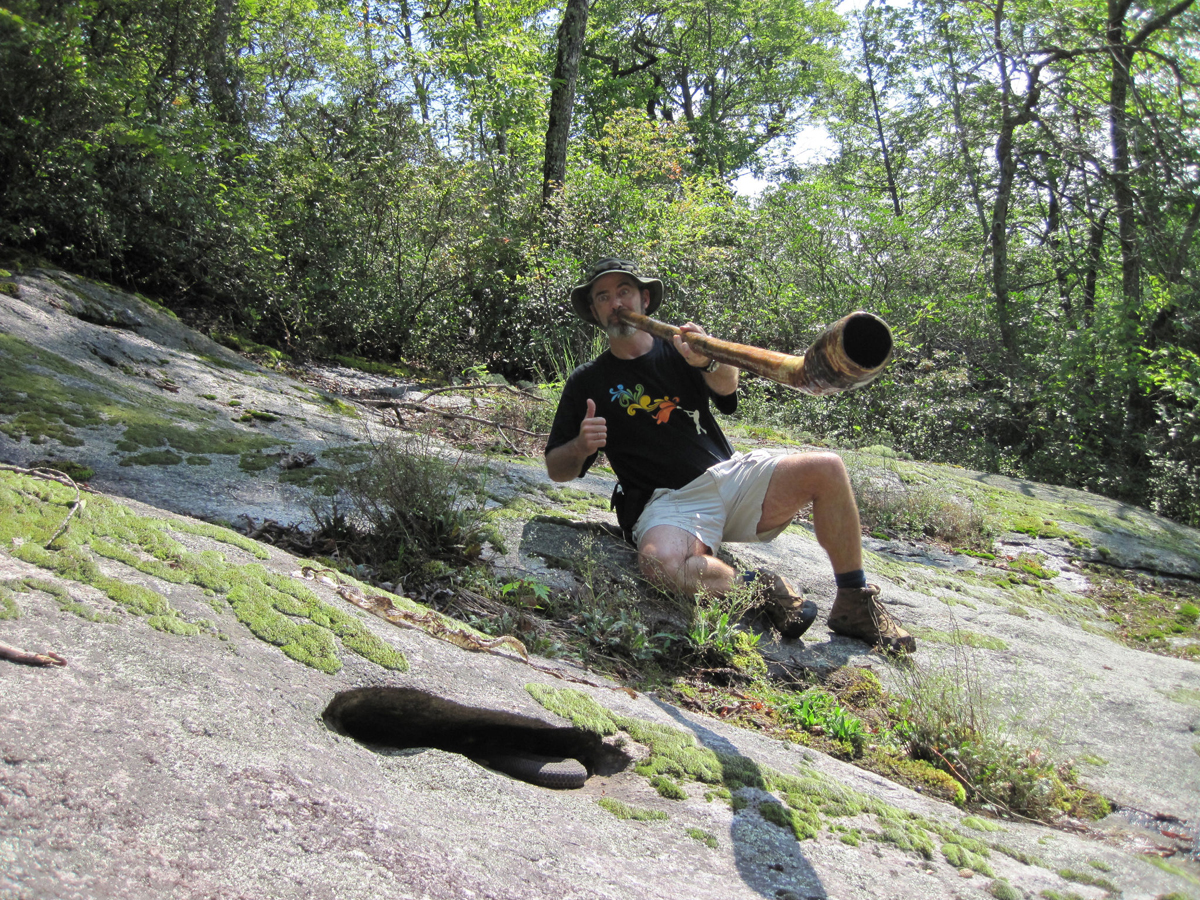
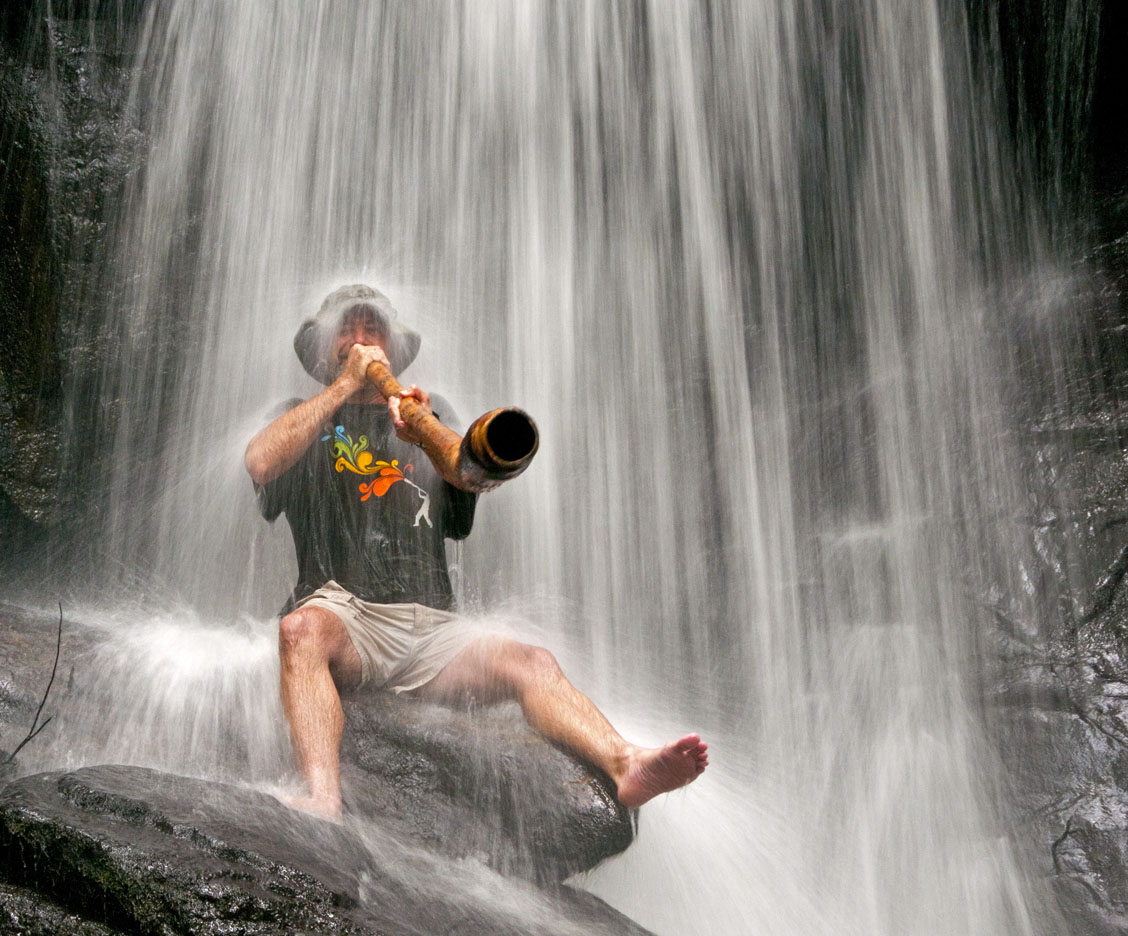
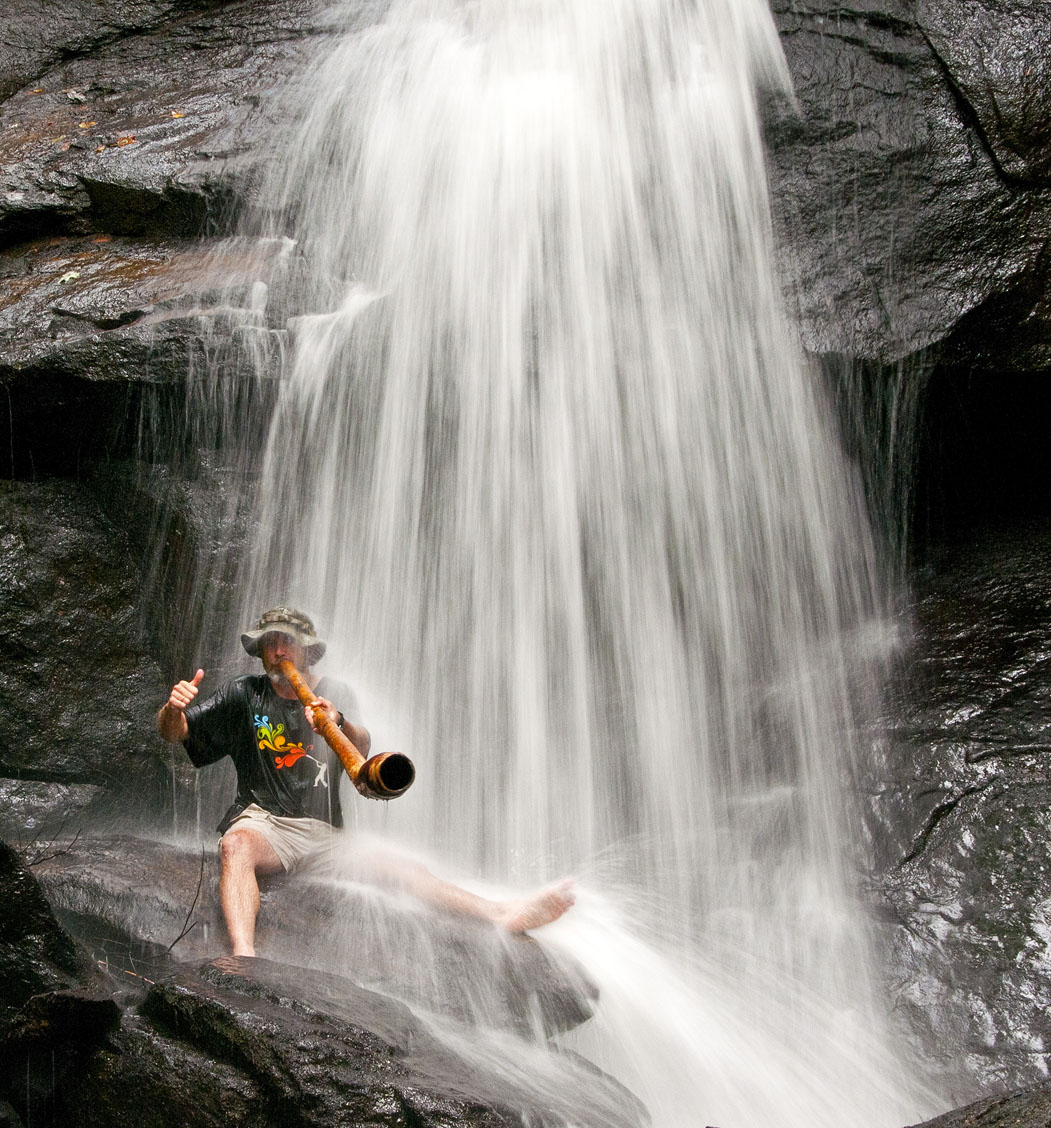
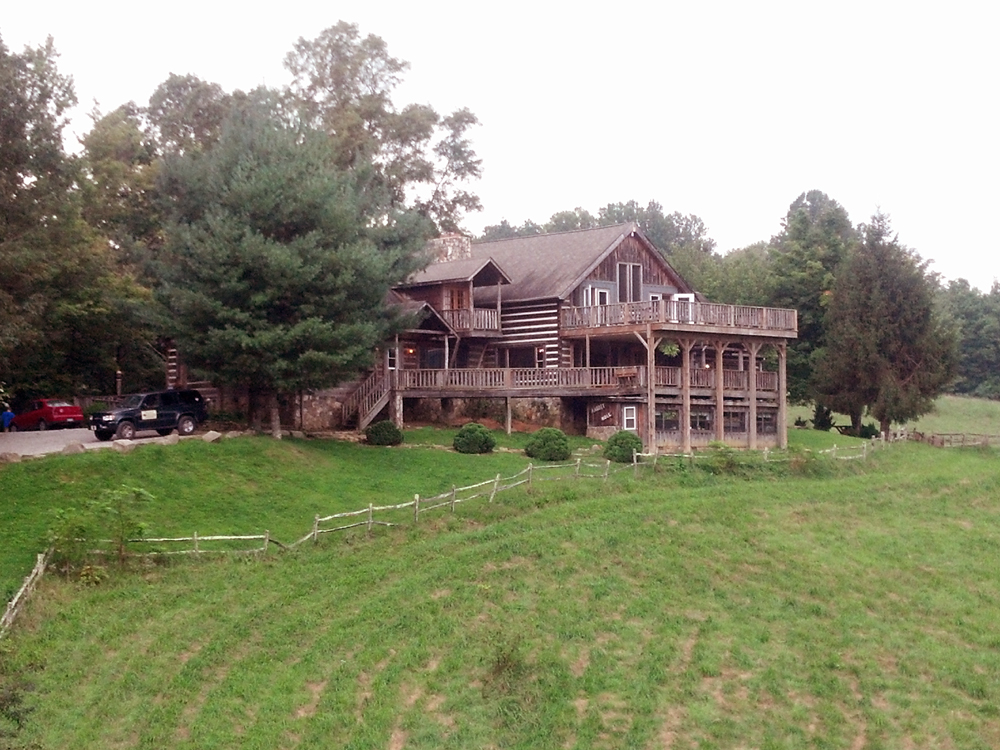
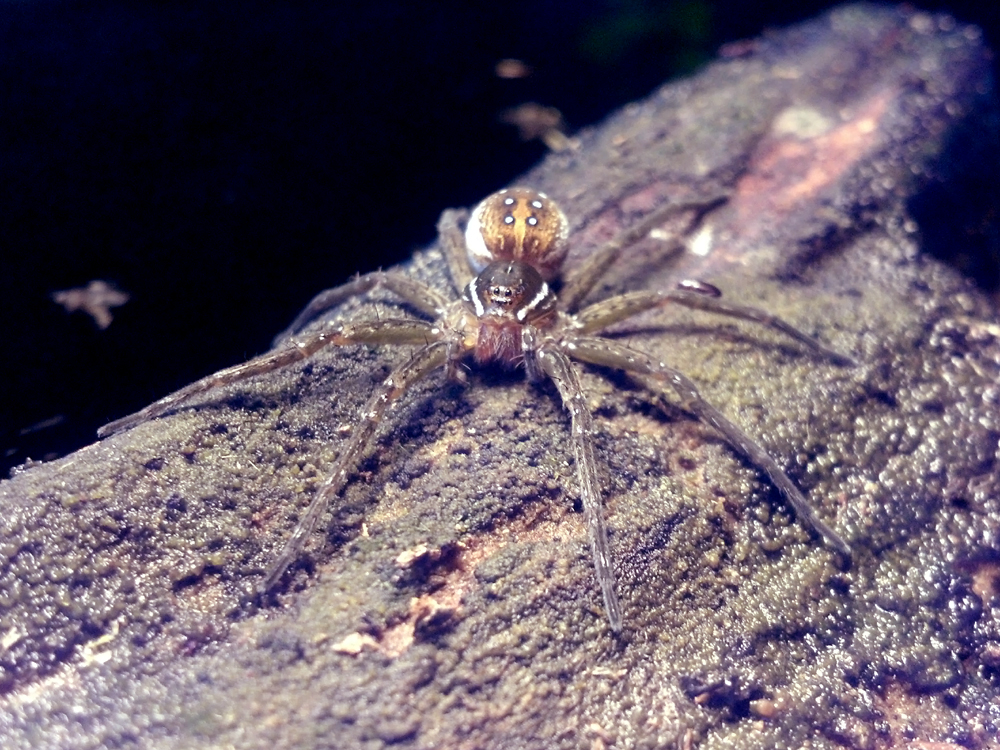
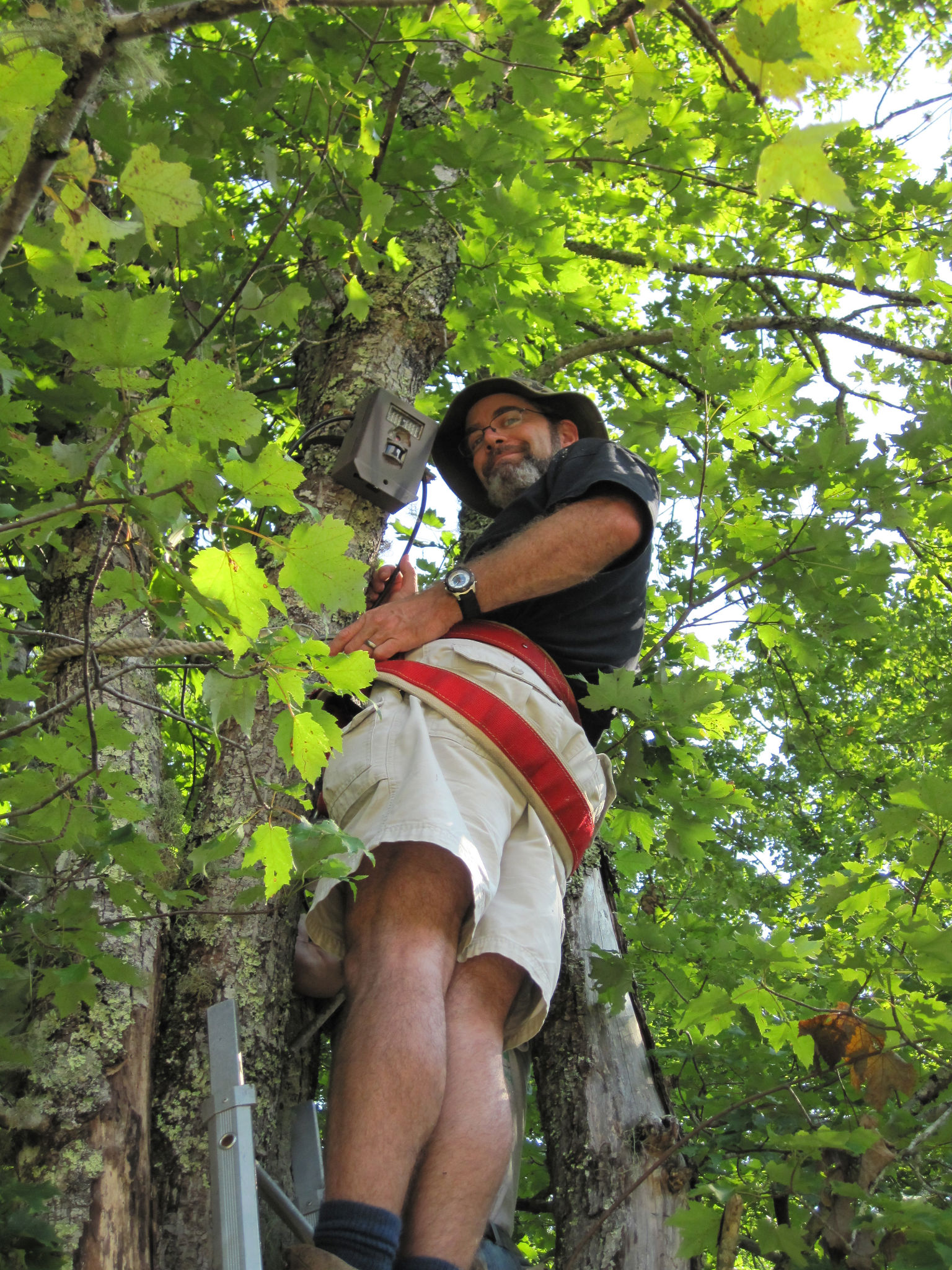
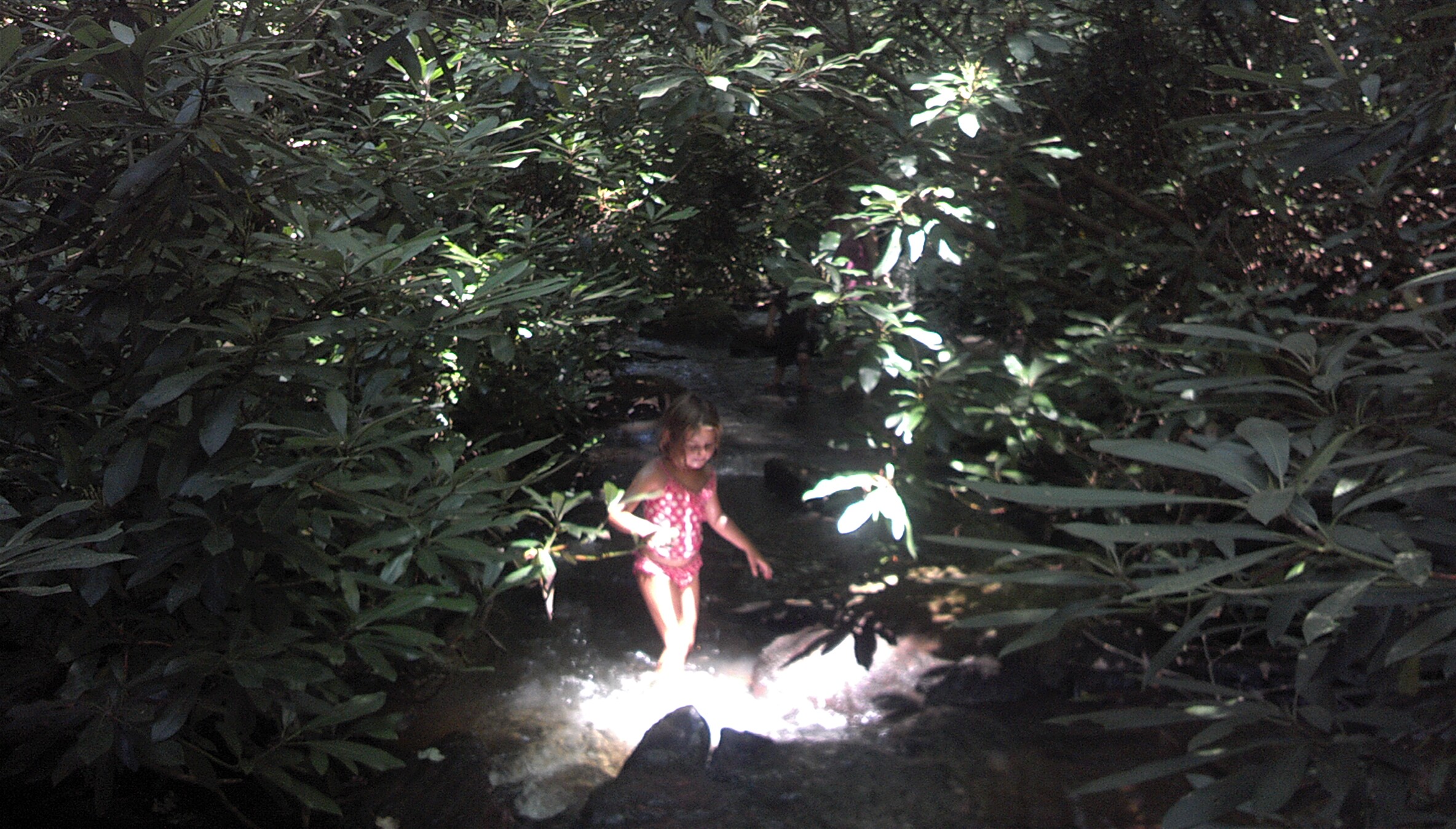
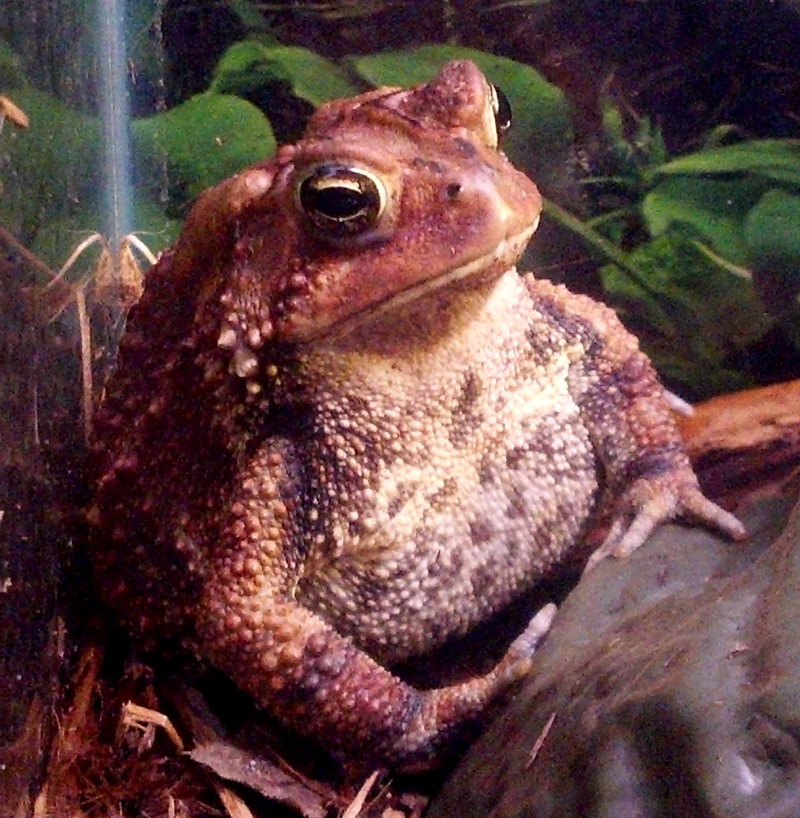
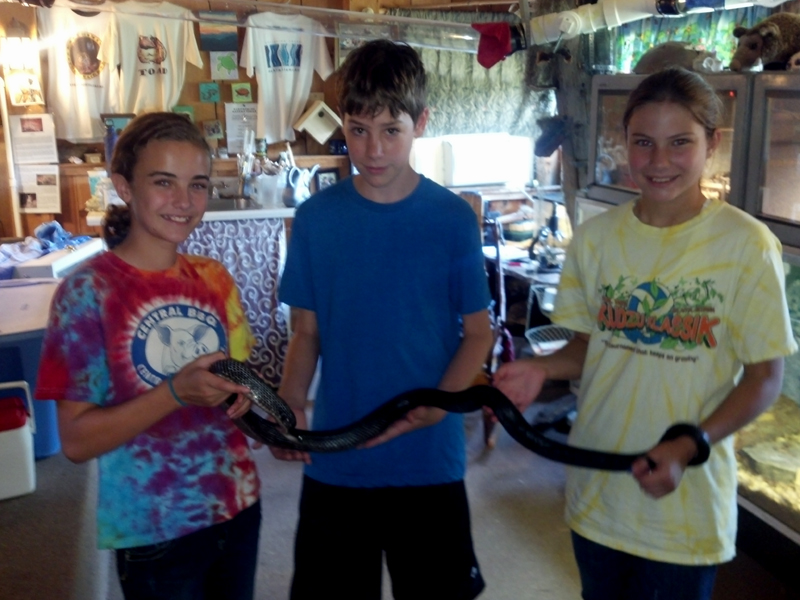
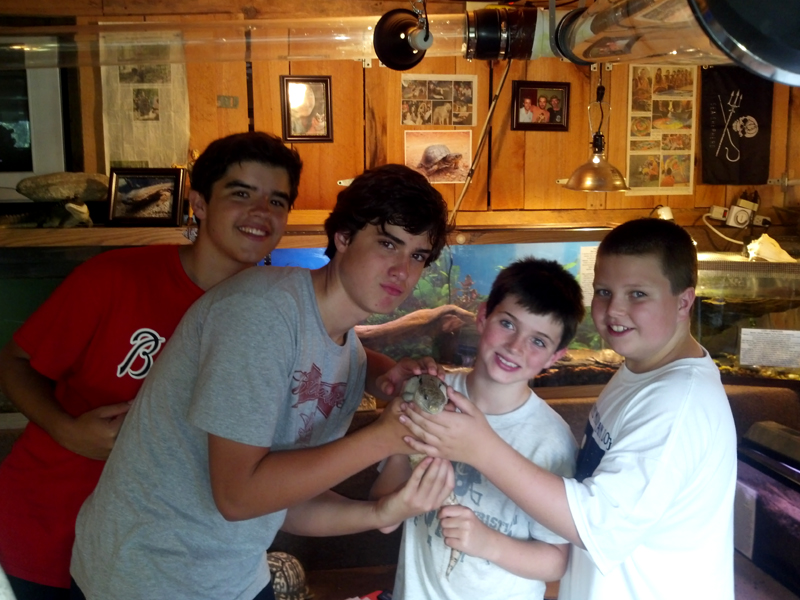
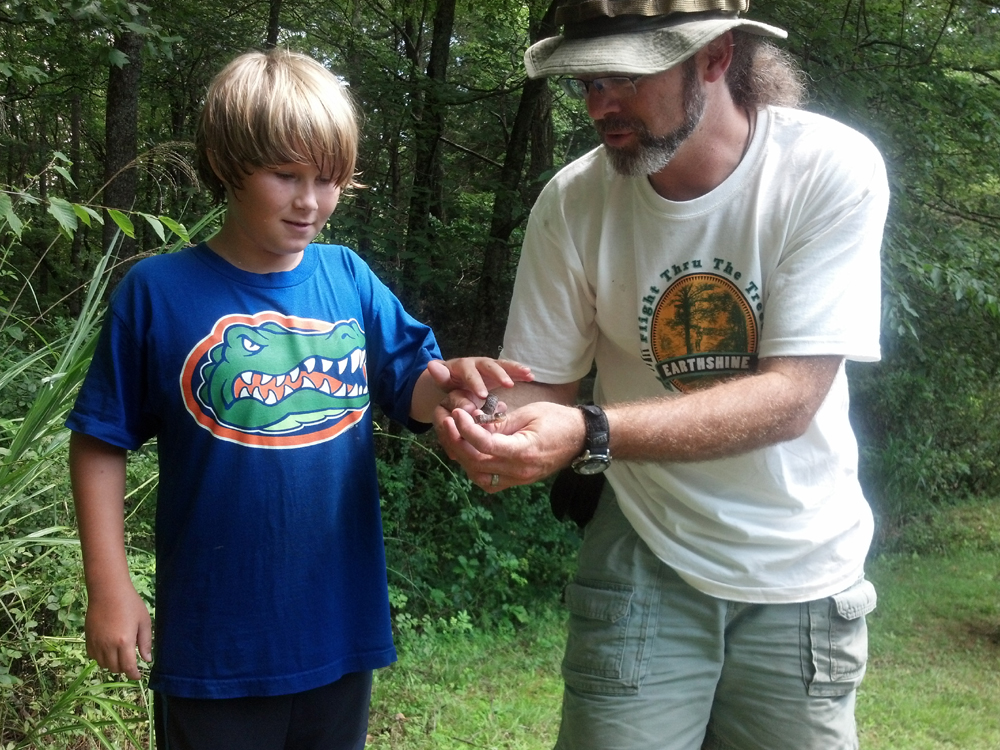
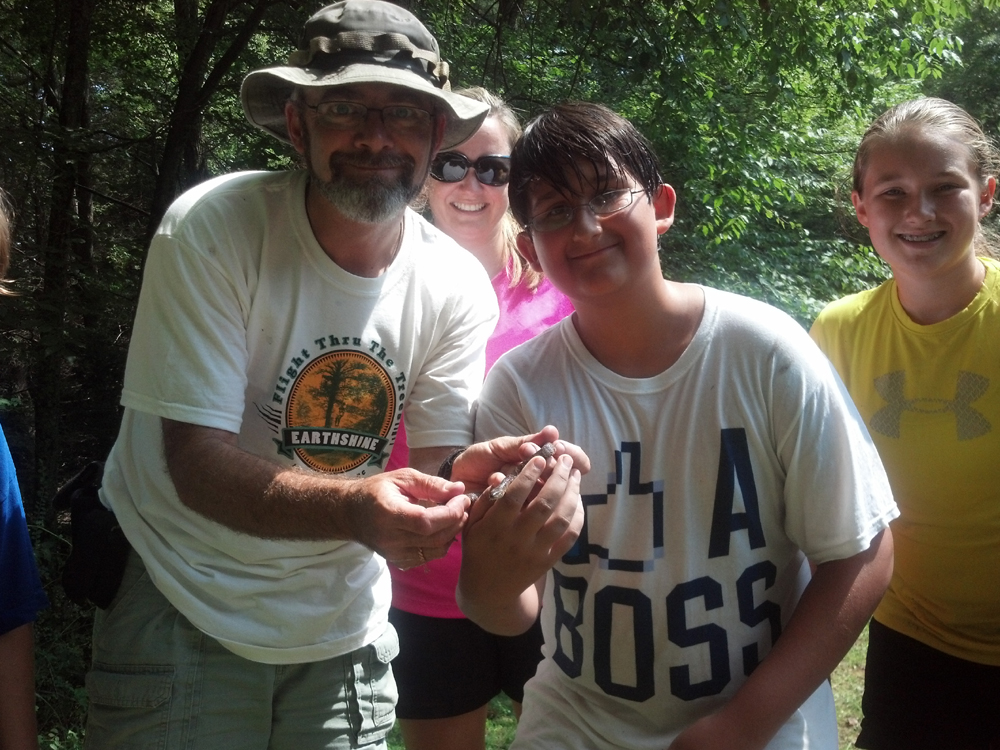
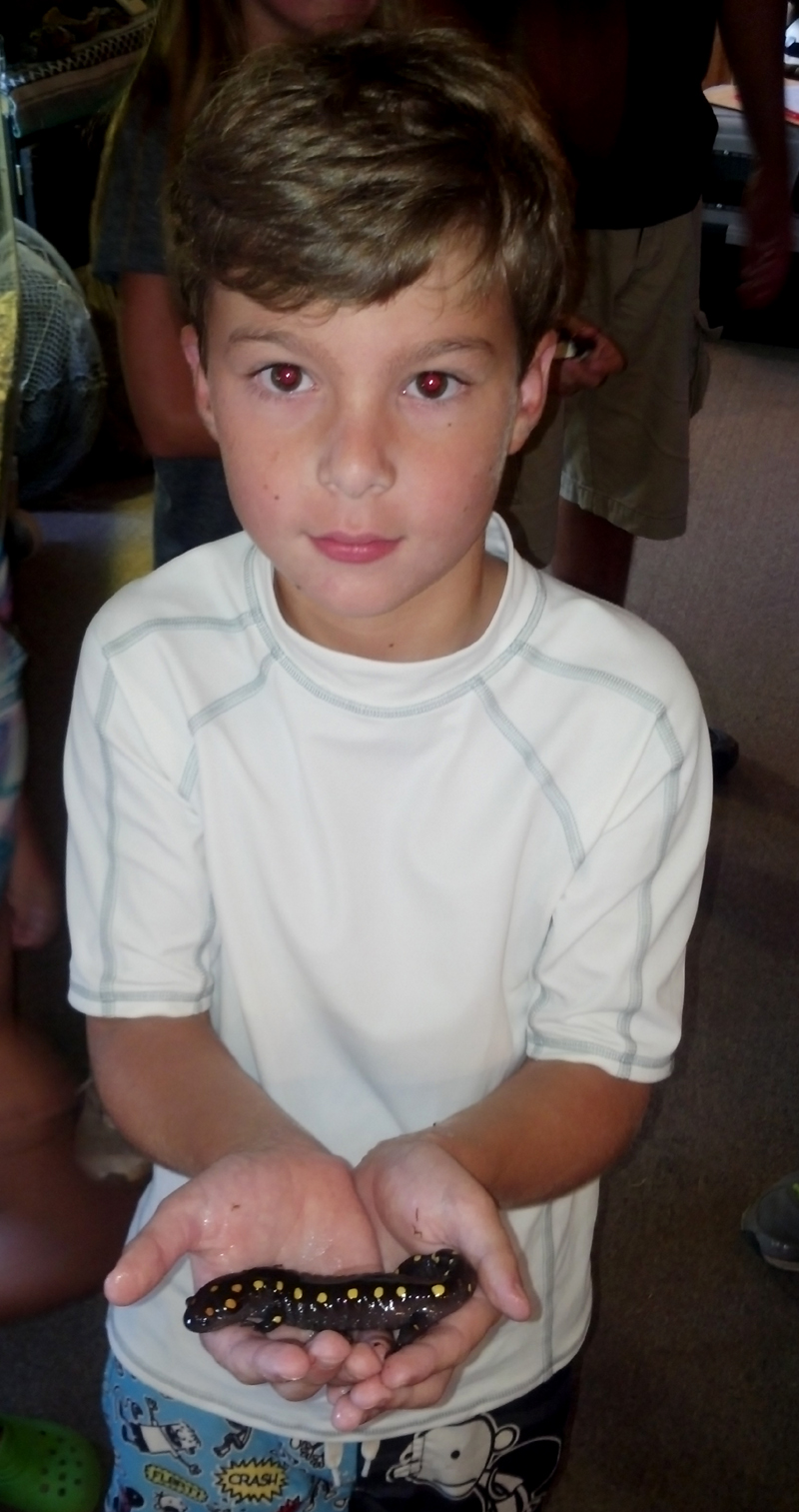
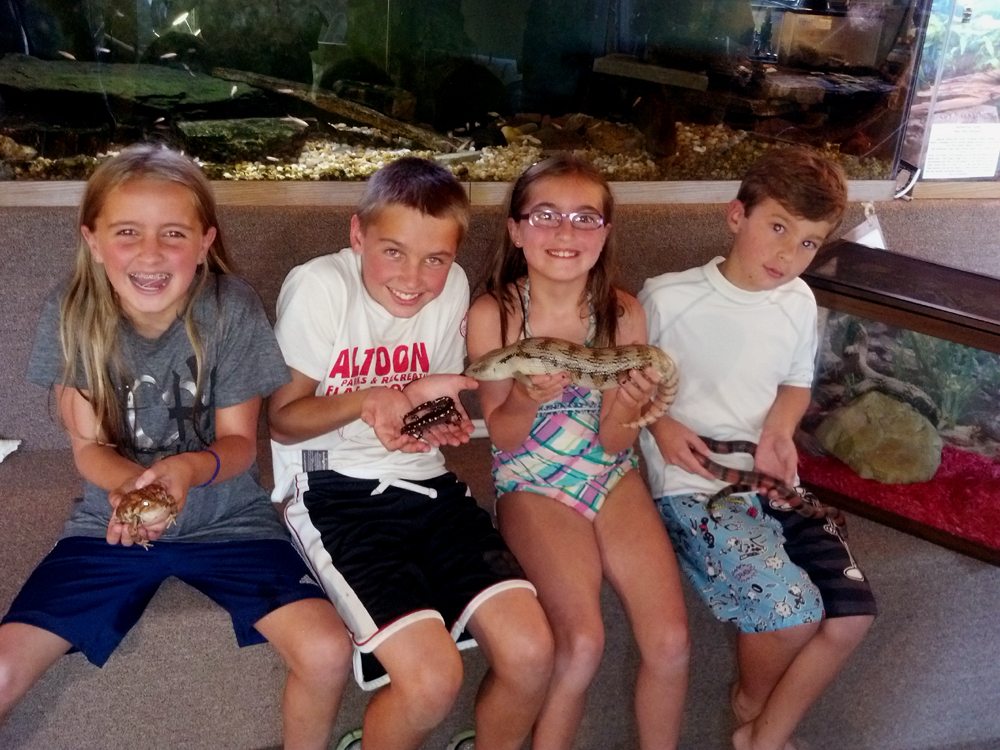
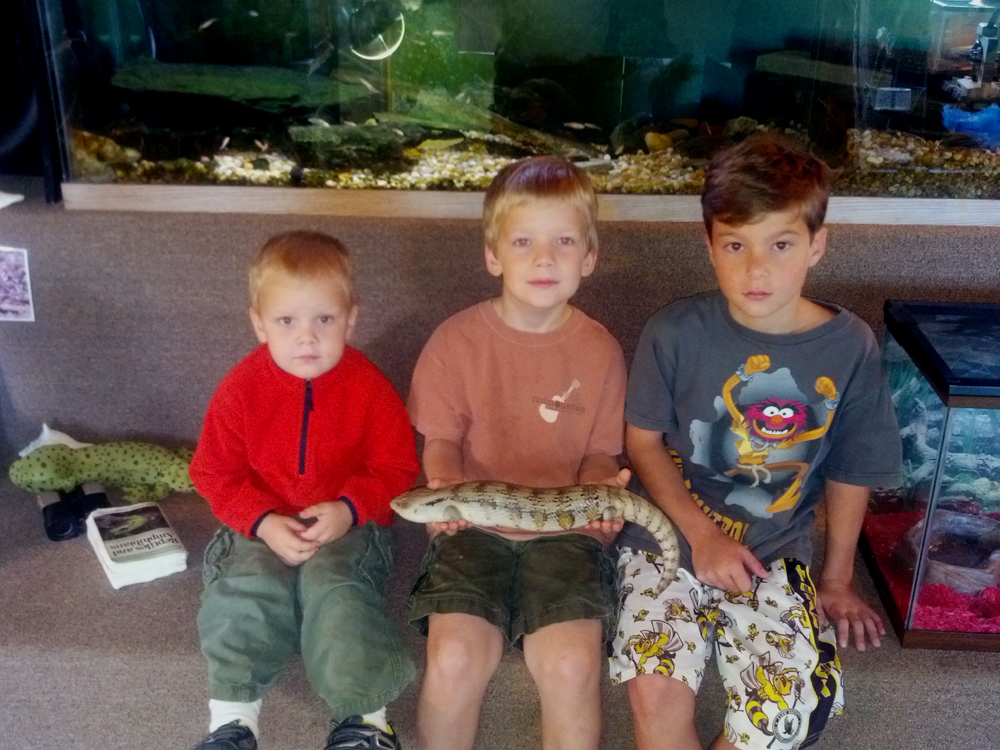
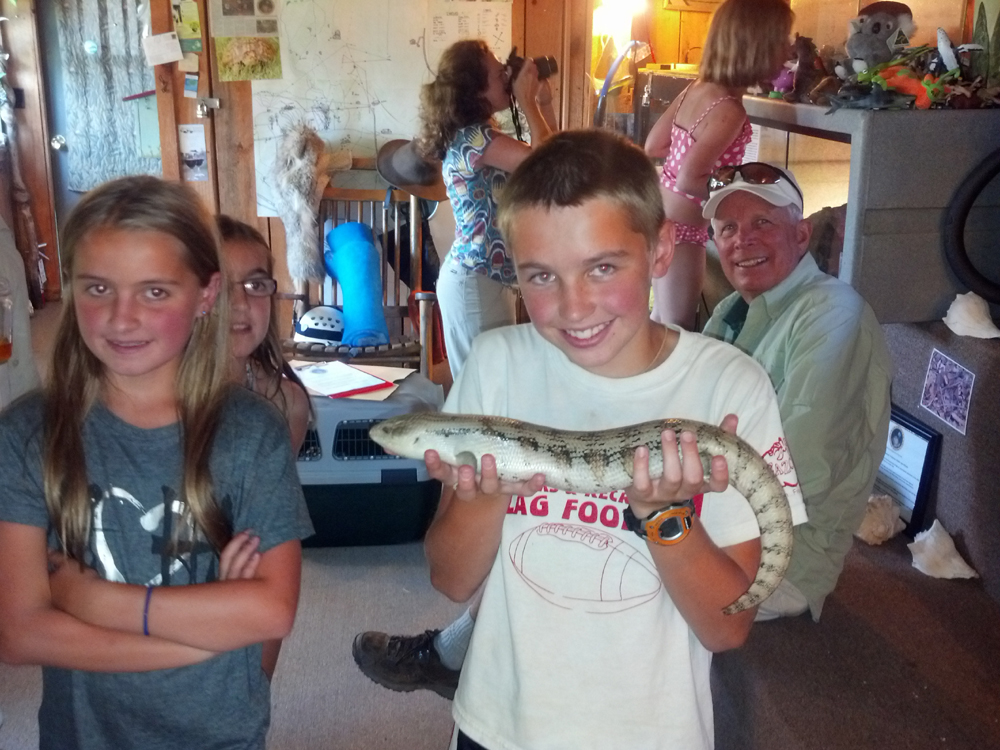
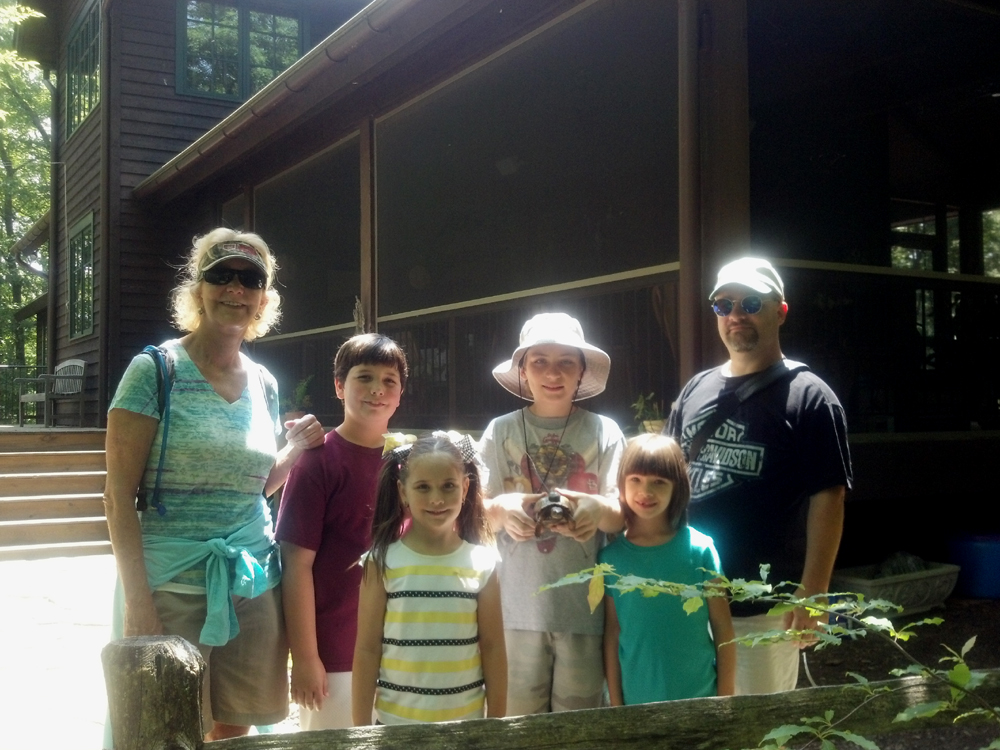
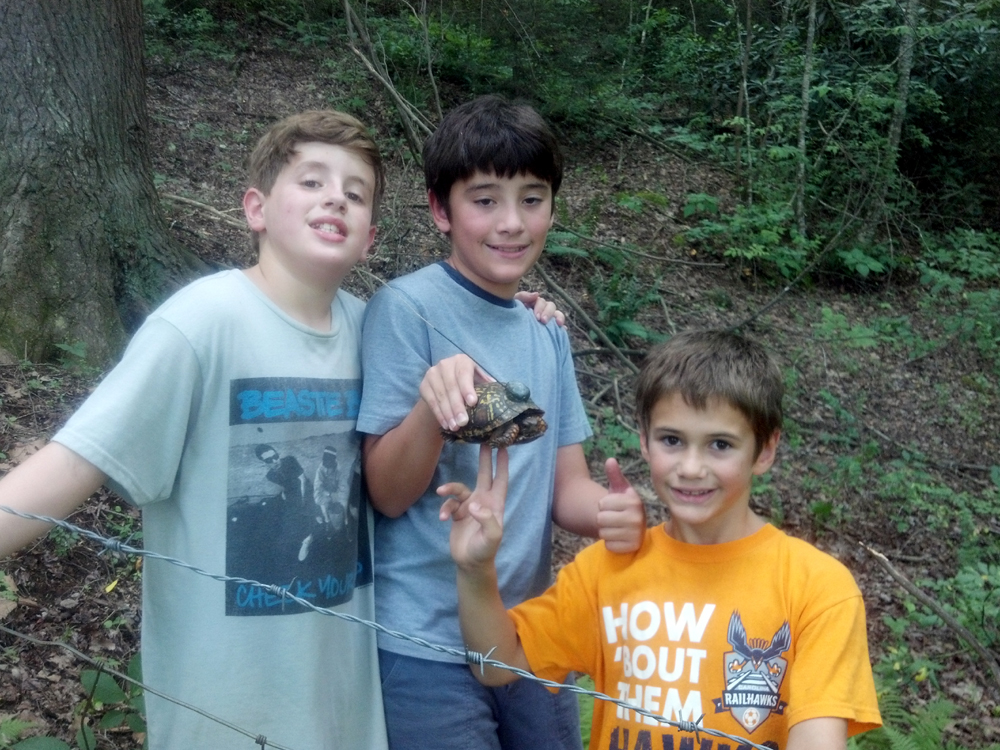
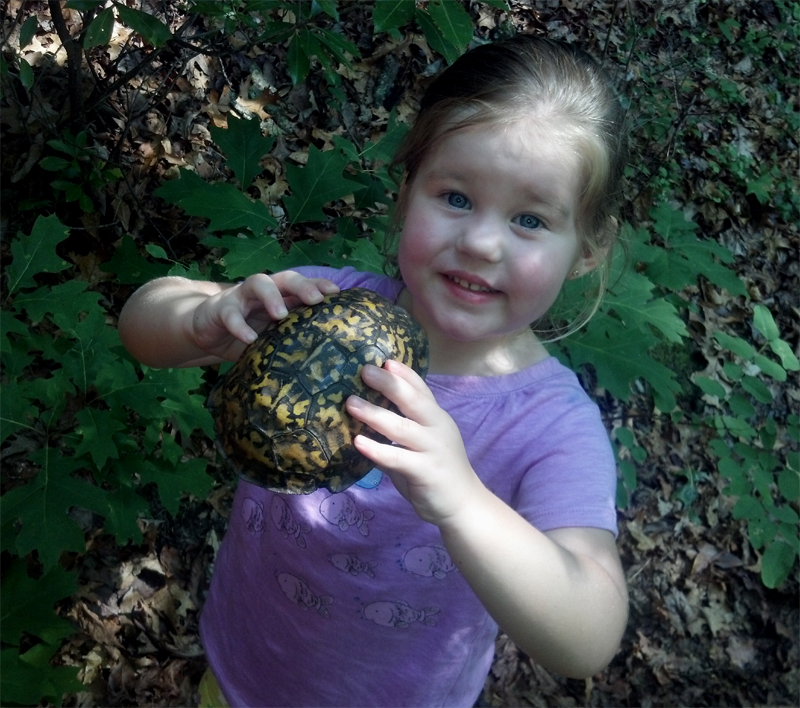
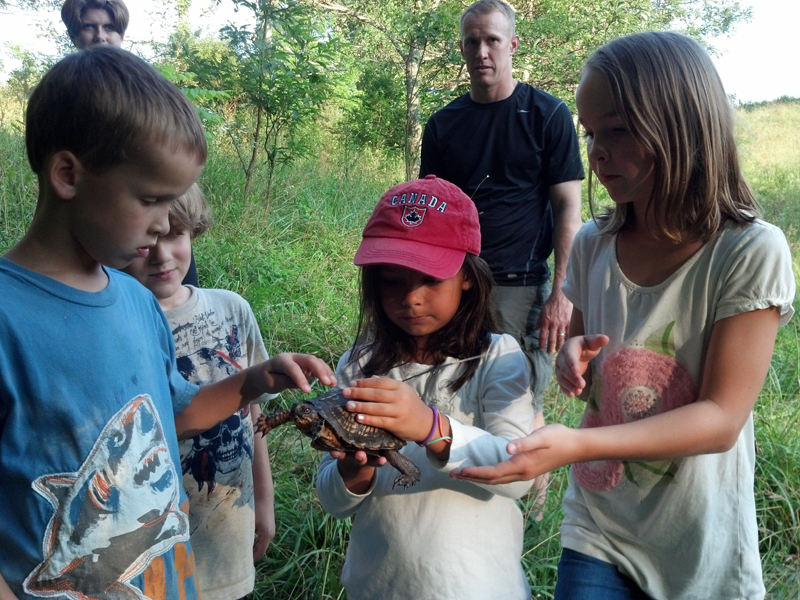
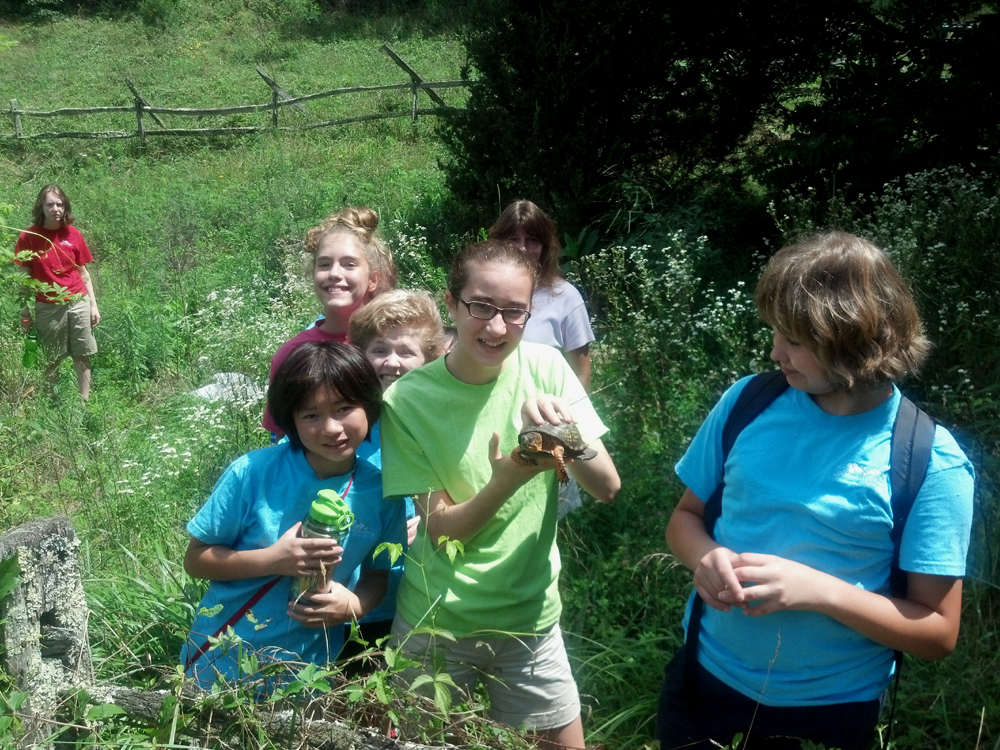
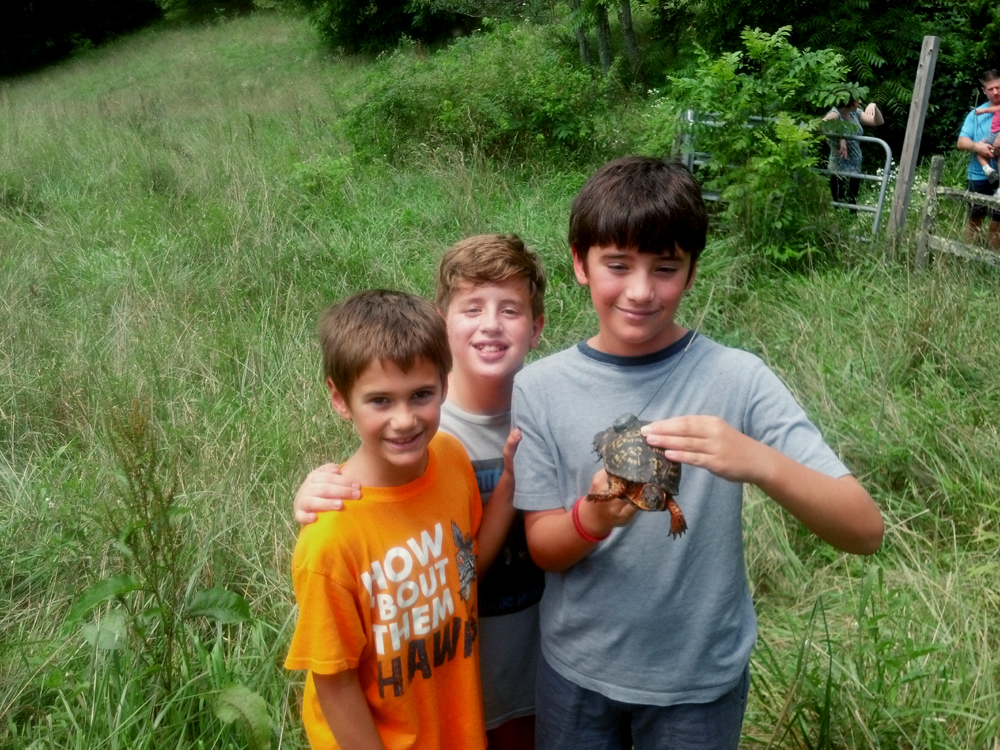
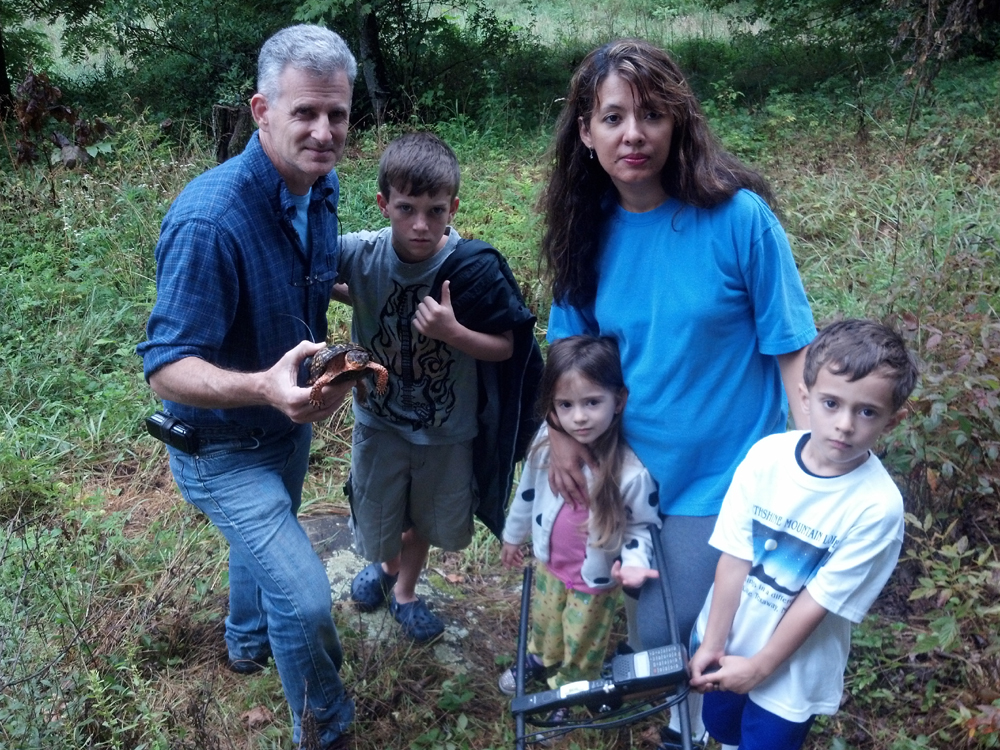
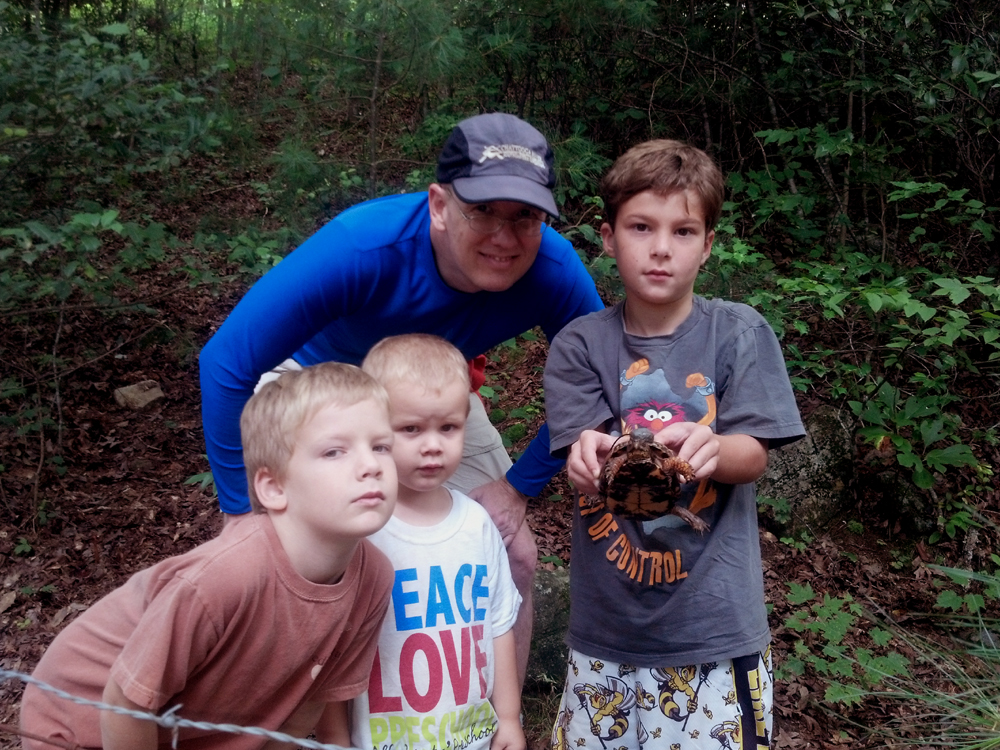
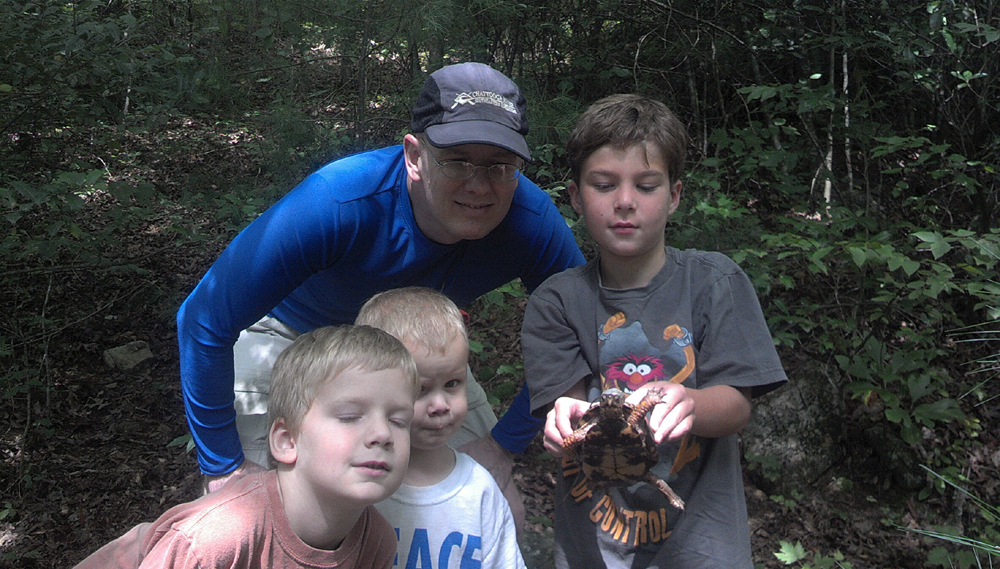
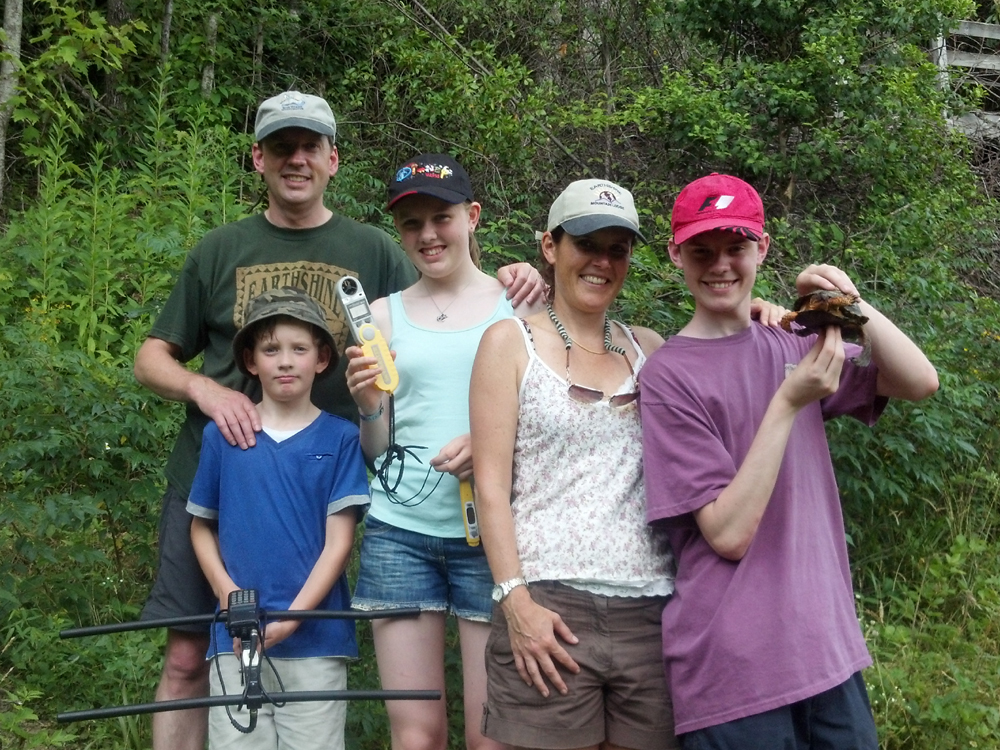
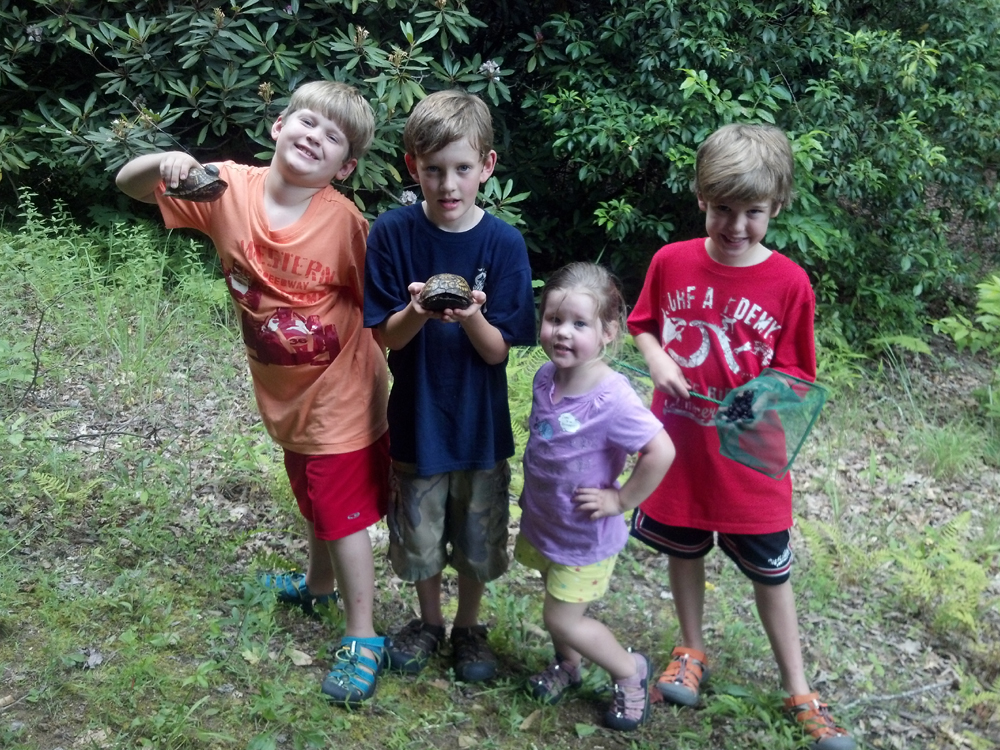
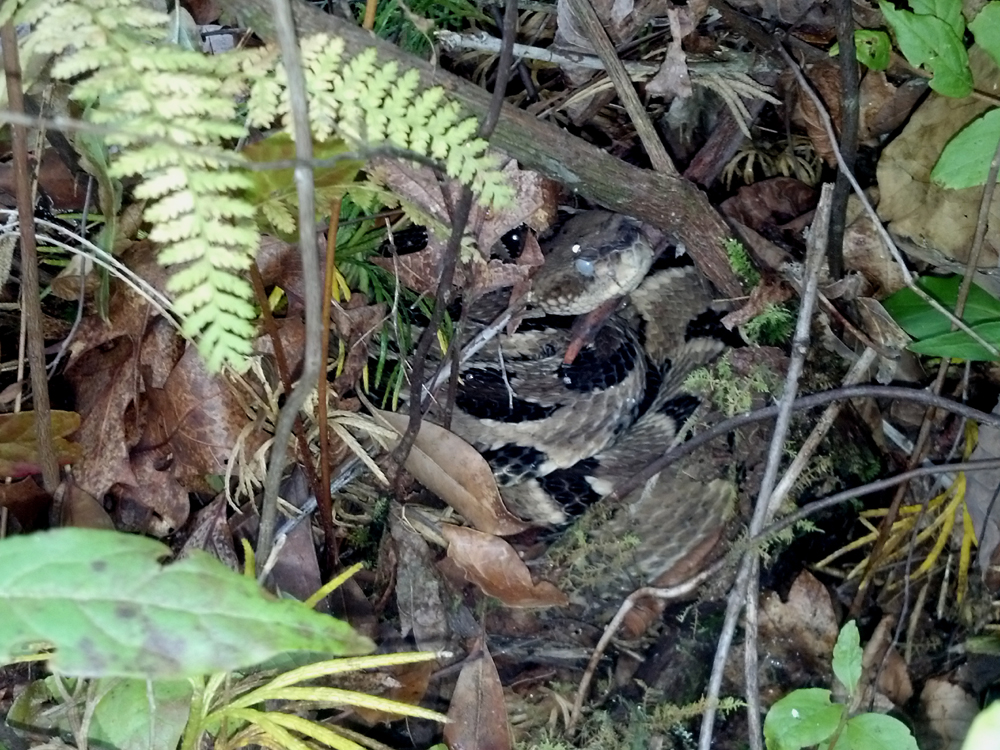
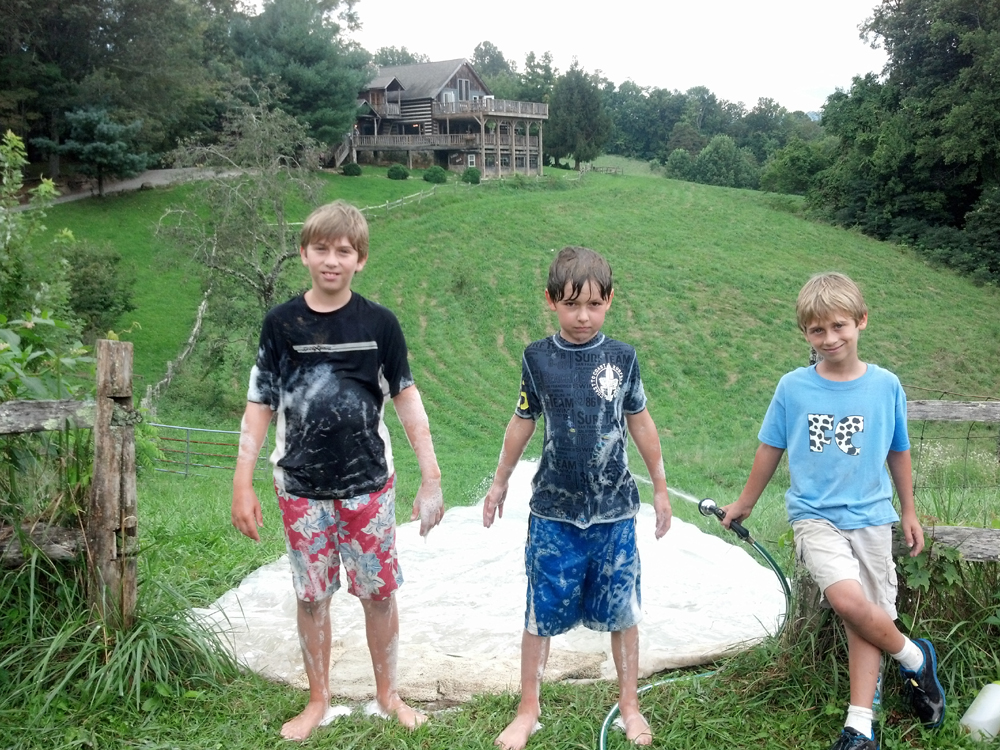
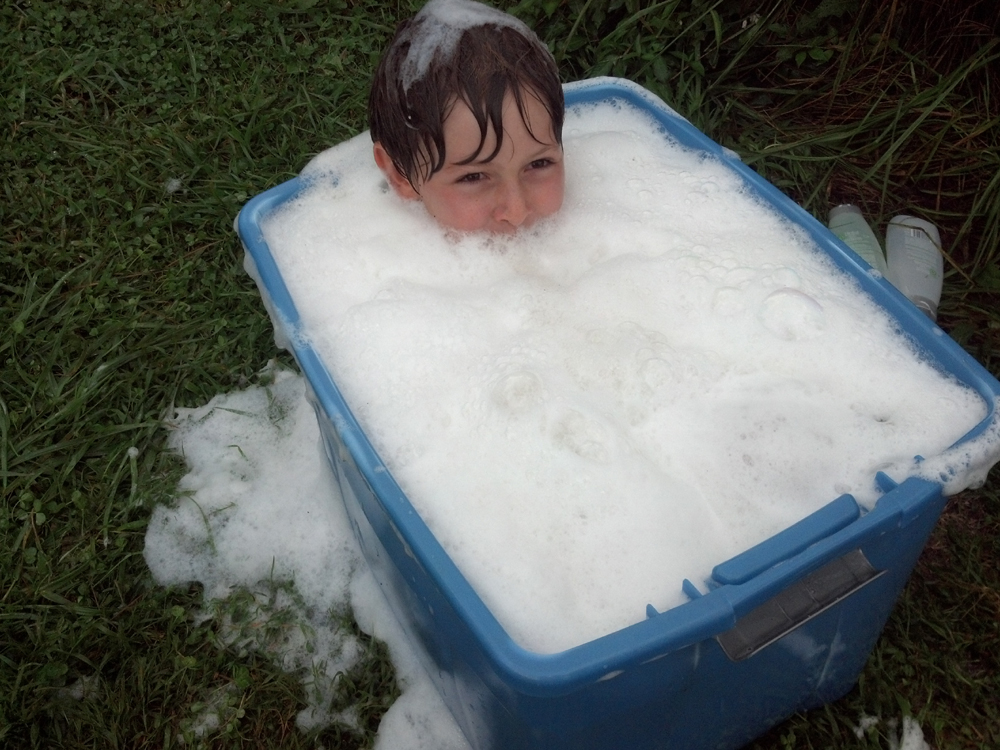
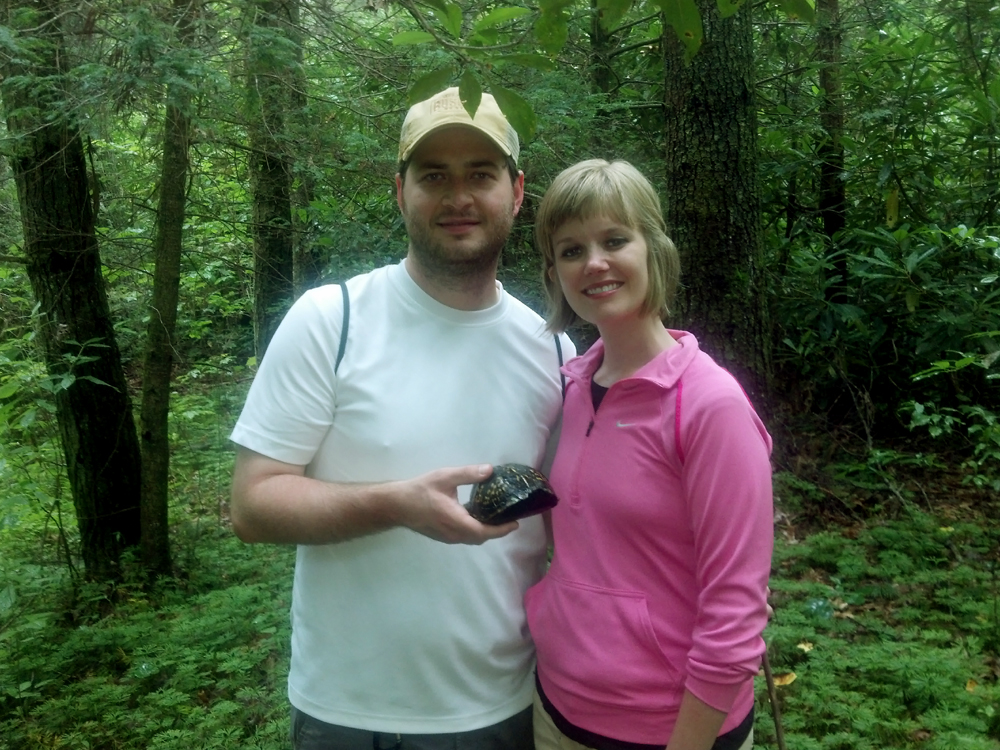
A bunch of great photos from the Summer of 2012 with Earthshine Nature Programs and Earthshine Mountain Lodge. Thank you all for staying with us, please come back next year and tell all your friends about Earthshine and Earthshine Nature.













































































































 Earthshine Nature