Over the past few days, much progress has been made.
The new door latch has been installed and works fabulously!
Over the last week or so I have also been working to get the PoD’s water system installed. This will be needed to supply the PoD’s human and animal inhabitants with life-giving water during outreach events -especially multi-day events – and allow the humans to grab a shower after the end of a long day of bringing nature and science knowledge to the masses 🙂 The mass of the 25 gallons (200 lbs) of water in the two tanks (the 3rd is the water heater) will also serve as a ballast system to help counter-balance the added mass in the solar-electronics cabinet.
Step one: Find a place to install the new water tank – this looks like a good location.
Step two: move the water pump to a new location.
Step Three: replace old water pipes with new PEX water pipes.
…and even more new pipes. In the next photo, you can see how all the various water pipes connect the two tanks allowing them to balance the water supply between the two tanks. The off-white upper tank pictured in this image is also where the water filler is located – its fill hatch is on the outside of the vehicle at the end of the white PVC tube on top of the tank. Also in this photo, you can see the new 50 Amp shore power connection cable coiled on the bottom right of the image.
We also installed the new water filler hatch – but we first had to make a larger hole. We made the new hatch hole using an existing hole – the old 12-volt battery off-gassing hole – a bit larger to accommodate the new fill point.
This is what the old battery vent port looked like before we modified it.
Marking the new hole…
Cutting the new hole…
The new water filler port installed.
We also installed a new shore power cord port after the original unit suffered a RUD (Rapid Unscheduled Disassembly) while I was attempting to open it one cold day in February – the plastic was old and brittle and just fell apart in my hands. Hopefully, this new one will serve us for many years.
Back to the water system.
After the pump and all the pipes were in place, we then installed the new 9-gallon water tank.
The system is not yet connected and tested since we are missing a few small water line adapters that we could not source locally. They should arrive later this week and will complete the final connections that will make the new water system complete. If you look closely in this image and to the left of the center you will see where the adapters are needed – where the blue water line ends in a brass 90-degree elbow fitting – it is at this location where we need to have a unique small adapter to connect the water line to the tank. We also need to install a system drain valve – it will go in the space above the brass elbow I just mentioned and will have an outlet tube that passes through the RV’s floor allowing the system to be fully drained in the event of cold weather.
We also installed a clean-out port (the circular white port in the top of the original water tank in the below photo) as well as the new filler line between the tank and the externally mounted gravity fill port we mentioned earlier. The clear hose on the right is part of the water system’s air venting system.
We filled some old gas line and drain holes with body putty then drilled some huge holes through the floor of the RV and into the frame and then preliminarily installed the raised and strengthened sub-floor in the soon-to-be solar-electronics cabinet. It is not bolted in place just yet – we still need to sand and paint the fiberglass walls, let them dry, then we will be able to bolt it all together – but to do that, we need warmer weather…
We installed an external weather-proof heavy-duty outlet. This will be used to power the presentation monitor as well as the microscope station and Level 1 EVSE (electric car charger).
Lastly, we preliminarily mounted the final two Victron solar storage batteries on their support structure and then compared them to the cardboard analogue we constructed several weeks ago. The cardboard unit is smaller because it was constructed without a frame – but not to worry – the support frame’s measurements were accounted for so all should fit nicely in the new solar-electronics cabinet.
The carport staging area is looking crowded. Hopefully, we will soon be able to start putting all these parts back into the PoD.
A great photo from many years ago. During this week in 2017, I took this photo of the first toad of spring. Note: the First Phase of our classroom solar array is in the process of being constructed in the background 🙂
That is where we are in the build at the moment and we hope to have much warmer weather soon – so hopefully, more modifications will happen much faster.
Currently, we are still waiting for word from the welder and trying to find a sheet metal fabricator. Once they work their magic we will be able to install the solar modules and continue with the installation of further components. Warmer weather in the early spring will be most helpful and much will happen fast so please subscribe and follow this blog for more updates on this unique project!
We hope to have the ENP NaSA PoD in service on or before Earth Day 2022!
Stay tuned – there is much more to come.
Please subscribe and follow this blog for more updates.
This is an amazing project that will serve to educate and inspire all the curiosity seekers it meets. But to do this thing right – we do still need your support. If you choose to assist us in making this project a reality, this unique mobile classroom will greatly benefit the nature and wildlife conservation, science, and renewable energy awareness education of all of our outreach program participants in the WNC region as well as our wonderful students at Trails Carolina and Trails Momentum who will all greatly benefit from the wonders it will contain while they are in the field on expedition.
The construction and use of this unique mobile classroom will be documented on this blog, our end-of-year newsletter, and soon on our YouTube channel.
The ENP NaSA PoD and the Mighty Bolt EV (our primary outreach vehicle) are owned by ENP and used primarily as the ENP company outreach vehicle and mobile outreach classroom. They will be charged and fueled primarily with cleanly generated electricity provided by the ENP/Trails student-built classroom solar array and NaSA PoD’s rooftop solar array. They will serve as outstanding teaching tools for our Trails students, ENP outreach program participants, and everyone we meet via our outreach programs.
Please note: any/all ads that appear below this post are not provided or endorsed by ENP nor are we supported in any way by these ads – they are an automated feature of WordPress.com.
Since our last update we have made some good progress on the conversion from camper to mobile outreach classroom.
We installed some custom cut and painted paneling – THANK YOU JIM! – inside the future solar-electronics cabinet (the old refrigerator space) and then cut two holes for the ventilation fans that will serve to keep everything cool. Note: all is unfinished so everything will look rough around the edges.
The first cooling fan in place – a perfect fit!
Looking at the exhaust side of the fan from the kitchenette side of the solar-electronics cabinet.
Looking at the inside of the lower fan from inside the SE cabinet.
The next photo is the intake side of the lower cooling fan. It is in the NaSA PoD’s entry way directly across from the air conditioner so on very hot, sunny, days when the A/C is running – this fan will serve to pull cool air in from the A/C unit only 2 feet away, thereby keeping the electronics cool and efficient which will in turn keep all of the PoD’s occupants – animal and human – comfortable and safe.
After getting the paneling and fans in place Jim and I temporarily mounted some of the solar-electronic gear. Below are the two Victron solar charge controllers in their future locations below the upper cooling fan. The cardboard structure to their right is the carboard crafted inverter/charger analogue…
…which will soon be replaced with the recently arrived Victron Inverter/Charger unit such as the one pictured below.
We then temporarily installed the Victron Battery Management System (BMS) and Lynx Distributors as in the photo below. Note: It looks crooked but that is an optical illusion created by the curvature of the RV’s shell. Second Note: this device is “naked” in that its pretty blue coverings have been removed. When complete it will have all its coverings in place.
After drilling all the holes to facilitate the future mounting of the electronics we removed the old, soggy, flooring of the soon to be an electronics cabinet revealing perfectly intact marine-grade fiberglass underneath…well, except for two holes which we will patch with marine-grade sealant.
We then fabricated a new floor covered by a nice piece of aluminum diamond plate. None of this is bolted in place just yet but will be very soon. The ugly yellow-brown fiberglass parts of the walls will also be sanded and painted to make the space far more presentable when we are teaching programs on renewable energy and/or attending festivals and events.
I then removed the fiberglass structures that support the sleeping area…
…exposing the hot water heater (the white device on the right) and the fresh water tank on the left. The stack of red tool boxes will become habitat pods that will house our reptilian education animals while presenting outreach programs. Each habitat pod will provide security and climate control for their sensitive scaly occupants.
This is the fresh water tank in its original location. I opted to move it to a new location to shift some of the weight from the “passenger side” to the “drivers” side of the RV to offset some of the weight from all the new solar-electronics gear going in place soon. The new location is directly across the room in the spot where the old 12volt battery once resided beside the hot water heater (the white thing under the old 12 volt battery. The water tank is not bolted in place just yet…
…in fact, it has yet again been removed and is just taking up space with all manner of other tools and parts as I work to modify the RV to begin service as an outreach education classroom.
I have also decided to remove all the Casita’s power management systems since they will no longer be needed – the Victron components will do all they could do – but far better and safer. The old electronics were originally located just to the right of center where the spaghetti-like pile of wires are now. Don’t worry, I know where all of them go 🙂
While waiting for some parts to come in the mail I removed the door latch and discovered it was really rusty and had an eroded area on its mechanism – this was why the door could not be locked.
I received the new unit – the one on the right below – and will be installing it very soon.
We also installed the new countertop and induction cooktop – THANK YOU JIM for your expertise and creativity in making this nice new countertop and THANK YOU BOB for the suggestion on the cooktop – we have tried it and it works perfectly!
That is where we are in the build at the moment and we hope to have much warmer weather soon – so hopefully, many more modifications will happen much faster.
Currently, we are still waiting for word from the welder and sheet metal fabricator. Once they work their magic we will be able to install the solar modules and continue with the installation of further components. Warmer weather in the early spring will be most helpful and much will happen fast so please subscribe and follow this blog for more updates on this unique project!
We hope to have the ENP NaSA PoD in service on or before Earth Day 2022!
Stay tuned – there is much more to come.
Please subscribe and follow this blog for more updates.
This is an amazing project that will serve to educate and inspire all the curiosity seekers it meets. But to do this thing right – we do still need your support. If you choose to assist us in making this project a reality, this unique mobile classroom will greatly benefit the nature and wildlife conservation, science, and renewable energy awareness education of all of our outreach program participants in the WNC region as well as our wonderful students at Trails Carolina and Trails Momentum who will all greatly benefit from the wonders it will contain while they are in the field on expedition.
The construction and use of this unique mobile classroom will be documented on this blog, our end-of-year newsletter, and soon on our YouTube channel.
The ENP NaSA PoD and the Mighty Bolt EV (our primary outreach vehicle) are owned by ENP and used primarily as the ENP company outreach vehicle and mobile outreach classroom. They will be charged and fueled primarily with cleanly generated electricity provided by the ENP/Trails student-built classroom solar array and NaSA PoD’s rooftop solar array. They will serve as outstanding teaching tools for our Trails students, ENP outreach program participants, and everyone we meet via our outreach programs.
Please note: any/all ads that appear below this post are not provided or endorsed by ENP nor are we supported in any way by these ads – they are an automated feature of WordPress.com.
I leave you with a cute photo of Orville our education Opossum snoozing in his new plush bed – he sure does have it made!
Due to the disruption of the pandemic keeping us from presenting our programming indoors as much as during the pre-pandemic era, we are now creating a new way of conducting our outreach programming outside of the classroom: we are building a mobile outreach education classroom!!
In the spring of 2021 we received the first sizable donation toward this project from Lake Toxaway Charities – THANK YOU LTC!!!
We knew we needed more support to make the awesome happen so continued our fundraising over the next few months while searching for a frame on which to build the classroom.
Then, late in 2021 with the help of our friend Mandy, a wonderful past ENP volunteer who is now a park ranger, we located a 16′ Casita travel trailer that we determined would be perfect for converting into our new mobile classroom. We then began a furious fundraising drive to raise the funds we needed to purchase the RV – including a Facebook (Meta) fundraiser and a still-active GoFundMe campaign and yes, we did raise some funds with the help of many of our generous friends and past supporters – but sadly, we were unable to raise the needed funds fast enough to cover the purchase price by the deadline – and then time ran out and we thought we had lost our chance at the RV. Then, a few days after the deadline had passed we received an amazing surprise – an incredible donation from a wonderful new ENP supporter that covered the entire cost of the RV (THANK YOU “A” and family)!! Therefore, due to their amazing generosity, we were able to make this dream a reality and purchase the camper.
Another few days passed and we received several more sizeable donations – this time from a few of our amazing longtime supporters and friends of ENP for many years.
All these, together with all the others gathered in the initial fundraising campaign, were used not only to purchase the RV – but they will allow us to completely retrofit the little Casita camper into the amazing mobile outreach classroom we have dreamed about for so long!
Along with the much-needed donations we also received wonderful and much-needed input from some of our closest friends, loved ones, and supporters of ENP who helped us see the many different angles such a complex project would entail. THANK YOU ALL!!!
We have taken in all their heartfelt input and informed opinions, made many sketches, consulted with many experts (it is always very important to listen to and take the advice of the experts into consideration when making any big decision), and now we are deep in the process of converting this little Casita camper into an amazing mobile outreach education classroom that will serve our Trails Carolina and Trails Momentum Students as well as everyone we meet through our outreach programs in the county and the region!
With the help of one of our most awesome recent graduates from Trails Carolina, (Thank you again A!) we came up with a name for our mobile classroom: The SS ENP NaSA PoD which stands for:
Science Steve’s* Earthshine Nature Programs Nature and Science Adventure Pod of Discovery!
*Science Steve is what my students call me 🙂
We took over ownership of the RV in late December and have been working as much as possible over the last few weeks in the attempt to have it ready for service by Earth Day – Friday, April 22, 2022!
When the PoD is complete it will contain the following educational systems:
Two custom-built Hardy Systems animal habitat pods will be designed and constructed by longtime friend and ENP supporter Jim Hardy. These habitat pods will provide comfortable, heated life support for up to 12 of our reptilian animal ambassadors. They will also be removable for ease of transport to and from the RV.
A microscope station for stream and field exploration.
A field guide library for identifying your finds.
A Little Free Library.
A real-time air quality and weather monitoring station.
A 1780 watt bifacial solar array and Victron Energy power system donated by Bob Harris of Black Bear Solar Institute (Thank you, Bob and BBSI!!!). This system will provide a clean energy supply to all of the PoD’s electronics and systems – including the Hardy Systems habitat pods, and RV systems – this feature will be most important when the PoD is being used for both short term day-use programming and long term multi-day programming at events and festivals where an overnight stay is needed.
A fold-out awning that will allow comfortable programming on those super hot summer days and in light precipitation.
A large flatscreen monitor that will allow the showing of nature and science documentaries in an outdoor setting.
Hand sanitizer stations to keep the germs at bay.
A custom paint job.
And more!
THANK YOU!!!
to everyone who has donated/supported this project so far! You know who you are and you are all truly amazing people! THANK YOU for your generosity and your trust in supporting this project and my little 501c3 – your generosity is above and beyond treasured and your trust is so deeply precious to me and without all of you working together with me to make this project (and all the others) happen – it would have all been impossible.
Now for a photo album of the ENP NaSA PoD project up to this point. I will continue to update this blog with more photos (and soon – videos) as the build continues so if you are not subscribed please do so in order to receive updates.
When we first met.
It is a really nice Casita camper that was renovated by the previous owners to include everything needed for comfortable camping including…
A fully functional kitchenette.
Nice 2 burner gas stove.
Double bed with extra thick mattress.
Working roof vent fan.
Working Dometic fridge.
Nice dinette.
Functioning latrine/shower.
And sink
Custom cabinetry and a working air conditioner!
But much of this would need to change for it to become our new mobile outreach classroom.
On December 31, 2021, we took over ownership of the Casita and toted it home to ENP HQ.
Sadly it is just too heavy to pull with our EV like we wanted to do – but that will change one day when we trade in our Honda Pilot for an all-electric EV pickup and then the package will be complete.
Once safely back at ENP HQ, we began the process to modify the camper into a portable classroom.
The old roof vent had to go…
…when fully open it would have been in the way of the new solar array.
The new vent fan location was sketched out on the side of the RV. This new fan will also replace the vent hood over the stove.
Jim cutting the hole for the new fan – which will double as a unique “kitchen window.”
New vent fan/kitchen window hole. We have not installed any of the windows or the fan due to the cold temperatures that would not allow the sealant to cure effectively.
The stove is history as well. We are dropping the gas in favor of an all-electric system including an induction cooktop for use during overnight events and campground programming.
The Dometic fridge was just taking up space…
…so we removed it. This space will now be used as a solar-electronics cabinet. Our new fridge will be a highly efficient 12-volt chest fridge/freezer stored under the bed.
This is a cardboard analogue of the solar-electronics package that will provide renewably generated electricity to power all of the classroom/RV systems. The real one will be much better looking and far more functional.
The solar-electronics cabinet with the cardboard analogue in place.
Looking into the bottom of the area where the batteries will reside. The cardboard box is a battery analogue – four batteries of this size will fit in this space after we construct a custom support structure to hold them safely.
The vent ports on the backside of the old fridge on the outside of the RV are no longer needed so we…
…removed them and made the holes larger in order to install observation windows that will allow students to view the solar-electronics package as well as help to make the PoD more weathertight.
Looking at the solar-electronics package analogue from outside. The new windows will drop in and cover up all the rough edges and all the exposed wiring will be made safe and secure.
Due to the cold winter weather we have been receiving lately we have not gotten very far with the outdoor work on the conversion of the RV into a mobile classroom. However, we have been working on the design process of how the solar array will fit together and function and we have ordered the components needed to secure and protect the solar-electronics gear. We have also consulted with a local welder who should be contacting us any day now with a quote for the custom roof rack that will support the solar array, weather/air quality monitoring station, and a few other components. We are also in communications with a sheet metal shop about creating the window frames to fit the viewports for the solar-electronics cabinet. We have also received the solar modules and most of the solar-electronics package including the components seen below:
Four Canadian Solar 445 watt bifacial solar modules (panels).
The four new Victron Energy 200Ah LiFePO4 batteries.
The Victron Energy power distribution bus and Battery Management System.
Lots of other components as well!
And this brings us to today.
Currently, we are waiting for word from the welder and sheet metal fabricator. Once they work their magic we will be able to install the solar modules and continue with the installation of further components.
Warmer weather in the early spring will be most helpful and much will happen fast so please subscribe and follow this blog for more updates on this unique project!
We hope to have the ENP NaSA PoD in service on or before Earth Day 2022!
This is an amazing project that will serve to educate and inspire all the curiosity seekers it meets. But to do this thing right – we do still need your support. If you choose to assist us in making this project a reality, this unique mobile classroom will greatly benefit the nature and wildlife conservation, science, and renewable energy awareness education of all of our outreach program participants in the WNC region as well as our wonderful students at Trails Carolina and Trails Momentum who will all greatly benefit from the wonders it will contain while they are in the field on expedition. Please consider supporting us today.
The ENP NaSA PoD and the Mighty Bolt EV (our primary outreach vehicle) are owned by ENP and used primarily as the ENP company outreach vehicle and mobile outreach classroom. They will be charged and fueled mostly with cleanly generated electricity provided by the ENP/Trails student-built classroom solar array and NaSA PoD’s rooftop solar array. They will serve as outstanding teaching tools for our Trails students, ENP outreach program participants, and everyone we meet via our outreach programs.
Note: I apologize in advance for the bizarre formatting in the following post. I have tried everything to rectify the issues – yet they persist.
It has been a very strange year but we are still here. Although we lost close to 100% of our nonprofit income this year due to not being able to present our outreach programming to the public in schools, camps, festivals, special events, and birthday parties – it was your support that kept us above water…but only just.
Even with the global pandemic we still managed to accomplish amazing things this year!
Wildlife Rescue & Rehabilitation
In the spring of 2020 we rescued a family of young Opossum joeys who lost their mother. They were close to the age where they would have left the warm home of their mother’s pouch to strike out on their own so we gave them a few days to build their strength, fed them tasty natural treats, and released them in a remote forest. (See them in the Virtual Leaf Festival video linked later in this document). We rescued only one Eastern box turtle this year. Strangely, it was found in the bathroom of a motel in a nearby town. There was no suitable box turtle habitat near the motel so our hypothesis is that a visitor to the motel may have picked it up during a local forest excursion on a local highway or byway, it may have come from out of state, it may have been a “pet,” that was forgotten when its “owner” departed – or it may have been left intentionally. Whatever the case, we have no idea on its origins and therefore, due to its questionable origins, it cannot be released into the wild for fear of vectoring a disease to the local box turtle population – so it is now in our quarantine facility. Come spring of 2021, if it checks out health wise, it will join our small population of non-releasable education ambassadors in our newly improved box turtle habitat.
Yes, that’s right, one of this year’s major projects was to improve and enlarge our outdoor box turtle habitat. The students of Trails Momentum worked very hard over the summer to increase the habitat’s size by over 2x its original footprint. They also built a newer and better shelter/overwintering structure for our 9 non-releasable resident Eastern box turtles and our two Red-footed tortoises who share the habitat during the warmer months of the year. The students also built a very nice stone shelter structure in the box turtle habit and named it “Turtlehenge” – so cool!
This year we also relocated several Copperheads, a dozen hatchling Common snapping turtles, and one massive Timber rattlesnake. These beautiful and very misunderstood animals were discovered in areas that are highly used by humans therefore, for the safety of all parties, they needed to be moved to new habitats. While the trans-location of reptiles is not the ideal option – it is far better than the other option of death. I moved these animals to remote locations in protected areas with excellent habitat and resources that will hopefully serve to meet their needs for the rest of their lives.
A New Recruit!
In the fall we adopted a female opossum from the wonderful folks at Appalachian Wildlife Refuge. They had rescued her after she was hit by a car and lost an eye. She also has some neurological trauma and therefore, due to her injuries, is non-releasable. She will spend the rest of her days with us where she will live in our awesome ‘possum palace as an education ambassador for her kind.
Opossum facts: The Virginia Opossum, or ‘possum, is North America’s only native marsupial. Female Opossums have a pouch on their belly where they can carry up to 13 joeys. When the joeys are old enough they climb onto their mother’s back and cling to her soft fur and watch everything she does – this is their “home schooling” time where they learn all there is to know about being an Opossum. When they are too heavy to hold on, they fall off and start their lives as mostly solitary, mostly nomadic, most important members of the forest community. Opossums have 50 teeth – that is more than any land mammal in North America! Opossums are omnivores and will use all those teeth to eat just about anything including carrion. Some of their favorite foods are wild berries, grapes, persimmons, strawberries, bananas, and any insect they can catch including all the pest species that would invade your home and garden as well as small rodents such as mice, moles, voles, and rats. They will even eat lizards and snakes including venomous snakes such as Copperheads and rattlesnakes! Opossums have a very strong resistance to the venoms of these snakes and therefore, if bitten by their meal, they just shrug it off and continue on with their serpentine lunch. Opossums are also highly resistant to the Rabies virus so it is extremely rare for an Opossum to catch, carry, or transmit rabies. Opossums are nocturnal so you will usually not see them during the day as this is the time they are comfortably sleeping in whatever warm place they have found to call home for the night. Opossums do not hibernate so they may be seen at almost any time of the year – but not usually during the coldest times when they just stay home, roll over, and sleep in until it gets warmer. They are not equipped for excavating burrows so they will often use the abandoned burrows of other animals such as Groundhogs, skunks, foxes, and sometimes the crawl space under your house. Opossums have very dexterous toes and opposable thumbs on their hind feet – just like we have on our hands. These adaptations help them hold onto tree branches when they are searching for some of their favorite foods – birds and their eggs, rodents, and fruit. Opossums also have a prehensile tail that helps stabilize them when navigating in the tree branches and it also allows them to carry bedding materials back to their den to make a soft nest to sleep in as in this photo of Potter some of you may remember from almost a decade ago.
When frightened and/or cornered, Opossums will snarl, growl, and show their wide toothy grin, but they rarely bite. If the threat does not abate the Opossum will “play ‘possum” – it will go into a self-induced, involuntary comatose state where it will fall over, often defecate and urinate on itself, stiffen, – and for all intents and purposes – appear dead. This incredible tactic serves to deter the would-be attacker from feeding upon what looks like a possibly sick animal and it departs to find a better meal. After a time, the Opossum reanimates, grooms itself, and continues on about its day as if nothing happened. Opossums are amazing and wonderful creatures that help us far more than we will ever know. While they are misunderstood by many, they deserve our respect and admiration for the special and vital role they play in helping to keep nature in balance.
Outreach
Photo: Our volunteers are AMAZING and make it all possible!
Unlike every year during the decade since our founding, due to the pandemic in 2020 we were only able to present one in-person public nature education program this year in February. We did however, adapt to the situation and present several virtual programs for private family groups, one science museum program, and one virtual festival. Please feel free to watch two of these via the following links.
Virtual LEAF Festival video
Asheville Museum of Science Ask a Scientist Series
Sadly, until the pandemic subsides and things start to get back to some kind of “normal,” we will not be able to physically take our animal ambassadors and our outreach programming classes into any classrooms, summer camps, festivals, or special events. However, we will continue to introduce and educate thousands of people to the wonder and beauty of wildlife, nature, and our deep interconnectedness to our shared environment via our virtual programming and via our YouTube channel. These online platforms allow us to offer alternative and safe ways for you to learn and support nature, live alongside and respect wildlife, and be better stewards of our shared environmental life support system with the adoption of cleaner, more energy secure, renewable energy and transportation technologies such as our focus – solar energy and electric vehicles.
Speaking of vehicles, September 29th, 2020 was our one year anniversary of driving the ENP Chevy Bolt EV – The “Mighty Bolt” as we lovingly call her – as our dedicated outreach education and wildlife rescue vehicle.
Photo: Mighty Bolt meets young Rat snake.
Keep reading for some mighty cool “Mighty Bolt” stats from the first year of driving the ENP Mighty Bolt EV:
14,356 miles driven.
That is an average of: 1,196.33 miles per month. 299.08 miles per week. 42.72 miles per day.
Estimated Gallons of Hydrocarbon Fuel Saved: 613 Estimated CO2 Avoided: 12,153 lbs.
Fuel costs: For the 14,356 total miles traveled: $176.71 – or, $14.71 per month. $3.68 per week. $.52 per day.
So that breaks down to an average of $0.012 cents per mile for the Mighty Bolt’s electron fuel.
$0.1 cents per mile! I will let that sink in for a moment.
The math: 176.71(fuel cost)/14,356(miles driven) = .0123 (cost/mile)
Photo: Mighty Bolt meets Box turtle.
I have calculated that if ENP were still using a gasoline powered vehicle for our work, its fuel costs would have been around .13 cents per mile which would add up to around $1,800 for one year of use – and that is not including repairs, ”tune ups,” and maintenance costs! The ENP outreach EV is over 75% solar charged so its operational costs are lower than if it were to be charged only on grid power. Even if we had charged the Mighty Bolt EV on grid power alone it would have only increased our operational costs to: $433.017 – wow! Still a much better deal than anything powered by fossil fuels. The math: 4,330.17(kWh used to fuel EV) x .10(energy cost/kWh) = 433.017
Driving electric over the last year has given ENP an operational cost savings of over $1,600! No matter who you are, where you are from, or how much money you have to burn – you must logically agree the choice is mighty clear: the Mighty Bolt EV is the best choice for ENP in getting from point A to point B!
A very revealing energy use chart for year one with the Mighty Bolt EV.
The ENP Bolt EV is truly Mighty, it is over 75% solar charged and therefore costs ENP only .01 cents/mile to drive, it has a very small environmental footprint, and it serves as a wonderful energy education teaching tool inspiring the next generation to think above and beyond the status quo.
SO COOL!
Photo: The Mighty Bolt after a canoeing expedition on a local lake.
The ENP EV Motto: Drive electric to preserve nature, wildlife, and wild places. Drive electric for the health of you and your family. Drive electric for freedom from dependence on expensive, polluting fossil fuels. Drive electric for energy independence. Drive electric for a better future for all.
(ENP Executive Director Steve O’Neil co-founded this club)
This EV is owned by ENP and is used primarily as the ENP company outreach vehicle. It is charged and fueled mostly with cleanly generated electricity provided by the ENP/Trails student-built classroom solar array. It also serves as an outstanding teaching tool for our Trails students, ENP outreach program participants, and everyone we meet.
Organic Garden and Chickens
YUM!
2020 was the fourth year for our student organic garden project. This year, after letting the chickens free range in the garden and turn and fertilize the soil over the fall and winter months, we decided to plant our garden in the soil again. This no-till all-natural fertilization and planting method worked surprisingly well. It allowed us to produce almost as many tasty organic vegetables as we produced in the 2019 straw bale garden experiment. We also noticed more vigorous plants and far less pests this year and it may be due to the chickens scratching up and eating many of the pests overwintering in the soil. We believe the only way to have a truly organic garden is to not use any toxic chemicals or fossil fuels in the preparation and tending of the garden so, as in past years, this year the students and I prepared the garden using only human and chicken power and fertilized it with composted food scraps and composted animal waste from our chickens and education animals and a few local horses.
Photo: Garden Goodness!
The students planted and tended the garden throughout its growing season and we never used any toxic insecticides, herbicides, or synthetic fertilizers! I am happy to say that our fourth year of the garden project was a great and tasty success with over 100 yummy squash, endless bunches of green beans, countless tomatoes, Peruvian black corn, red and yellow carrots, and several varieties of peppers – and this year our Passion fruit vine produced dozens of tasty fruits! All of this wonderful organic produce was shared among the students, staff, chickens, turtles, and tortoises! We also constructed a new grape arbor and planted six apple trees – so next year we hope to have an even more fruitful harvest.
Photo: Happy birds basking in the summer sun 🙂
Our small flock of friendly laying hens had a slow start but grew to over 25 birds this year! Several of the new recruits stayed with us and several more were adopted by chicken people in the community. Our chickens are free-range, organically fed, and have been hand-raised by our students as pets. They are wonderful therapy animals – with the great side benefits of giving us tasty organic, free-range eggs, no-cost organic fertilizer, and toxin and pesticide-free pest control for our student organic garden project!
Photo: Moonlight with her chicks. She is nesting in the coop-car – a salvaged EV converted into a chicken nesting coop.
Just in case you missed it, ENP was featured inThe Laurel of Asheville
Or just search online for “Laurel of Asheville Earthshine Nature”
The ENP Renewable Energy Program
Photo: A drone’s eye view of the ENP office/classroom/science lab/organic gardens.
On November 8th 2020 we celebrated three full years of producing clean, renewable, “locally grown” solar electricity for our classroom and electron fuel for the ENP outreach EV! With the generous support of Bob Harris of Black Bear Solar Institute, Pisgah Forest resident Jim Hardy, Lake Toxaway Charities, Trails Carolina, Trails Momentum, and our many other wonderful project supporters – maybe you were one of them – and all of my amazing Trails Carolina and Trails Momentum students, ENP interns, and volunteers – this project has been an phenomenal success! As of the writing of this document our student-built solar array has produced over 22 megawatt-hours of clean, renewably produced, electricity! Since the classroom solar array became fully operational on July 04th 2019 (our Energy Independence Day) it has consistently, quietly, and without any harmful toxic pollution or emissions, produced close to 4 times the power we need to meet the daily needs of our classroom building, education animal habitats, our all-electric outreach vehicle’s electron fuel needs – all this and with power to share! We produce so much electricity that we send the surplus out to the local energy grid giving our closest neighbors on the campus of Trails Momentum renewable energy. Some of that excess power even goes to our nearby off-campus neighbors. Over the course of the entire year that excess has totaled close to 10 mWh – so our classroom has now become a renewable energy power plant not only for the campus and students of Trails Momentum but also for the local community!! Due to all that excess energy production, we have built up so much energy credit with Duke Energy that we could turn off the array and run on solar credits for several months without paying anything for energy!
Photo: An even higher drone’s eye view
With the completion of Phase 2 last year, the most complex portion of our classroom solar array project is now complete. We are now continuing with fundraising for Phase 3 – the final Phase of our classroom energy project. This will consist of a “secure power” off-grid circuit that will allow us to use energy direct from the solar array – this backup power system is almost finished and when online it will allow us to harvest electricity directly from the solar array when our grid connection is offline, giving us power as long as the sun shines. The final components of Phase 3 is a “plug and play” battery storage system that will store excess electricity produced during the day and will then supply that stored solar energy to all our building’s systems at night and during power outages. We will then only use our grid connection to Duke Energy as a back-up power source during long periods of dark/rainy/stormy weather. Isn’t science amazing! To make the remaining portion of the 3rd and final Phase of this amazing student energy project a reality for our classroom, our students, and our animal ambassadors, we need your continued support in this final push to the end.
Photo: Steve and a student place the first solar module (panel) on Phase Two of the Classroom Solar Array
Please consider making a year-end gift to Earthshine Nature Programs and help us reach our renewable energy-powered goals. Read on for several other unique ways you can support us later in this document.
Watch this short time-lapse video of Phase Two of the solar array’s construction!
Supporter Spotlight – Jewell and Joe Mimms
My mother-in-law Jewell Mimms was born in 1939 in the beautiful, wild, mountains of Western North Carolina in a small log cabin without electricity or running water. She spent her life dedicated to her family and friends, her religion, reading almost anything, and to her music. She was an accomplished musician and could play the piano and guitar, and she had a beautiful voice and loved to sing with friends and with her daughter, my wife Marian. Jewell’s husband Joe Mimms was born in 1928 in southern Georgia and, like his wife, he grew up on a remote farm without electricity or running water. Joe joined the Navy when he was a teenager where he became a master radio operator/electrician and later focused on the new and quickly evolving fields of computers and radar. Joe’s mastery of these technologies led him to serve in all branches of the armed services save for the Marines and Coast Guard. After leaving the service Joe worked as a communications and computer specialist for NASA during the Apollo era. Joe was one of the specialists responsible for keeping the massive deep space network tracking/communications antennas at the Pisgah Tracking Station (now the Pisgah Astronomical Research Institute) locked on the Apollo spacecraft as they journeyed to and from the moon! Joe loved nature and spent much of his off time hamming it up on his amateur radio set, in the forest hunting deer, or on the lakes and rivers fishing for catfish – his favorite. Jewell and Joe supported Earthshine Nature Programs with generous donations for many years because they had a very close connection with nature when they were young and felt that kids today were drifting away from this most important connection with nature. They understood that Earthshine Nature Programs’ education programs and projects serve to connect people of all ages with the natural world and how important that is in today’s world. Jewell and Joe left us over the last few years but their legacy lives on in all of the projects and programs they supported with their donations over the past decade. Thank you Jewell and Joe for your love, wisdom, knowledge, and for your support of ENP – you are both so greatly missed by so many.
Our wildlife tracking programs have ended and we are now focusing all our energy on our classroom and environmental education outreach programming, wildlife rehabilitation, and renewable energy education programs as well as on reporting our findings from the reptile conservation projects we conducted over the last decade of following misunderstood reptiles. What we learned while tracking these wild reptiles is far too much to fit into the pages of this newsletter so we have decided to write it all down and share it with you in three very special publications. The first of these three publications – The Rattlesnakes of the Blue Ridge – contains a naturalist’s perspective on everything we have learned by following the secret lives of Utsanati and Zoe – the two wild Timber rattlesnakes we followed in their native habitats for four years in the beautiful Blue Ridge Mountains of WNC. Within the pages you will find an overview of the natural history of the Timber rattlesnake, a consolidation of my field observations and personal reflections, tracking and activity maps, and many high-quality photographs. This document, and the others that will follow on our Eastern box turtle and Black rat snake conservation projects, will grant fascinating insight into the lives of these unique, wonderful, and very misunderstood creatures as well as useful information on coexisting with these animals and other native wildlife species on your lands. All proceeds from the sale of this, and the future documents in this series will be 100% directed toward our continuing nonprofit wildlife conservation, rehabilitation, and environmental education missions.
Photo: Ben Franklin – a rescue turtle from many years ago.
To purchase a copy of The Rattlesnakes of the Blue Ridge, and/orTurtle Tracks: Box Turtles of the Blue Ridge or Snake Trails: The Rat Snakes That Live Among Us at the special price of $30.00 each – please contact us via our email address or via the contact link on our website http://www.earthshinenature.com/contact
There Are So Many Ways to Support Our Work
We welcome your support in keeping our unique programming alive – especially now with the pandemic greatly reducing our nonprofit outreach income. There are many ways you can choose to help us make our programs and projects a reality. During the pandemic the best and safest way to support us isthrough direct donations of funds and supplies and there are several ways to do so;
Donate on our website www.earthshinenature.com/donate via the PayPal link – while you are there please take a look at our website wish list for more detailed information on our current needs.
Send us a donation to our “snail mail” address – contact us for more information.
Visit our Amazon Wish List at this TinyURL Amazon link: https://preview.tinyurl.com/y6mvwzm5 orby searching Amazon for the Earthshine Nature Programs Wish List.
An easy way to support us – at no cost to you – is via Amazon Smile donations. Just visit: smile.amazon.com and sign up to support Earthshine Nature Programs and every time you make a purchase on Amazon using your Amazon smile account, a portion of Amazon’s profits will be donated to ENP!
Support us with a Legacy Donation. This is a gift from you to ENP in your will. It could be monetary, land, or even a vehicle donation. For more details please visit: www.earthshinenature.com/donate
After the pandemic subsides you may donate time and energy by volunteering with us as we always have many opportunities available from working festivals, in the garden, cleaning animal habitats, etc.
Due to the pandemic we are exploring new ways of conducting our outreach programming outside of the classroom. To that end we are now looking for a hard shell mini-camper to use as a portable outreach classroom. A camper donation of any size or age will be considered but our best fit would be a small unit we could pull behind our outreach EV such the smallest versions of the Scamp, Casita, Lil Snoozy, or Happier Camper mini-campers. If you choose to donate a used or new mini-camper to ENP we will be sure to put it to good use as a mobile outreach education classroom that will benefit all our program participants on the road at schools, camps, festivals, and all of our Trails Carolina and Trails Momentum students.
Photo: Steve teaching in the Trails/ENP classroom.
Howeveryou choose to support us, your support will have a lasting positive impact on our ability to bring our nature, wildlife conservation, and science literacy messages to the hundreds of young naturalists, scientists, and thinkers that we encounter each year via our outreach programming in the local and regional community, and through our wonderful partnership with Trails Carolina and Trails Momentum where Steve works as naturalist to provide nature knowledge, science education, curiosity, and inspiration to their populations of outstanding youth. Learn more at: Trailscarolina.comand Trailsmomentum.com
All donations to ENP are tax deductible. Receipts available upon request.
THANK YOU SO MUCH FOR YOUR SUPPORT
Photo: 2019 intern Abby and friends at a local river festival.
Without your continued support, Earthshine Nature Programs would not function. Please consider making a tax-deductible donation, end of year, or legacy gift to us today and in the future. Earthshine Nature Programs is a 501c3, donation-funded, volunteer operated, wildlife conservation and rehabilitation, environmental stewardship, science education and communication, not for profit organization.
At ENP we are passionate about sharing our love, respect, and curiosity for nature, wildlife and wild places, environmental stewardship, science literacy, and reason with everyone we meet – especially our classroom and outreach programming students. It is the students of today who will make the big wildlife and nature conservation, science, and energy decisions of the future, and it is our goal to communicate to our students the most up to date, unbiased, peer-reviewed evidence, practices, technologies, and environmental ethics so they will be better informed and ready to take on the world and will be the change that will guide us all forward. We feel that by sharing the facts and evidence, demonstrating working models of what is possible, respectfully coexisting with each other, and by working together toward the common goal of creating and maintaining a better world for all living things today and into the future, we will bring the changes that will make all of our dreams come true.
Earthshine Nature Programs(501c3) is supported primarily through monetary, resource, and time donations from caring, concerned individuals just like you. We work hard to fundraise and acquire grants and donations from any and all sources that would like to support us. With your help with a one-time donation of equipment or funds, a year-end gift, a legacy gift, and/or your continuing patronage, and eventually – post pandemic – we will get back to hands-on volunteering. With our help, together we will continue to create something truly unique and wonderful that will serve to educate and inspire the thousands of students, summer campers, knowledge seekers, and others we meet each year with a newfound curiosity, a greater respect, an evidence-supported understanding, and a powerful conservation ethic for caring for the natural environment that supports us all and gives us all life.
Earthshine Nature Programs* (ENP) is a volunteer operated wildlife and environmental education and conservation and renewable energy outreach education nonprofit (501c3) based out of Pisgah Forest, NC. It is operated by its founder and Executive Director Steve O’Neil. Steve is on a mission to connect people with nature and wildlife and in doing so he works to foster a renewed curiosity in the natural world that supports us all.
Through his hands-on wildlife and nature outreach programming at camps, schools, birthday parties and special events in the region, to his unique experiential citizen science-based projects and experiences in his classes, Steve strives to educate and inspire his students and people of all ages to get excited about nature, wildlife, the sciences, and above all else – caring for, and becoming better stewards of the fragile natural environment that supports us all.
Steve is also a full-time naturalist and environmental science educator at Trails Carolina and Trails Momentum near Brevard, NC where he and his students and interns care for a menagerie of animal ambassadors, most of which are ex-pets and non-releasable wildlife. Some of these animals were once wild but after surviving run-ins with cars, dogs and habitat loss, were rehabilitated by Steve (an NC licensed wildlife rehabilitator), his students, and volunteer staff. These animals are housed in the rustic log cabin Science and Nature Education Center classroom that is also the office of Steve’s nonprofit.
Gollum the Eastern Hellbender – one of Steve’s animal ambassadors.
Steve is an avid supporter of renewable energy – especially solar – and he supports the great need for trusting the findings of science to facilitate the final goal of transitioning of our society away from polluting fossil fuels to renewable energy sources and renewably powered electric vehicles for the sake of our health, the health of our shared environment, and future generations of life on Planet Earth.
Working toward that grand goal, over the last few months Steve and his students, and Pisgah Forest resident and environmental hero Jim Hardy, finished Phase One of the construction of a grid-tied solar power station that now provides 5.3 kW of clean solar produced electricity for Steve’s log cabin classroom and the ENP nonprofit office.
This array was constructed from donated components and in-kind donations from generous local individuals and businesses as well as great support and expertise from Bob Harris of Black Bear Solar Institute in Townsend, Tennessee.
View the construction of our solar array in the video below.
Phase One of this student-built solar array is now complete and online; however, it provides only around 5.3 kW of electricity or 50-60% of the power needed to operate the building. To provide 100% of the power needed for all our daily needs we are now working on Phase Two of our classroom solar project. Phase Two consists of 10 more solar modules, their support frame and wiring totaling around 3.0 kW of solar. To date, we have raised around 35% of the funds needed to complete Phase Two and it is for this reason that we will be holding a fundraiser on April 16th at:
Bring the family and friends and join us as Oskar Blues hosts their Making a Difference Monday fundraiser for
Earthshine Nature Programs
Between the hours of noon and 8:00pm Oskar Blues will donate a percentage of taproom sales to Earthshine Nature Programs! Proceeds from this fundraiser will support Phase Two of the construction of our student built and maintained classroom solar array project. Learn more about this community supported renewable energy project by reading the full story on my previous blog post linked below:
Watch a video of the day we first activated our classroom solar array last summer!
Now that you know how and why we did it, please come out in support of making it even better with Phase Two of our classroom solar project!
At our benefit event you will learn all about our wildlife education, rehabilitation and outreach programming and interact with many of our friendly education animals including Rosie, Rex, and Charlie the Red-foot Tortoises, Ashley the Red Tailed Boa Constrictor, Fiona the Ball Python and Piggy the Western Hognose snake.
We are working on having several Special Guests!
(these could change but may include)
Peter Kipp of Curtis Wright Falconry with his birds of prey! Get your photo made with a bird of prey sitting on your hand!
Meet Walter Kidd of Serpentarium Magic and Peewee the 22 foot long python!
Meet members of the Blue Ridge Electric Vehicle Club and learn all about and possibly take a ride in an electric car! The Blue Ridge Electric Vehicle club will have several sleek, fast, EVs on display including the all-new 2018 Nissan Leaf, Tesla Model S & X, BMW i3, Chevrolet Volt, and Bolt EV, all new Honda Clarity and the much anticipated Tesla Model 3!
Explore our fundraiser table of unique items and if you have any items you would like to donate to the sale table please do contact us or just bring them the day of.
If you are unable to attend or would like to donate anonymously, please visit our donate page at www.earthshinenature.com/donate or donate to our GoFundMe campaign or support us on our new Patreon Page. Yet another option for supporting us is our new Solar Sponsorship program – read more about it at the end of this blog post.
or
Snail mail your donation to
Earthshine Nature Programs
134 E. Dogwood Ln.
Pisgah Forest, NC 28768
All proceeds from this fundraiser will support the completion of our classroom solar project and are tax deductible.
Questions? Contact Steve at earthshine.nature@gmail.com
Facebook: Earthshine Nature Programs and The Blue Ridge EV Club
Steve and a Snapping turtle friend he rehabilitated and released in its native habitat.
*Steve O’Neil founded Earthshine Nature Programs when he was working as outdoor guide and naturalist at Earthshine Discovery Center in Lake Toxaway in 2010. In 2013 ENP incorporated as a 501c3 and became a separate business entity from Earthshine Discovery Center yet ENP kept the name Earthshine as a reminder of its humble beginnings at the wonderful Earthshine Discovery Center. The name Earthshine is foremost in our mission because we believe that stewardship of the EARTH, and all the life contained within this fragile oasis in space, should SHINE brightly above all other issues because without clean air, water, and environmental balance – we have nothing.
There are several ways you can support our Classroom Solar Energy Project
2. Direct donation of components/funding via one of the links above.
3. Sponsorship of a solar module (aka solar panel).
How the solar sponsorship program works.
You may choose to sponsor (donate) one or more solar modules at the donation level of $500 each.* *Your sponsorship covers the cost of the solar module, its support structure, and the electronic components needed to tie Phase 2 into the existing & operational classroom solar array.
Solar Sponsorship spaces are limited to 18.
Of those 18 spaces – five are already taken as of April 8, 2018.
After your donation is complete – your name/company name (or the name of your choosing) will be permanently affixed to the frame of your sponsored solar module(s) and inscribed on a nearby commemorative plaque listing all classroom solar project supporters. (you may opt out of any of these perks)
Sponsors will also receive a certificate of sponsorship, a donation receipt, and the following private web links that will allow you to check in anytime & see your donation in action supporting our classroom, our students, our education animals, and the future!
– A unique web address and private login/password that will allow you to directly access our classroom solar array’s real-time energy production status.
– A unique web address to a private live web camera providing a birds-eye view of our classroom solar array in action! (and organic garden during the growing season)*
– A web address to our weather camera that provides yet another unique view of our classroom solar array in action and a daily time-lapse video of the weather at our site.*
*No students will be identifiable to protect their privacy.
And if you choose: A set of one of a kind “solar earrings” or a “solar pendant.” Handmade of remnants of solar cells by Naturalist Steve O’Neil and his students. These unique items do not generate any power but they are all one of a kind, unique, and beautiful.
To sponsor one or more solar modules please contact Steve at earthshine.nature@gmail.com
That’s right, Earthshine Nature Programs Executive Director Steve O’Neil and Team Earthshine Nature Nerds will be running again this year in the Mad Mountain Mud Run 5K in Hendersonville, NC on Saturday May 30th, 2015!
For 2015 the Nature Nerds will be sharing the muddy trail with The Trails Turbo Turtles! The Turbo Turtles consist of several Steve’s students and staff of The Academy at Trails Carolina and Trails Carolina! Captain Steve will be overall captain of both the Nature Nerds and the Turbo Turtles.
Many of the Turbo Turtles are experienced runners, hikers, Mtn. bikers and climbers so do not let the name fool you–the Turbo Turtles are a force of nature and may just take overall best time in the Mud Run!
Our nerdy nature goal is to run representing Earthshine Nature Programs as our 2015 spring fundraiser. To do this we need sponsors that are willing to support Earthshine Nature Programs with a pledge. Your pledge will provide direct and 100% support to our environmental science education and wildlife rehabilitation and conservation programs and projects.
Our muddy community goal is to run in support of the Hands On A Child’s Gallery based in Hendersonville, NC and Trails Carolina/The Academy at Trails Carolina with our afternoon of challenging obstacles and muddy fun!
Last year and this year the students and I have constructed an obstacle for the Mud Run — take a look at a few photos of this years obstacle that we call the ENP/Trails Turbo Tunnels!!
Take a look at the course map for a taste of what we may have in store for us this year! It should be a muddy fun challenge!
Sponsor Awards
Any donation is welcome and needed however…
Those who sponsor ENP with $50 or more will receive your business logo or name and weblink* on the ENP supporters website, in a posting in this blog (to be updated after the race), and on the back of our custom mud run t-shirt that we will proudly wear during the race.
Those who sponsor us for $500 or more will receive your business logo or name and weblink* on the ENP supporters website, in a posting in this blog (to be updated after the race), on the back of our custom mud run t-shirt that we will proudly wear during the race, four custom designed ENP Medici Lighted writing Pens from Myron.com, your own custom mud run t-shirt, and one “Honored Supporter” custom award (made by Steve) which includes a certificate of appreciation and small glass vial filled with a small amount of the actual mud from the race course that we will run through on May 30 th!
Those who sponsor us for $1000 or more will receive will receive your business logo or name and weblink* on the ENP supporters website, in a posting in this blog (to be updated after the race), on the back of our custom mud run t-shirt that we will proudly wear during the race, six custom designed ENP Medici Lighted writing Pens from Myron.com, your own custom mud run t-shirt, and one “Honored Supporter” custom award (made by Steve) which includes a certificate of appreciation and small glass vial filled with a small amount of the actual mud from the race course that we will run through on May 31st! On top of all that Steve and his animals will come to you and present a private Misunderstand Wildlife animal show with live animals and a didgeridoo concert at your birthday party, school or other gathering!
*You can opt-out of having your personal/company information publicized on our shirts/websites if you choose.
An awesome mud covered photo from the end of the 2015
Mad Mountain Mud Run.
A great muddy moment from the 2013 Mud Run!
The nitty gritty muddy dirt of the sponsorship (rules)
After the Earthshine Nature Nerds/Trails Turbo Turtles team completes the race–all sponsored pledges will be collected from the sponsors by June 15th, 2013. Supporter awards will be awarded within 60 days following the race.
If the Earthshine Nature Nerds/Trails Turbo turtles does not complete the race–no donations will be collected unless you choose to support us despite the fact.
If the race is cancelled due to weather or other circumstances beyond our control you may choose to honor your sponsorship agreement or not. 100% of all donations will be used to provide direct support to our environmental science and wildlife rehabilitation/conservation projects and programs.
You may earmark your donations to the following projects:
Project A: Turtle Tracks Eastern Box Turtle radio telemetry project: currently radio tracking four wild Eastern box turtles at Earthshine Discovery Center and The Academy at Trails Carolina. Two of these turtles are part of the ongoing (since 2008) Turtle Tracks project at Earthshine Discovery Center in Lake Toxaway, NC. The other two turtles are part of a hands-on wildlife science class led by Steve for the Academy at Trails Carolina and Trails Wilderness students.
Project B: Snake Tracks – Ratsnake Tracks. A radio telemetry project tracking two large Black rat snakes at The Academy at Trails Carolina. This will be part of a hands-on citizen and student science class led by Steve for the Academy at Trails Carolina and Trails Wilderness students.
Projects A-B are most important wildlife science and conservation projects seeking to learn as much as possible about the natural movements of some of nature’s most misunderstood creatures. Data collected during these projects will directly benefit the greater understanding and conservation of not only box turtles and Rat snakes but all reptiles for many years to come. These projects also directly benefit the continuing hands-on education of middle and high school age youth–the future of all wildlife conservation.
Project C: Wildlife rescue and rehabilitation: ongoing support of our wildlife rescue and rehabilitation activities that works primarily with the Eastern box turtle and Opossum.
Project D: General program support. Examples include–animal care, habitat construction and project support: this covers all costs that are not directly part of or that cross over between all of the above listed programs. Example: radio telemetry equipment, foods, housing, vitamins, and medications for our resident and rehab animals, rechargeable batteries, camera equipment etc.
If you do not earmark your donation it will be used where it is most needed in one or more of the above programs.
You may sponsor us with either monetary pledges or supplies. If you would like to pledge supplies please contact us for a list of our current needs.
Below are some of our past sponsors and supporters
THANK YOU All!
No matter if you choose to support us or not, please do come out to Berkley Park and watch all of the mud runners get muddy and have fun for a couple of great causes–the education of children and conservation of wildlife and nature!
If you know anyone who may like to support ENP with a sponsorship or donation please forward this post on to them–THANK YOU!
After last year’s Mud Run we were all smiles–it was great fun!
NOTE: The Nature Nerds will video/photograph their perspective of the race using the latest technology including an HD GoPro camera and several volunteer friends with cameras stationed around the race course so that this years nerdy muddy experience will be able to be shared by all! A few weeks following the race look for the video to be posted here on the ENP Nature Blog!
Take a look at last years race video below!
THANK YOU ALL FOR YOUR SUPPORT!!
That’s all for now…I need to go train!
Steve O’Neil, ENP Executive Director and Mad Mountain Mud Runner
Earthshine Nature Programs is not responsible for or affiliated with ads that may appear below this line.
It was a wonderful 2013 for Earthshine Nature Programs!
Although this report is a bit late, we wanted to fill you all in on the amazing year we had in 2013 thanks to many of you. So sit back and enjoy the year in review!
We started the year off at our new base of operations on the campus of The Academy at Trails Carolina near Dupont Forest in Henderson County, NC. We owe a huge debt of gratitude to our great friend Jim Hardy who donated of his valuable time and amazing carpentry skill to construct several new and incredibly strong tables to hold many of the animal habitats. After Jim completed the tables and the Academy students painted them, Earthshine’s one and only Erith aka: “Tadpole” gave of his time and his truck to assist me with the move of many of the habitats and animals–thank you Erith!
Then Jim returned and constructed a wonderful large Opossum habitat for Crash. That’s Jim building the “possum palace” below.
Crash loves his new habitat! Thank you Jim!
This new location gave us so much more room to expand and expand we did! Over the last year we have added more habitats both at our new location and at the Earthshine Discovery Center. Early in the year some very nice people in Asheville donated to us a huge 250 gallon aquatic habitat with all support systems! Our friends Erith, Jason, Michael, Steve A., and many of the Academy students assisted in the break down, transport and set up of the massive aquarium and associated support systems in the new nature center. The massive aquarium now houses dozens of tropical fish, a young snapping turtle and Jack our juvenile Dwarf Caiman–that is a photo of Jack below.
One of our next projects was to construct an outdoor box turtle habitat at the Trails nature center–that is the new habitat in the photo below.
Students from the Academy and Trails wilderness worked together during the winter and spring to complete the habitat. It is a circular enclosure constructed of primarily donated/reclaimed/re-purposed materials, native food plants, a large brush pile for sheltering and overwintering and a small pond for turtle hydration purposes and as an amphibian breeding pool. The pond needed a water filtration system but a good, name brand outdoor filtration system would have been in the hundreds of dollars. I did not want to spend that much on a filter system so the students and I constructed a filtration system from a 12 volt pump, three different kinds of bulk filter medium, some random aquarium materials that I had on hand, and a few new off-the-shelf components. We then wired in a 40 watt photovoltaic (solar) panel I donated, my father-in-law donated a new 12 volt battery to store the power and then the wilderness students and I installed it and it is now online and operational keeping the water clean for several hours per day with free energy from the sun!
In 2014 the students and I will be planting several blueberry and grape plants in the turtle habitat to provide better cover and tasty snacks for the turtles (and the students). We will also construct wooden benches—with rough cut sawmill lumber—on top of the turtle habitat’s wall to provide nice outdoor seating which will allow the enclosure to function as an outdoor classroom. We are also planning to install three more 40 watt solar panels alongside the previously installed solar panel and a second battery. These panels will be built by the students over the winter in our renewable energy class. This will boost the power output of the system allowing it to collect more energy from the sun during the shady summer months under the canopy. The pump will then be able to run for much longer periods and for most of the night and on cloudy days. These new updates will allow the enclosure to become an even better habitat for the resident turtles and become a wonderful outdoor classroom with a focus on the Eastern box turtle, wildlife rehabilitation, recycling and renewable energy.
Introducing Vadim our new Russian Tortoise!
Vadim is named after the late Asheville artist Vadim Bora. Vadim was donated to us after his previous owner decided that he was not able to care for him any longer. He will live in the new turtle habitat with Charlie the Red foot tortoise and the box turtles Rose, Crash, Chewy, Rasputin and Ben Franklin.
Chewy chowing down on fresh tomato and spinach!! Our turtles eat very well!
Uber Cool Nomenclature Note: In the early fall some staff and I were cutting down a couple of hazard trees outside the nature and science center and together we chose a new name for the turtle habitat and/science and nature center complex and this name shell be: Turtle Island. I know, I know, you might say “there already is a Turtle Island near Boone, NC and it has even been on TV… Please do not confuse our Turtle Island with Mr. Conway’s Turtle Island thank you. I believe that there can safely be more than one Turtle Island on Turtle Island Earth 🙂
———————————————————————————————————–
Science Class at Earthshine and Turtle Island
2013 was filled with nature, science, fun, adventure and above all: SCIENCE! Over the last year class we have studied many different science topics including but never limited to:
Citizen Science/Environmental Science: We work together to study nature by getting out in it, getting dirty and making a difference. We study the ecosystem around us from the creeks and bogs to rocks and logs. We are keeping track of the movements of several wild reptiles by following in the “Turtle Tracks” and “Turtle Trails” of four Eastern box turtles, “Snake Tracks” of two Timber rattlesnakes and in the spring of 2014 we will begin following in the “Snake Trails” left by Splinter the ratsnake who lives just outside Turtle Island! We are learning loads of great environmental and wildlife conservation science and helping to collect valuable reptile movement data for a statewide reptile monitoring project that is working to understand, conserve and protect some of the most misunderstood yet most important creatures on the planet–reptiles. In this class the students get hands-on time with accepted scientific wildlife research and monitoring techniques and equipment as well as special professional guests such as wildlife diversity biologists and volunteers who pop in from time to time to teach the students about their chosen professions.
Turtle Trackers at work at Earthshine!
Animal Adaptations: Why does that animal have a stinger, that one venom, that one wings, the other one feathers, hair, a sticky tongue or an opposable thumb? Why doesn’t a snake have legs, why is a salamander slimy and a toad dry and how the heck does a bumblebee fly? All these questions and more are answered in this class that uses many of our resident education animals as hands-on teaching aids. In this class the students not only learn about the animals but they get plenty of one on one time with the animals. May students develop strong bonds with their favorite animal when they not only hold it but also learn how to feed, medicate and care for the resident and rehab animals.
Air and Space a student favorite–who doesn’t want to be an astronaut! We start with the Wright Brothers, fly with “Lucky Lindy” Lindburgh and Check Yeager, launch into space and land on the moon with Armstrong and Aldrin, ride the most complex and most powerful vehicle ever built—the Space Shuttle, orbit the earth at 17,500 mph on the International Space Station while learning about life in space and how it benefits us in our daily lives and then land on Mars with the Mars Science Lab Curiosity Rover. We close out this class by watching Col. Chris Hadfield performing the first ever music video from space! It is a great ride that has become a favorite among students, staff, Steve and over 21,000,000 viewers worldwide!
Ancient Clues: We visit with some of the most intriguing finds in the history of archaeology starting with Otzi the Iceman: a 5300 year old Neolithic man found frozen in the ice in the Austrian/Italian Alps. Visit Pompeii and Herculaneum and investigate the ancient volcanic disaster that preserved Roman daily life in 79 AD and try to answer the questions that the Kennewick Man left us with over 9000 years ago.
Waterworld: we explore the real final frontier–the Oceans–with indigenous fishermen, Jacques Cousteau, James Cameron, college students and visionaries who are working to help us better understand this fragile blue water planet we all call home.
Energy—past, present and future: Where do we get energy to operate our bodies, houses, cars—our society? Where does it come from, where does it go and at what cost to us and the earth? We start with food in the belly and fire in the hearth, learn about energy use in ancient times, modern times and in the future. Topics include—fire, food, fossil fuels, renewable energy and electric vehicles. Part of this class is hands-on classroom and field based “labs” where the students participate in the construction and maintenance of several different renewable energy projects such as:
Solar energy: Over the summer several students assisted with the construction and installation of a solar powered turtle pond filter. This winter many students will build and assist with the installation of three new solar panels at “Turtle Island.” I am also working to develop a day trip for Academy students to visit one of North Carolina’s largest solar farms that produces enough clean energy to power 750 homes!
Electric Vehicles: after learning the history of the electric car in class students take a walking “field trip” to visit Science Steve’s all electric car–a 2012 Nissan Leaf.After learning about how the car works, many of the students haveexpressed a great interest in buying an EV or hybrid as their first car or trading in their–as one student put it “archaic old earth killing gas guzzler”–when they return home from Trails.
Gravity feed crop irrigation/micro-hydroelectric power: during the fall many of the Trails wilderness and Academy students have worked with me on the construction and installation of a gravity fed garden irrigation system that is now functioning at the Academy. This system has been designed to double as a micro-hydro generating station at some point in the future.
Generator Bicycle: my wife Marian kindly donated her old bicycle to be used as a stationary generator bike. After scrounging up some more donated and recycled parts and supplies and a few new ones, the students and I worked to construct the gen-bike over the last couple of months and it is now a reality! The gen-bike is now online and generating student, staff and Steve produced pedal power to operate the computer and data projector I use to show science and nature documentaries in class. Now, if the students want to watch the show they take turns pedaling the bicycle to power the show! The gen-bike serves to directly show students just how much work energy is needed to watch a movie. They learn by experiencing the direct transfer of their bodies biochemical energy to the mechanical energy of the bicycle then on to the electromagnetic/electrochemical energy in the generator/battery/inverter and then finally ending with the projection of their expended energy in the form of an educational motion picture on the “silver screen.” Added benefits from the gen-bike is that it will provide power to the turtle pond filter on dark days when the solar array is not producing much power and it also gives the students and I some much needed exercise.
Feel free to drop in any time and take the gen-bike for a “spin.”
Waste: when you flush it, drain it or throw it away…where is away? Where does our waste go? Leave no trace, reduce, reuse, recycle…rethink…these are all lessons I work to teach in this dirty class. In this class students from the Academy go on field trips to visit a waste water treatment plant, recycling sorting facility, landfill, and landfill gas (LFG) powered art studio and greenhouse!
True Heroes aka Humans are Amazing! Inspiring examples of humans who are true heroes. Ordinary and extra-ordinary people who have in some way made a positive difference in the world for people, wildlife and the planet. We learn from some of the greats such as but never limited to: Neil Armstrong and Col. Chris Hadfield, Steve Irwin, Paul Watson, Elon Musk, Diana Nyad, Stephen Hawking, Les Stroud, David Attenborough, Jane Goodall, Dian Fossey, Authur C. Clarke, Jennifer Pharr Davis, and more…
Diana Nyad swimming from Cuba to Key West in 2013
—————————————————————————————————–
Wildlife Rehabilitation Report
During 2013 ENP/Trails Nature rescued and rehabilitated several box turtles, one snake and 9 baby ‘possums! In the early spring the ‘possums mothers were hit by cars and the little Joeys were rescued by a passerby who checked the mother possums’ pouches, found the babies, and then took them to the WNC Nature Center who then called me. The young marsupials grew up at the Trails Nature Center until mid-June when I transferred them to the nature center at Camp Illahee in Brevard where the nature girls took good care of them until I released them into the forests surrounding Turtle Island in early July.
The cute photo below is of one of the young ‘possums soundly sleeping a few days before I released him. The extra leg sticking through a hole is from a sleeping sibling under the blanket!
The box turtles we rehabilitated this year were all hit by vehicles or lawnmowers. Three were released back into their habitats after some recovery time at the nature centers. One came in late in the year and is overwintering at the Trails Nature Center and will be released in the spring at its place of origin. Two of these turtles had major shell fractures—the rather graphic photo below is of Ben Franklin just before we applied his shell patch in class.
The Academy students and I carefully repaired the shells of both turtles with a special epoxy resin that will hold their shells together like a cast allowing them to knit back together and form new shell underneath. Our veterinarian Dr. Coleman of Haywood Animal Hospital in Hendersonville, NC prescribed a course of antibiotics for both turtles that helped them fight off infections due to the shell fractures–
THANK YOU Dr. Coleman!
Both turtles would not eat for over a month so the students and I had to force feed them a special food, electrolyte, and vitimin blend through a tube as we are doing in the photo below in order to get their energy up so that they could recover faster.
By late summer they both began eating on their own as Ben shows in the photo below where he is enjoying a juicy forest snail! Notice also that Ben’s left eye is missing–this is an old injury that was healed when Ben came to us–this old turtle has truly been through it!
These two turtles now live in the new turtle habitat at Turtle Island, the Trails Science and Nature center. Unfortunately they must live as captive education animals for the remainder of their lives. This is due not only to their severe mobility limiting shell injuries but also because the individuals that dropped them off with us for treatment did not leave their contact information or the exact places of origin for the turtles. Many reptiles are “locked in” to one home habitat by instinct and will not thrive in a new location unless cared for as we care for our turtles. Moving them around is often a death sentence to them even if you feel like you are doing a good thing by moving them out of harms way to a safe new forest or to your back yard.
If you find an injured reptile on the road and decide to drop it off at a veterinarian or wildlife rehabilitation facility for treatment, please leave with the animal its exact place of origin so that it can be returned home after it recovers.
Ben Franklin is one of the most beautiful box turtles I have ever encountered. He has vivid yellow-orange colors and an atypical yellow eye. Most male Eastern box turtles have cherry red eyes so this makes Ben a very special turtle.
Later in the summer we received a young ratsnake that had been hit by a lawnmower. His injuries were severe with terrible cuts along his sides and a broken jaw. Despite his injuries he was otherwise healthy and strong so we rushed him to Dr. Coleman. This is a photo of the snake shortly after the accident—you can clearly see the broken jaw and wound covered in antibiotic ointment on his right side.
After a visit to Dr. Coleman, he was treated and then cared for by the students and within a couple of weeks he shed his badly damaged skin to reveal fresh, new, healthy pink skin underneath!
Scar Jr. has now recovered and is doing very well and although his horrible scars remain they will continue to shrink with each shed. His jaw however will not heal because it is missing a piece of bone. Due to his jaw injury he refuses to eat on his own so the students and I must tube feed him a special blend of liquefied cat food and vitamins as seen in the photo below.
Since we have been tube feeding him he has shed again and gained strength and weight but he still does not like to be held nor will he eat–now our goal now is simple–get him to eat on his own.
So far he has continued to refuse food but it is my hope that in the spring his natural instincts will turn on his feeding instinct and he will feed. Until that time we wait.
If he will eat on his own then Dr. Coleman has stated that he may be able to attempt some form of reconstructive surgery on his damaged jaw! If this happens and he is able to feed himself we may one day be able to release Scar Jr. back into the wild and that would be a great success for sure!
———————————————————————————————————–
TURTLE TRACKS/TURTLE TRAILS PROJECT UPDATE
We started out the year strong with Catherine, Jimmy and Mrs. Bones following their usual spring movement patterns that I have noted over the last 5 years. Jimmy once again visited the garden area and spent lots of time at Jimmy’s Place while Catherine first trekked next door to the neighbors to the south where she fed heavily on juicy morsels in their backyard. Then, in late spring, she trekked over the ridge to visit our other neighbors to the northeast where she nested–for the third year in a row–on the edge of their gravel driveway.
In the late spring and then again in early summer we attached transmitters to two new turtles at our Trails Academy site. These turtles were named Paula Journeys and Shelly Echo by the Trails Wilderness students and are part of the new Turtle Trails radio telemetry project taking place in the forest surrounding Turtle Island.
Take a close-up look at Shelly Echo–notice her missing foot.
We decided to attach a transmitter to her shell because we would like to learn how a physically challenged turtle survives as compared to a turtle with all of its feet like the other turtles we are following.
Below is a photo of preparing to attach the newly refurbished transmitter to Shelly’s shell. The transmitter only weighs 10 grams and it is glued on and hurts the turtle in no way.
In 2013 The Earthshine and Trails turtles went about business as usual however, our only Cedar Mountain turtle, Mrs. Bones, vanished in July. She was later discovered several miles away by a concerned citizen and then came home only to need a new transmitter because the original unit had failed due to an exhausted battery. The old unit was replaced and she was soon released back home on the farm. Around this time Mrs. Bones had her amazing story printed in the Transylvania Times for all to read–how cool is that! A few days after her release she came down with a respiratory/eye infection which I treated for several weeks with antibiotics and eye drops. She recovered nicely only a few weeks before the cooler weather of fall set in. Then, just before she was about to go into her winter den, we lost track of her yet again. This time it turned out to be natural causes–a large animal–possibly a bear, coyote or dog–removed her transmitter, spit it out, and then either carried her off or she got away and is doing just fine. I believe it is the latter because she was an older, experienced turtle and would always clamp up tight in her shell at the first sign of danger. Whatever happened to Mrs. Bones she gave us close to five years of wonderful data on the movements of the Eastern box turtle in the mountains of Western North Carolina and this information will directly help private land owners, naturalists, conservationists and scientists conserve and protect her entire species from harm. THANK YOU Mrs. Bones! That’s Mrs. Bones chowing down on a huge land snail!
Watch the final Odyssey of Mrs. Bones’ on Youtube by following the link below.
In lateSeptember Catherine’s transmitter began emitting a strange signal that was very hard to track. I was instructed by the company that manufactured her transmitter, to send it back to them for repair. In the meantime I replaced her unit with a new unit from a different company and so far it has been working flawlessly although it is a bit larger than her previous unit but if it lasts the 2.5 years the company claims–it will be worth it for sure.
Saya and Jimmy Irwin
Jimmy’s transmitter was replaced in 2012 with a refurbished unit and it continues to transmit strongly. Hopefully it will work without interruption until the late summer of 2014 when its battery will be running low and we will replace it with a newly refurbished unit.
Currently, all of the turtles are now sleeping off the winter. They have all returned to their overwintering locations and we hope to see them all again in the spring of the year.
Conclusions? I cannot say anything with absolute certainty however, I am beginning to see solid trends with the movements of these turtles. It is to early to say anything about the Turtle Trails turtles Paula Journeys and Shelly Echo since we just began tracking them in 2013, but about the Turtle Tracks turtles I can say quite a bit. Catherine–she seems to overwinter in relatively the same area every year. It is an area of about 50 feet in circumference on a southwest facing slope above a small spring. The precise location within this area that she picks for her actual “den” is either: near a fallen log or near the edge of the forest/trail. Like Catherine, Mrs. Bones always over wintered in the same area–a south facing slope in a mixed hardwood forest in close proximity to a large rotting pine log. Jimmy on the other hand, over winters in two different locations. Site 1 is on a west facing slope on the edge of a mixed hardwood forest and only about 2 feet from the edge of a grassy field. Site 2 is on a north facing slope deep in the hardwood forest under Rhododendron and Mountain laurel shrubs. These sites could not be more different from each other. Since I have not found Catherine, Mrs. Bones or Jimmy overwintering in any other locations in their habitats it seems that they may be instinctually “locked in” to these sites as their over wintering locations. I remember when I was tracking Mr. Bones, he actually had three different overwintering locations…why do the females seem to stay in the same locations while the males seem to change their den locations? Only the turtles know and we can only guess. Not only do the turtles return to the exact same over wintering areas like clockwork–almost to the day–but they also visit the same foraging and sheltering areas almost without fail. However, only time and continued tracking will reveal more of their secrets as I have only been tracking them for just over 5 years. In 5 more years I may change my theories depending on what new evidence is presented to me by following in the turtle tracks and turtle trails of these remarkable creatures.
———————————————————————————————————–
Snake Tracks Project Update
Photographer and friend of ENP Steve Atkins visited us in the spring to get some amazing photos of the young Timber rattlesnake that I rescued with the help of the Scaly Adventures film crew.
In 2013 we spent hundreds of hours in the field visiting with the beautiful nature and wildlife of the woods, fields and streams surrounding Earthshine Discovery Center and Trails Academy. Many of you joined me on exciting and informative Turtle Tracks tracking expeditions where together we located our radio-tagged Eastern box turtles Jimmy Irwin, Catherine, Mrs. Bones, Paula Journeys and Shelly Echo and the Timber rattlesnakes Utsanati and Zoe. We have learned many great things about the natural movements of our native reptiles and the ecology, biology, the nature of the forest and our connection and place in the web of life.
The data we collected from all of the reptiles this year serves to strengthen our hypothesis that Eastern box turtles and Timber rattlesnakes have very strong site fidelity. This simply means that they return to the same places yearly to meet their survival needs. In 2013, as in previous years, I documented all of the reptiles that I am following using many of the exact locations that they have used in the past, for example–in the spring of this year, for the third year in a row, Utsanati the rattlesnake returned to within 30 feet of the site where I first discovered him in June of 2011. Then, in the late summer, he returned to the same area of the power line access-way where he spent several weeks at the same time in 2011 and 2012. Finally, at the end of the 2013 season he moved back to the exact same den site that he used over the last two winters.
Zoe, on the other hand, changed her movement patterns this year. After her early spring egress from the same winter den that she used two winters in a row she moved around 1/2 mile to a small southeasterly facing clearing in the forest on the opposite side of the mountain. In 2012 she visited this very same clearing at the same time in the spring but after a few weeks she then moved down into the grassy fields below during the heat of the summer. In the fall of ’12 she made her way up a small tributary of the creek below the falls before again traversing the ridge top and returning to her den in the late fall. For 2013 however, this year was different in that Zoe spent the entire summer at this location not moving more than a few feet at a time in and around the small, sun washed clearing. Se remained relatively sedentary, sheltering in thick vegetation on the edge of the clearing for several months and then, at the end of the season, she chose to overwinter only a few dozen yards from the clearing–why? What was her motivation for staying at this site? Only time and continued tracking may reveal the answer.
Although I have only been tracking them for a little over a 2.5 years, it is my belief that both Timber rattlesnakes, box turtles, and probably all of our native reptiles, are creatures of habit and use the same sites on an annual or semi-annual basis. This knowledge tells me that moving a wild reptile more than a few hundred feet from its home habitat could be detrimental to its survival. I also believe that these animals seem to prefer edge habitat to the dense forest. Edge habitat is simply the edges of fields, forests and other habitats where the two different habitat types converge thereby creating a blending of the two distinct habitat types into a new habitat type-edge habitat. These edge areas are also often modified or disturbed in some way by humans which create great cover in the form of dense brush and downed timber as well as rock, brush and debris piles–great places to take shelter and hunt for food. These edges also provide great opportunities for thermoregulation (aka: sunbathing, basking) which as we all know the reptiles must have due to their ectothermic (cold blooded) nature. What does this mean for those of you with box turtles, rattlesnakes and other reptiles on your land? Well, you must be doing something right to play host to these remarkable creatures so keep doing whatever it is you are doing and the wildlife will be happy and continue to visit your property working to help keep life in a beautiful balance.
NEW SNAKE TRACKS PROJECT: Ratsnake Tracks!
New to the Snake Tracks project for 2014 will be a new snake study that will be conducted at The Academy at Trails Carolina called “Ratsnake Tracks.” We will be following in the tracks of an adult Black ratsnake that lives just outside the Science and Nature Center at Trails. Over the last year this snake had been seen on many occasions by Trails staff around Crash the ‘possum’s cage as well as on the trail and in a nearby campsite. Then, in the fall, I found this snake basking just outside the back door of the nature center. Steve later worked with Dr. Bolt, with Margaret and Jim assisting, to implant a micro radio transmitter into this new snake. The snake has since recovered nicely and been given the name “Splinter” by Margaret and he is now over-wintering in the Trails nature center only ~10′ from where he was found just outside the back door. Splinter will be released in the spring and the Trails students and I will then track him for several years with the goal of learning all that we can about the natural movements and habitat usage of a wild ratsnake in and around an area highly modified and used by humans.
As with the turtles and rattlesnakes, the story of Splinter will be documented on video and posted on my youtube site so that you may share in this exciting new wildlife conservation and education project!
The first video installment in Ratsnake Tracks starts with me meeting Splinter for the first time then, a short time later, I am joined by Jim and Margaret as we visit Dr. Bolt at Sweeten Creek Animal Hospital to assist with the implantation of Splinter’s new micro radio transmitter.
EARTHSHINE NATURE PROGRAMS on worldwide television!
In May we had an action packed visit from the entire Scaly Adventures TV crew! Pierce, Rick and Tanya Curren visited Earthshine and went out into the field with me to get some exciting video footage of radio tracking the turtles and snakes and then journeyed to the office of veterinarian Dr. Lee Bolt for transmitter replacement surgery on the snakes! Then we went on a rattlesnake rescue to remove a Timber rattlesnake from someone’s outbuilding.
To close out the adventure we gathered around the fire on top of the mountain above the lodge for a great bonfire, music and fun! A few weeks later we all sat back and watched ourselves on international television as we taught real life wildlife conservation to the masses–that’s what it’s all about! Watch the video (from my perspective) of our adventure below. Note: my version of the adventure is longer but it shows much more detail of our adventure than could be shown on the Scaly Adventures TV series due to the time constraints of the networks.
Be sure to check out Scaly Adventures through this link for listings of where and when you can watch the entire series on your TV or streaming on your computer.
This is a photo taken during the filming of “Reptiles on the Radio” –one of the first Episodes of Pierce’s Scaly Adventures. We were working with Dr. Bolt of Sweeten Creek Animal and Bird Hospital to implant new radio transmitters into Utsanati and Zoe.
The series is going to be re-run over the next few months on the Daystar network and several others so if you would like to watch it just follow visit Scaly Adventures website to check out channels and showtimes!
———————————————————————————————————–
2013 MAD MOUNTAIN MUD RUN Fundraiser
For 2013 we held a very unique fundraiser–we formed a running team of four friends, found sponsors, and ran through 5 kilometers of crazy obstacles and mud–you heard me right, I said mud.
That’s the before photo below!
It was a great success with over a dozen individuals and businesses supporting our muddy challenge. THANK YOU to everyone who supported us in our unique fundraiser! Your generous donations supported our wildlife conservation, education and outreach programs for 2013!
This is the after photo 🙂
Now for the video–yes, of course there is a video–would you expect any less 🙂 On the day of the mud run I strapped a GoPro camera to my helmet (see above pic) and shot footage of the entire event as I ran through the obstacles with my mud covered friends. My wife Marian and friend Padraig snapped some video from the sidelines and then I later edited all the footage together into a video chronicling the mud covered event!
For 2014 I will be assembling two running teams for the Mad Mountain Mud Run! If you are interested in running with us on either the Earthshine Nature Nerds or Trails Turbo Turtles teams please contact me and we will get muddy in support of wildlife conservation, science, wilderness therapy and outdoor adventure education!
If you would like to sponsor us in the Mud Run in 2014 please contact me and we will discuss the details or feel free to donate by visiting my website where you can donate through Paypal.
———————————————————————————————————
NATURE NEWS
Over the summer I again worked part time at Camp Illahee in Brevard as a naturalist where I worked to teach the girls about the value of nature, reptiles, opossum’s and the didgeridoo–it was a wonderful summer at a wonderful camp!
Charging my all electric Nissan Leaf at Earthshine Discovery Center–probably the first time this has ever happened!
The nature center at Earthshine continues to be a great favorite of visitors to the lodge. Over the last year Karen, Liz and the staff working with my interns Elisha and Riina have restocked the nature center with many new adopted animals including two Ball pythons, a baby snapping turtle, a Red-eared slider turtle, Irwin the Bearded dragon and several new snakes. The box turtle enclosure behind the lodge remains a fixture with Tripod, Rowdy, and the other resident turtles out and about during the warm months of the year so be sure to visit with your favorite turtles when you visit Earthshine.
As far as for me–sadly, I do not work at the lodge as much as I would like to. I still drop in a few times per month to track the turtles and snakes and check on things in the nature center. I have also led several turtle tracking hikes over the last year. Take a look at some of the photos from the 2013 turtle tracking season below.
———————————————————————————————————–
We acquired a few new animals in the Trails Nature Center over the past year the most notable being Cami and Leon the Jackson’s Chameleons. Take a look at the handsome Leon in the photo below.
We also had donated to us an adult female Bearded Dragon named Lola.
Lola was a wonderful old girl who was loved and often hand fed by many of the Trails students. She was an ancient old girl and spent her last few happy months with us during the summer of 2013. Sadly, she has since passed away from old age and will be sorely missed.
In 2013 we also lost another one of our beloved ambassadors for misunderstood wildlife when Gollum our Eastern Hellbender passed away unexpectedly in the late summer. Goodbye Gollum, you will be greatly missed by all who knew you.
Gollum is now in the museum collection at the North Carolina Museum of Natural History in Raleigh where he continues to teach people about the wonderful and greatly misunderstood Hellbender.
Interestingly, after Gollum passed away we were contacted by the Center for Biological Diversity for permission to use one of the videos I posted of Gollum on youtube over the last year. Gollum now lives on forever in a special music video produced for their Hellbender awareness campaign. Watch the music video below
We are currently in the process of filing out the paperwork and permits for acquiring two new, captive raised, Hellbenders and will be sure to let you know when we have them!
The newest critter on the mountain is this big cuddly girl.
The next time you visit the lodge be sure to ask and we will call her in and let you feed her. Just remember, you will have to bring your own food items for her. By the way, when you visit you can help us locate our donkey Boo boo, sheep and the goats…they all seem to have gone missing 🙂
———————————————————————————————————–
Cryptic Creature on the Mountain in Lake Toxaway!
As many of you may know I have been operating a reptile conservation and education project using radio telemetry at Earthshine Discovery Center in Lake Toxaway for close to seven years now. During this time I have hiked all over the mountains and forests around Earthshine and never seen anything that I would call unusual…until recently. On several separate occasions in late 2013 I discovered some interesting animal signs while tracking the reptiles.
On the first occasion on Thanksgiving Day 2013, while tracking Utsanati the Timber rattlesnake, I found some rather large footprints in the light snow that reminded me of “bigfoot” or “sasquatch” tracks–but it may have been simply a hunter passing through.
On the second occasion I was returning from collecting temperature data on the sleeping turtles and found the scat (poop) of an unusually large animal so like any good naturalist I carefully analyzed the contents of the scat. It was oddly human-like in many ways but after I had it analyzed by a lab it came back with four kinds of intestinal parasites and whatever kind of creature it was had been eating raw, wild lichens and rose hips!
On the third occasion I was hiking on the mountain with a friend and we found some unusual reddish brown hair on the bark of a tree. It was unlike any hair/fur I have ever seen from any native wildlife species in this area. I was so intrigued by this find that I sent it off to a friend who is a geneticist to have its DNA sequenced for species identification and other than it was not the hair/fur of a native wild animal the results were inconclusive!
On the fourth occasion I was again collecting temperature data on the hibernating snakes and I found what looked like an animal’s bedding or nesting area under a large overhanging rockshelter. From the size of the “bed,” the fact that it was constructed out of Rhododendron branches/leaves broken off from about chest high, and that I found more of the reddish brown hair trapped in the layers of the bedding area–I came to the conclusion that we may have been visited by either a homeless person, a vagrant passing through, or possibly: a “Sasquatch.”
On the fifth occasion a friend and I were searching for more sign of the elusive beast when we heard a large animal crashing through the rhododendrons only a few yards from us. Shortly after the encounter we found another bedding area nearby under another large rock overhang. The bed was still warm and it contained more of the reddish brown hair that I found in two other locations on the mountain! The DNA of the third hair sample matched the previous hair samples exactly!
On the sixth and most recent occasion I found very large tracks in the snow crossing a remote dirt road in the forest. The tracks were about the same size as the ones I found on Thanksgiving day of last year and they were not far away from that site. Later that same day I found more tracks in melting snow passing only a few yards from the hibernating male rattlesnake Utsanati. These tracks led me to a small creek where I assume the creature acquired a drink of water. While these finds were most interesting the most amazing find was nearby on a fallen tree–a large hand print in the snow! It was very human-like but with longer fingers and a shorter thumb!
Owing to the large number of unusual findings that I have recently discovered–albeit a bit hard to believe–I have decided to start a new video series in the interest of the scientific method, education and entertainment–to chronicle these sightings and others if I happen to come across more in the future. Currently, all of my findings are condensed into five short YouTube videos that I have entitled: “Sasquatch Tracks.”
Watch Sasquatch Tracks below and please do let me know if you see or hear anything odd when you are visiting the mountain at Earthshine.
Note to the neighbors: As far as if you have anything big and hairy to fear when venturing into the forests around Earthshine, I believe this “Sasquatch” to be nocturnal, gentle, secretive and non aggressive. I also must reveal to you this tidbit that is just between you and me: the “Sasaquatch Tracks” project is just for fun and entertainment for all. I hope all of you out there viewing Sasquatch Tracks have as much fun watching the series and I have had making it.
It is our goal at ENP to promote wildlife conservation of our misunderstood wildlife through exciting hands-on education, outreach programs, science and conservation based field research programs, and online with our blog and nature documentary video series on Youtube.
I am not paid nor do I pay myself to operate ENP or to conduct my wildlife conservation activities. ENP is a 100% volunteer operated program designed to educate you about these greatly misunderstood and amazing animals and hopefully, to impart to you, their beauty, uniqueness and intrinsic value to a healthy Earth and healthy humans.
If you would like to help support our mission and programs please feel free to donate using this link: http://www.earthshinenature.com/donate. Receipts available upon request. You may also donate supplies such as animal foods, medical supplies, reptile vitamins and habitat supplies. If you are interested in donating any of these items or if you would like to “adopt” (sponsor) an animal with a donation of food or supplies going toward the care and conservation of that specific animal please contact us for more information.
THANK YOU Earthshine Discovery Center and all of you out there who have supported us and helped to make Earthshine Nature Programs happen! Without all of you, our wildlife conservation and education mission would not be possible.
Wishing you a great Christmas (or whatever holiday you celebrate) and wonderful 2014 with all of your friends, family and loved ones–human and animal–gathered all around you.
The animals and I THANK YOU for all your support during the 2013 year.
Look for the 2013 year end review coming soon!
Turtle Tracks and Snake Tracks are two reptile conservation, research and education projects occurring near Earthshine Discovery Center and Dupont Forest in the mountains of western North Carolina, USA. Through the magic of modern technology and a lot of hard volunteer work by a wildlife conservationist and his small crew of volunteers, glimpse into the lives of several wild reptiles living in their natural habitats. For more detailed info on our projects and programs please take a look at our website: http://www.earthshinenature.com
It is our goal at ENP to promote wildlife conservation of our misunderstood wildlife through exciting hands-on education, outreach programs, conservation based field research programs, and online with our nature documentary video series.
We are not paid nor do we collect a salary to operate ENP or to conduct our wildlife conservation activities. ENP is a 100% volunteer operated program designed to educate you about these greatly misunderstood and amazing animals and hopefully, to impart to you, their beauty, uniqueness and intrinsic value to a healthy Earth and healthy humans.
THANK YOU SO MUCH to all of you who have donated to ENP over the years!! Without all of you, our wildlife conservation and education mission would just not be possible – your support makes this important work happen. If you would like to support Earthshine Nature Programs please feel free to donate by visiting http://www.earthshinenature.com/donate
It has been over two weeks since the Mad Mountain Mud Run, and finally the editing is complete and the video of the mudtastic event is complete! Follow the Earthshine Nature Nerds from Steve’s helmet mounted GoPro camera as they run, crawl, slide, slosh and squish their way through over three mikes of mud covered obstacles in the name of wildlife and nature conservation and children’s education.
If you are unable to view the video above then follow this link to the video on Youtube.
If you sponsored us in the mud run, your supporter t-shirts are in the works as I write this and I will be getting them to you soon.
THANK YOU ALL to all of our SUPPORTERS and FRIENDS who worked to help make this unique mud covered fundraiser a great success! Many, but not all of you were featured on the back of our mud run jersey that we wore in the race!
Without all of you, Earthshine Nature Programs would simply not happen.
If you would like to donate to Earthshine Nature Programs please click here.
Earthshine Nature Programs is not affiliated with any and all ads that may appear below this line.
Yes, you heard it right–Earthshine Nature Programs Executive Director Steve O’Neil has formed a mud running team with three of his nature loving friends. They will be running in the Mad Mountain Mud Run 5K in Hendersonville, NC on Saturday June 1st 2013!
The name of our team is
The Earthshine Nature Nerds
The Nature Nerds are;
Steve O’Neil (captain),
Jenny Geer-Hardwick,
Will Thomas
Steve Atkins
(Hog not included and no animals will be harmed during the mud run)
Our community goal is to run in support of the Hands On A Child’s Gallery based in Hendersonville, NC with our entry fees and afternoon of muddy fun!
Our nerdy nature goal is to run representing Earthshine Nature Programs as our 2013 fundraiser. To do this we will need to find sponsors that are willing to support Earthshine Nature Programs with a pledge. Your pledge will provide direct support to our environmental education and conservation programs and projects and it is tax deductible.
Take a look at the course map below for what we have in store for us! It should be a muddy fun day!
Sponsor Awards
Those who sponsor us for $50 or more will receive your logo or name and weblink* on the ENP supporters website (to be updated after the race) and this blog, and on the back of our custom mud run t-shirt that we will proudly wear during the race.
Those who sponsor us for $100 or more will receive your logo or name and weblink* on the ENP supporters website and this blog, and your own custom mud run t-shirt–mud not included.
Those who sponsor us for $500 or more will receive your logo or name and weblink* on the ENP supporters website and this blog, your own custom mud run t-shirt, and one “Honored Supporter” custom made (by Steve) award which includes a certificate of appreciation and small glass vial filled with a small amount of the actual mud from the race course that we will run through on June first
Those who sponsor us for $1000 or more will receive your logo or name and weblink* on the ENP supporters website and this blog, your own custom mud run t-shirt, one “Honored Supporter” custom made (by Steve) award which includes a certificate of appreciation and small glass vial filled with a small amount of the actual mud from the race course that we will run through on June first, and Steve and his animals will come to you and present one of his Misunderstand Wildlife animal shows with live animals at your birthday party, school or other gathering!
*You can opt-out of having your personal/company information publicized on our shirts/websites if you choose.
The nitty gritty muddy dirt of the sponsorship (rules)
If the Earthshine Nature Nerds team completes the race–all sponsored pledges will be collected from the sponsors by June 15th, 2013. Supporter awards will be awarded within 30 days following the race.
If the Earthshine Nature Nerds team does not complete the race–no donations will be collected unless you choose to support us despite the fact.
If the race is cancelled due to weather or other circumstances beyond our control you may choose to honor your sponsorship agreement or not. All donations will be used to provide direct support to our environmental conservation projects and programs and it is tax deductible.
If you would like to sponsor our team please contact me and we will make arrangements.
You may sponsor us with either monetary pledges or supplies. If you would like to pledge supplies please contact us for a list of our current needs.
No matter if you choose to support us or not, please do come out to Berkley Park and watch all of the mud runners get muddy and have fun for a couple of great causes–the education of children and conservation of wildlife and nature!
If you know anyone who may like to support ENP with a sponsorship or donation please forward this post on to them–THANK YOU!
NOTE: The Nature Nerds will video/photograph their perspective of the race using the latest technology including HD GoPro cameras and more so that their nerdy muddy experience will be able to be shared by all! A few days following the race look for the video to be posted here on the ENP Nature Blog!
THANK YOU!!
That’s all for now…I need to go train!
Steve O’Neil, ENP Executive Director and Mad Mountain Mud Runner
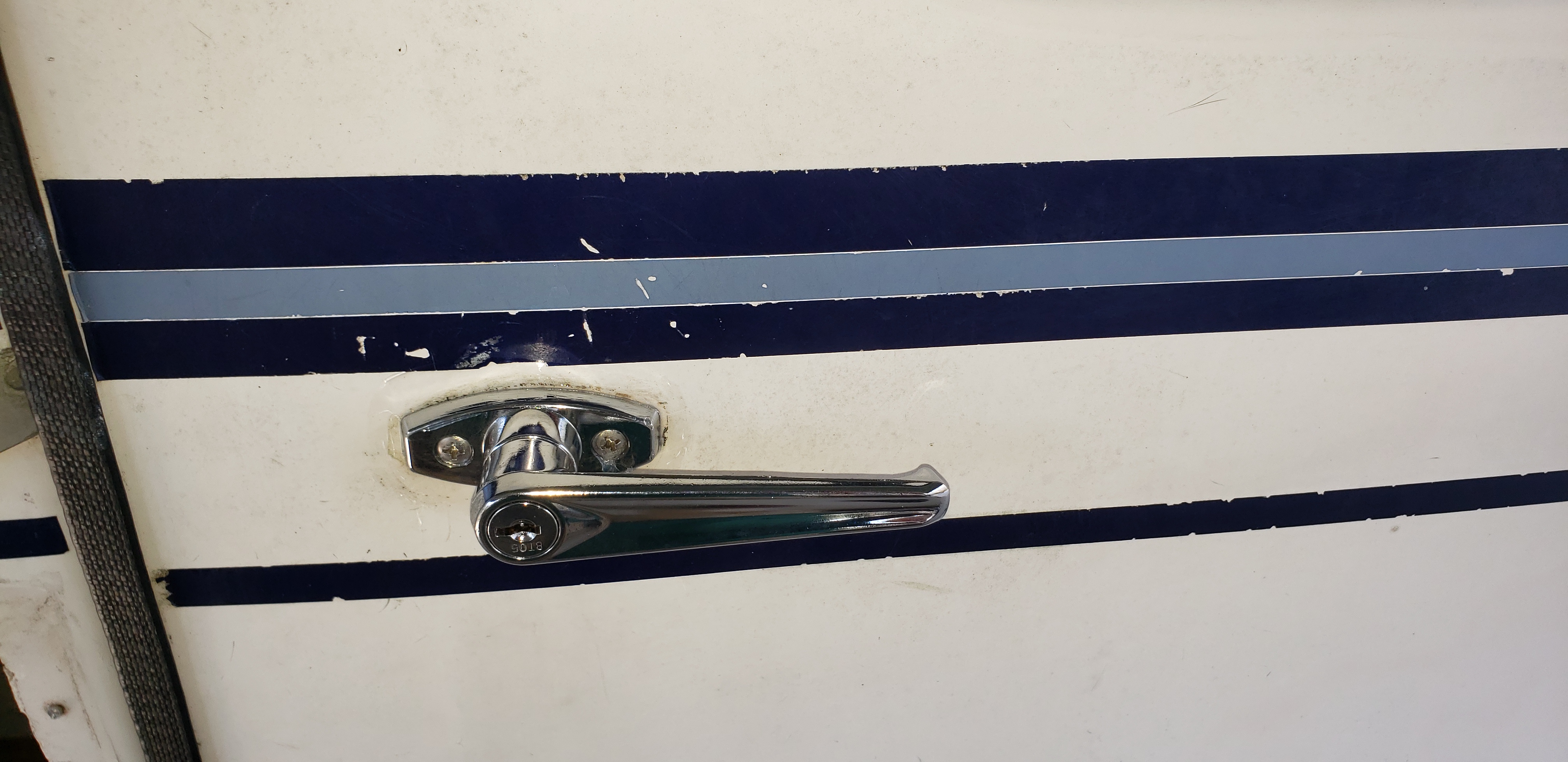
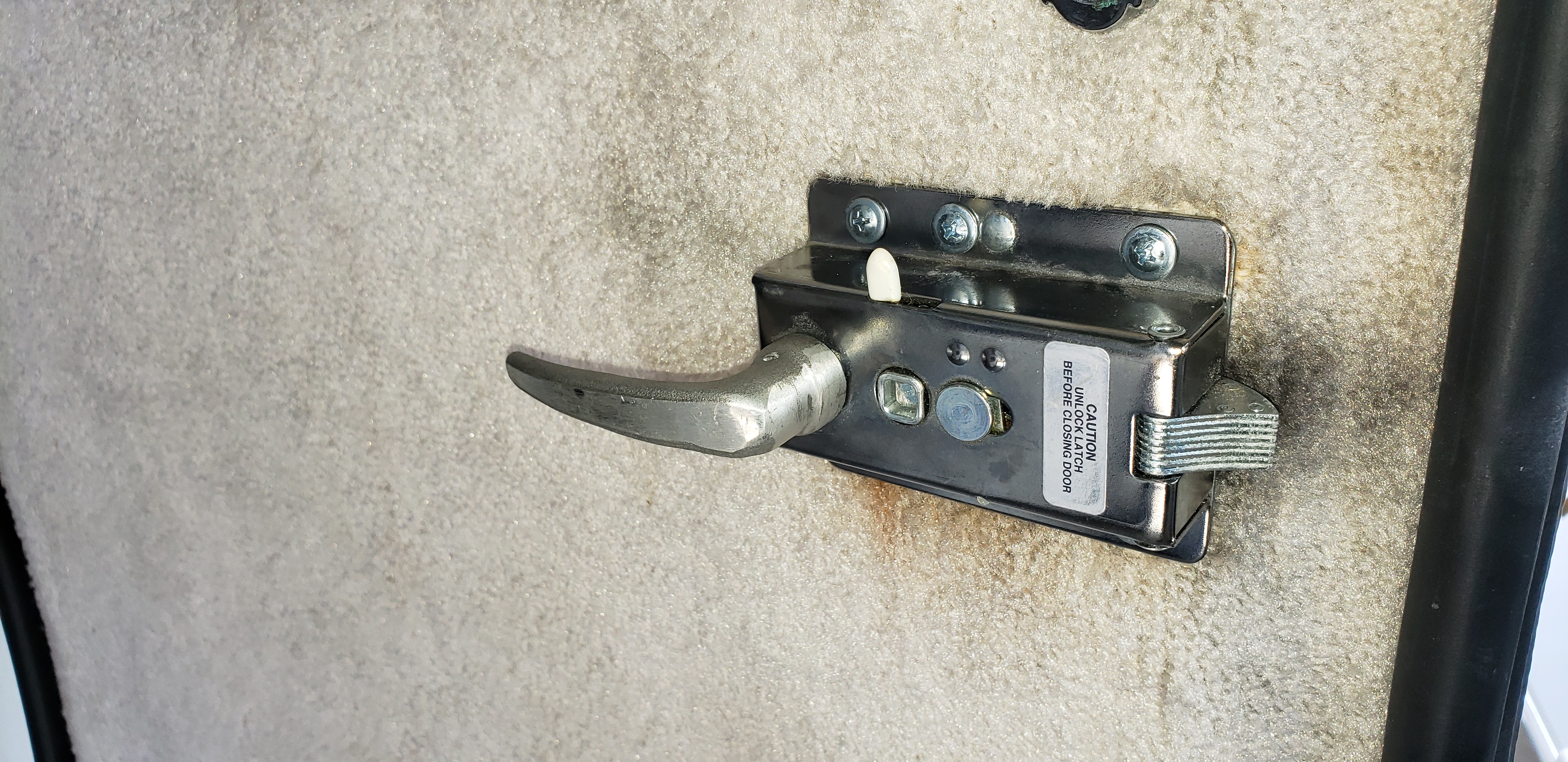

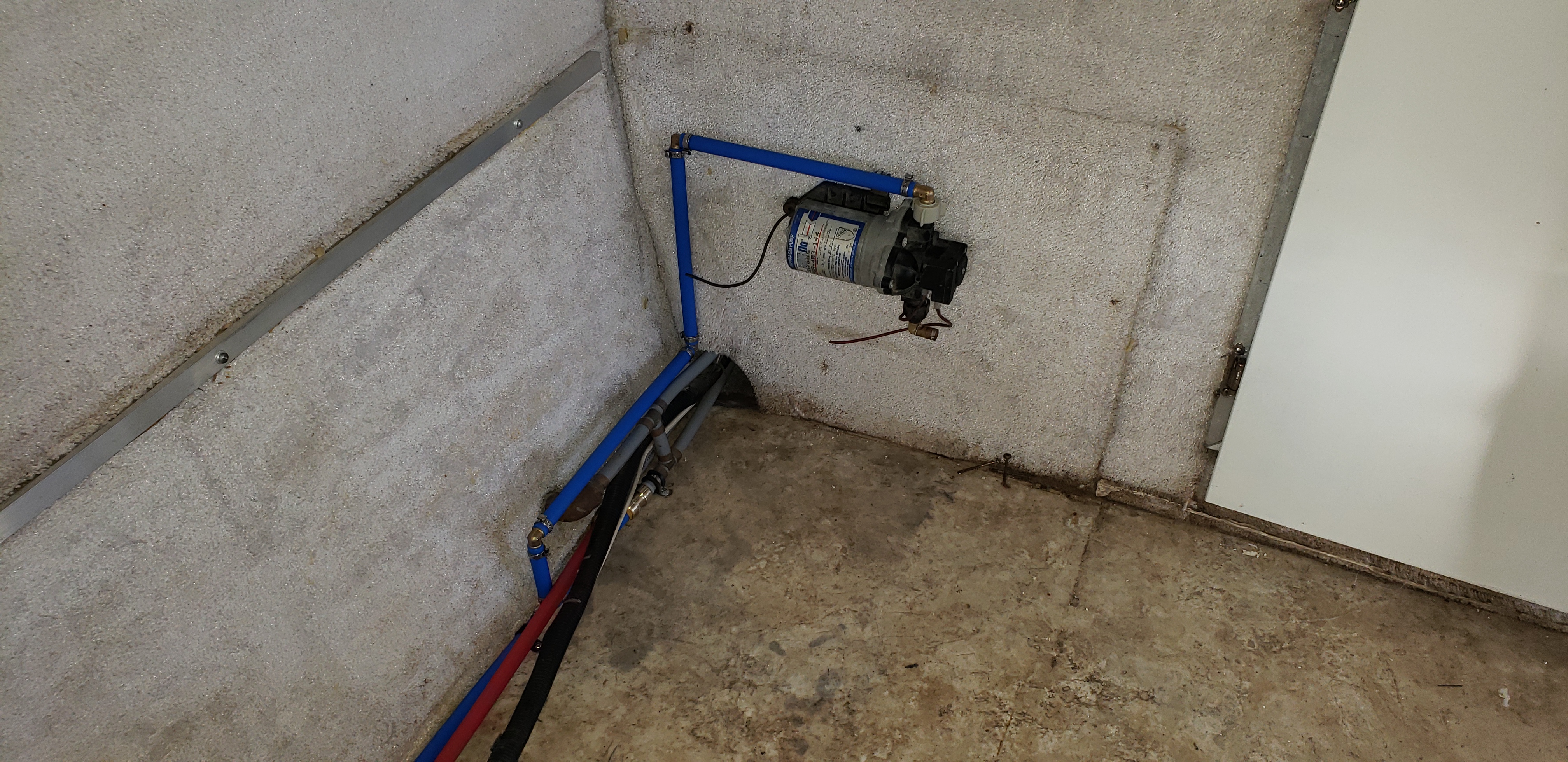

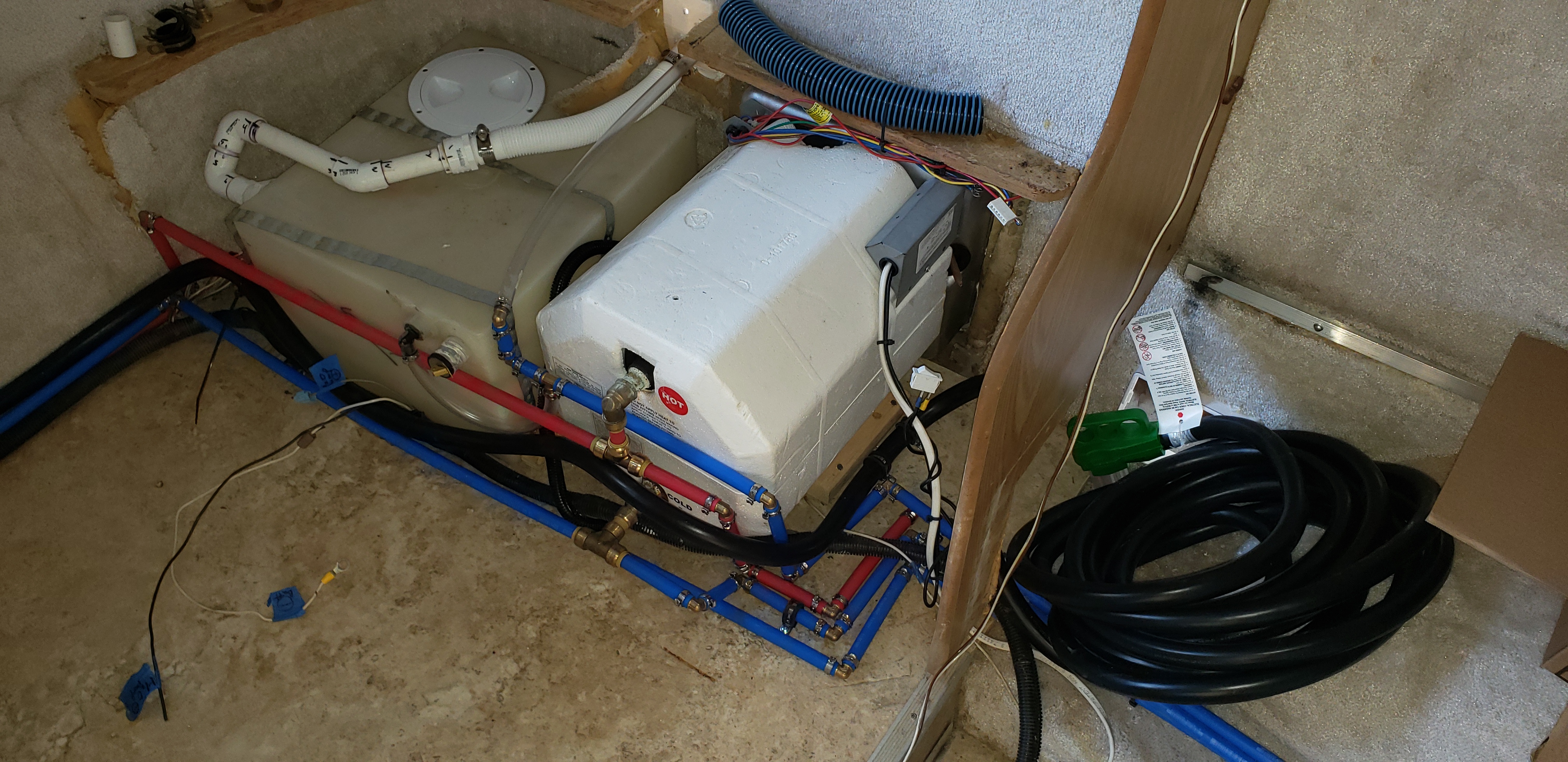
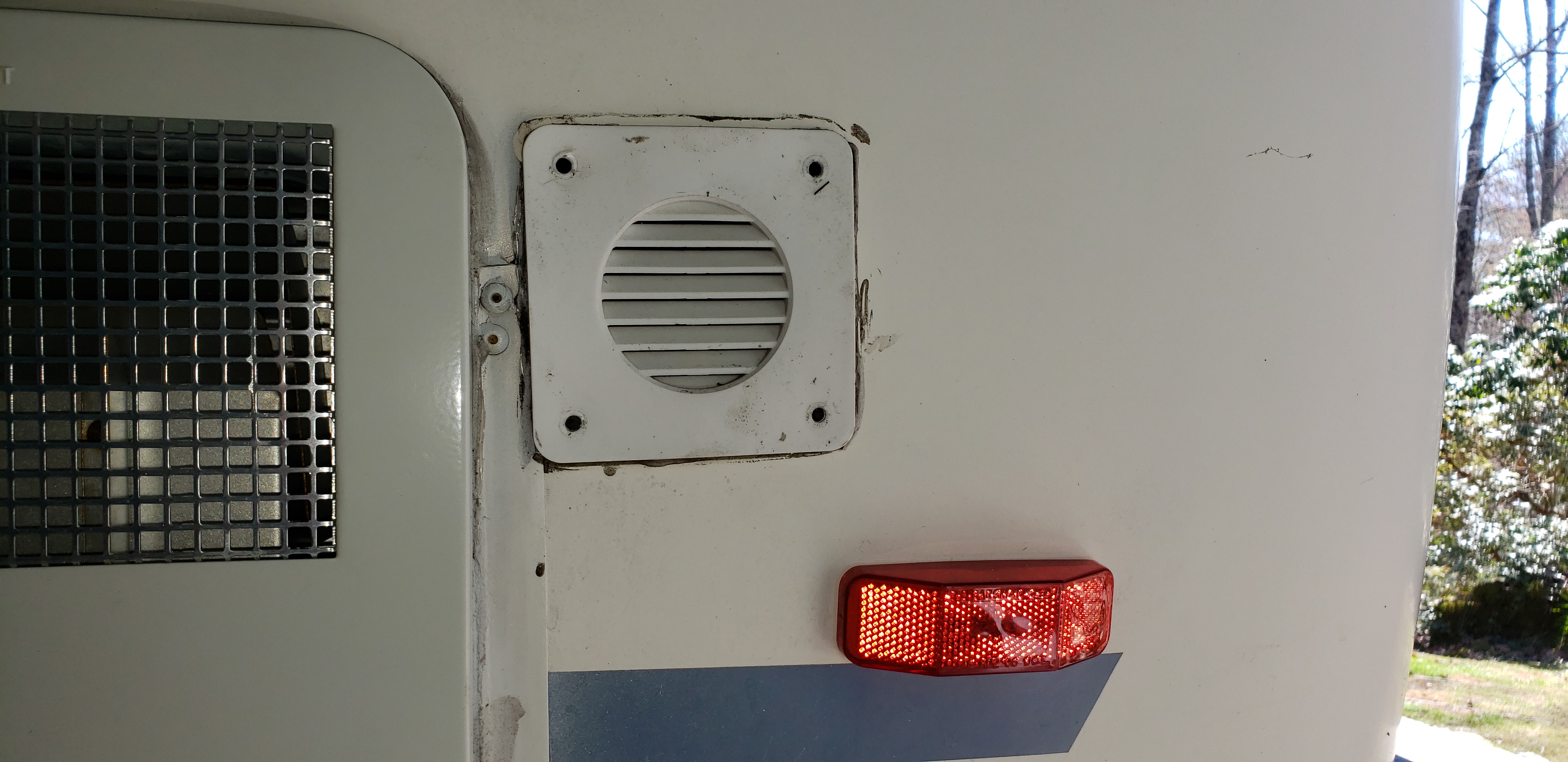
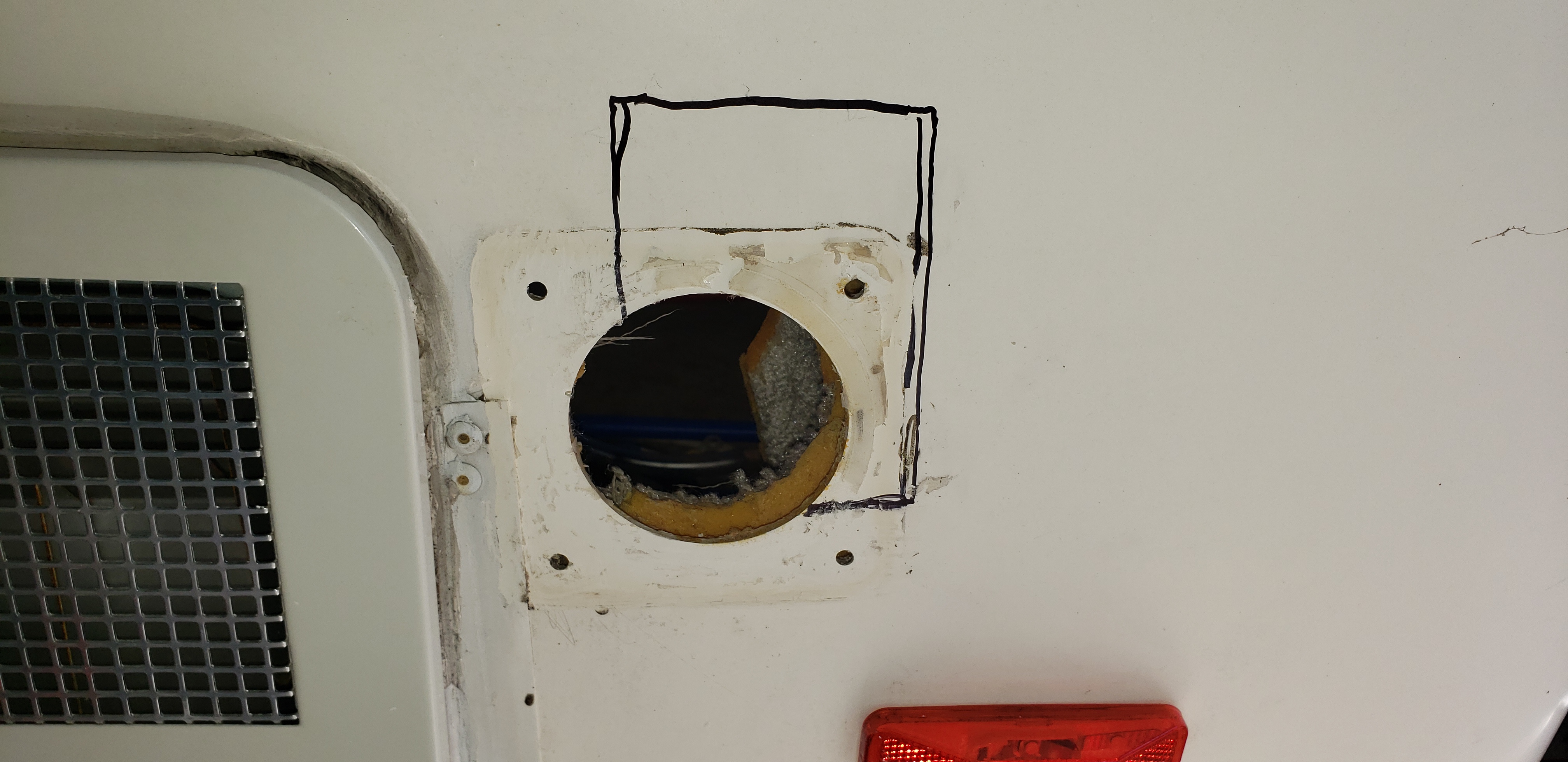


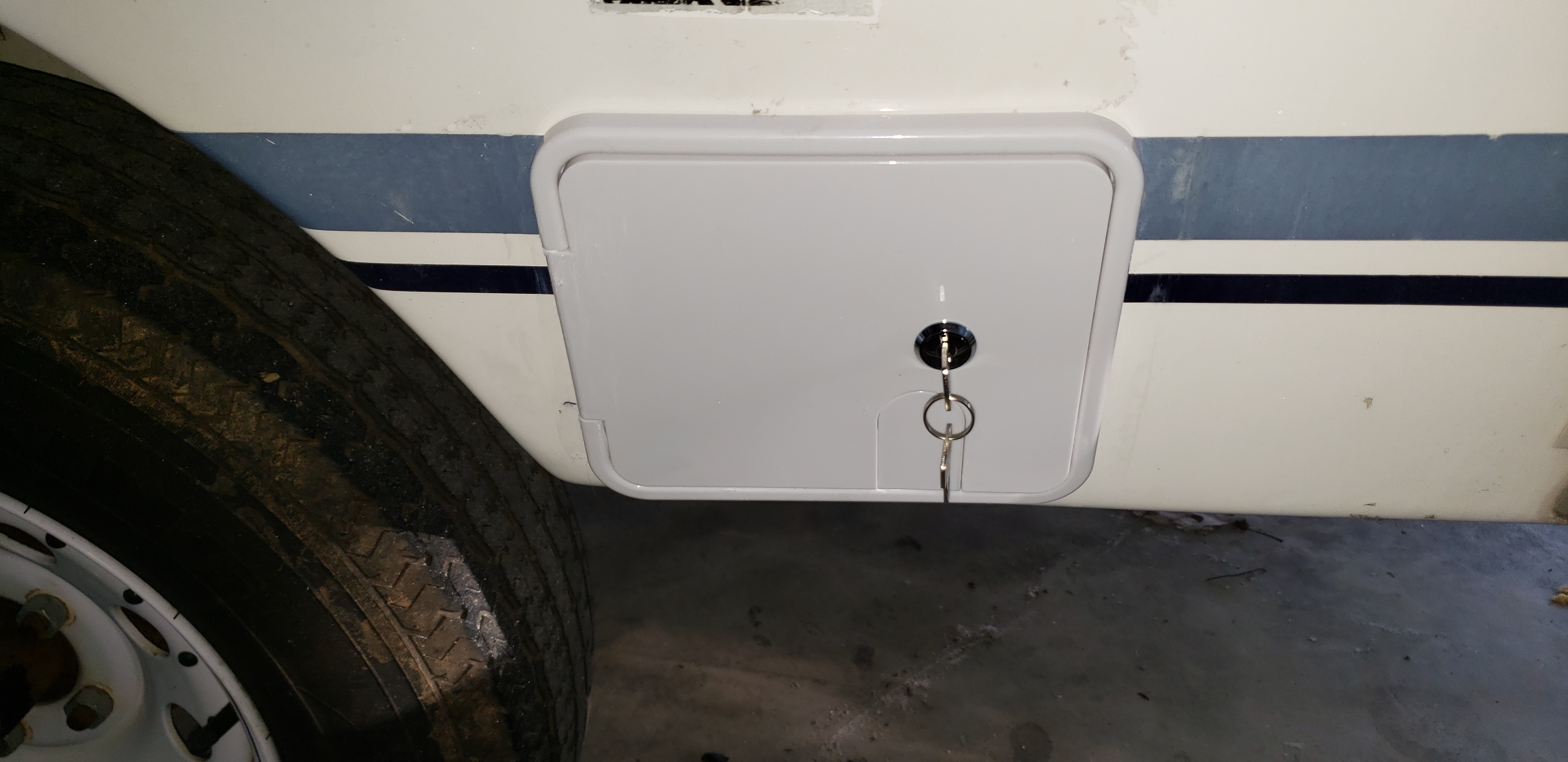
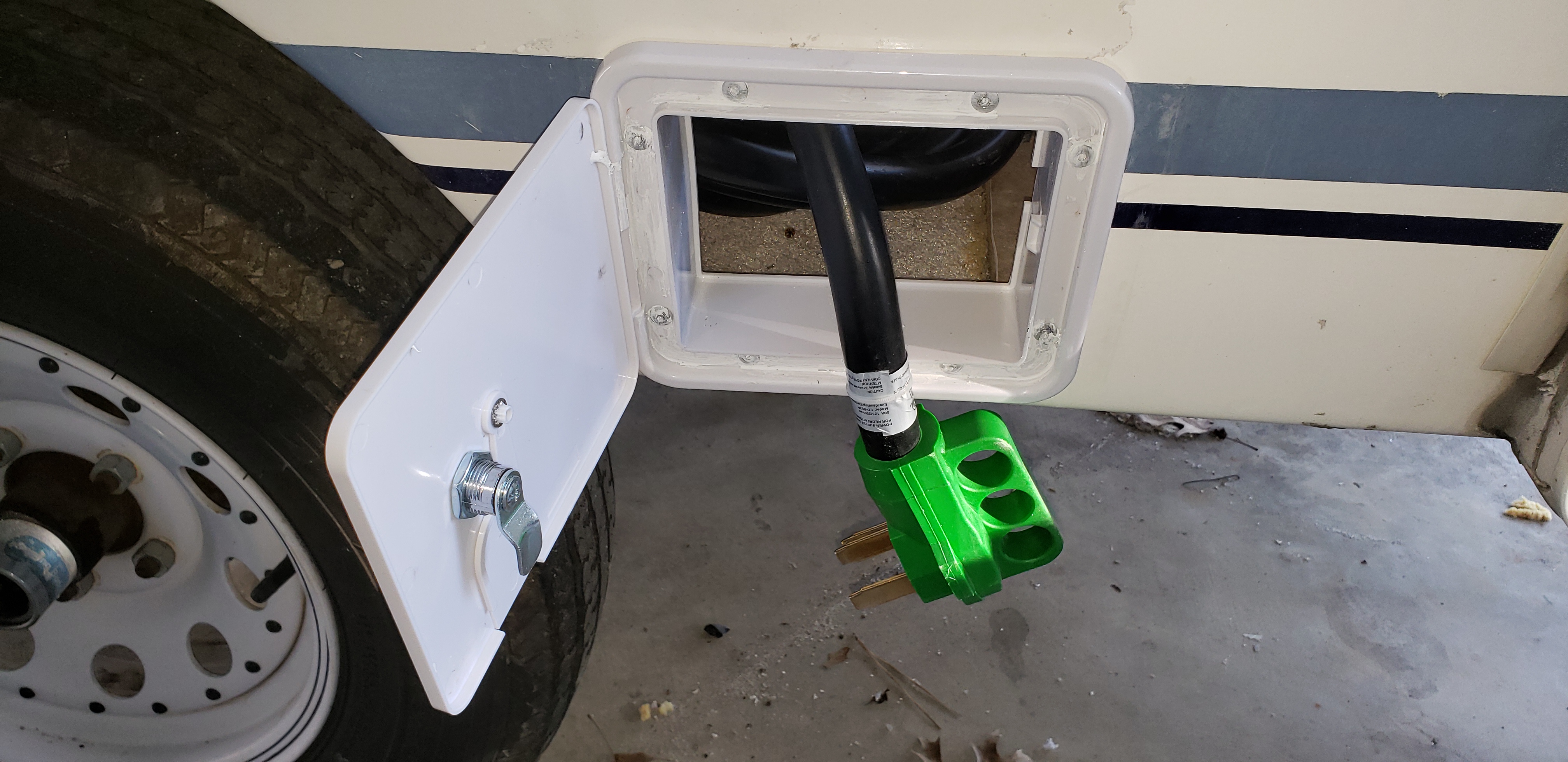
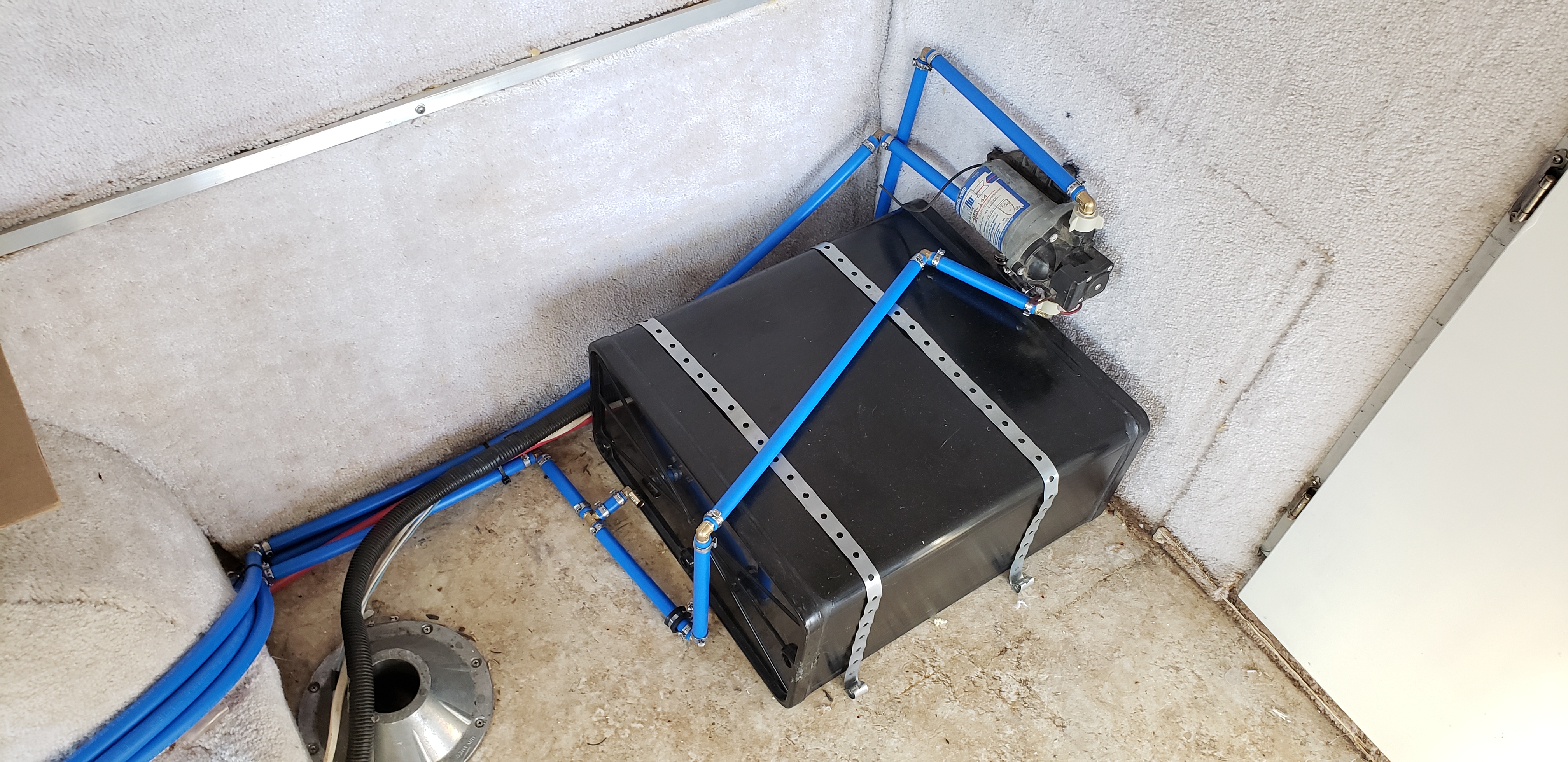
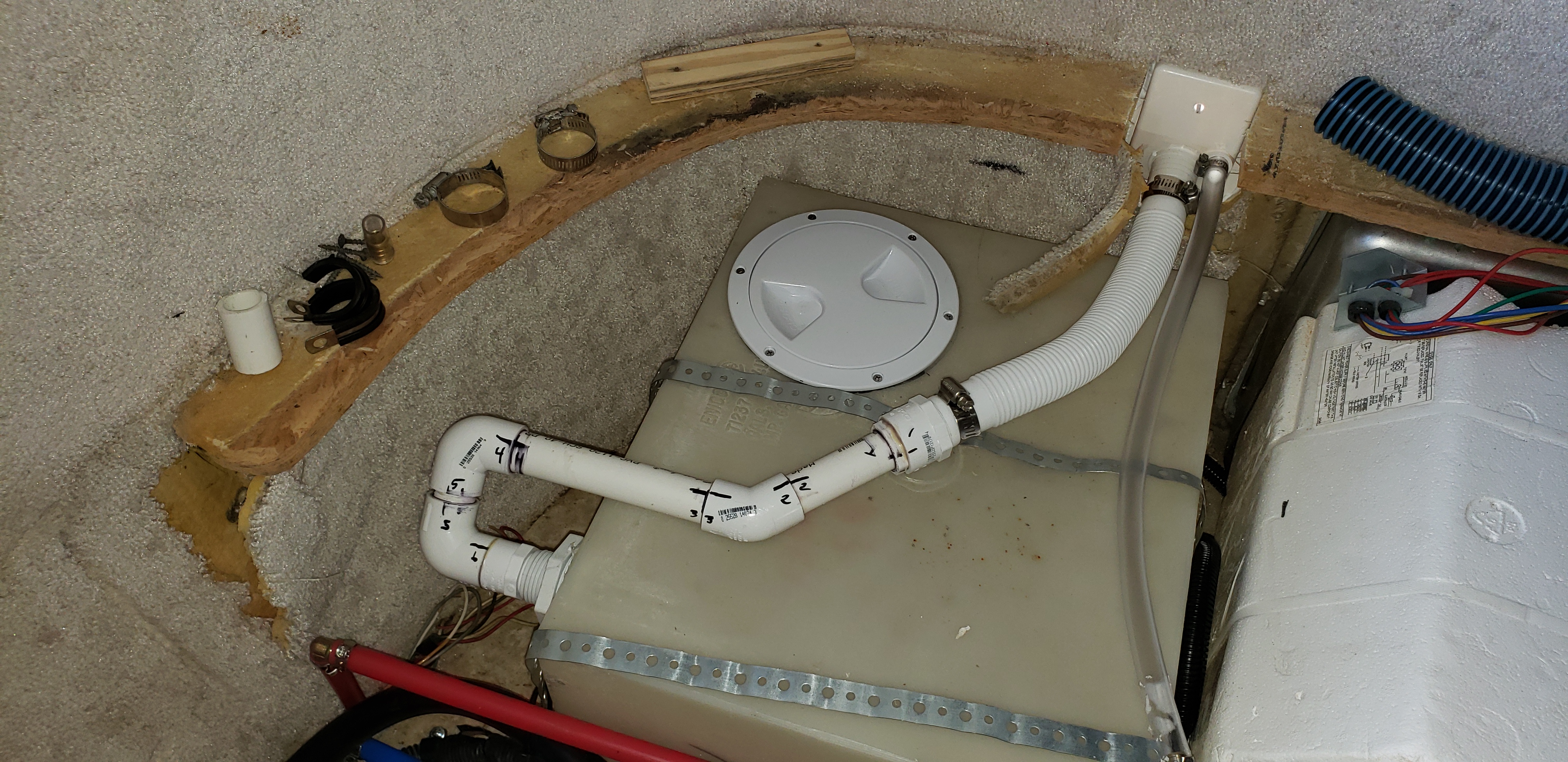


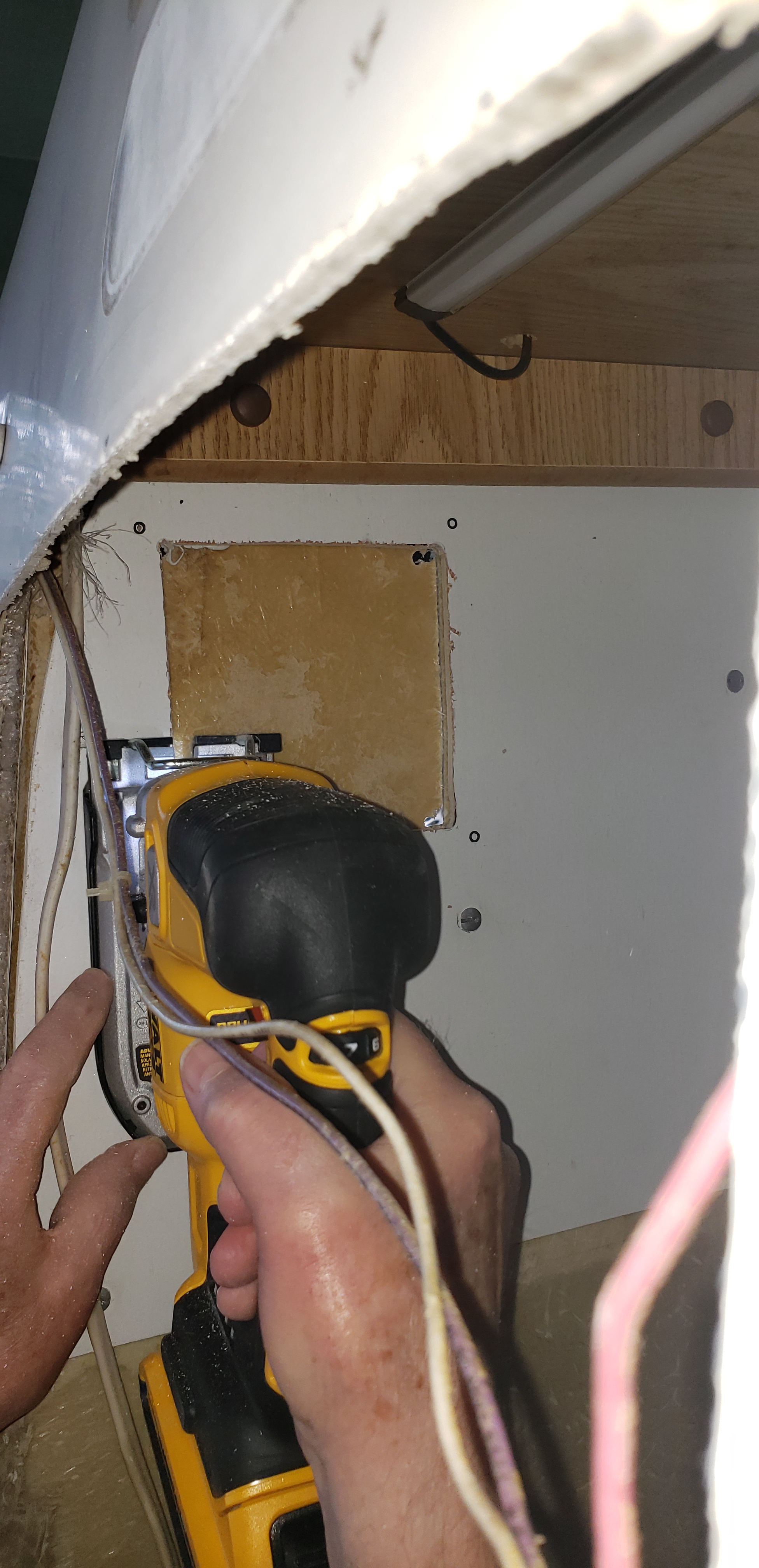

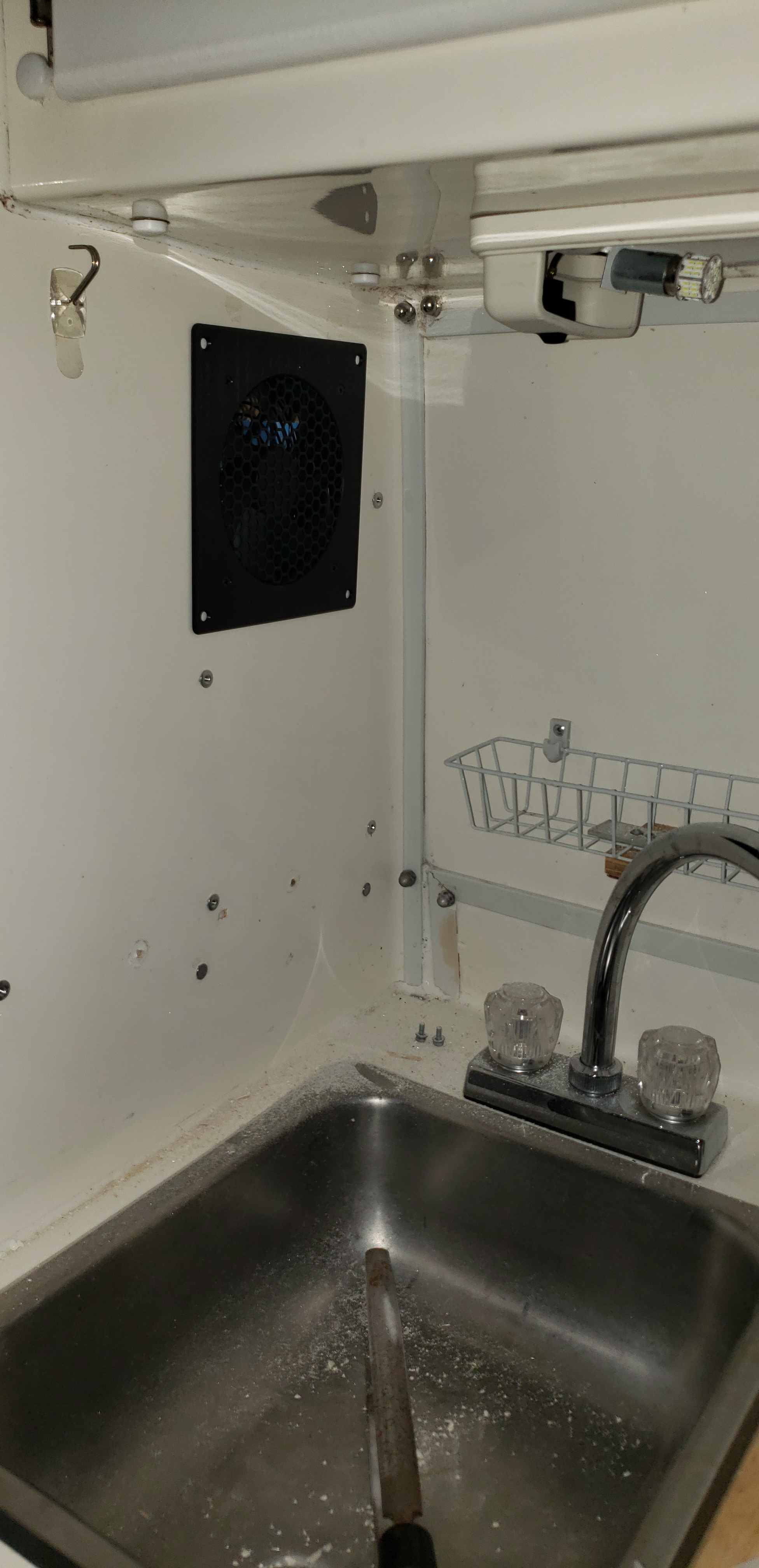


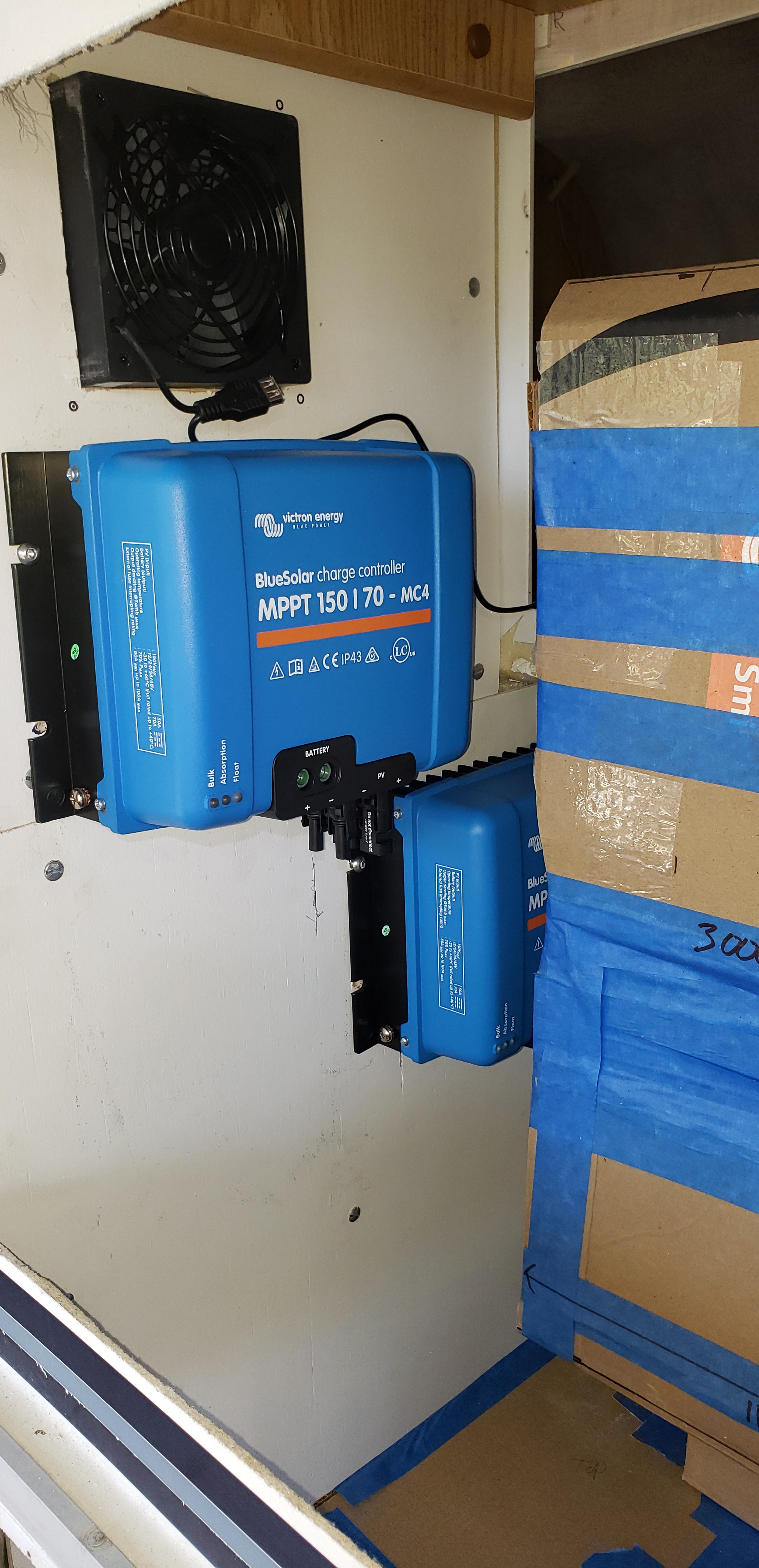
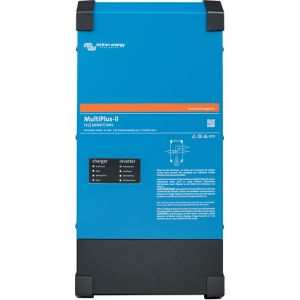
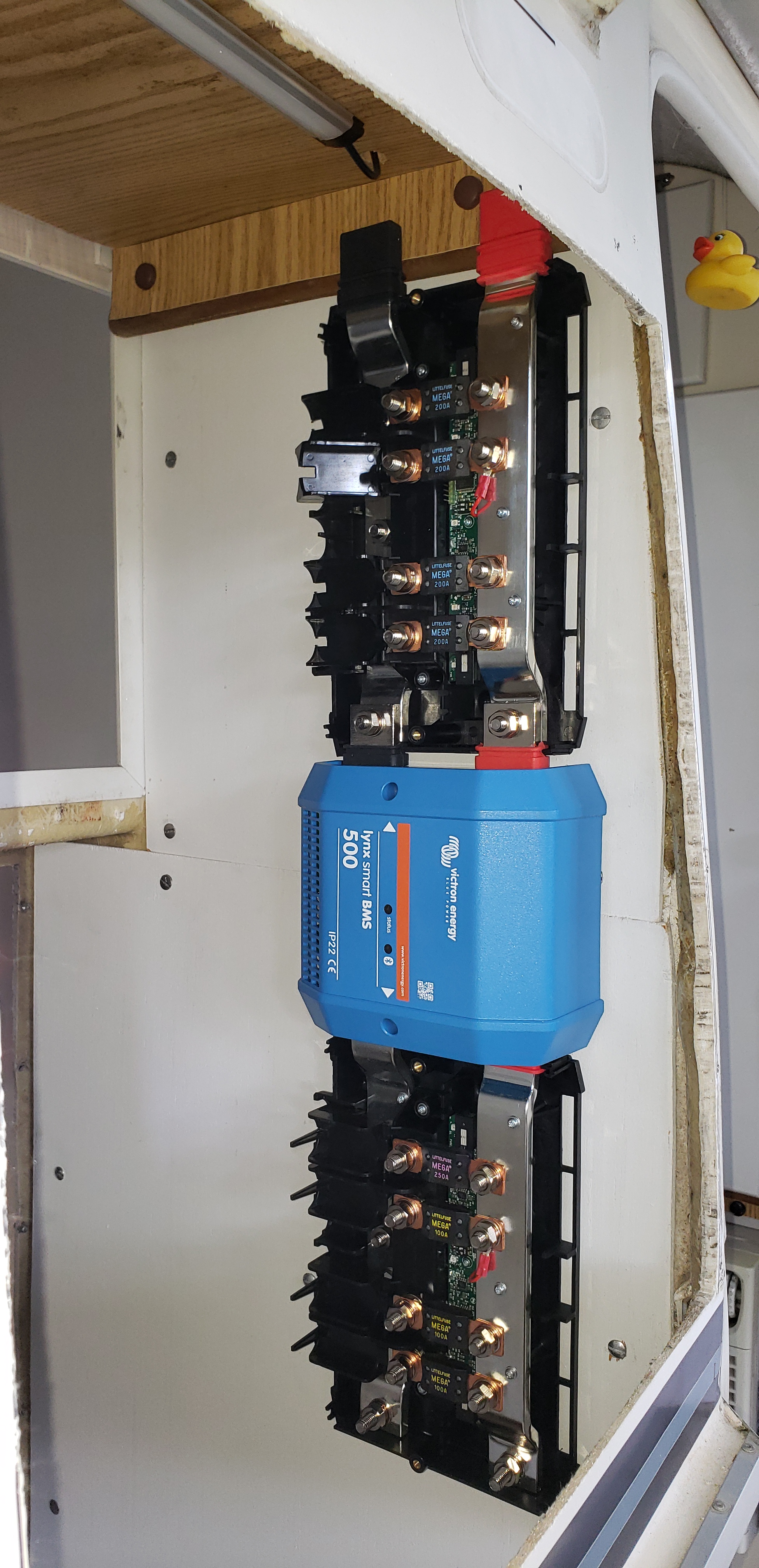


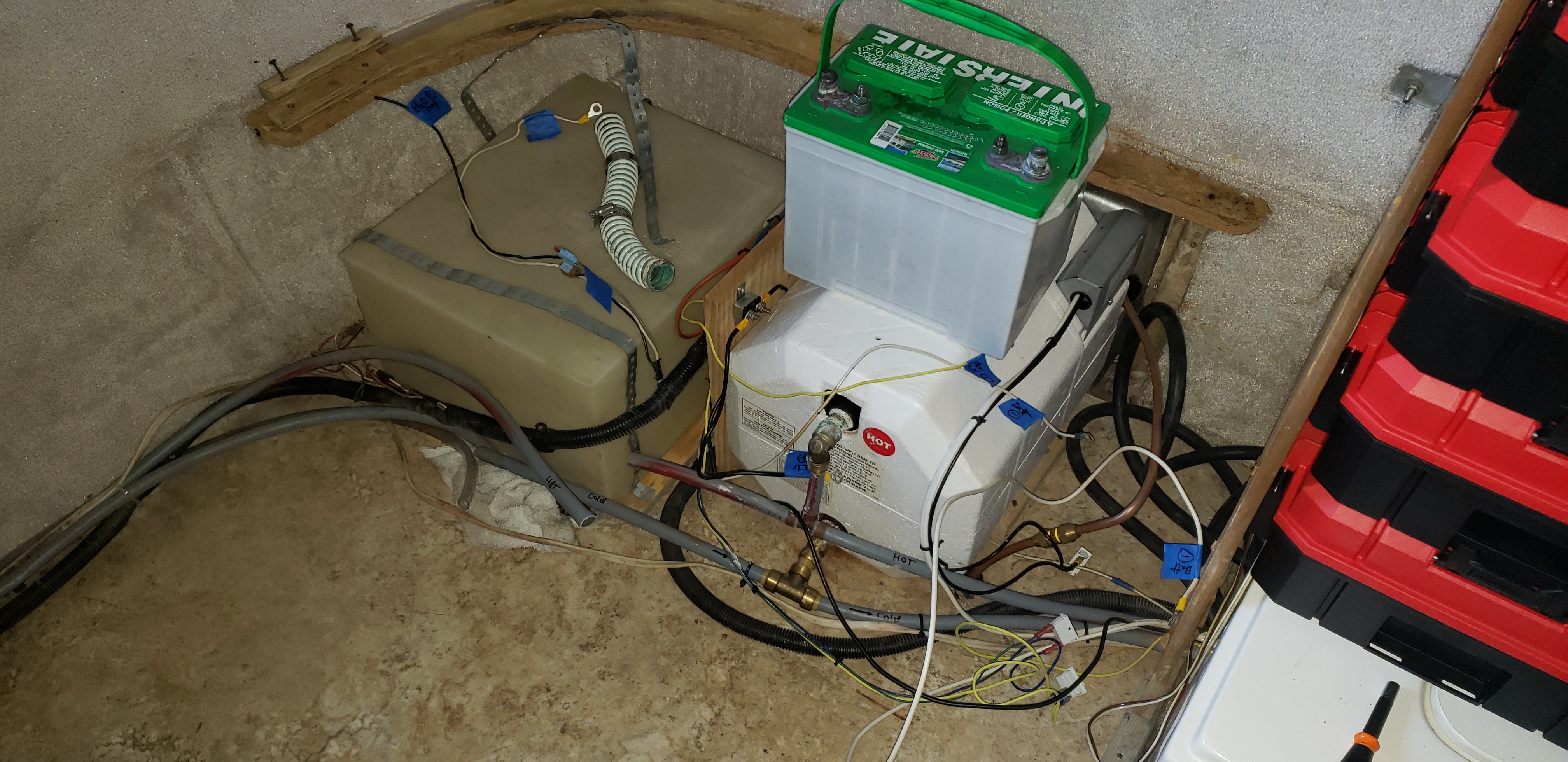
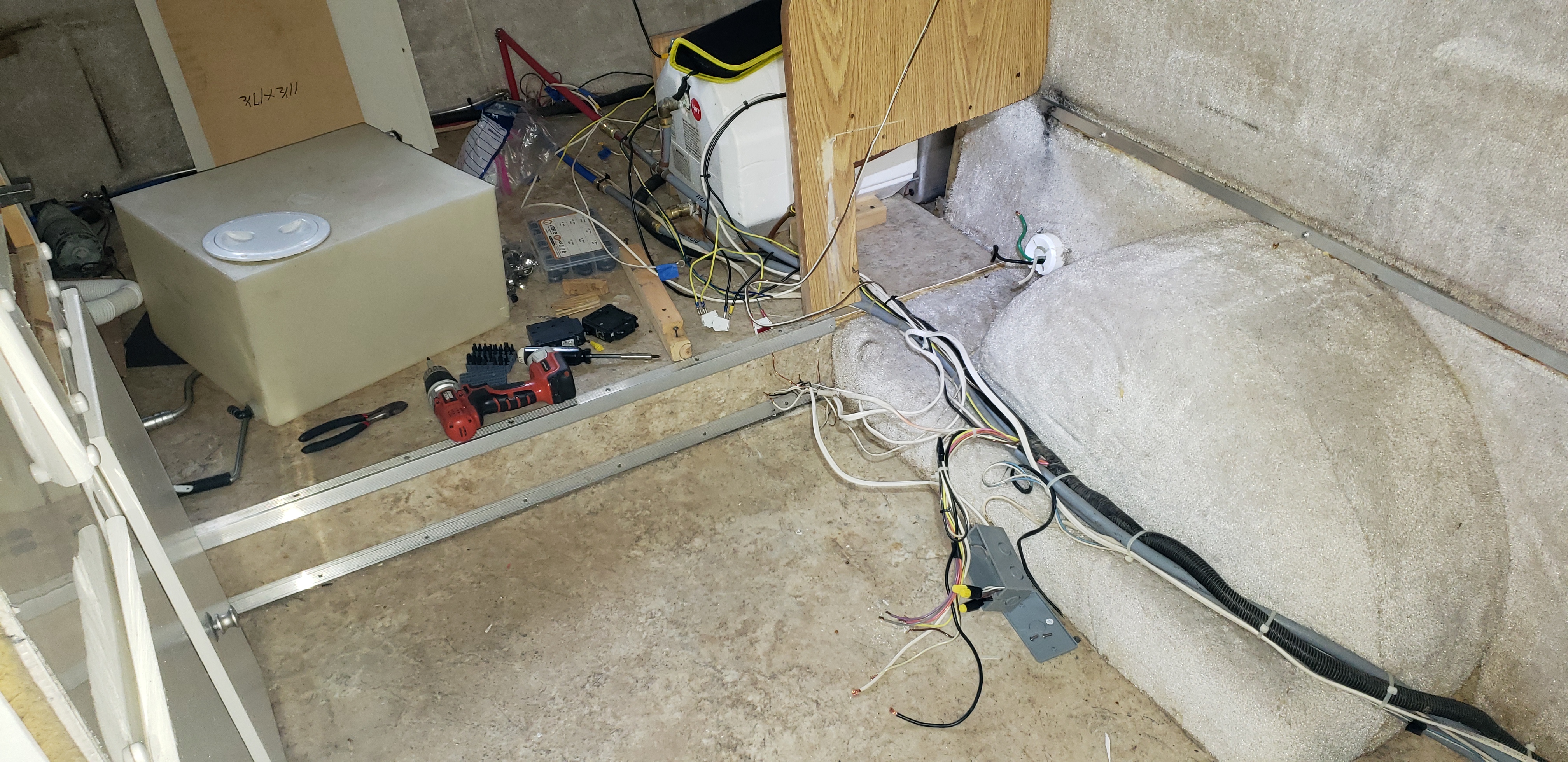


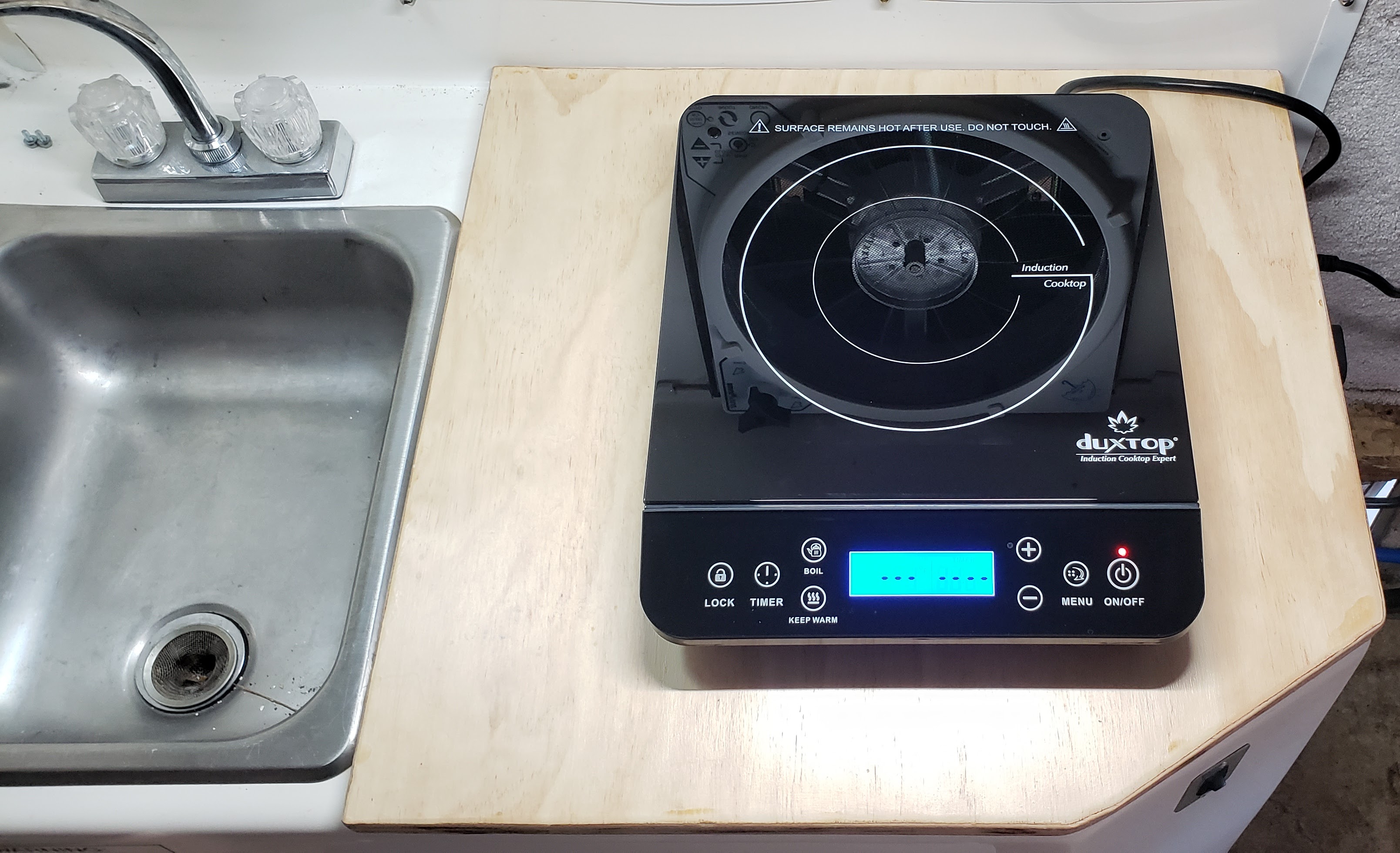
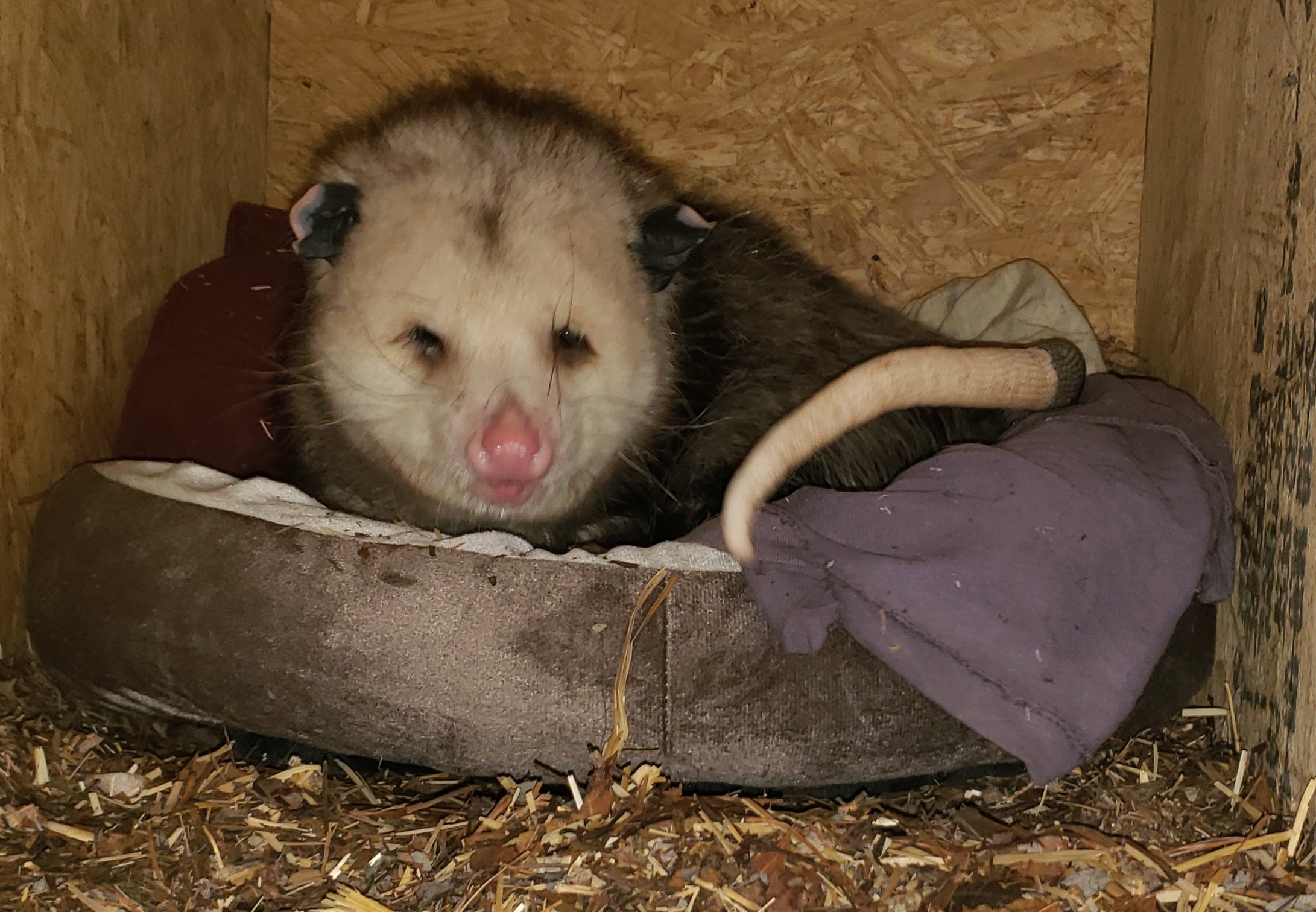


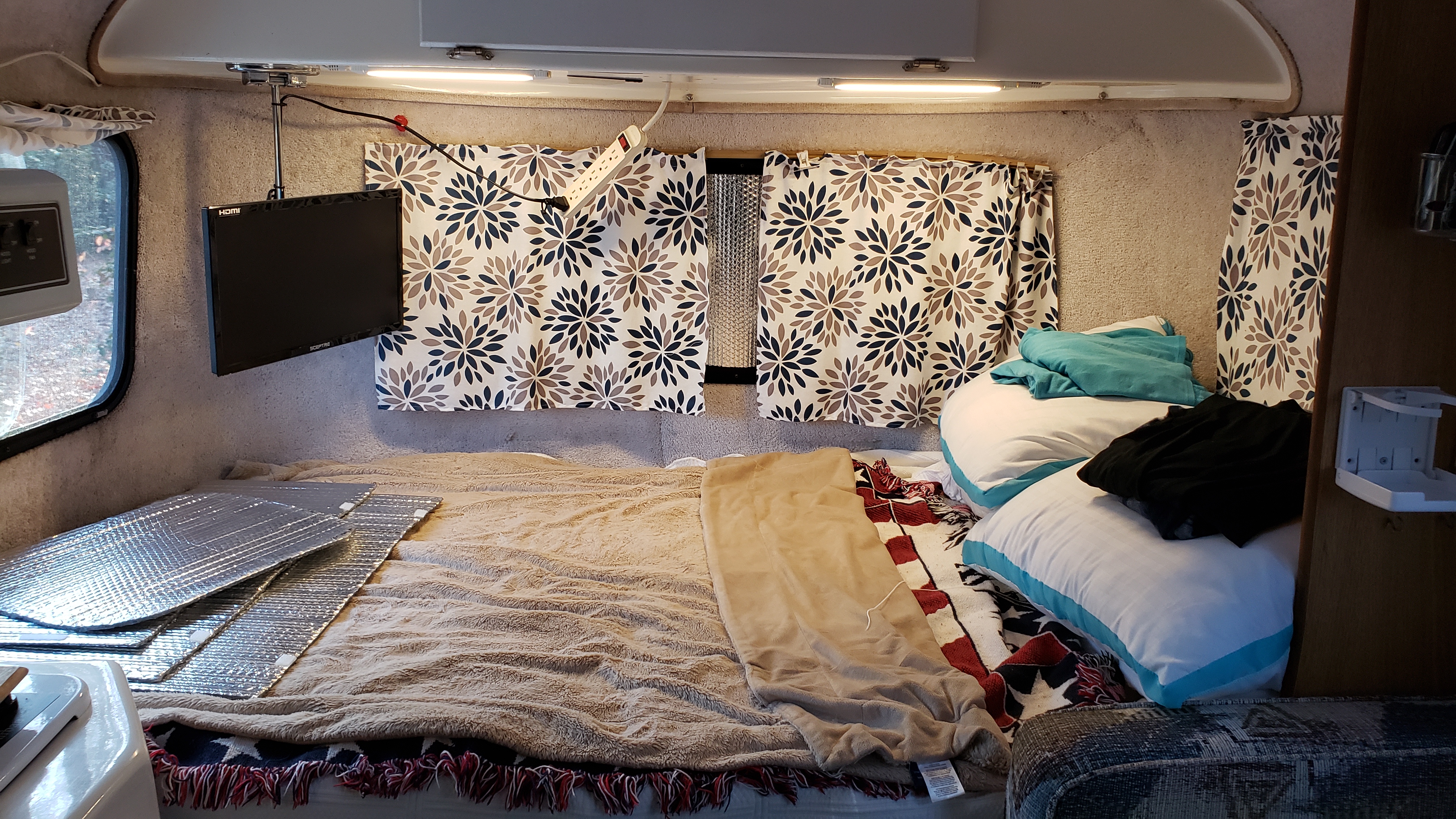
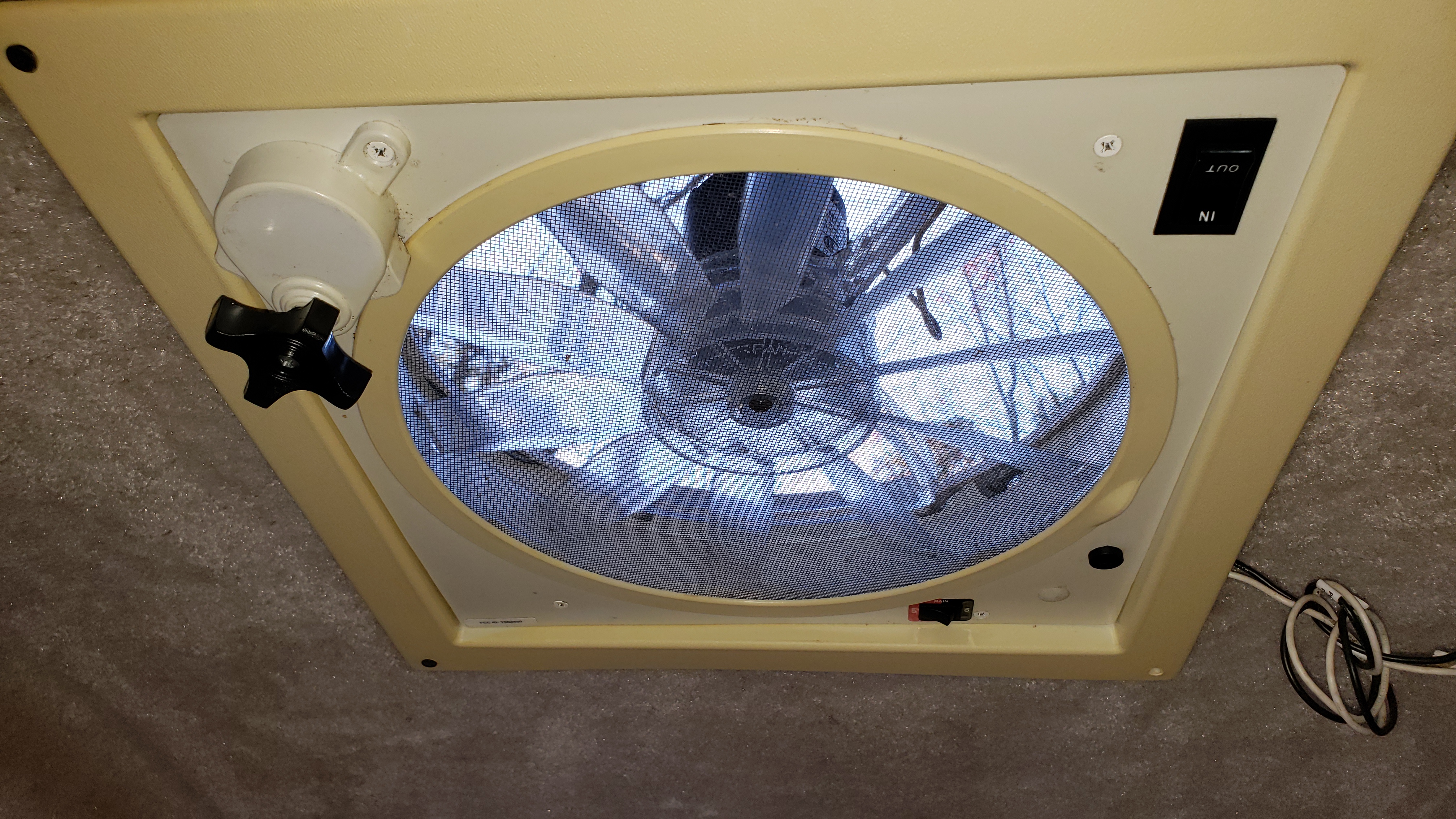
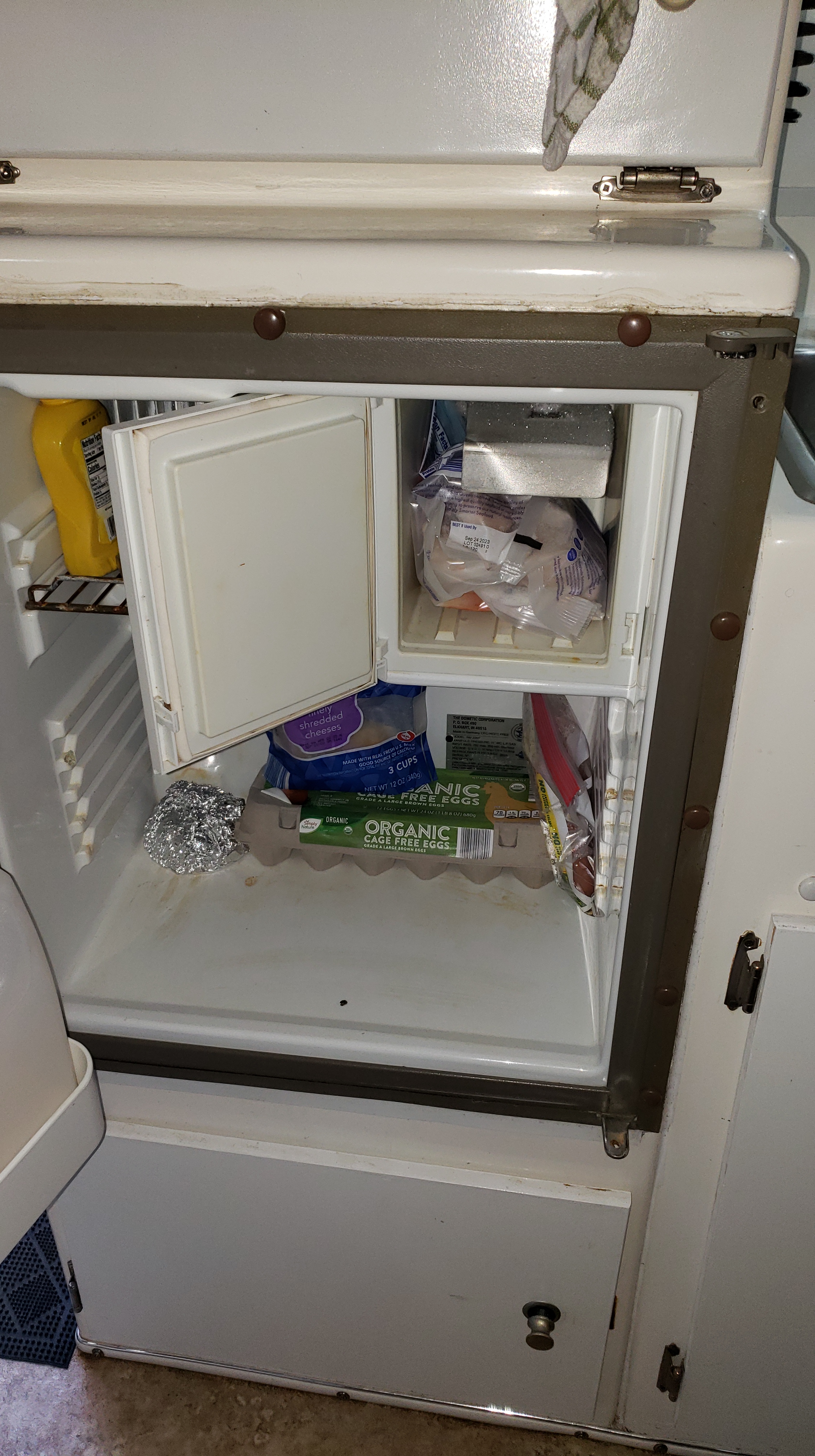

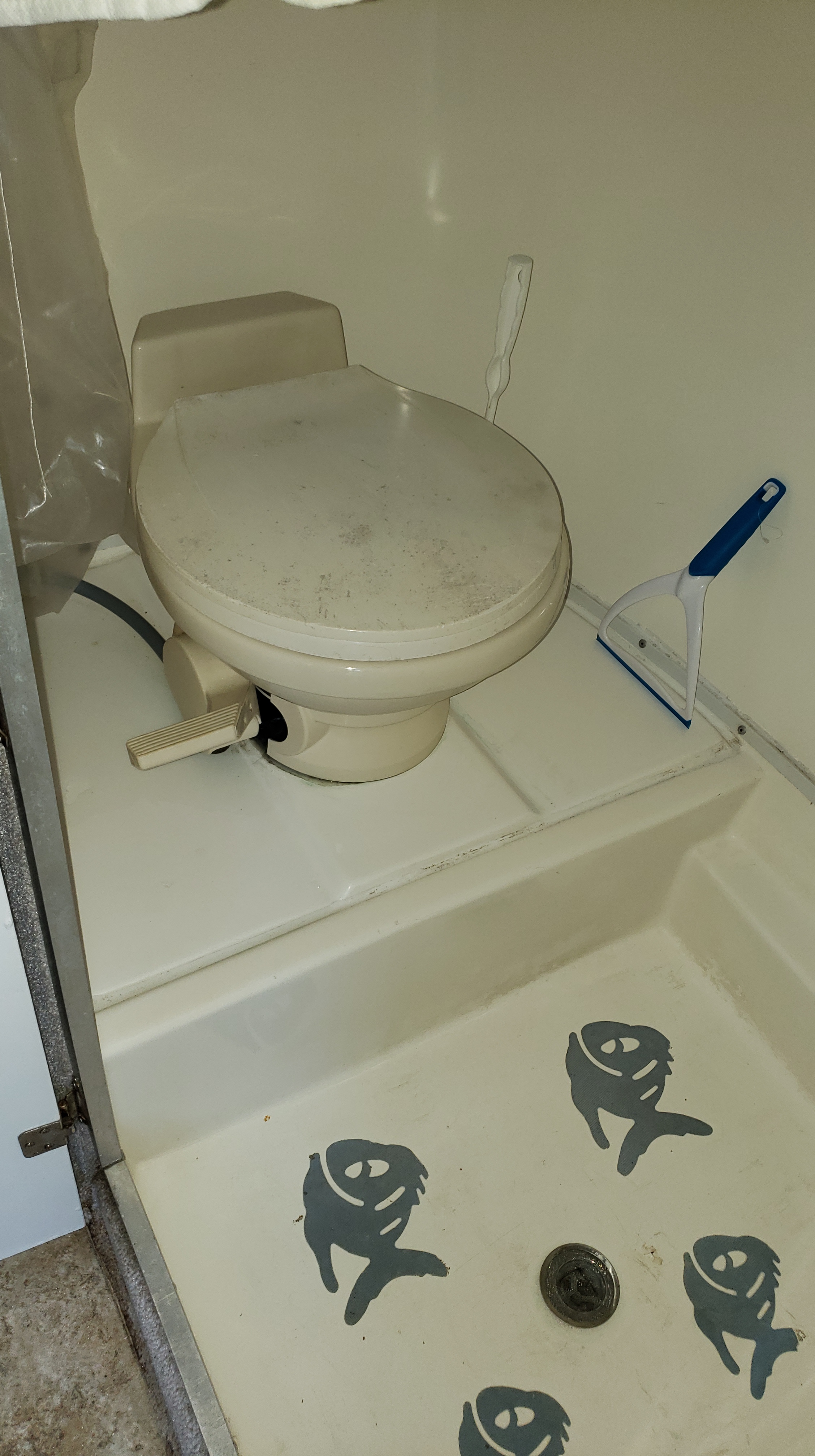


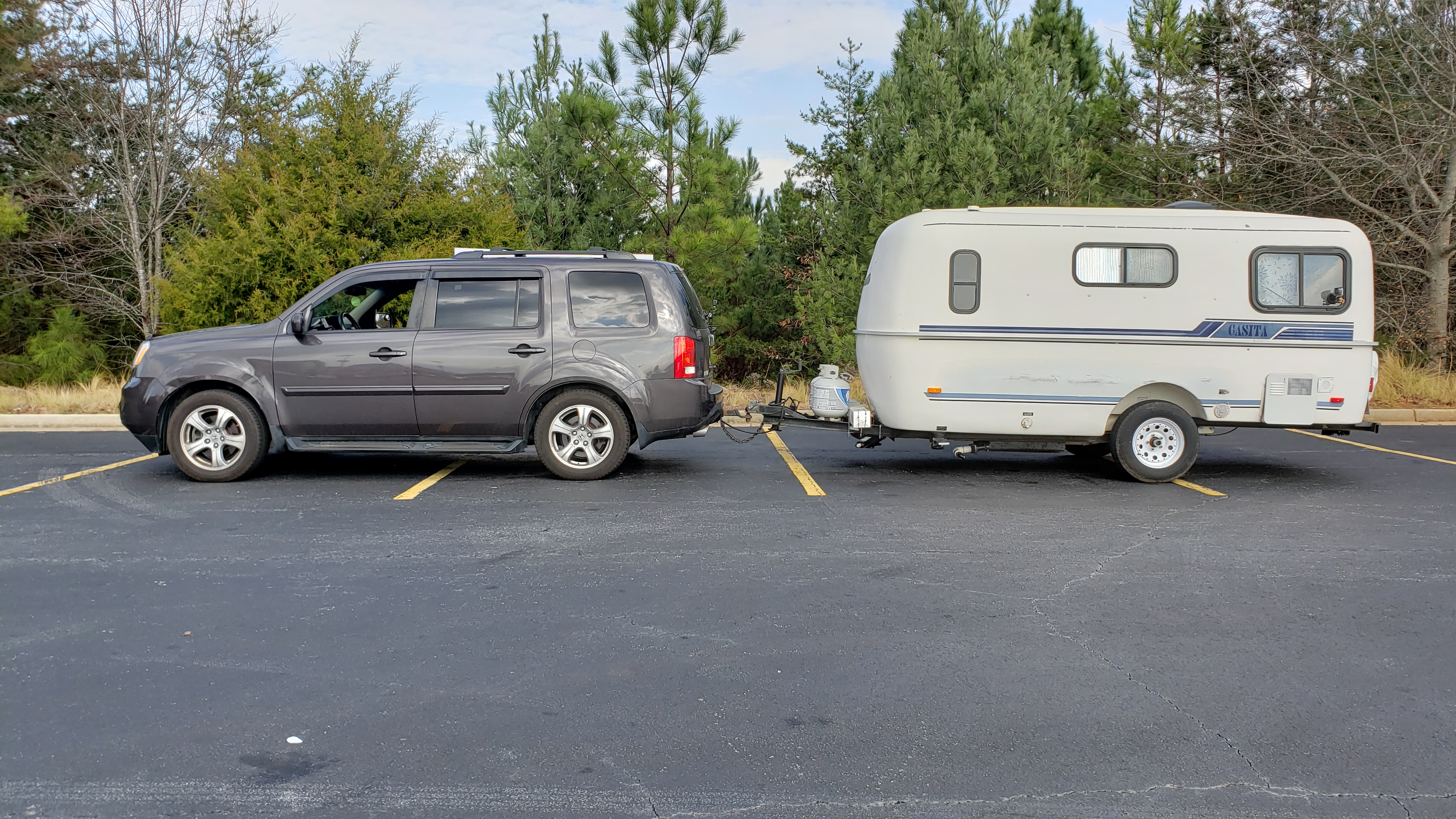
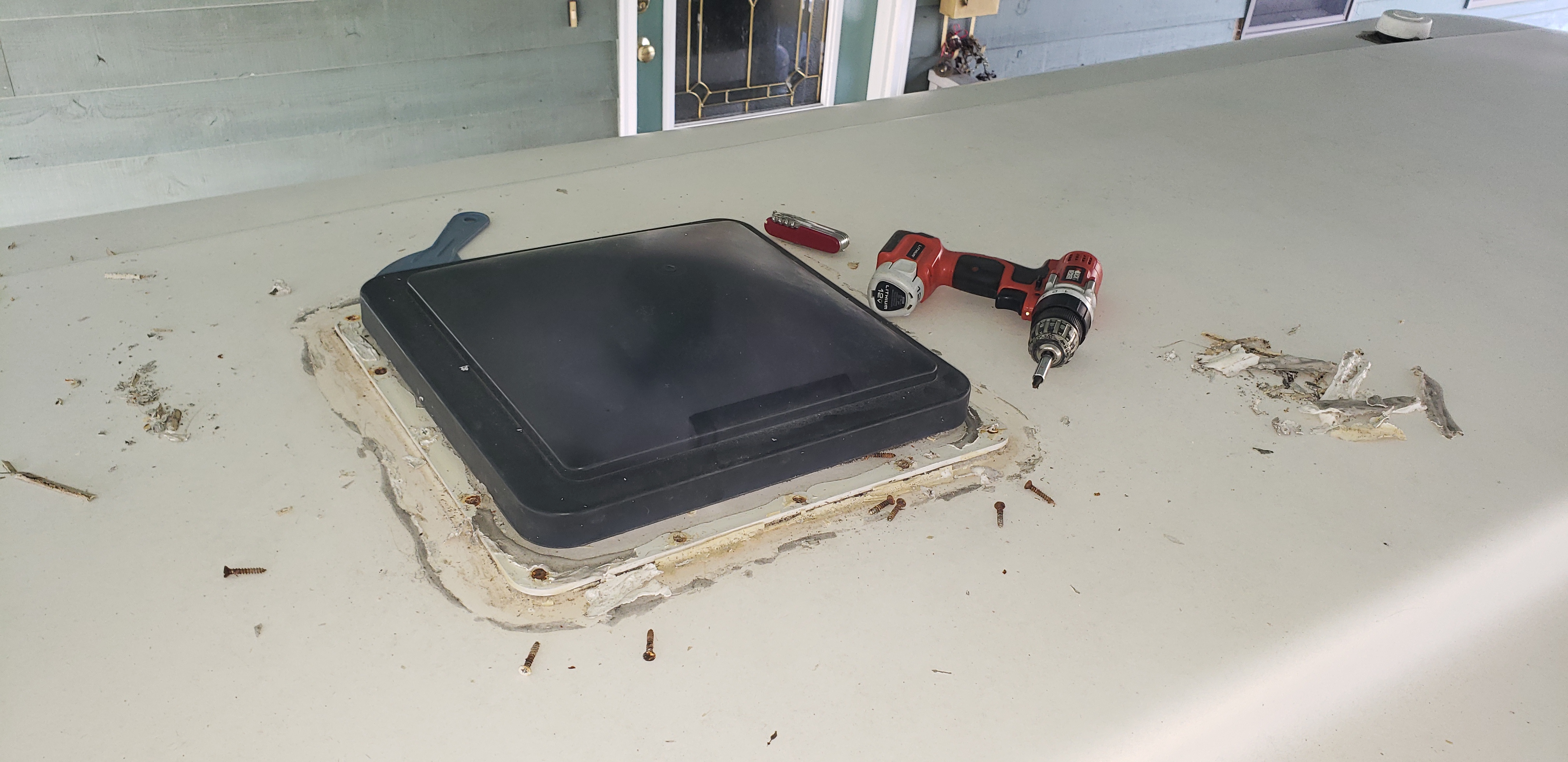
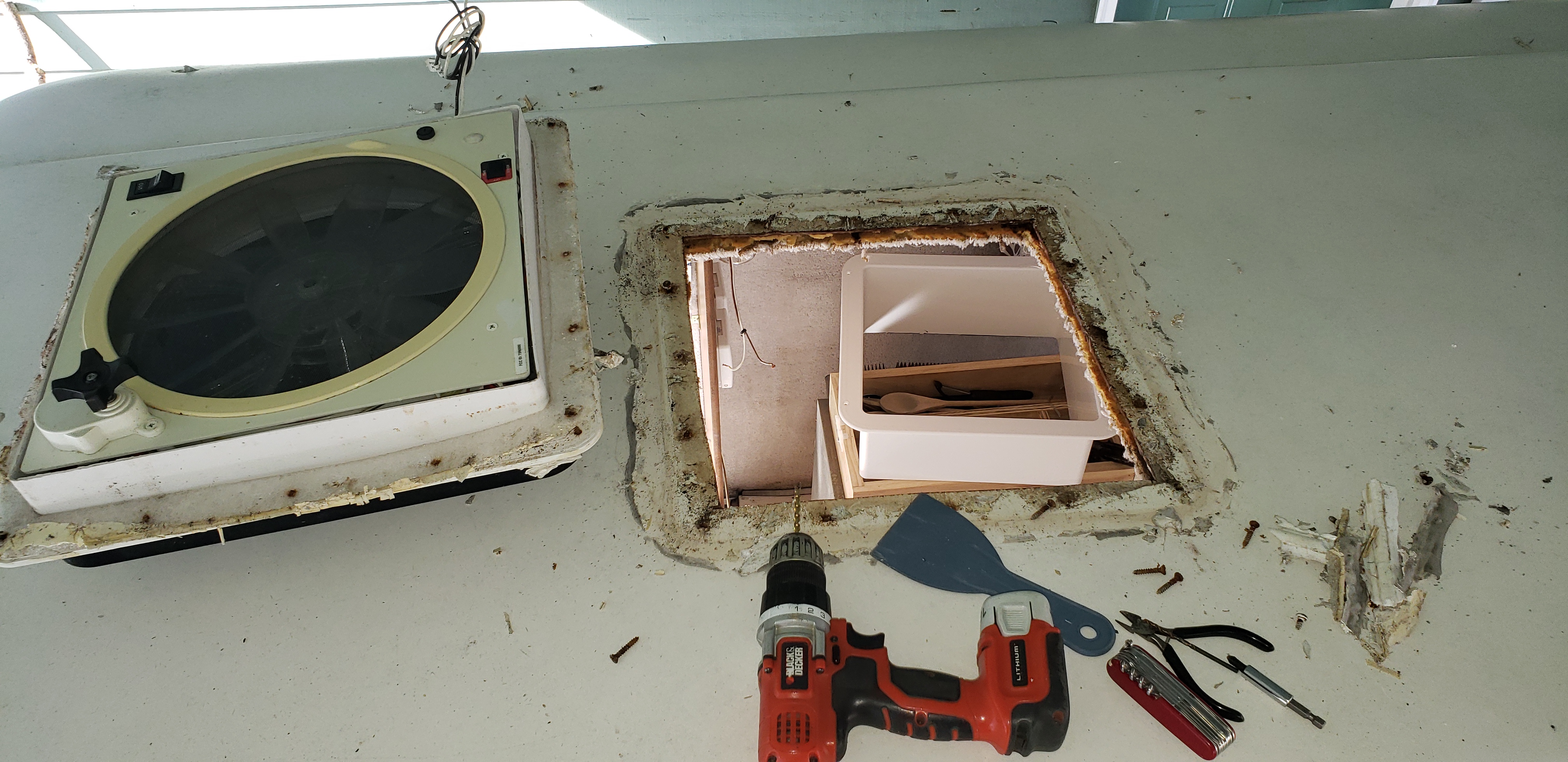


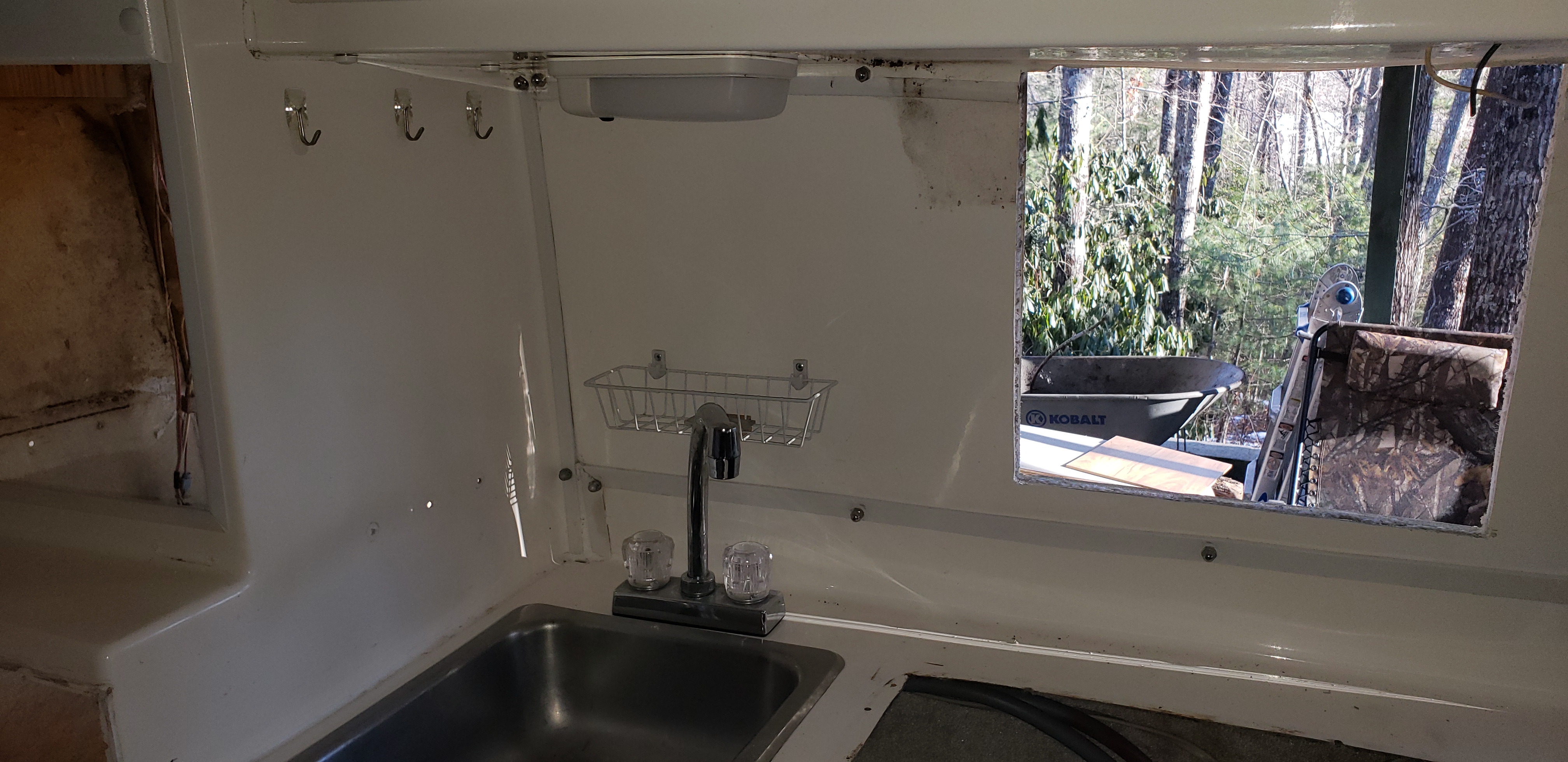
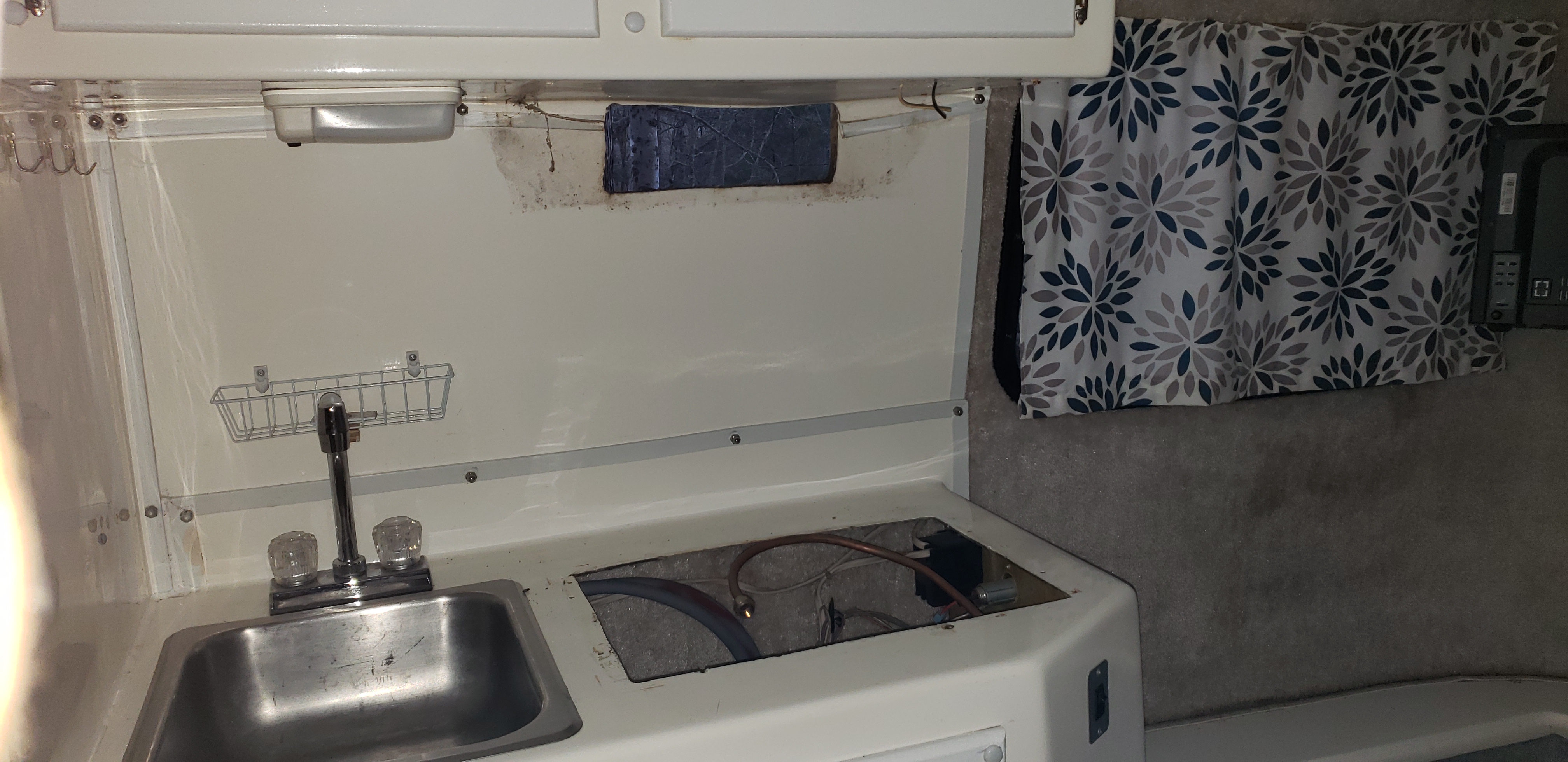

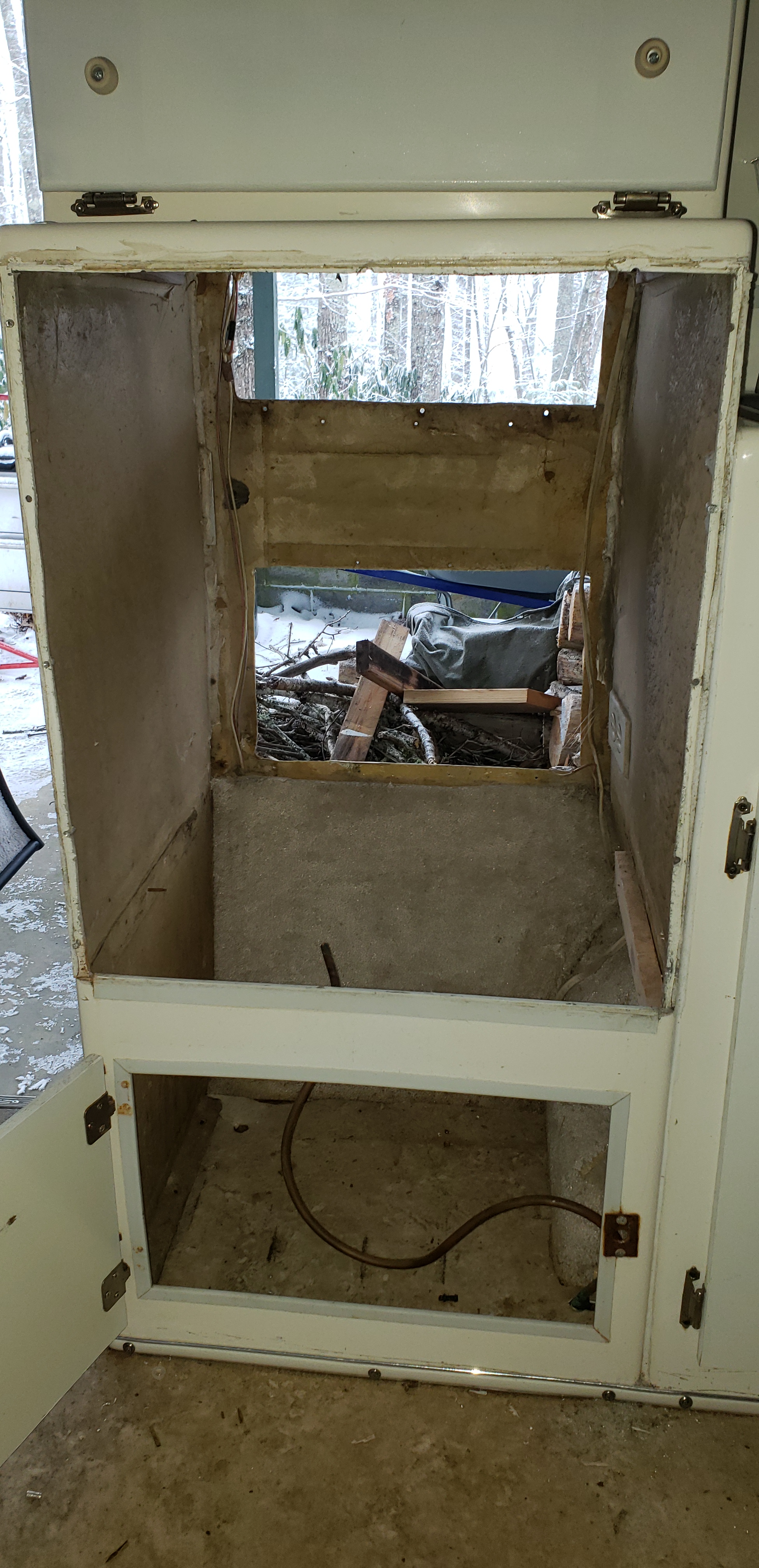

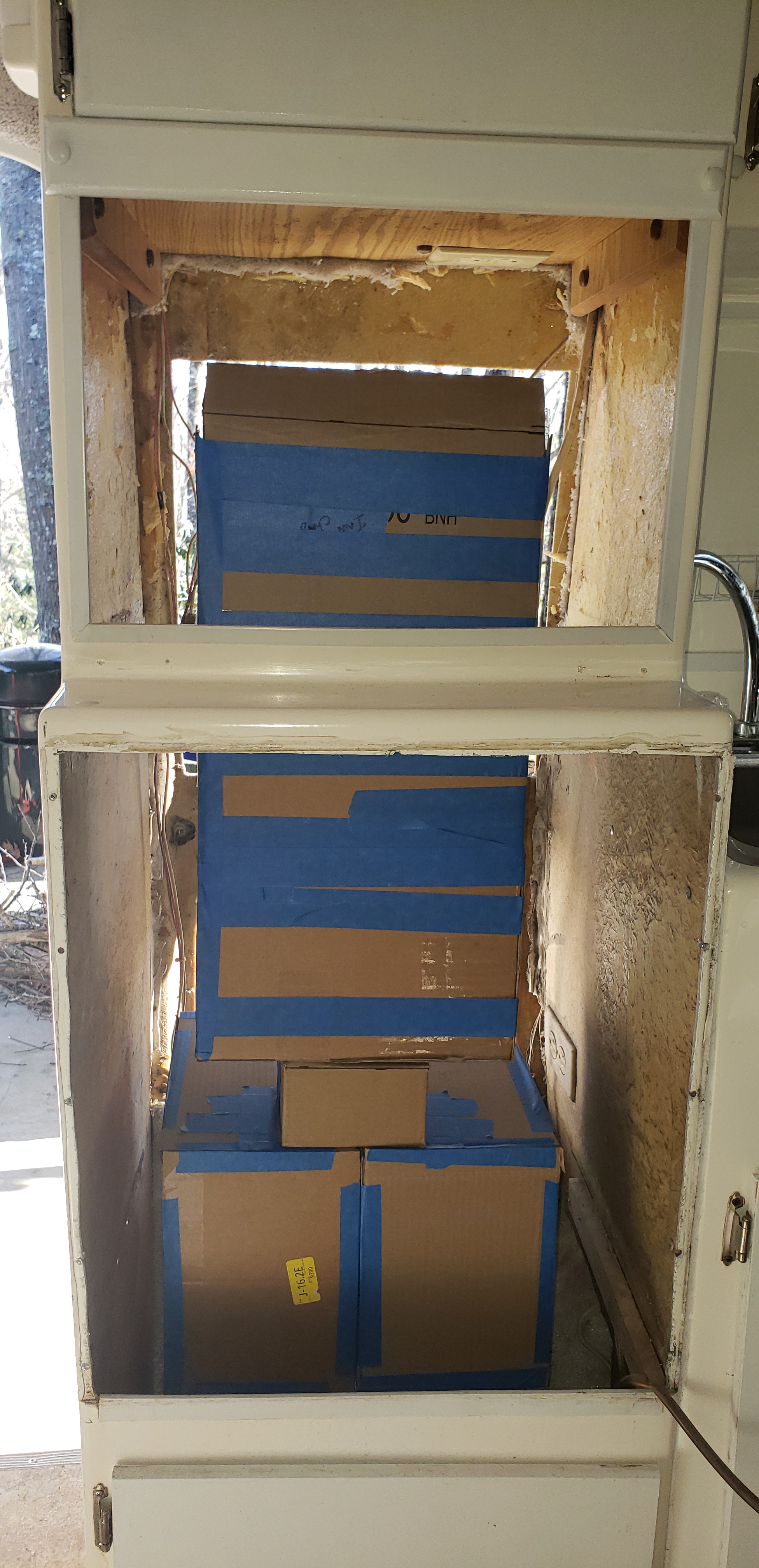
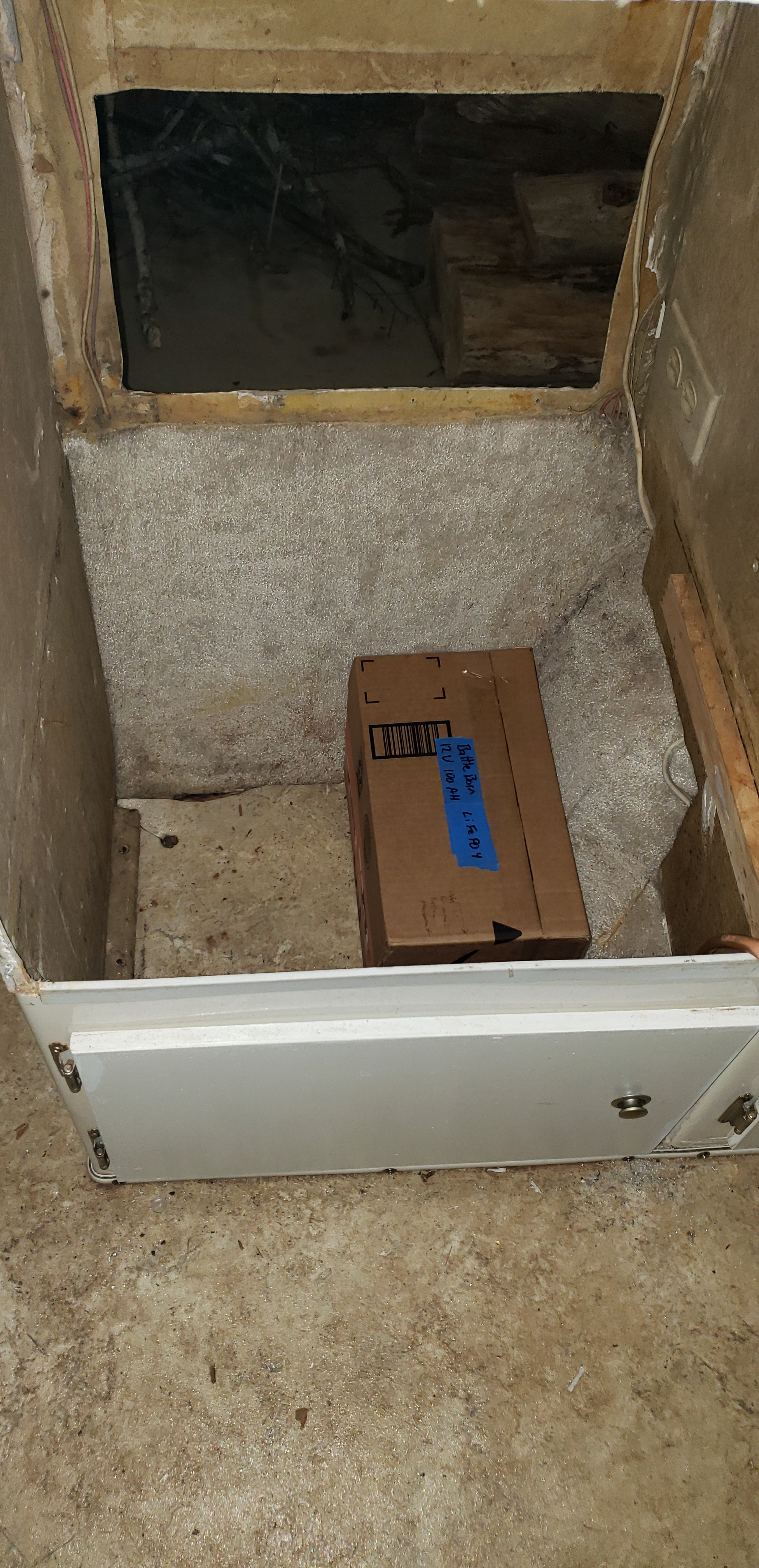
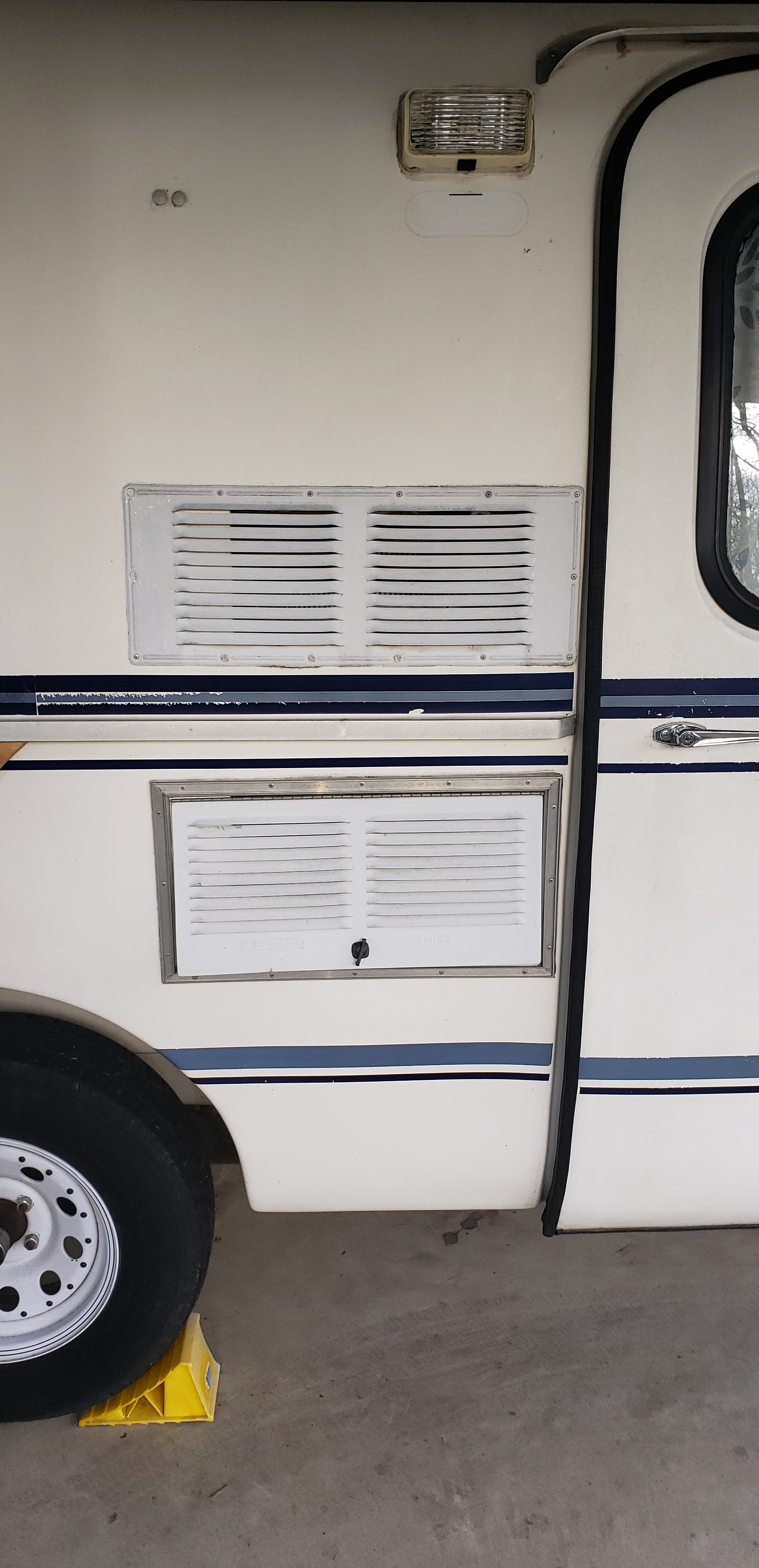

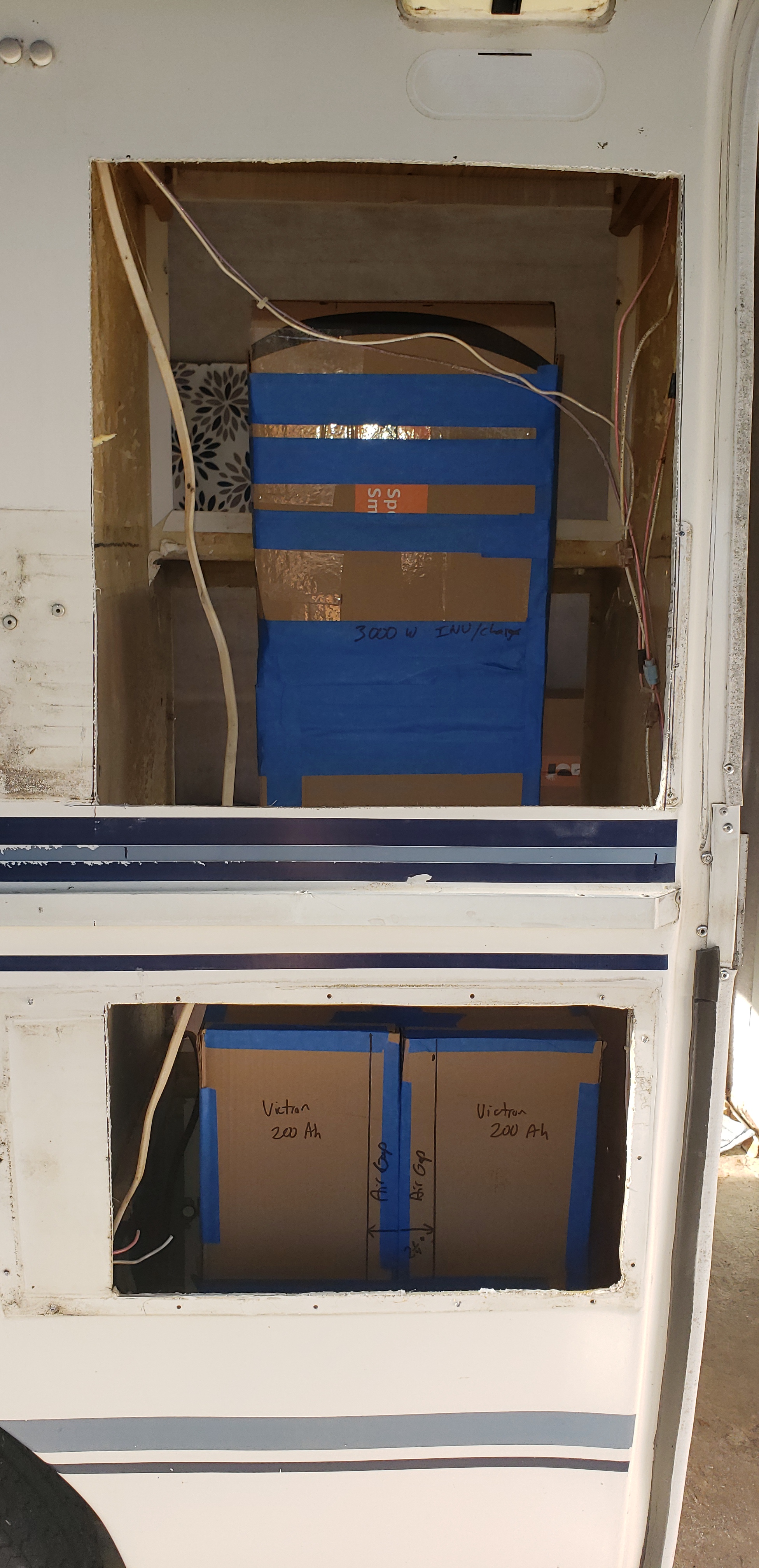
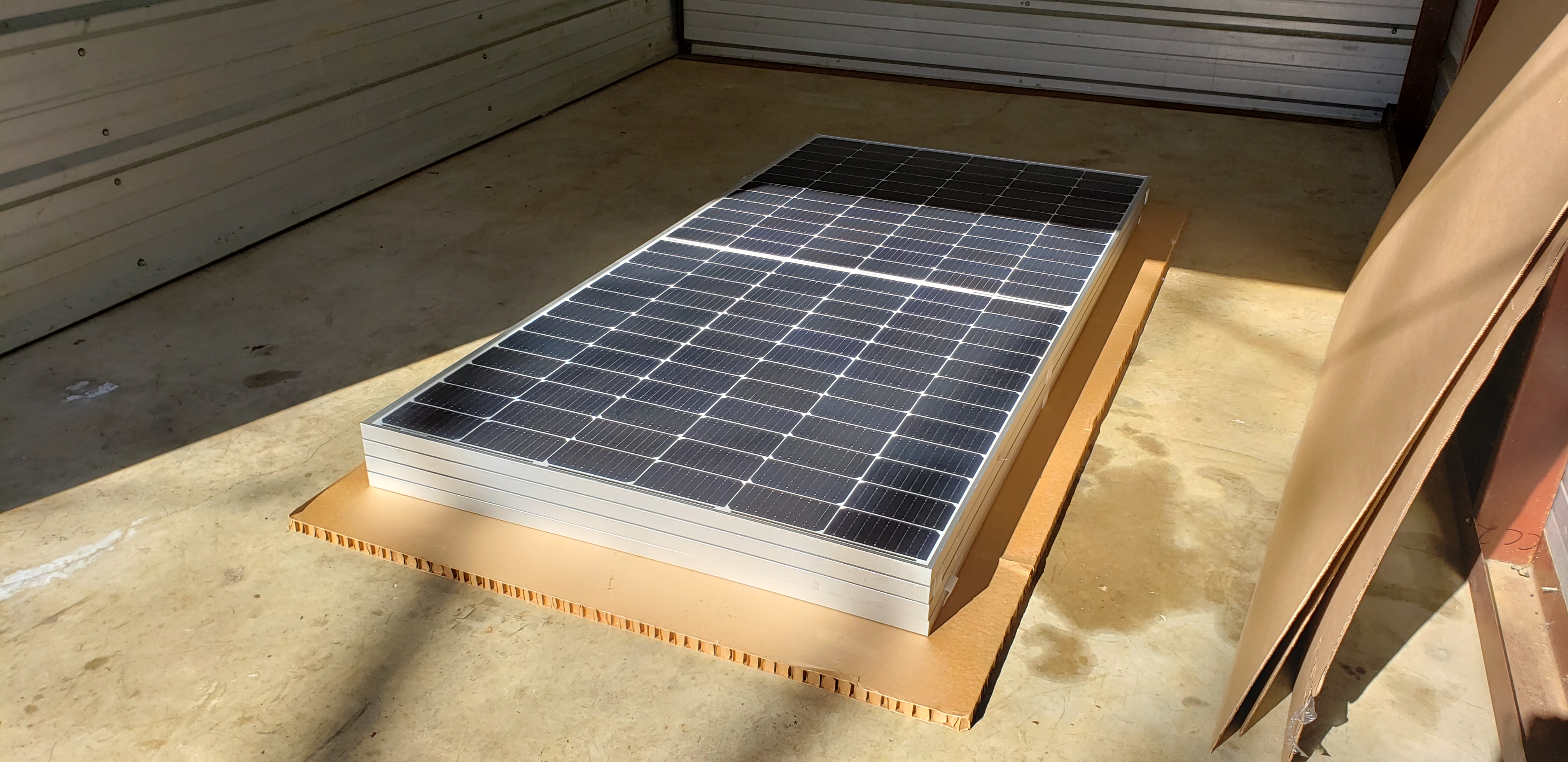
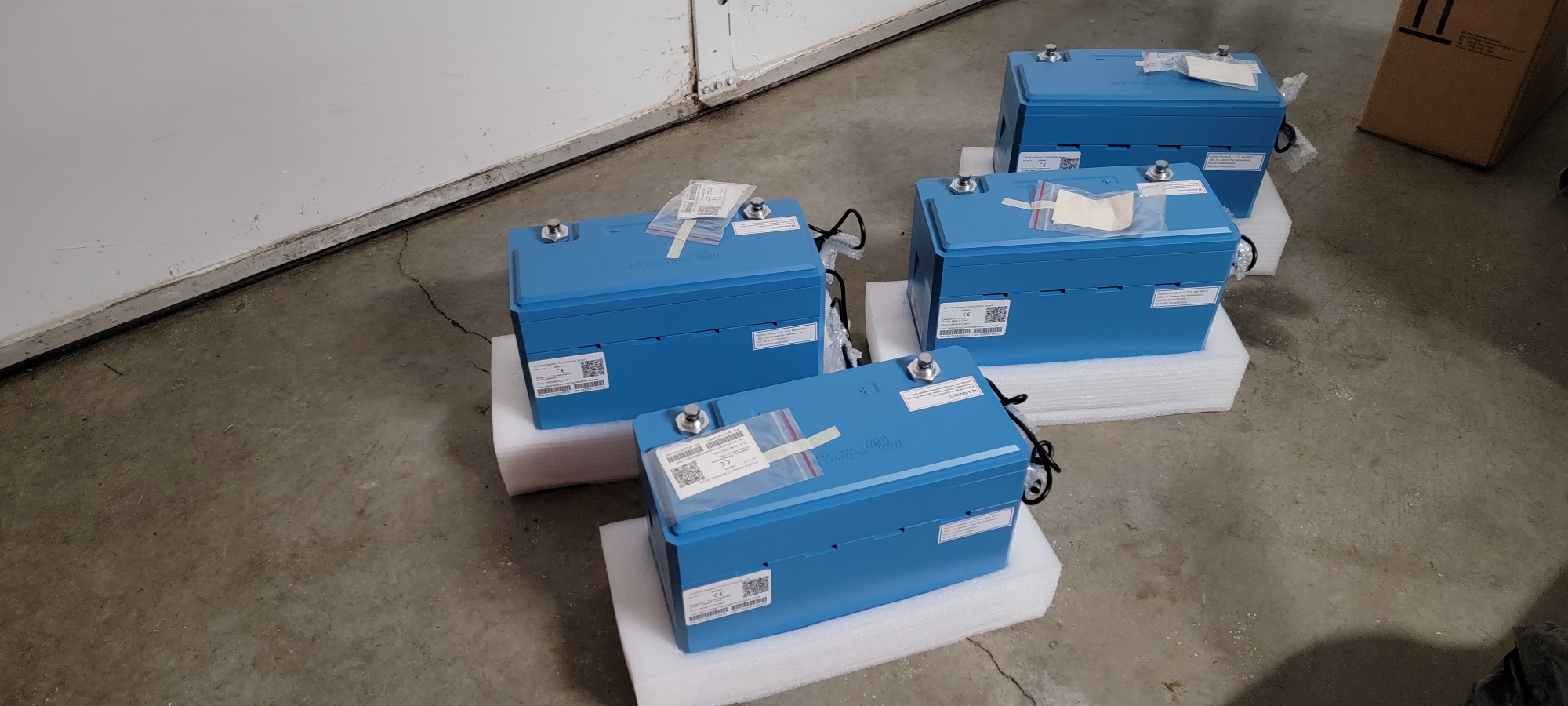
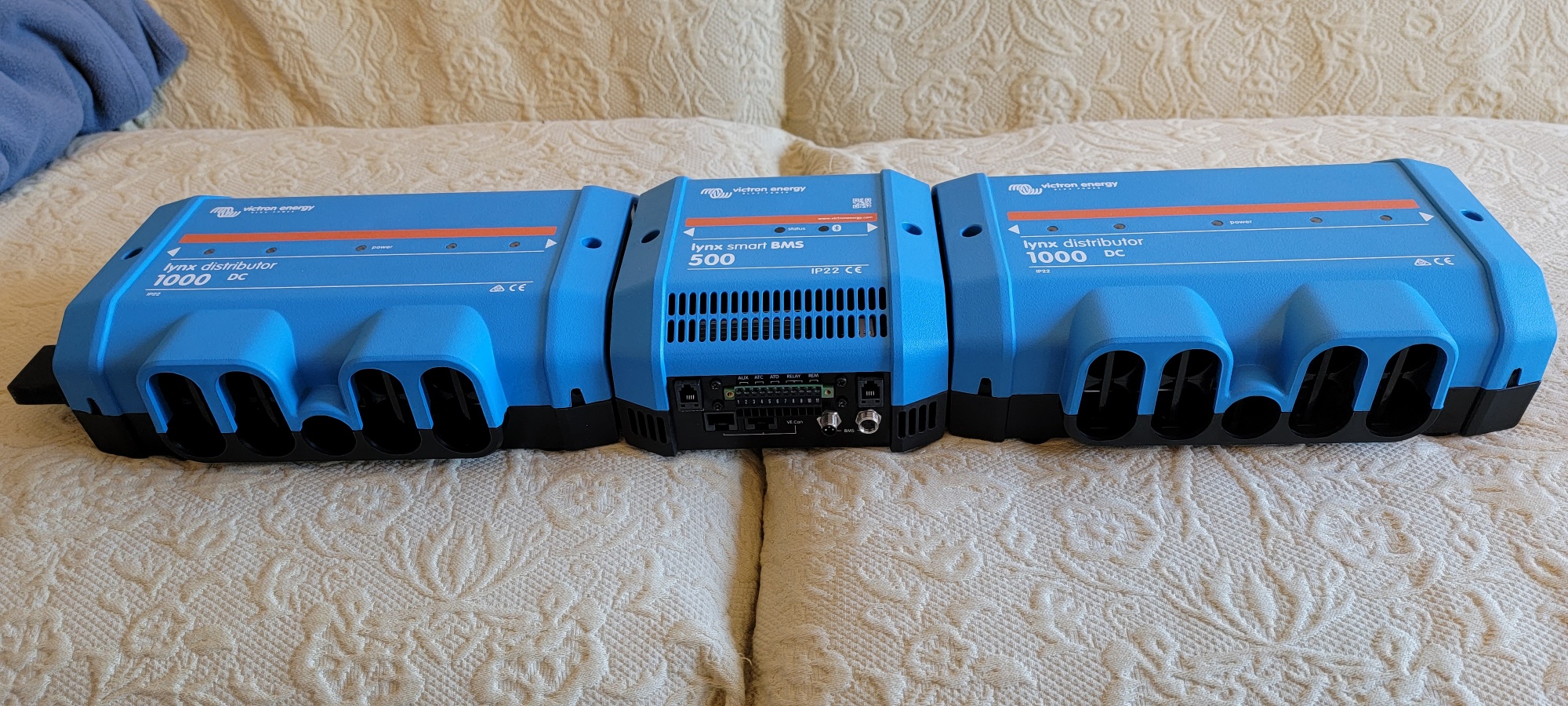

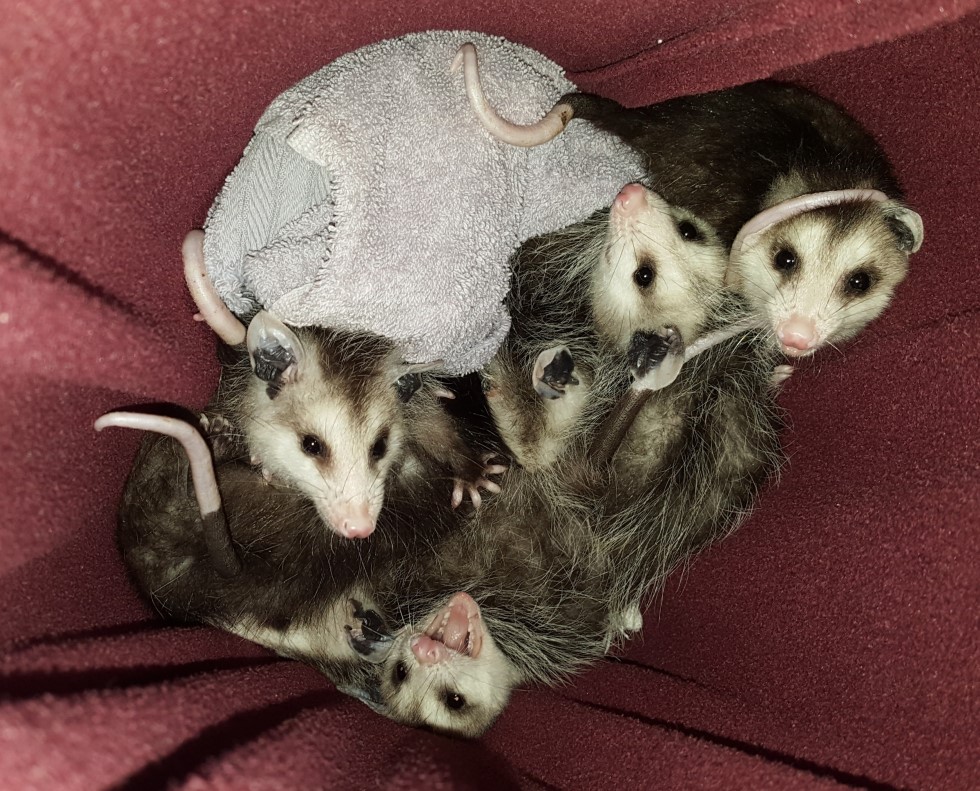
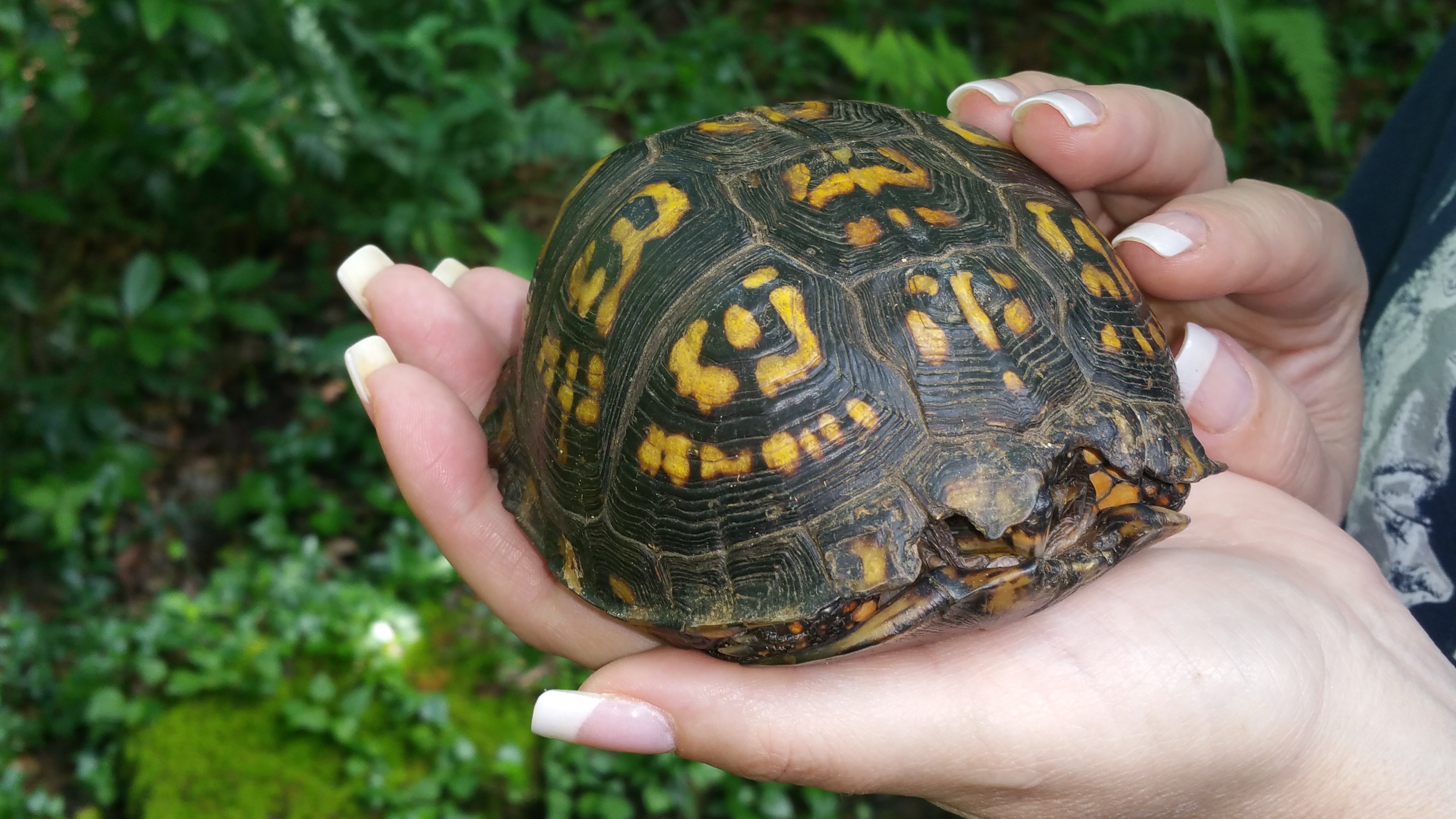
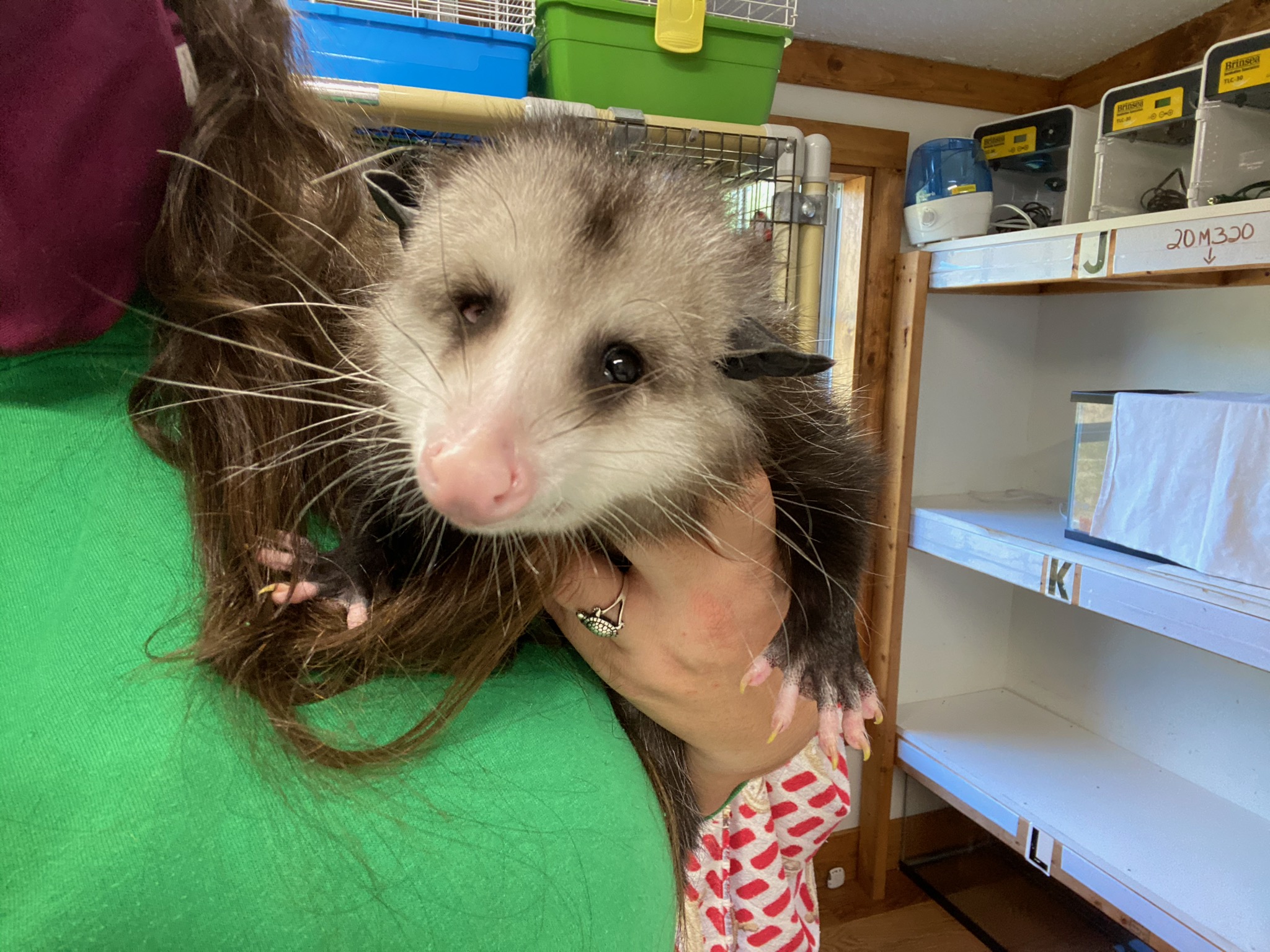

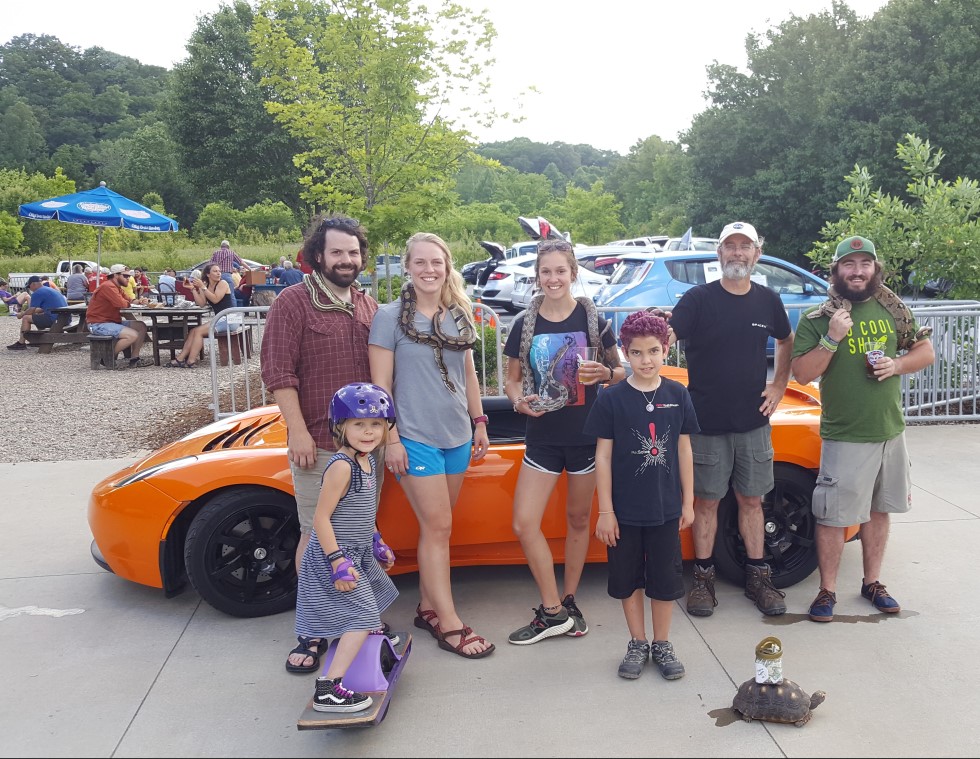

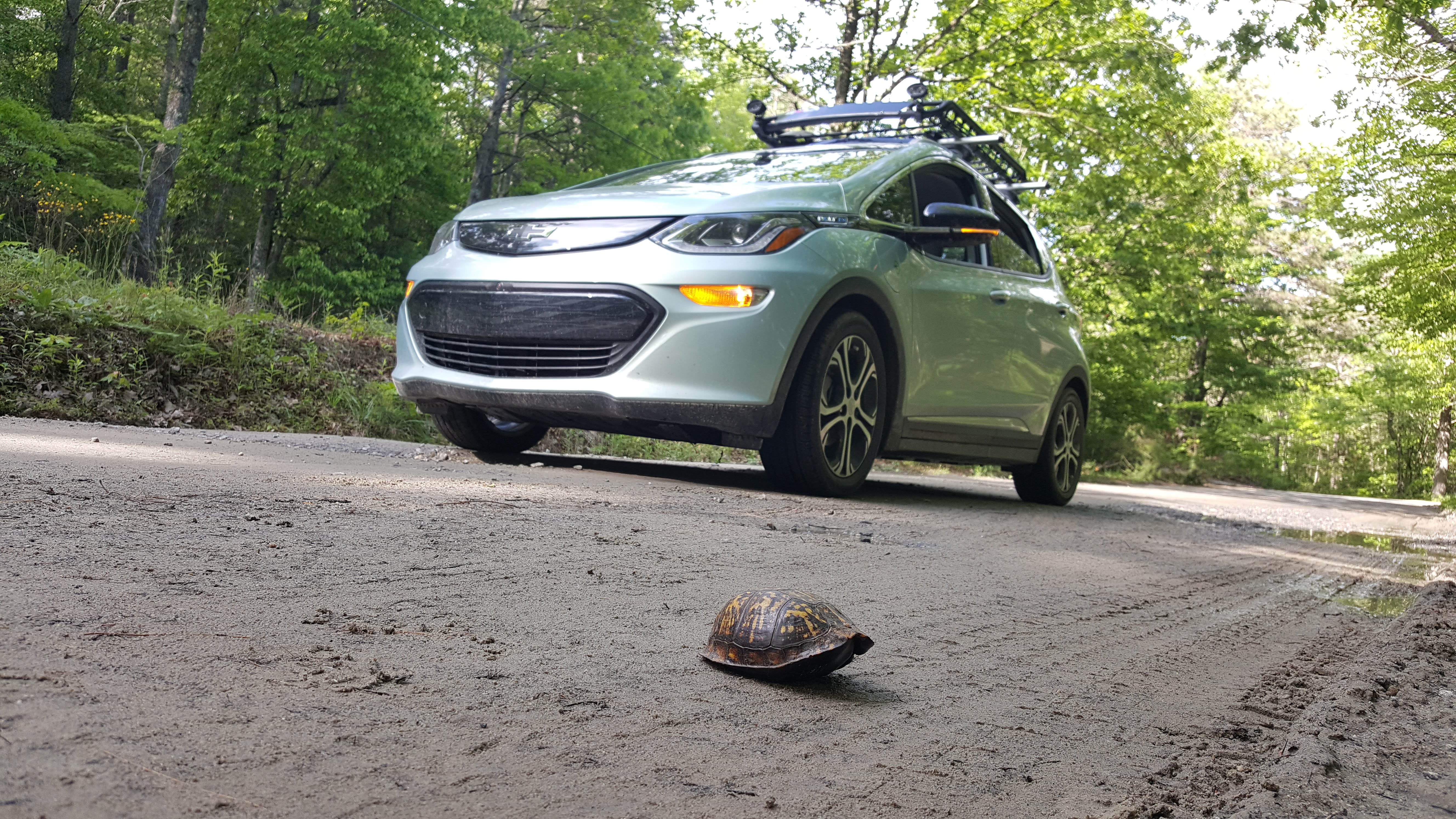


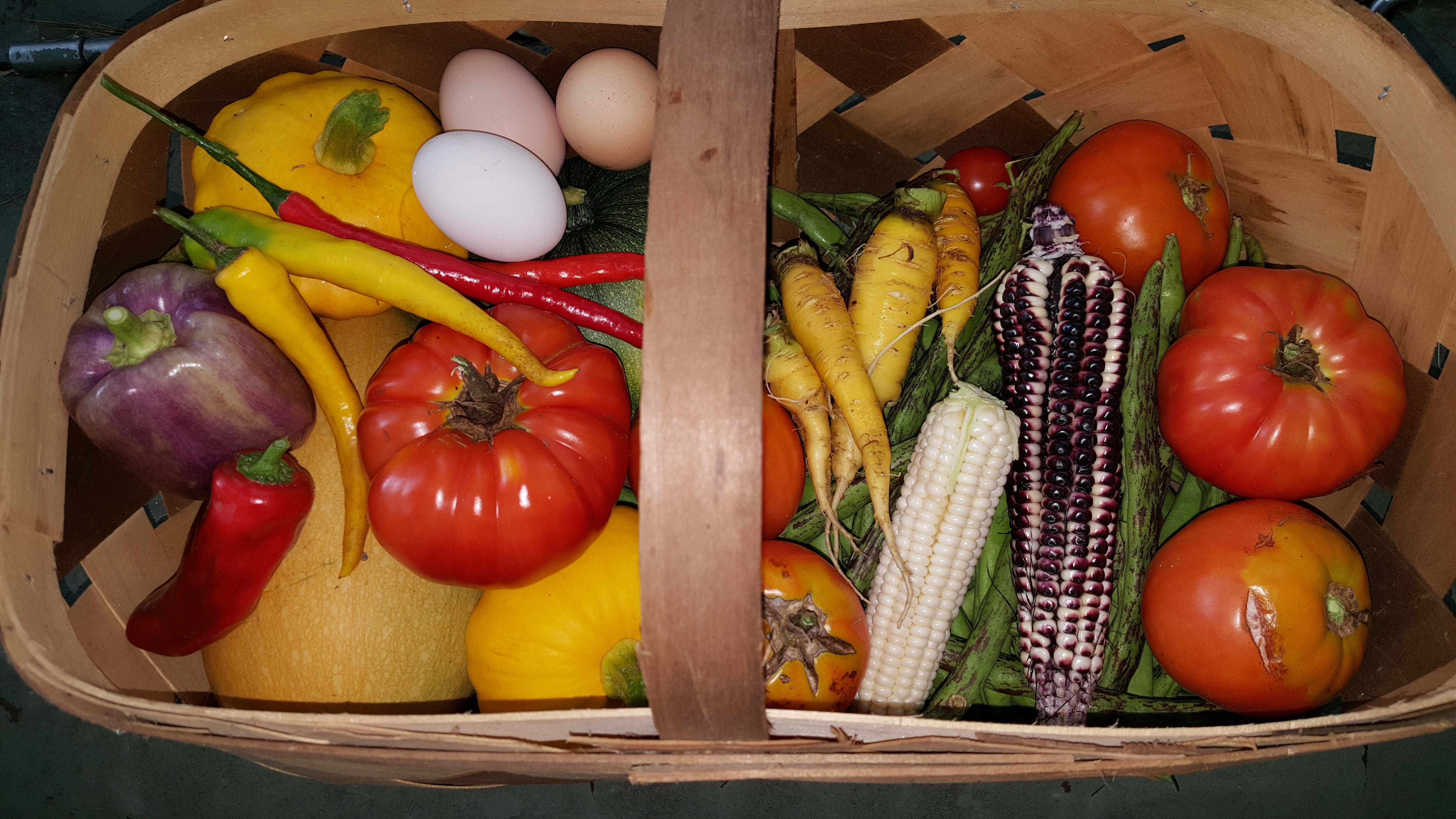


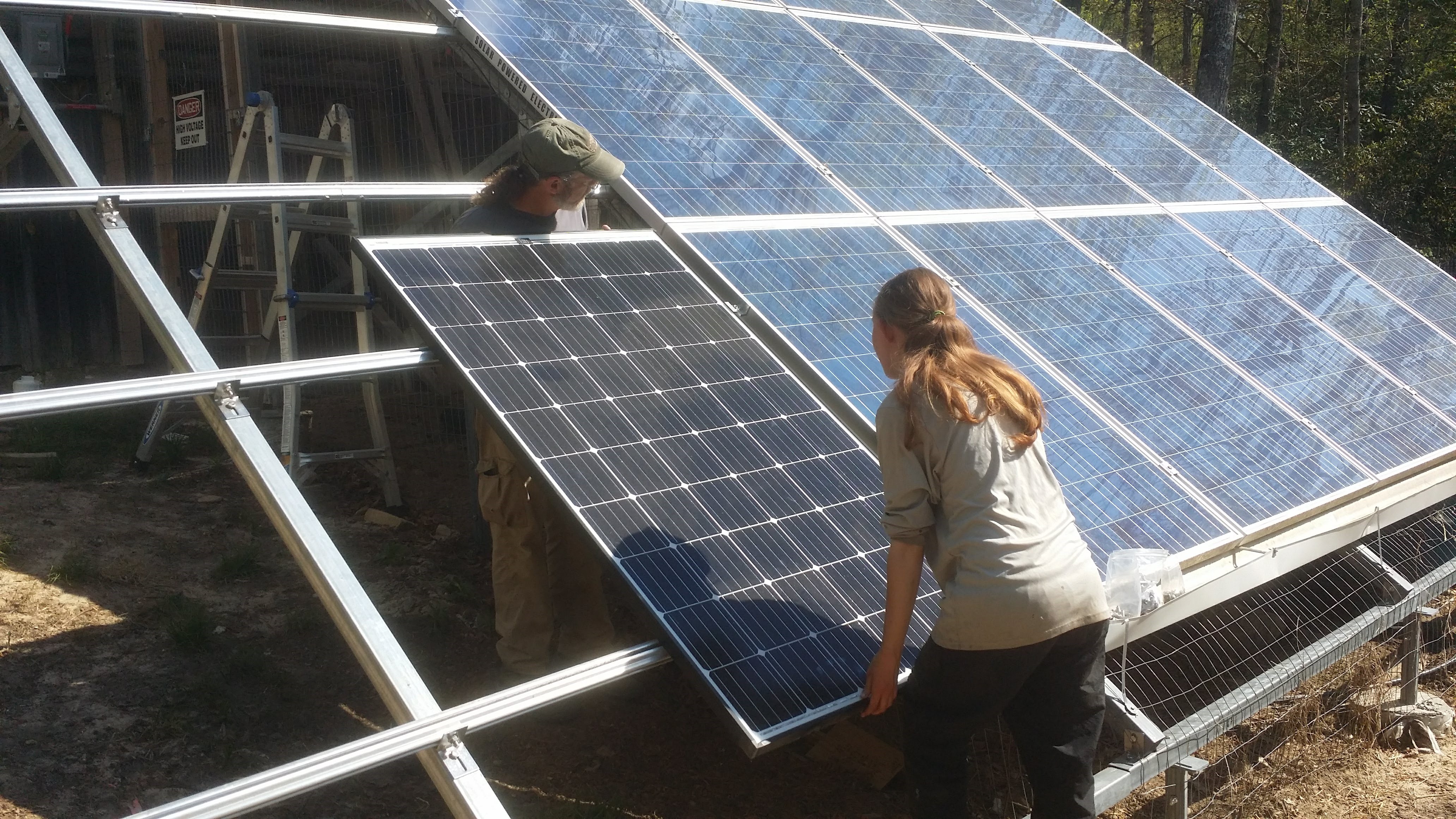


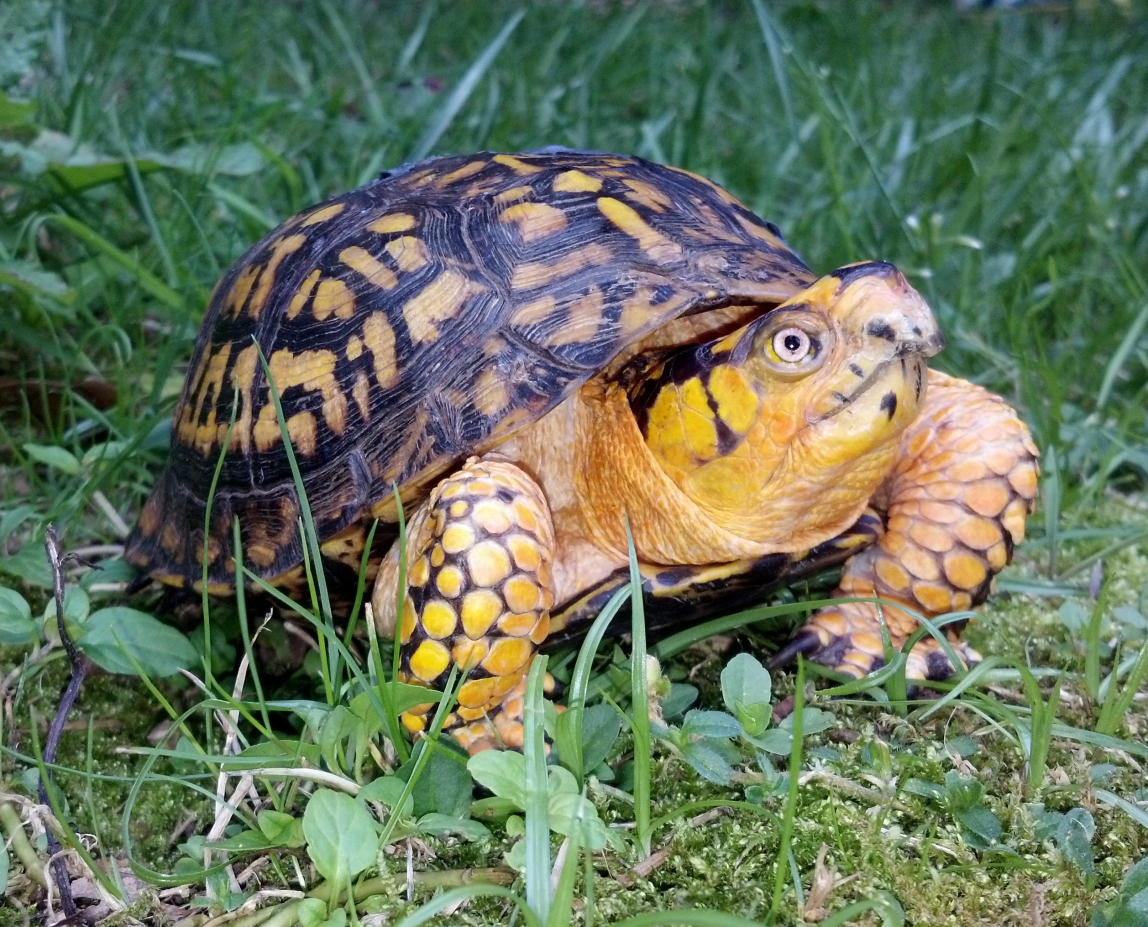
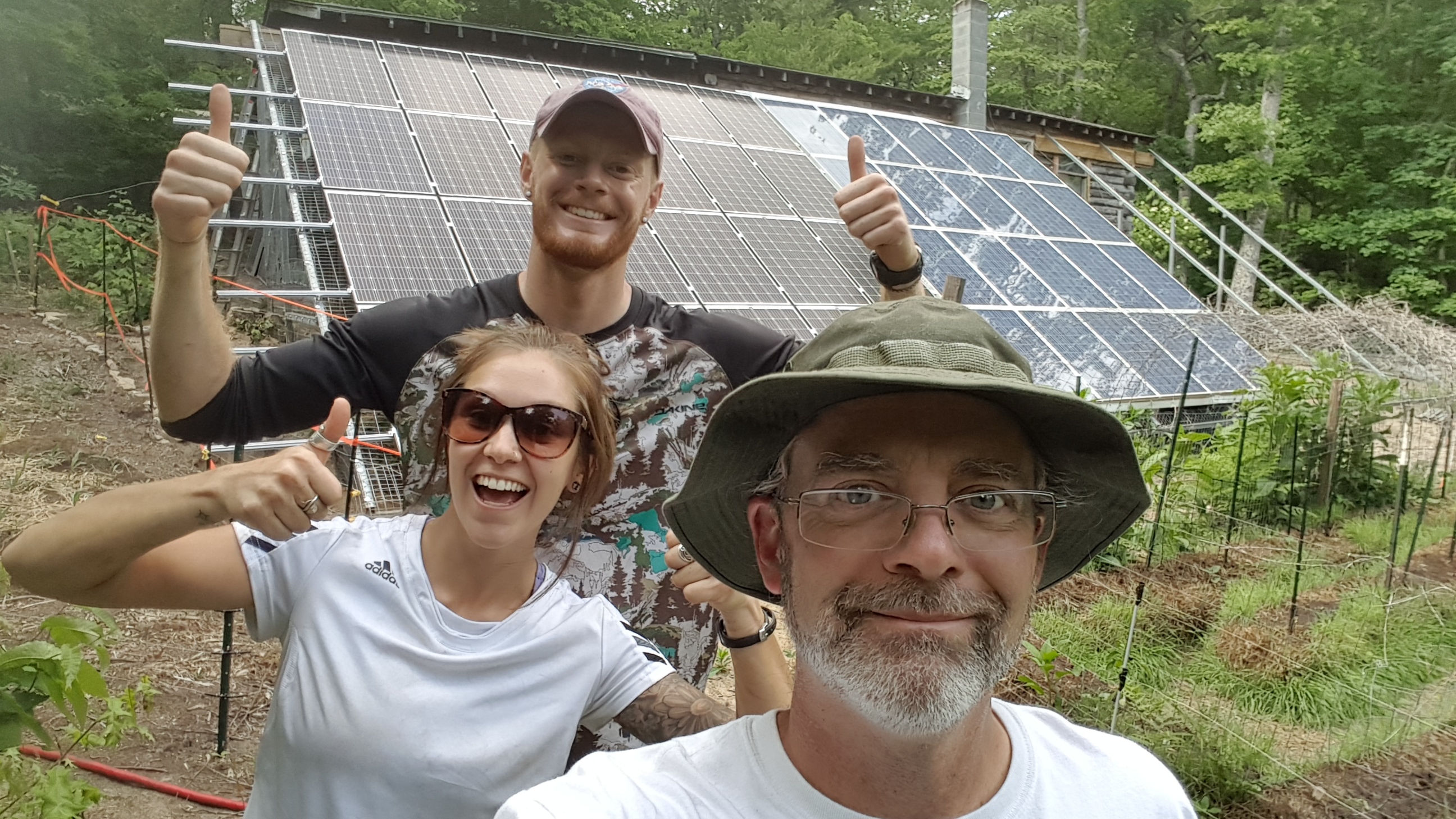
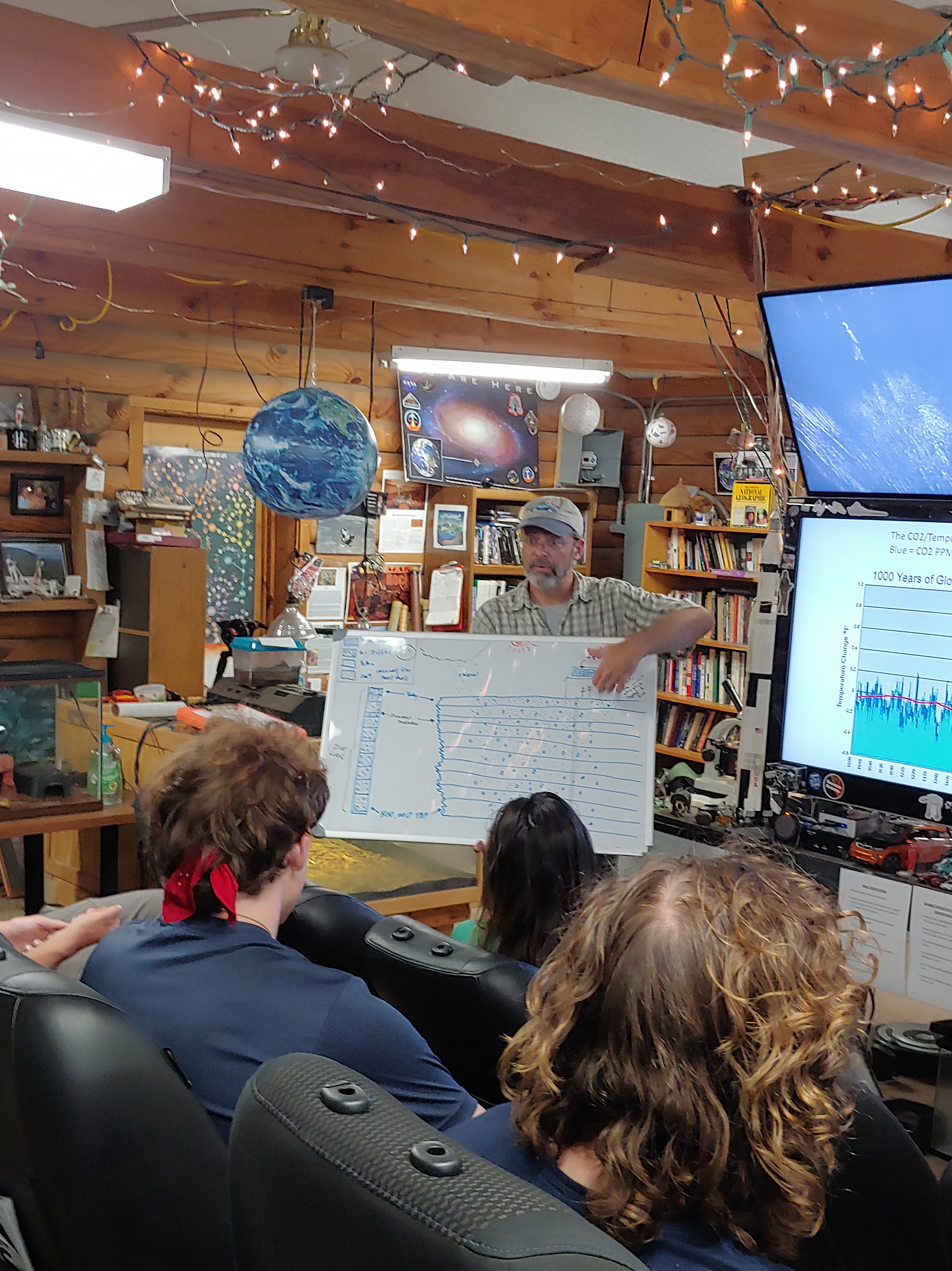
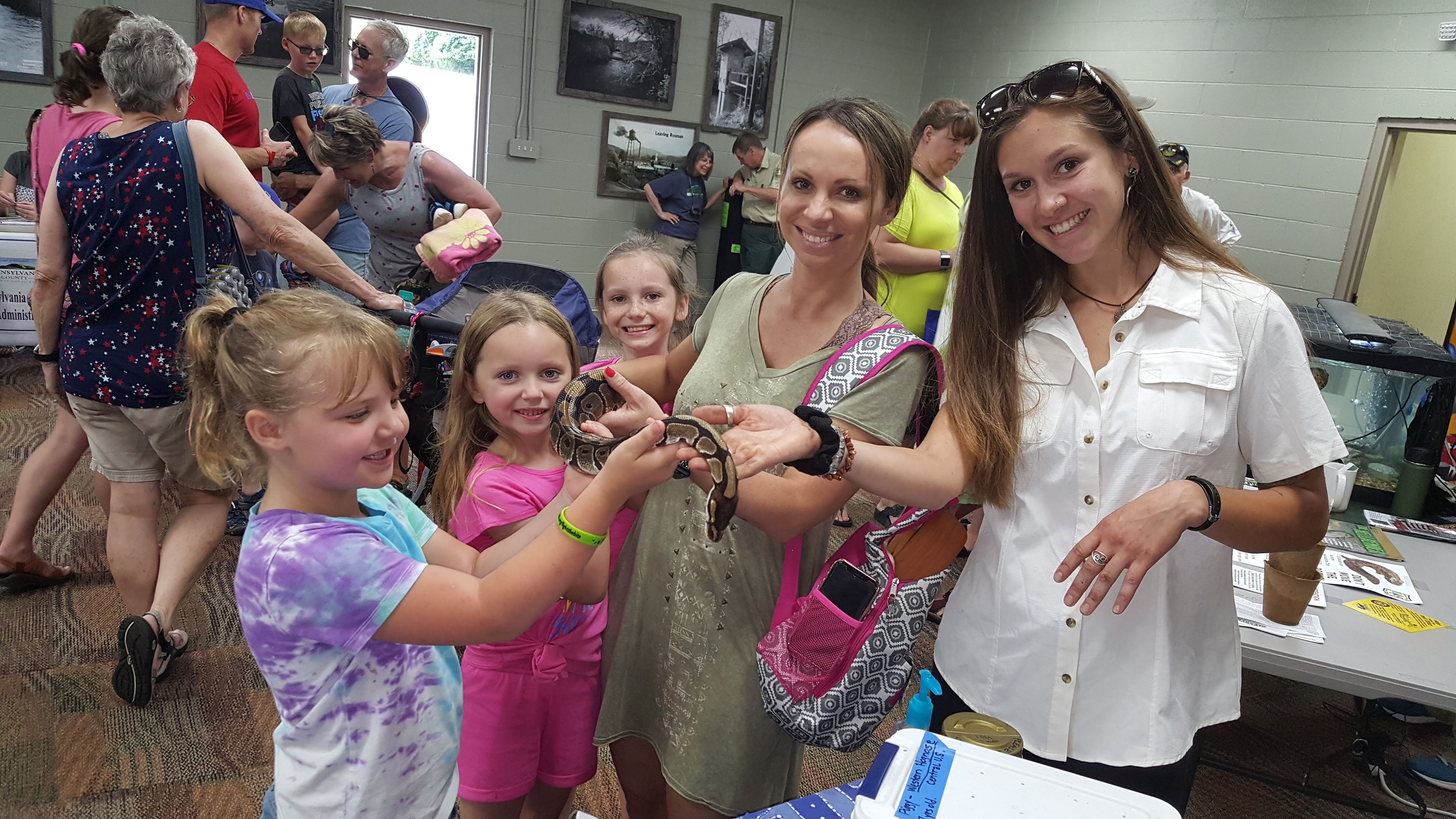
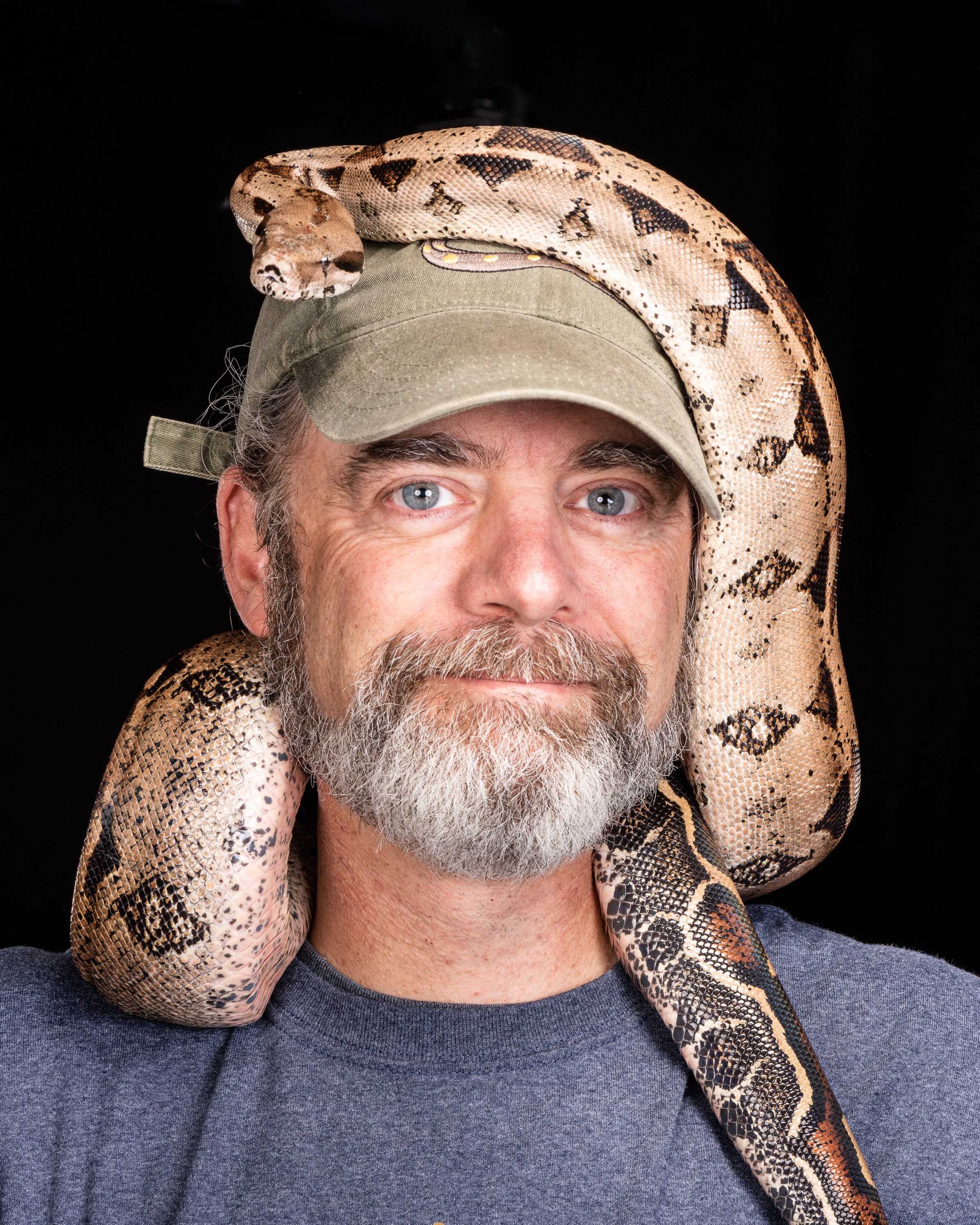
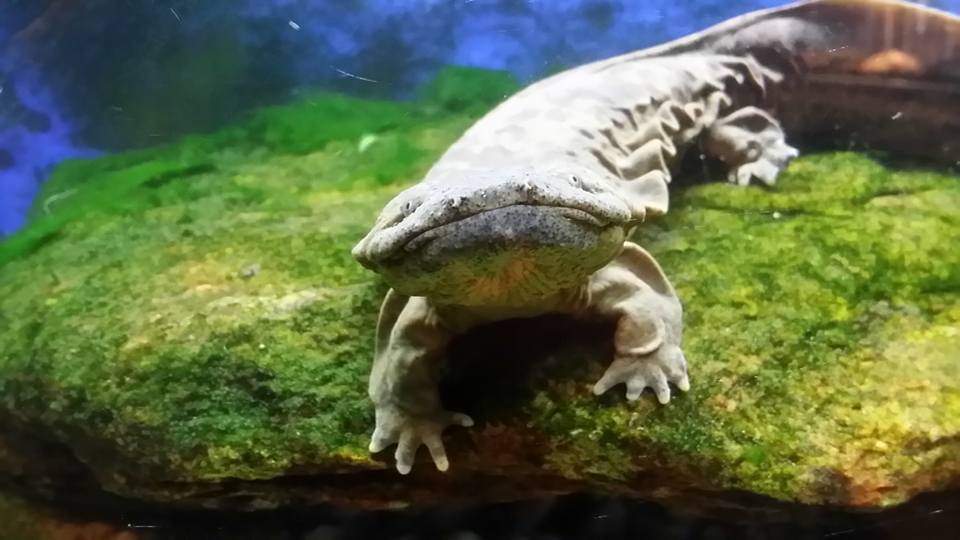
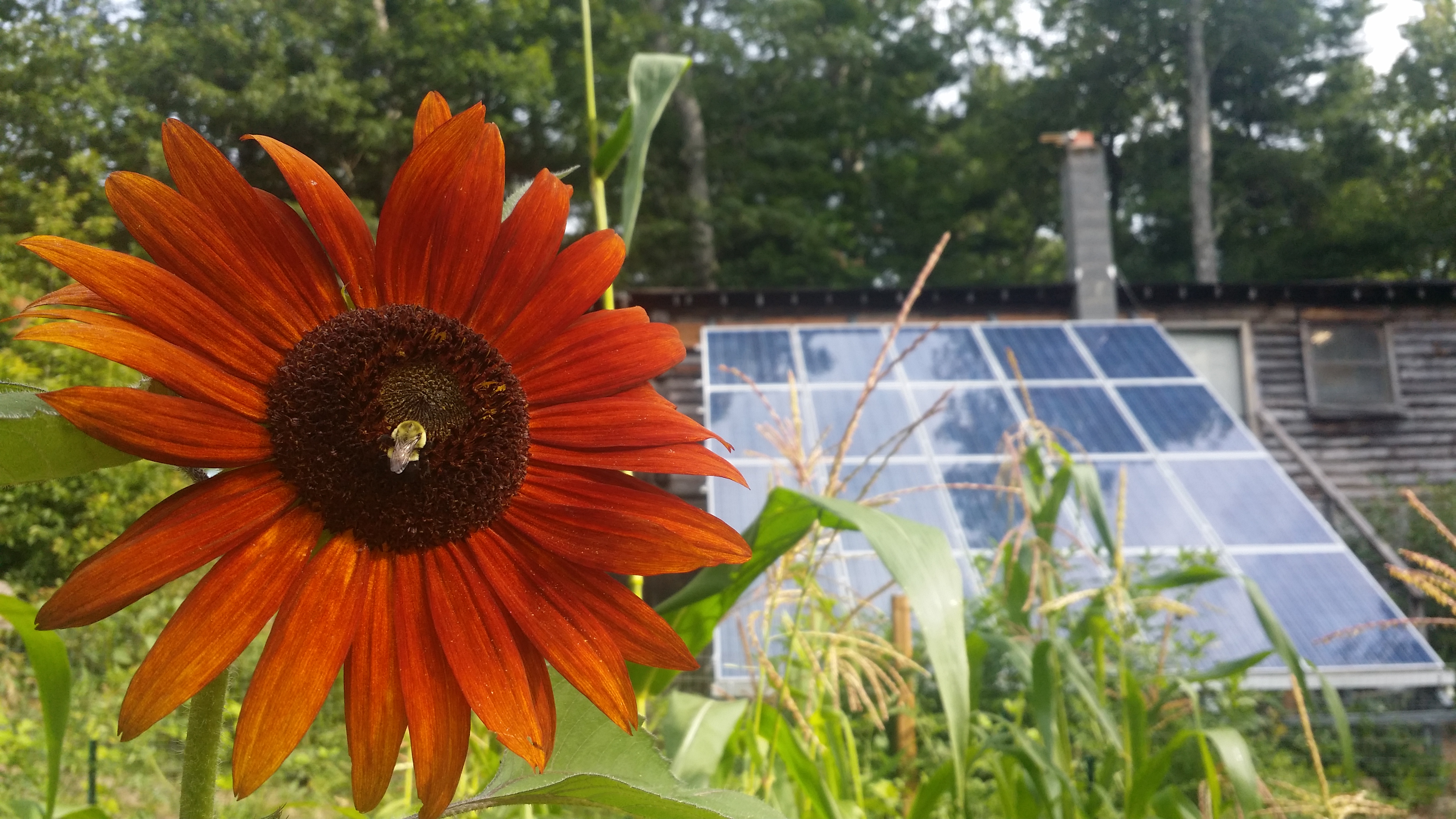
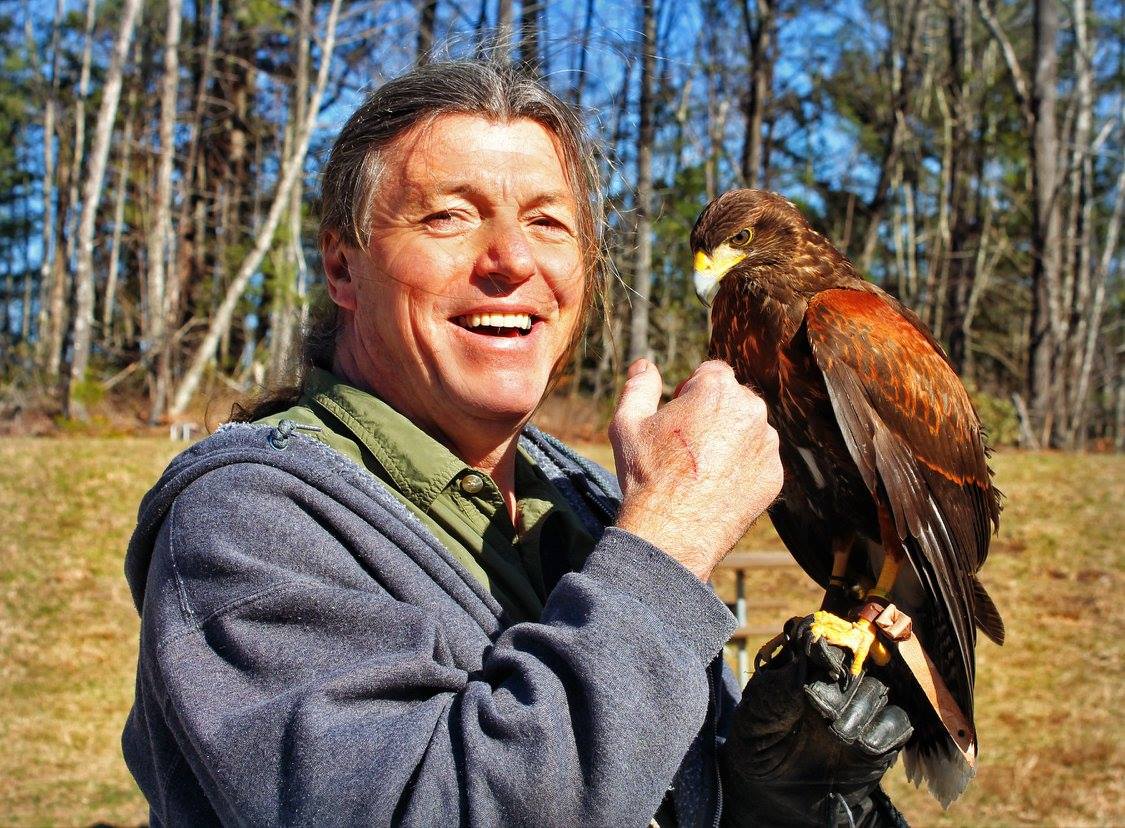
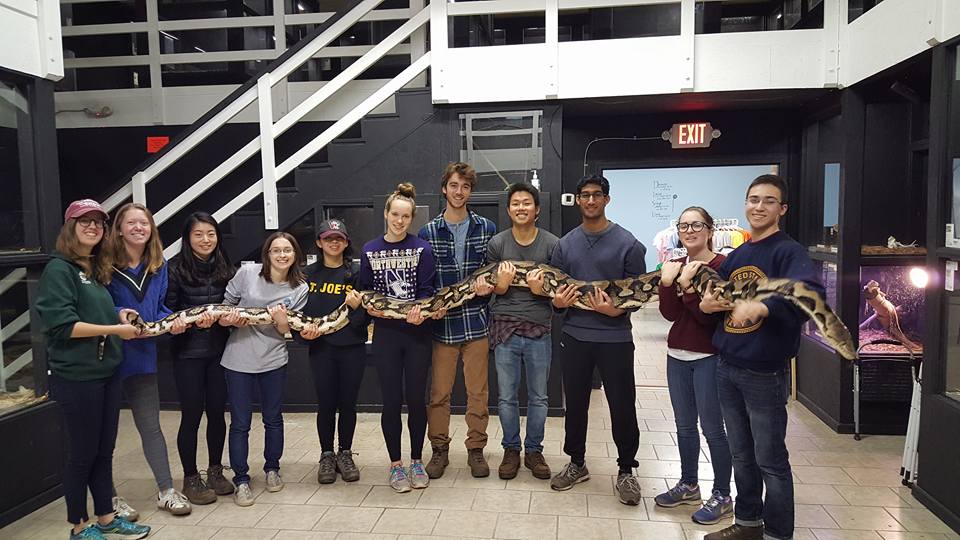
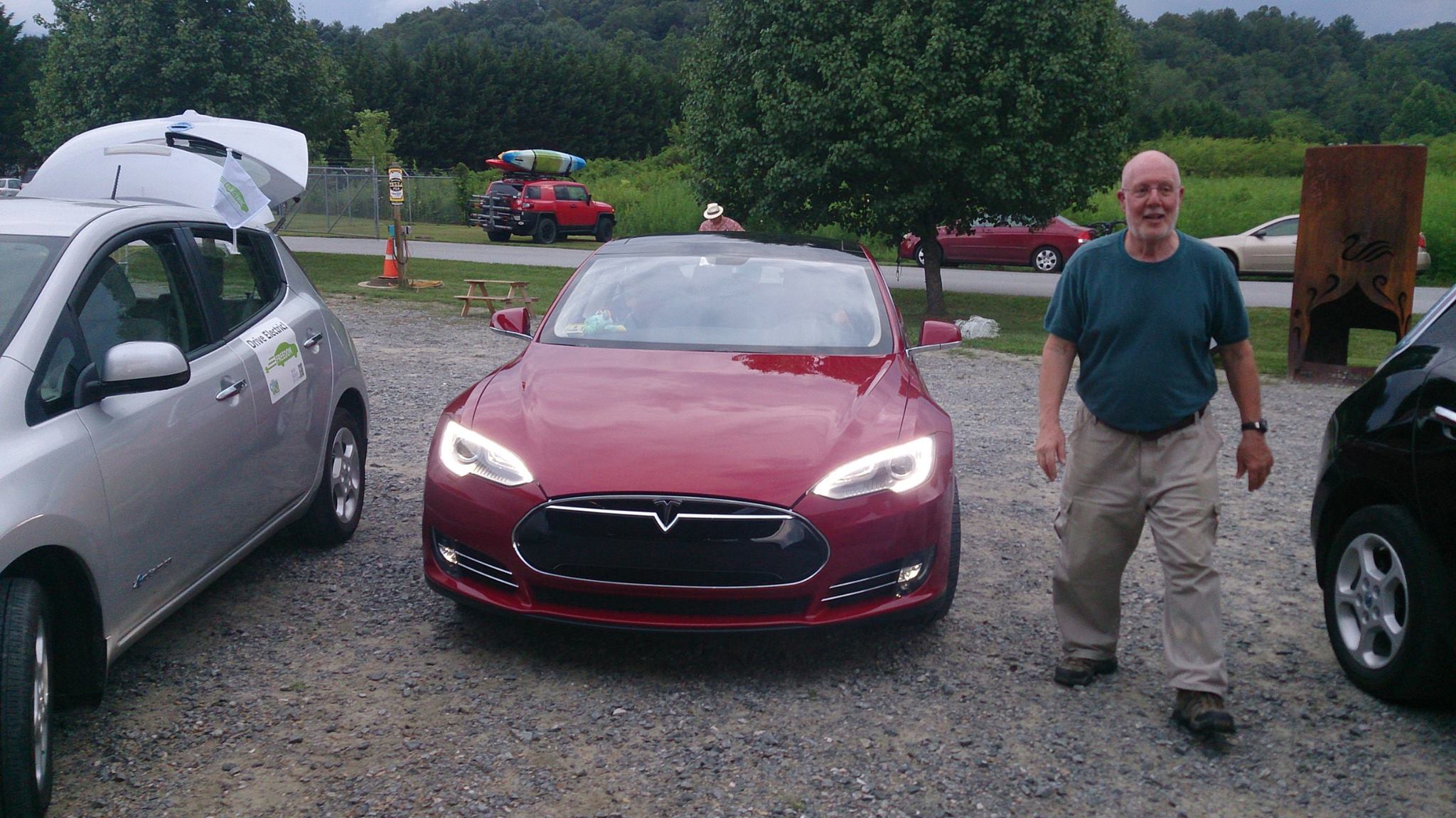
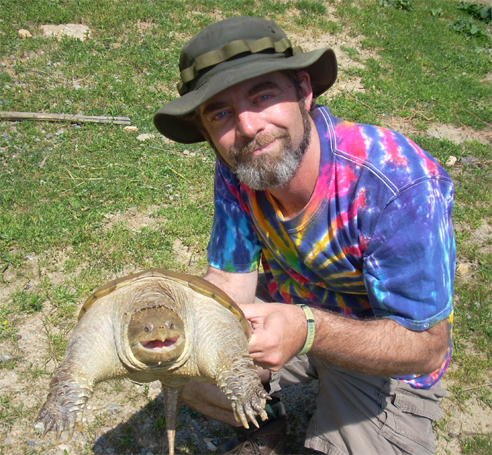



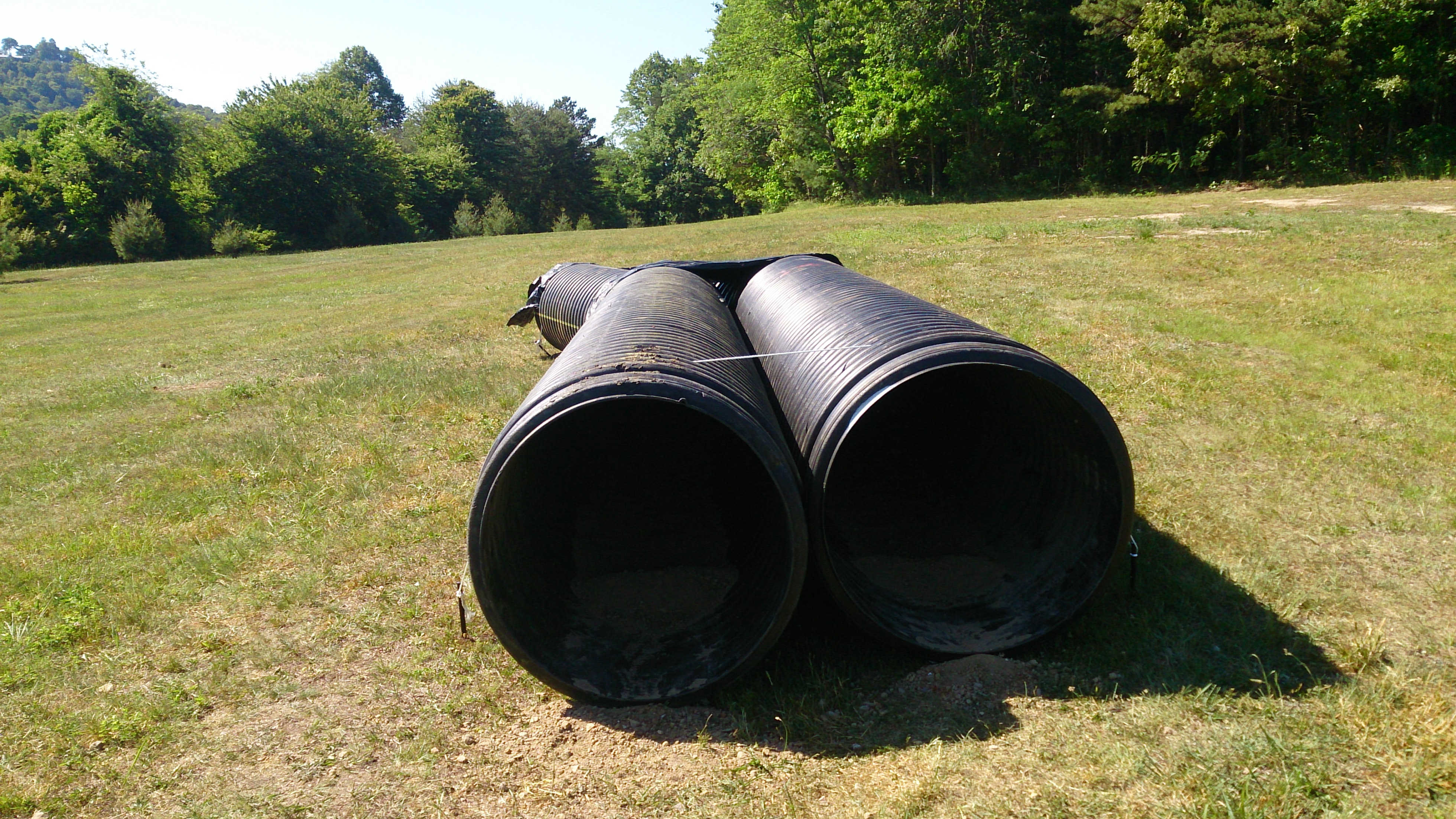


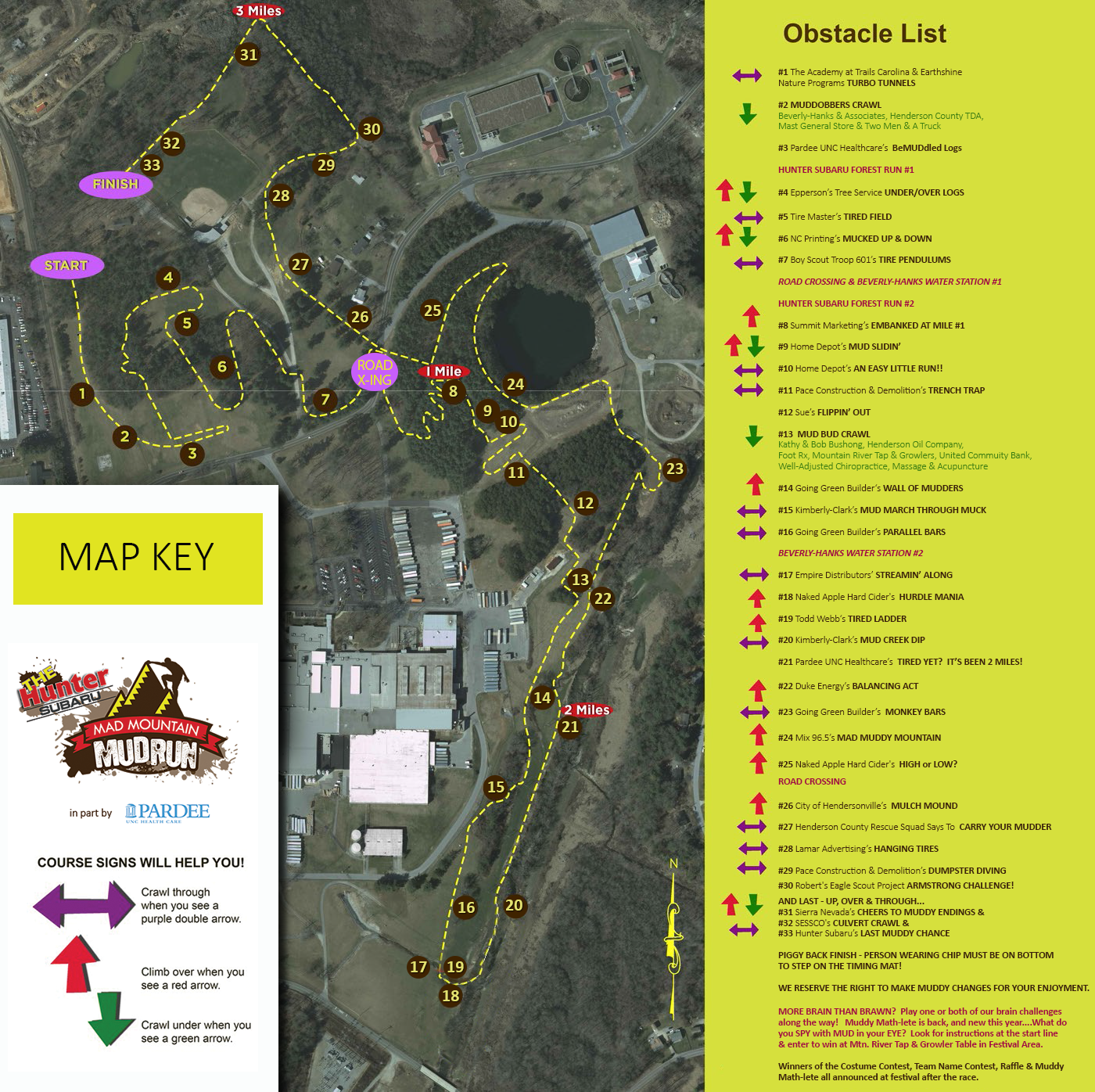
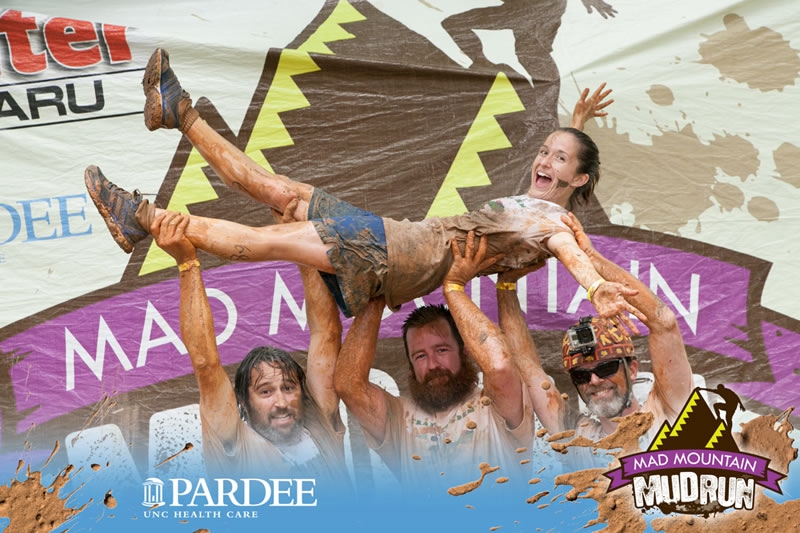




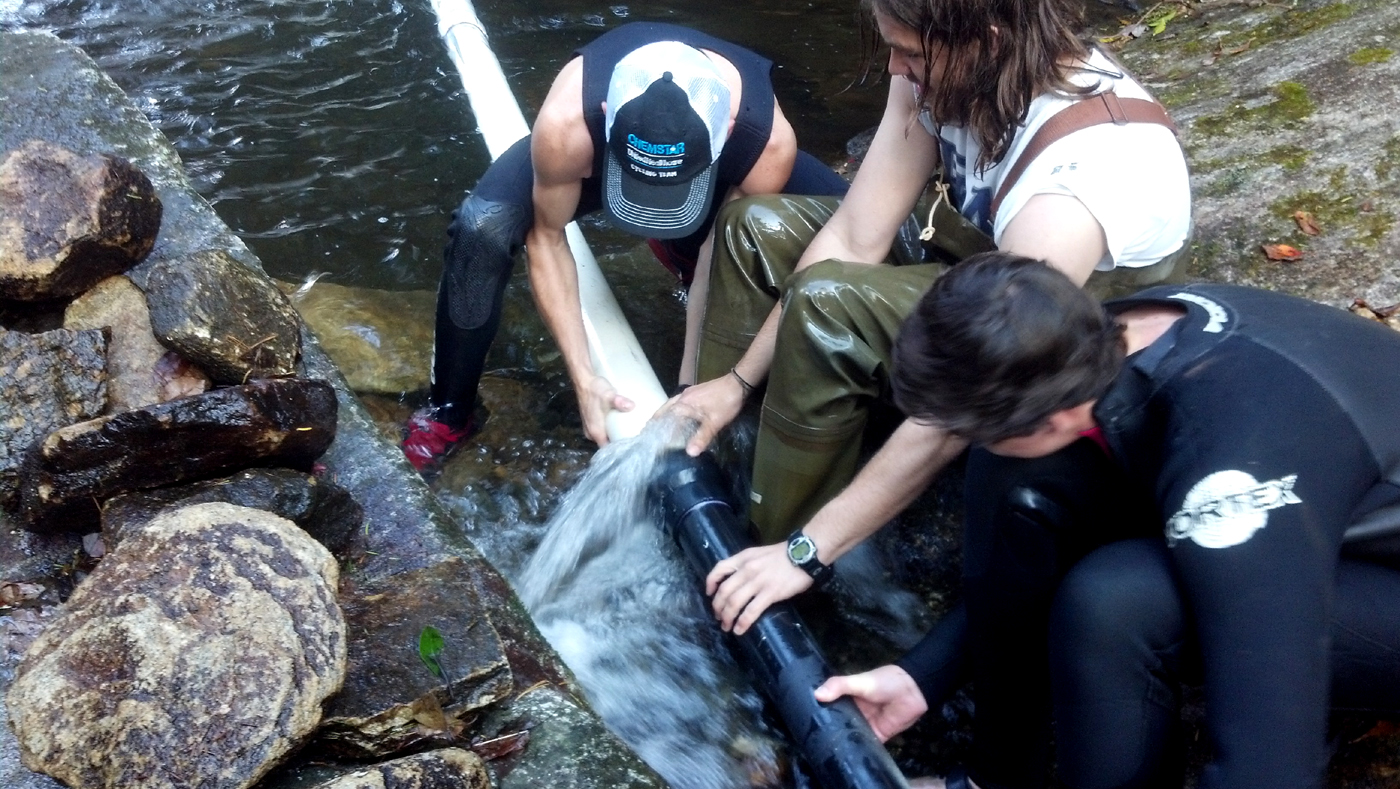


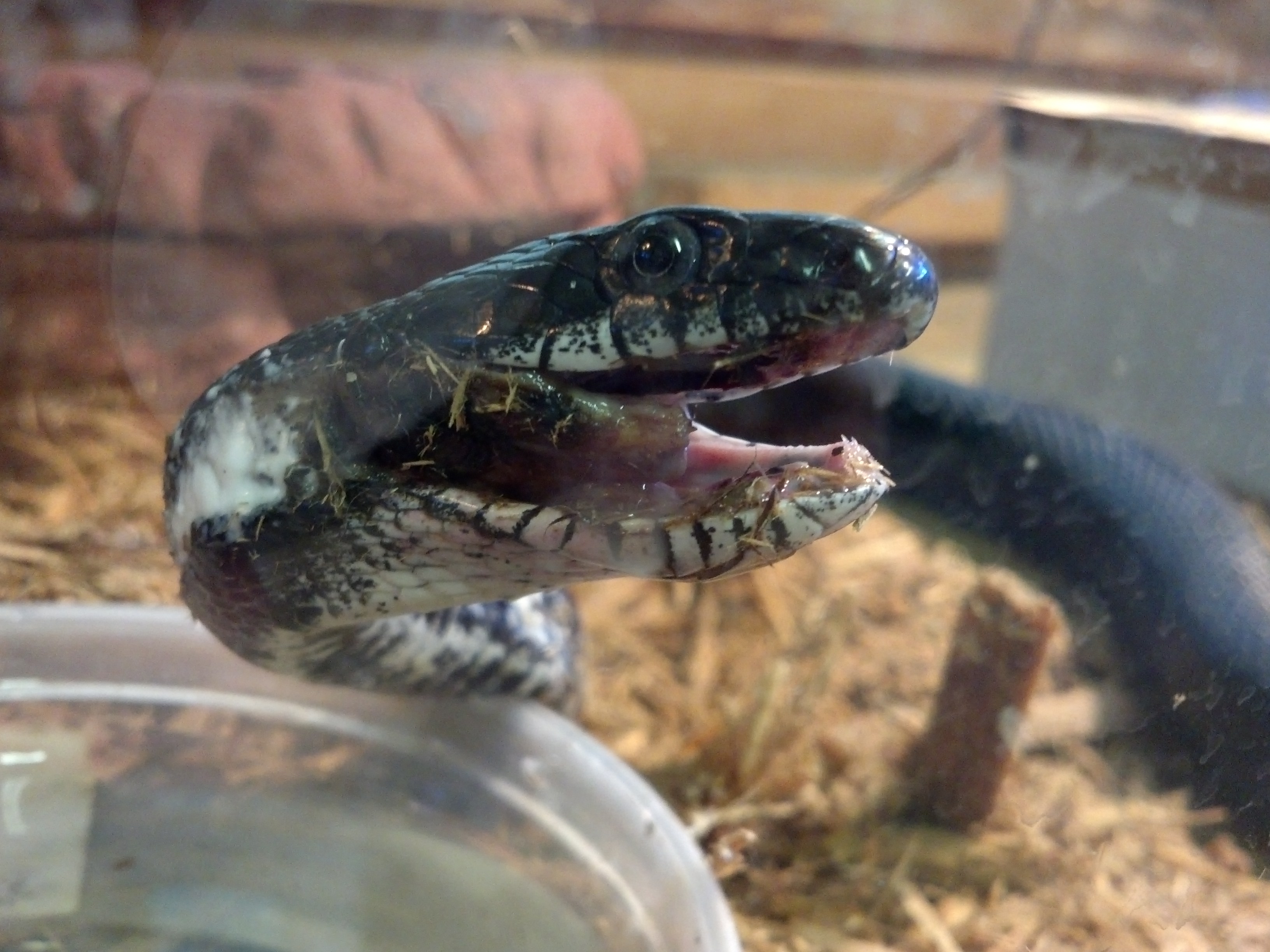
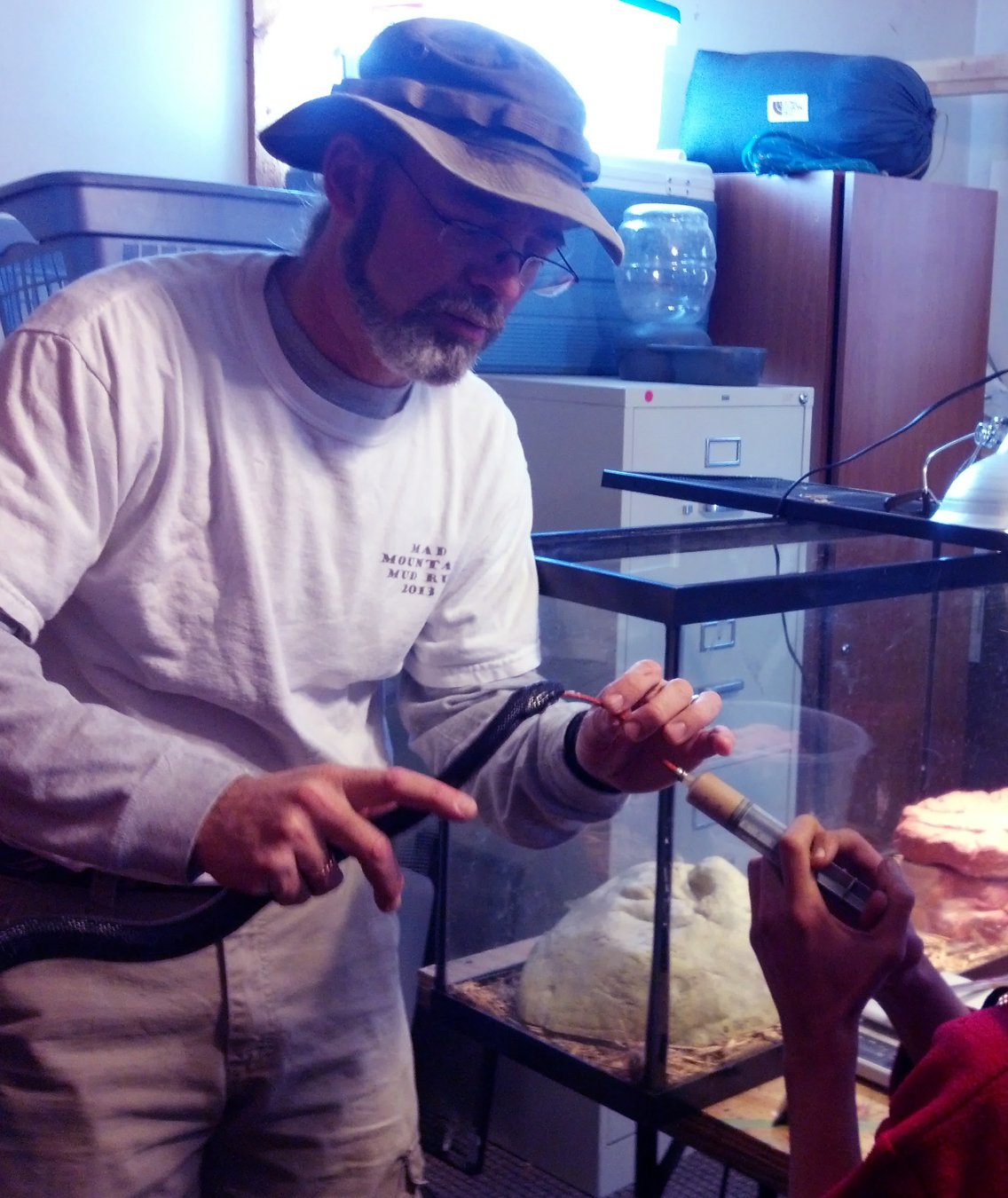

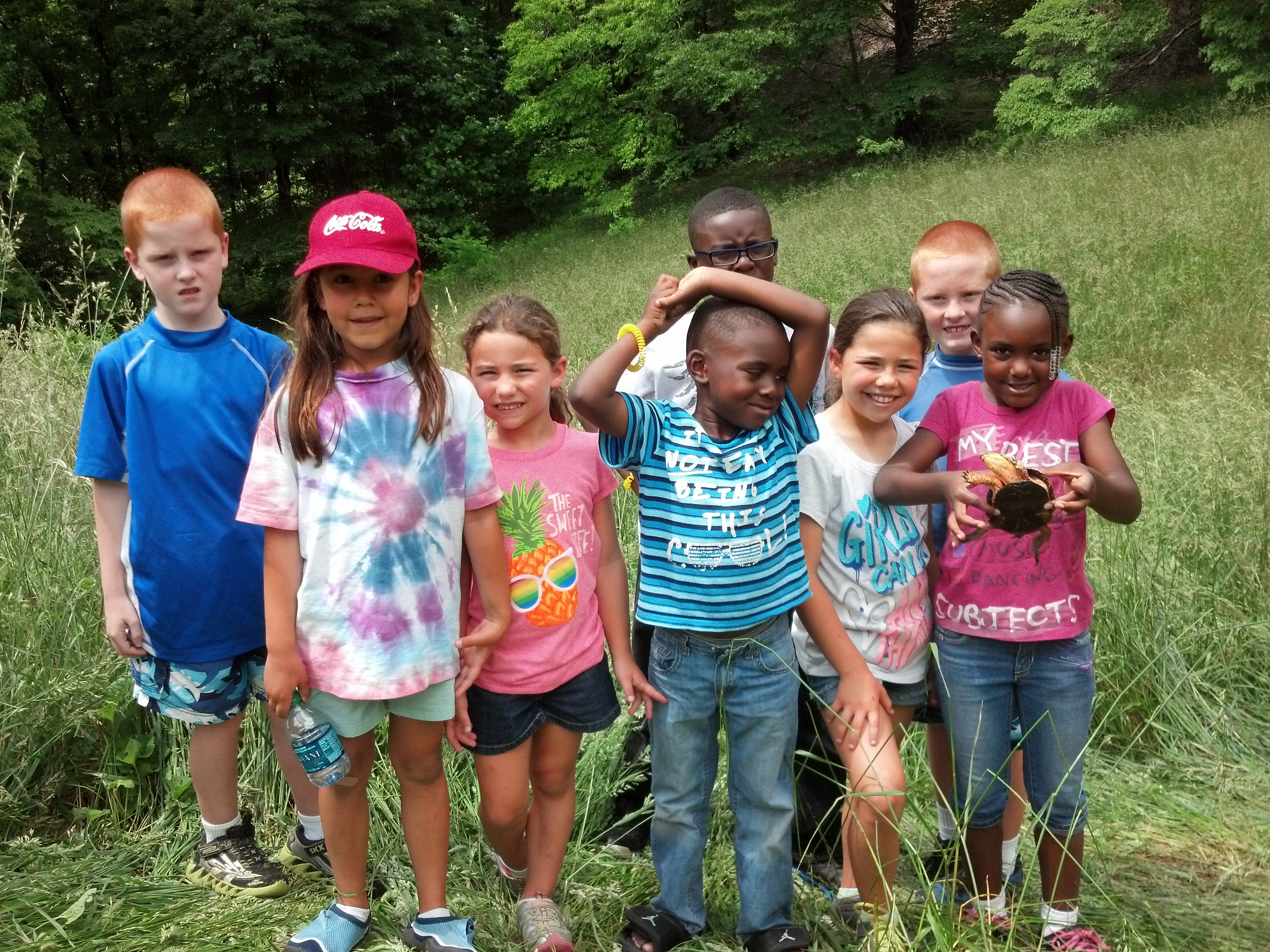
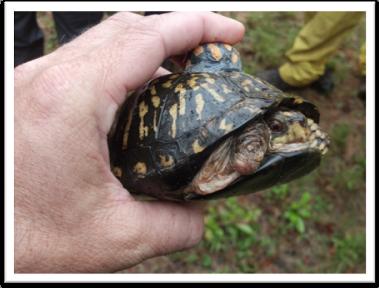


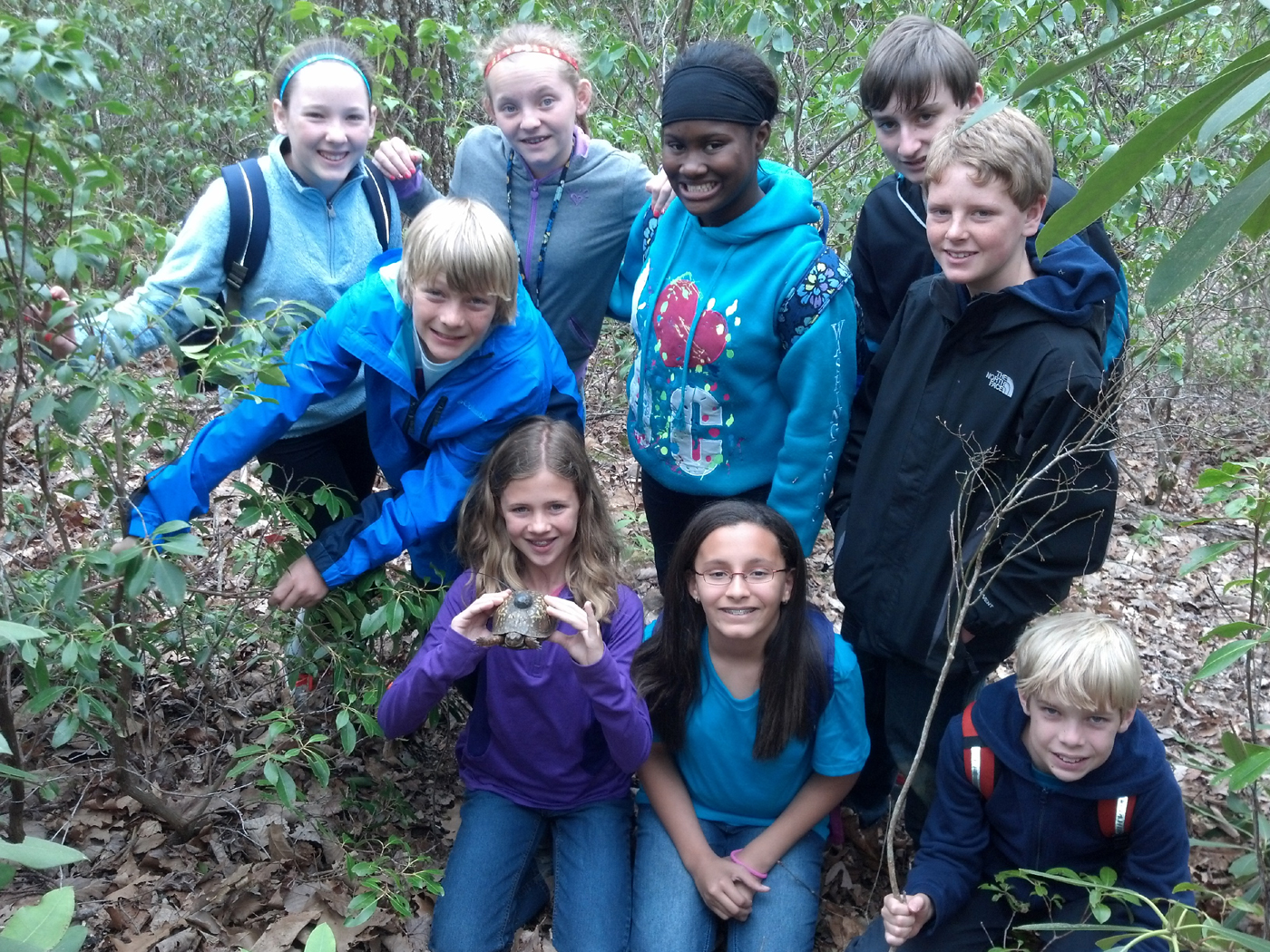


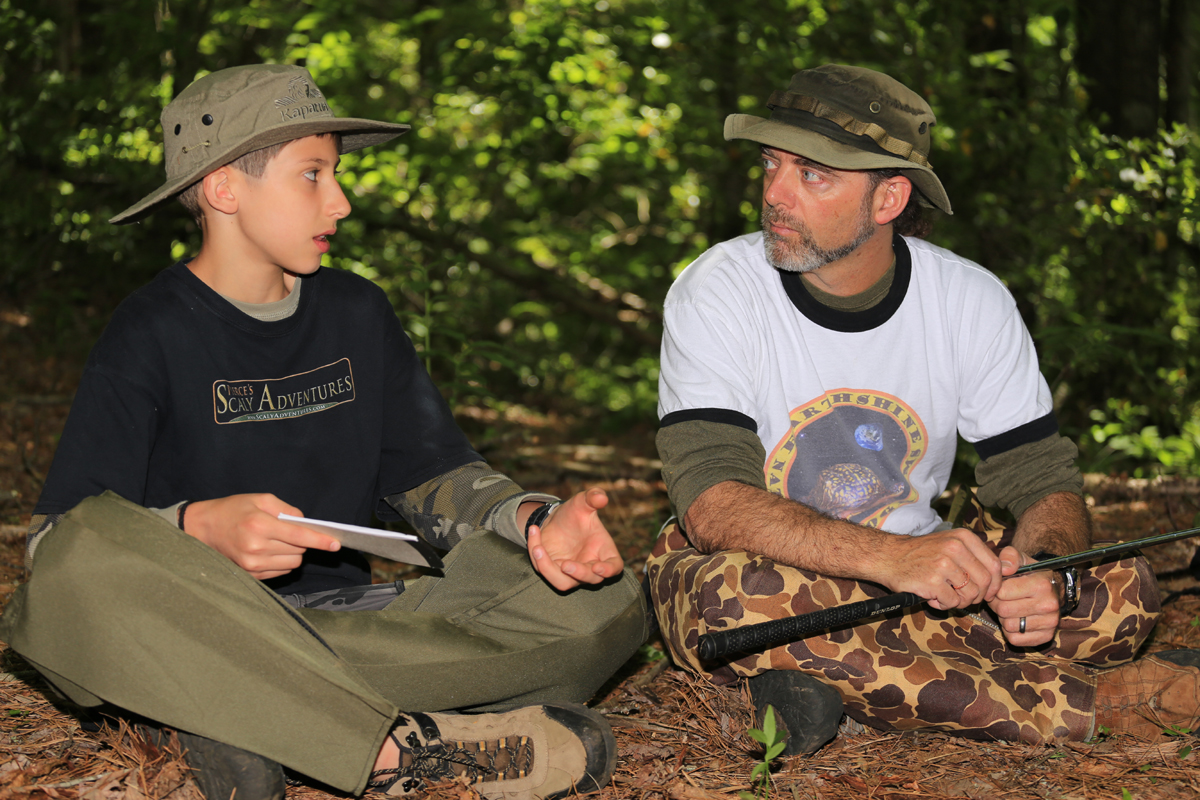
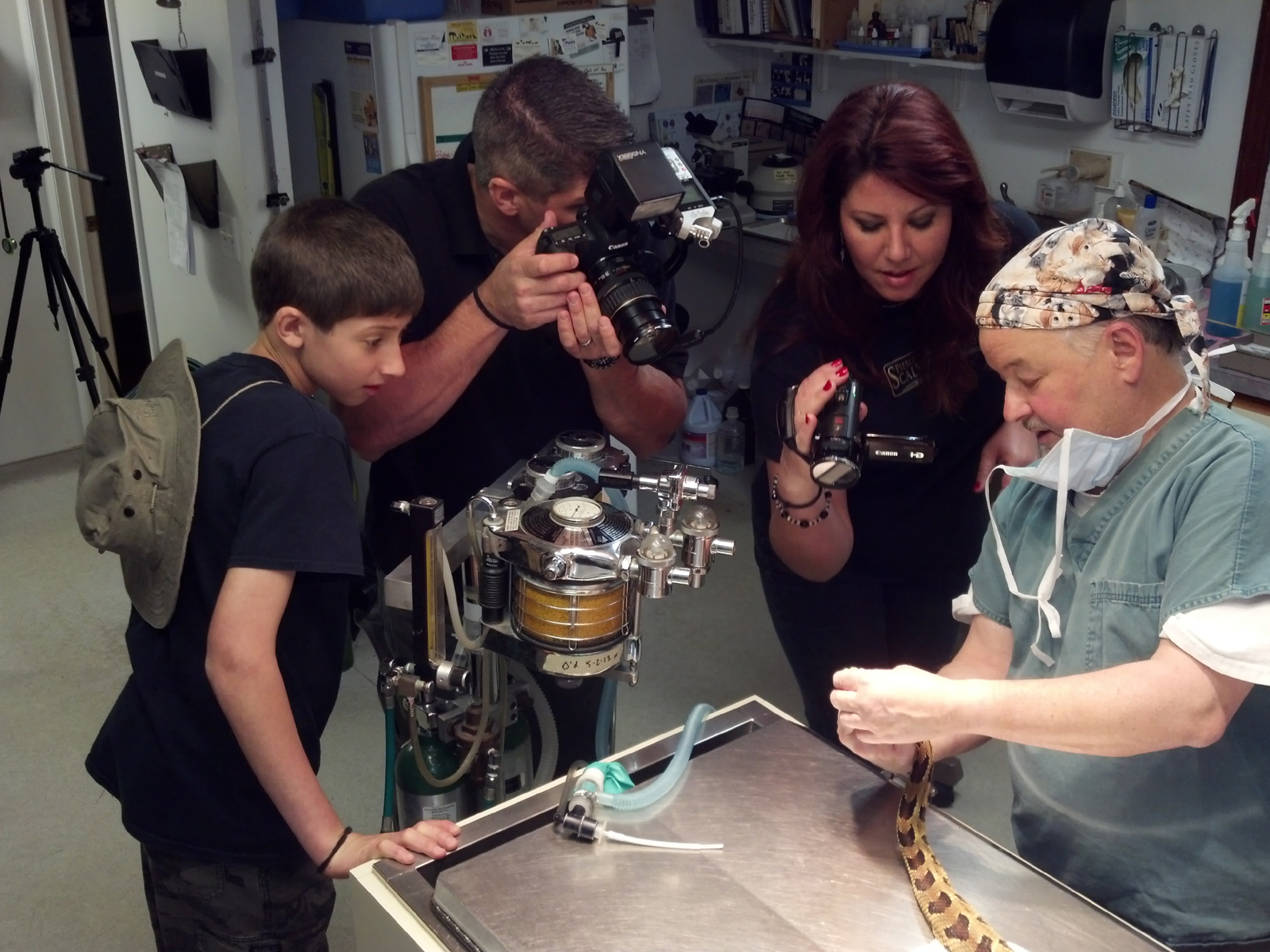
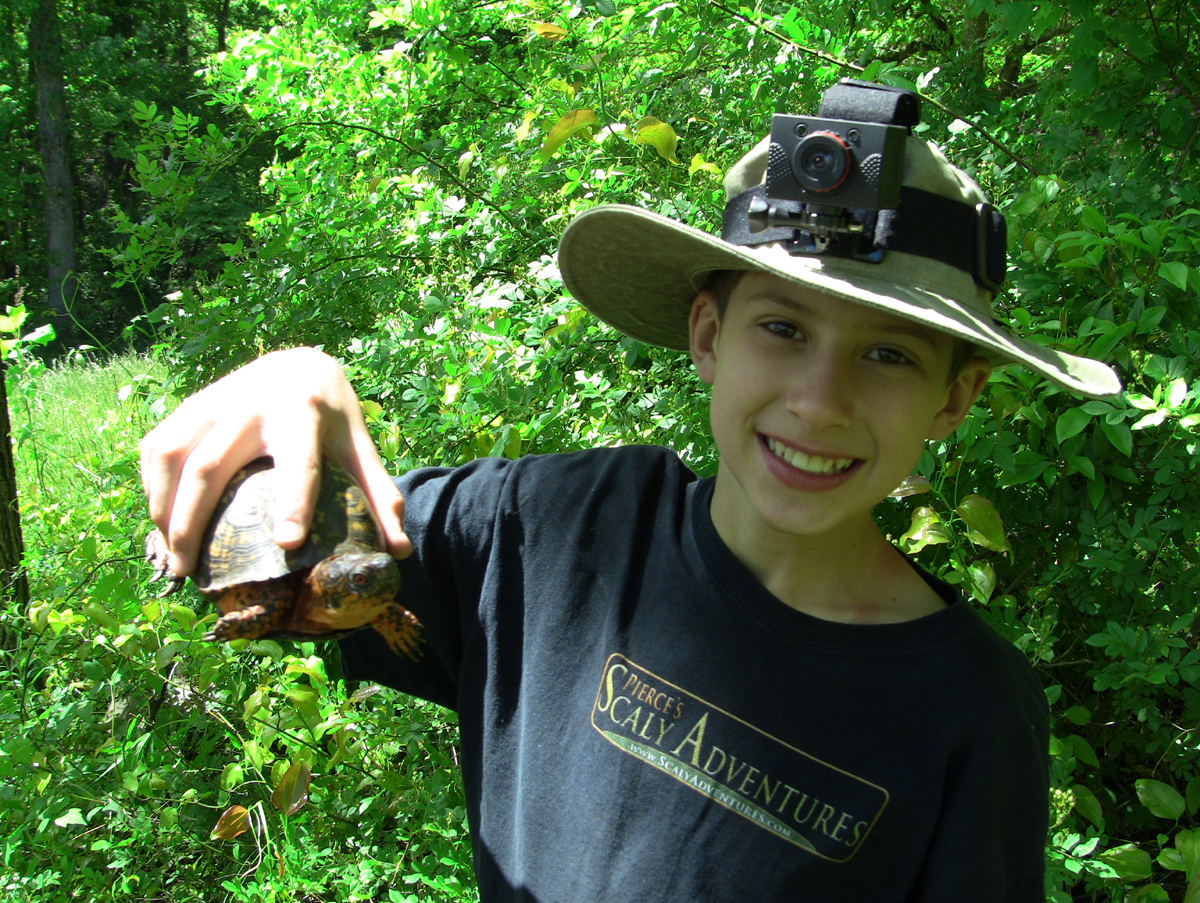


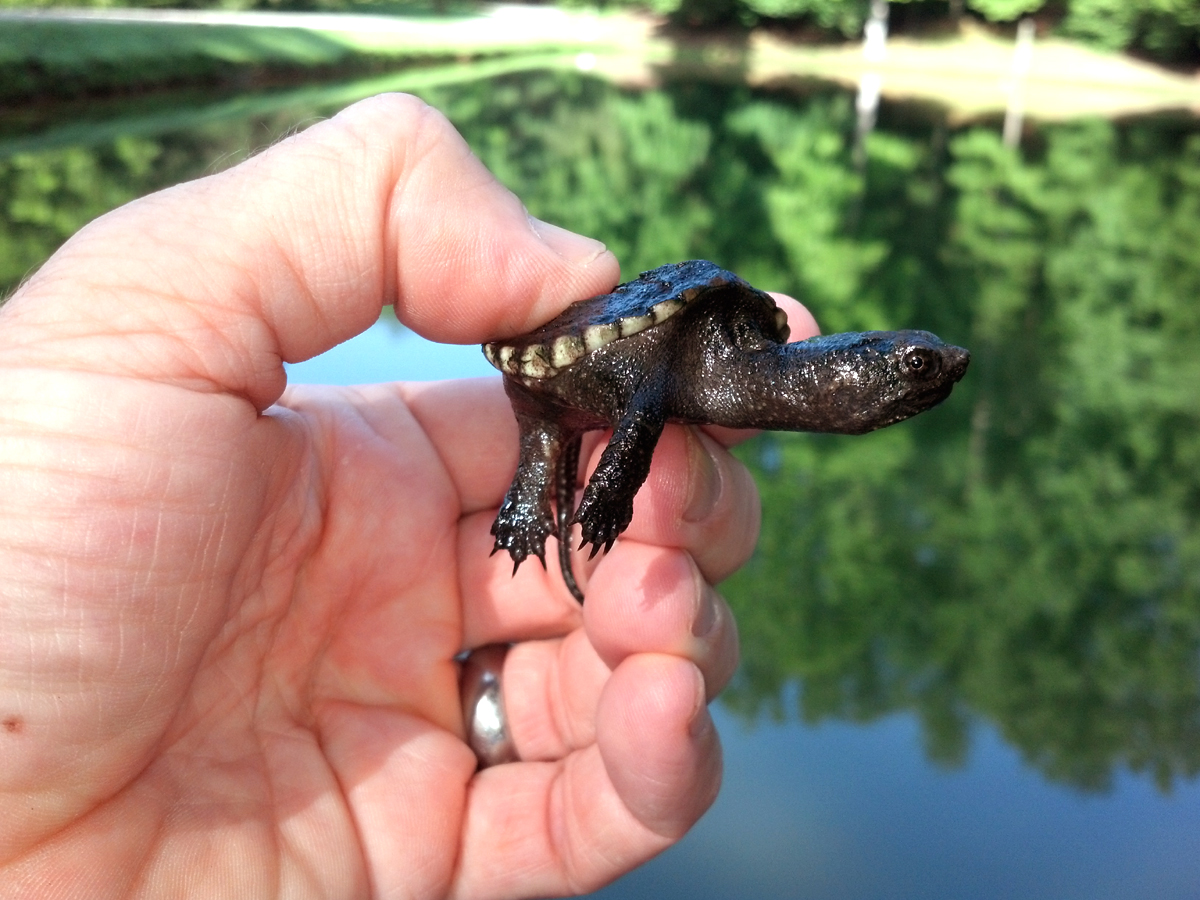


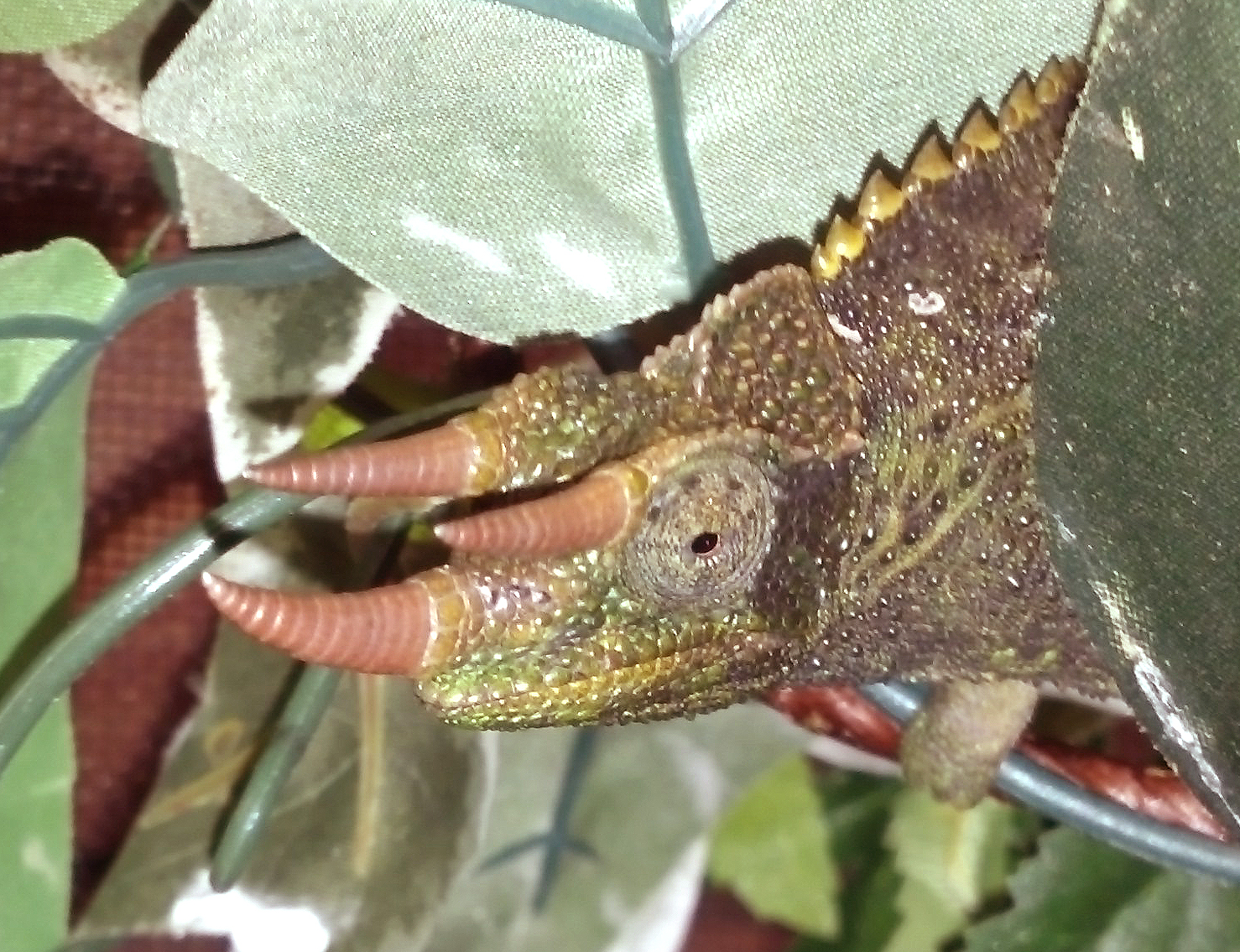


 Earthshine Nature