The 2023 outreach programming season is in full swing! Since the beginning of the year, we have presented several wildlife, nature, energy, and EV programs all over WNC and worked on improving our classroom. Below are some highlights:
Tips: Increase magnification to 125- 150 for the best experience and click photos to expand.
Classroom Update
Jim built new shelves for the classroom’s storage room and we teamed up to install them with some help from Momentum staff.
We used Jim’s Tesla Model Y as a “truck” to tote the shelving components to the classroom.
Tesla cars are awesome – but ENP really needs a dedicated work truck/community outreach and service vehicle – more on this later in this update.
These new super strong shelves make our storage room far more organized and much safer for our students.
THANK YOU JIM HARDY for your expert assistance, ability, and guidance with this and all our projects – without you, we could not have made any of this happen.
_________________________
Classroom Solar Project Update
This spring we received a fantastic donation from Mike Dietham of SolFarm Solar Co in Asheville, NC
– a new home energy storage battery!!-
This valuable battery – when coupled with two more just like it – will allow us to capture much of the excess solar-generated electricity we produce from our classroom array, and store it for use at night, and during the frequent grid power outages we experience in our remote location.
THANK YOU MIKE
and
SOLFARM SOLAR
for this most generous donation!!
That’s Mike Dietham of SolFarm using his 100% electric forklift to load the battery module onto a trailer.
The trailer was attached to the “Mighty” Bolt – ENP’s outreach EV.
We feel it is so very appropriate that a home storage battery, donated by a locally-owned and operated solar installation company, is destined to be used to store excess solar-produced clean energy for an environmental education center powered by solar energy produced by the center’s own solar modules, and that strives to teach ways we can make better energy choices by using locally-produced and renewably-harvested, energy sources – such as the solar panels that power our classroom. Along with all that awesome, the Mighty Bolt outreach EV is charged (fueled) by some of that excess solar-produced electricity produced by the very same classroom solar array that this big battery will be coupled with. This will make our classroom 100% net zero, energy secure, and able to withstand any grid outages – and it may even allow us to go completely off-grid!
Oh, and I almost forgot to mention – the trailer is locally produced by Sylvan Sport – so cool!
Think globally, act locally.
Several students visiting our classroom on a field trip from Dr. Cabin’s class at Brevard College assisted me with the installation of this battery into its final location in our classroom/lab –
THANK YOU ALL!
However, this big storage battery system is not yet online and functioning. To make this system fully operational we need to secure the donation of two more LG RESU 16 Prime battery units and/or raise the funds needed to acquire them. If you are interested in assisting us in completing this third and final phase of this project, which my students, volunteers, and community supporters started over 6 years ago, please do contact us or visit our donation page.
All donations to our 501c3 are tax deductible.
–UPDATE–
We recently received an amazing grant that will allow us to purchase another LG RESU Prime 16 battery unit – we are now 2/3 of the way to our goal!! Thank you Lake Toxaway Charities for this wonderful and most generous support!!
__________
Outreach Programming Update
We have participated in several local renewable energy and Electric Vehicle (EV) community education programs and renewable energy education/demonstration events in our county of residence and in neighboring Henderson and Buncombe Counties with the Blue Ridge EV Club, Conserving Carolina, and the Transylvania Creation Care Fellowship. What follow are a few photos from the first half of the 2023 outreach programming season.
We started off the year in February with an EV program for Conserving Carolina.
All the participants were very interested and engaged in learning all about the joys and adaptations of driving electric.
The next photo is from a Solar Energy Fair organized by the Transylvania Creation Care Fellowship. In attendance were three local solar installation companies, several EV drivers, and Steve and the SS NaSA PoD from ENP. Our goal was to spread the word about solar and EV technologies available to individuals and businesses as a way to help everyone become better stewards of our shared environmental life support system – nature.
At the Drive Electric Earth Day event, over 70 EVs of various makes and models were in attendance. We had a steady flow of people interested in learning about driving electric and it was a grand success! Look in the center distance for The PoD – its micro-grid provided solar-sourced electricity to run the PA/sound system during the event and charge a participant’s EV – so cool!
At the Earth Day EV show in Hendersonville, NC, I watched as The Air Avenger and The Smog Queen “battled” for the health of our shared environment.
The Air Avenger won the duel – now the rest of us need to follow his lead and do what is right.
We visited Oskar Blues Brewery which hosted our spring fundraiser for their “Making a Difference Monday” event series.
At our fundraiser, we joined forces with Adventure Grown Guides and several local EV drivers to share our knowledge and passion for our causes on this beautiful blustery 1st of May. The fundraiser was a success, getting us started on our way to raising the support needed to complete Phase Three of our ongoing classroom solar array project and our new outreach vehicle fundraiser project.
Wonderful long-time ENP volunteer extraordinaire Paulina sharing one of our friendly reptilian ambassadors – Elongated Muskadine – with a young friend.
The awesome crew from Adventure Grown Guides shared their guide service offerings with visitors.
Please contact them for all your adventuring needs when in WNC.
__________
In mid-May, we had a wonderful weekend outing sharing nature and science knowledge with hundreds of interested festival-goers at the wonderful
The PoD’s microscope station is a wonderful educational attraction!
Below are some beautiful diatoms some of our visitors found under our microscopes. They found them in lake water they collected from just 50 feet away in Lake Eden – so very cool!
The wonderful ENP volunteer crew and our LEAF camp.
We also presented an evening program for the wonderful folks of the Sherwood Forest Community in Cedar Mountain, NC at the Robin Hood Barn.
It was a wonderful event where Meredith, Jim, and I shared our passion for nature and wildlife conservation – especially for the more misunderstood creatures of the fields and forests such as snakes of all kinds and the ENP mascot – the Eastern box turtle.
Many heaps of gratitude to Billy and Gail, Meredith and Mary Beth, and all the wonderful residents of the Cedar Mountain and the Sherwood Forest communities who have been some of ENP’s most loyal project supporters since our inception over 15 years ago – you are all heroes!
In early July we received a new juvenile Opossum joey. This young marsupial had been found by a friend in a forest after a stormy night. It was small, weak, and clearly needed some assistance if it was going to survive. My friend is also an animal advocate so he and his family took the little orphan into their home and took great care of him until he was ready to be released. His time with the family and their pets imprinted the little Opossum on the human way of life so he could no longer be released into “the wild.” This is why he is now living under our care at the ENP/Trails Science nature center. His name is Taylor Slow and he is so incredibly friendly and everyone who has met him loves him so much and gains a new appreciation and understanding of the most important role the Opossum plays in a healthy ecosystem.
Taylor now lives in the Possum Palace at our classroom teaching everyone he meets about the awesome ‘possum so please let us know if you would like to visit and we will be sure to arrange it 🙂
_____________________
SS NaSA PoD Update
This spring we installed a few new ENP-appropriate decals on the SS NaSA PoD – THANK YOU to our friends at Peppermint Narwhal for donating the wonderful artwork for The PoD’s decals allowing us to make all this awesome happen! Please visit Peppermint Narwhal and check out all the amazing things they have to offer!
We also met up with Asher and family, who are some of the SS NaSA PoD’s biggest supporters. During our time together Asher took the opportunity to sign The PoD’s hull.
It was so wonderful to see Asher and family again after all this time. We are so grateful for their contribution to this magical mobile classroom project – without them, none of this would have ever been possible! THANK YOU AGAIN, Asher and family – we at ENP are eternally grateful for your generous and most wonderfulsupport!!!
______________________
Speaking of The SS NaSA PoD, ENP also received a most generous donation of a special electronic component called an Autotransformer from Bob Harris of Black Bear Solar Institute.
I have installed this fascinating device which now allows the PoD’s storage batteries to be charged via “shore power” using almost any electric vehicle charger of the J-1772 variety. These charging units (AKA EVSE) are common in many parts of our service area, therefore, if the sun is not out and/or our battery bank is low we can simply pull into an EV charger, plug in, and fill up the PoD’s batteries on locally-sourced electrons – isn’t science, technology, and engineering amazing! (The PoD is also able to charge via the standard 30 and 50-amp campground connectors and 120VAC.)
Below is a photo of The PoD charging up via a J1772 EV connector.
The PoD is now functionally complete and fully operational. THANK YOU to everyone who made this amazing mobile environmental outreach classroom possible – you are all heroes of the highest order!
We are now working very hard to raise the funds needed to acquire an all-electric pickup to act as a tow vehicle for the PoD, and serve as a service vehicle for our future ENP community assistance program. Below are a few renderings of what this could look like once we raise the support needed to make it happen.
(not to scale)
The PoD and a Tesla Cybertruck (Steve’s favorite)
The PoD and a Rivian R1T EV pickup
The PoD and a Ford F-150 Lightning EV pickup
As of 8/2/23, we have raised close to $4000, but we still have a VERY long way to go. If you are interested in supporting our wonderful volunteer-operated 501c3 organization with this, or any of our other projects, please consider helping us reach our goals with a donation of any size, form, or function. Read all the details of this campaign on the New Outreach Vehicle Fundraiser page on our website, visit our GoFundMe campaign, or the donate page on our website. Or if you prefer to send a check via “snail” mail, just contact us and we will be glad to give you our mailing address.
Please consider sharing this information with others – THANK YOU.
______________________
We are now well into our very busy summer camp programming season of presentations at camps, events, Trails, and private homes all over the WNC area.
Below is a slideshow following the first half of 2023.
Asher investigates some pond water under the microscope
We love The PoD!
Microscope fun at UFBRF!
Paulina sharing Slip the Rat snake with visitors at the Upper French Broad River Festival (UFBRF)
Rudy sharing solar and EV knowledge and personal experience with a visitor at the UFBRF
At the UFBRF
The bio-artifact table
More artifacts and a live Copperhead – the snake was released into the wild later in the day
At the UFBRF – we shared nature knowledge and teamed up with the Blue Ridge EV Club to share renewable energy and EV knowledge with festival attendees. NOTE: The Tesla is charging via The PoD’s solar array and, like The PoD, the golf cart is a solar powered mobile microgrid!
Afternoon program at Camp Merrie Woode – can you find The PoD?
At Merrie Woode
Meeting Charlie at Merrie Woode
Paulina sharing nature knowledge at Bound for Glory Camp
Steve and Slip, Rylee and Paisley at Camp Illahee
Nature class @ Camp Illahee
Rex the Redfoot tortoise sporting his new Tile tracker at Camp Illahee
Steve and Taylor
High over the forest – can you find The PoD and our classroom*? *Look for the corner of the solar array.
At the Lake Toxaway Nature Park in July
Our display at the Lake Toxaway Nature Park
High above the The PoD at the Lake Toxaway Nature Park
Looking over Lake Toxaway
Rylee and Taylor Slow the Opossum at Camp Carolina
Opening day program at Camp Carolina
High over Camp Merri Woode
Steve and Taylor
That is all for now, look for our end-of-year report in December.
If you are interested in having us visit your camp, school, home, office, or event in the WNC, Upstate SC, or East Tennessee areas – please contact us and we will work to make it happen.
THANK YOU ALL for working with us to make Earthshine Nature Programs possible!
Note: Any/all advertisements found within this post are not endorsed by ENP.
A wild Eastern box turtle crossing a forest road with the ENP Outreach vehicle, the Mighty Bolt EV, in the background.
Yes, we helped the turtle across the road 🙂
We have made the best of things, engineered a new way to get things done, and had a really great year –
and we could not have done it without you!
THANK YOU ALL!!!
Wildlife Rescue & Rehabilitation
The big animal story of 2022 is what happened to Tripod the Eastern box turtle. Tripod is our mascot and she is the turtle pictured on our company logo. She has been with us since the spring of 2007 when we found her badly injured on the side of the road in the Rosman community after she had been hit by a vehicle while attempting to escape several bulldozers that were in the process of modifying her natural habitat into habitat for humans. Along with a destroyed home she also had a destroyed left rear leg and badly damaged front feet – so I quickly transported her to our amazing wildlife veterinarian Dr. Chris Coleman, who removed her badly damaged leg, tended to her damaged feet, and sent her home to recover. Sadly, due to her severe injuries, the fact that her habitat had been destroyed, and that science shows that moving a wild reptile far from its home is often detrimental to its health – we made the call to let Tripod live out the rest of her days in our outdoor turtle habitat. Tripod has now lived with us for almost 16 years traveling from our original location at Earthshine Lodge to our new location at the Trails/ENP Science and Nature center. She has done very well and has been exceptionally healthy – until this spring when the unthinkable happened. Shortly after Tripod and our other box turtle ambassadors emerged from their long winter naps in their outdoor habitat, I noticed that Tripod looked…odd. I gently picked her up and discovered something very wrong with her three remaining feet – something had chewed on them during her overwintering torpor and they were badly damaged and infected. Paulina rushed her to one of our veterinarians – the wonderful Dr. Kaylee Lorch – who carefully performed a procedure to repair her damaged feet. The surgery worked and Tripod is doing very well…however, since she no longer has any toes (and only three stumps), she is now severely mobility challenged. Although she is physically challenged, she continues to eat well and is thriving despite her limitations. Due to her physical challenges, she will live indoors in our classroom where she will meet our students on a one-on-one basis and never have to worry about being harassed by other wild critters.
Tripod in her habitat
We also assisted another Eastern box turtle in regaining its full mobility. This juvenile wild turtle was brought to us in the summer with an unusual injury. One of the scutes (plates) on its plastron (bottom shell) had been damaged in the past, possibly as the result of an accidental injury from a lawn mower or weed trimmer. The injury had healed – but not in the correct location so now the shell plate was just hanging on below the turtle by a short piece of living tissue. Although it was fully healed – it was in the wrong place and therefore always in the way of the little turtle’s left front foot so in effect – it would trip over a piece of its own body when it would try to walk. It was a really bizarre injury but the little turtle was otherwise in great shape, bright-eyed, healthy, and eating very well. Again, our amazing volunteer Paulina dropped it off with Dr. Lorch for a bit of a shell adjustment – and after a successful procedure (see the photo above) the little turtle we named Tiny was all healed up and released back into his home habitat.
Tiny shortly before his release
This year we had an exciting Rat snake rescue performed by longtime ENP volunteer supporters Jim and Alice Hardy. Jim and Alice documented the exciting events that occurred when they found an adult Eastern rat snake tangled in a roll of garden netting.
Jim works to free the wild rat snake
Jim worked tirelessly to free the snake from the netting and Alice captured the event on her iPad – I later edited it into a video for you to view and learn from. Garden netting such as this can be very harmful to wildlife so please, we ask that you to please consider the misunderstood wild creatures such as snakes when you use netting such as this. Thank you, Jim and Alice, for freeing this snake so that it may go on about its life helping to keep nature in balance.
Watch the Rat snake rescue video below –
____________________________________
Outreach
The 2022 outreach season was wonderful and full of excitement. Even with “the virus” still running amok on planet earth, we saw our outdoor programming return to almost “normal” – and then some. As in the pre-pandemic world, we presented at many of the same outdoor venues as in years past and in several new locations. What allowed us to make this happen so well this year was support from our amazing volunteer program staff extraordinaire Marian, Paulina, Jim & Alice, Ron & Rachael, Michael & Katrina, and Cade who were always there when needed to make the magic happen for our outreach program participants and animal ambassadors. The second reason this year’s outreach programming went so well was also due in part to the creation of our amazing new mobile outreach classroom – the SS NaSA PoD!
The Mobile Outreach Classroom Project
Last year we introduced you to our plan to construct a mobile outreach classroom to provide us with a better way to take our programming on the road in the time of covid-19 and beyond. The wonderful news is that with your help – we did it!!! Shortly after last year’s newsletter arrived in your mailboxes, ENP received a most generous donation from Asher and family that allowed us to purchase the 1995 Casita RV pictured here as it was when we purchased it – which we then set to work on converting into our mobile classroom.
We worked all winter and into the spring to retrofit the little Casita camper and by May it was mostly complete. With Asher’s help, we also gave it a name – the SS NaSA PoD – which stands for
Science Steve’s Nature and Science Adventure Pod of Discovery
– or just “The PoD” for short. We put The PoD to work doing what it was designed to do – take our wildlife, nature, and science programming to many local and regional camps, schools, and even two outdoor festivals! It was a wonderful programming season and the SS NaSA PoD performed exactly as we designed it to do – it is a wonderful addition to our programming offerings. We are so grateful for the most generous outpouring of support we received from all of you who worked with us to make this amazing project happen (and to my wonderful wife Marian who put up with my long hours working on this project that she often called my “mistress.”)
THANK YOU ALL SO MUCH for your amazing generosity!!!
What follows are photos beginning with how the PoD looks today after our work to retrofit it as a mobile classroom, and a few photos of the PoD in action from over the summer of 2022. Please enjoy the fruits of your support and be content in the knowledge that your incredible support is helping us to continue to plant great seeds of curiosity, knowledge, and wonder wherever we may travel.
The custom Hellbender artwork on the PoD was donated by Peppermint Narwhal – please visit them today:
Your support of Peppermint Narwhal helps wildlife species in need.
If you are interested in discovering all the details of the acquisition, construction, and implementation of the SS NaSA PoD, please take a look at our previous post on this blog for all the details.
Remember to look for the SS NaSA PoD out there in 2023 and beyond!
While the PoD is working exactly as we engineered it to do, and doing it very well – the one big issue we are having is with its tow vehicle, an aging Honda Pilot with high miles that struggles to pull the PoD up hills – and in our area, we are known for the hills that we call mountains. Needless to say, we are concerned about the remaining lifespan of the Honda and truly do hope it makes it a bit longer until we are somehow able to source an all-electric truck to be used as the PoD’s dedicated tow vehicle/outreach/work/utility vehicle for ENP. Please do contact us if you would like to assist us with the acquisition of an all-electric work truck to be used primarily as the tow vehicle for the SS NaSA PoD. Follow this link for more information on our future outreach vehicle plans and for ideas on how you can help us make it all happen.
Speaking of vehicles
September 29th, 2022 was the three-year anniversary of driving the ENP Chevy Bolt EV – The “Mighty Bolt” as we lovingly call her – as our outreach education and wildlife rescue vehicle.
The Mighty Bolt in its element
I have estimated that if ENP had been using a petroleum-distillate-powered vehicle during this time, its fuel costs would have been around 13 cents per mile, and when we account for the mileage we have driven the Mighty Bolt EV during that time, our fuel costs for a legacy vehicle (such as the Honda Pilot we use to pull the PoD with a fuel economy of around .13 cents/mile) would have added up to around $5,400 for three years of use – not including the cost of repairs, “tune-ups,” and maintenance costs associated with “legacy” vehicles. Since the ENP outreach EV is fueled (charged) primarily from our student-built classroom solar array – its fuel costs are zero ($0.00/mile) for its daily driving duties. Even if it were charged primarily using the energy mix from the local power grid it would still only cost ~.01 cents/mile to drive. These savings are substantial for a small, volunteer-operated, environmental conservation and education outreach organization. All this awesome gives the Mighty Bolt EV very small business and environmental footprints, and it continues to serve as a wonderful energy education teaching tool inspiring the next generation to think above and beyond the status quo and work hard to have better Leave No Trace (LNT) ethics than past generations. As a very wise person once said: “Work very hard to leave the earth better than you found it.” Here at ENP that bit of wisdom is at the center of our mission and we work very hard every day to make that mission a reality.
The Mighty Bolt EV and SS NaSA PoD are owned by ENP and are used primarily as our outreach vehicle and mobile classroom. They are both fueled mostly by renewably generated electricity provided by the ENP/Trails Science student-built classroom solar array and the PoD’s rooftop solar array. They both serve as wonderful teaching tools for our Trails students, ENP outreach program participants, and everyone we meet via our programming.
This year ENP was interviewed for a story about the Eastern box turtle in Our State magazine!! What an honor!! Read the story via this link: https://tinyurl.com/ourstate1 or if you prefer the full link:
This was the sixth year for our student organic garden project. We produced loads of green beans, hot and mild peppers, cherry and grape tomatoes, three varieties of carrots – Cosmic purple, Solar yellow, and Lunar white (cool theme right?) – and finally, after many years of waiting – our native grape vines produced fruit! All of this wonderful organic produce was shared among the students, staff, chickens, turtles, and tortoises!
No veggie is safe around here!
As in previous years, we noticed vigorous plant growth and far fewer pests this year due to the chickens scratching up and eating many of the pests overwintering in the soil. We have always believed the only way to have a truly organic garden is to not use any toxic chemicals or fossil fuels in the preparation and tending of the garden so, as in past years, the students and I prepared the garden using only human, chicken, and solar power, and fertilized it with well-seasoned composted food scraps and cage waste from our chickens and education animals. Our small flock of friendly chickens are happy and healthy, but they are not producing many eggs due to their age. Next year we will introduce a few young hens to the flock to increase egg production for our students. Our chickens are free-range, organically fed, and have been hand-raised by our students as pets. They are wonderful, friendly, therapy animals – with the great side benefits of giving us tasty, organic, free-range eggs, no-cost organic fertilizer, and pesticide-free pest control for our student garden project.
The ENP Renewable Energy Program
High above the ENP/Trails Science wilderness-based classroom
On November 8th, 2022 we celebrated five full years of producing clean, “locally grown” renewable solar electricity with our student-built classroom solar array!! This year we achieved another milestone on that same day with the final completion of the entire solar array! Therefore, November 8th is not only our solar activation day – it is also our solar array completion day – very cool indeed. But what steps were needed to complete the array and why did it take us so long? The answer to that question is in how we constructed the array – in phases. Phase 1, the blue (5.4 kW) center section of the array, was completed on November 8th 2017. Phase 2 consisted of the East (4.8 kW) and West (7.2 kW) arrays – the darker colored sections in the photo – that were completed on July 4th 2019 – giving the classroom array a combined output power of 17.4 kW. Then, this past spring we had the good fortune to be able to acquire four slightly used solar modules (1.2 kW) from a friend. Along with these new-to-us modules came several micro-inverters which allowed my students and I to install them rather quickly onto the remaining open spaces on the eastern and western sides of the solar array support structure. We then used some of that same hardware to install our two remaining spare solar modules (.5 kW) into the final two open spaces on the array – so with the installation of these final six solar modules (Phase 2.1) – our student-built classroom solar array is now fully complete!!
My students and I installing the last solar modules
The combined array now has the capacity to produce over 19 kW of solar-produced renewable energy! This classroom energy project has been a phenomenal success! As of the writing of this document our student-built solar array has produced over 69 megawatt-hours of clean, renewably-produced, electricity! That is enough energy to power an average American home for over 6 years or drive an average EV over 250,000 miles – and it also has offset close to 50 tons of CO2 – amazing!! Since our classroom solar array has been online it has consistently, quietly, and without any pollution or toxic emissions, produced several times the energy needed to meet the daily requirements of our classroom building, education animal habitats, and our all-electric outreach vehicle’s daily driving electron fuel needs – all this and with power to share! We produce so much electricity that we send the surplus out into the local energy grid giving our closest neighbors on the campus of Trails Momentum loads of renewably-produced energy. Some of that excess electricity even goes to our nearest off-campus neighbors – so our classroom continues to be a renewable energy power plant not only for our classroom and campus – but also for the local community!!
All of this solar-powered awesome was made possible with the most generous support of Bob Harris of Black Bear Solar Institute, Pisgah Forest residents Jim and Alice Hardy, Lake Toxaway Charities, Trails Carolina, Trails Momentum, and our many other wonderful project supporters – maybe you were one of them – and all of our amazing Trails students, and ENP interns, and volunteers – THANK YOU ALL!!
With the full completion of Phases One and Two – and now 2.1 – the most complex portions of our classroom solar array project are fully complete. However, we are continuing to fundraise for Phase Three – the final phase of our long-running classroom energy project. This will consist of two interconnected parts:
Part One – a “secure power” off-grid circuit that will allow us to use energy directly from the solar array during power outages when the grid goes down and we have sunshine hitting the array – so only during the day. With your support in previous years, this part of Phase Three is now fully installed and wired but due to the pandemic setting many things back, it is not yet online – but we do hope to see it go live soon.
Part Two – this will consist of a “plug and play” battery storage system that will store much of the excess electricity produced during the day and will then supply that stored solar energy to the building’s systems at night and during power outages – which happens frequently in our remote wilderness location. Once Phase Three is fully complete and online we will then use our original power grid connection to our utility as a backup power source during long periods of dark/rainy/stormy weather. As with the Secure Power portion of Phase Three – we have completed much of the preparation for the battery storage unit to allow it to function in a “plug-and-play” manner once we raise the funds needed to purchase the remaining primary components – the storage batteries and battery inverters.
To make the remaining portion of the 3rd and final phase of this amazing student energy S.T.E.M. project a reality for our classroom, our students, and our animal ambassadors, we need your continued support in this final push to the end.
Please consider a year-end gift to Earthshine Nature Programs to help us reach our renewable energy-powered goals. Read on for several other unique ways you can support us later in this document.
Watch a short time-lapse video of Phase Two of the solar array’s construction
Isn’t science amazing!
___________________________________________
Origin Story/Supporter Spotlight
In 2007 – just a few weeks after I discovered Tripod as outlined earlier in this newsletter – I met Billy and Gail Hagler. They were visiting Earthshine Lodge where I was working as program staff. I spoke at length with the Haglers about the unique importance of nature and box turtles and we realized that we were kindred spirits in our love of wild things and wild places.
The Haglers then told me all about a box turtle their grandson had found recently on their land in a nearby community. Since their grandson was visiting from afar and would be unable to take the wild turtle home as a pet, the Haglers wondered if it would be possible to somehow keep track of this special turtle that their grandson had named Mr. Bones. I suggested using radio telemetry and the Haglers loved the idea and asked what I needed to make it all happen. I outlined the plan and the Haglers supported the project thereby becoming ENP’s very first supporters – even before ENP officially existed. I then attached a micro-radio transmitter to the carapace (upper shell) of Mr. Bones and we released him into his home habitat on the Hagler’s property.
Mr. Bones the Eastern box turtle with his transmitter
We then started keeping track of Mr. Bones (and another turtle they found and named Mrs. Bones) so the Hagler family could follow the events of their lives from afar via the magic of the internet. Weekly I would locate both turtles, collect vital location, environmental, and movement data, then make a short video of their status and upload it to a YouTube page which later became the ENP YouTube channel. We tracked Mr. Bones for several years until his transmitter prematurely failed in 2012 and we lost track of him. Luckily, we were able to continue tracking Mrs. Bones for several more years as she led us on many amazing adventures until the day I found her transmitter alone in the forest without the turtle it was supposed to be attached to. It had small scratch marks on its casing and attachment adhesive. I have had transmitters damaged and removed from turtle’s shells before and I believe it to be the work of curious squirrels/rodents or possibly a neighborhood dog. As for Mr. and Mrs. Bones, I am sure they are safe and happy living wild and free in the wonderful remote forests, fields, rock outcrops, and riparian areas of the Hagler’s beautiful nature preserve. Although we eventually lost track of both Mr. and Mrs. Bones, we were able to gather valuable data on the travels of the Eastern box turtle in the mountains of Western NC as well as provide a young boy and his family with a unique way to learn about the secret lives of a most unique and beautiful animal – the Eastern box turtle. This was ENP’s very first wildlife conservation education project and it would not have been at all possible without the Haglers who made it happen with their most generous support.
THANK YOU Billy, Gail, and family for supporting ENP over the years without you, ENP may never have happened.
It is with a heavy heart that we must report that Gail Hagler passed away recently and was laid to rest upon the very same lands where both Mr. and Mrs. Bones roam wild and free among the beautiful flowers, ferns, forests, and trails that Gail and Billy love so much. Rest in Peace Gail Hagler – you will be missed by many.
If you would like to follow in the turtle tracks of Mr. and Mrs. Bones, their stories will be forever preserved on the ENP YouTube channel and can be found via these links:
Sadly, this year we also lost another great friend of the wild things and ENP – Allen Robinson.
Allen had worked with us as a wildlife outreach programming presenter for the last two years, sharing his love of a very secretive and beautiful creature – the Flying squirrel (look in his shirt pocket in the below photo) – with our summer day campers at Campus Adventures at Brevard College.
Allen was also an accomplished wood turner as you can see from the beautiful works of art that decorated his home – some of which appear in the foreground of the photo of Allen and his furry “flying” friend.
We at ENP wish Allen a peaceful rest among the woods, wild lands, and wild things that he loved so much.
_________________________________
A few years ago ENP was featured in the Laurel of Asheville. Read the story at this TinyURL link:
or just search online for “Laurel of Asheville Earthshine Nature”
__________________________________
Wildlife Conservation Education Programs
Our wildlife conservation/field study programs ended several years ago and we are now focusing all our energy on our classroom and environmental education outreach programming, wildlife rehabilitation, and renewable energy education programs.
However, you can still learn what we learned in our wildlife adventures by purchasing a copy of the first of these three publications or preordering the others –
Snake Tracks:The Rattlesnakes of the Blue Ridge(available)
Turtle Tracks: Box Turtles of the Blue Ridge (preorder)
Snake Trails: The Rat Snakes That Live Among Us (preorder)
These three publications contain a naturalist’s perspective on the discoveries we learned by following the secret lives of Utsanati and Zoe – the two wild Timber rattlesnakes we followed in their native habitats for four years, and the stories of Mr. Bones, Mrs. Bones, Catherine, Jimmy, Mojo, and several other Eastern box turtles and Two Eastern rat snakes (blacksnakes) Apollo and Splinter – that we followed between 2007 and 2016 using radio telemetry techniques in the beautiful Blue Ridge mountains of WNC. Within the pages of these documents you will find an overview of the natural history of each species, a consolidation of my field observations and personal reflections, as well as tracking, and activity maps, and many high-quality photographs. These overviews of our three biggest conservation projects offer fascinating insights into the lives of these unique, beautiful, and often very misunderstood creatures as well as provide the reader with useful information on coexisting with these animals and other native species on your lands. All proceeds from the sale of these publications will be 100% directed toward our continuing nonprofit wildlife conservation, rehabilitation, and environmental education mission and projects. To purchase or reserve your copy(s) please send us an email or use the contact link on our website
As you know we at ENP love the more misunderstood wild creatures of the world, and since 2018 we have also been following the lives of two Black vulture (Corygyps atratus) families. One of the families used a remote rock shelter at the top of a sheer cliff face as a nursery for its young where we set up several cameras to observe the baby vultures and their parents from egg to fledge. Watch their epic-length story below or on our YouTube channel via this TinyURL link: https://tinyurl.com/vulturestory or if you prefer the original link: https://youtu.be/jI-FLPrF3zc
SPECIAL THANKS to John V. for making this unique project possible.
During the pandemic, we learned of another family of Black vultures living in an abandoned house, and as with the rock shelter family, we set up our cameras and started collecting data. We are still in the data-collecting phase of this project and have yet to produce a video documentary of the unique wildlife activity at this location – but we did deploy our cameras at a nearby feeding site and captured some amazing footage of vultures (and many other species of wildlife) doing what vultures do best. If you are interested in learning all we are learning about the amazing and very misunderstood world of the vulture, just follow these links:
The Wild Restaurant video series is on YouTube: Search for Earthshine Nature Programs then navigate to The Wild Restaurant playlist or type in the TinyURL link: tinyurl.com/thewildrestaurant
A Vulture Family Album video playlist is on YouTube: Search for Earthshine Nature Programs then navigate to the playlist, use the TinyURL: tinyurl.com/vulturefamilyalbum
Hopefully, after learning a bit more about these beautifully bizarre and most misunderstood birds with unique table manners, maybe you will come to have greater respect and admiration for the most-important role they play in nature as I have done while working on this unique project.
THANK YOU to everyone who supported us and helped us make this very special project a reality!!!
An easy way to support us – at no cost to you – is via Amazon Smile donations. Just visit: smile.amazon.com and sign up to support Earthshine Nature Programs every time you make a purchase on Amazon using your Amazon smile account.
Support us with a Legacy Donation. This is a gift from you to ENP in your will. It could be monetary, land, or even a vehicle donation. For more details please visit: www.earthshinenature.com/donate
You may choose to donate time and energy by volunteering with us as we always have many opportunities available from working festivals, in the garden, cleaning animal habitats, etc.
Howeveryou choose to support us, your support will have a lasting positive impact on our ability to bring our nature, wildlife conservation, and science literacy programming to the hundreds of young naturalists, curiosity-seekers, scientists, and thinkers that we encounter each year via our outreach programming in the local and regional community, and through our wonderful partnership with Trails Carolina and Trails Momentum where Steve works as naturalist to provide nature and wildlife knowledge, science education, and inspiration to their populations of outstanding youth. Learn more about them at:
All donations to ENP are tax deductible. Receipts are available upon request.
THANK YOU SO MUCH FOR YOUR SUPPORT
Without your support, Earthshine Nature Programs would not function. Please consider making a tax-deductible one-time donation, end-of-year, or legacy gift to us today or in the future. Earthshine Nature Programs is a volunteer-operated, nature and wildlife conservation, and science communication, donation-funded, 501c3 not-for-profit organization. At ENP we are passionate about sharing our love, respect, and curiosity for nature, wildlife and wild places, environmental stewardship, science literacy, and evidence-based decision-making with everyone we meet – especially our classroom and outreach programming students. It is today’s children who will grow up to make the big wildlife and nature conservation, science, and energy decisions of the future, and it is our ongoing mission to communicate to our students the most up-to-date, unbiased, peer-reviewed evidence, practices, technologies, and environmental ethics so they will be better informed and ready to take on the world and will work together to bring the changes that will guide us all forward into a more prosperous and all-inclusive future guided and shaped by facts, evidence – and a healthy dose of common sense. We feel that by sharing the facts and evidence, demonstrating working models of what is possible, respectfully coexisting with each other, and working together toward the common goal of creating and maintaining a better world for all living things today and into the future – we will bring the changes that will make all our dreams come true.
Earthshine Nature Programs(501c3) is supported primarily through monetary, resource, and time donations from caring, concerned individuals just like you. We fundraise and acquire grants and donations from any and all sources that would like to support us. With your support from a one-time donation of equipment or funds, a year-end gift, a legacy gift, and/or your continuing patronage and hands-on volunteering, together – we will continue to create something truly unique and wonderful that will serve to educate and inspire the thousands of students, summer campers, knowledge seekers, and others we meet each year with a newfound curiosity, greater respect, an evidence-supported understanding, and a powerful conservation ethic for caring for the natural environment that supports us all and gives us all life.
Sincerely, Steve O’Neil
Executive Director of Earthshine Nature Programs (501c3)
Please note: any/all ads that appear within or below this post are not provided, supported, or endorsed by ENP nor are we supported in any way by these ads –
Since our last update, we have completed* the SS NaSA PoD and presented many wonderful outreach programs in Transylvania County and beyond. What follows is a recap of the events since our last update.
In August the PoD became a solar centerpiece in the PoD’s first solar/renewable energy/Electric Vehicle program while Jim and I shared our knowledge and practical experience using these technologies with a gathering of interested local individuals.
Below are a few photos of this wonderful event.
Thank you Saunders for these great photos of the event!
While Jim and I were presenting the program I arranged with Marian to drive up in the “Mighty” Bolt EV, park adjacent to the PoD in full view of the audience, then nonchalantly plug the EV into the PoD to charge its batteries on solar-generated electricity, and then take a seat in the audience. It was a really neat demonstration of renewable energy and EVs in action.
The next step in working toward completion of the PoD was to install the trim piece around the new air conditioner – it had to be custom-crafted to fit the space and it looks great – thanks, Jim!
Then the time came to have the damaged area on the “driver’s” side of the PoD repaired in preparation for the custom new ENP graphics/art. The scratch went deep into the fiberglass body of the PoD – but luckily, not all the way through. The damage was causing the gelcoat to flake off, so clearly the damage needed to be repaired before we could apply the custom graphics to the body of the RV.
This is the damaged area before repairs began.
This is how it appeared during the repair…
And now, the finished product…it is a huge improvement.
I would like to offer up a huge THANK YOU to the wonderful crew at Camping World of Asheville for doing such a great job and for giving us a wonderful 501c3/mobile education discount!
An interesting point of interest: the PoD was on-site at Camping World for several days while it was undergoing repairs. During this time the PoD was off-grid and running entirely on solar power so I decided to use this as an opportunity to test the PoD’s solar/battery power system, the new air conditioner, and its remote monitoring security system.
This is a reference photo of the PoD when I dropped it off at Camping World for repairs.
As a system test, I left the air conditioner thermostat set at 70F for the duration (but I could adjust the temperature as needed via the AC unit’s wifi connection).
To verify all systems were functioning nominally, I was able to check in with the PoD via its cellular-connected security system and Victron Energy systems portal at any time.
Next are a few photos I captured while the PoD was at Camping World for almost a week.
On the first night, I noticed a spider spinning a web from the edge of the solar array…I wonder what his story is?
The next day the PoD was moved to a distant parking area where it sat for a couple of days before its turn came for repairs.
Then the PoD was moved into the shop…
Where it met some other RVs in various states of repair. This custom RV belongs to Crossroads – a local mobile veterinary clinic – what a great idea that we can totally relate to – just so cool!!
While in the shop the PoD had its hub bearings serviced and body work started…
…it was moved outside during the bodywork to allow it to cure (and charge) in the sun.
This photo shows how small the PoD is when compared to its larger cousins.
The next photos are a few screen captures showing the Victron solar/battery system’s status from during its stay at Camping World.
The leftmost capture shows the solar (yellow) and battery use (blue) over 5 days of the PoD’s stay at CW.
The center capture shows the day the PoD was taken into the shop. We can clearly see this happened between 1 and 3 pm as evidenced by the drop to zero output from the solar array while it was inside. However, even without solar input during this time, the batteries kept the AC online and operational without any issues.
The rightmost capture shows a time when the AC was on and drawing 635 watts and the solar array was charging the batteries and powering the AC at almost twice that at 1200 watts – amazing!
Sunset between the RV’s
The PoD’s time at Camping World was time well spent as it gave us a great field test of its energy production/distribution, and life support systems as well as its remote monitoring/security system – and some much-needed repairs.
The PoD’s then came home and Marian stitched together its new curtains…
Arent they perfectly appropriate 🙂
I then decided to install a single, fold-down cot above the dinette area. I chose to do this in an attempt to make staying in the PoD more comfortable for us during multi-day festivals. The PoD’s double bed (above) is more like a wide single so it is a bit of a stretch for two 50-something humans to sleep on comfortably.
It was given to me by a friend and in its previous life had been as a very slightly used camp cot…
…I modified it by removing its legs and attaching it to the wall of the PoD. In this photo, you can see the new cot in its down position. Note the center support is made from a wooden dowel, a PVC plumbing fitting, and a chair skid.
The next photo shows how the cot appears in its stowed position.
Below the cot is the GoSun Chillest 12-volt refrigerator/freezer/dinette table.
Note: the wooden support leg is easily removable and stows behind the cooler when the cot is strapped in the stowed position using two corner velcro straps.
With the addition of a thick foam camping pad, the new cot is quite comfortable – but the couple of nights I spent sleeping on it to test it out makes sleeping in the PoD feel somewhat like a submarine.
We then completed the installation of the PoD’s microscope station and debuted it at the DuPont Forest Festival.
Take a look at a few images from this wonderful event.
This was our first event using the PoD’s Overland Vehicle Systems awning sidewalls and they worked perfectly to keep the bright sun off the microscope station and provide some nice shade/shelter when needed.
Between events, the time came to remove the old Casita decals and clean the PoD as well as possible before applying the custom new ENP decals. This is how the PoD looked before decal removal and cleaning.
During decal removal…
In this short video, Paulina shows how we removed the decals.
After the decals were removed and while we were waiting for the new ones to be printed, I installed a permanently-mounted weatherproof, Bluetooth-connected, sound system for use with general class programming and/or to provide background music.
This is the control unit mounted on the outside of the PoD.
This is one of the two coaxial waterproof speaker pods.
Then, we presented several more programs – one was at the Blue Ridge Electric Vehicle Club’s semi-annual National Drive Electric Week electric vehicle car show where the PoD and Mighty Bolt EV took center stage. The club used the PoD’s PA system to emcee the event. This is what our display looked like before the event opened to the public – the Mighty Bolt EV is plugged in and changing from the PoD’s 1,780-watt rooftop solar array – so cool!
What an outstanding teaching tool we have created – together!
Then, the next step was to have the PoD professionally detailed in order to get the ~25 years of grime off of its surfaces before we applied the permanent decals (note again the wonderful new curtains).
My crew and I then applied the decals
The PoD’s custom Hellbender artwork was donated by Peppermint Narwhal – please visit them today at:
Your support of Peppermint Narwhal helps wildlife species in need.
Wildlife awareness tangent: learn more about the misunderstood Hellbender by watching this beautiful short film by Freshwaters Illustrated – you will be very glad you did.
Oh, and the next time you are in Washington, DC please stop in at Hellbender Brewing Co. and have a Hellbender Ale.
Finally, we present to you the completed*
SS NaSA PoD
as it appears today.
THANK YOU Asher and family!
The next set of photos is from the multi-day
Lake Eden Arts Festival (LEAF) in October where we were able to give the SS NaSA PoD a real-world test of its abilities.
We are super happy to report that the PoD performed admirably well at the LEAF festival. It gave us a wonderful base of operations to bring wildlife and environmental conservation, nature, and science programming to thousands of festival-goers and it provided a warm, safe, and supportive environment for our education animals and ENP chief naturalist Steve when they slept in the PoD over the three nights of the festival. Even though nighttime temperatures dropped into the mid 20’s the PoD’s micro-scale heating system (a small, ceramic element, forced-air heater) kept the pod and its inhabitants at temperatures in the mid-’60s.
During the day the PoD’s solar array was able to effortlessly keep the state of charge of the batteries up to system-supportive levels that kept all systems online and functioning for the entire festival.
We made many new and visited with several old friends 🙂
The microscope station works perfectly and is a huge hit!
Rachel loves Ashley the Boa constrictor 🙂
Below are three images of how the PoD appears in its fully deployed “Festival Mode” situation.
We also demonstrated solar cooking by cooking up some of Marian’s wonderful vegan meatloaf and later cinnamon buns for all our volunteer staff using our GoSun Fusion solar stove and solar table.
Our touch table full of bio-artefacts
It is a huge draw for all the curious young naturalists, outdoors persons, and future scientists.
Cade teaching the next generation all about snakes 🙂
Charlie the Red-footed tortoise absolutely loves strawberries
From high above our corner of the wonderful LEAF festival.
It was a grand learning experience for everyone.
THANK YOU ALL
Thank you to everyone who has supported us and those that are continuing to support us in the creation of this most unique environmental outreach education project – we are eternally grateful for your most generous support. You are all the greatest of heroes and your support is truly making an amazing difference!!!
This outreach education project will continue to inspire and educate all the curiosity seekers who discover it. But to do this right – we still need your support. The final steps in working toward the completion of the PoD are outlined below and will most likely occur in the following order:
-Installing the telescope – yes, I said telescope. The PoD will have a telescope available for special “sky party” night programs!! This telescope will use a special camera* to connect to the PoD’s flatscreen monitor to allow large groups of people to view all the awesome from the cosmos that surrounds our pale blue dot of a planet.
-Continued stocking of our field guide library.*
-Installing the composting toilet.*
-Installing the 120/240 Volt “shore power”/EVSE service. This is mostly complete but due to supply chain issues we are still waiting on previously-ordered parts to arrive that will make this happen.
-While the PoD is mostly complete and working exactly as we engineered it to do, and doing it very well – the one big issue we are having is with its tow vehicle, a 2013 Honda Pilot with high miles that struggles to pull the PoD up hills – and in our area, we are known for the hills that we call mountains. Needless to say, we are concerned about the remaining lifespan of the Honda and truly do hope it makes it a bit longer until the day we are somehow able to source an all-electric truck/SUV to be used as the PoD’s tow vehicle as well as the third (and last) outreach/utility vehicle for ENP. Please do contact us if you would like to assist us with the acquisition of a dedicated all-electric utility vehicle*.
*These are our remaining needs to fully complete the SS NaSA PoD project. If you are interested in assisting us with a donation of or toward these final items and/or the support needed for us to be able to complete this project – please do contact us or feel free to donate via the link below.
Please consider supporting this project via the donate link on our website.
This unique mobile outreach classroom will greatly benefit the nature, environmental, and wildlife conservation education, evidence-supported science, reality, common sense, and renewable energy awareness education for all our outreach program participants in the WNC region, as well as our wonderful students at Trails Carolina and Trails Momentum who will also benefit from the unique wonders it contains.
As always we will be sure to share any and all updates in posts on this blog, in our end-of-year newsletter, and on our YouTube channel – so please consider subscribing to stay up to date on this wonderful project.
The SS NaSA PoD and the Mighty Bolt EV (our primary outreach vehicle) are owned by ENP (501c3) and used as the ENP company outreach vehicle and mobile outreach classroom for ENP and our education partners Trails Carolina and Trails Momentum. They are fueled primarily with cleanly-generated electricity provided by the ENP/Trails student-built classroom solar array and the SS NaSA PoD’s rooftop solar array. They both serve as outstanding teaching tools for our Trails students and ENP outreach program participants.
Please subscribe to this newsletter and our YouTube channel to receive future updates on our projects and programs.
———————————————————————————-
Please note: any/all ads that appear within or below this post are not provided, supported, or endorsed by ENP nor are we supported in any way by these ads –
Since our last update, we worked very hard to have the PoD ready for our Earth Day reveal – but unfortunately, that did not happen. The conversion time is taking longer than we anticipated so we are now simply working to complete the PoD – with no set due date. This removed the notion of a deadline from the project and at the same time relieved some of the stress I felt because of that deadline. Now, with the anxiety of the deadline removed I feel far more at ease with things and much progress is happening at the pace at which it needs to happen.
That all being said – we are getting very close to completion.
We have completed over 90% of the PoD’s new educational/electrical/plumbing systems and all that remains includes the following:
Solar-electrical – over 95% complete: Most of the solar electronic components are now installed and all that remains is configuring the inverter, and some wire management issues.
Plumbing: 95% complete and working! All that remains is the installation of the composting toilet – this item is not time-sensitive and/or imperative to the initial operation of the PoD and will happen at some point over the next few months.
Exterior: 80% complete. All that remains is the installation of the microscope table*, flatscreen monitor mounting structure*, and painting of the PoD – these items are not imperative to the initial operation of the PoD and will happen over the next few weeks.
Interior: 99% complete! All that remains is the re-installation of the removed “furniture” from the interior of the RV as well as some finishing touches Marian will be making such as appropriately themed curtains.
Below is some of the work we have completed over the last few weeks.
We installed the Solar Inverter Battery Support Structure (SIBaSS – pronounced “Sea Bass”) into its final location in the solar-electronics gear cabinet.
We then installed the inverter, Battery Management System (BMS)/Lynx Distributor assembly, Charge controllers, and the two lower batteries.
We installed most of the heavy gauge wiring between the charge controllers and inverter to the distributor as well as the massive cables from the distributor to the batteries.
Wire management is most important. The next photo shows wires that are not yet managed.
We had to “MacGyver” a way to insulate the huge battery cables where they pass over and through the support structure. The black insulator is made from a thick, rubber, radiator hose from a large truck.
The “brains” of the system. This Cerbo GX device will allow me to monitor the real-time data from the solar-electronics system such as DC solar input, battery SOC, charging status, inverter status, AC/DC input, and output, as well as control the individual components of the system and share all of that information with my students and program participants via a Bluetooth connection to the presentation monitor on the outside of the PoD.
The AC/DC fuse/load panels are in place.
We moved the spare wheel and tire assembly from the back of the PoD to the tongue. Since we have done away with the gas bottles taking up space on the tongue, we have ample space to mount the spare. We also used the original clamp from the gas bottles as a hold-down for the wheel and tire assembly.
Moving the wheel/tire assembly freed up the space on the back of the PoD where we have installed a new access hatch that allows external access to the storage space under the bed. This will allow easy access to programming materials during classes 🙂
Lastly, we topped off the state of charge (SOC) in all four of the batteries in preparation for connecting them to the system this week!! We are about to bring the PoD to life!
In other news – Lucky the Eastern box turtle came out of hibernation this past week 🙂
If you live in an area with box turtles please keep watch for them crossing roads – especially during and after warm weather rain showers when they are most active. When you see them crossing the road please help them across to the side they are heading toward because they are on “important turtle business” and need our help crossing roads.
However, please do not take them home as “pets” or release them in areas that you believe are somehow better for them – they are protected by law in most places, and moving them far from their home range is stressful and detrimental to their health and the health of wildlife due to the potential vectoring of novel diseases and parasites and wildlife populations.
_________________________________________________
Stay tuned for all the awesome that is on the way – and a new video will be ready soon!
This amazing project will serve to inspire and educate all the curiosity seekers who encounter it. But to do this right – we need your support. If you choose to assist us in making this project a reality, this unique mobile classroom will greatly benefit the nature and wildlife conservation, science, reality, common sense, and renewable energy awareness education for all our outreach program participants in the WNC region as well as our wonderful students at Trails Carolina and Trails Momentum who will all greatly benefit from the wonders it will contain while they are in class and in the field on expedition.
The construction and use of this unique mobile classroom will be documented on this blog, in our end-of-year newsletter, and on our YouTube channel.
The ENP NaSA PoD and the Mighty Bolt EV (our primary outreach vehicle) are owned by ENP and used primarily as the ENP company outreach vehicle and mobile outreach classroom. They will be powered and fueled primarily with cleanly-generated electricity provided by the ENP/Trails student-built classroom solar array and NaSA PoD’s rooftop solar array. They will both serve as outstanding teaching tools for our Trails students, ENP outreach program participants, and everyone we meet via our outreach programs.
THANK YOU to everyone who has supported and is continuing to support this most unique project – you are all the greatest of heroes!!!
Please note: any/all ads that appear within or below this post are not provided or endorsed by ENP nor are we supported in any way by these ads – they are an automated feature of WordPress.com.
Over the last two weeks, we have continued making steady progress on the transformation of the PoD.
The welder finished his work and we retrieved the PoD from his shop. The new Bifacial Solar Array Support Structure (BiSASS) is now complete and it seems to be a very solid structure for supporting the PoD’s bifacial solar modules (panels). Take a look at these photos of the BiSASS from the welding shop.
The awning is in the black bag hanging on the right side of the rack – I will try to find a day soon when I will deploy it and get some photos to share with you.
Thank you Red Dog Welding for doing such a great job on this rack.
A word about our choice in solar modules. We are using Canadian Solar BiHiKu Bifacial solar modules. Unlike traditional solar modules which collect solar energy from only one side of their structure, bifacial solar modules have solar energy collecting ability from both sides of the module. This works well in applications where the modules are able to collect reflected light from any light-colored/reflective surface below them – such as the white rooftop of the PoD. This increased light collecting ability will allow these unique solar modules to harvest upwards of 30% more energy than a similarly-sized traditional solar module will harvest – without needing to be 30% larger – and with a vehicle as small as the ENP NaSA PoD – every little bit will help.
Before the modules could be installed we needed to prep the PoD’s roof to receive the solar array so we could install the pass-thru for the solar wiring. This is a photo of the huge hole we had to cut in the PoD’s perfectly good fiberglass roof…
We then installed the 3D printed entry gland over the hole – this device will allow the solar wiring to pass through from the roof to the solar-electronics cabinet directly below.
We also took some time to reseal all the existing rivets/bolts on the roof of the RV. As all these points will soon be under the solar array, we decided to seal everything up very well so we will not need to remove modules to seal up a roof leak. You can see two of these sealed rivet points in the above photo – they are curing under the paper/painter’s tape.
The next step was to cut several small holes that will allow the wiring from the security cameras to pass thru the shell and into the PoD. Since the PoD’s fiberglass body is basically a boat on wheels – we used cable entry ports often used in the boating industry.
For the forward-facing camera, we made use of the existing gray water tank vent pipe as the pathway to run the LAN cable for the camera as shown in this photo.
Why a security system you may be asking? There are several reasons.
1. This mobile classroom will often have several of our animal ambassadors living inside for several hours or even days at a time at multi-day festivals/events.
2. This mobile classroom will often have many unique and valuable teaching tools residing inside.
3. This mobile classroom will always contain many high technology electronics also hidden away inside.
All these unique creatures, tools, and components will need to be protected and safe. Therefore, we have created the the ENP NaSA PoD’s:
Security, Investigating, Environment, and Nature, Watching, Interpreting, Sensing, Evaluating and Recording Network (ScIENce WISERNet)
This system will allow safe and secure monitoring of the immediate area around the PoD. The obvious presence of the cameras will serve to keep would-be thieves and prowlers away from the PoD and its contents and it will allow real-time environmental, video, and audio monitoring and DVR/cloud-based recording via wireless internet connection. This connected network will allow those with administrator access* to see what the PoD’s cameras and environmental sensors are sensing at any given time and/or have recently seen via cloud storage – from any location on planet Earth that has WIFI or a cellular connection. *The only persons able to view the live feed from the PoD’s ScIENce WISERNet system will be the ENP Executive Director Steve aka “Science Steve” and his students when in class.
We have now completed the installation of the ScIENce WISERNet system – below are a few more photos of the placement of the cameras. This is another view of the forward-mounted camera.
This is the port-mounted camera. Behind it note the LAN cable leading back to the marine-grade cable entry port (out of view). Currently, this outdoor-rated cable is affixed to the surface of the PoD with adhesive cable organizers but soon, this exposed wire will be up out of the way and in a more secure location following the solar array frame rail.
This is the starboard-mounted camera. The black wire in front of the camera is one of the solar array power leads. It will soon be connected to the solar entry gland located to the right of the camera.
This is the aft-mounted camera. It is mounted on the aft structural support for the awning system.
After all the prep work was done it was time to install the 1740 watt Bifacial Photovoltaic Solar Array (BiPSA). Jim and I and two friends from work – Hunter, and Kevin* – worked for many hours to install the BiPSA onto the PoD’s BiSASS. *THANK YOU, Hunter and Kevin, for assisting us on such short notice!!!
We first pulled the solar modules out of storage and attached the mounting brackets.
Then we all worked together to carefully install the four giant solar modules onto the BiSASS. That is Jim and Kevin in the next photo – Hunter is not pictured as she had made a run to the hardware store for more stainless steel bolts and associated hardware. NOTE: The car on the right is Jim’s Nissan LEAF EV – yep, no gas needed. In fact, once the PoD is complete it will be able to charge the battery of Jim’s LEAF or any other electric vehicle using freely collected clean energy from our nearest fusion reactor – the sun!
The completed array – it is a thing of beauty.
The view looking up through the skylight – it will improve once I install the trim around the edges.
We also finished the installation of the PoD’s updated water system…
…but we will be unable to test it for a few days while we wait for the sealant to dry.
Jim and I sanded and painted the solar-electronics cabinet and will begin installing the components soon.
We also installed new LED taillight bars on the rear vertical supports (that now block the PoD’s original lights) as well as a new license plate bracket/light (the old one – that was originally located below the left rear taillight in this photo – snapped off when I was removing the plate from the previous owners).
We also installed a J-1772 inlet charge port – it is the black device to the right of the outdoor power outlet in the next set of photos. This device will allow us to charge the PoD’s lithium-ion batteries via any Level 2 Electric Vehicle Supply Equipment (EVSE) aka charger such as the one at my home, the one at the ENP/Trails classroom, or anywhere on the road using other J-1772 units and even Tesla Destination EVSE units (by using an adapter). This will be very useful when we are on the road and/or during long periods of rain when our solar modules are unable to keep our batteries full. The 120-volt power outlet will be used to power the monitor, microscope station, and any electric vehicle that possesses a J-1772 charge port (most of them) and/or that has the correct adapter.
Last, but definitely not least I then took the PoD for new a set of heavy-duty tires.
That is all for this ENP NaSA PoD update.
Stay tuned – there is much more to come.
In closing, here are some close family friends at my dad’s place in the country.
Please subscribe and follow this blog for more updates.
We hope to have the ENP NaSA PoD in service on or before Earth Day 2022!
This amazing project will serve to inspire and educate all the curiosity seekers who encounter it. But to do this right – we do still need your support. If you choose to assist us in making this project a reality, this unique mobile classroom will greatly benefit the nature and wildlife conservation, science, reality, common sense, and renewable energy awareness education for all our outreach program participants in the WNC region as well as our wonderful students at Trails Carolina and Trails Momentum who will all greatly benefit from the wonders it will contain while they are in class and in the field on expedition.
The construction and use of this unique mobile classroom will be documented on this blog, our end-of-year newsletter, and soon on our YouTube channel.
The ENP NaSA PoD and the Mighty Bolt EV (our primary outreach vehicle) are owned by ENP and used primarily as the ENP company outreach vehicle and mobile outreach classroom. They will be charged and fueled primarily with cleanly generated electricity provided by the ENP/Trails student-built classroom solar array and NaSA PoD’s rooftop solar array. They will both serve as outstanding teaching tools for our Trails students, ENP outreach program participants, and everyone we meet via our outreach programs.
THANK YOU to everyone who has supported and is continuing to support this most unique project – you are all the greatest of heroes!!!
Please note: any/all ads that appear below this post are not provided or endorsed by ENP nor are we supported in any way by these ads – they are an automated feature of WordPress.com.
Recently, Jim and I worked together to carefully machine some specialized support pieces for the Solar Inverter Battery Support Structure (SIBaSS – pronounced “Sea Bass” – LOL).
Take a look at some of the photos from that adventure below.
Drilling precision holes in a block of aluminum is fun!
Drilling a hole in a piece of T-Slot aluminum.
Aluminum blocks, strap cleats, and T-Slots in the process of being assembled.
Precision work.
All these parts were then applied to the SIBaSS and, with the webbing straps I will add soon, will all work together to hold the batteries and inverter securely in place.
At this point in the build, this is what the SIBaSS looks like. The solar inverter is on the top of the structure and the four batteries are below.
The aluminum blocks and yellow T-slot battery spacers are now in their final positions.
The back of the assembly. The large triangular gussets in the corners will serve to further strengthen the structure keeping it rigid and secure when the PoD is rolling down the road. A few small parts are still needed before the SiBaSS is complete and can finally be installed in the PoD.
In other news, we have transported the PoD to the Red Dog the welder who is working his magic and, as I write this, installing the solar array support structure onto the PoD. Here are a few photos of this major step in the process. Below, Red is toting the PoD into the shop with his forklift.
The PoD in the shop. Note the plastic shields I installed over the future window holes and air conditioner service port in the side – it was raining. Of note – the skylight Jim and I fabricated and installed a few days ago had a very good test today and I am happy to report that it passed with zero leaks.
Day One: Getting ready to begin the welding job.
Hmmm, I might need to re-locate the brake lights to the other side of the steel support beams.
Getting things perfectly aligned before the welding begins.
Array support structure taking shape.
Precision cuts require precision tools.
The solar array support rack being aligned. The solar modules (panels) will bolt directly to the shiny pieces of aluminum in the below photo.
This rack system is a special challenge since the roof of the PoD is made of fiberglass. The next photo shows one of the long “foot-like” structures Red is fabricating that will help to distribute the weight of the solar array and the awning over the entire rooftop.
Day Two of the construction: the rack is starting to come together.
One of the three brackets where the awning will attach.
Stay tuned – there is much more to come.
In closing, this is Tripod the Eastern box turtle – the ENP mascot. It will not be long before the warm sun of springtime awakens her from her long winter’s nap 🙂
Please subscribe and follow this blog for more updates.
We hope to have the ENP NaSA PoD in service on or before Earth Day 2022!
This amazing project will serve to inspire and educate all the curiosity seekers it will meet. But to do this right – we do still need your support. If you choose to assist us in making this project a reality, this unique mobile classroom will greatly benefit the nature and wildlife conservation, science, reality, common sense, and renewable energy awareness education for all our outreach program participants in the WNC region as well as our wonderful students at Trails Carolina and Trails Momentum who will all greatly benefit from the wonders it will contain while they are in class and in the field on expedition.
The construction and use of this unique mobile classroom will be documented on this blog, our end-of-year newsletter, and soon on our YouTube channel.
The ENP NaSA PoD and the Mighty Bolt EV (our primary outreach vehicle) are owned by ENP and used primarily as the ENP company outreach vehicle and mobile outreach classroom. They will be charged and fueled primarily with cleanly generated electricity provided by the ENP/Trails student-built classroom solar array and NaSA PoD’s rooftop solar array. They will both serve as outstanding teaching tools for our Trails students, ENP outreach program participants, and everyone we meet via our outreach programs.
Please note: any/all ads that appear below this post are not provided or endorsed by ENP nor are we supported in any way by these ads – they are an automated feature of WordPress.com.
Since our last update we have made some good progress on the conversion from camper to mobile outreach classroom.
We installed some custom cut and painted paneling – THANK YOU JIM! – inside the future solar-electronics cabinet (the old refrigerator space) and then cut two holes for the ventilation fans that will serve to keep everything cool. Note: all is unfinished so everything will look rough around the edges.
The first cooling fan in place – a perfect fit!
Looking at the exhaust side of the fan from the kitchenette side of the solar-electronics cabinet.
Looking at the inside of the lower fan from inside the SE cabinet.
The next photo is the intake side of the lower cooling fan. It is in the NaSA PoD’s entry way directly across from the air conditioner so on very hot, sunny, days when the A/C is running – this fan will serve to pull cool air in from the A/C unit only 2 feet away, thereby keeping the electronics cool and efficient which will in turn keep all of the PoD’s occupants – animal and human – comfortable and safe.
After getting the paneling and fans in place Jim and I temporarily mounted some of the solar-electronic gear. Below are the two Victron solar charge controllers in their future locations below the upper cooling fan. The cardboard structure to their right is the carboard crafted inverter/charger analogue…
…which will soon be replaced with the recently arrived Victron Inverter/Charger unit such as the one pictured below.
We then temporarily installed the Victron Battery Management System (BMS) and Lynx Distributors as in the photo below. Note: It looks crooked but that is an optical illusion created by the curvature of the RV’s shell. Second Note: this device is “naked” in that its pretty blue coverings have been removed. When complete it will have all its coverings in place.
After drilling all the holes to facilitate the future mounting of the electronics we removed the old, soggy, flooring of the soon to be an electronics cabinet revealing perfectly intact marine-grade fiberglass underneath…well, except for two holes which we will patch with marine-grade sealant.
We then fabricated a new floor covered by a nice piece of aluminum diamond plate. None of this is bolted in place just yet but will be very soon. The ugly yellow-brown fiberglass parts of the walls will also be sanded and painted to make the space far more presentable when we are teaching programs on renewable energy and/or attending festivals and events.
I then removed the fiberglass structures that support the sleeping area…
…exposing the hot water heater (the white device on the right) and the fresh water tank on the left. The stack of red tool boxes will become habitat pods that will house our reptilian education animals while presenting outreach programs. Each habitat pod will provide security and climate control for their sensitive scaly occupants.
This is the fresh water tank in its original location. I opted to move it to a new location to shift some of the weight from the “passenger side” to the “drivers” side of the RV to offset some of the weight from all the new solar-electronics gear going in place soon. The new location is directly across the room in the spot where the old 12volt battery once resided beside the hot water heater (the white thing under the old 12 volt battery. The water tank is not bolted in place just yet…
…in fact, it has yet again been removed and is just taking up space with all manner of other tools and parts as I work to modify the RV to begin service as an outreach education classroom.
I have also decided to remove all the Casita’s power management systems since they will no longer be needed – the Victron components will do all they could do – but far better and safer. The old electronics were originally located just to the right of center where the spaghetti-like pile of wires are now. Don’t worry, I know where all of them go 🙂
While waiting for some parts to come in the mail I removed the door latch and discovered it was really rusty and had an eroded area on its mechanism – this was why the door could not be locked.
I received the new unit – the one on the right below – and will be installing it very soon.
We also installed the new countertop and induction cooktop – THANK YOU JIM for your expertise and creativity in making this nice new countertop and THANK YOU BOB for the suggestion on the cooktop – we have tried it and it works perfectly!
That is where we are in the build at the moment and we hope to have much warmer weather soon – so hopefully, many more modifications will happen much faster.
Currently, we are still waiting for word from the welder and sheet metal fabricator. Once they work their magic we will be able to install the solar modules and continue with the installation of further components. Warmer weather in the early spring will be most helpful and much will happen fast so please subscribe and follow this blog for more updates on this unique project!
We hope to have the ENP NaSA PoD in service on or before Earth Day 2022!
Stay tuned – there is much more to come.
Please subscribe and follow this blog for more updates.
This is an amazing project that will serve to educate and inspire all the curiosity seekers it meets. But to do this thing right – we do still need your support. If you choose to assist us in making this project a reality, this unique mobile classroom will greatly benefit the nature and wildlife conservation, science, and renewable energy awareness education of all of our outreach program participants in the WNC region as well as our wonderful students at Trails Carolina and Trails Momentum who will all greatly benefit from the wonders it will contain while they are in the field on expedition.
The construction and use of this unique mobile classroom will be documented on this blog, our end-of-year newsletter, and soon on our YouTube channel.
The ENP NaSA PoD and the Mighty Bolt EV (our primary outreach vehicle) are owned by ENP and used primarily as the ENP company outreach vehicle and mobile outreach classroom. They will be charged and fueled primarily with cleanly generated electricity provided by the ENP/Trails student-built classroom solar array and NaSA PoD’s rooftop solar array. They will serve as outstanding teaching tools for our Trails students, ENP outreach program participants, and everyone we meet via our outreach programs.
Please note: any/all ads that appear below this post are not provided or endorsed by ENP nor are we supported in any way by these ads – they are an automated feature of WordPress.com.
I leave you with a cute photo of Orville our education Opossum snoozing in his new plush bed – he sure does have it made!
We have made some progress since our last post where we revealed our new Mobile Outreach Classroom Project that we have named the
ENP NaSA PoD
We had a nice spring-like day so we took the opportunity to install the air circulation/vent fan into the hole we cut into the side of the camper a few weeks ago.
It works very well.
We also installed a new LED light above the kitchenette area.
There is still a bit of trim work to be done around the fan/backsplash.
Cosmo watches through the old fan hole in the roof 🙂
We hope to have the ENP NaSA PoD in service on or before Earth Day 2022!
Stay tuned – there is much more to come.
Please subscribe and follow this blog for more updates.
This is an amazing project that will serve to educate and inspire all the curiosity seekers it meets. But to do this thing right – we do still need your support. If you choose to assist us in making this project a reality, this unique mobile classroom will greatly benefit the nature and wildlife conservation, science, and renewable energy awareness education of all of our outreach program participants in the WNC region as well as our wonderful students at Trails Carolina and Trails Momentum who will all greatly benefit from the wonders it will contain while they are in the field on expedition.
The construction and use of this unique mobile classroom will be documented on this blog, our end-of-year newsletter, and soon on our YouTube channel.
The ENP NaSA PoD and the Mighty Bolt EV (our primary outreach vehicle) are owned by ENP and used primarily as the ENP company outreach vehicle and mobile outreach classroom. They will be charged and fueled primarily with cleanly generated electricity provided by the ENP/Trails student-built classroom solar array and NaSA PoD’s rooftop solar array. They will serve as outstanding teaching tools for our Trails students, ENP outreach program participants, and everyone we meet via our outreach programs.
Please note: any/all ads that appear below this post are not provided or endorsed by ENP nor are we supported in any way by these ads – they are an automated feature of WordPress.com.
Due to the disruption of the pandemic keeping us from presenting our programming indoors as much as during the pre-pandemic era, we are now creating a new way of conducting our outreach programming outside of the classroom: we are building a mobile outreach education classroom!!
In the spring of 2021 we received the first sizable donation toward this project from Lake Toxaway Charities – THANK YOU LTC!!!
We knew we needed more support to make the awesome happen so continued our fundraising over the next few months while searching for a frame on which to build the classroom.
Then, late in 2021 with the help of our friend Mandy, a wonderful past ENP volunteer who is now a park ranger, we located a 16′ Casita travel trailer that we determined would be perfect for converting into our new mobile classroom. We then began a furious fundraising drive to raise the funds we needed to purchase the RV – including a Facebook (Meta) fundraiser and a still-active GoFundMe campaign and yes, we did raise some funds with the help of many of our generous friends and past supporters – but sadly, we were unable to raise the needed funds fast enough to cover the purchase price by the deadline – and then time ran out and we thought we had lost our chance at the RV. Then, a few days after the deadline had passed we received an amazing surprise – an incredible donation from a wonderful new ENP supporter that covered the entire cost of the RV (THANK YOU “A” and family)!! Therefore, due to their amazing generosity, we were able to make this dream a reality and purchase the camper.
Another few days passed and we received several more sizeable donations – this time from a few of our amazing longtime supporters and friends of ENP for many years.
All these, together with all the others gathered in the initial fundraising campaign, were used not only to purchase the RV – but they will allow us to completely retrofit the little Casita camper into the amazing mobile outreach classroom we have dreamed about for so long!
Along with the much-needed donations we also received wonderful and much-needed input from some of our closest friends, loved ones, and supporters of ENP who helped us see the many different angles such a complex project would entail. THANK YOU ALL!!!
We have taken in all their heartfelt input and informed opinions, made many sketches, consulted with many experts (it is always very important to listen to and take the advice of the experts into consideration when making any big decision), and now we are deep in the process of converting this little Casita camper into an amazing mobile outreach education classroom that will serve our Trails Carolina and Trails Momentum Students as well as everyone we meet through our outreach programs in the county and the region!
With the help of one of our most awesome recent graduates from Trails Carolina, (Thank you again A!) we came up with a name for our mobile classroom: The SS ENP NaSA PoD which stands for:
Science Steve’s* Earthshine Nature Programs Nature and Science Adventure Pod of Discovery!
*Science Steve is what my students call me 🙂
We took over ownership of the RV in late December and have been working as much as possible over the last few weeks in the attempt to have it ready for service by Earth Day – Friday, April 22, 2022!
When the PoD is complete it will contain the following educational systems:
Two custom-built Hardy Systems animal habitat pods will be designed and constructed by longtime friend and ENP supporter Jim Hardy. These habitat pods will provide comfortable, heated life support for up to 12 of our reptilian animal ambassadors. They will also be removable for ease of transport to and from the RV.
A microscope station for stream and field exploration.
A field guide library for identifying your finds.
A Little Free Library.
A real-time air quality and weather monitoring station.
A 1780 watt bifacial solar array and Victron Energy power system donated by Bob Harris of Black Bear Solar Institute (Thank you, Bob and BBSI!!!). This system will provide a clean energy supply to all of the PoD’s electronics and systems – including the Hardy Systems habitat pods, and RV systems – this feature will be most important when the PoD is being used for both short term day-use programming and long term multi-day programming at events and festivals where an overnight stay is needed.
A fold-out awning that will allow comfortable programming on those super hot summer days and in light precipitation.
A large flatscreen monitor that will allow the showing of nature and science documentaries in an outdoor setting.
Hand sanitizer stations to keep the germs at bay.
A custom paint job.
And more!
THANK YOU!!!
to everyone who has donated/supported this project so far! You know who you are and you are all truly amazing people! THANK YOU for your generosity and your trust in supporting this project and my little 501c3 – your generosity is above and beyond treasured and your trust is so deeply precious to me and without all of you working together with me to make this project (and all the others) happen – it would have all been impossible.
Now for a photo album of the ENP NaSA PoD project up to this point. I will continue to update this blog with more photos (and soon – videos) as the build continues so if you are not subscribed please do so in order to receive updates.
When we first met.
It is a really nice Casita camper that was renovated by the previous owners to include everything needed for comfortable camping including…
A fully functional kitchenette.
Nice 2 burner gas stove.
Double bed with extra thick mattress.
Working roof vent fan.
Working Dometic fridge.
Nice dinette.
Functioning latrine/shower.
And sink
Custom cabinetry and a working air conditioner!
But much of this would need to change for it to become our new mobile outreach classroom.
On December 31, 2021, we took over ownership of the Casita and toted it home to ENP HQ.
Sadly it is just too heavy to pull with our EV like we wanted to do – but that will change one day when we trade in our Honda Pilot for an all-electric EV pickup and then the package will be complete.
Once safely back at ENP HQ, we began the process to modify the camper into a portable classroom.
The old roof vent had to go…
…when fully open it would have been in the way of the new solar array.
The new vent fan location was sketched out on the side of the RV. This new fan will also replace the vent hood over the stove.
Jim cutting the hole for the new fan – which will double as a unique “kitchen window.”
New vent fan/kitchen window hole. We have not installed any of the windows or the fan due to the cold temperatures that would not allow the sealant to cure effectively.
The stove is history as well. We are dropping the gas in favor of an all-electric system including an induction cooktop for use during overnight events and campground programming.
The Dometic fridge was just taking up space…
…so we removed it. This space will now be used as a solar-electronics cabinet. Our new fridge will be a highly efficient 12-volt chest fridge/freezer stored under the bed.
This is a cardboard analogue of the solar-electronics package that will provide renewably generated electricity to power all of the classroom/RV systems. The real one will be much better looking and far more functional.
The solar-electronics cabinet with the cardboard analogue in place.
Looking into the bottom of the area where the batteries will reside. The cardboard box is a battery analogue – four batteries of this size will fit in this space after we construct a custom support structure to hold them safely.
The vent ports on the backside of the old fridge on the outside of the RV are no longer needed so we…
…removed them and made the holes larger in order to install observation windows that will allow students to view the solar-electronics package as well as help to make the PoD more weathertight.
Looking at the solar-electronics package analogue from outside. The new windows will drop in and cover up all the rough edges and all the exposed wiring will be made safe and secure.
Due to the cold winter weather we have been receiving lately we have not gotten very far with the outdoor work on the conversion of the RV into a mobile classroom. However, we have been working on the design process of how the solar array will fit together and function and we have ordered the components needed to secure and protect the solar-electronics gear. We have also consulted with a local welder who should be contacting us any day now with a quote for the custom roof rack that will support the solar array, weather/air quality monitoring station, and a few other components. We are also in communications with a sheet metal shop about creating the window frames to fit the viewports for the solar-electronics cabinet. We have also received the solar modules and most of the solar-electronics package including the components seen below:
Four Canadian Solar 445 watt bifacial solar modules (panels).
The four new Victron Energy 200Ah LiFePO4 batteries.
The Victron Energy power distribution bus and Battery Management System.
Lots of other components as well!
And this brings us to today.
Currently, we are waiting for word from the welder and sheet metal fabricator. Once they work their magic we will be able to install the solar modules and continue with the installation of further components.
Warmer weather in the early spring will be most helpful and much will happen fast so please subscribe and follow this blog for more updates on this unique project!
We hope to have the ENP NaSA PoD in service on or before Earth Day 2022!
This is an amazing project that will serve to educate and inspire all the curiosity seekers it meets. But to do this thing right – we do still need your support. If you choose to assist us in making this project a reality, this unique mobile classroom will greatly benefit the nature and wildlife conservation, science, and renewable energy awareness education of all of our outreach program participants in the WNC region as well as our wonderful students at Trails Carolina and Trails Momentum who will all greatly benefit from the wonders it will contain while they are in the field on expedition. Please consider supporting us today.
The ENP NaSA PoD and the Mighty Bolt EV (our primary outreach vehicle) are owned by ENP and used primarily as the ENP company outreach vehicle and mobile outreach classroom. They will be charged and fueled mostly with cleanly generated electricity provided by the ENP/Trails student-built classroom solar array and NaSA PoD’s rooftop solar array. They will serve as outstanding teaching tools for our Trails students, ENP outreach program participants, and everyone we meet via our outreach programs.
It has been a very busy 2019 at Earthshine Nature Programs! In the pages of this posting, I offer an update to catch you up on the happenings over the first half of 2019 at ENP!
Adventure News
Early in the year, I journeyed to that outstanding nexus of all geekdom the wonderful nerd incubator that is Kennedy Space Center in Florida!
I was on a pilgrimage of adventure, awe, wonder and it was an information gathering mission for the science classes I teach to the brilliant youth of today (and I was on a mission to check this off my bucket list since I was a 4-year-old kid watching the last of the Apollo moon landings on a black and white cathode ray tube console TV way back in the early 1970’s!)
While at KSC I was in my element and felt the need to share a small part of my experience with my students and with you so I made an educational “teaser” video for anyone interested in learning about NASA’s out of this world space exploration history – check it out below- then get yourself to Kennedy Space Center!
While on this spaced-out star trek I also completed another amazing life milestone even bigger than my nerdy space quest – I connected with my biological father! Yes, you read that right – through the marvels methods and tools of science I was able to have my DNA sequenced, then a few weeks later I was touring Kennedy Space Center with one of the people who brought me into existence – my biological father!
WOW!
What an amazing journey it has been – to the historic past of US space exploration and into my own history! Here’s a photo of my absolutely awesome father and I visiting in Florida. Isn’t science, life, the universe, and everything – just amazing!
Early in the year, I produced a new video documenting Asheville NC’s adoption of Proterra all-electric city busses! Check it out below!
Then, while visiting an NC beach in May, I became very frustrated (again) with the way we human animals are mistreating the planet so, like I always do, I picked up others people’s carelessly cast-off litter and produced a short Public Service Announcement about littering – view it below.
PLEASE DO NOT LITTER!
and
please work to keep our home planet clean by picking up the litter/pollution carelessly cast aside by others onto our shared earth, air, and waters.
Remember to always Reduce, Reuse, Recycle, Repurpose, Rethink, Refuse, Resist
The amazing ENP volunteers and I have presented several reptile and wildlife outreach programs to many local schools and organizations and events.
Reptiles, wildife, nature, local ale, One Wheels, electric vehicles and renewable energy – yes, it is a thing because we at ENP make it a thing and you should too 🙂
A few weeks ago I was on my way to the office when I encountered this cute little Rat snake crossing the road.
I tried to lend him a hand and he was not very cooperative but eventually, with some gentle coaxing, I was able to encourage him to move along into the forest where he would be out of danger from humans and our machines.
Then a few days later Abby and I were on the way to the classroom to work on the solar array and we discovered a young Timber rattlesnake making her way across the road – so we gave her a bit of a “hand” in getting to the other side.
I carefully used my tongs to gently lift her and move her off the road to the safety of the forest – she quickly moved off rattling all the way – such an amazing encounter!!
Upon arriving at the office Abby spotted a young Rat snake moving across the chicken yard in the direction of the chicken coop car where a mother hen had just hatched out three new chicks!
I decided to move this cute little chicken thief to the other side of the building in the hopes that he would move off and not come back for a chicken dinner!
While working on the classroom solar array we discovered this cute little Jumping spider out for a stroll – isn’t she just soooo cute!!
Here’s a close-up:-)
Wildlife Rehabilitation News
We have successfully rehabilitated one once very sick Rat snake (black snake) who lived with us since the fall of 2018 and have released him back into his home habitat.
What a grand success story – check out his release video below!
————————————————————————————————–
Charlie, one of our Red-footed tortoises, has laid eggs!!
We are incubating them now and hope to hatch them by late summer –
more on this later as things develop 🙂
———————————————————————————————
We have fostered 9 orphaned young Opossums, who lost their mother in an incident with a motor vehicle – and released them into the forest near our classroom. (In the pic you only see five but the others are underneath…)
Opossums help us so much yet they are so mistrusted and misunderstood. Watch this amazing video on the Opossum and learn how awesome they truly are!
With all of our other projects taking up most of our time we have not had much time as we would like to devote to getting more air monitors installed in the WNC area. However, we were able to successfully install one monitoring station in Murphy, NC thereby filling in the big gap in coverage in the far western part of NC.
Are you air aware? How is the air quality in your area? Take a look at the map and find out. In the coming weeks, I hope to install two more air monitors in the WNC area and close in the remaining gaps in the far western part of the state as well as in the area north of Asheville. If you are interested in hosting an Air monitor in NC (or anywhere) feel free to contact me for more details on how you can become an Air Keeper or if you are in NC please check out Clean Air Carolina and find out how you can become an NC Air Keeper and be part of the solution.
We have an awesome new ENP intern! Let’s welcome Abby M. to the crew!
Abby loves animals and nature, is very capable in everything she sets her mind to, is focused and passionate about science and environmental conservation, she has studied abroad in the rainforests of Peru, and is great with animals, people, and power tools which is always a big plus.
We have been working very hard on bringing the western portion of Phase Two of our classroom solar array online and as of 5/24/19 we made it so!
On May 24th we threw the switch on an additional 7.2 kW of solar that, with your support, we have added to the existing 4.8 kW Phase One array (the blue one).
That is solar hero Bob Harris of Black Bear Solar Institute and I throwing the switch on the new western array!
This new increase in solar capacity means our science and nature center classroom and the ENP all-electric outreach vehicle are now fully powered/fueled* by the sun!!
*When the ENP EV is charged on-site. My recent energy audit study on the ENP EV revealed that, as of the date of the study, the ENP outreach EV was 48% solar charged – however, that number has undoubtedly increased with our addition of more solar generation capability as well as the continued “greening” of the energy mix in the area in which I live. I will complete another energy audit after the completion of the eastern segment of Phase Two and report the results here and on my EV blog.
Next, I offer a series of mostly chronologically arranged photos of the construction of the western segment of the Phase Two classroom solar array starting about 3 months ago.
ENP long-time intern Pierce and his girlfriend Erin gave us a hand one day on the solar array support structure and much more – THANK YOU PIERCE AND ERIN!
Solar Hero Jim Hardy installing a support beam.
The support structure taking shape, as well as our straw bale garden experiment!
Jim and Abby cutting steel support beams for the Eastern array.
The students all worked very hard to help make this amazing project happen for their classroom!
THANK YOU ALL FOR WORKING SO HARD ON YOUR SOLAR ARRAY!!!!
The completed Zilla Rac solar support framework ready to receive solar modules!
The students and I moving the new SolarWorld solar modules into place!
Bolting it all together!
Putting the final solar modules in place!
Bob wiring the modules into the system.
Connecting the SMA SunnyBoy inverter*!
*A wonderful benefit of using SMA Inverters is if/when grid power goes out the Secure Power Circuits from the solar inverters will – when the sun is shining – provide us with up to 6 kW of emergency power to run key habitat, lighting, education support systems, and the entire campus internet system – very cool indeed!
Bob Harris and Jim Hardy – heroes for renewable energy, the environment, education, our students, and our little log cabin classroom!
THANK YOU JIM AND BOB
WE COULD NEVER HAVE DONE ANY OF THIS WITHOUT YOU!!!
After we powered up the western array, Bob worked his magic and networked the new inverter with the original unit so we could visualize the energy output from anywhere in the world – check it out HERE!
As you can see from the first partial day of operation both solar arrays together were putting out over 9.8 kW!
On the first full day of operation, we put out over 1.6 times as much power as the original Phase One array alone – circled in red!
We produced a total of 58.16 kWh of electricity for the first full day of operation – that is 33.16 kWh above our average daily usage of around 25 kWh per day. On the second full day of operation, we produced a total of 56.49 kWh and at midday hit a peak of 10,044 watts of clean solar produced electricity!! Our best production to date on the Western Segment of Phase Two has been on a cloudless cool spring day when we generated a bit over 63 kWh of clean solar electricity – that is well over twice our average daily use! Then, about two weeks later, on a very overcast, rainy, and gray day, the array produced 25.50 kWh of solar-generated electricity!! So what this means is that our array produced enough electricity to cover all of our needs even on a cloudy day – without even seeing the sun itself !!!WOW!!! If this trend keeps up we will not be paying for and using fossil fuel generated power for much longer – especially after the eastern segment of the Phase Two array comes online very soon.
For those of you interested in how much money we are saving by going solar – the answer, for now, is – all of it. Our power bill for May 2019 was only $3 above the standard grid connection fee charged by Duke Energy! Before going solar, our monthly energy cost to operate our classroom/ENP office averaged over $200. Add in the all-electric outreach vehicle and that would be another $15. But now, with our amazing student-built classroom solar array we have almost dropped our facilities and transportation energy use costs to zero! Once the eastern segment of Phase Two goes online – it will be well below zero and far into the positive.
The Eastern Segment
After we completed the Western segment of the Phase Two array we started work on the Eastern Segment. Below I offer photos of that project.
I took the following photo a few weeks ago of Jim, Abby, and her boyfriend Mitch from high on the roof while we were working on the eastern array.
Bob and Jim working with me to put one of the eastern array’s frame pieces in place.
Moving more solar modules
Bob, Abby, and I showing off one of the solar modules that will soon be producing fuel for the ENP/Trails classroom and the ENP all-electric outreach vehicle – a 2012 Nissan LEAF. I find it simply amazing that several very thin pieces of modified and purified silicon (sand) and a few other unique compounds fused together and sealed under another flat piece of glass (more sand) with a few wires connecting everything together and then pointed at the sun – produces clean fuel for our outreach vehicle and electricity to run the entire classroom/office building for zero operational costs, without any moving parts – and from my own “backyard!”
Why aren’t more people doing this?!?!?
The Eastern array starting to take shape while my little pup Tange looks on.
Abby and I moving a solar module up onto the frame.
Careful…
Success!!!
Building a solar array means tapping into your inner monkey!
Peace – through teamwork, cooperation, perseverance, some monkeying around – and lots of SCIENCE and ENGINEERING!
The very last primary solar module goes into place!
WOO HOO!!! It is DONE!!
Tightening a hold down bracket
Bob tightening another hold down
Bob running more electrical conduit
SUCCESS!!
As of June 06, 2019 the primary construction on the Earthshine Nature Programs/Trails Science student-built classroom solar array is officially complete!!
Throughout the entire project, the students have left their mark on the project and left their signatures on the support structure 🙂
Over the next 10 days, we worked on wiring up the Eastern Array, installing the safety fencing, and completing the classroom building’s new power grid wiring project that we started in the fall of 2018.
The photo below shows two of the new electrical boxes in the process of being installed.
Bob Harris installing the new main breaker box.
Now, compare those top of the line, incredibly safe electrical box units to what we had before pictured below and you can see why this electrical evolution upgrade project was so important for the safety of our students, our classroom, and our education animals.
Before this electrical system upgrade, many of the building’s power outlets had failed and a few of the circuit breakers would get uncomfortably warm to the touch thereby requiring us to resort to using many extension cords to keep systems in operation. After we powered on the majority of the new system I removed most of the extension cords and took this photo as a reference of what once was – yikes!
This new power grid is not only higher quality, a magnitude safer, and more energy efficient than what we previously used, it has also allowed us to interconnect the easternmost segment of the Phase Two solar array into the new power grid.
As the sun was setting on June 15, 2019, Bob Harris made the final connections and threw the switch on the Eastern segment of the array bringing the entire Classroom Solar Array online and ready to produce power.
As I write these words on June 16th, 2019 the first rays of the morning sun has just started hitting all 60 modules of the array and by midday, we will see what this amazing student, volunteer, and community constructed and donation supported solar powered renewable energy generation facility is capable of!
Below is a photo of “first light” hitting the newly completed ENP/Trails Science Classroom Solar Array on June 16th – Father’s Day! I took this photo using the ENP/Trails Science BloomSky weather camera – follow the link and view our completed classroom solar array in real-time anytime you like 🙂
At the end of the day the newly completed Classroom Solar Array had produced over 67 kWh of clean, “locally grown” renewable energy – and it was even partly cloudy/hazy mid-day as evidenced by the solar production curve from the newly networked SunnyBoy inverters.
Even with the clouds and haze our array produced more than enough electricity to power all our classroom/office systems, fill our Duke Energy net metering “credit bucket” to overflowing, and it also become a small scale local energy generating station providing cleanly generated electricity not only for our classroom and outreach vehicle’s needs – but also for the campus energy grid thereby “greening” the other buildings on the campus of Trails Momentum!
Now that the Eastern segment (on the right) of the Phase Two Array is complete, online, and producing electricity alongside the Western segment (on the left) of the Phase Two Array and the original Phase One Array (the middle one) – it will bring the total system capacity up to 19.2 kW of solar produced electricity!! Due to environmental factors and system losses, our maximum output on perfect days could reach upwards of 18 kW and possibly hit production targets of over 80 kWh – only time will tell!
UPDATE: On the first day of Summer 2019 the array produced an astonishing total of 83.34 kWh of electricity!!! That is over 3 times our energy needs – truly amazing!!!
Take a look at the beautifully perfect power curve from that day…
A few more amazing stats…
Now the same curve showing the inverter output.
The below graph shows our to-date monthly production numbers for 2019 – outstanding!
Now let’s compare the solar output for
June of 2017…
…and June of 2018…
And now, June of 2019
WOW
Now take a look at our annual solar electricity production since day one of almost exactly three years ago. Our 2019 levels will soon surpass all of 2018 and 2017 combined – and as I write it is only now the fourth of July – now that is some amazing homegrown energy independence and freedom! In fact, to mark this special day, from now forward I will forever refer to July 4th as the ENP/Trails Science classrooms
Energy Independence Day!
And now our energy production numbers to date.
The key numbers to notice here are the following:
Total energy produced since going online in late June of 2017:
11.184-megawatt hours!!!
That is enough solar-generated electricity to offset the energy needs of
1.55 average American homes for one year!!
This may not seem like much but until a month ago we were using almost all of the energy produced by the 4.8 kW Phase One array – and we still managed to generate a small surplus. Now that we have all of Phase 2 complete and online we will generate much, much more!
How did I come up with those numbers you may ask:
According to the UCS the average American home uses 7,200kWh/year.
1 (MWh) / 7.2 (MWh) = 0.13889 Homes per MWh
0.13889 (Homes per MWh) x 11.184 (MWh) = 1.553 homes
Now that we have completed Phase 2 and the entire array is now complete, online, and producing loads of electricity, it will be very interesting to see how long it takes us to blow the top off of those numbers.
Science and evidence tell us that burning things (fossil fuels such as coal, oil, natural gas, gasoline, diesel fuel, etc.) for energy/fuel releases toxic air pollution and Carbon Dioxide (CO2) into our shared atmosphere. These compounds, directly and indirectly, harm our health, our planetary life support system, and all our futures. By going solar we at ENP and Trails Science are no longer using toxic fossil fuels to power our classroom and outreach vehicle. We have avoided releasing 8.6 tonnes of CO2 into our shared atmosphere as well as all of the associated pollution – and that is a very good thing!
The average American is responsible for releasing 19.8 tonnes of CO2 annually. By installing our classroom solar array we have reduced our classroom’s carbon footprint from 19.8 to 11.2 tonnes. Adding in the 6 tonnes of CO2 removed by driving an all-electric solar-charged EV outreach vehicle and we reduce our CO2 output down to 5.2 tonnes! We are well on our way to net zero!
That is most impressive!
Calculate your own carbon footprint using the following websites and work to reduce your impact on our shared earth.
Our amazing new solar capacity will produce loads of surplus power, far above and beyond what we use. This surplus power will, at first, go toward filling the overflowing net-metering “credit bucket” for our classroom that we will then pull from at night and during periods of low light/rainy/wintery weather. This large output of power and overflowing electron filled credit bucket will effectively remove our Duke Energy power bill for the classroom building and most of the electric fuel bill for the ENP all-electric Nissan LEAF outreach vehicle – WOO HOO!!
Eventually, when we bring online the third and final Phase of our classroom solar energy project – the “plug and play” battery storage bank* – we will then channel a portion of any excess power produced during the day into those batteries for later use at night and during periods of dark weather. At that time, our connection to the Duke Energy power grid will remain as a backup – just in case – and it will act as an emergency “generator” in the event of a major power outage coinciding with a long period of dark/rainy/wintery weather (if we ever see wintery weather again…)
However, if over time, we discover that we are able to make enough power for all of our needs and if the system operates without issue in all weather through all seasons – we hope to eventually unplug from the grid entirely thereby making our science classroom and ENP office 100% off-grid, self-sufficient, energy secure, and net zero.
Now that is what I call true freedom!!
Freedom from all the problems of burning toxic fossil fuels – freedom from the insanely high human and environmental health costs, the endless war, and dirty politics connected to and feeding upon the acquisition, transport, and use of fossil fuels.
*We are now raising funds to support the Phase Three battery bank and associated battery inverter system. If you are interested in supporting the third and final phase of this awesome classroom renewable energy project, please follow the links at the end of this blog post for more information on how you can support us.
Above all of the obvious awesomeness of producing clean, “locally grown,” energy-secure, renewable energy from the sun to power our classroom building and outreach vehicle – our primary reason for all the time, effort, classroom, and community teamwork, fundraising, and focus on this multi-year-long project is the continuing STEM education of our students, visitors, and outreach program participants and you reading this blog post. To put it simply – our students, visitors, and outreach program participants and you are the future of science-supported nature, wildlife, and environmental conservation of their futures and of our planetary life support system. By introducing all of you to the most up to date, scientifically accurate, and unbiased, nature, wildlife, environmental, energy, climate, and renewable energy-focused peer-reviewed science, as well as to these functional projects that they work together to create in class that directly benefit their classroom and learning environment and education – we are hopefully planting great seeds of curiosity in science, technology, engineering, math (STEM), nature, ecology, clean energy, and clean transportation systems as well as forward-thinking progress that works to benefit all of us, our shared environment, and of everything moving forward.
————————————————————————————-
BE THE CHANGE YOU WISH TO SEE IN THE WORLD
AND THE WORLD WILL CHANGE
—————————————————————————————–
Speaking of change, today* was monumental for us in more ways than one.
*much of this post was written on 5/24/19.
While we were powering on the Western segment of our new solar array in support of using clean, “locally grown” renewable energy (instead of – toxic and expensive – in more ways than your bank account – fossil fuels) to power our classroom, outreach vehicle, and our future – over a 1.5 million school-age students, many of their teachers, supporting parents and other adults, and scientists from all disciplines from all around the planet, in thousands of cities and hundreds of countries – were walking out of their classrooms, offices and laboratories to protest their government’s inaction on fighting the most challenging environmental and social issue of our time:
Anthropogenic climate change.
I stand in support and solidarity with the students, scientists and others who are attacking this most urgent issue head-on with peer-reviewed evidence, science supported solutions, and peaceful action such as but not limited to; the adoption of energy-secure “homegrown” renewable energy sources, zero-emission electric transportation, and the election of policymakers who understand and support the findings of science and will choose to deny the status quo and work very hard to make the needed changes in the system that will be most beneficial for everything and everyone moving forward.
In support of these goals I attended the March 15th, 2019 Fridays For Future event and plan to attend the September 20th Global Climate Strike event as well. I encourage all of you reading this to join me from wherever you are and to attend, organize, band together with your classmates, teachers, professors, and co-workers, and peacefully walk out of your school, laboratory, office, home, church, place of business or other institution to show your support for ending our toxic addiction to fossil fuels and adopting clean, energy-secure, “locally grown,” renewable energy systems and electric vehicles to power, transport, and and empower a better, more prosperous future for us all.
Earthshine Nature Programs* (ENP) is a volunteer operated wildlife and environmental education and conservation and renewable energy outreach education nonprofit (501c3) based out of Pisgah Forest, NC. It is operated by its founder and Executive Director Steve O’Neil. Steve is on a mission to connect people with nature and wildlife and in doing so he works to foster a renewed curiosity in the natural world that supports us all.
Through his hands-on wildlife, nature, indigenous music, renewable energy and science outreach programming at camps, schools, birthday parties and special events in local area and in the WNC region, to his unique experiential citizen science-based projects and experiences in his Trails Science classes, Steve strives to educate and inspire his students and people of all ages to get excited about nature, wildlife, the sciences, and above all else – caring for, and becoming better stewards of the fragile natural environment that supports us all.
Steve is also a full-time naturalist and environmental science educator at Trails Carolina and Trails Momentum near Brevard, NC where he and his students and interns care for a menagerie of animal ambassadors, most of which are ex-pets and non-releasable wildlife. Some of these animals were once wild but after surviving run-ins with cars, dogs and habitat loss, were rehabilitated by Steve (an NC licensed wildlife rehabilitator), his students, and volunteer staff.
Gollum the Eastern Hellbender – one of Steve’s animal ambassadors.
These animals are housed in the rustic log cabin Science and Nature Education Center classroom that is also the office of Steve’s nonprofit
Earthshine Nature Programs
High above the ENP/Trails Science Classroom cabin (Note: This photo was taken in 2017 – before Phase Two of the classroom solar array had been started).
Steve is an avid supporter of renewable energy – especially solar – and he supports the great need for trusting the findings of science to facilitate the final goal of transitioning our society away from polluting fossil fuels to renewable energy sources and renewably powered electric vehicles for the sake of our health, the health of our shared environment, and future generations of life on Planet Earth.
Questions? Contact Steve at earthshine.nature@gmail.com
Facebook: Earthshine Nature Programs and The Blue Ridge EV Club
Steve and a Snapping turtle friend he rehabilitated and released into its native habitat.
A history lesson: Steve O’Neil founded Earthshine Nature Programs (ENP) when he was working as an outdoor guide and naturalist at Earthshine Lodge in Lake Toxaway in 2010. In 2013 ENP incorporated as a 501c3 and became a separate business entity from Earthshine Lodge yet ENP kept the name Earthshine as a reminder of its humble beginnings at the wonderful Earthshine Lodge. The name Earthshine is foremost in our mission because we believe that stewardship of the EARTH, and all the life contained within this fragile oasis of life in space, should SHINE brightly above all other issues because without clean air, water, and environmental balance – we have nothing.
2. Direct donation of materials/funding via one of the following links.
If you would like to donate anonymously, please visit our donate page at www.earthshinenature.com/donate or donate to our GoFundMe campaign or support us on our new Patreon Page. Yet another option for supporting us is our new Solar Sponsorship program – read more about it below.
or
Snail mail your donation to
Earthshine Nature Programs
134 E. Dogwood Ln.
Pisgah Forest, NC 28768
3. Sponsorship of a solar module (aka solar panel).
How the solar sponsorship program works.
You may choose to sponsor (donate) one or more solar modules at the donation level of $500 each.* *Your sponsorship covers the cost of the solar module, its support structure, and the electronic components needed to tie Phase 2 into the existing & operational classroom solar array.
After your donation is complete – your name/company name (or the name of your choosing) will be permanently affixed to the frame of your sponsored solar module(s) and/or inscribed on a nearby commemorative plaque listing all classroom solar project supporters. (you may opt out of any of these perks)
Sponsors will also receive a certificate of sponsorship, a donation receipt, and the following private web links that will allow you to check in anytime & see your donation in action supporting our classroom, our students, our education animals, and the future!
– A unique web address and private login/password that will allow you to directly access our classroom solar array’s real-time energy production status.
– A unique web address to a private live web camera providing a birds-eye view of our classroom solar array in action! (and organic garden during the growing season)*
– A web address to our weather camera that provides yet another unique view of our classroom solar array in action and a daily time-lapse video of the weather at our site.*
*No students/staff will be identifiable to protect their privacy.
And if you choose: A set of one of a kind “solar earrings” or a “solar pendant.” Handmade of remnants of solar cells by Naturalist Steve O’Neil and his interns. These unique items do not generate any power but they are all one of a kind, unique, and beautiful.
To sponsor one or more solar modules please contact Steve at earthshine.nature@gmail.com
4. Support us by shopping on Amazon with Amazon Smile by following this link: smile.amazon.com and under the Supporting Link choose Earthshine Nature Programs and Amazon will donate funds to ENP each time you make a purchase – at no cost to you!
THANK YOU!!
Without your continued support, Earthshine Nature Programs and the Trails Science program would not function. Please consider making a tax-deductible donation to ENP now and in the future. Earthshine Nature Programs is a 501c3, donation funded, volunteer owned and operated, wildlife conservation and rehabilitation, environmental stewardship, and science education charity organization.
ENP has a wonderful partnership with Trails Carolina and Trails Momentum to provide nature and science education and inspiration to their populations of outstanding youth. Learn more at:
I am passionate about sharing my love, respect, and curiosity for nature, wildlife and wild places, environmental stewardship, science, and reason with everyone I meet, especially my classroom and outreach programming students. It is the students of today who will make the big nature and wildlife conservation, science, and energy decisions of the future, and it is my goal to give my students the best possible unbiased exposure to the most up to date, peer-reviewed evidence, ethics, practices, and technologies so they will be better informed and ready to take on the world and be the change that will guide us all forward. I feel that by demonstrating working models of what is possible, respectfully coexisting with each other, and by working together toward the common goal of creating and maintaining a better world for all living things today and into the future, we will make all of our dreams come true.
Earthshine Nature Programs(501c3) is supported primarily through monetary, resource, and time donations from caring, concerned individuals just like you. I work hard to fundraise and acquire grants and donations from any and all sources that would like to support us. With your help with hands-on volunteering, a one-time donation of equipment or funds, a year-end gift, or a continuing patronage – together we will create something wonderful that will serve to educate and inspire thousands of students with a new curiosity, greater respect, passionate understanding, and conservation ethic for caring for wildlife, and nature, and the adoption of responsible, secure, clean energy and transportation resources that we can all work to bring to our homes, businesses, and on the roads, thereby lowering our impacts on our shared environment and in the process become better stewards of nature and empower our shared futures through the findings, methods, and tools of science.
THANK YOU ALL
Sincerely,
Steve O’Neil
Executive Director of Earthshine Nature Programs(501c3)


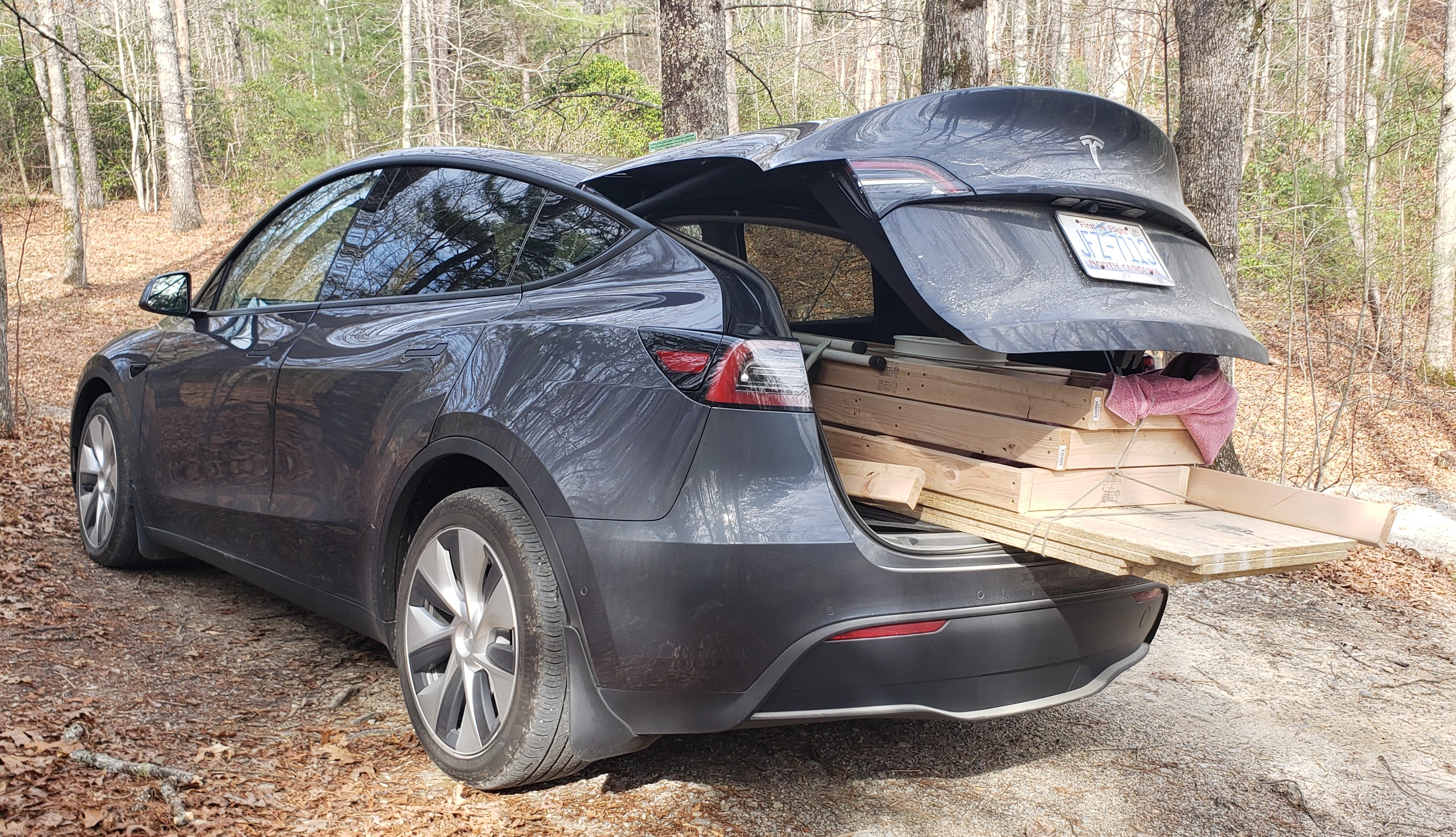


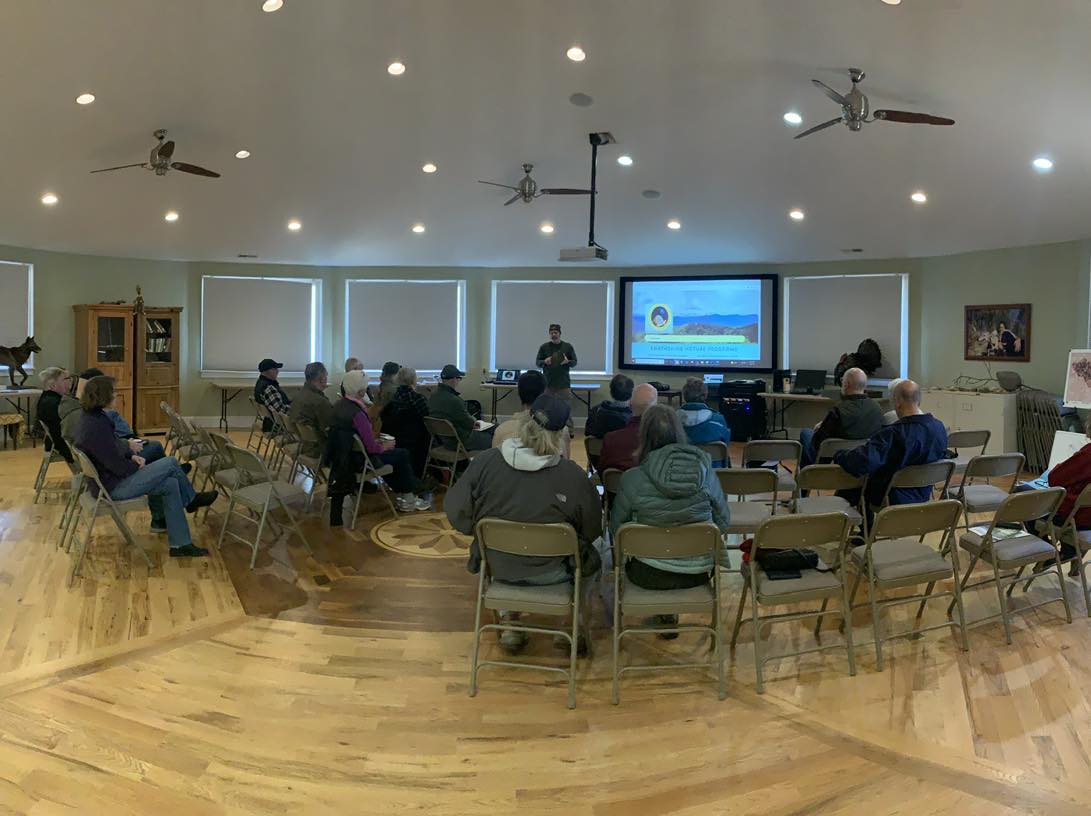


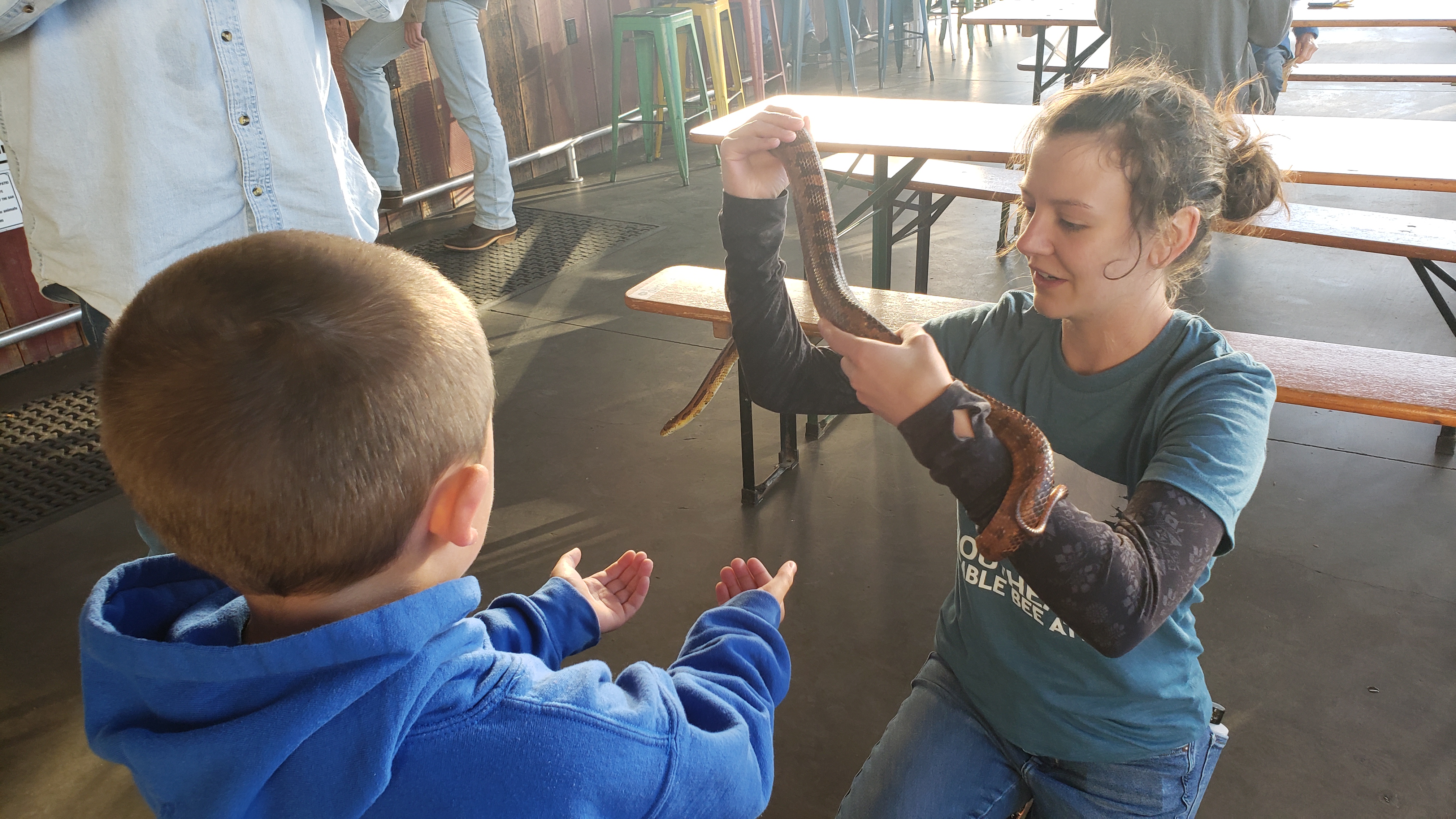

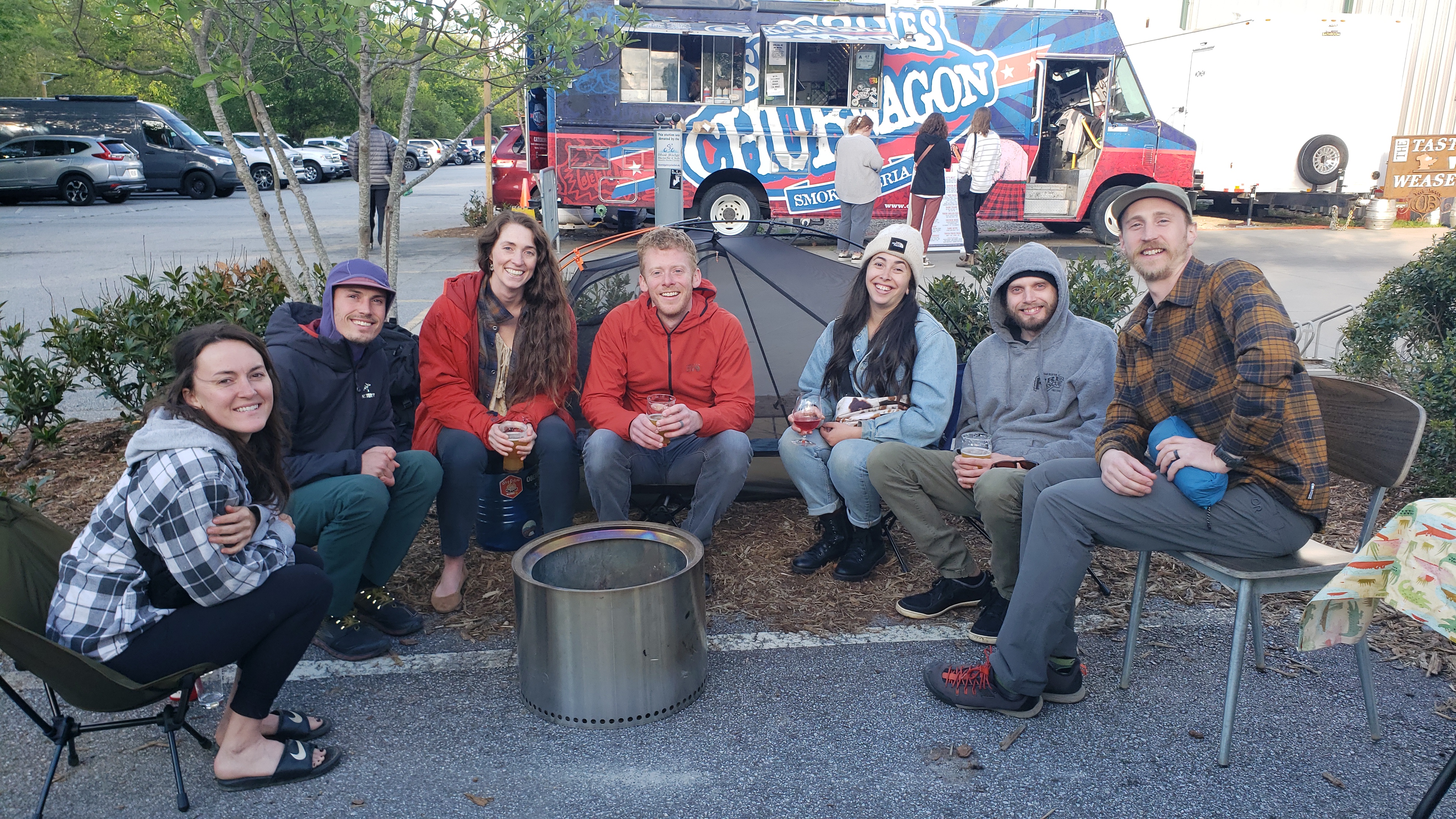

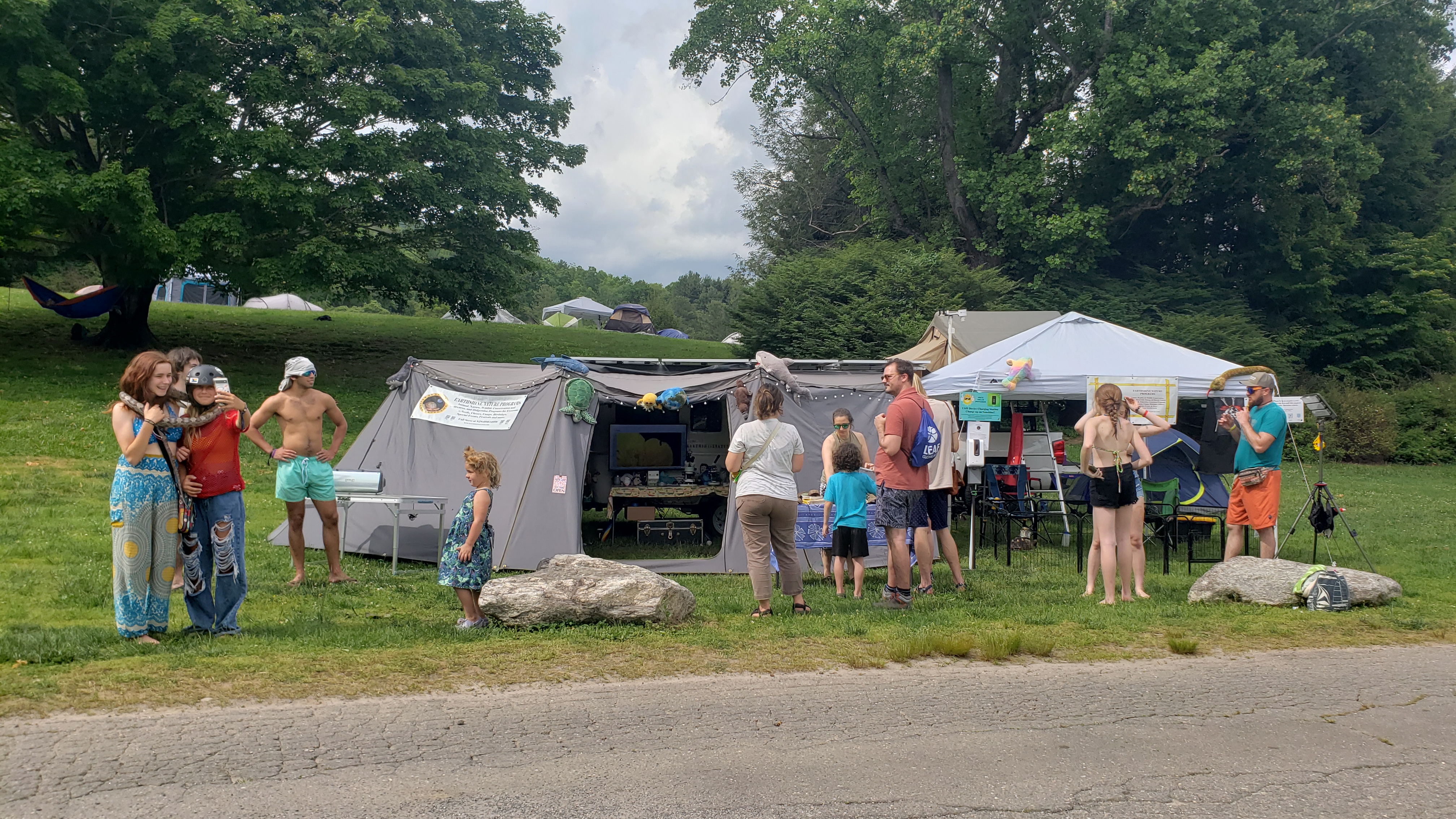
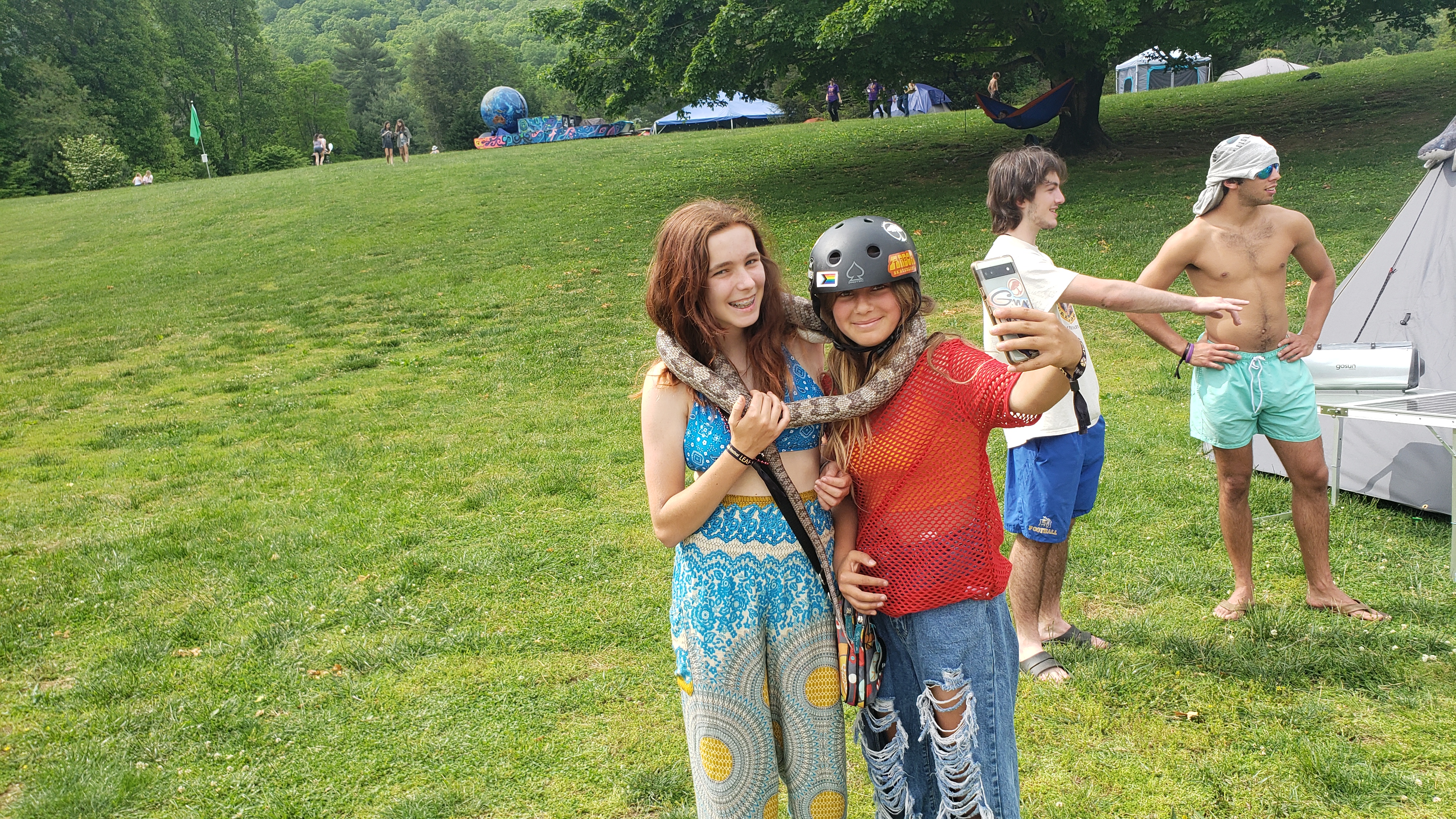
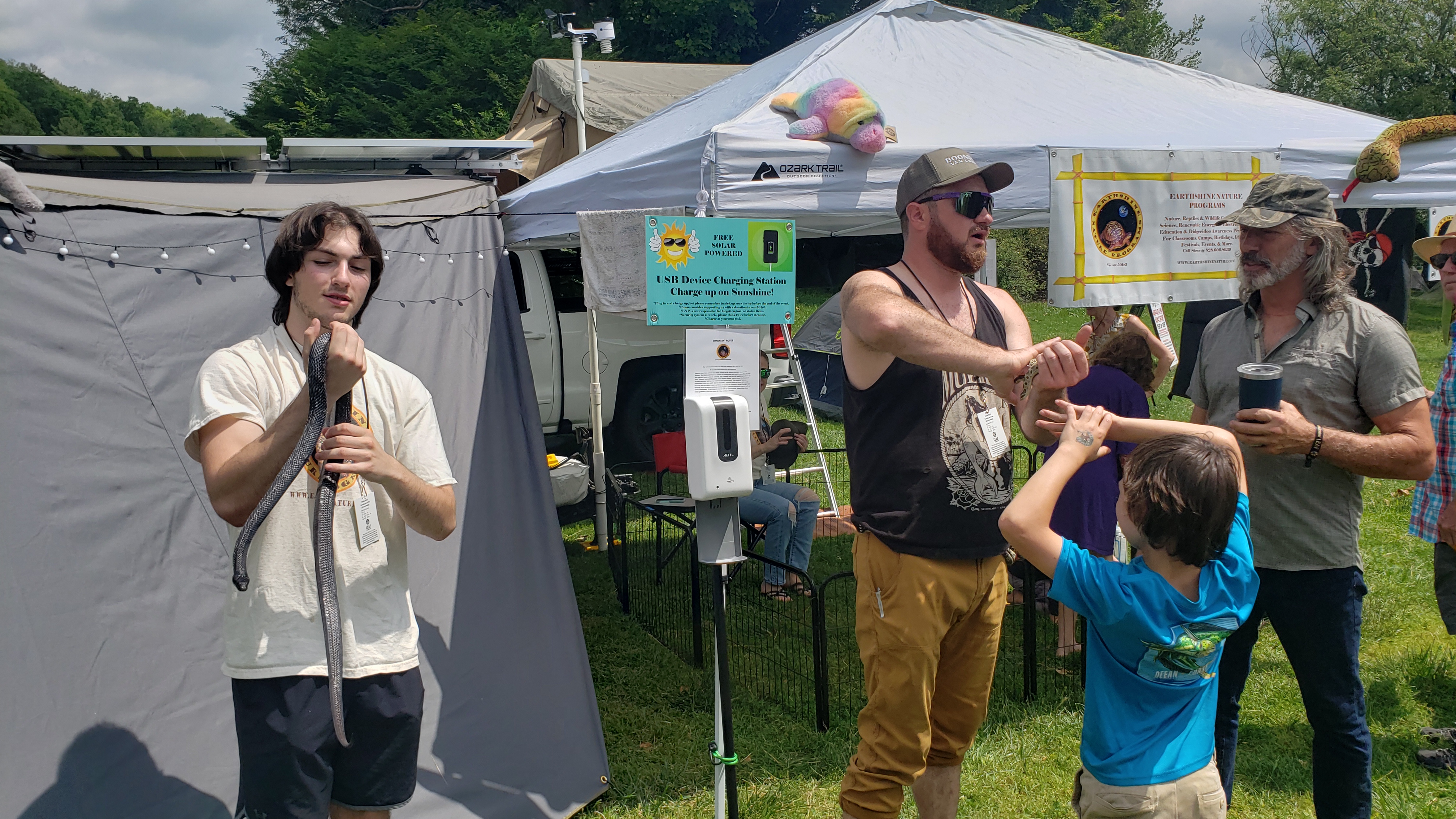


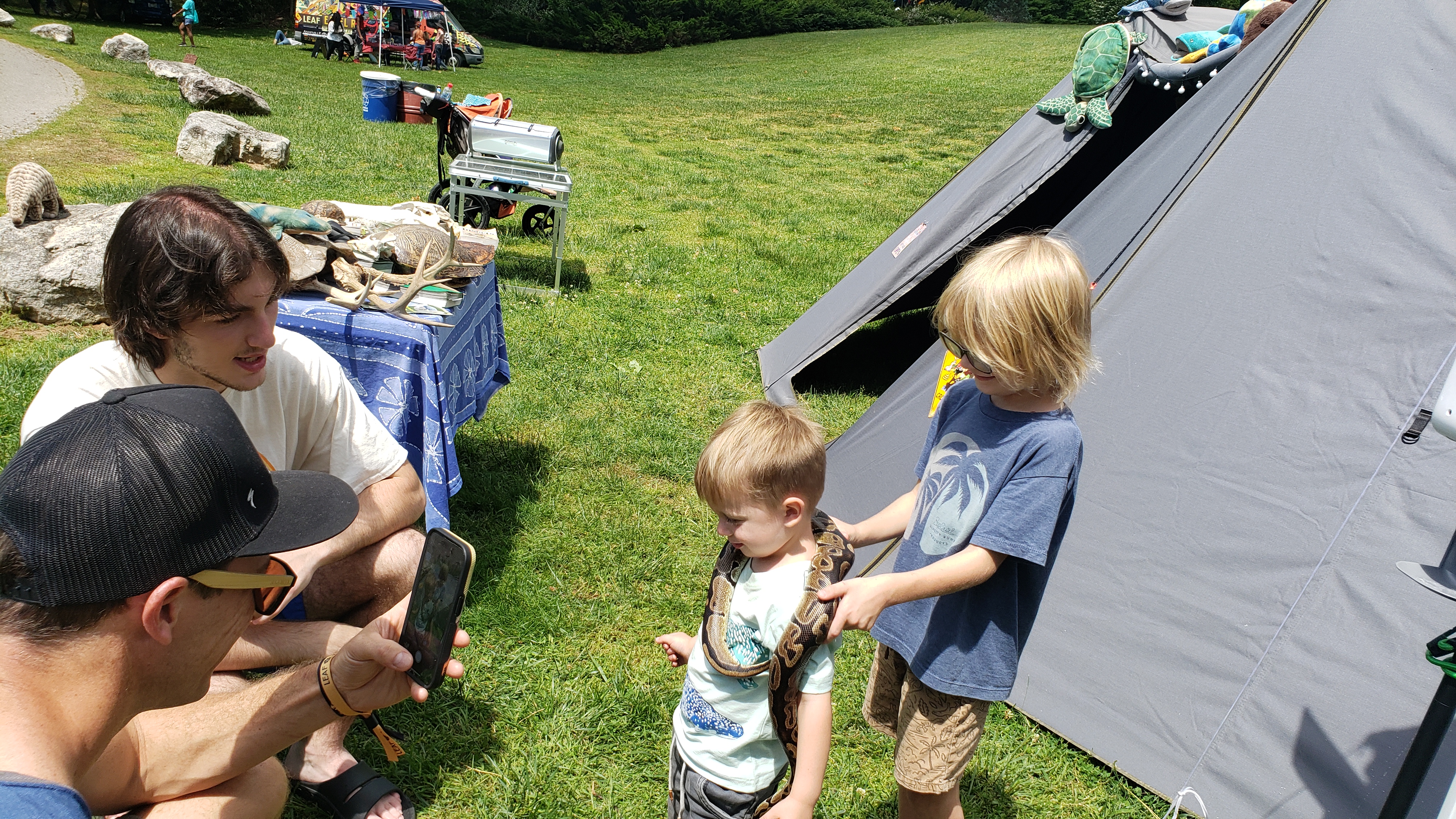
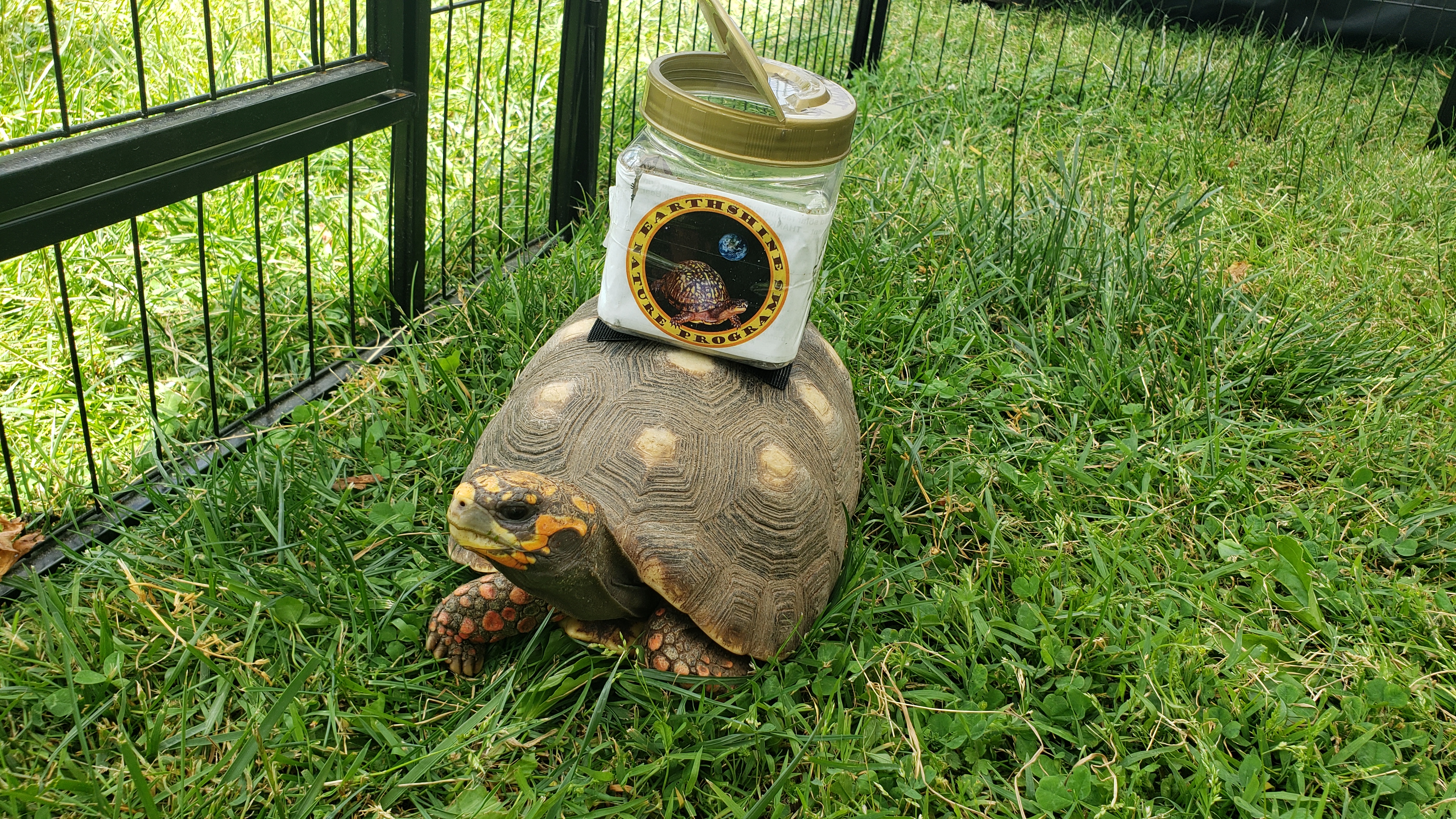

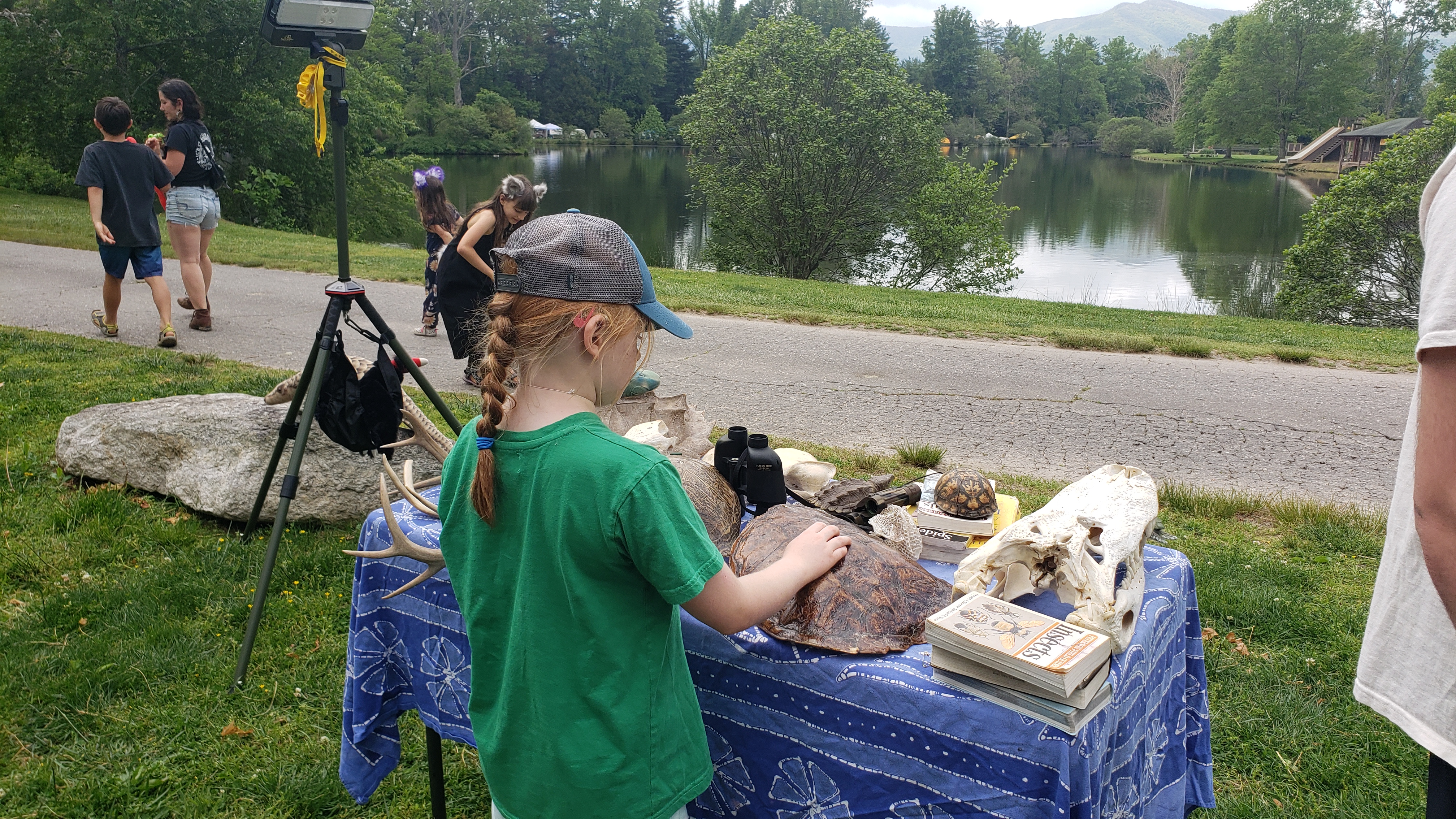


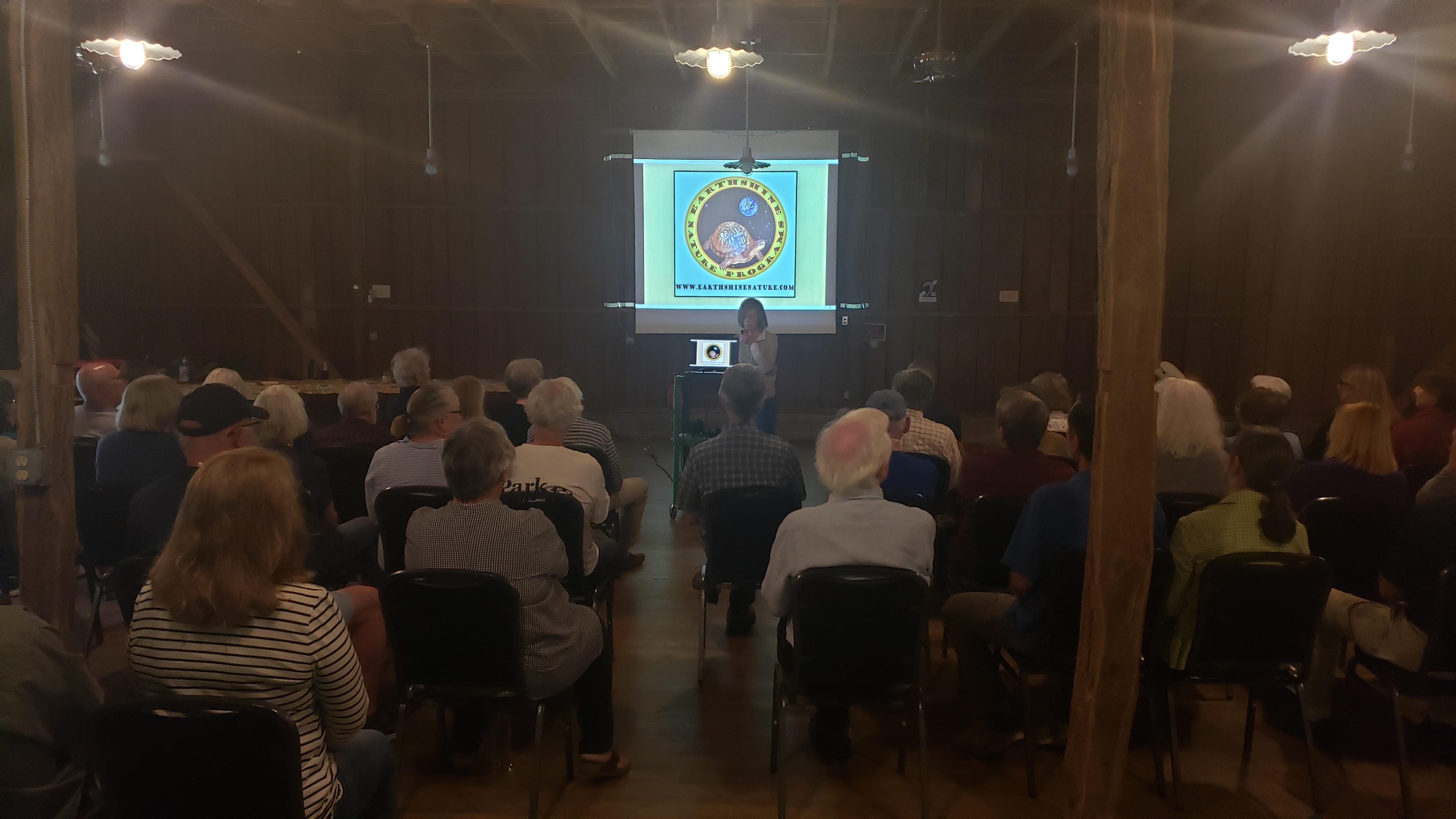


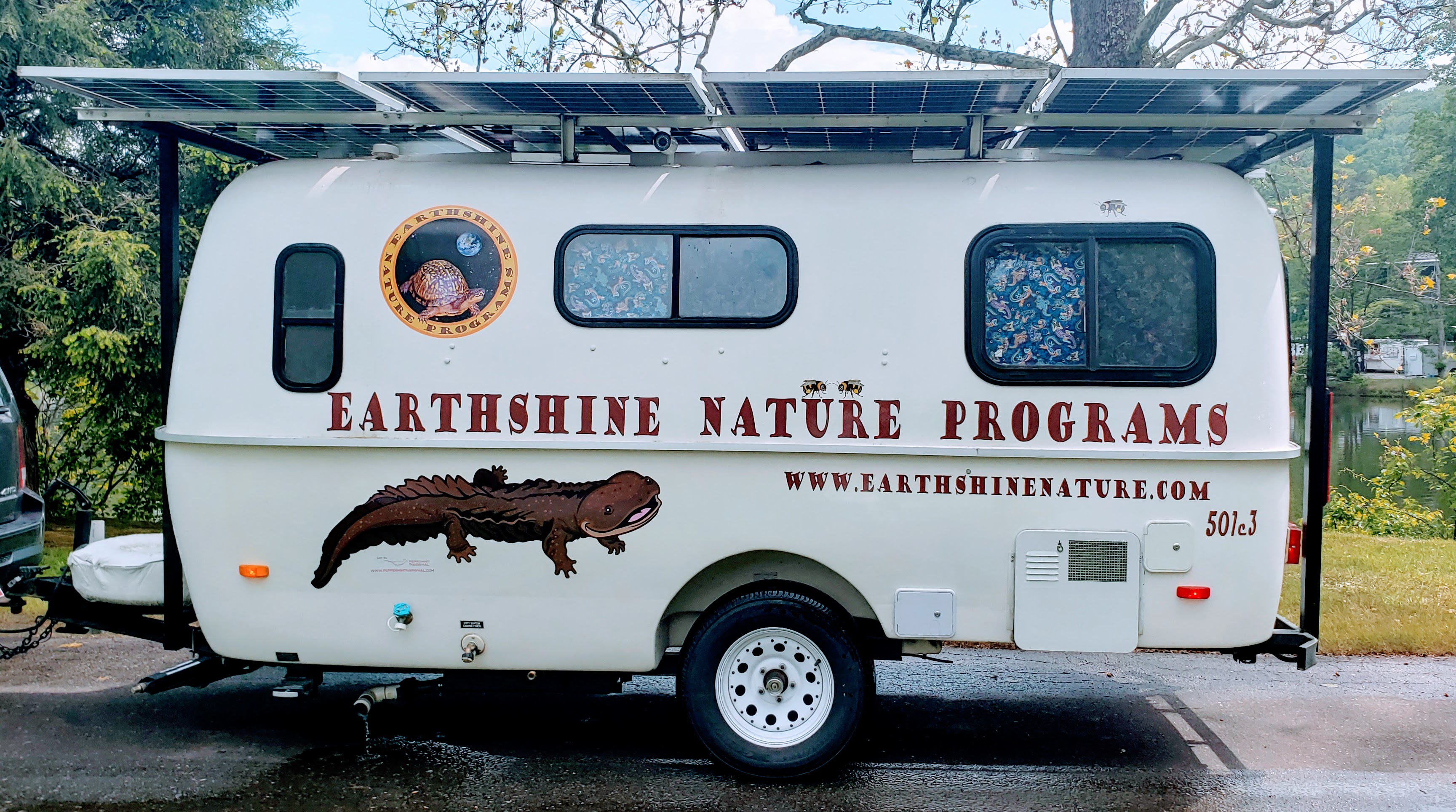
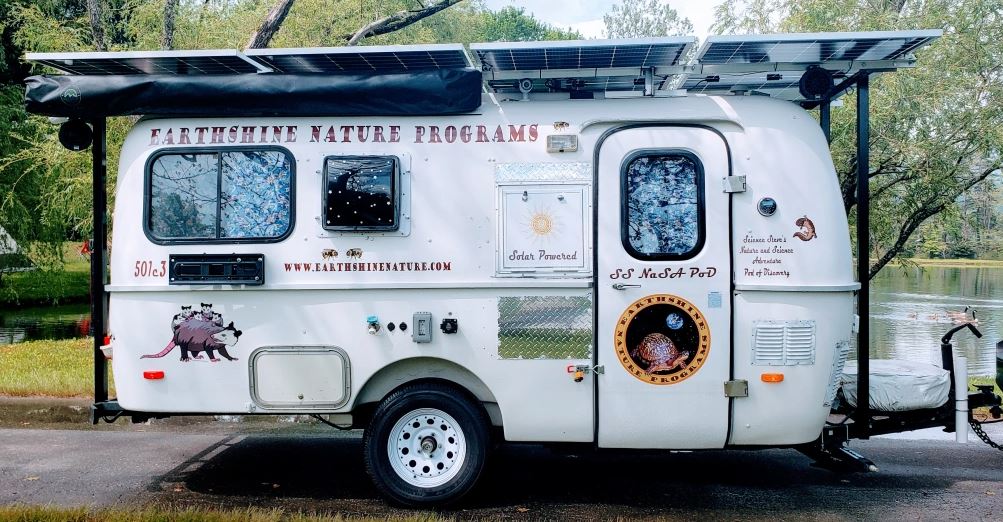

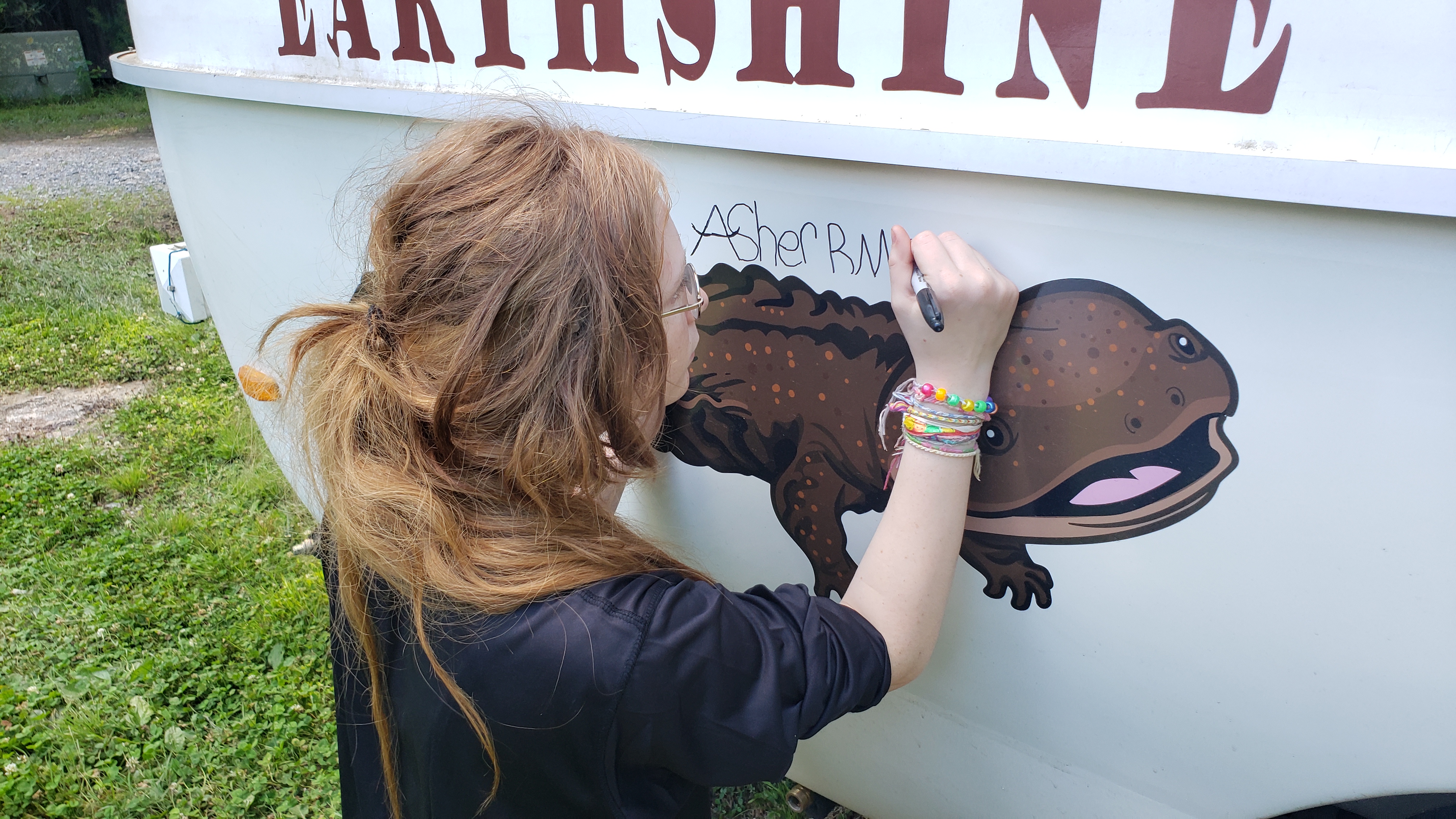


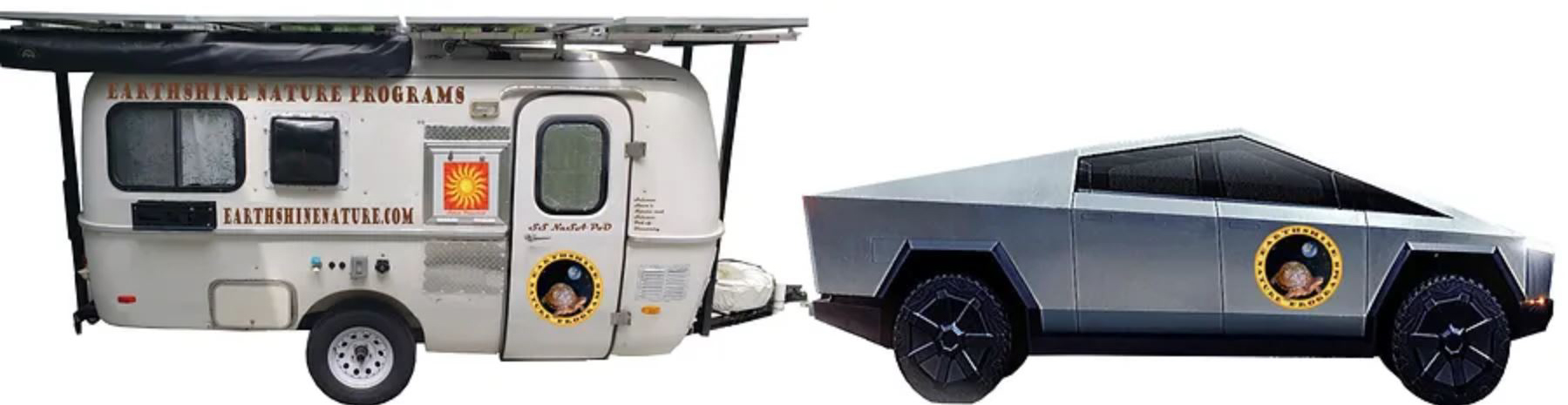

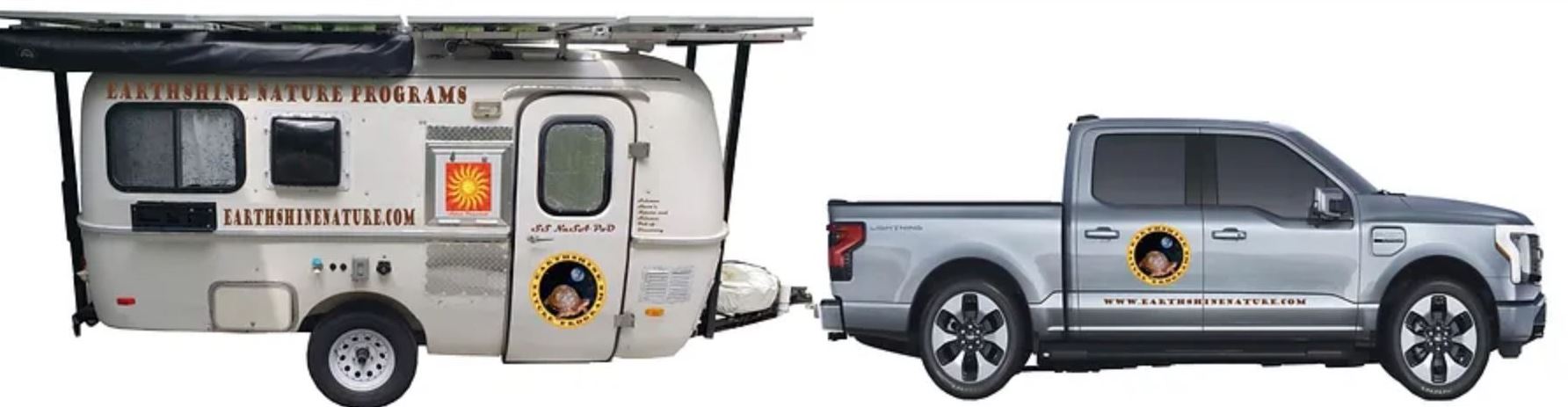
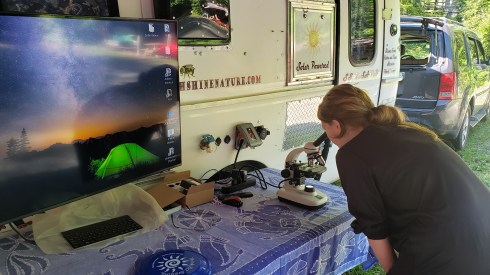


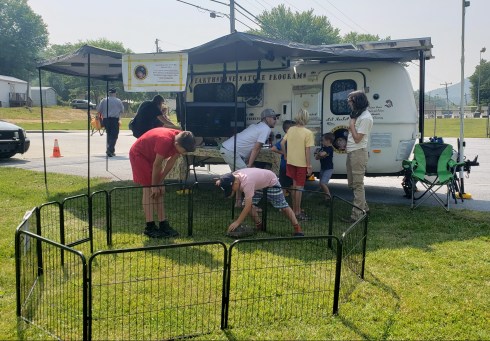


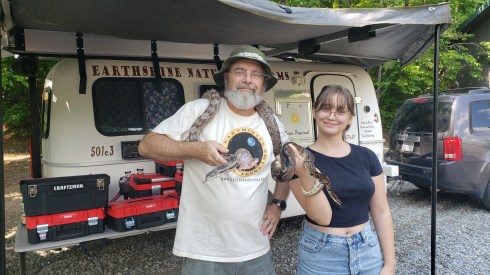


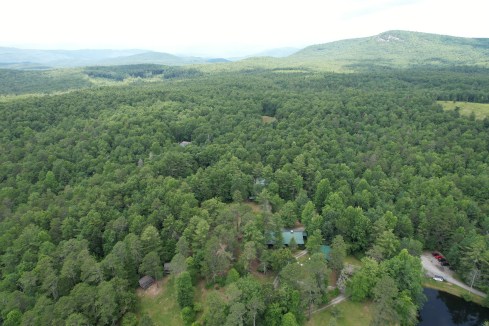
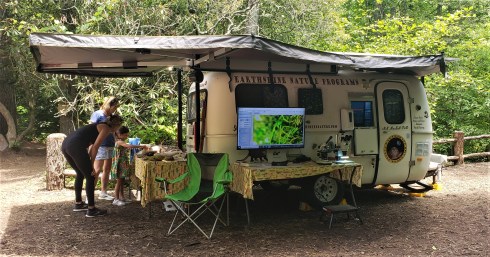


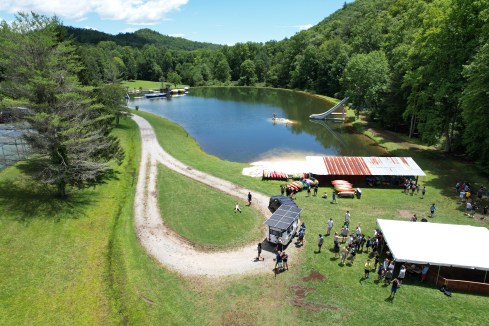

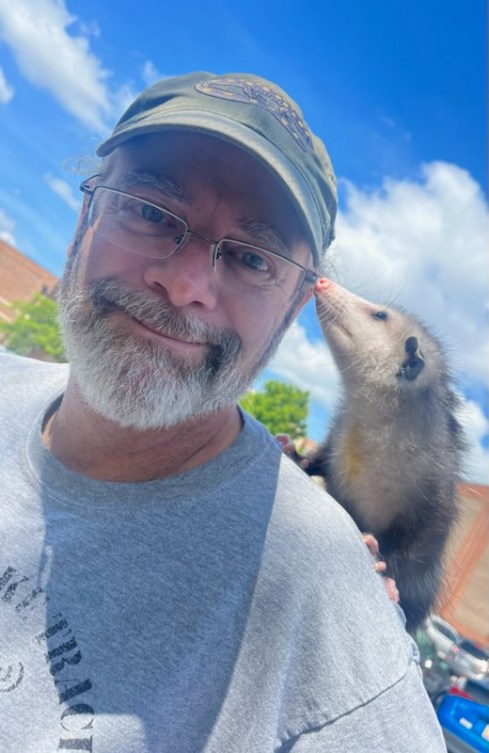


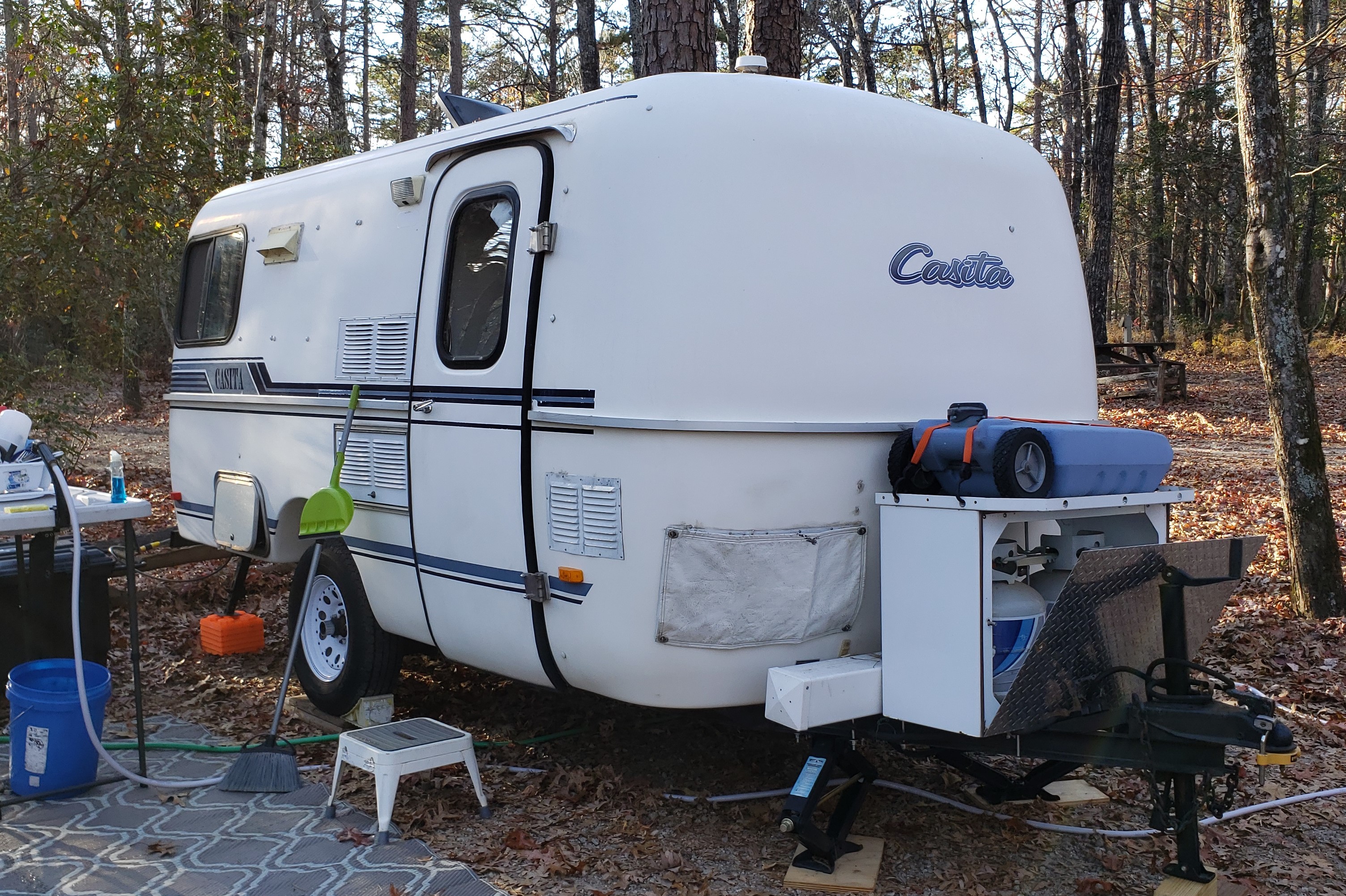

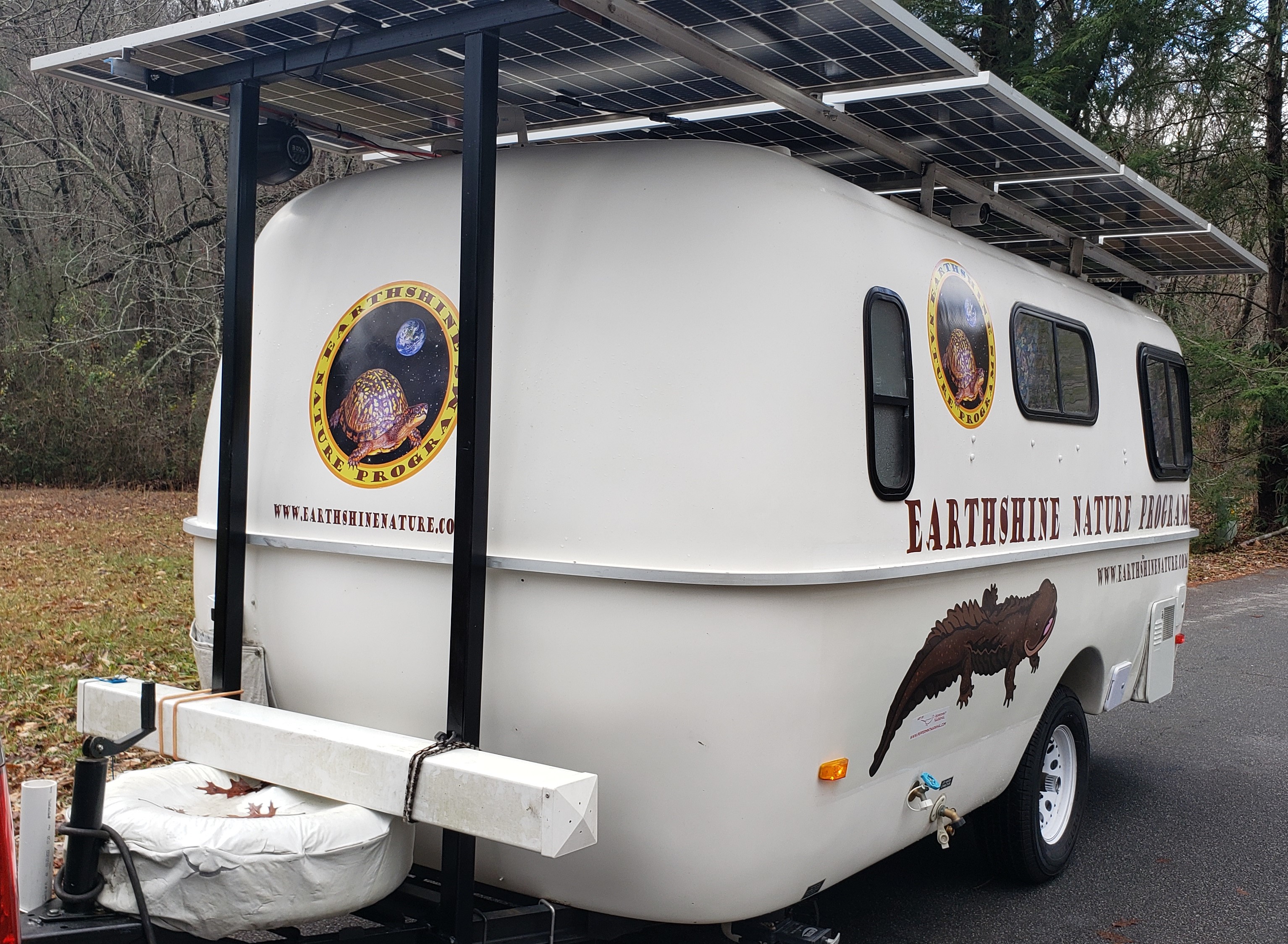

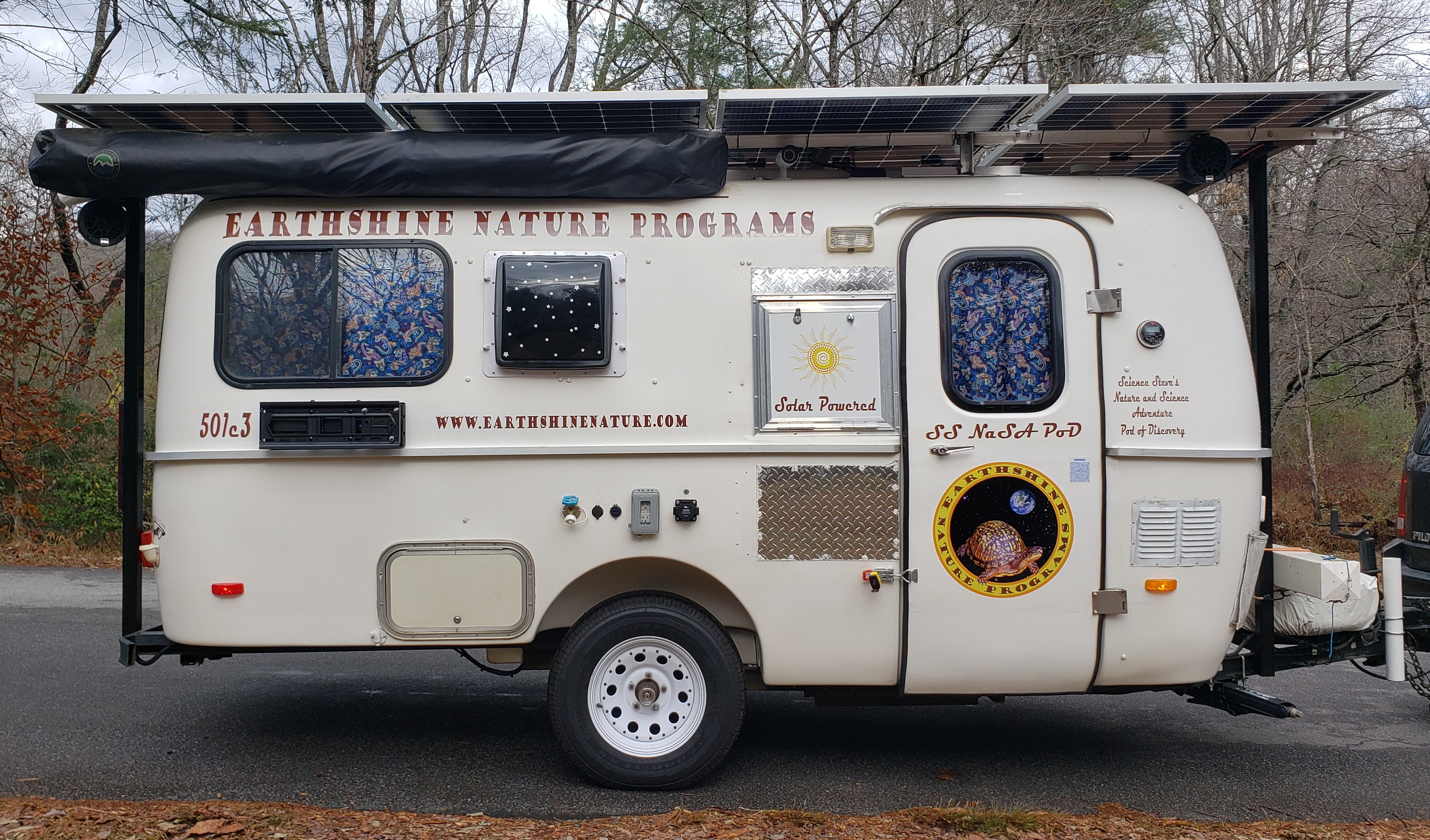
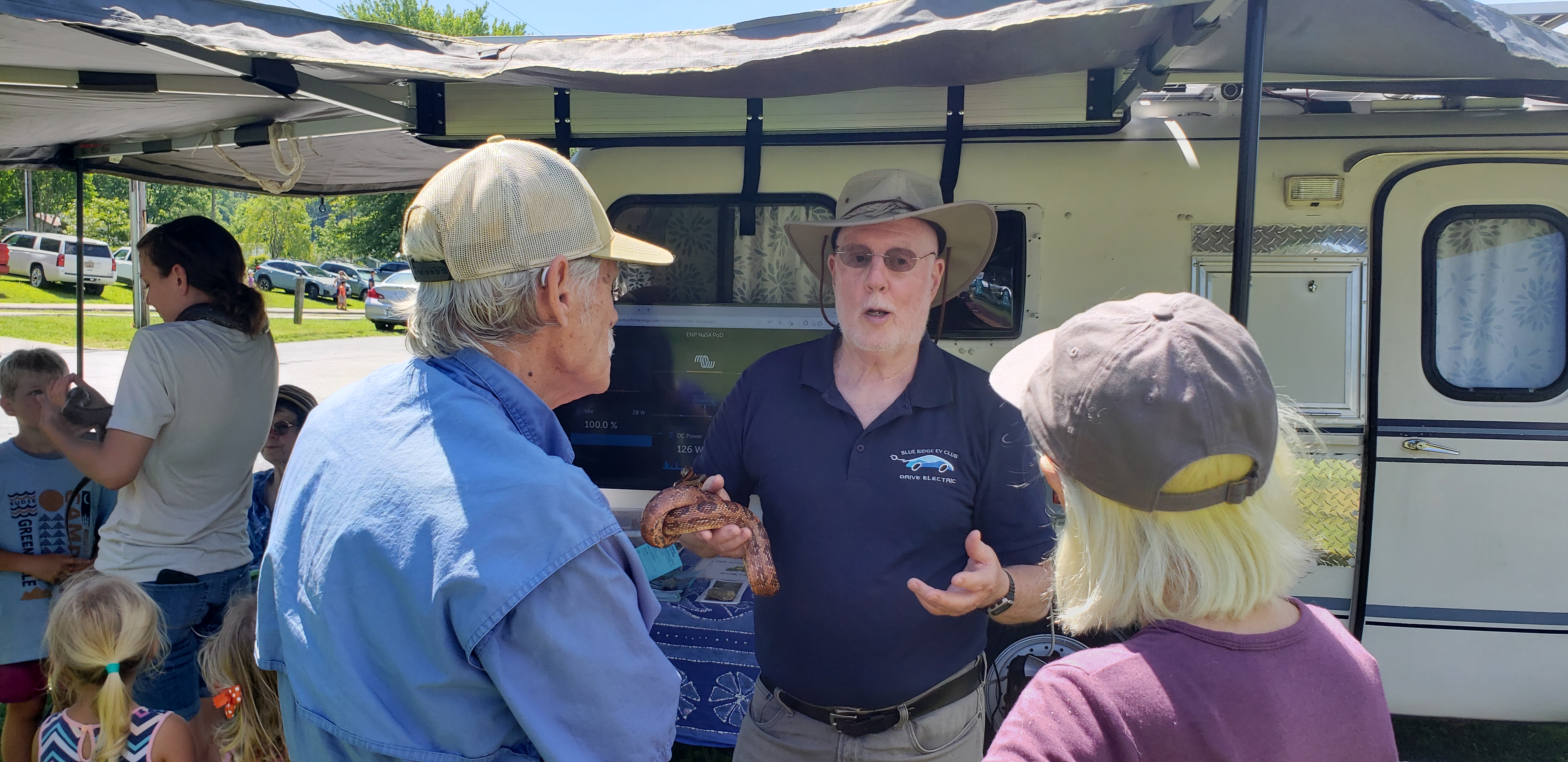
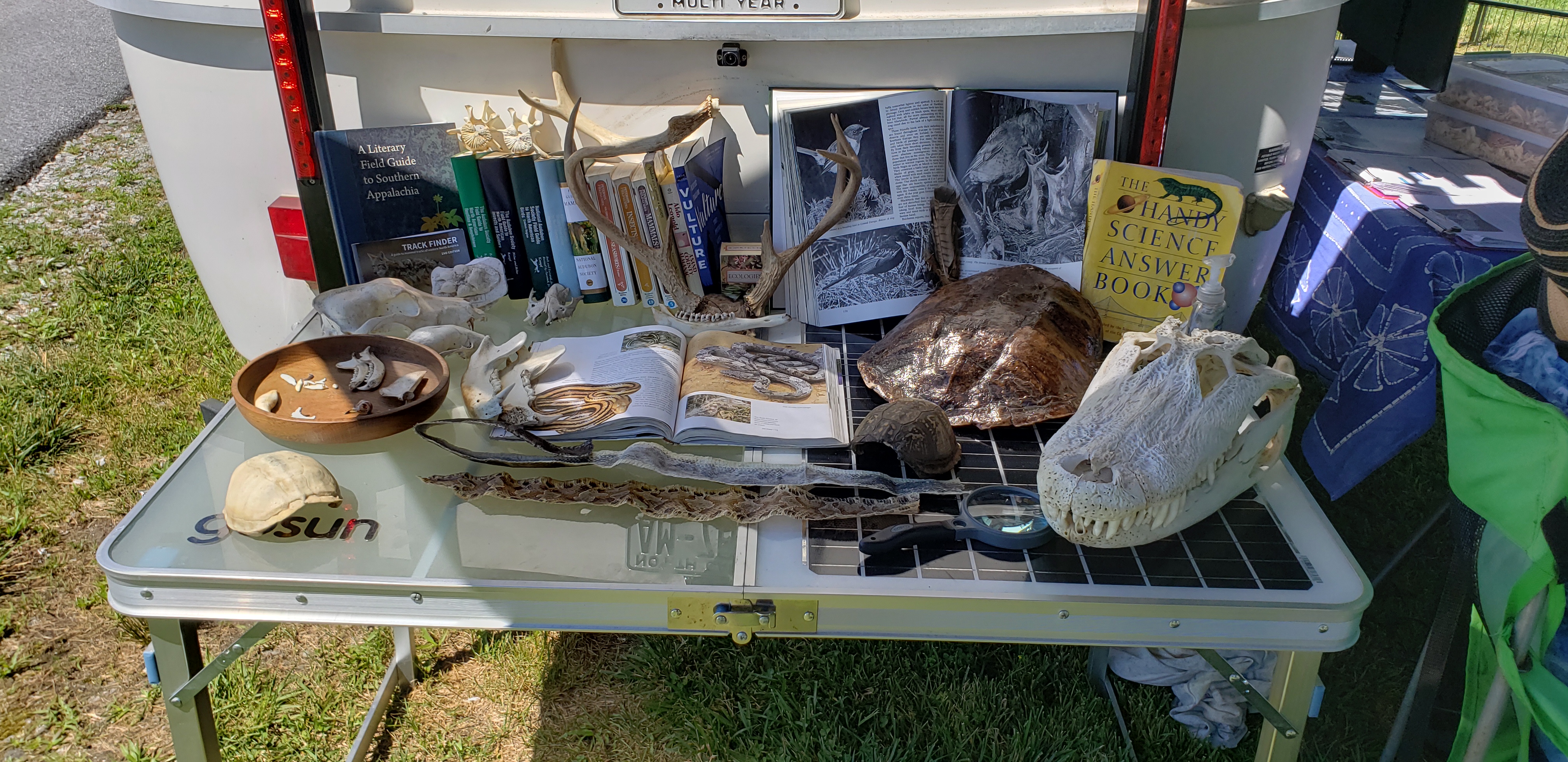


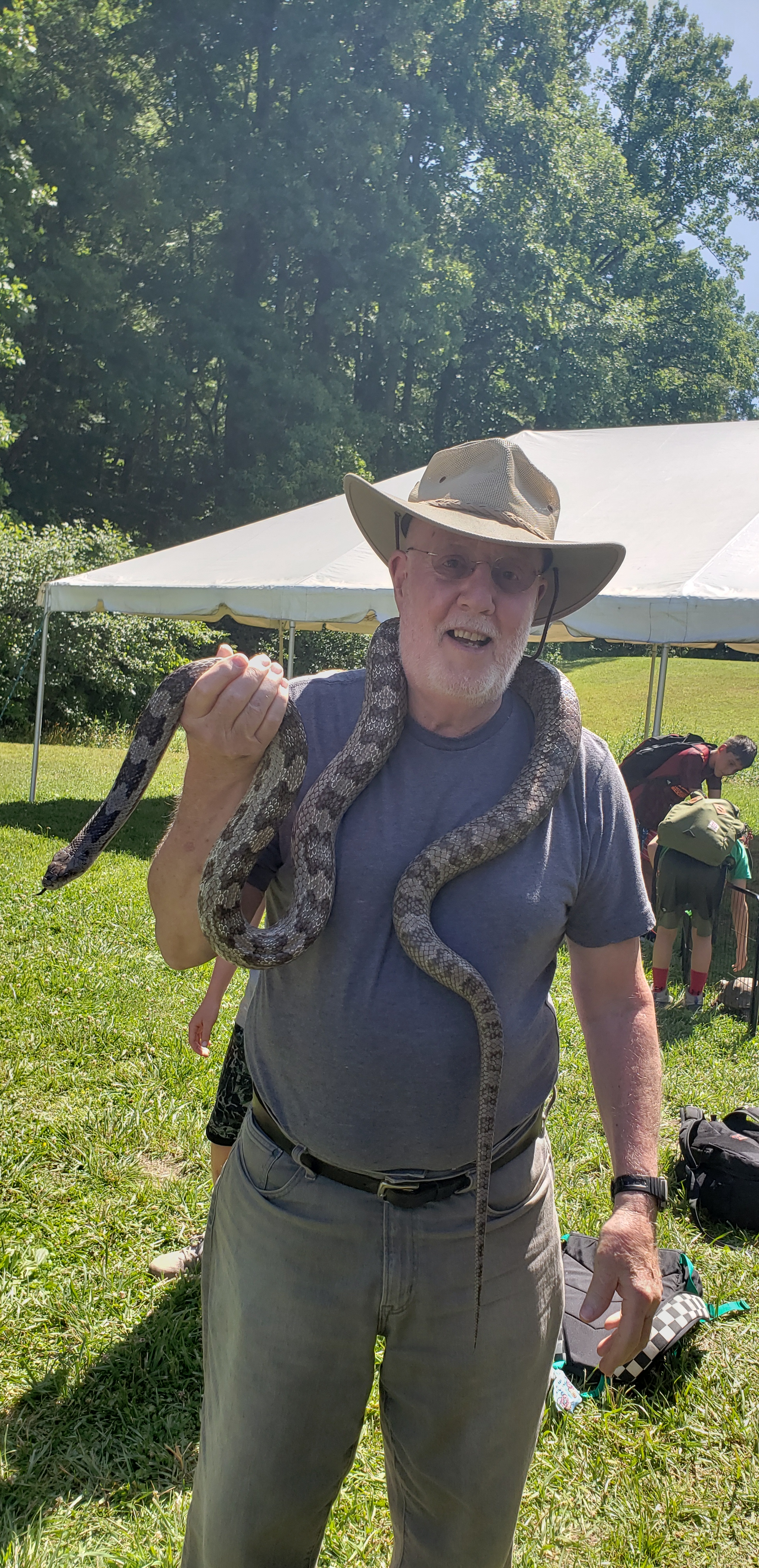
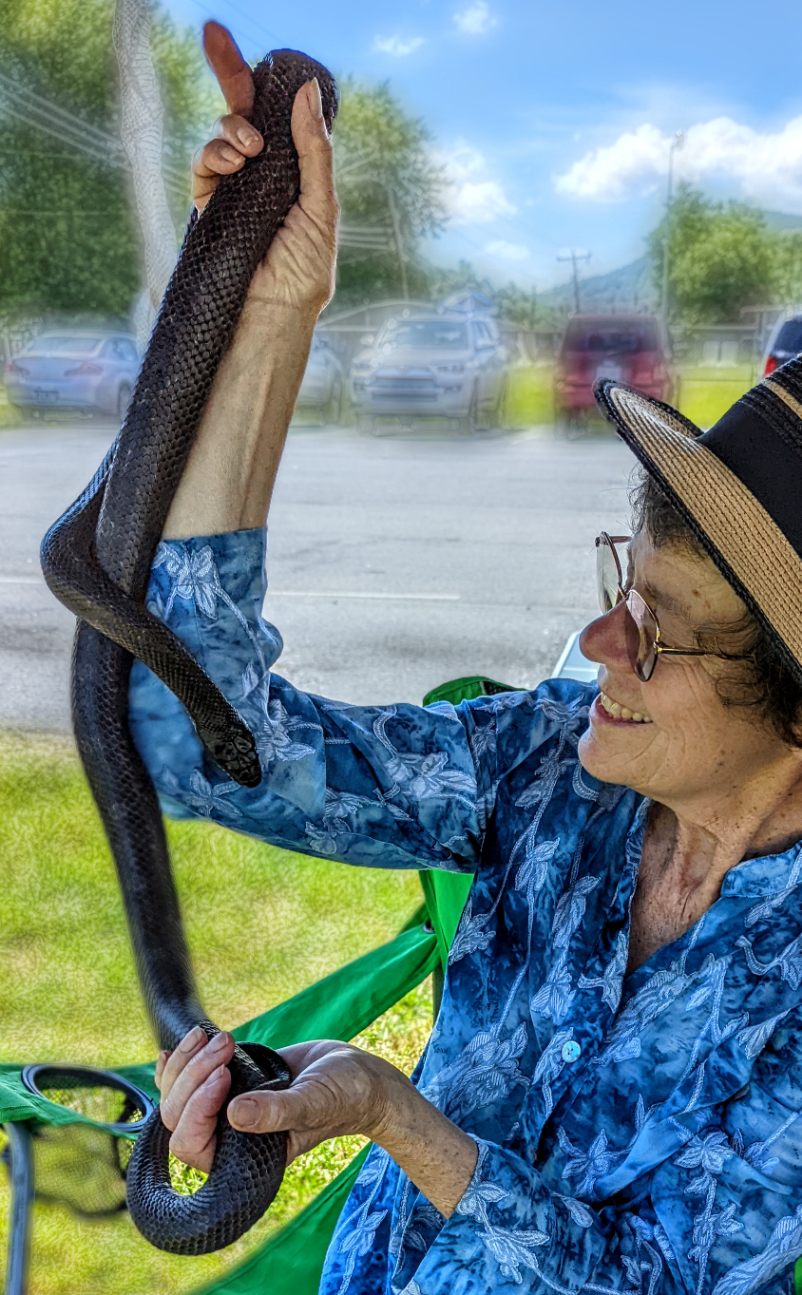
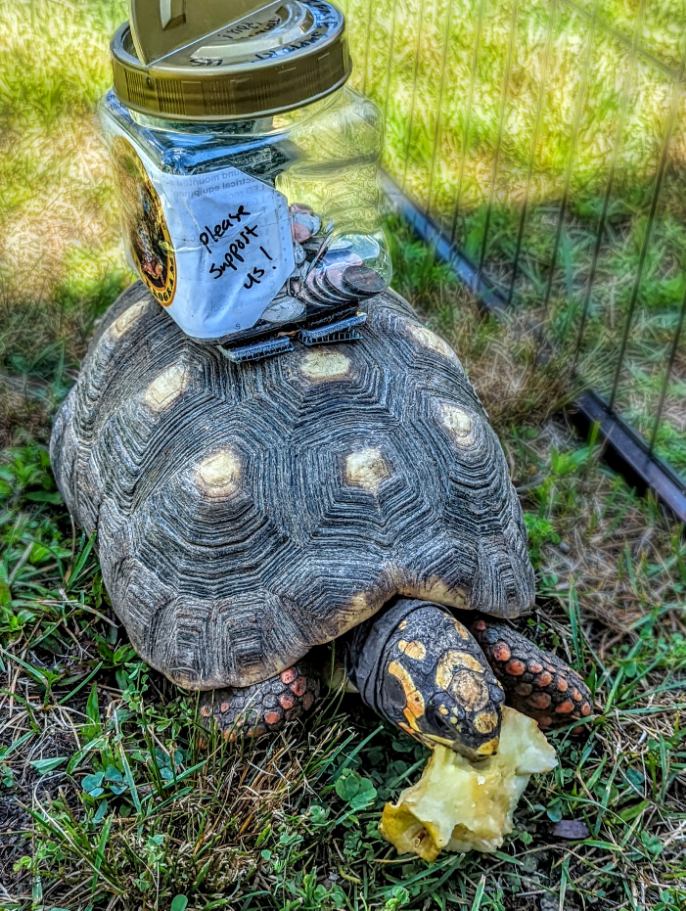
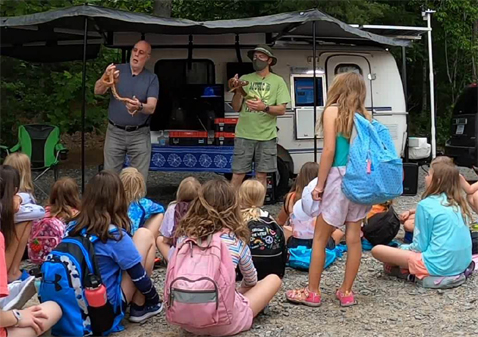


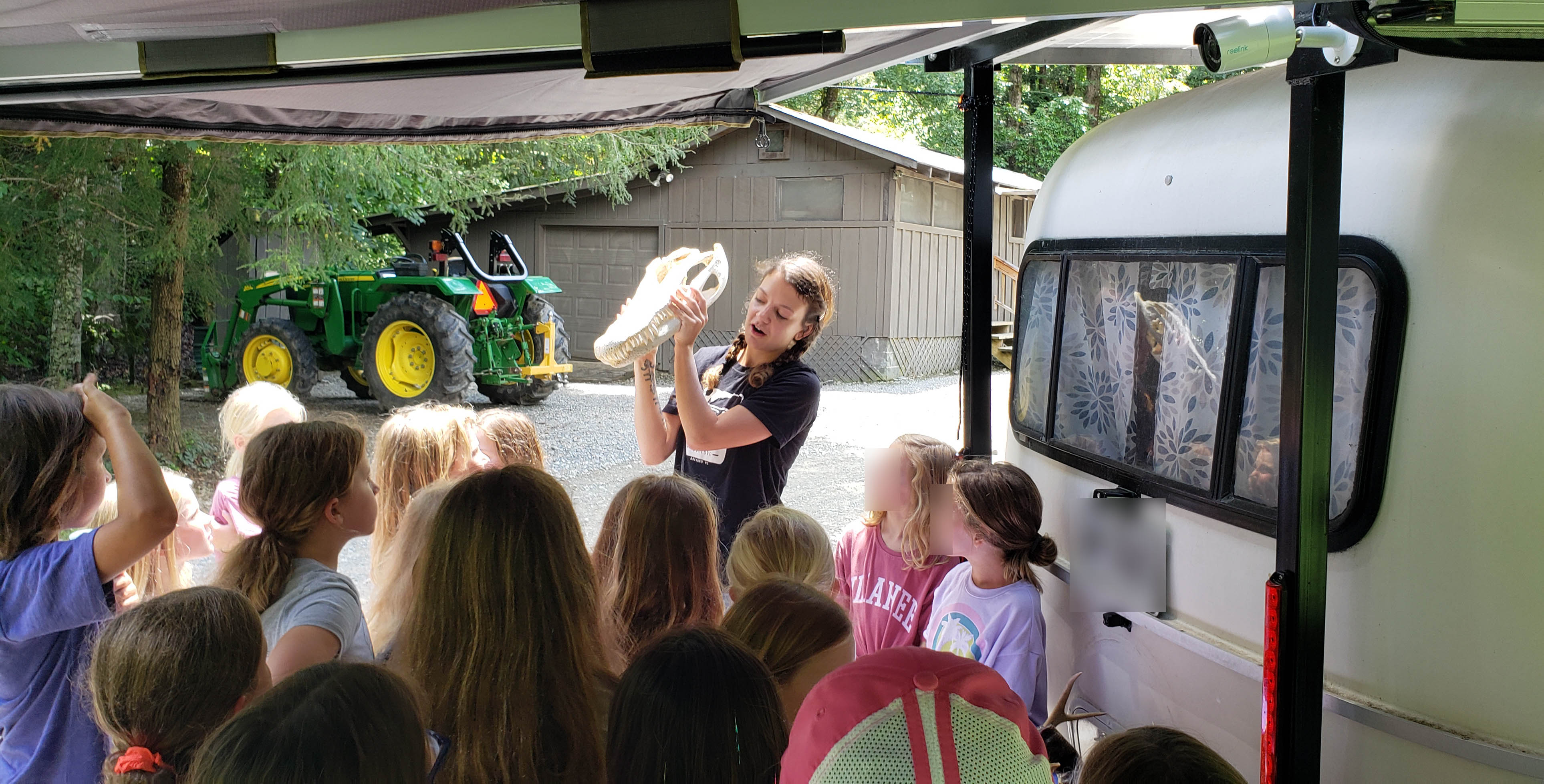
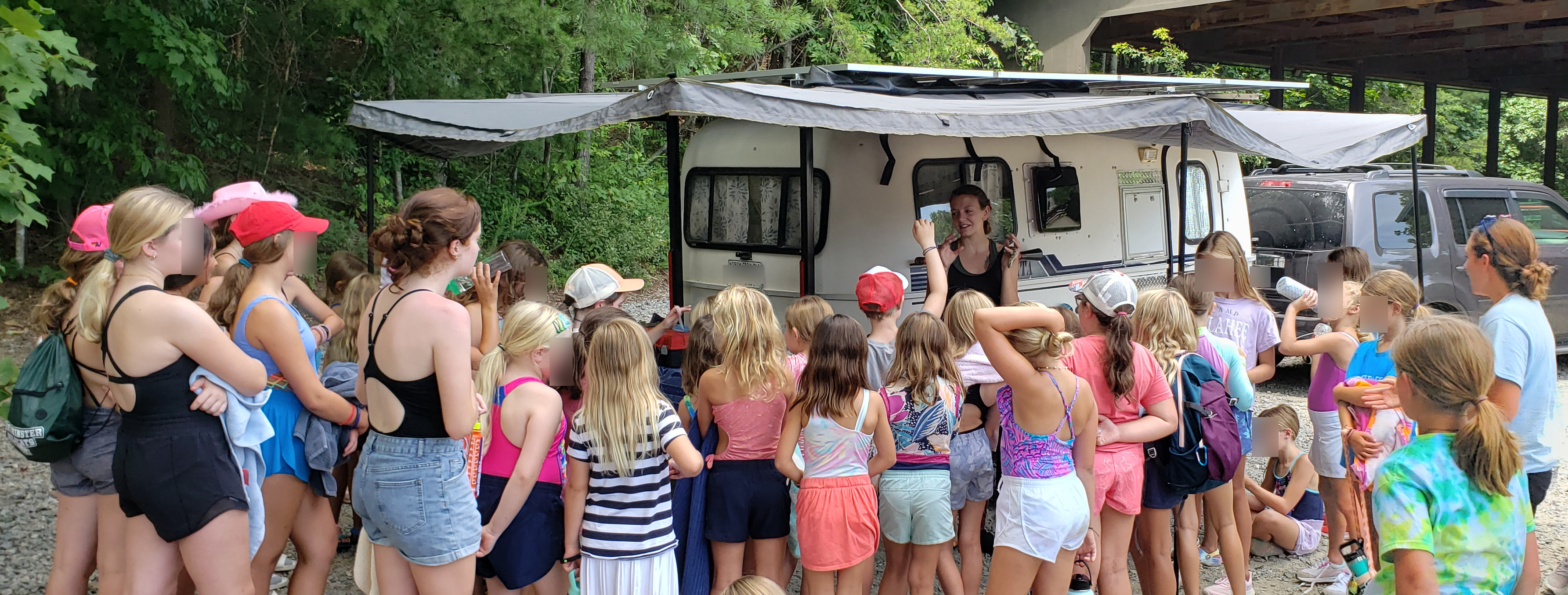
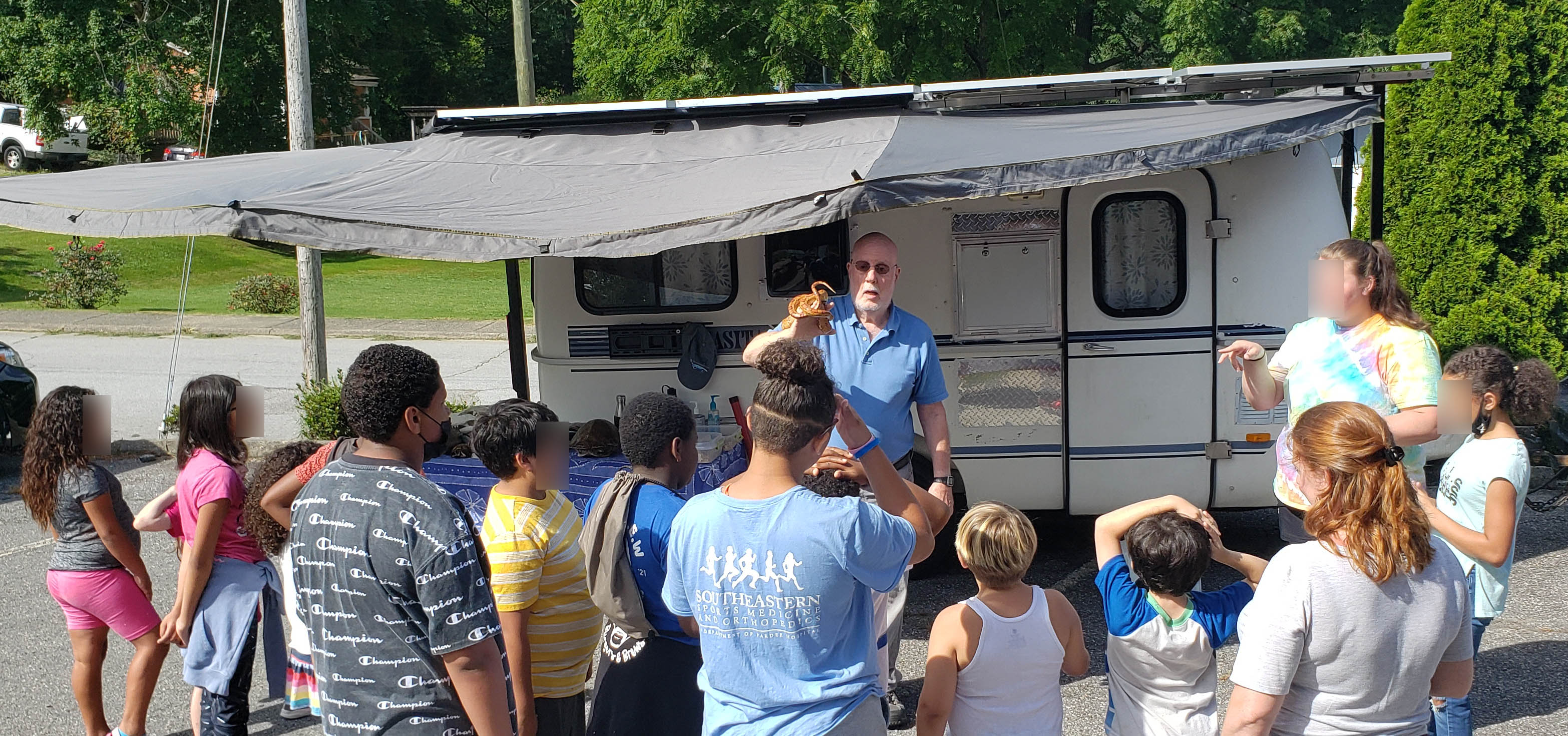

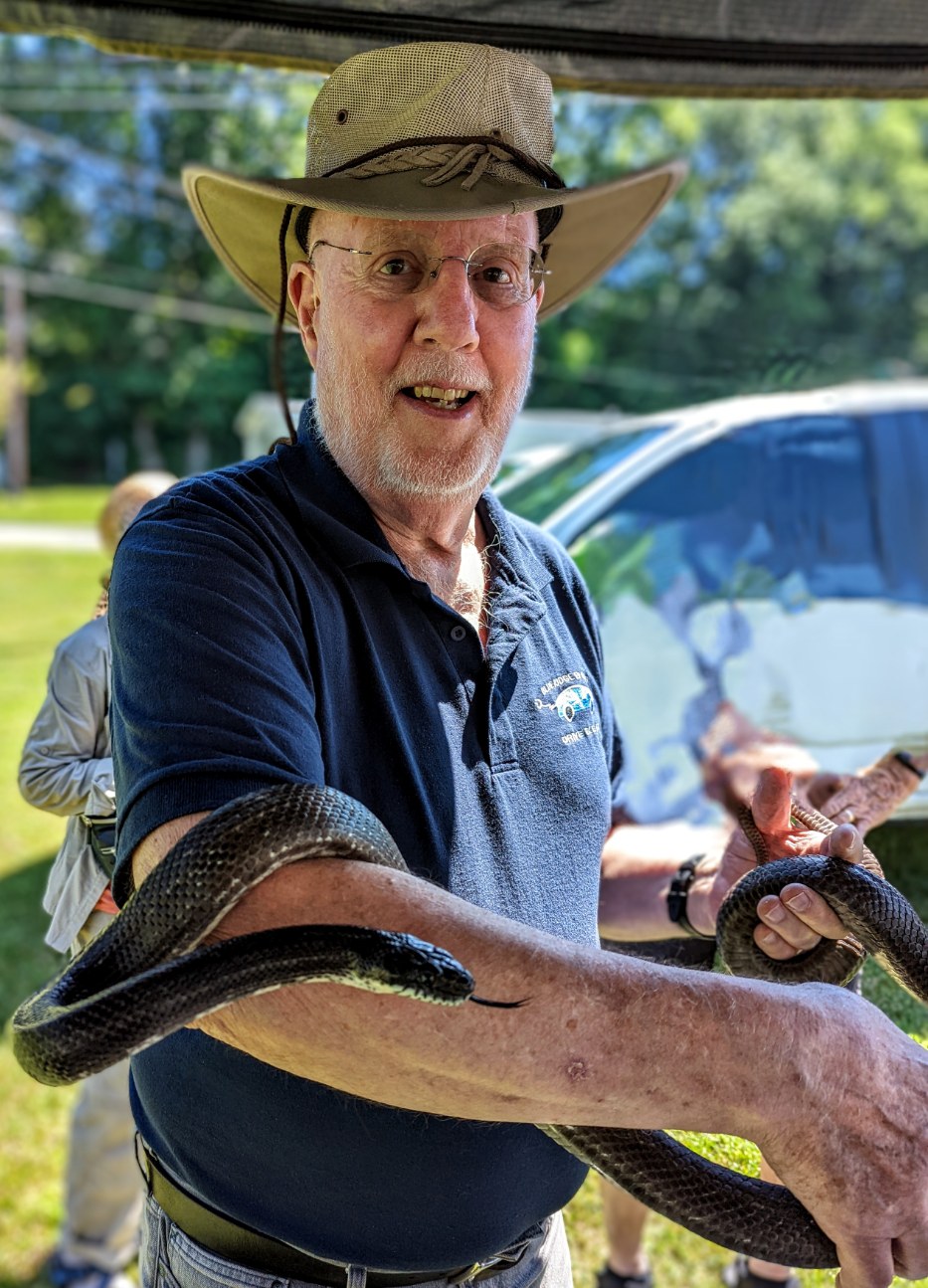
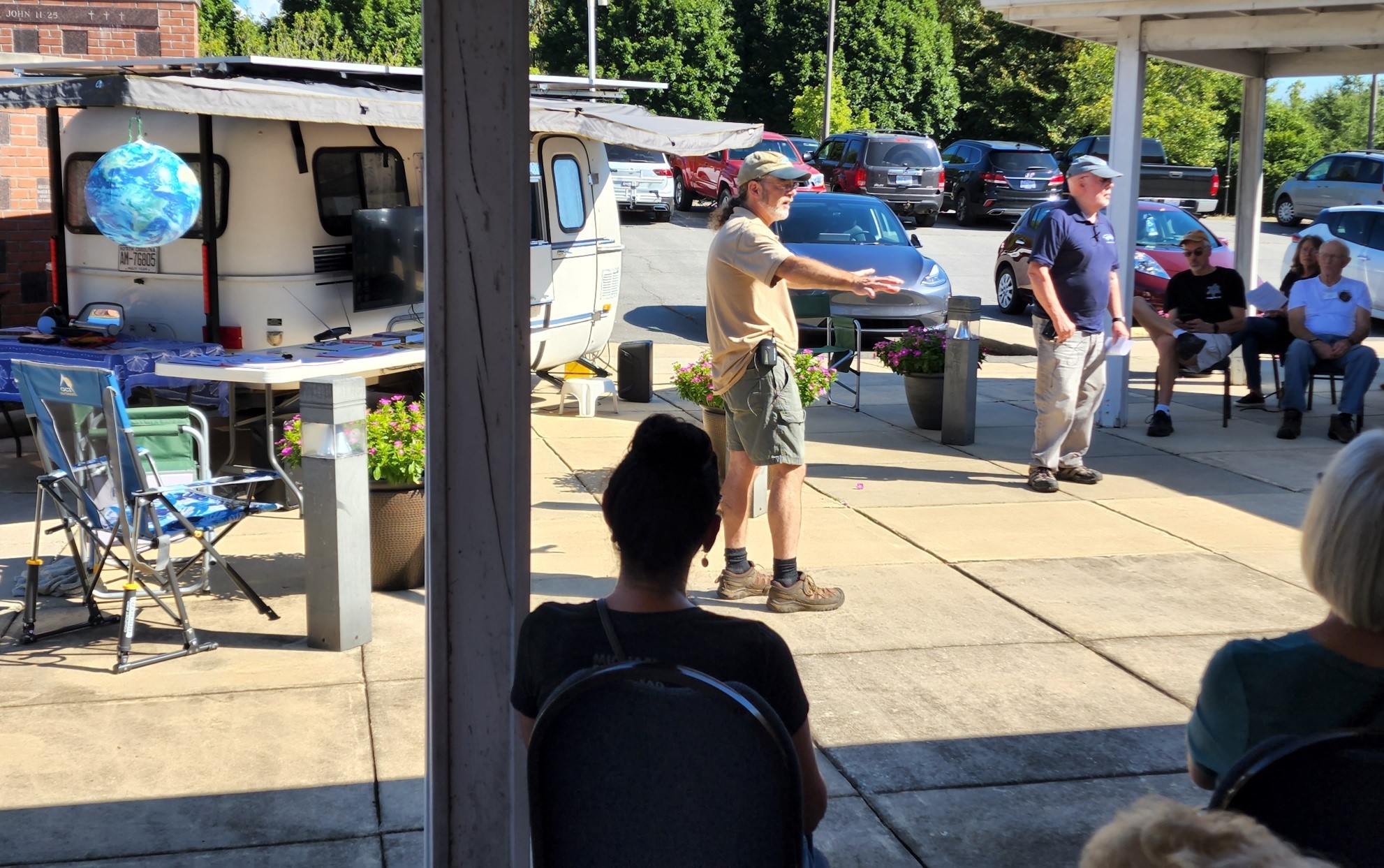


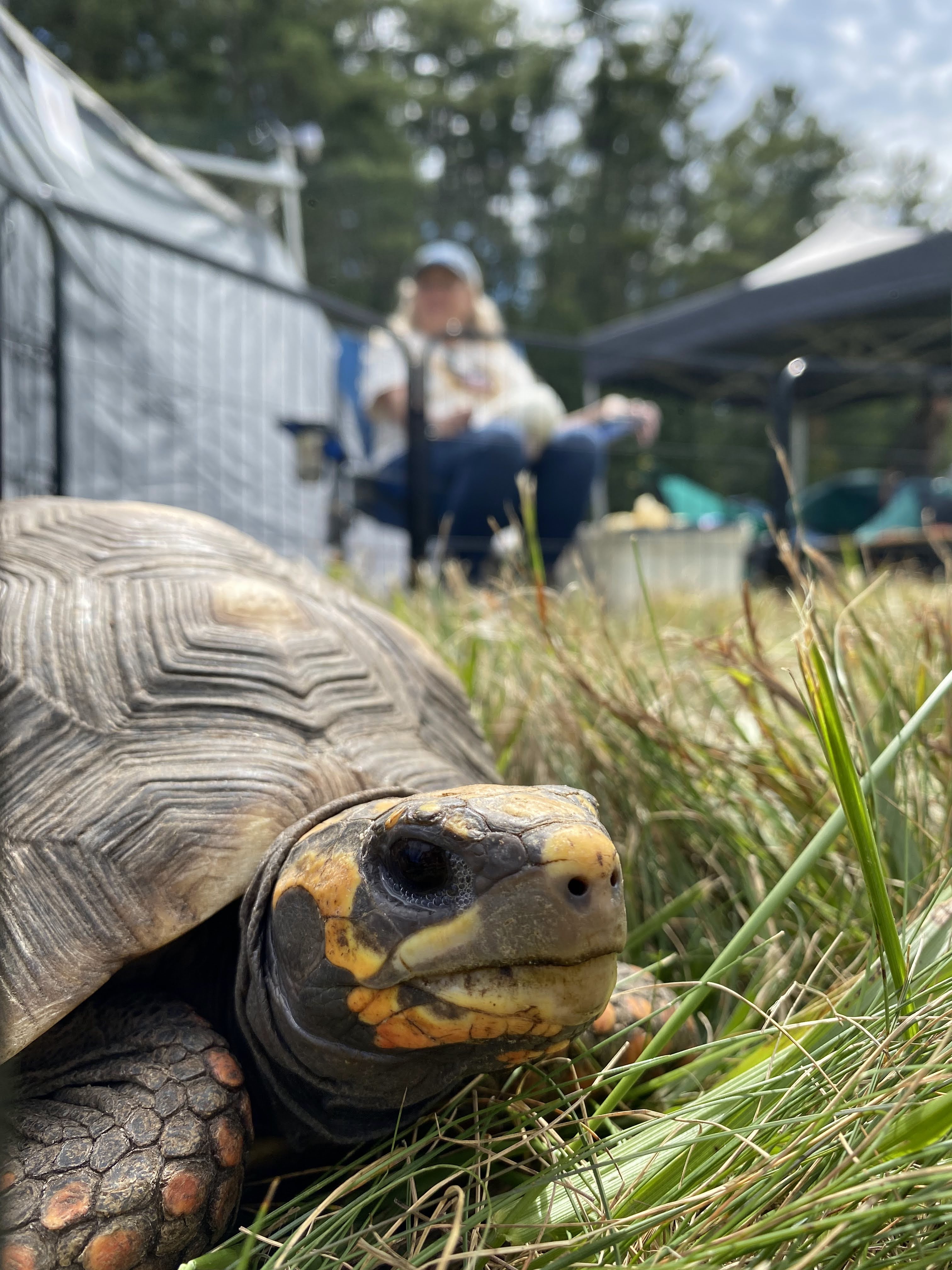

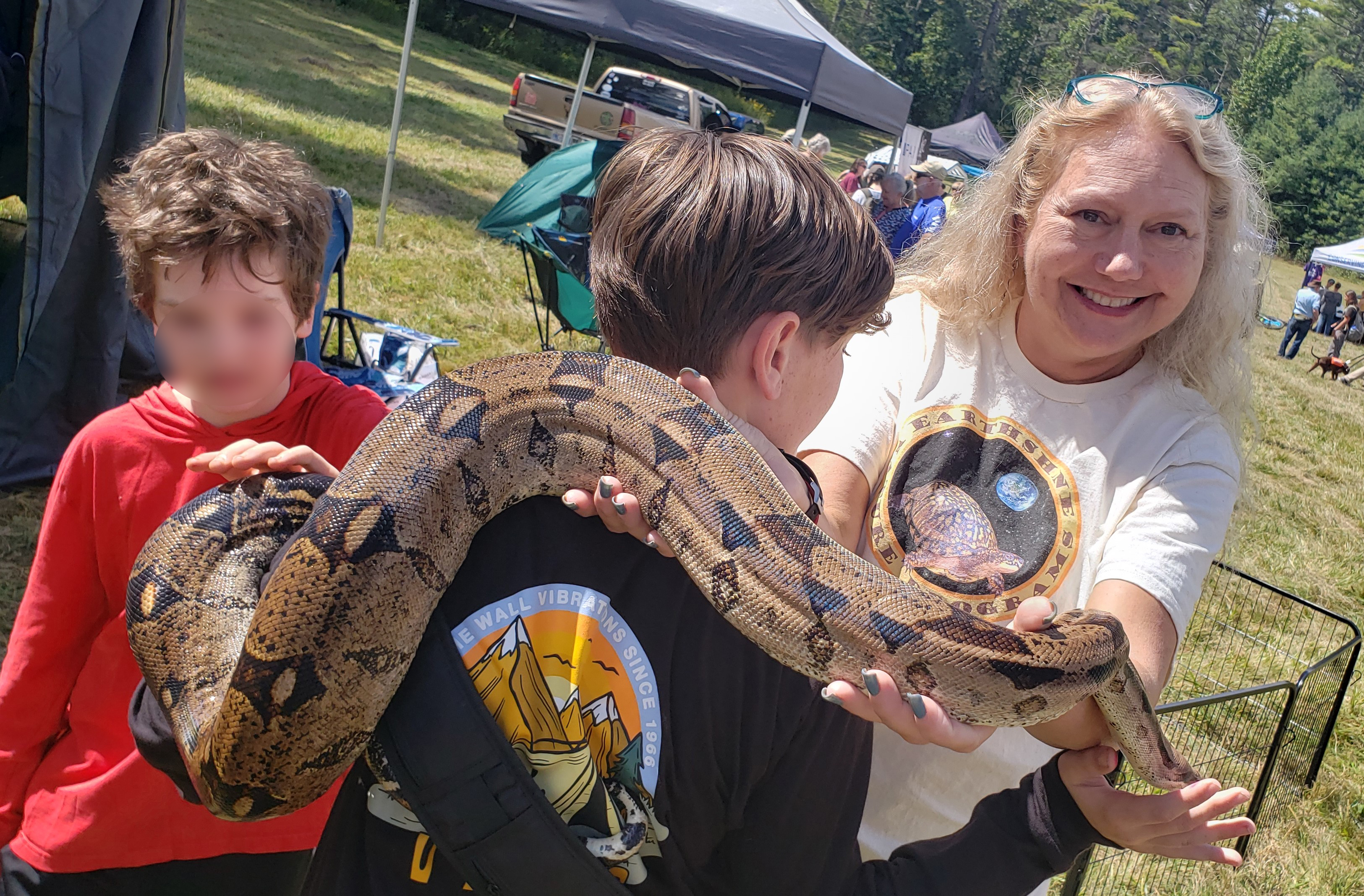


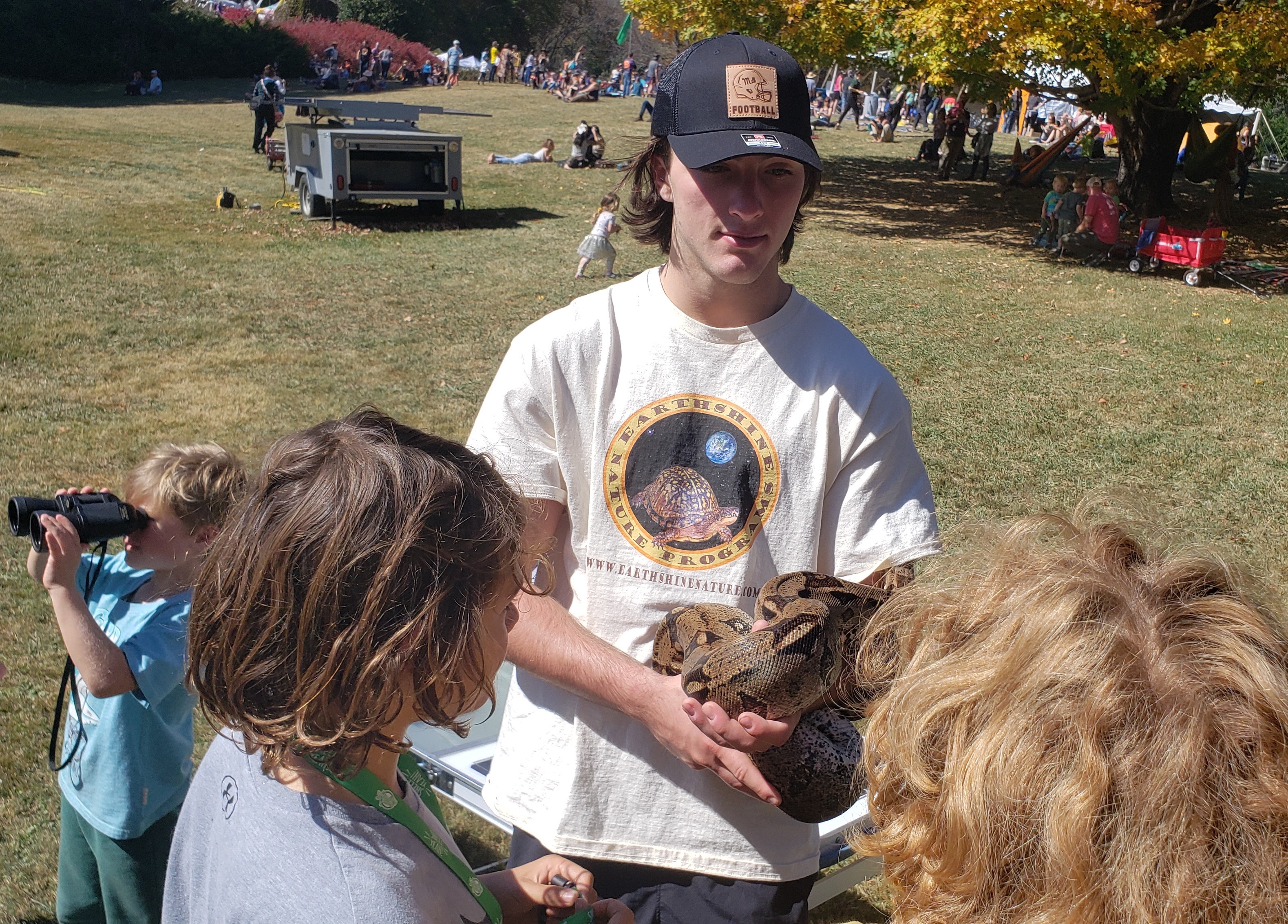

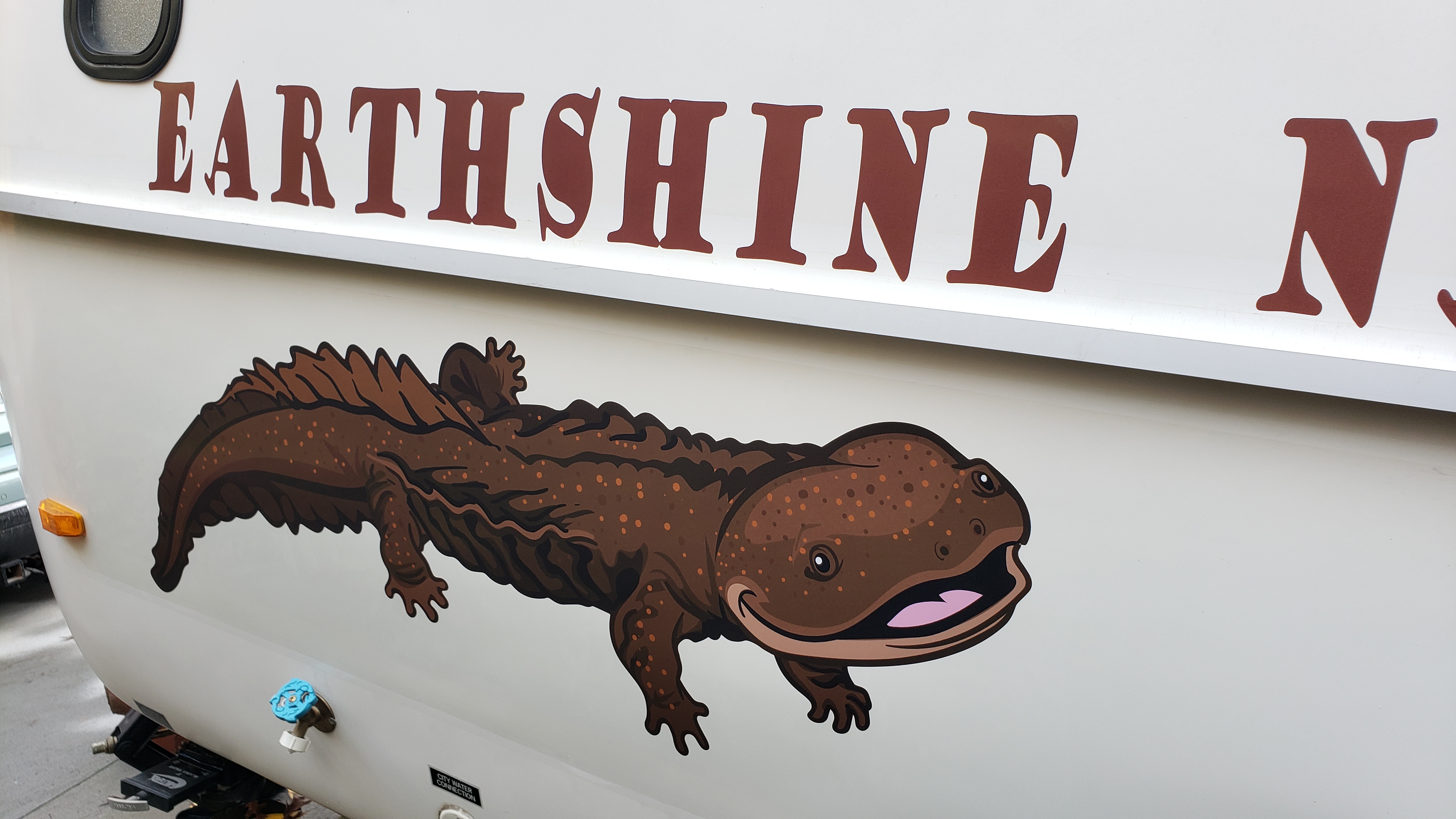
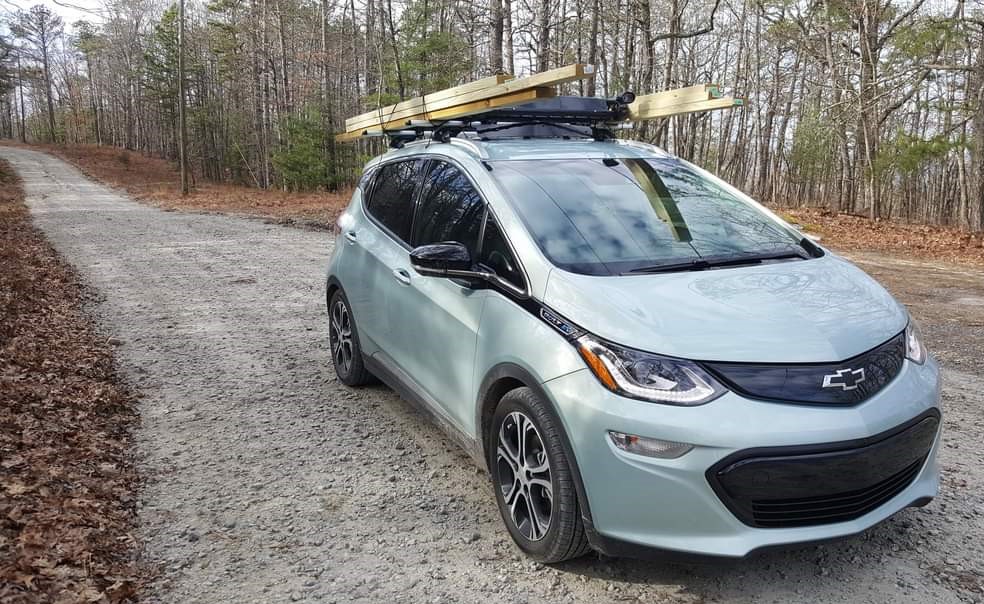

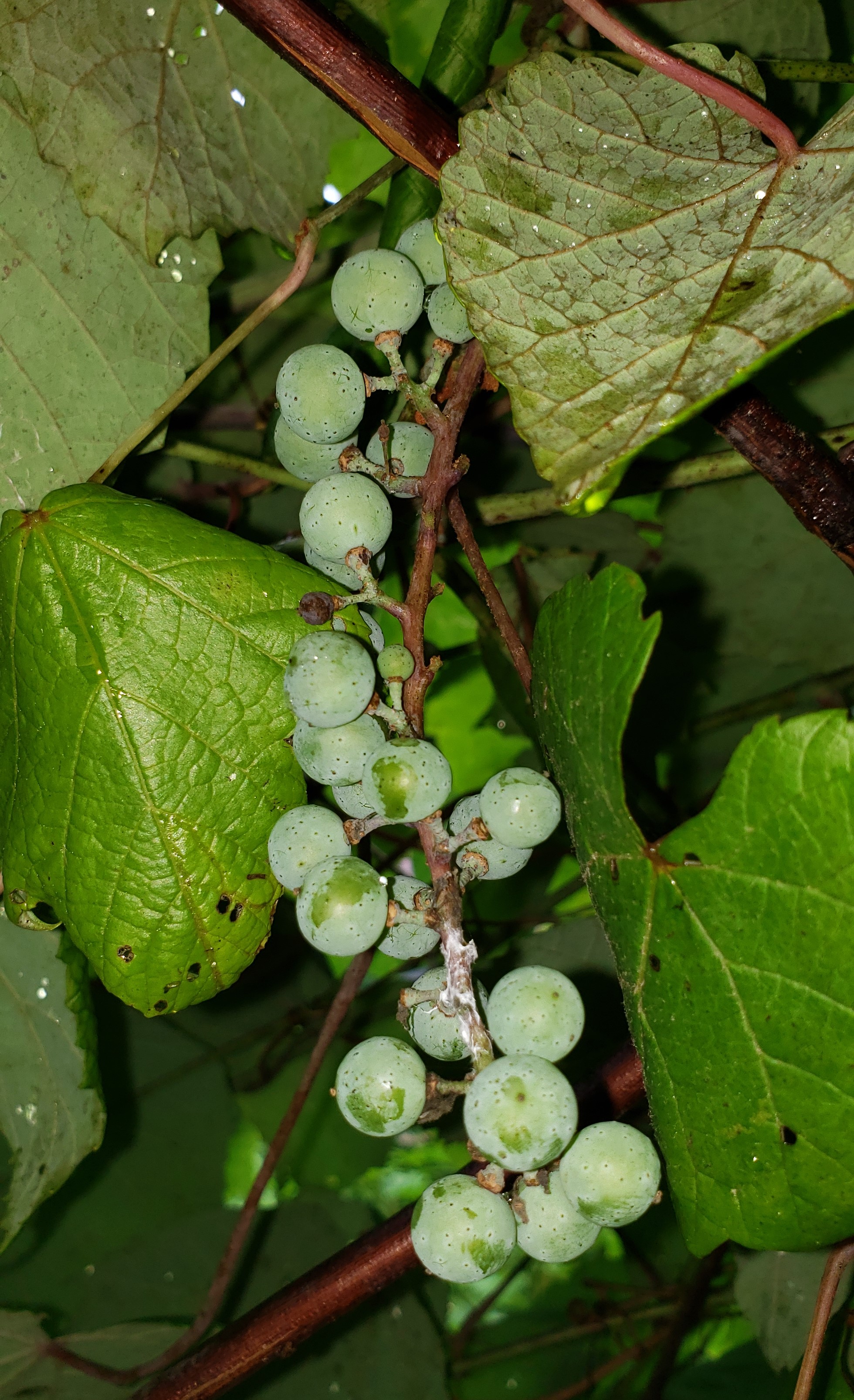
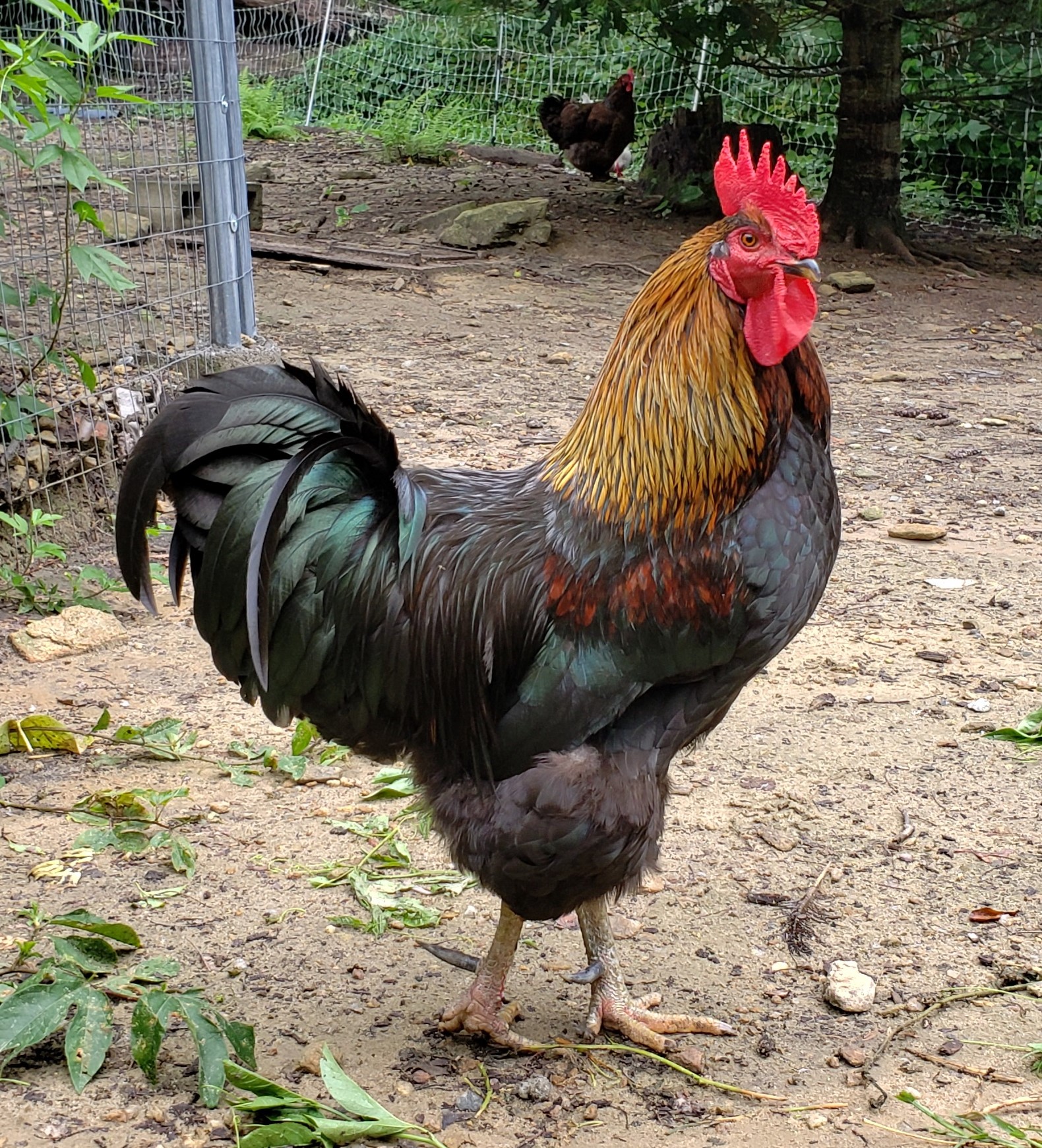




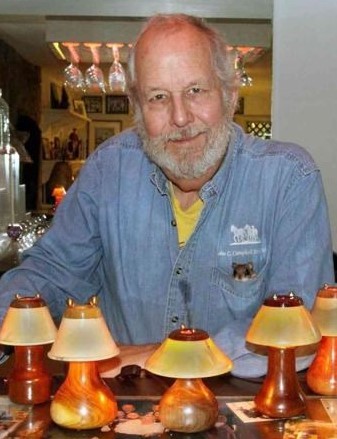


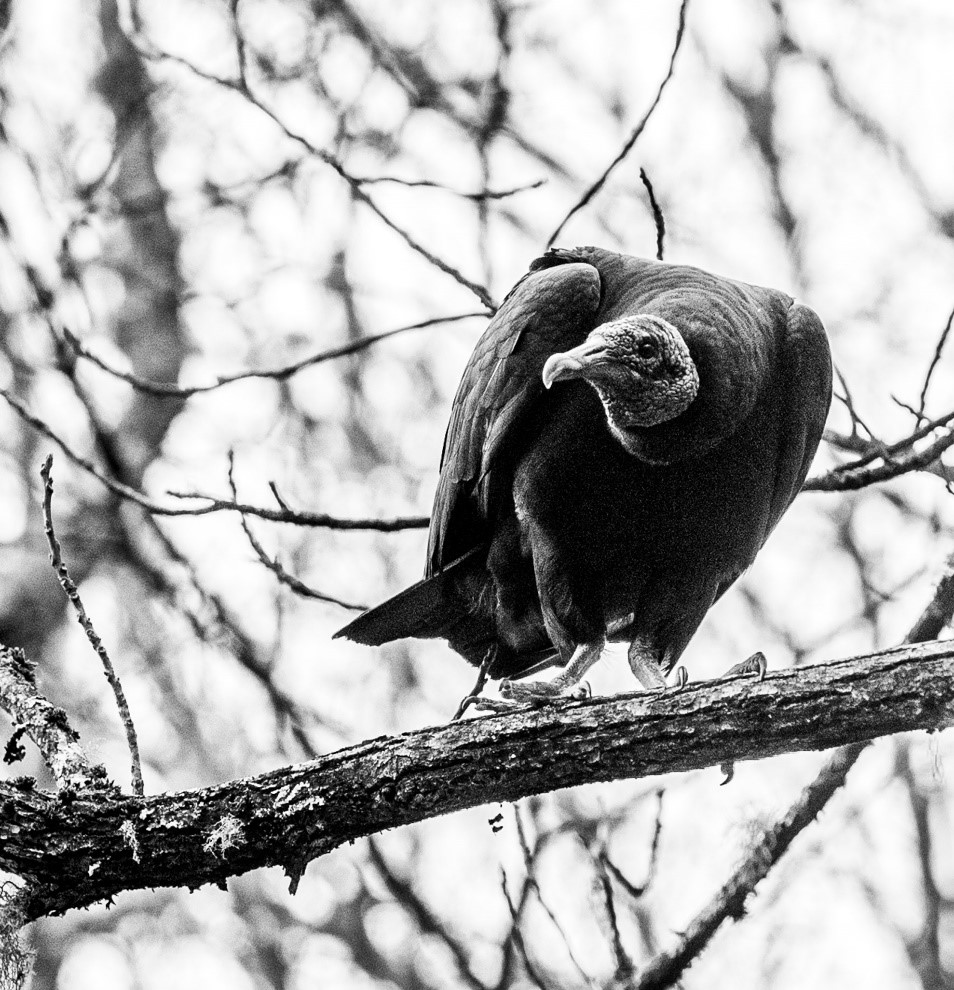


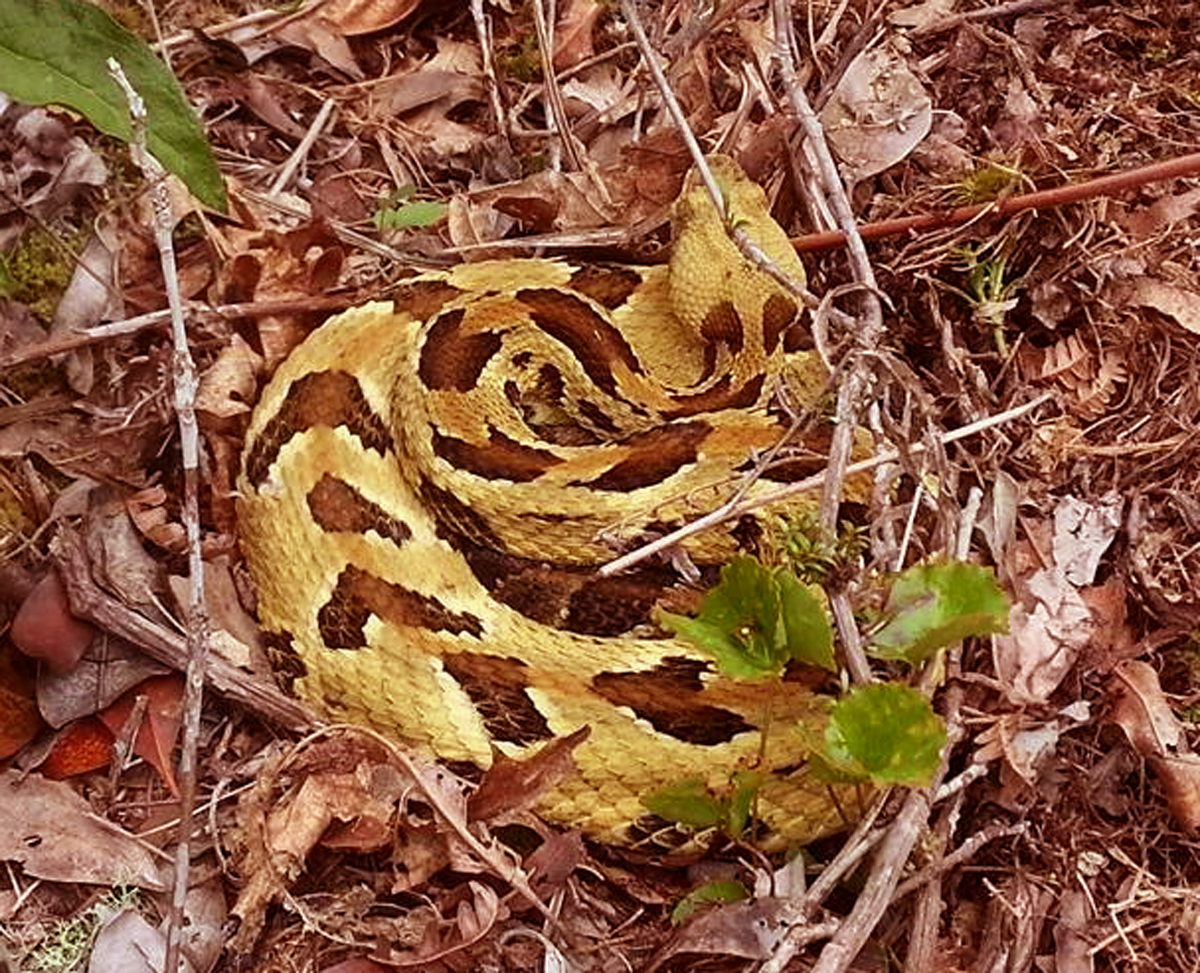

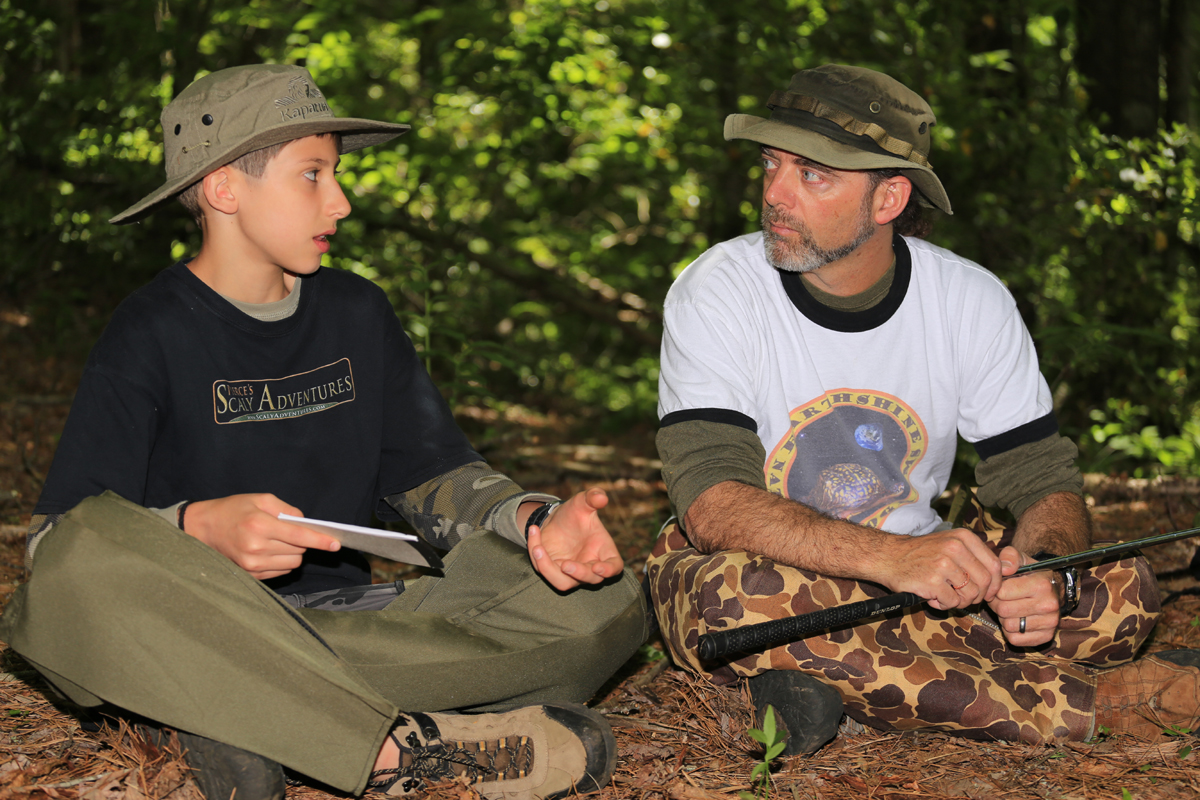

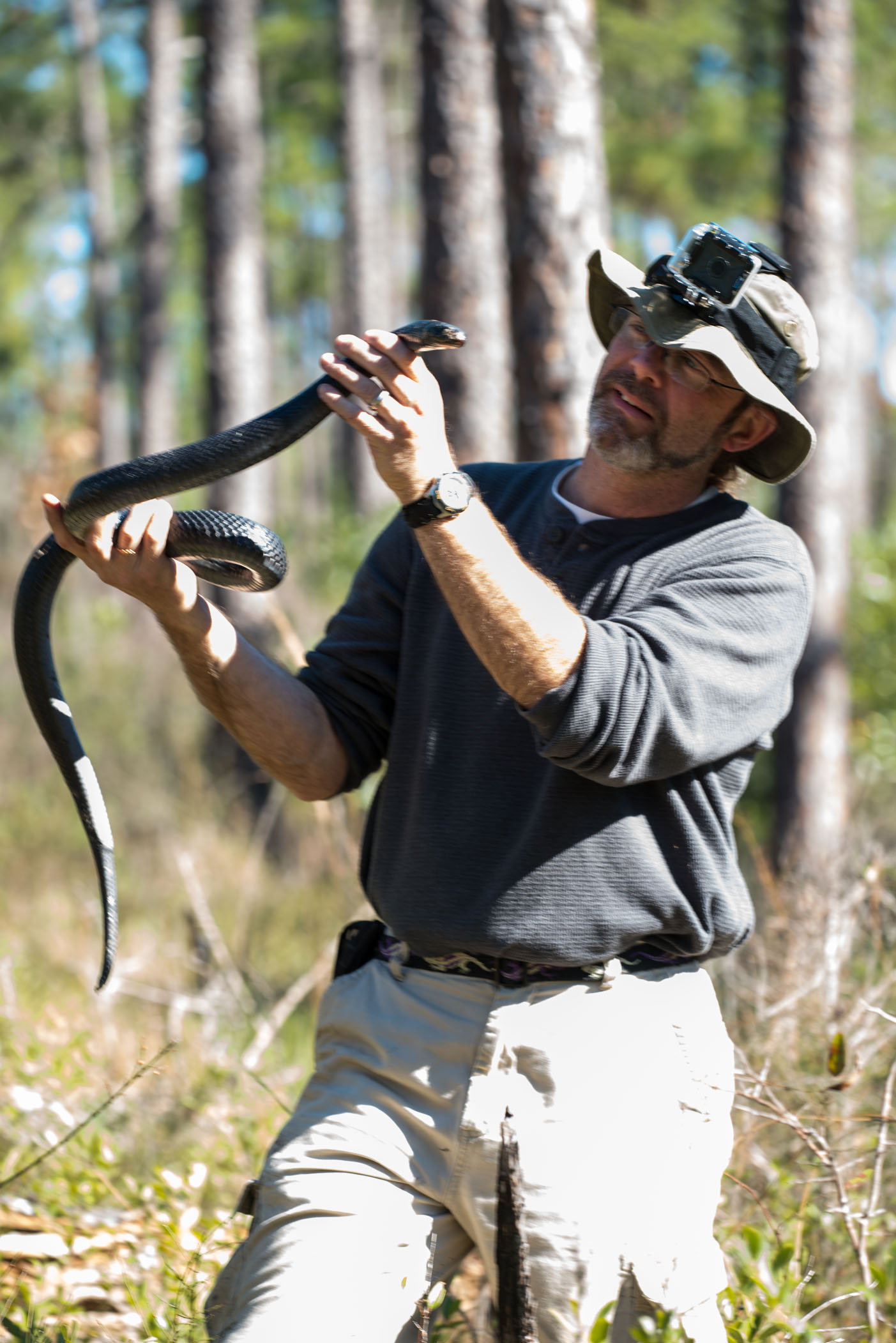
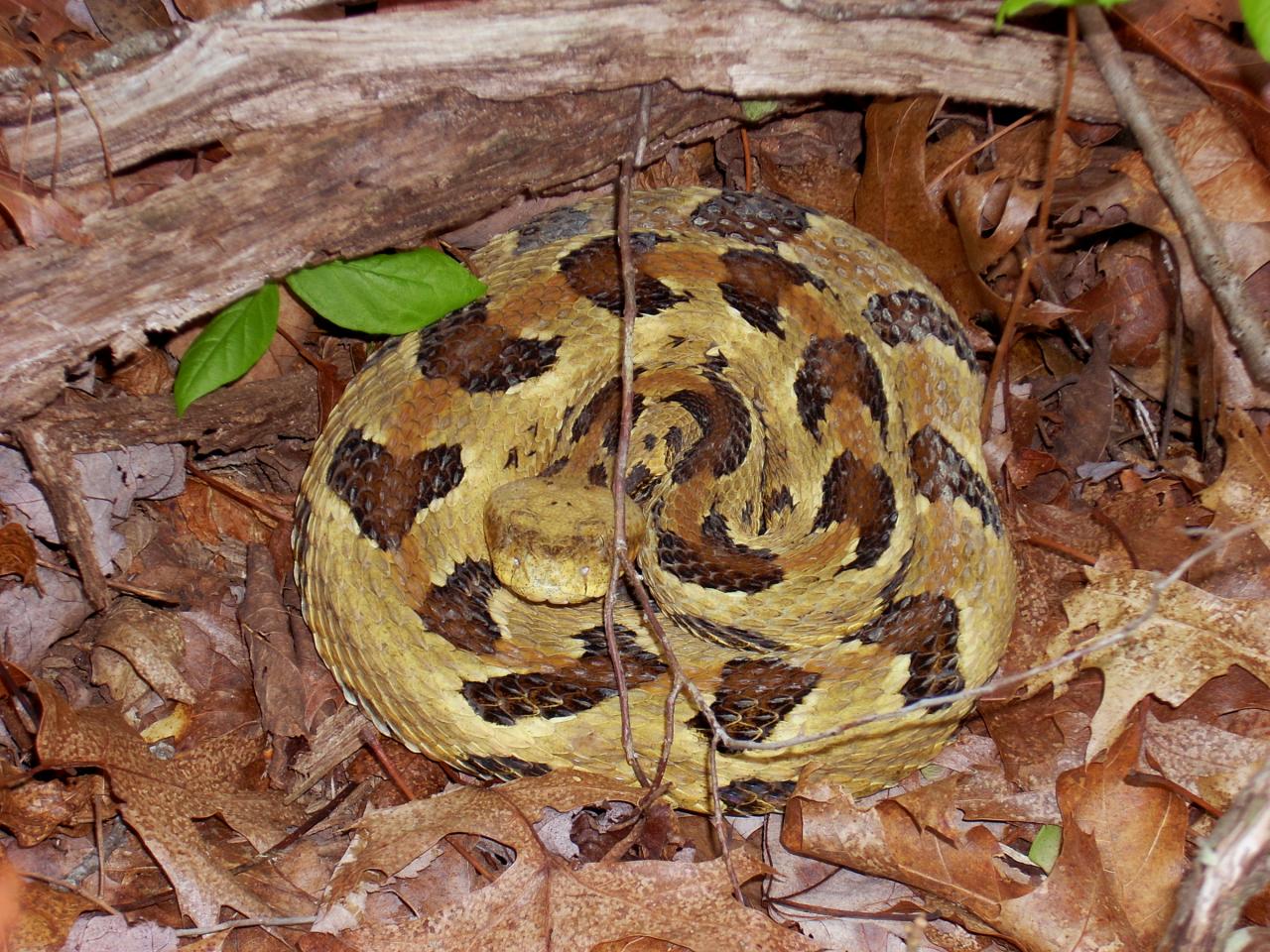


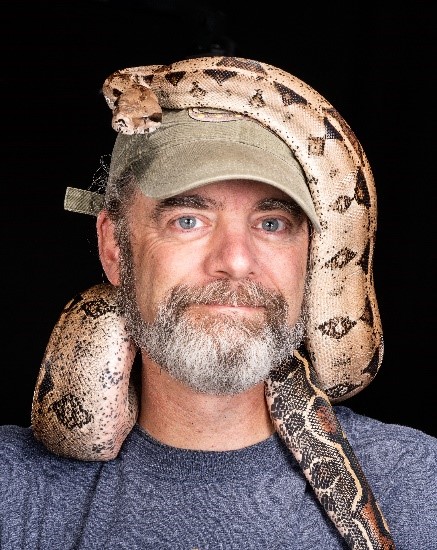


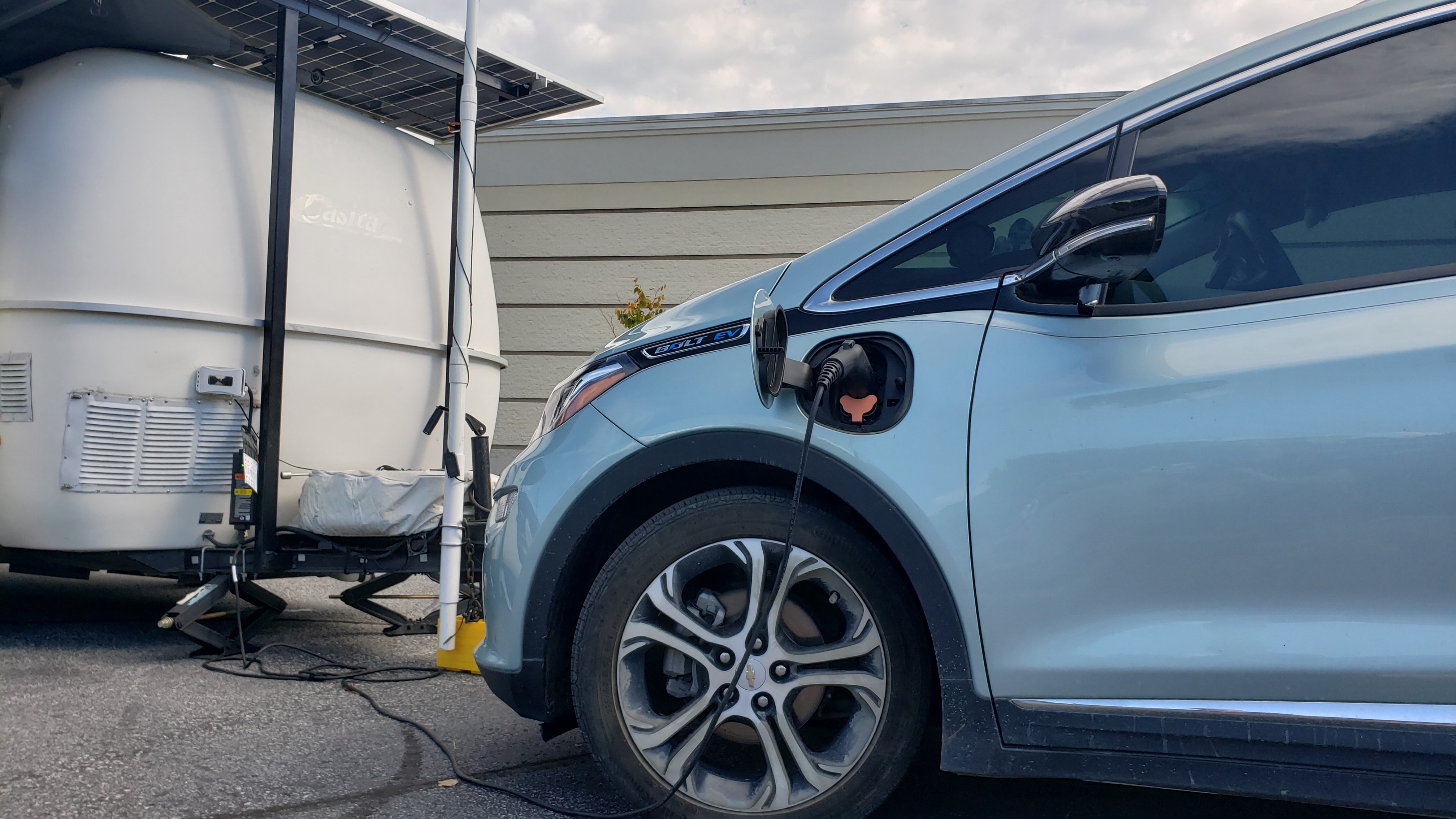
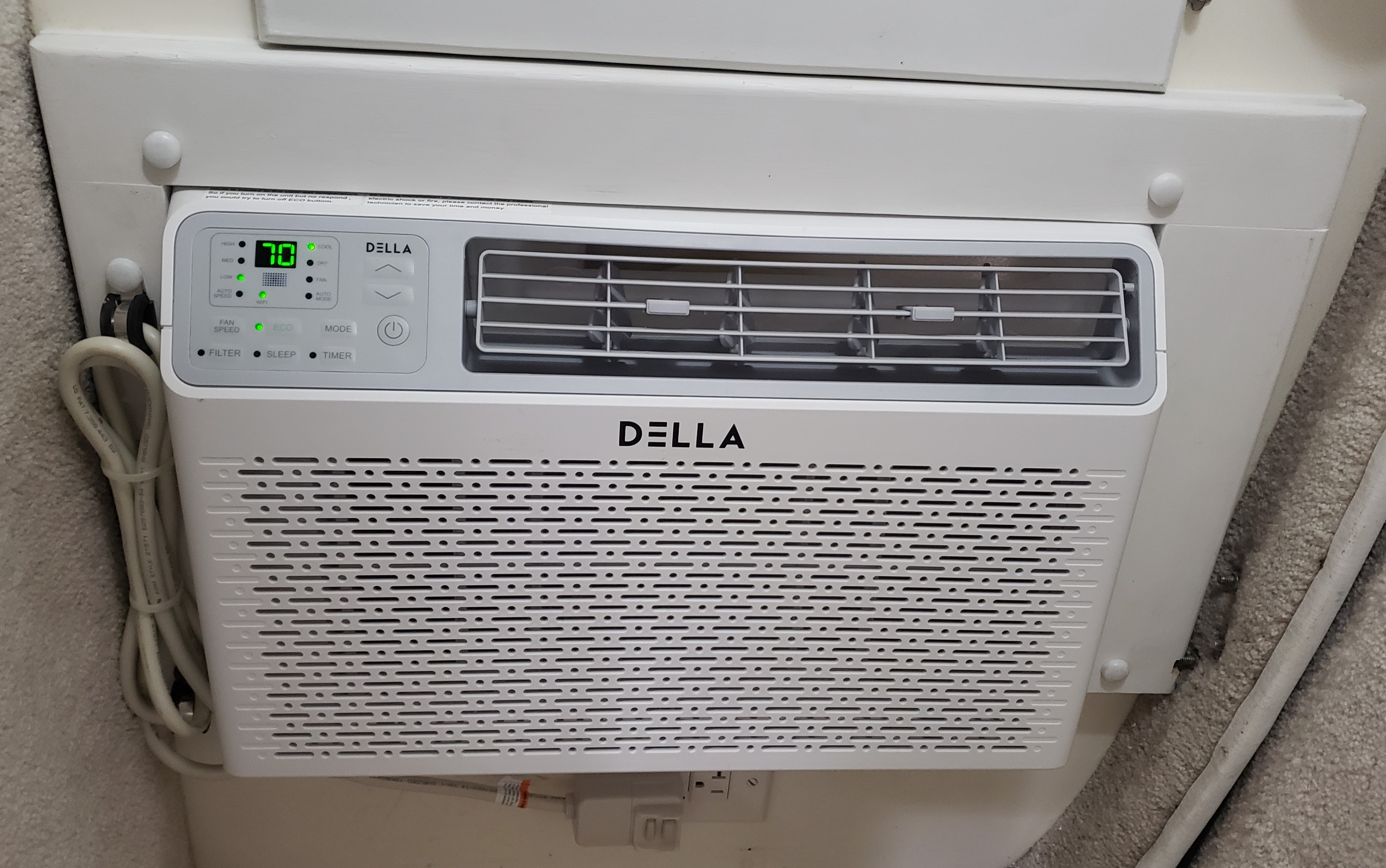


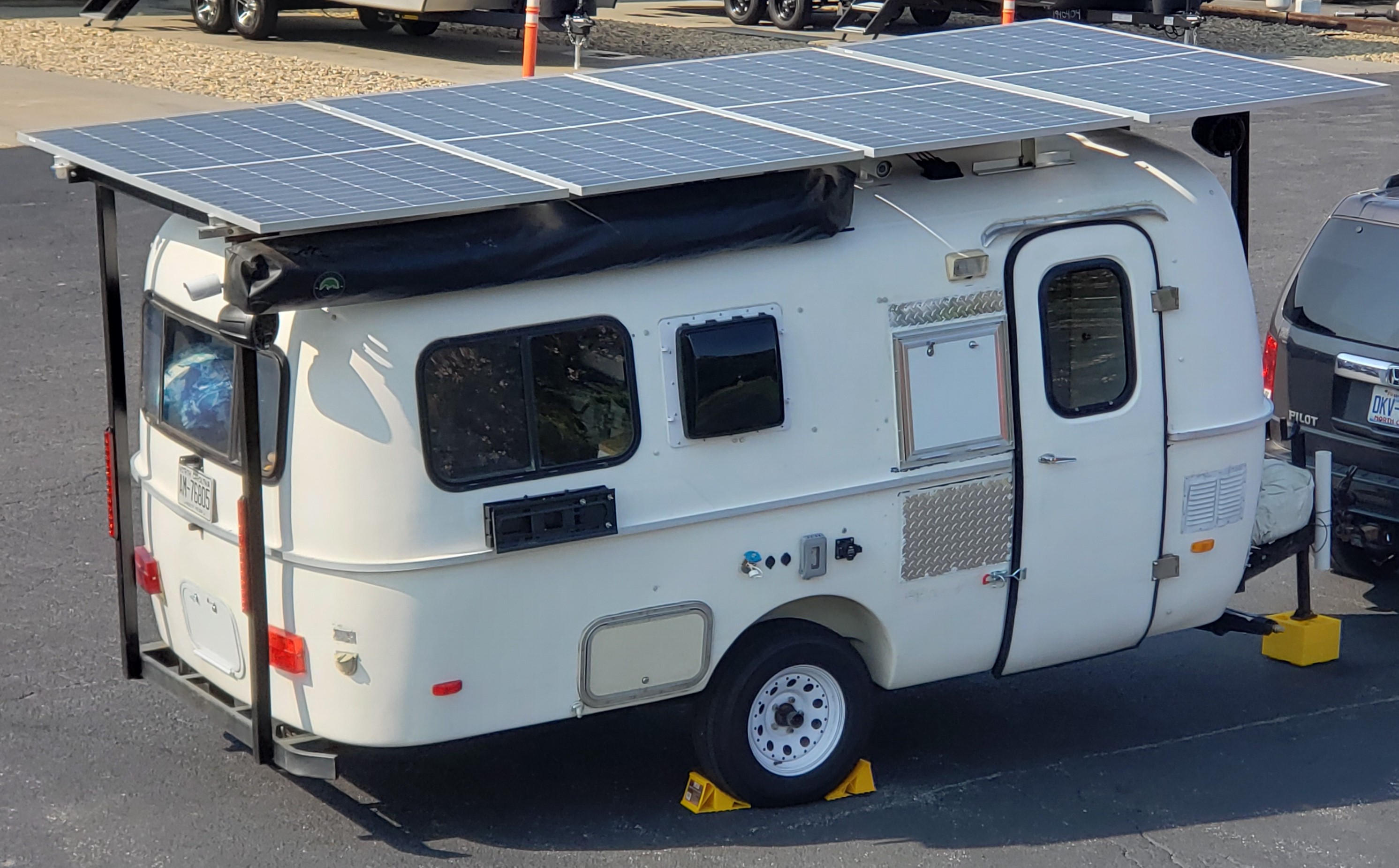
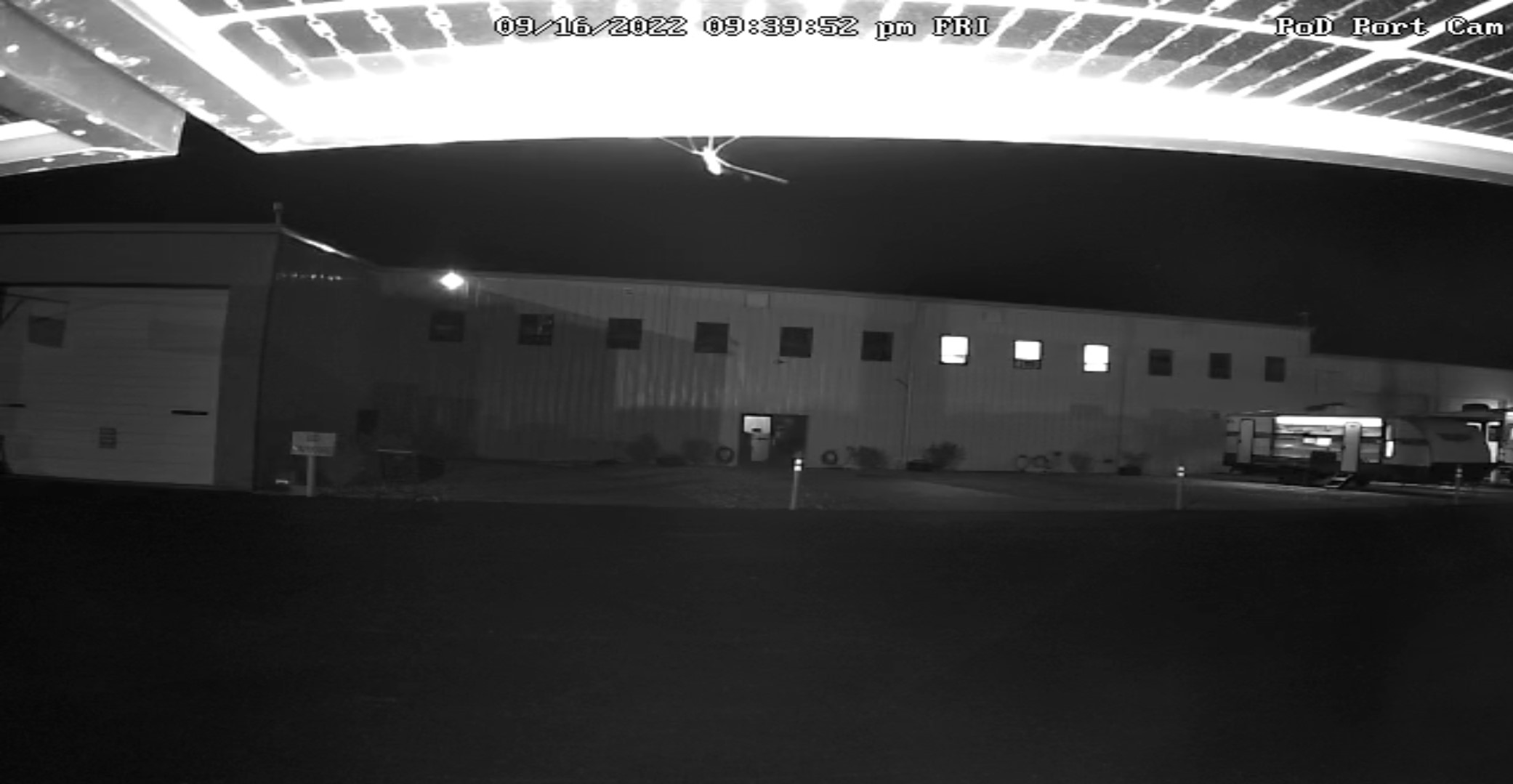
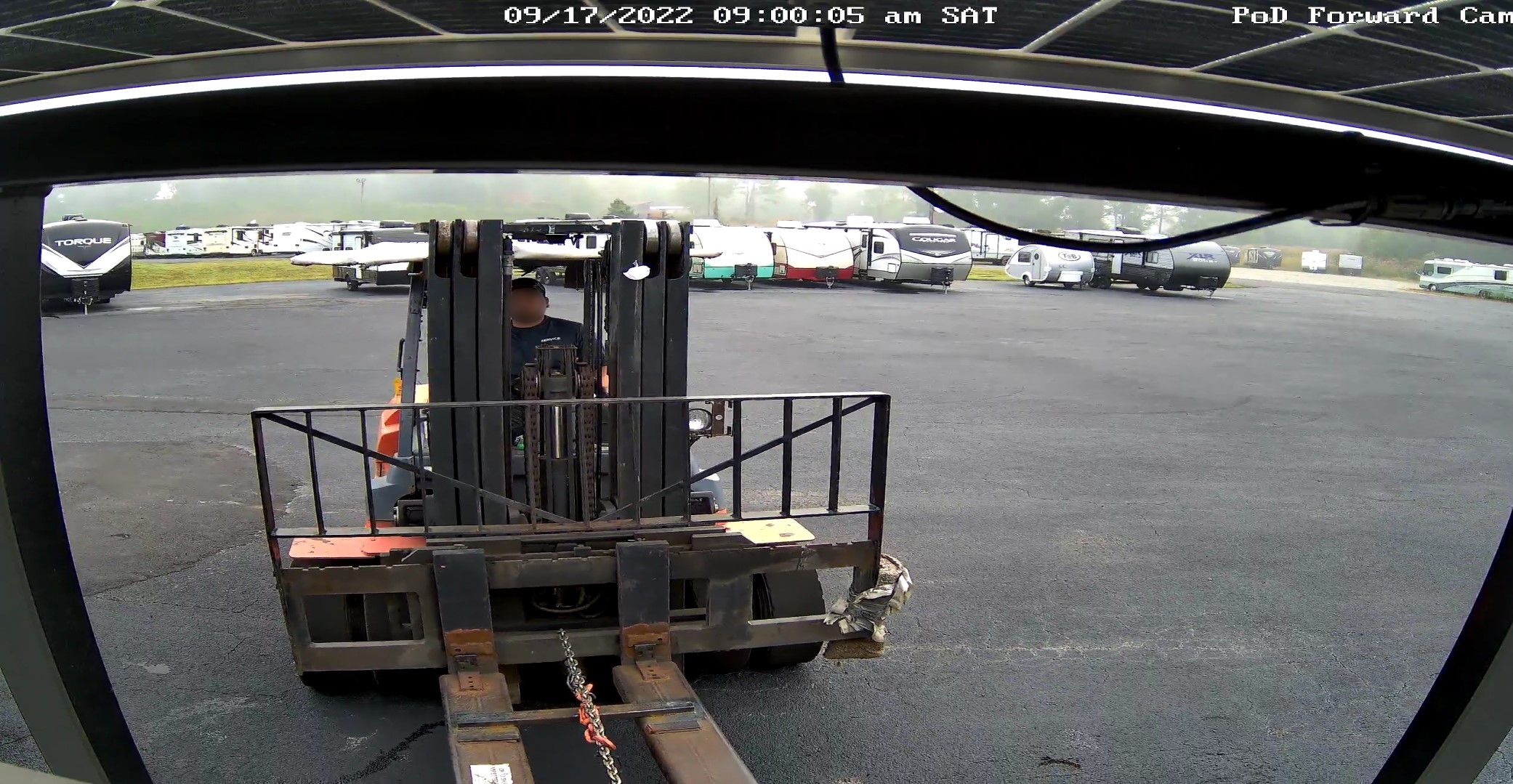

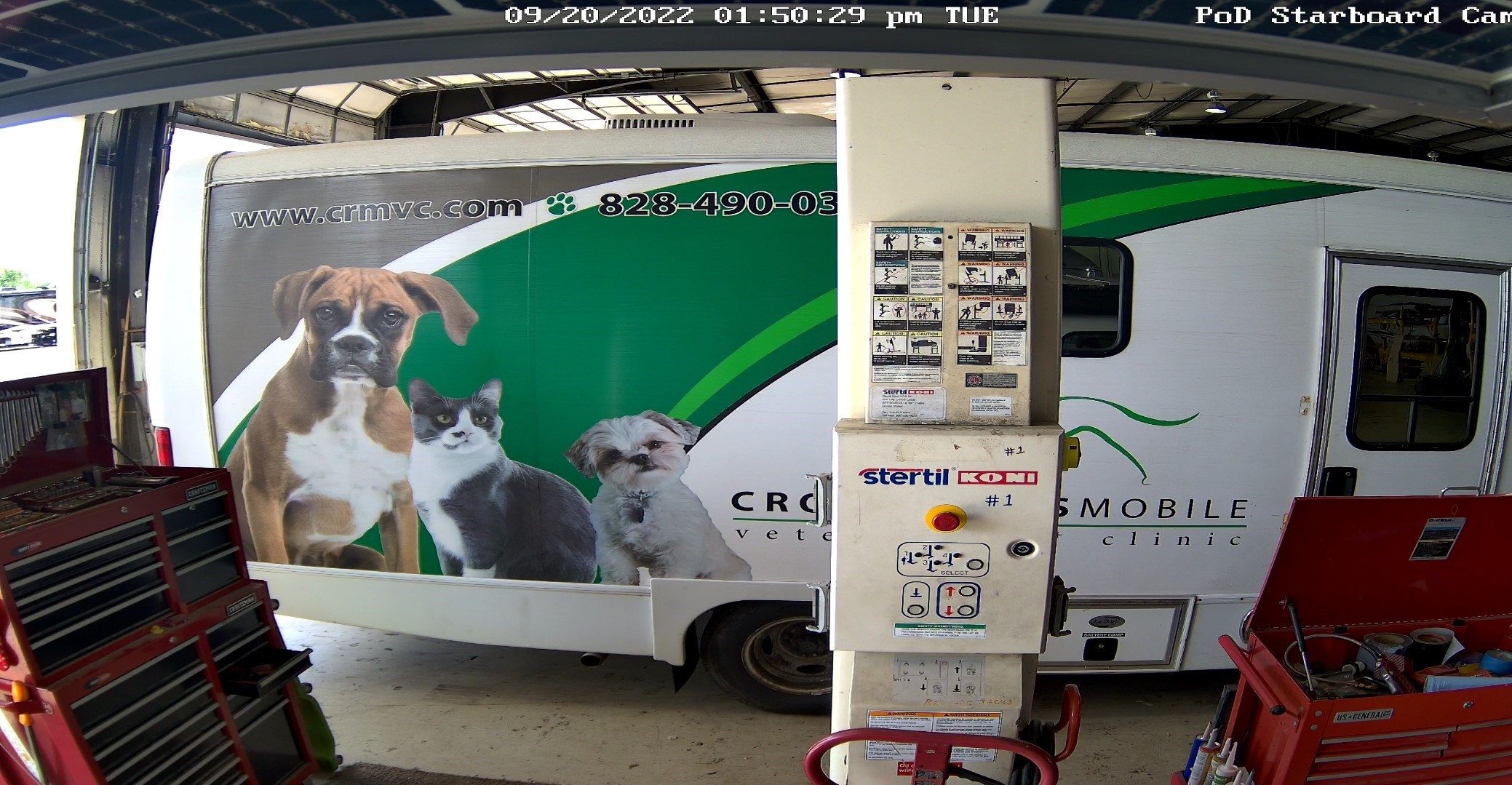
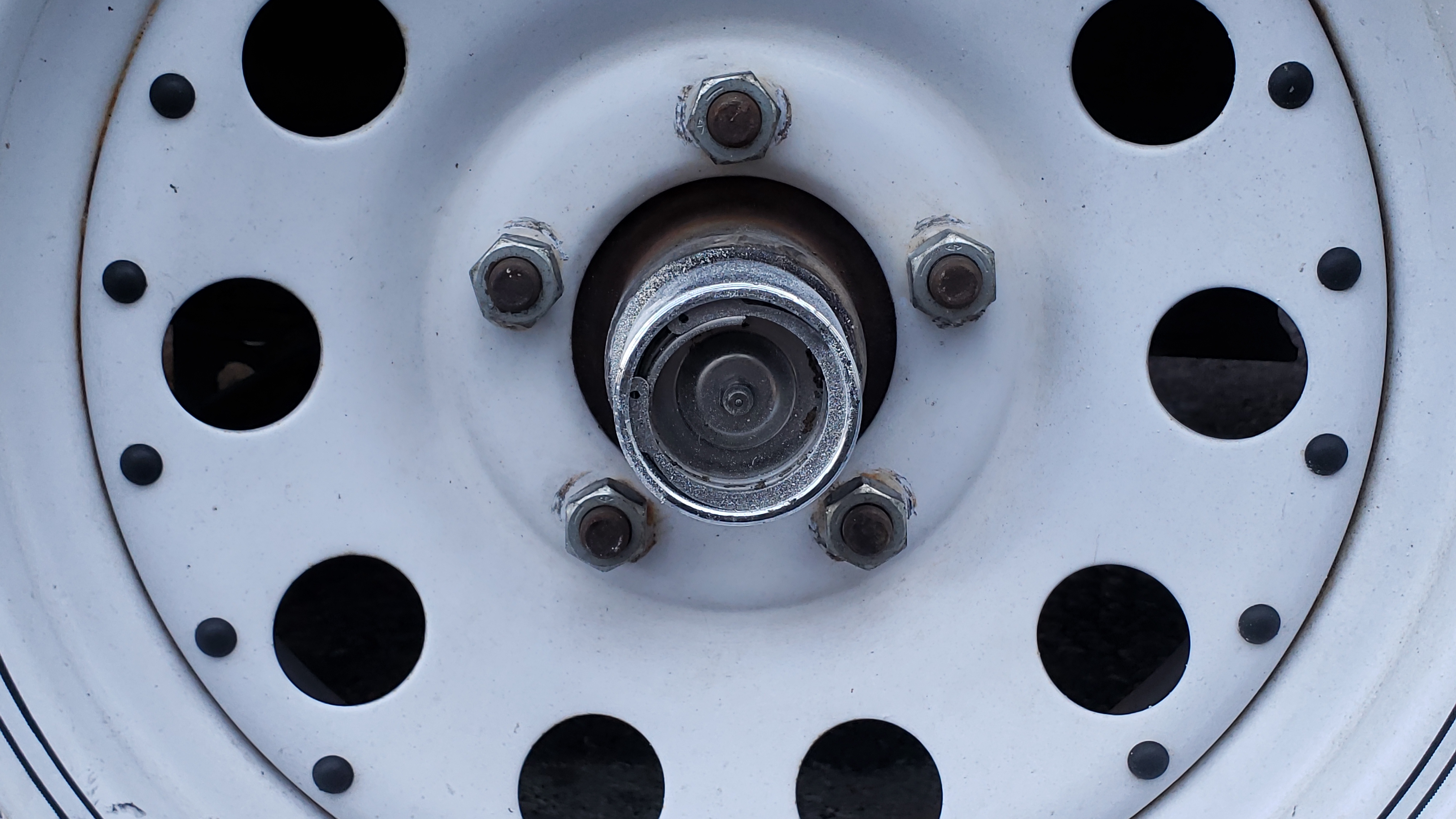


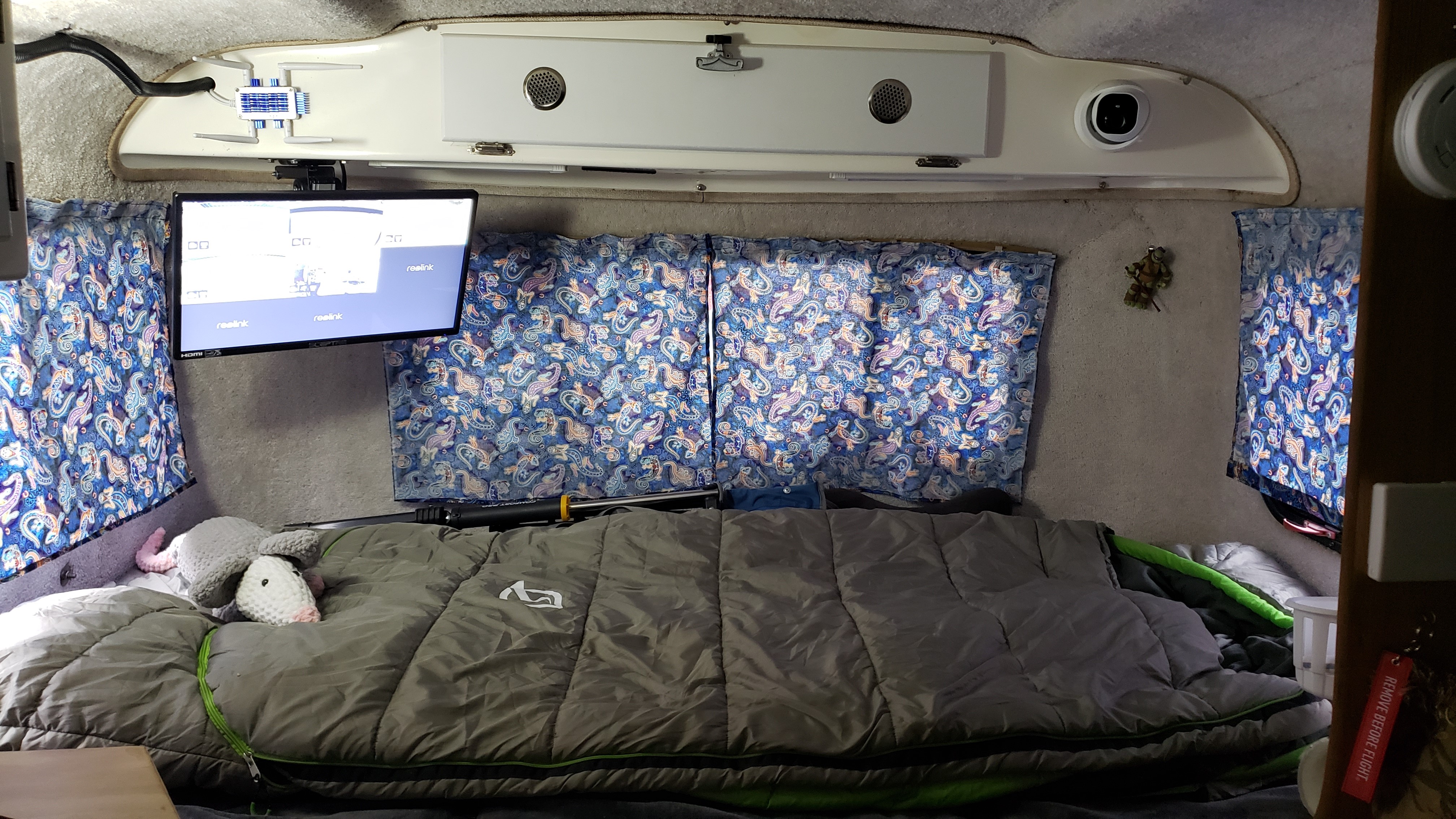


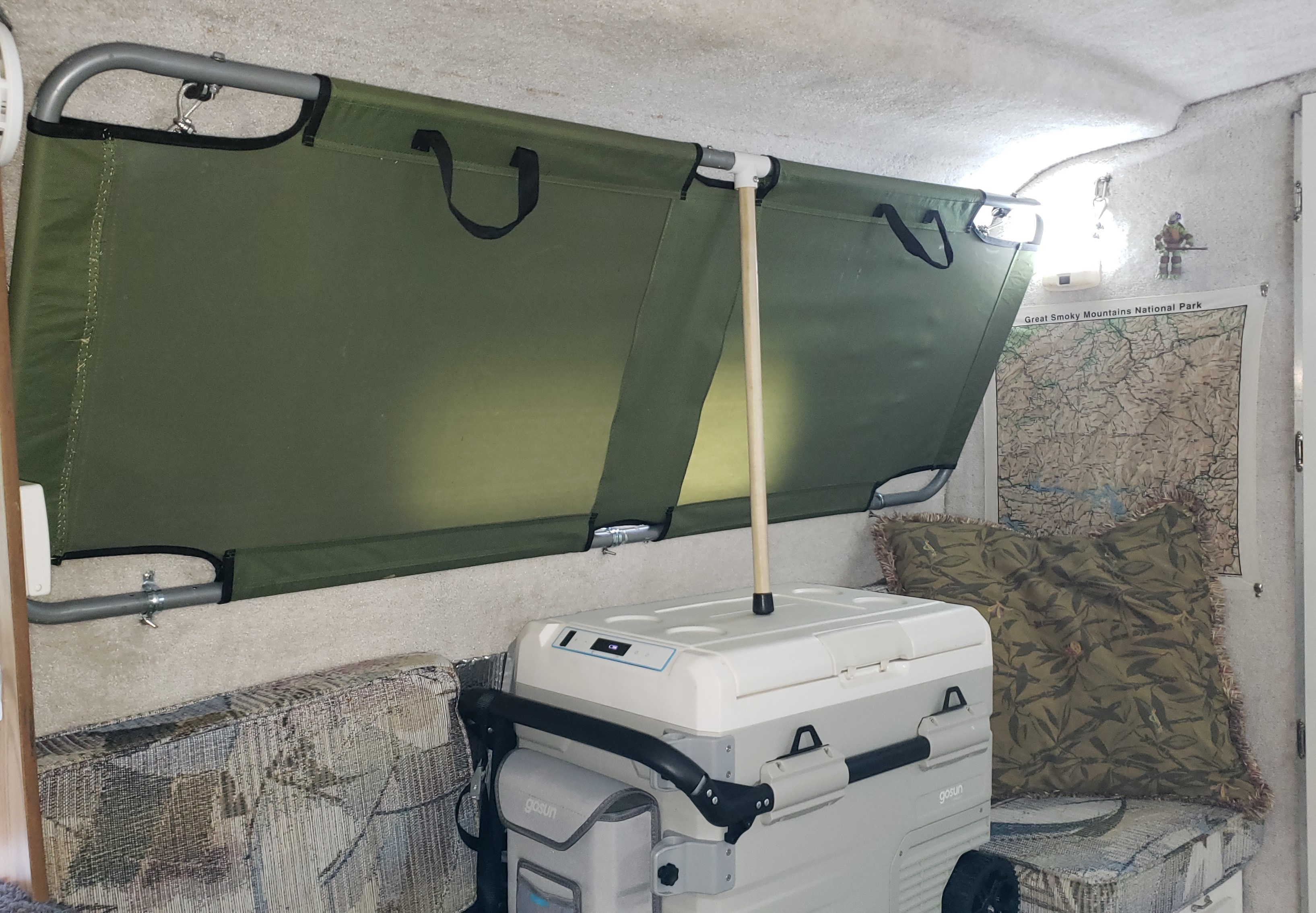
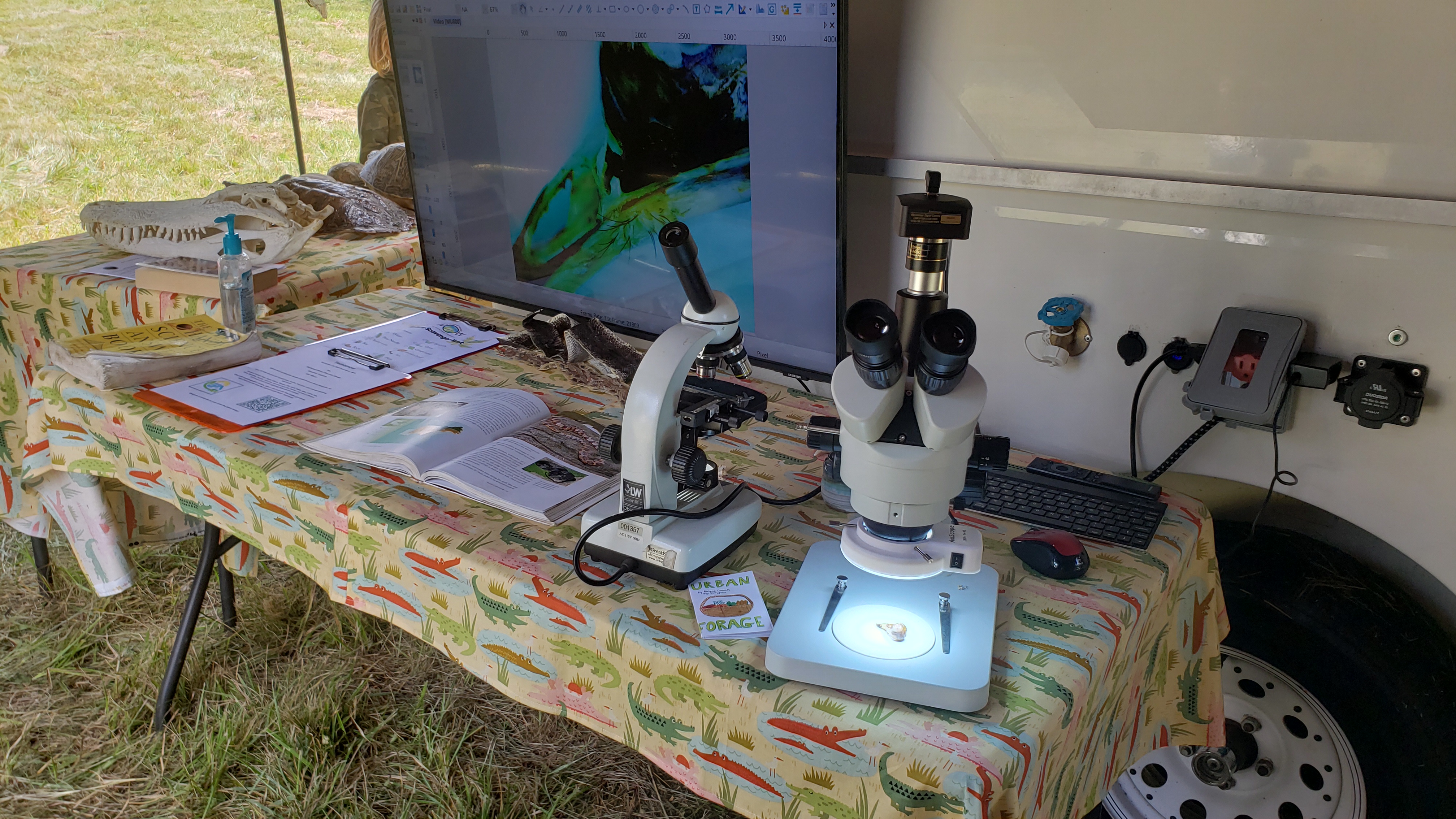
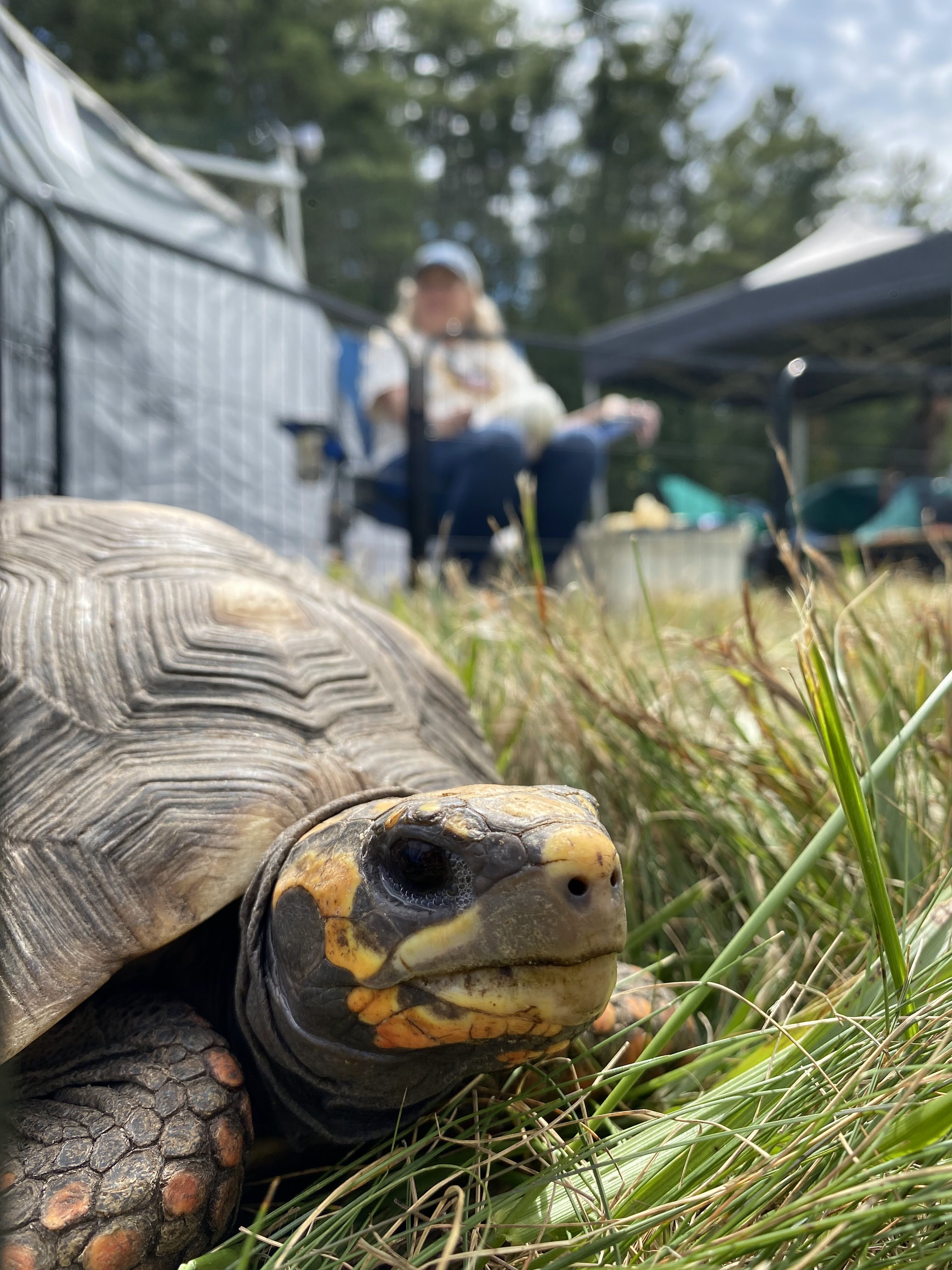


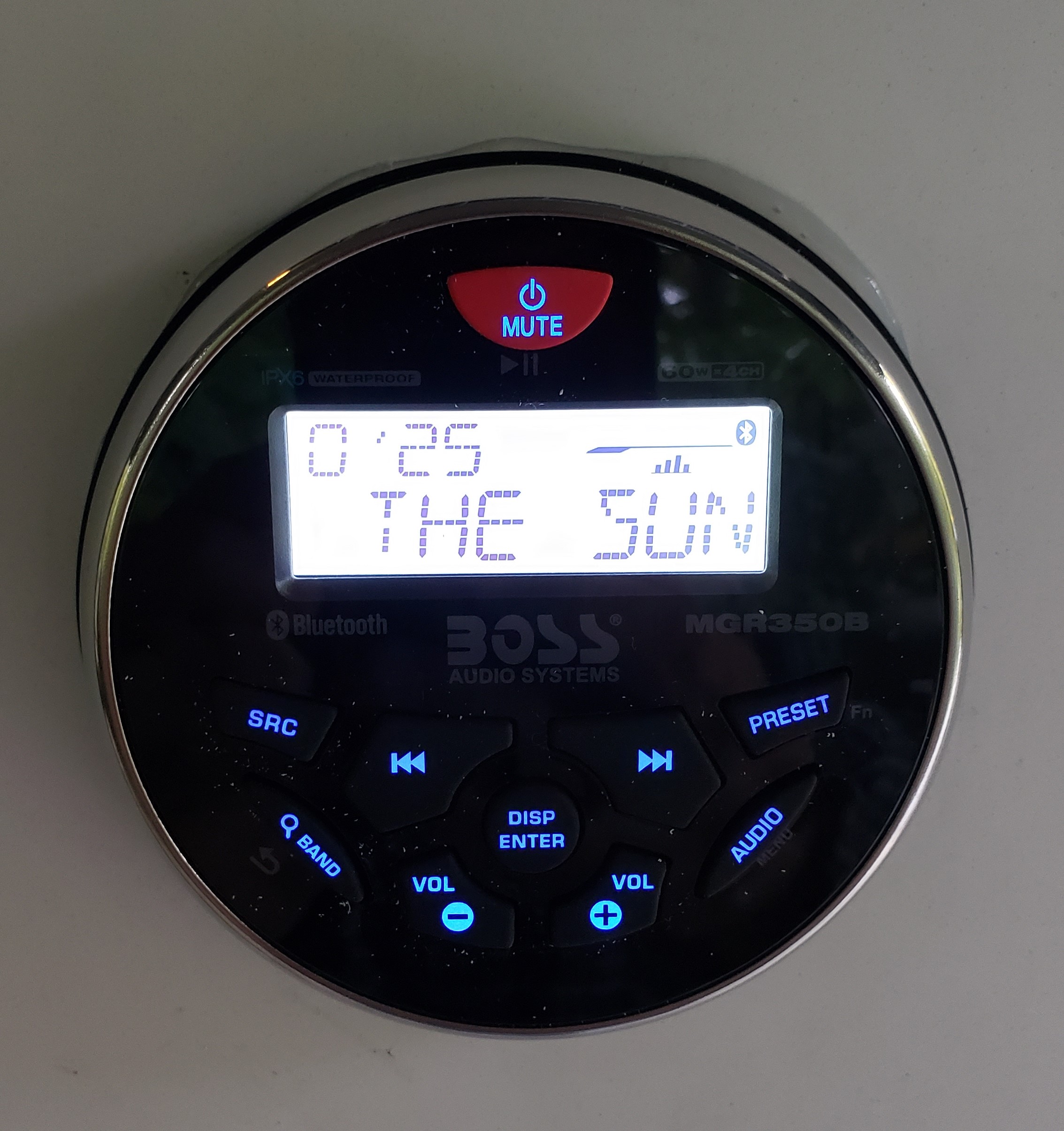


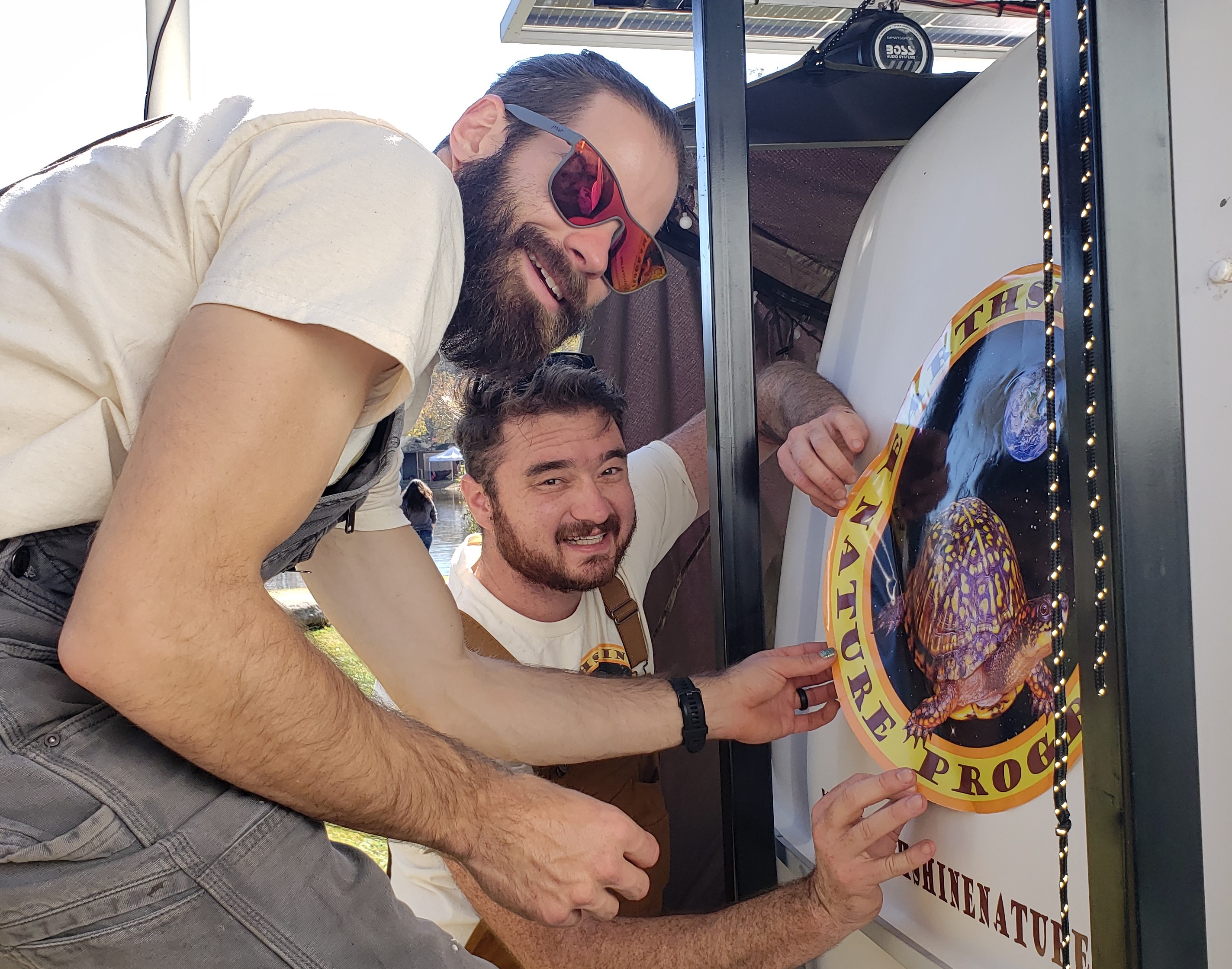
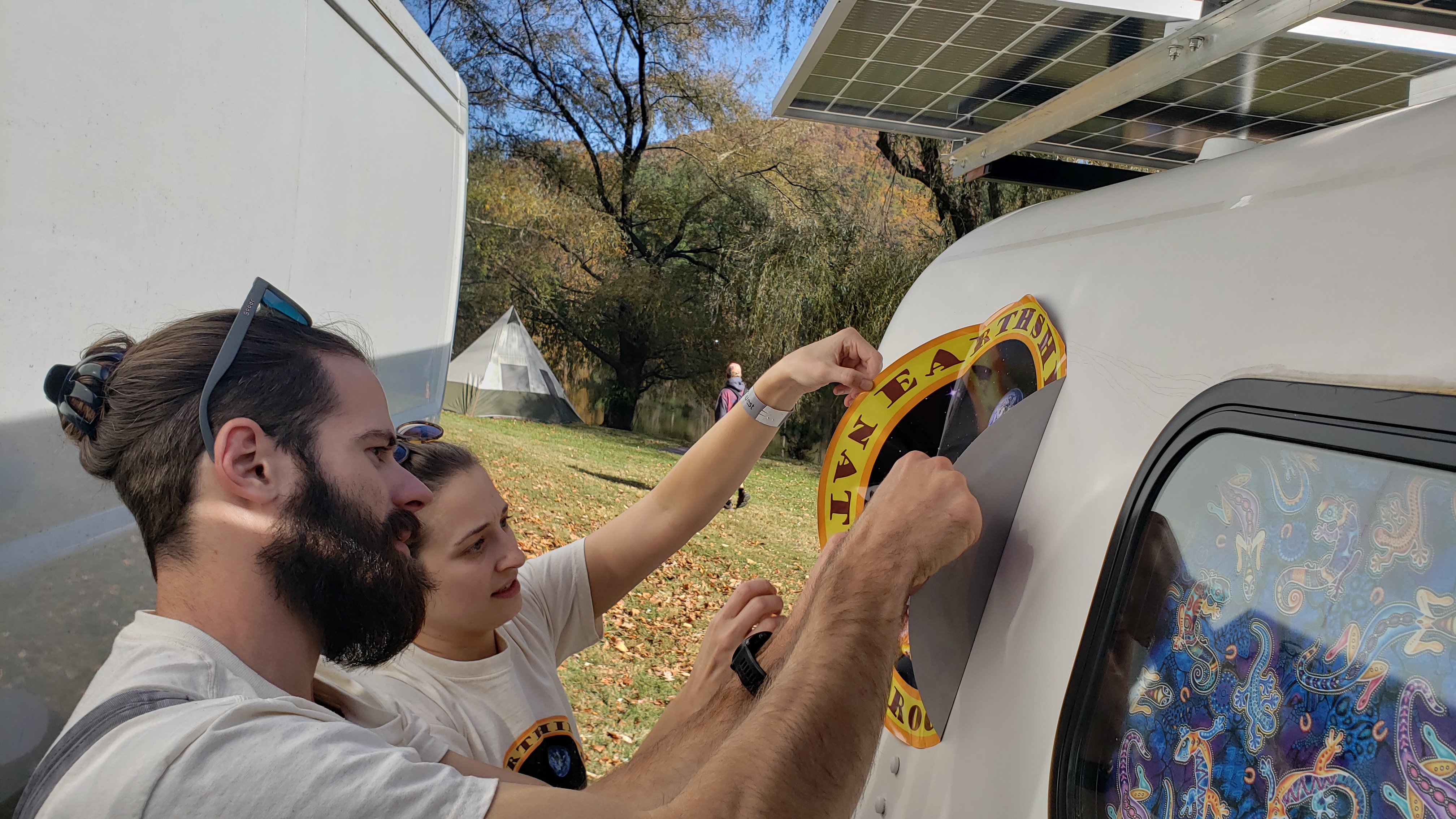


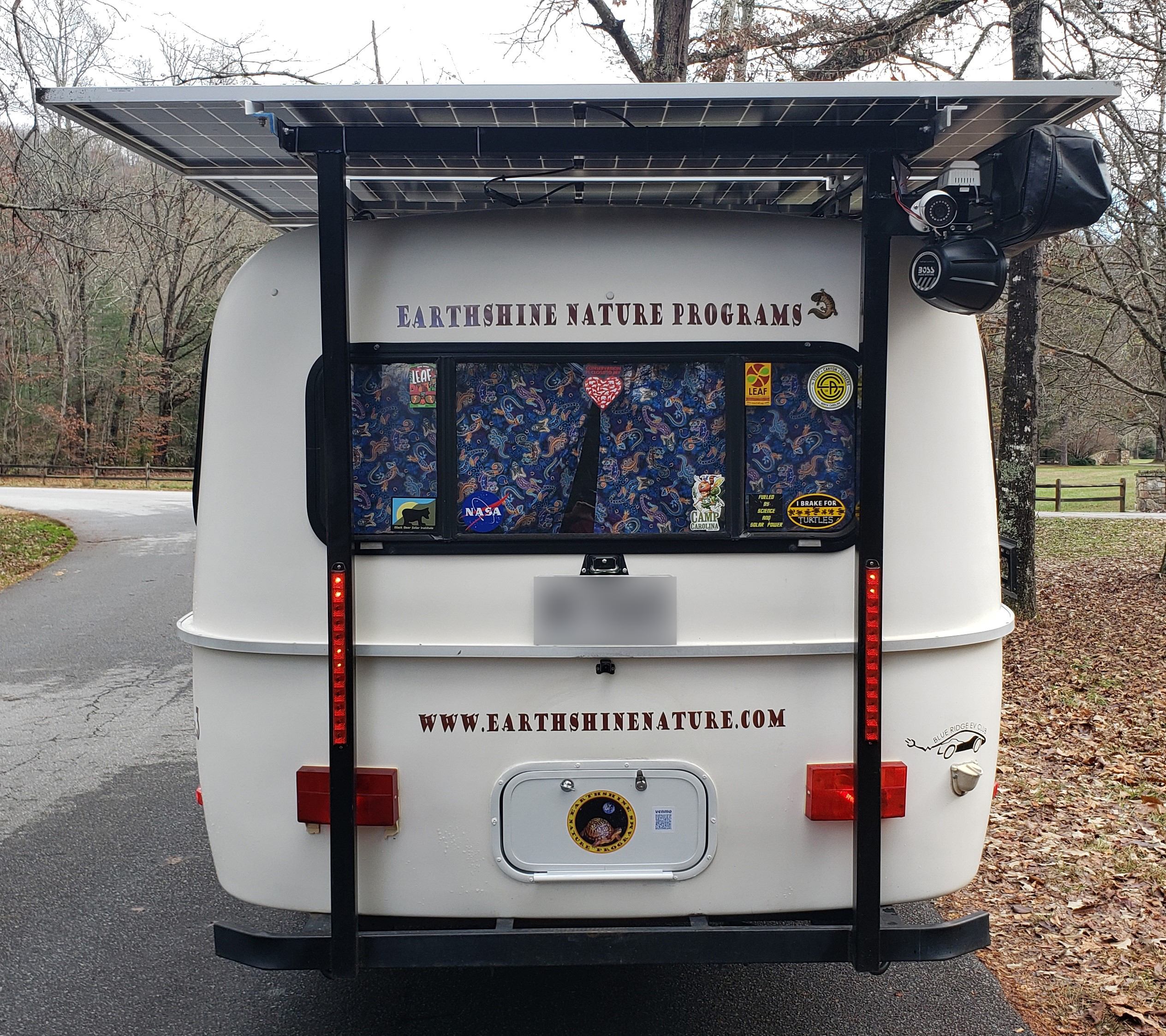


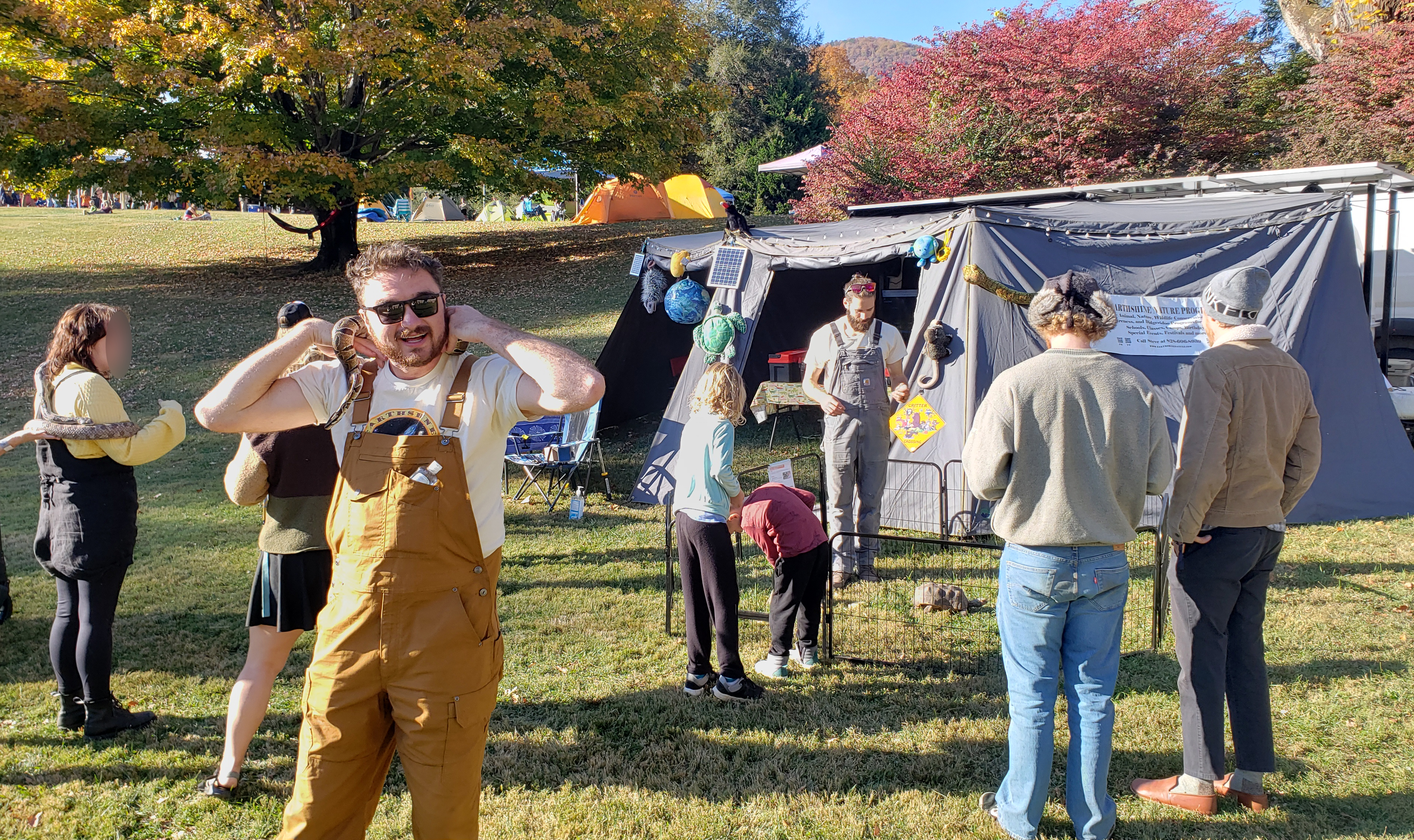

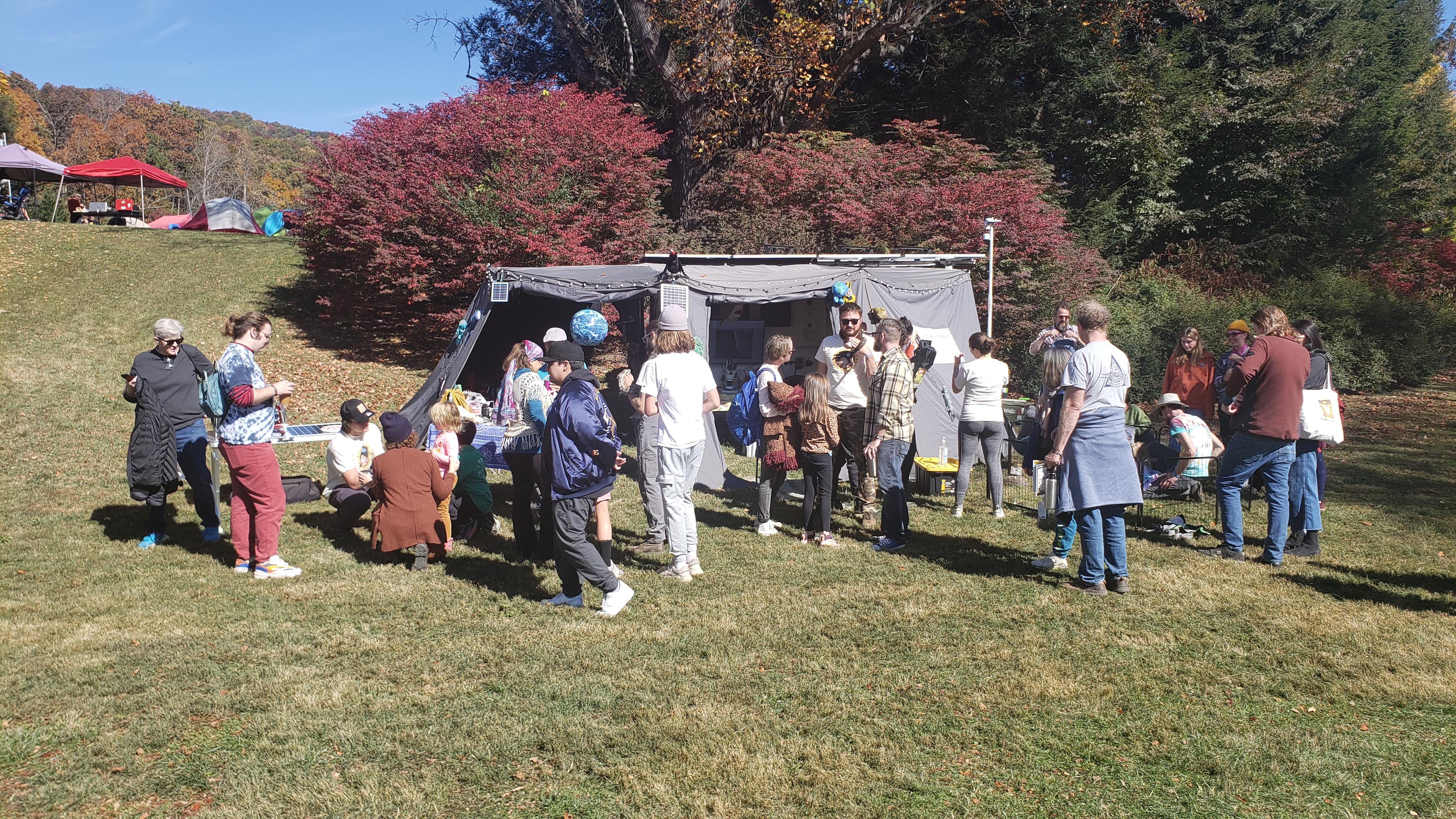


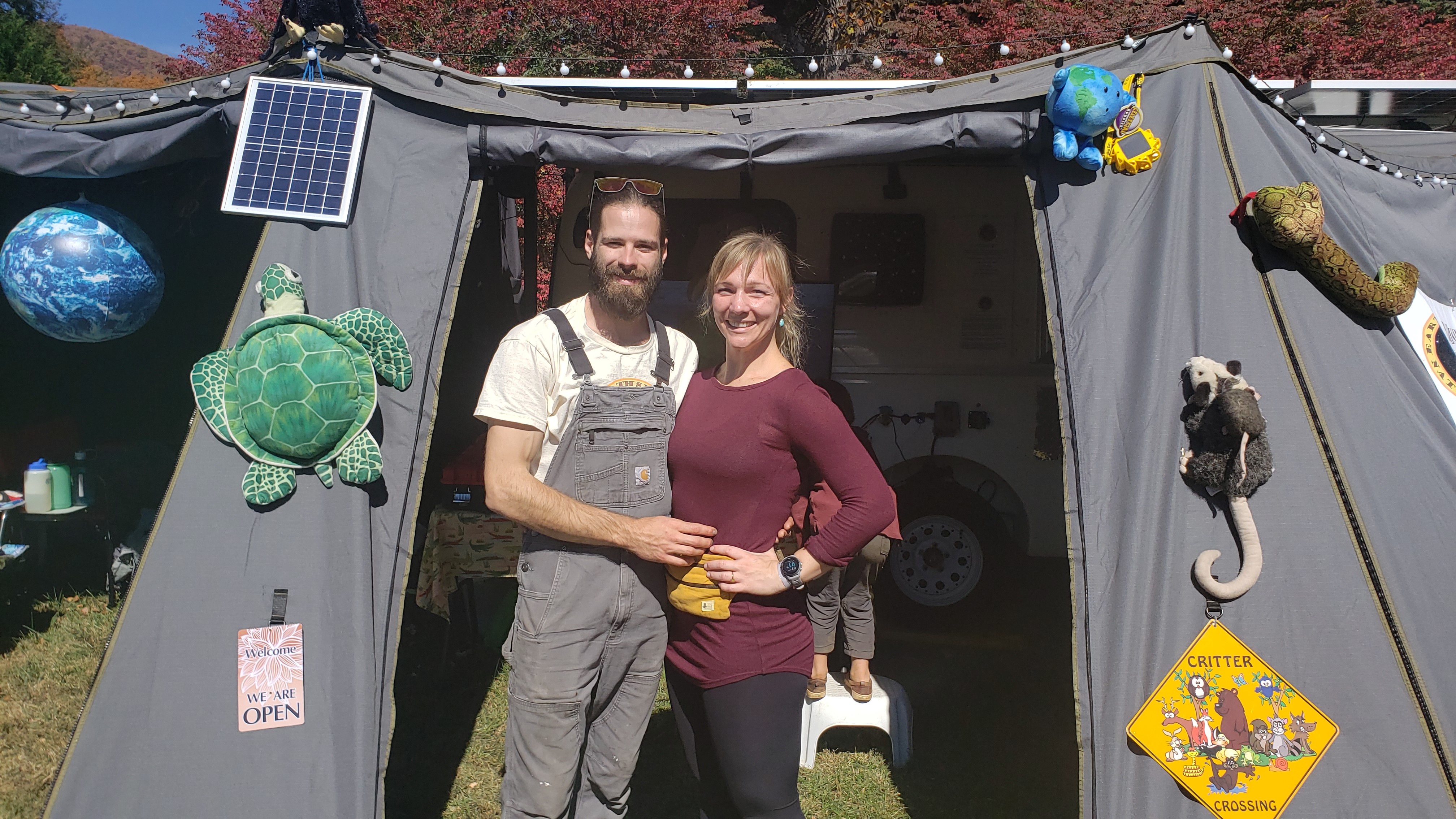


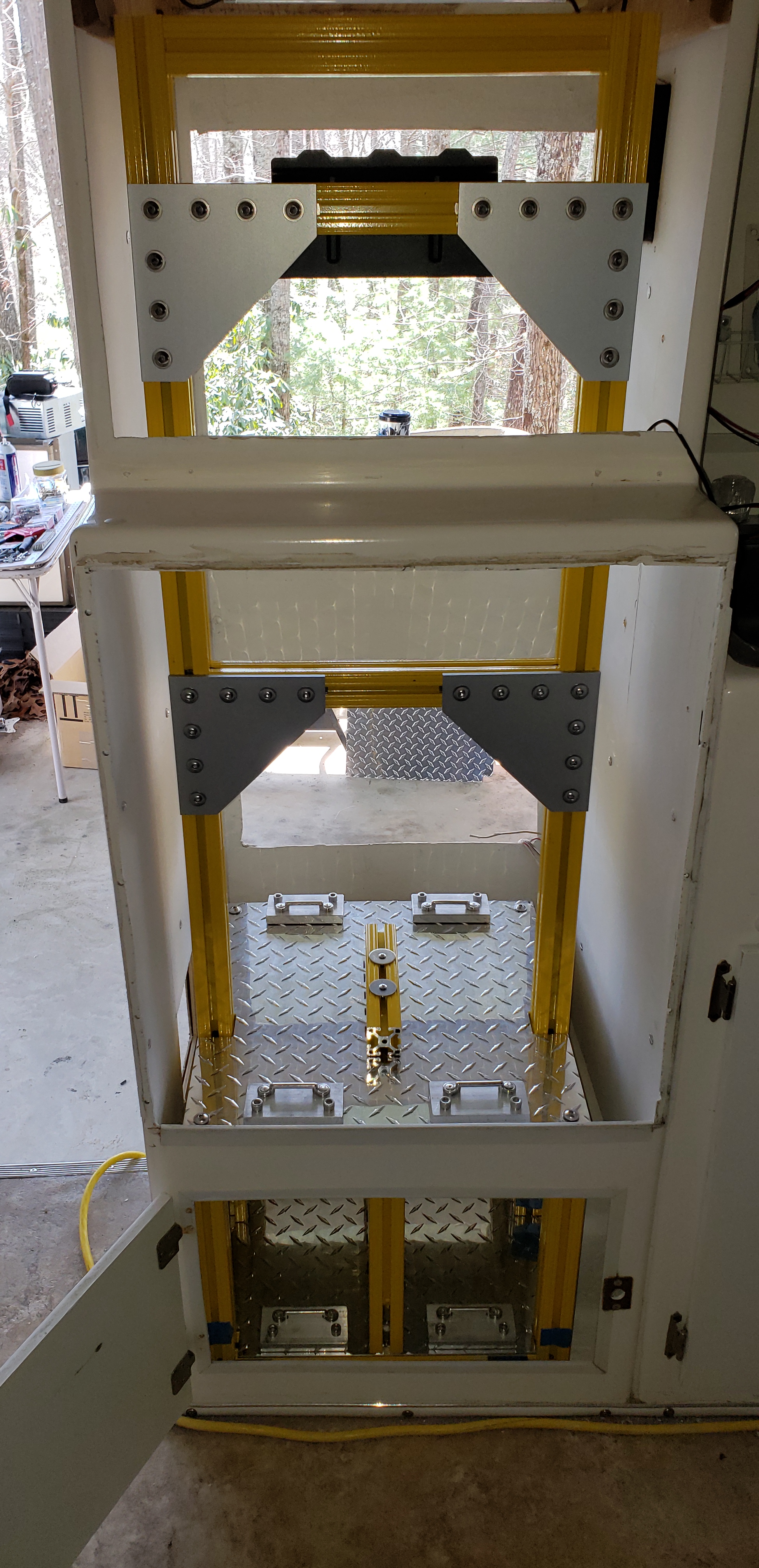
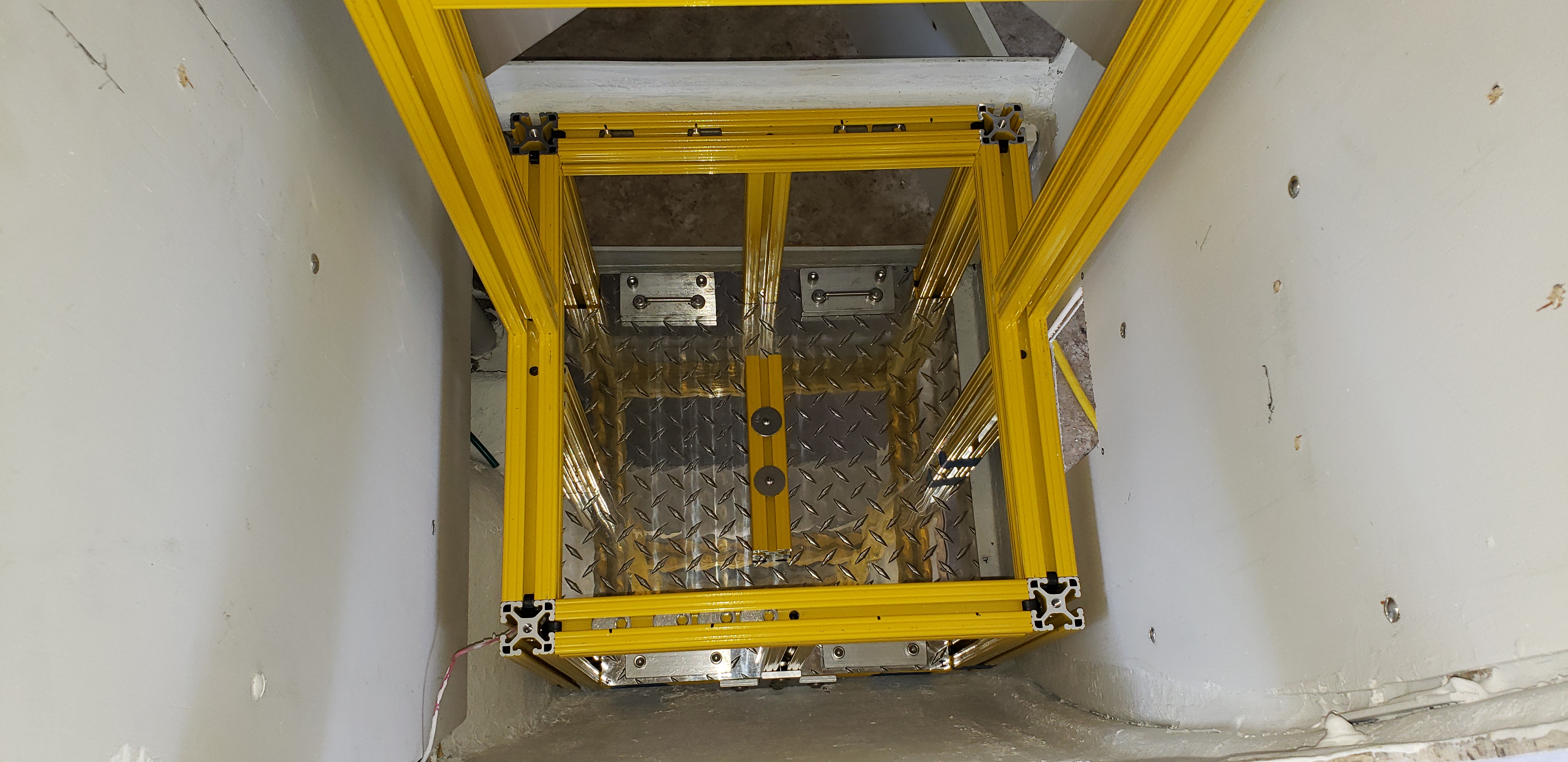

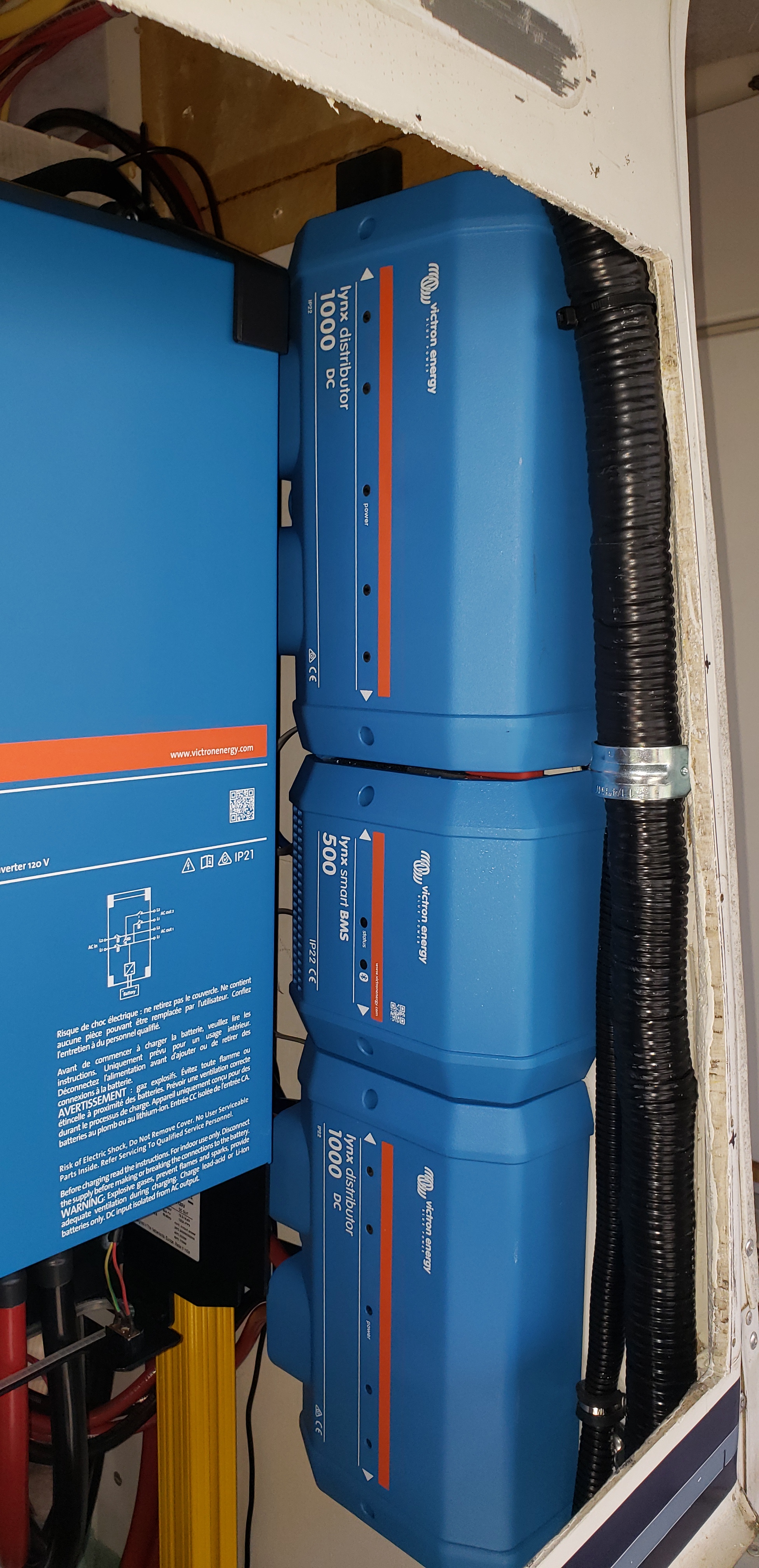

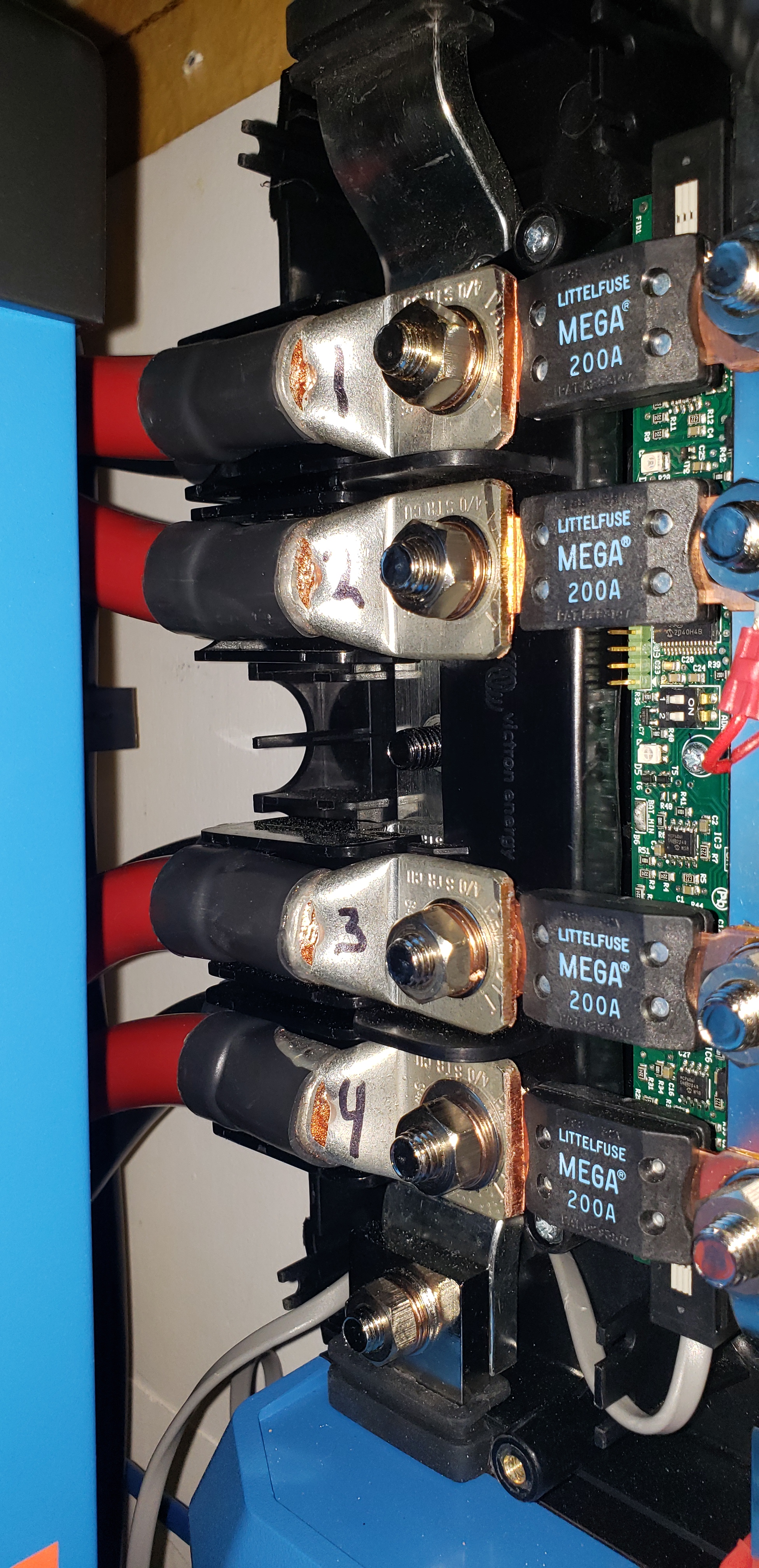
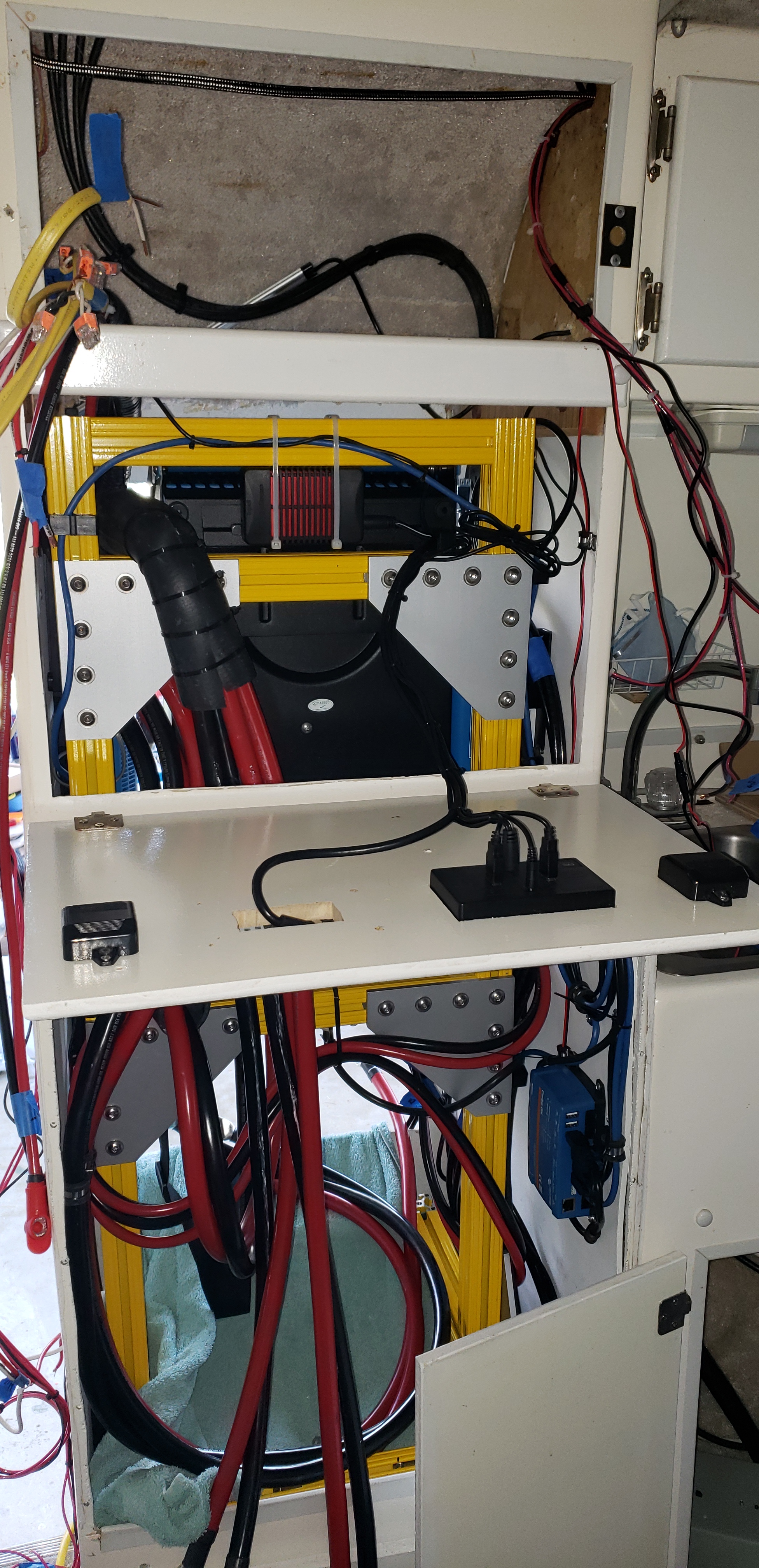
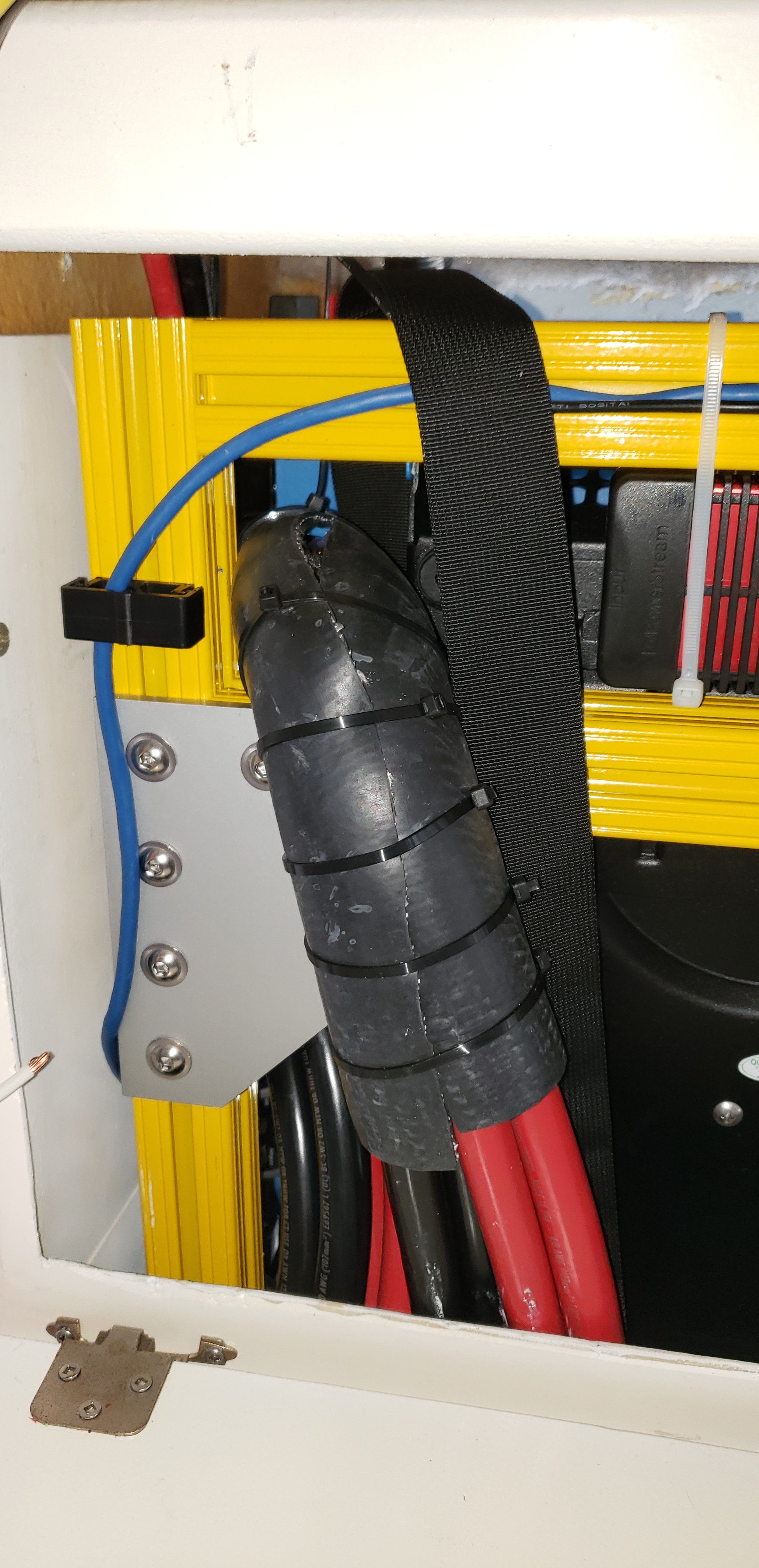

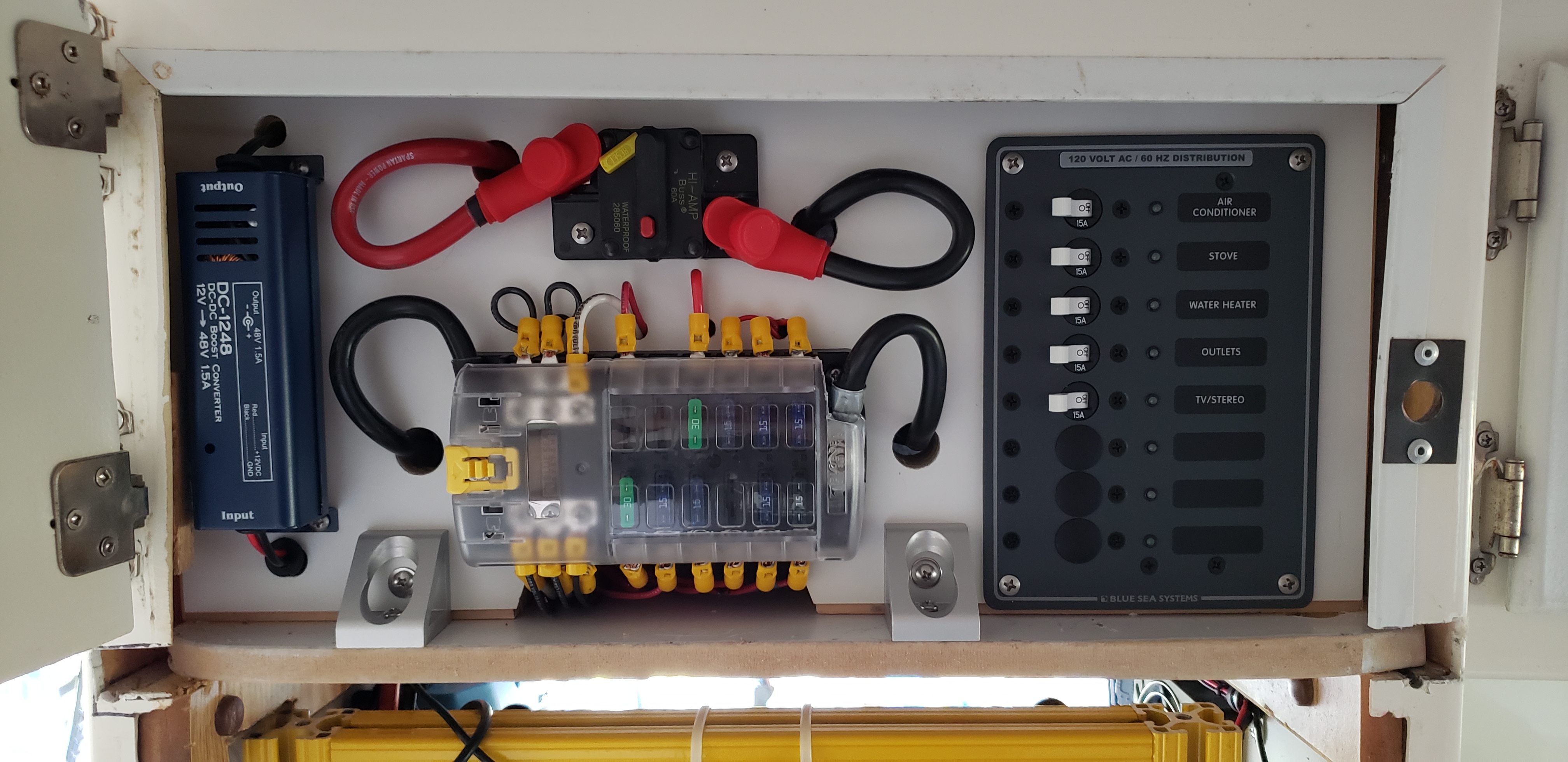


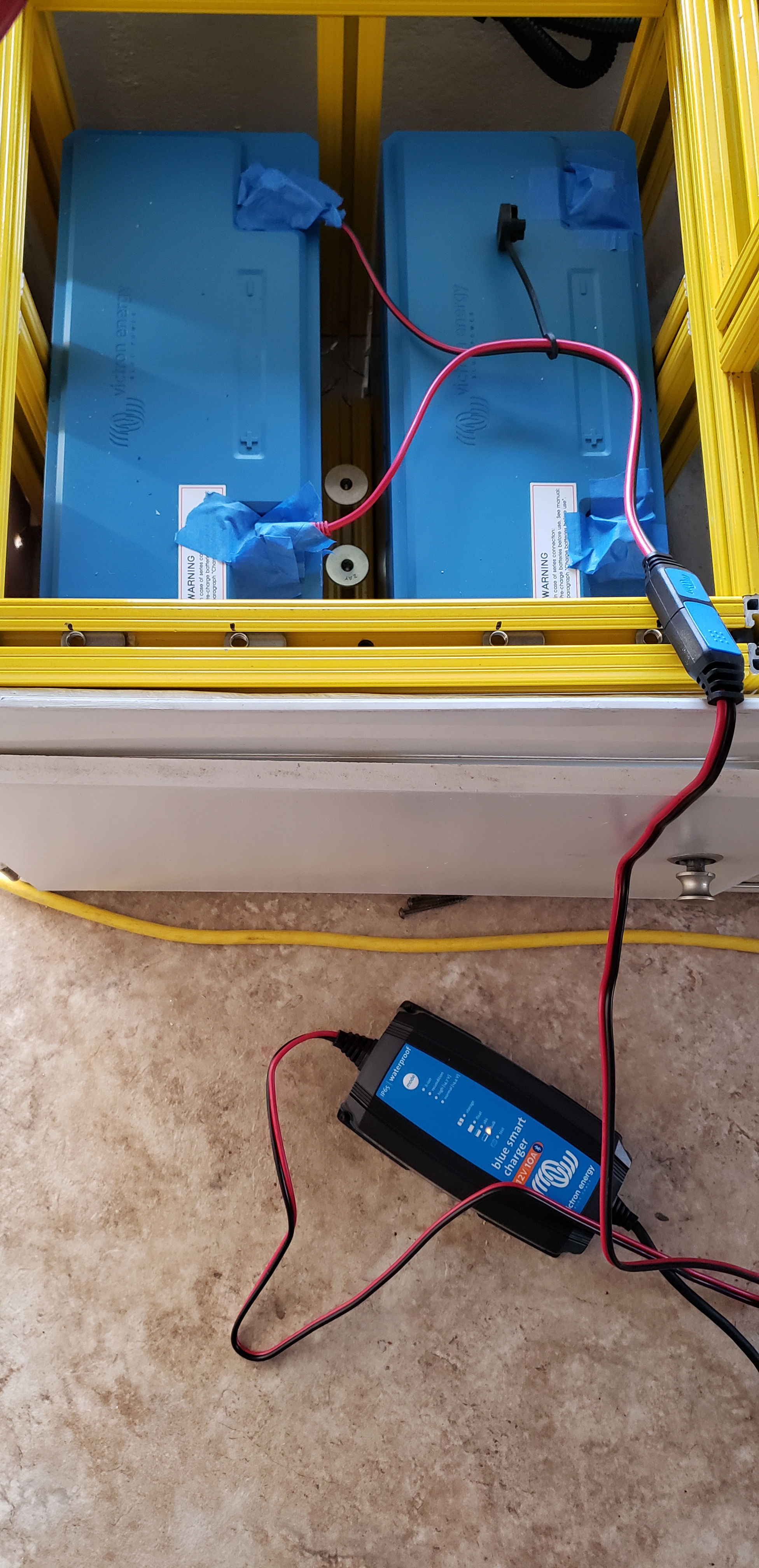


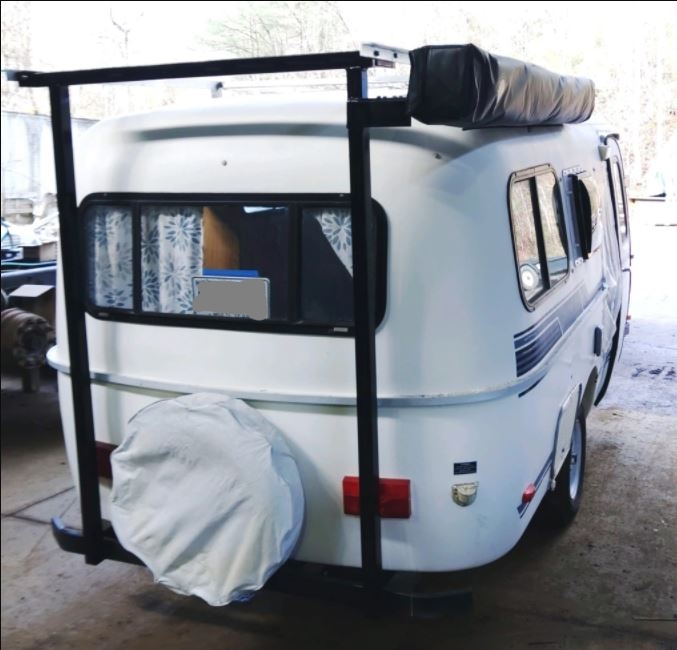


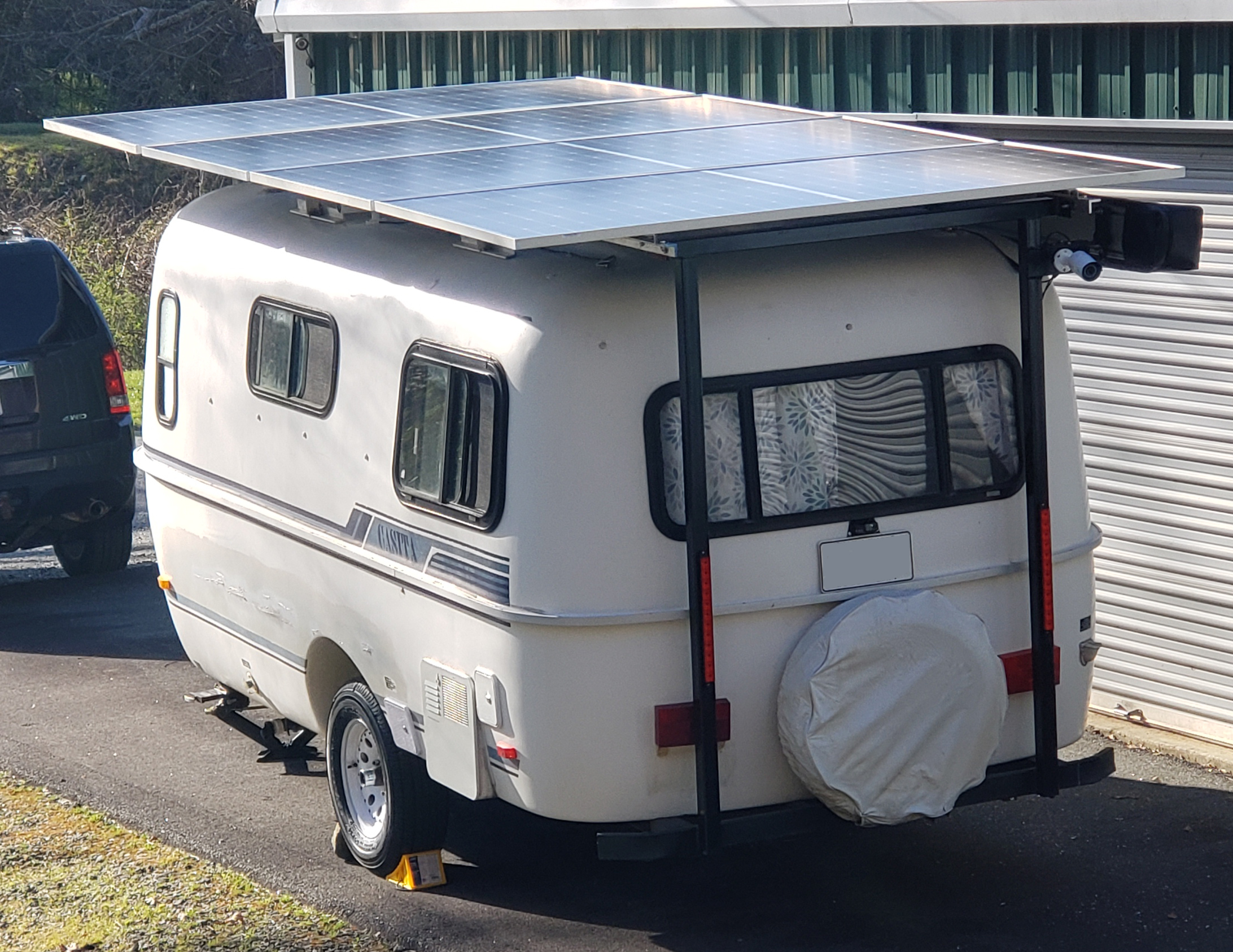


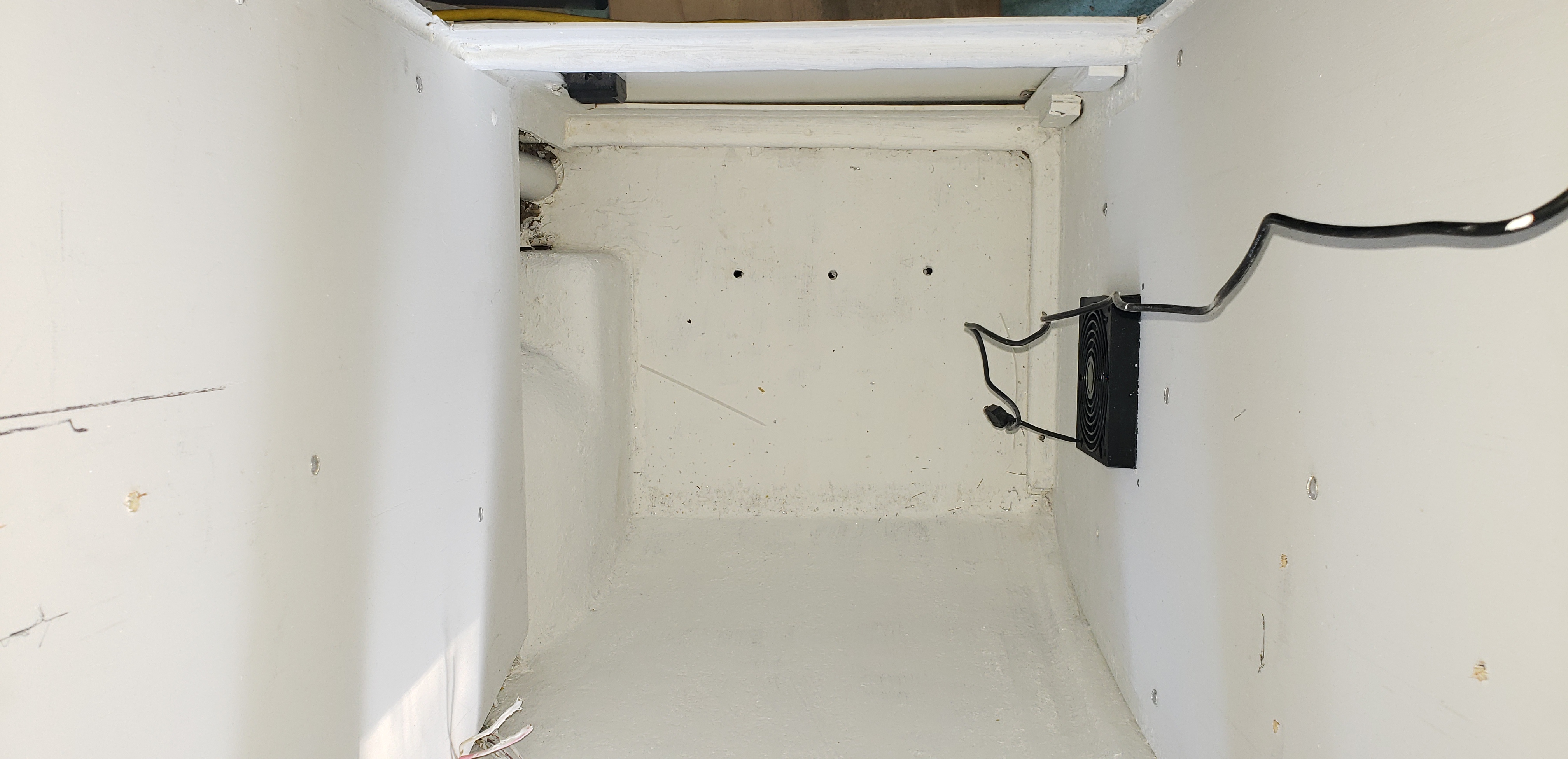

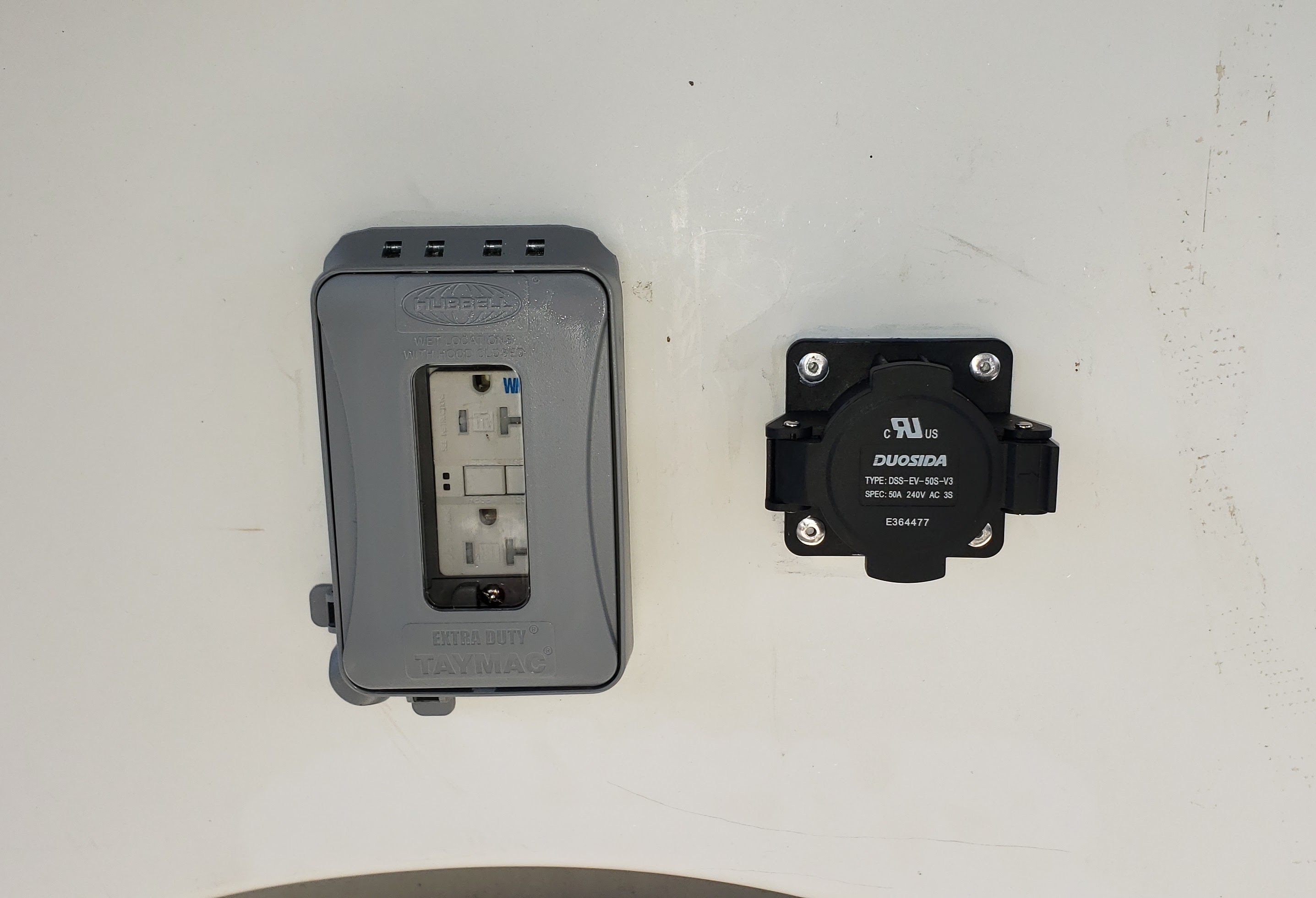

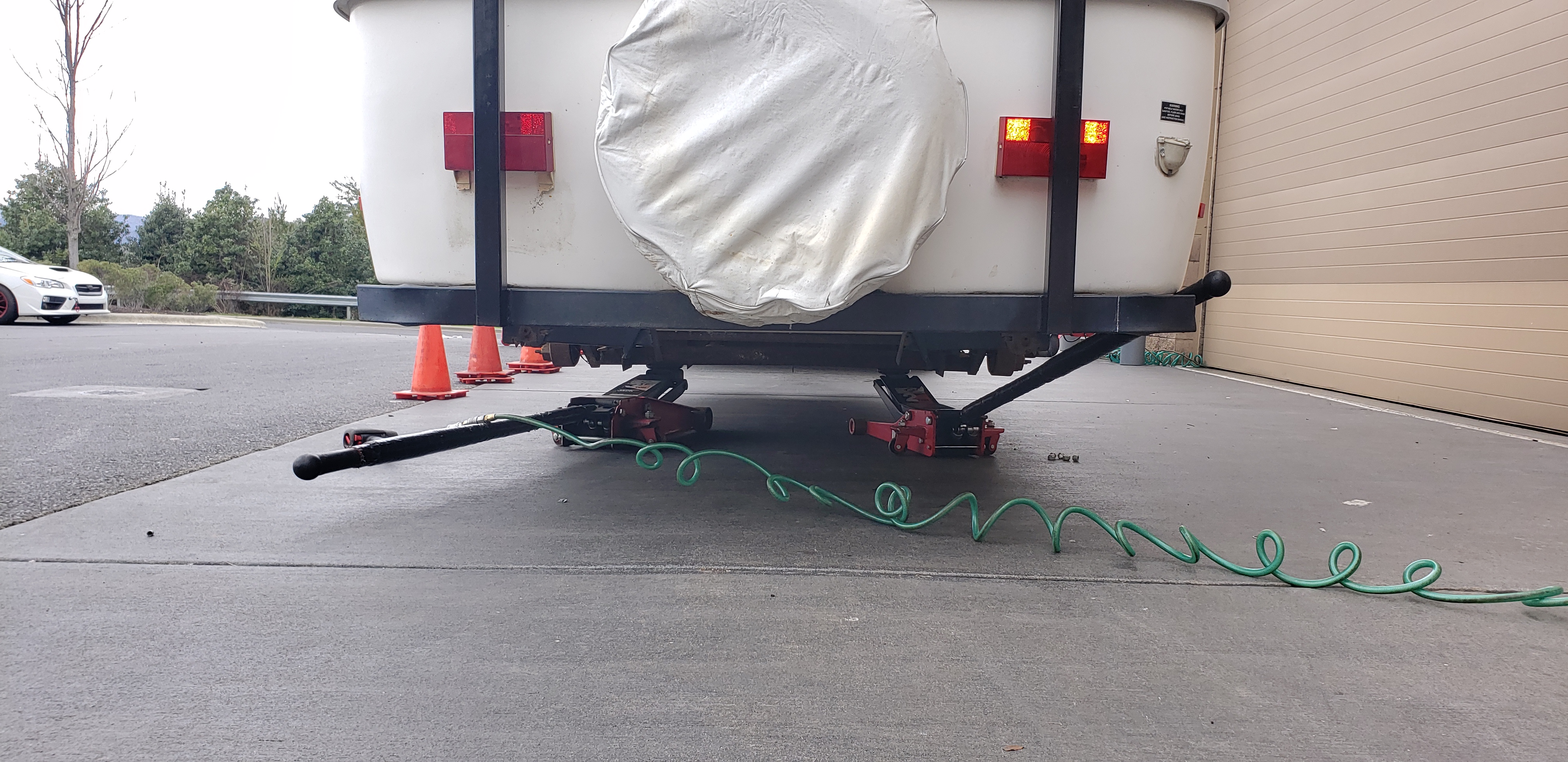


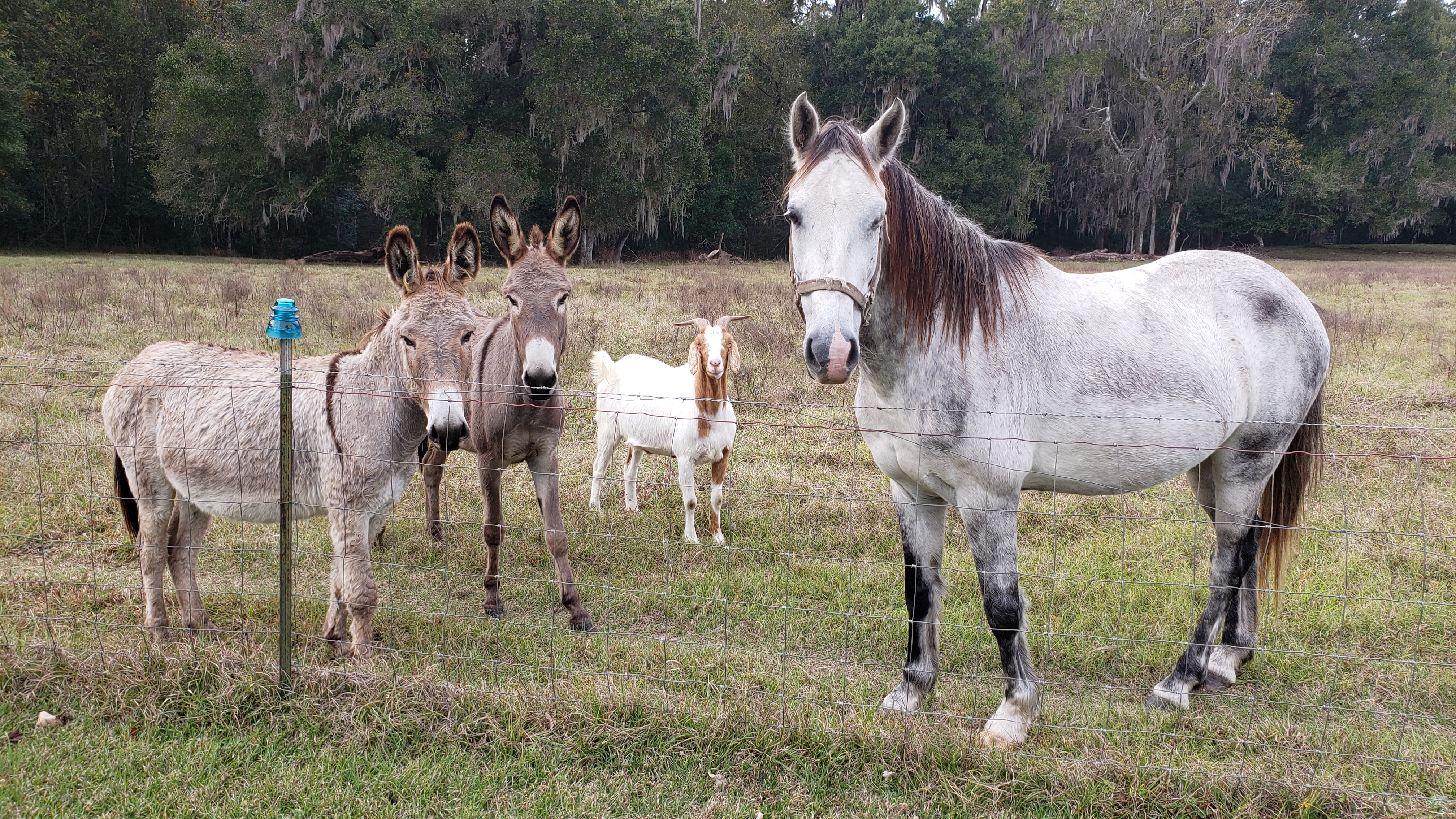


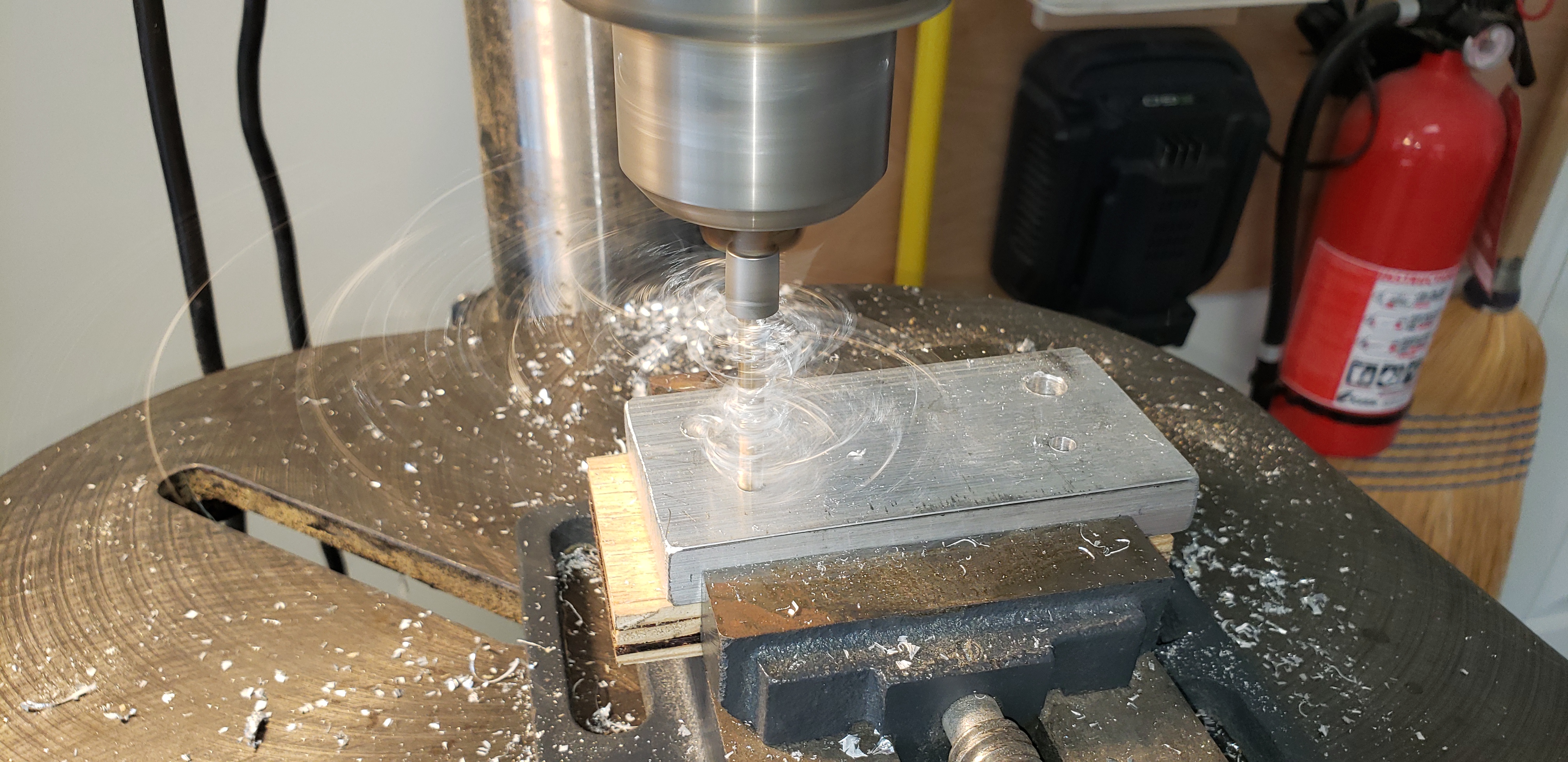


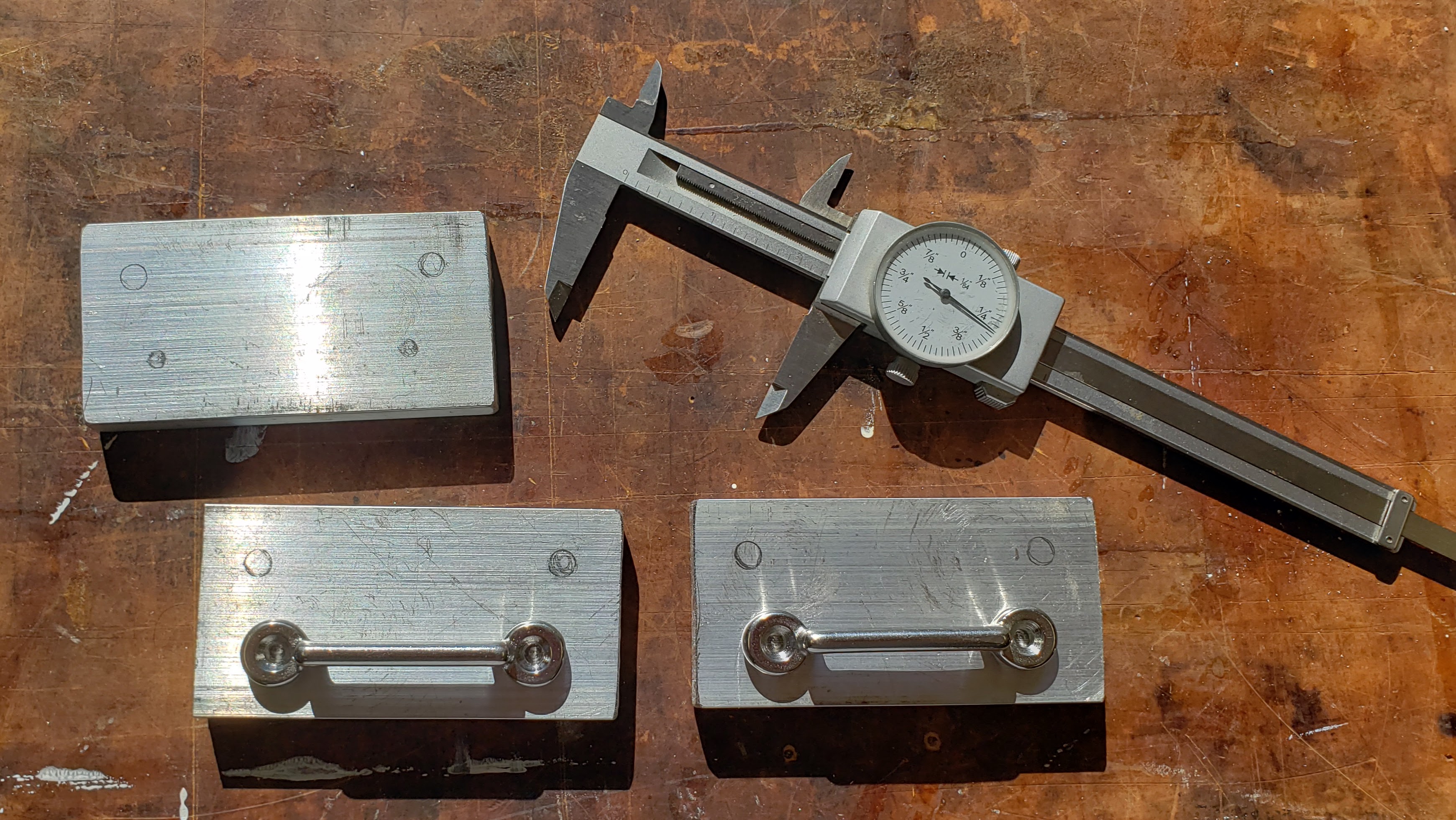
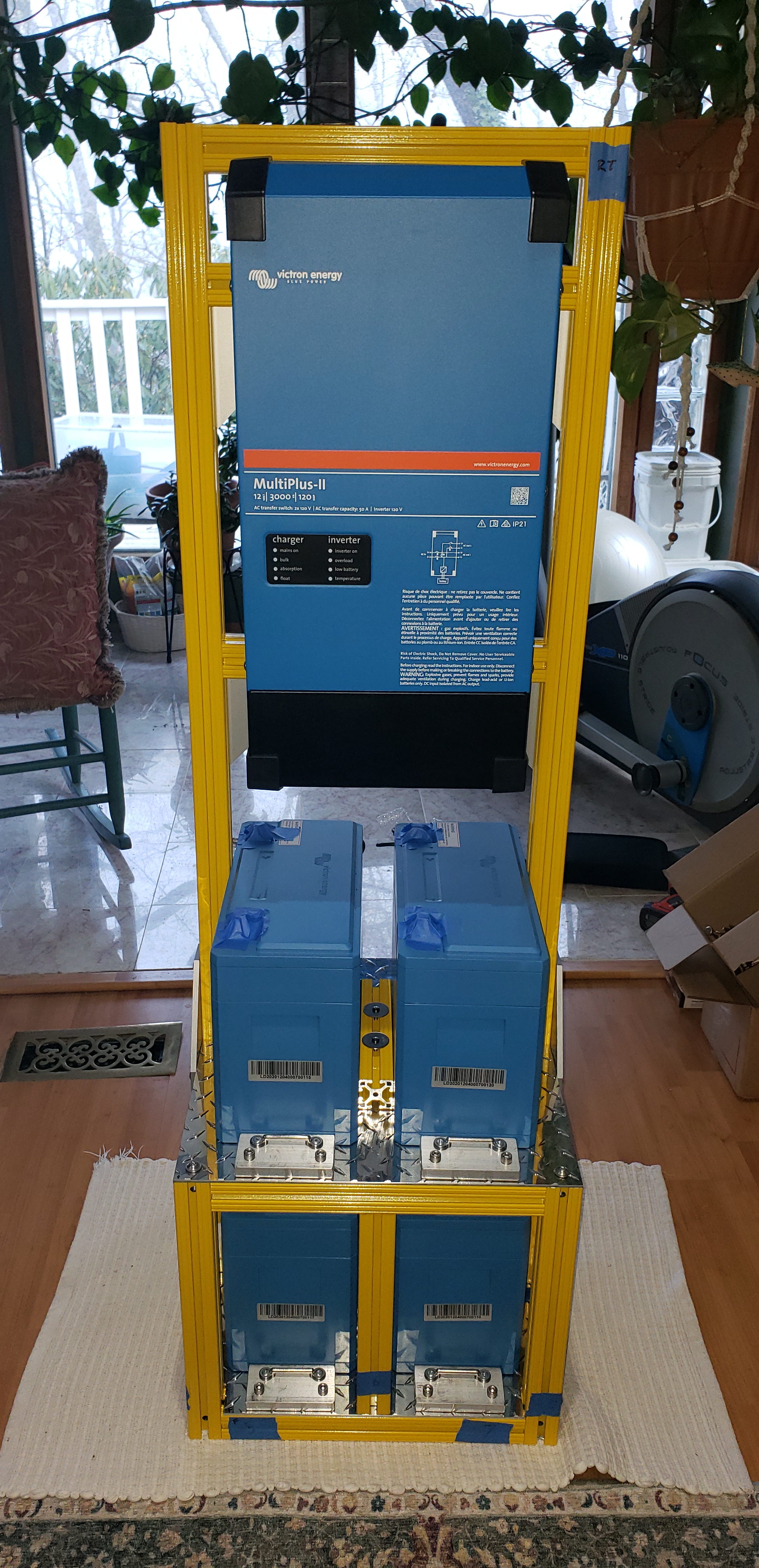
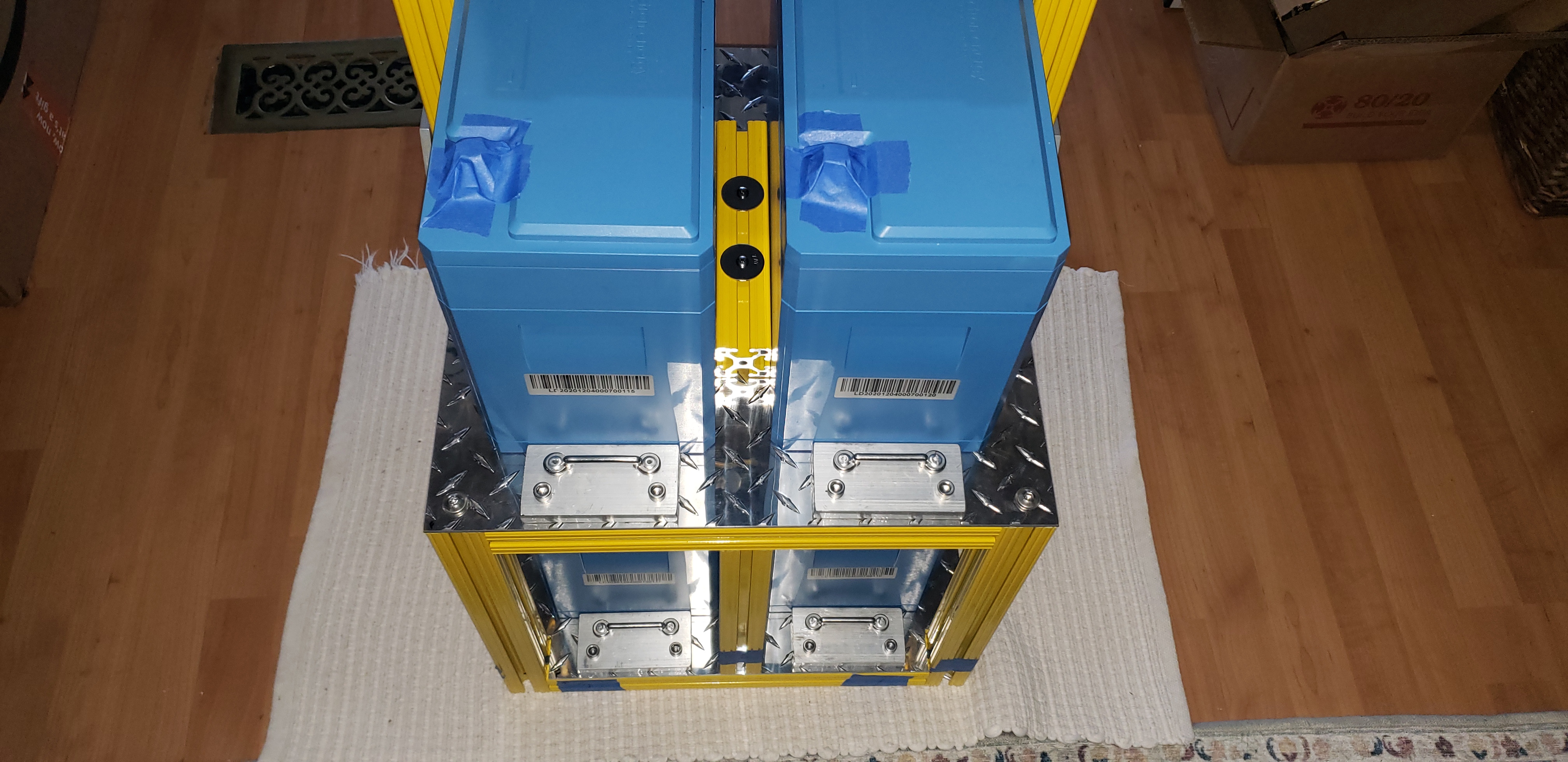
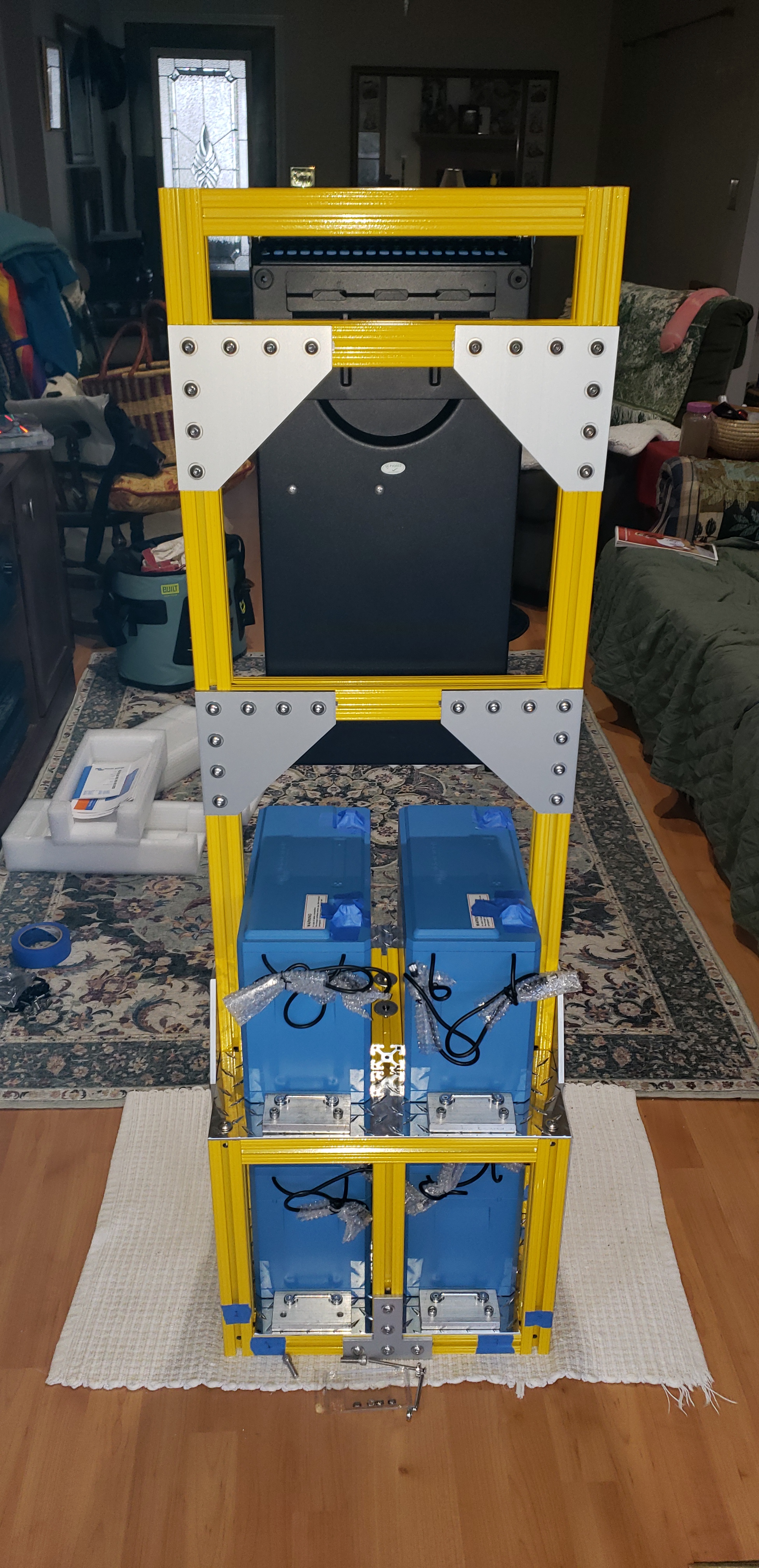

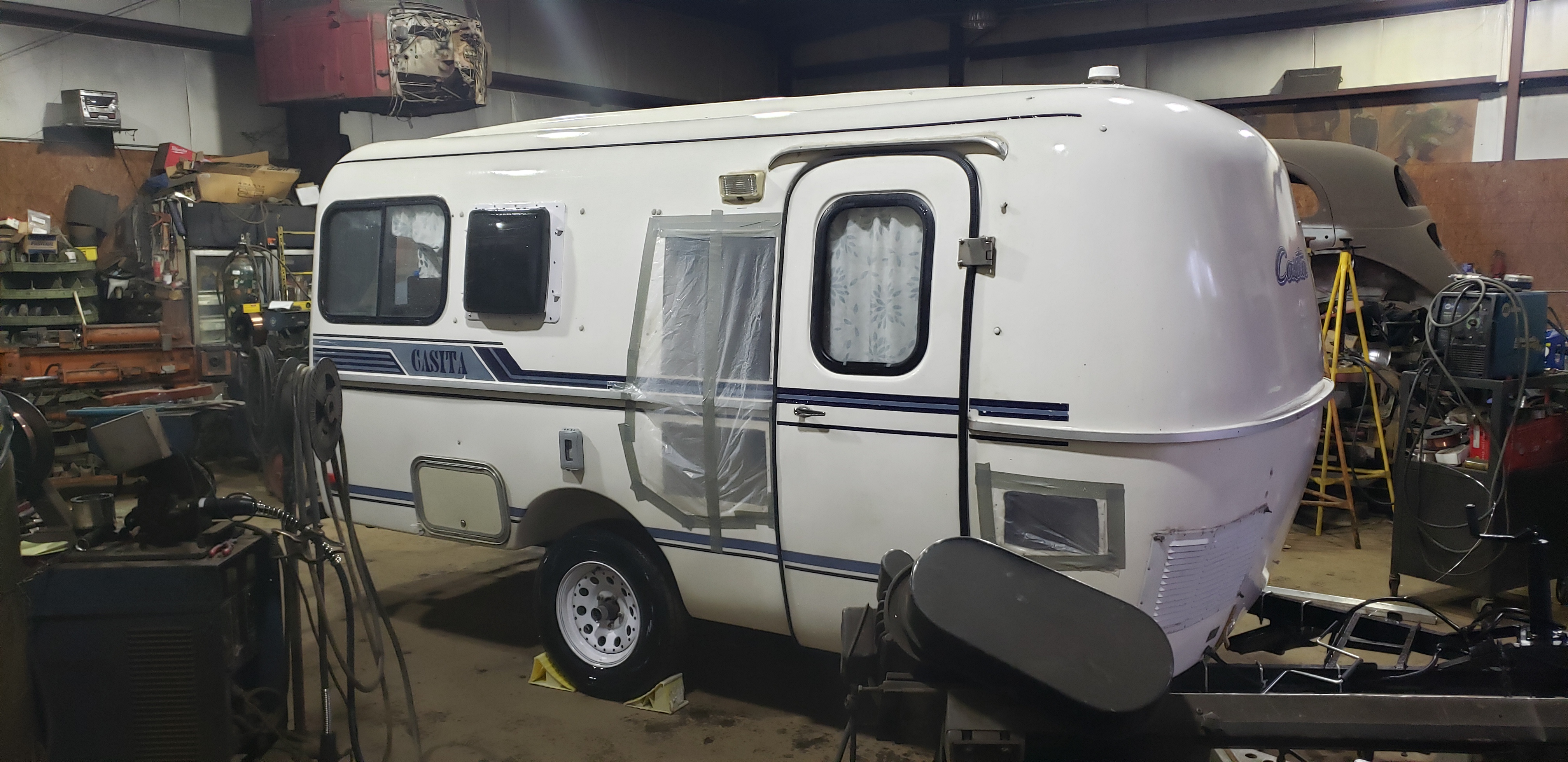


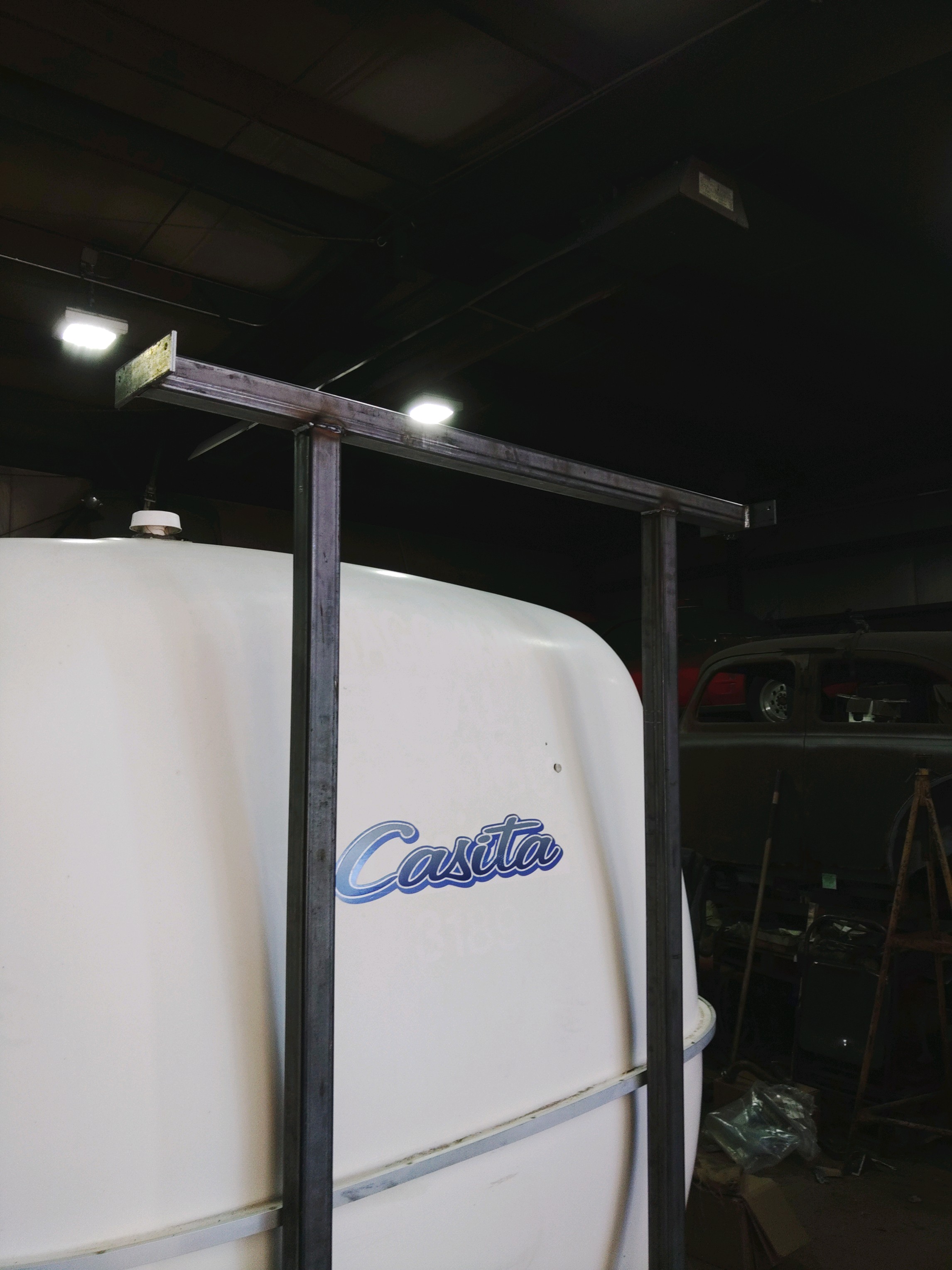


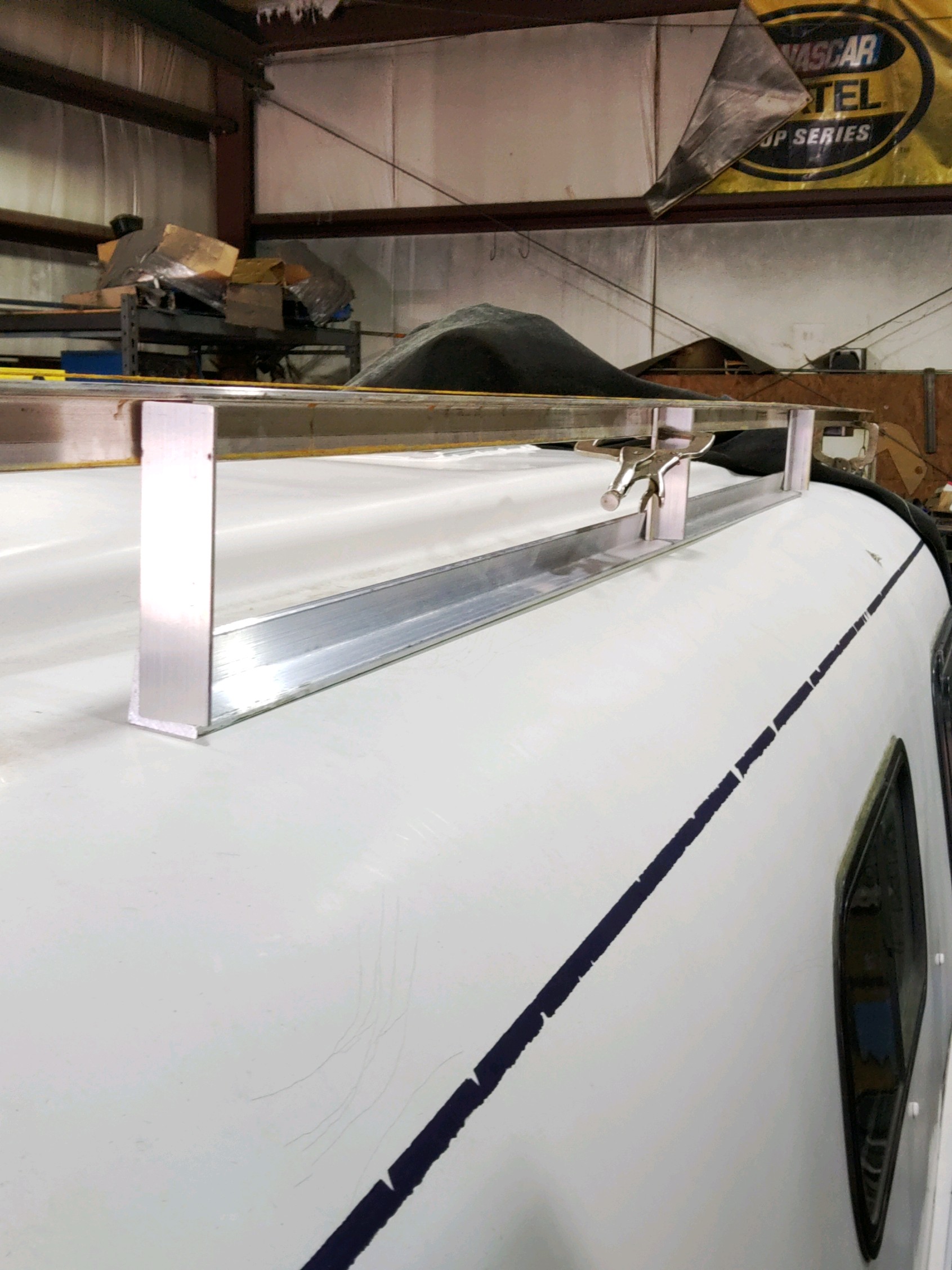


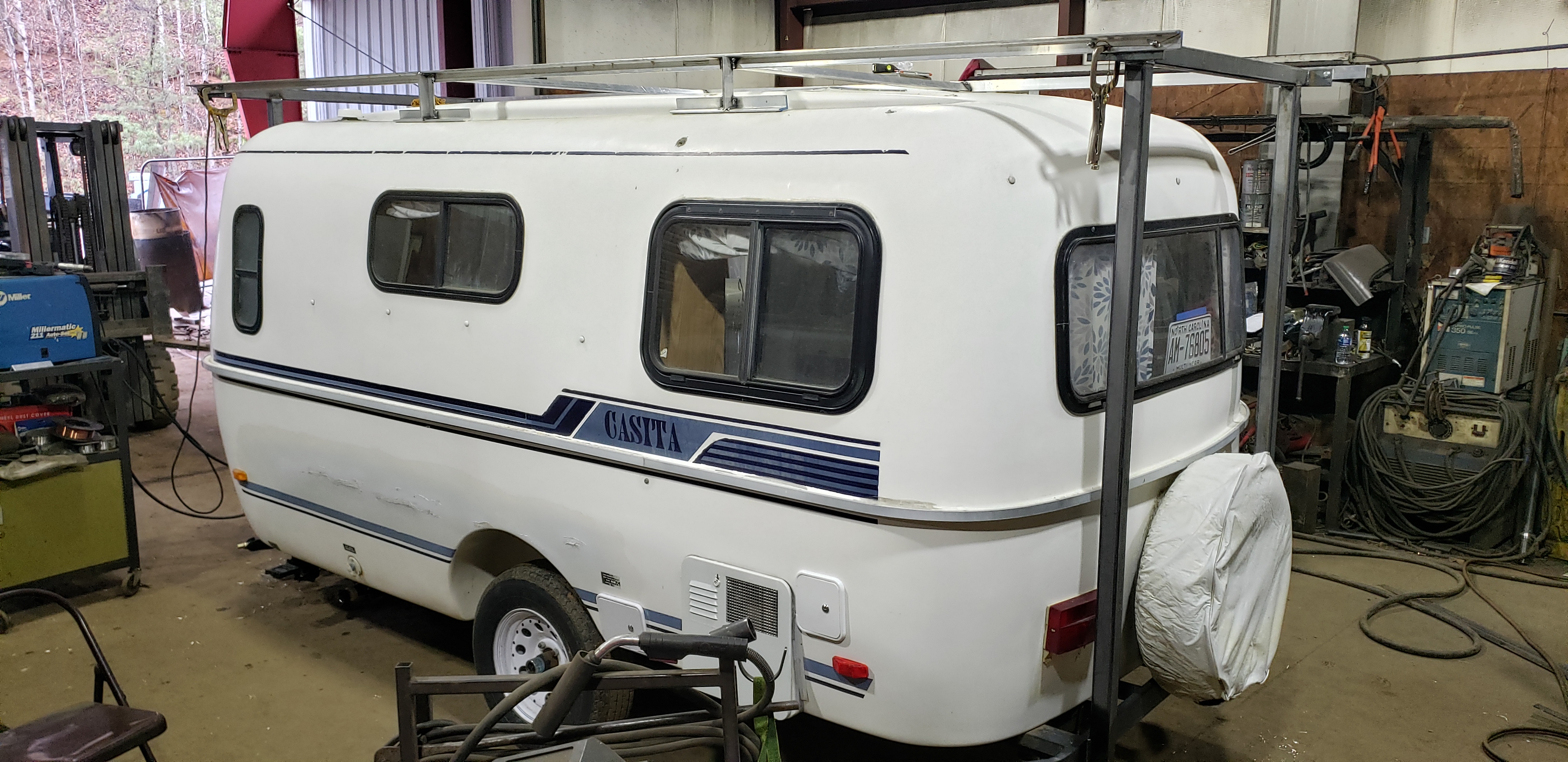
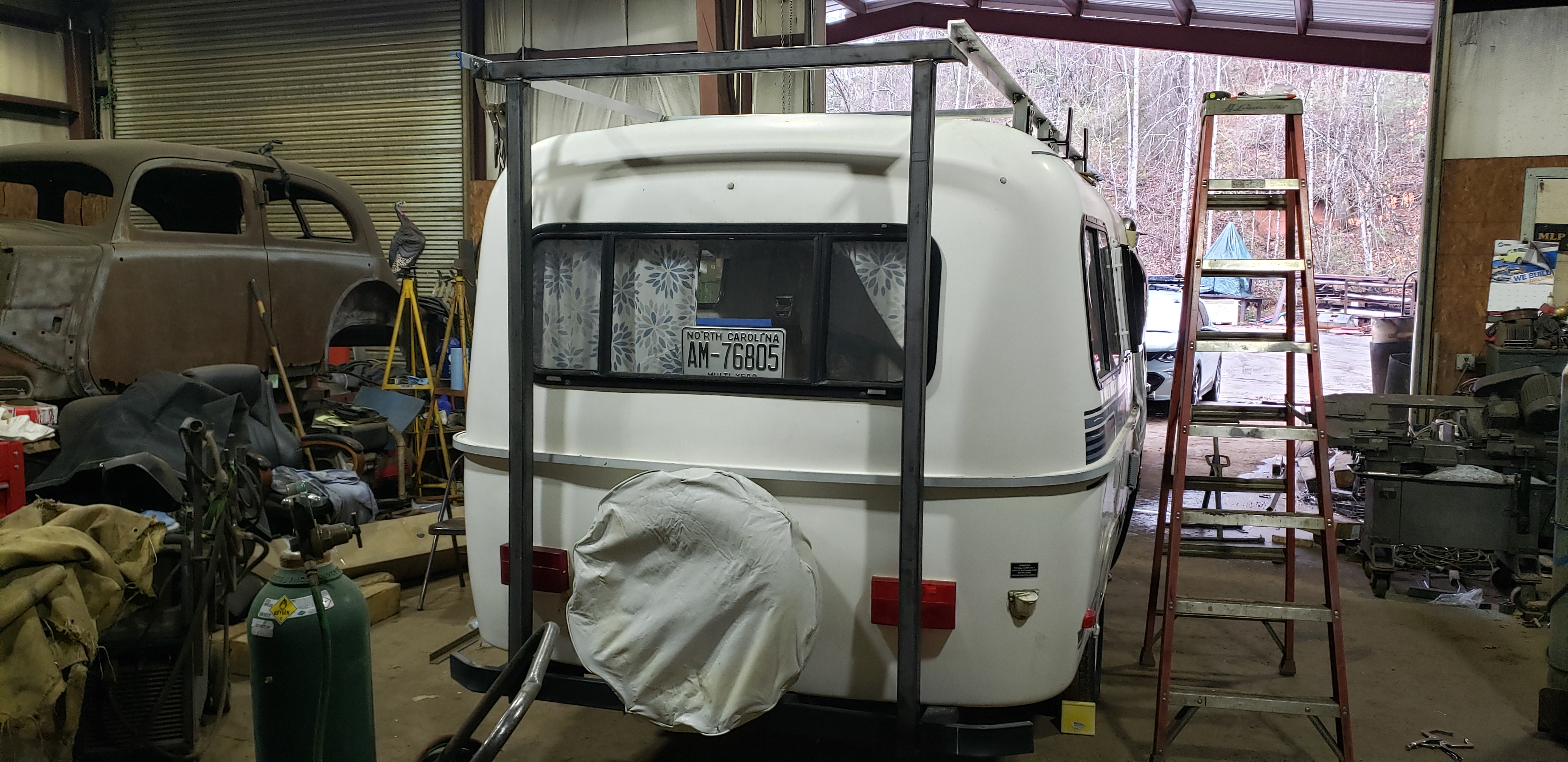

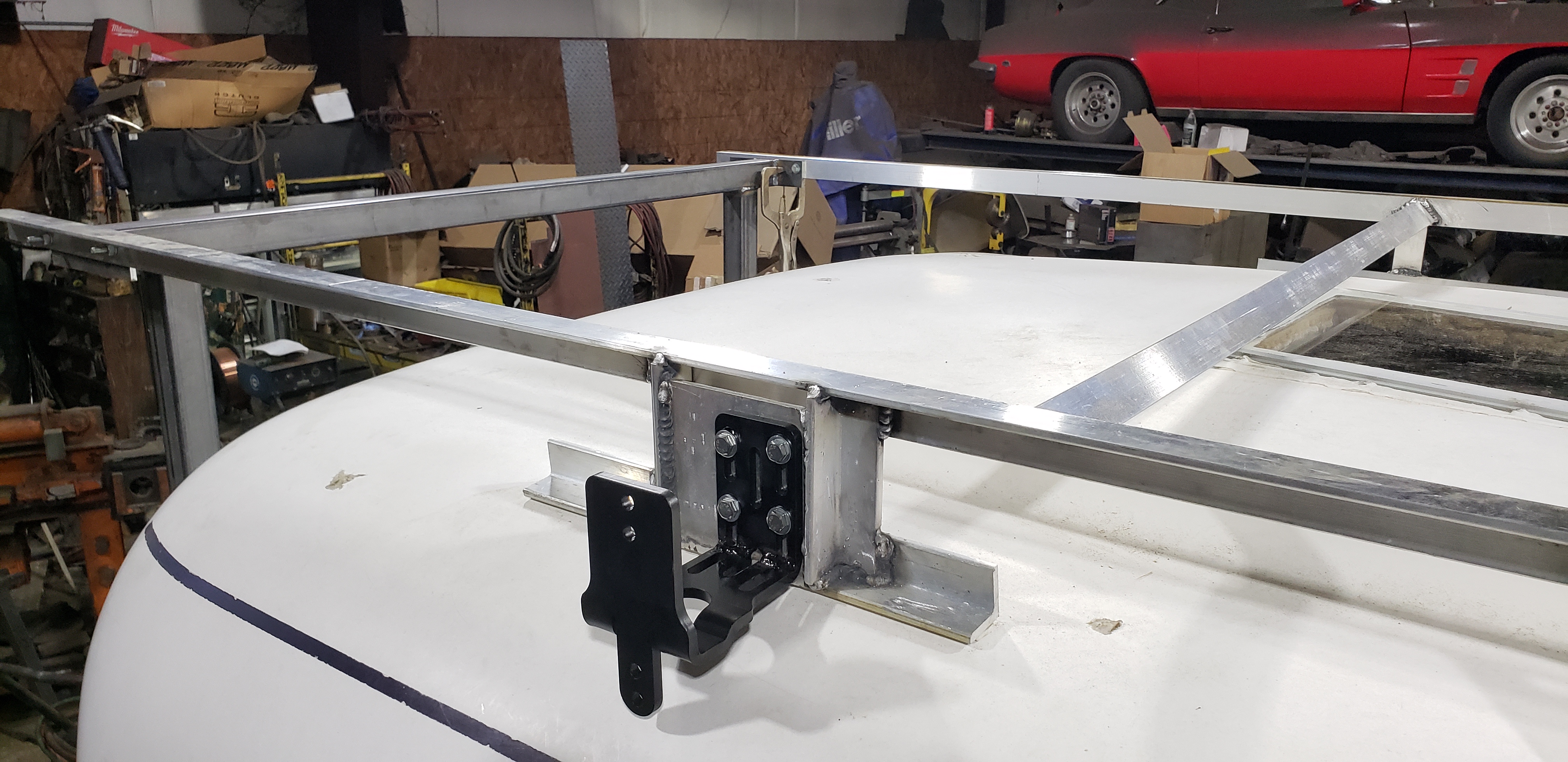
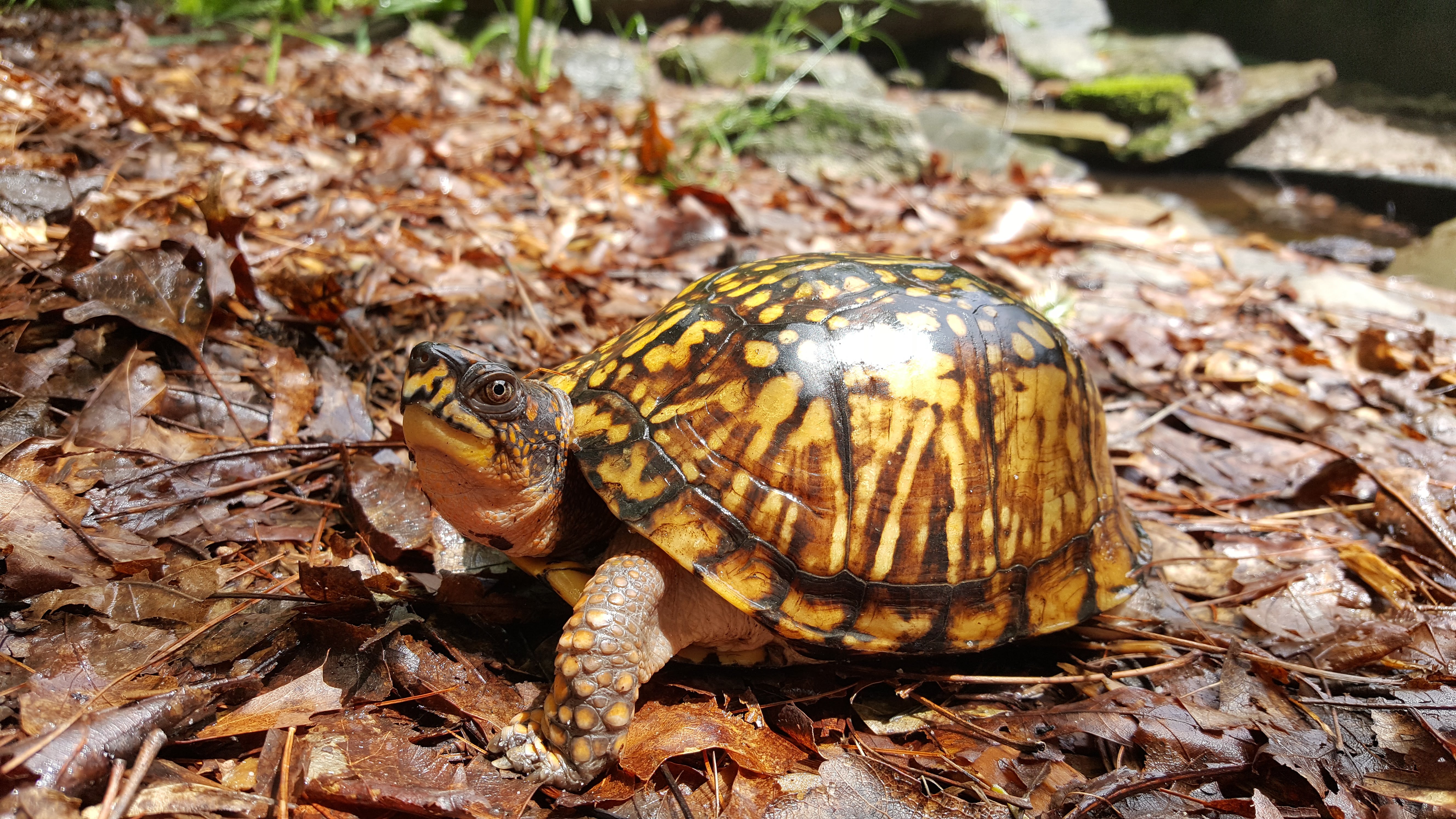
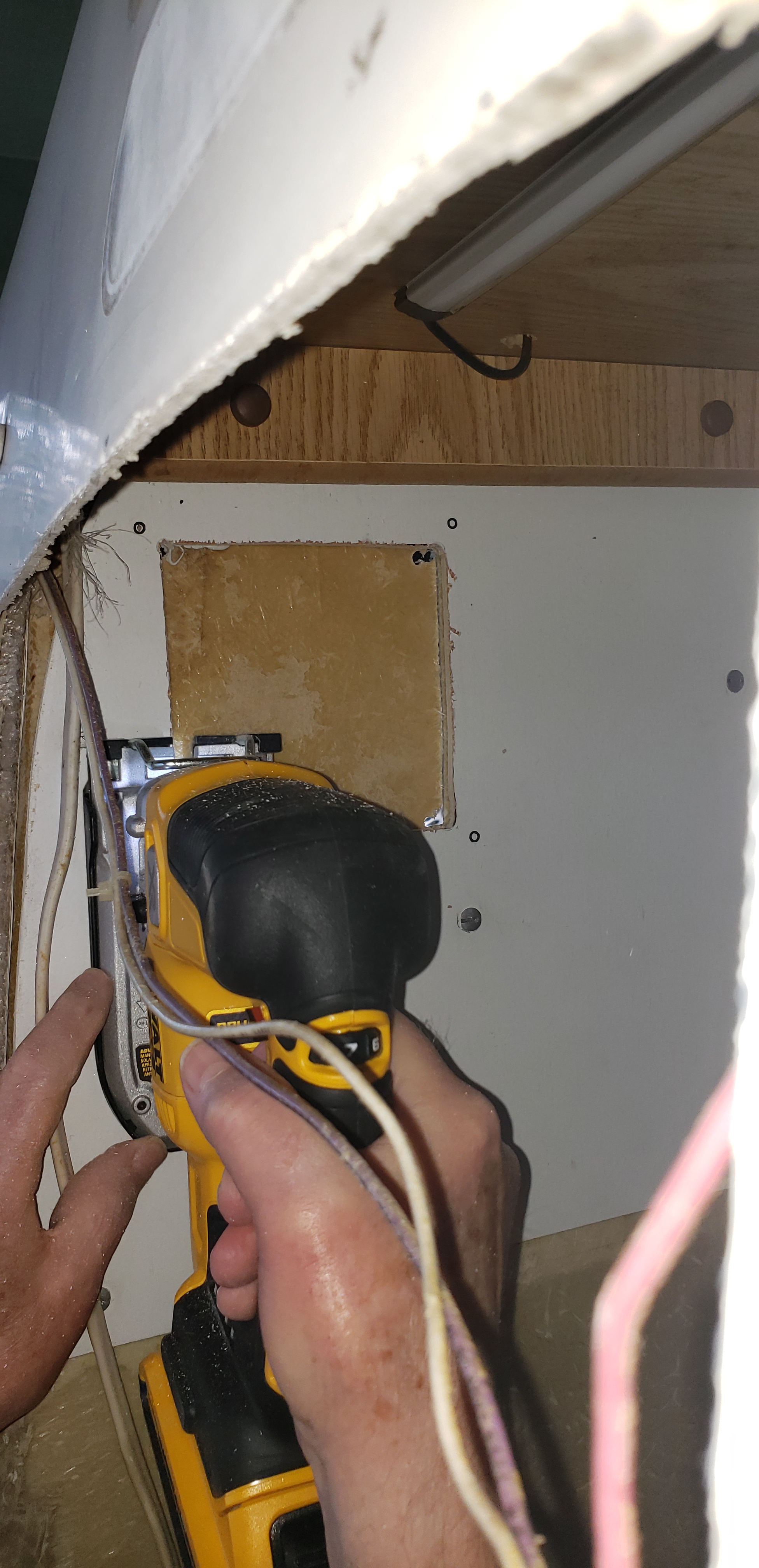

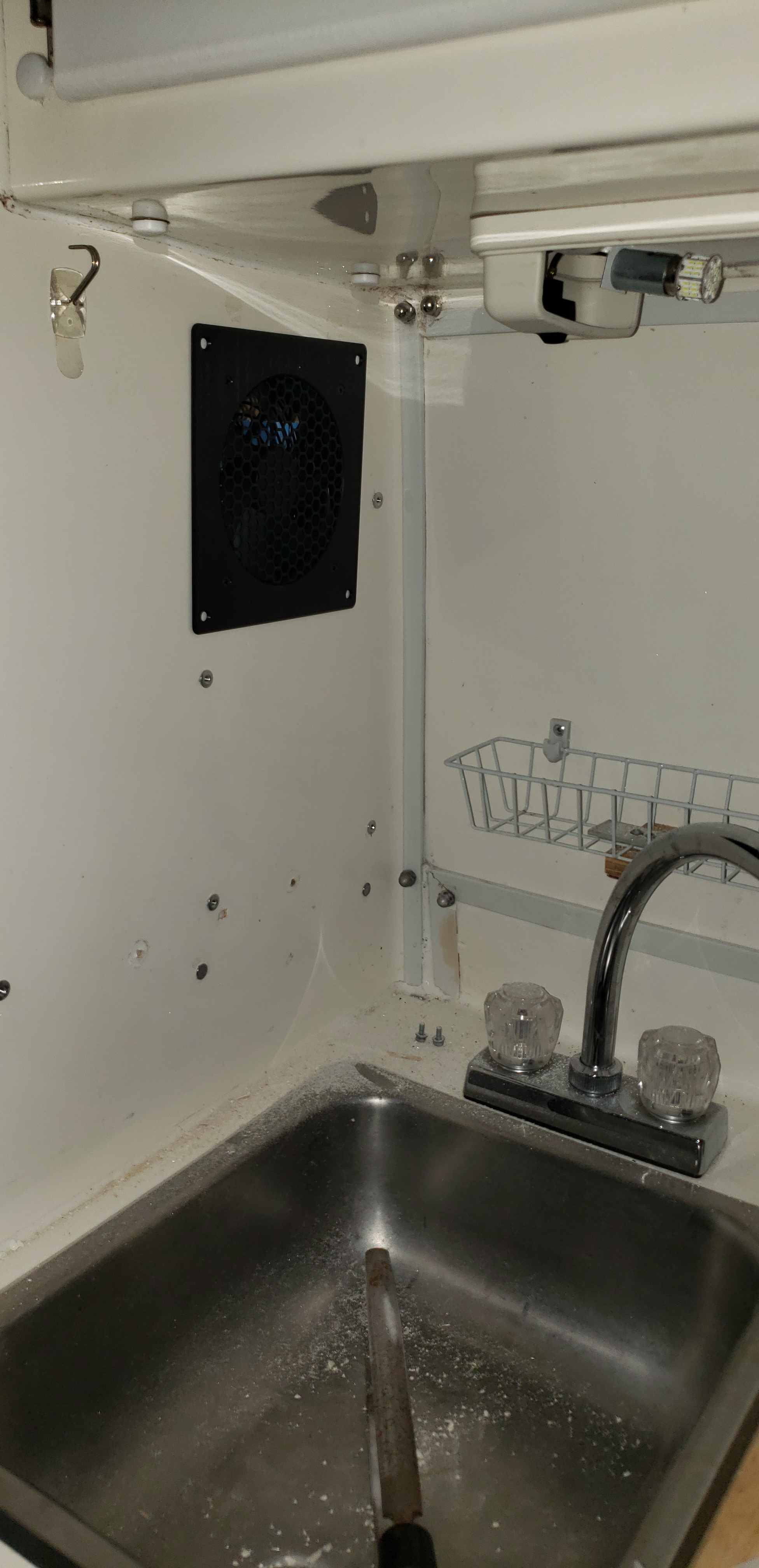


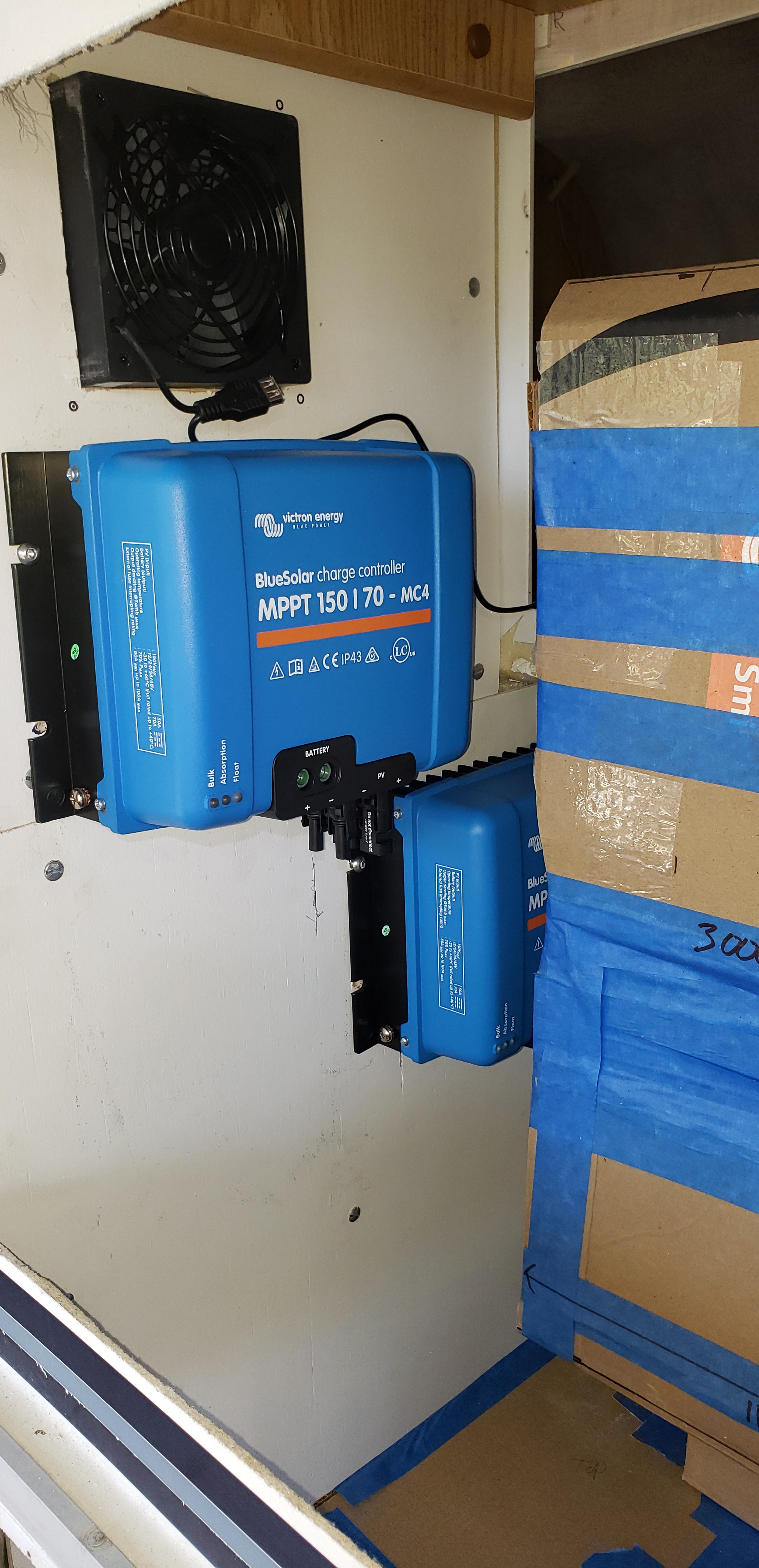
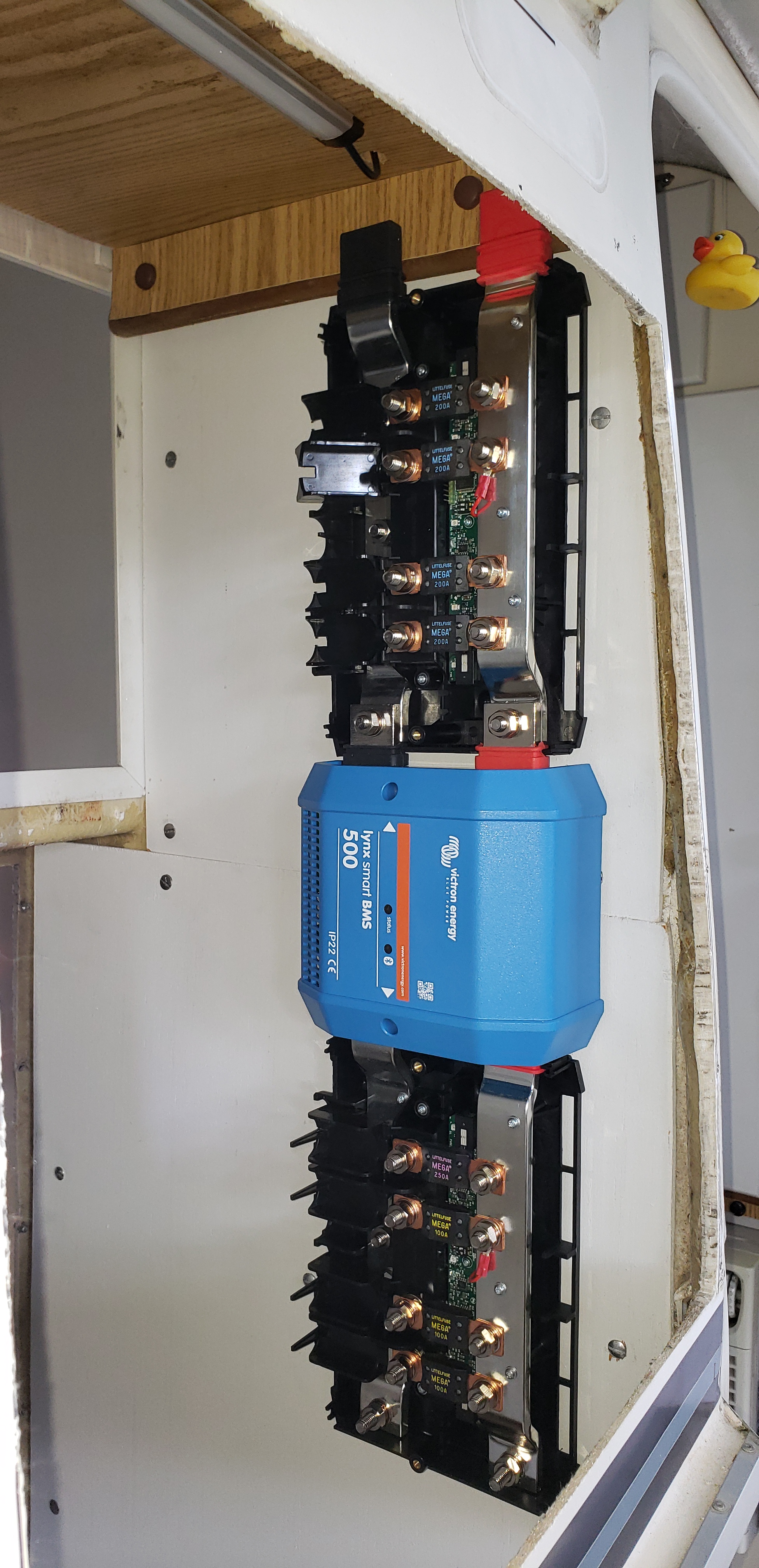


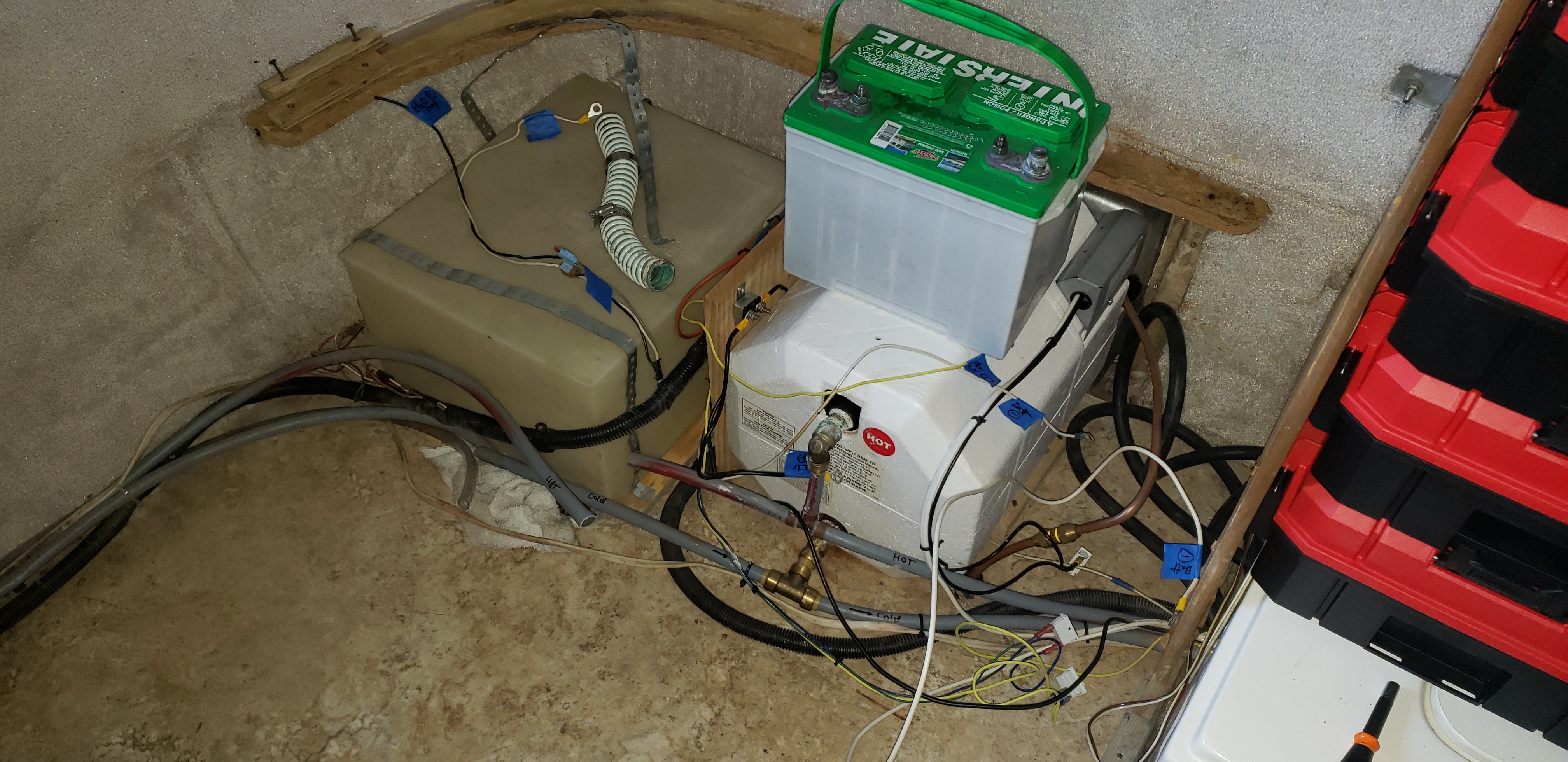
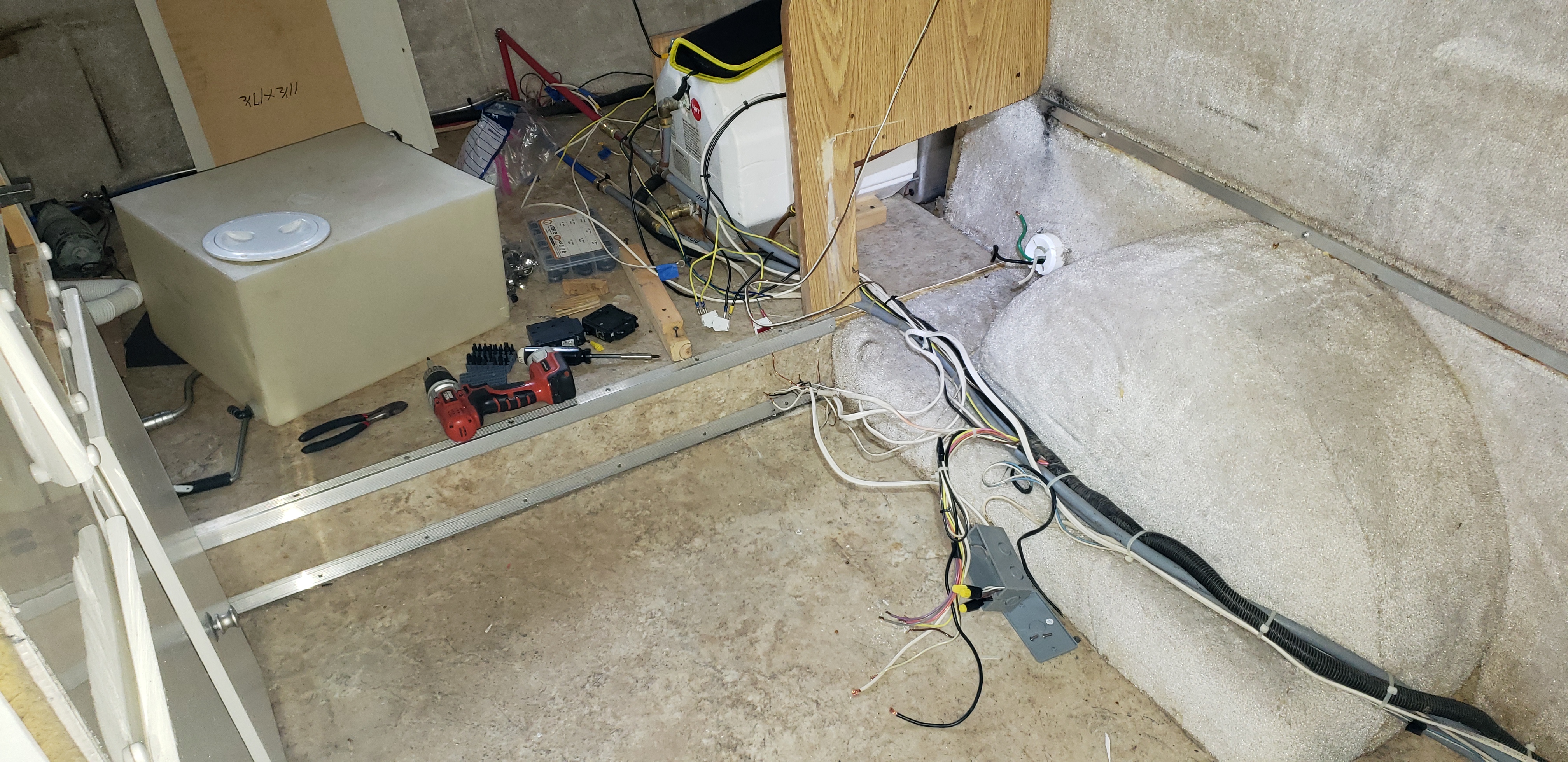


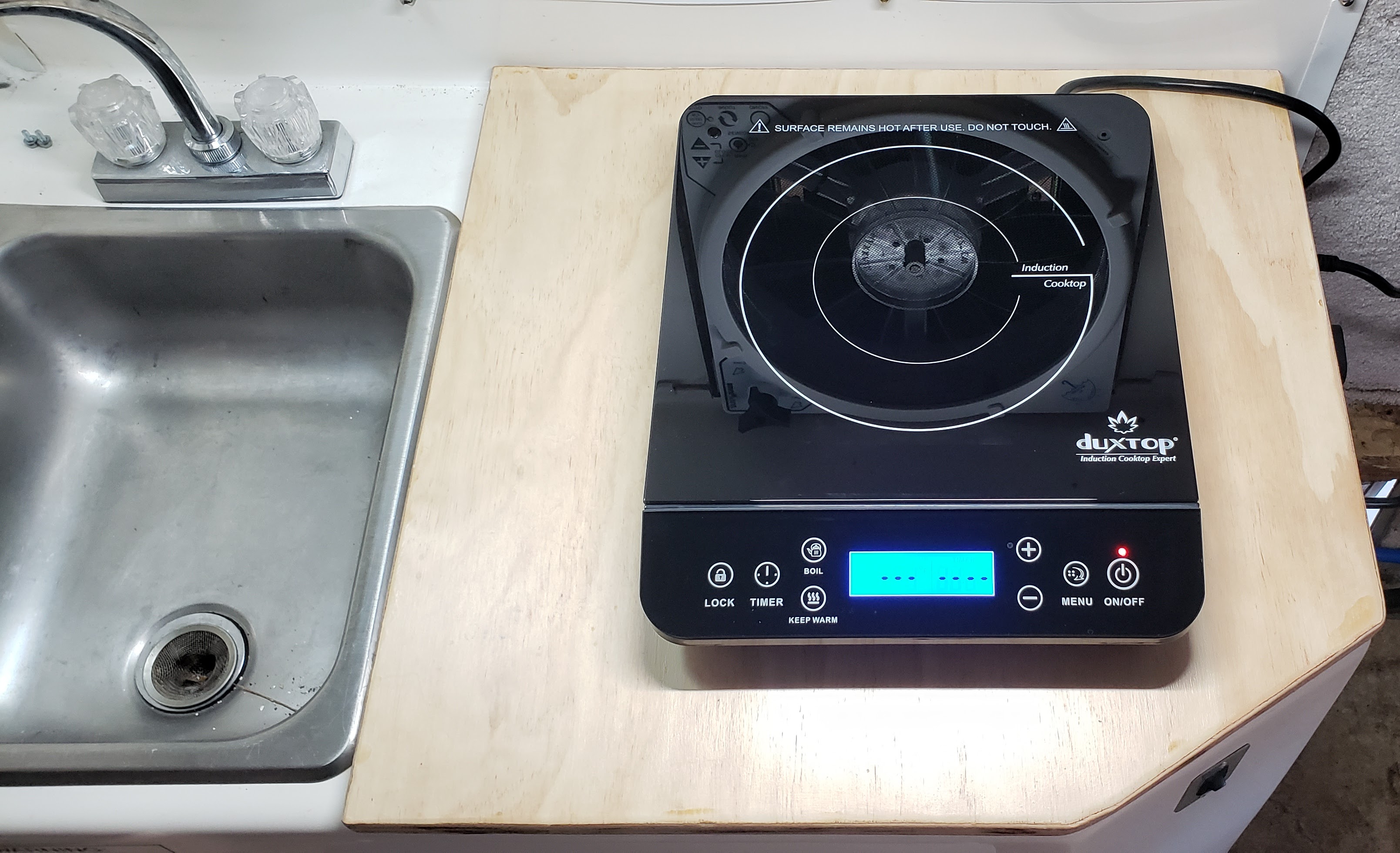
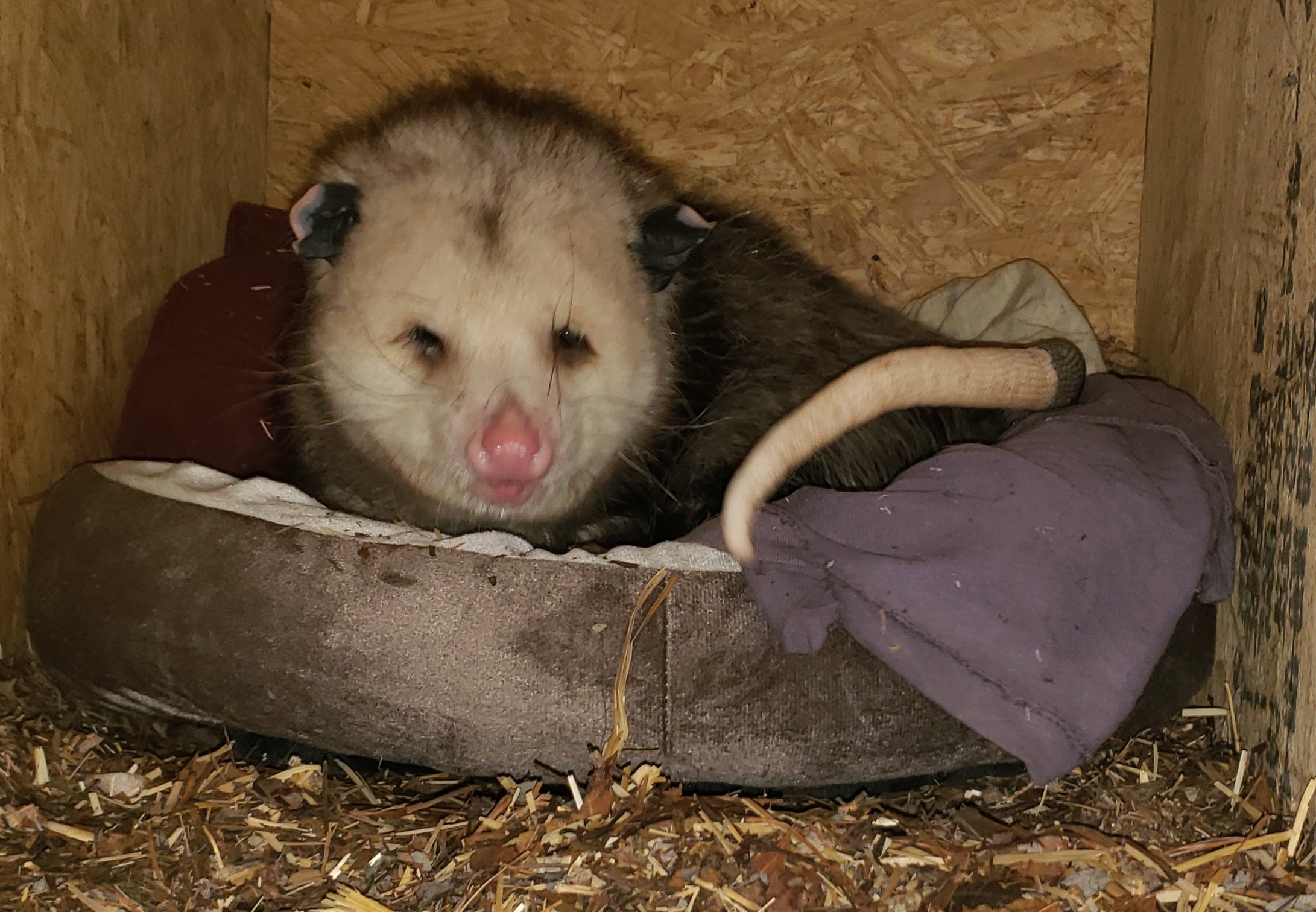
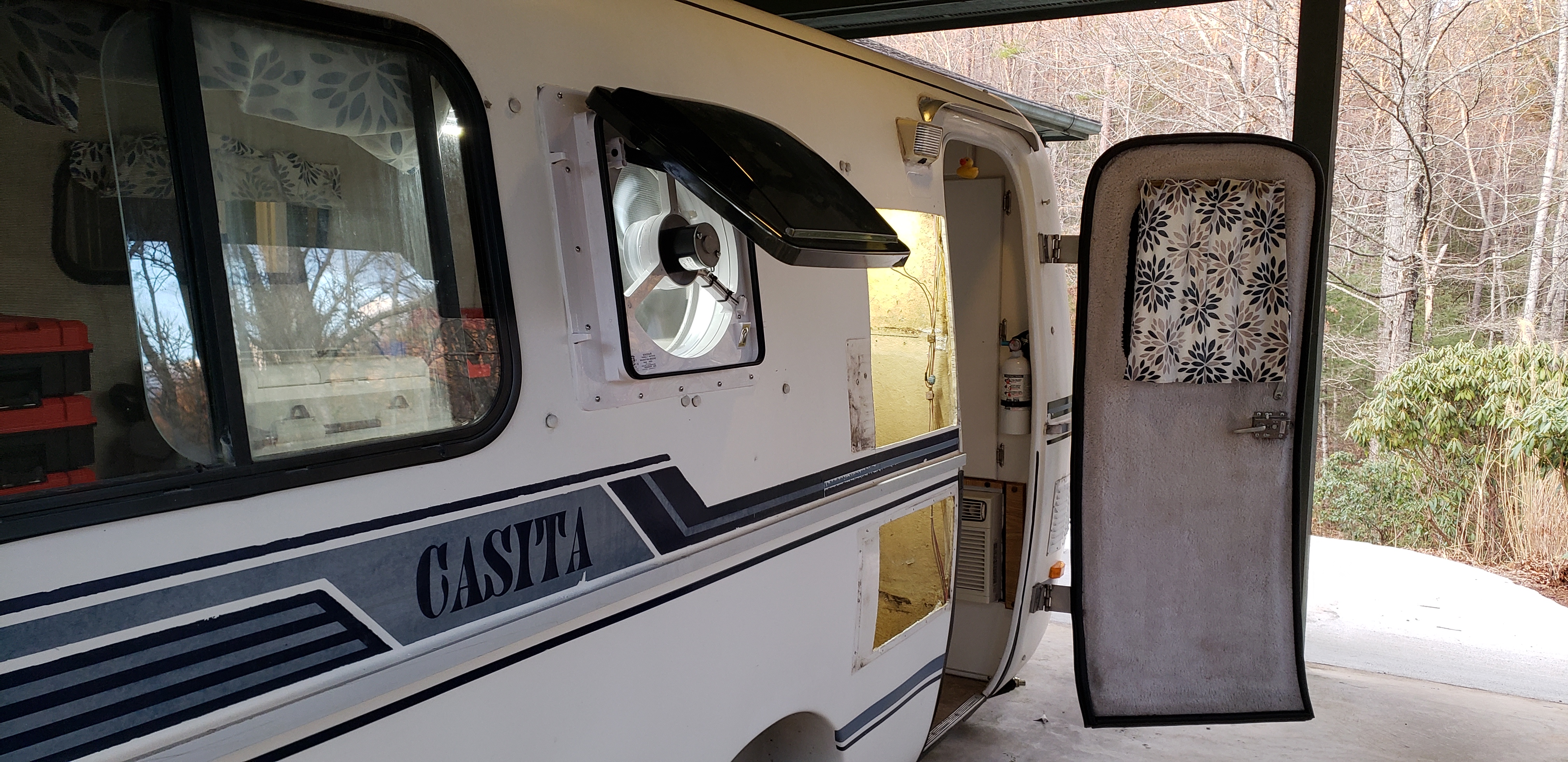




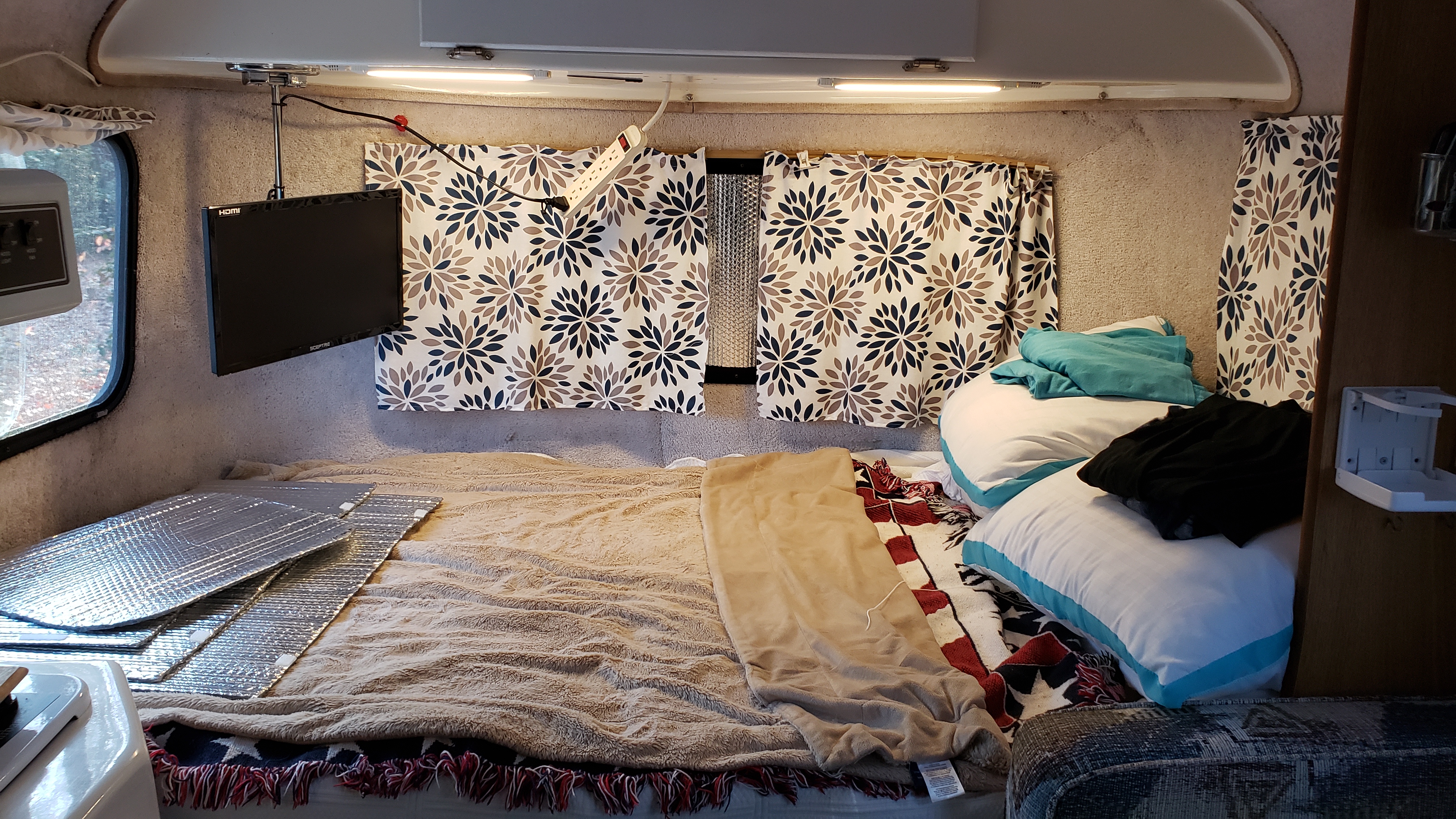
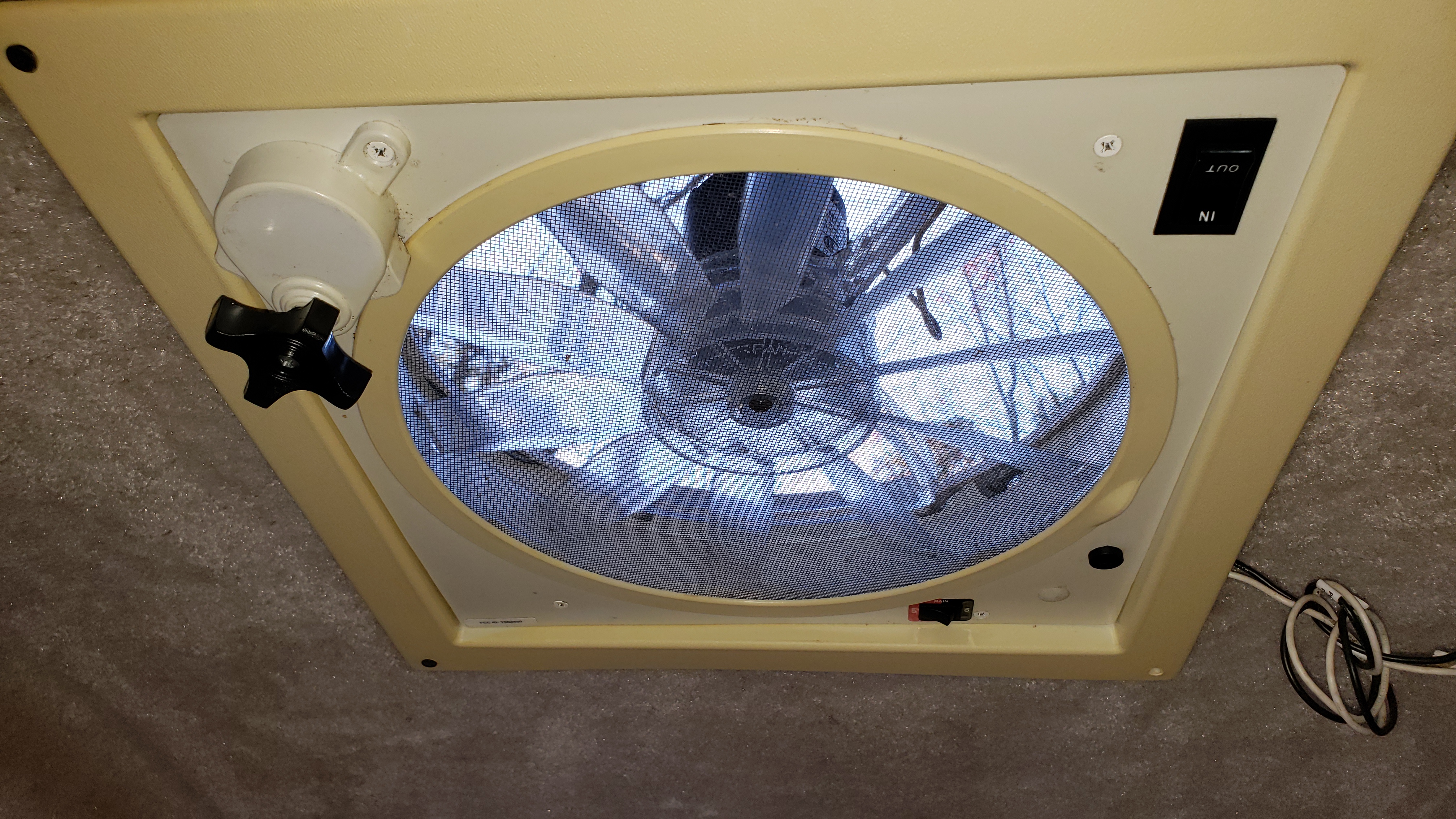
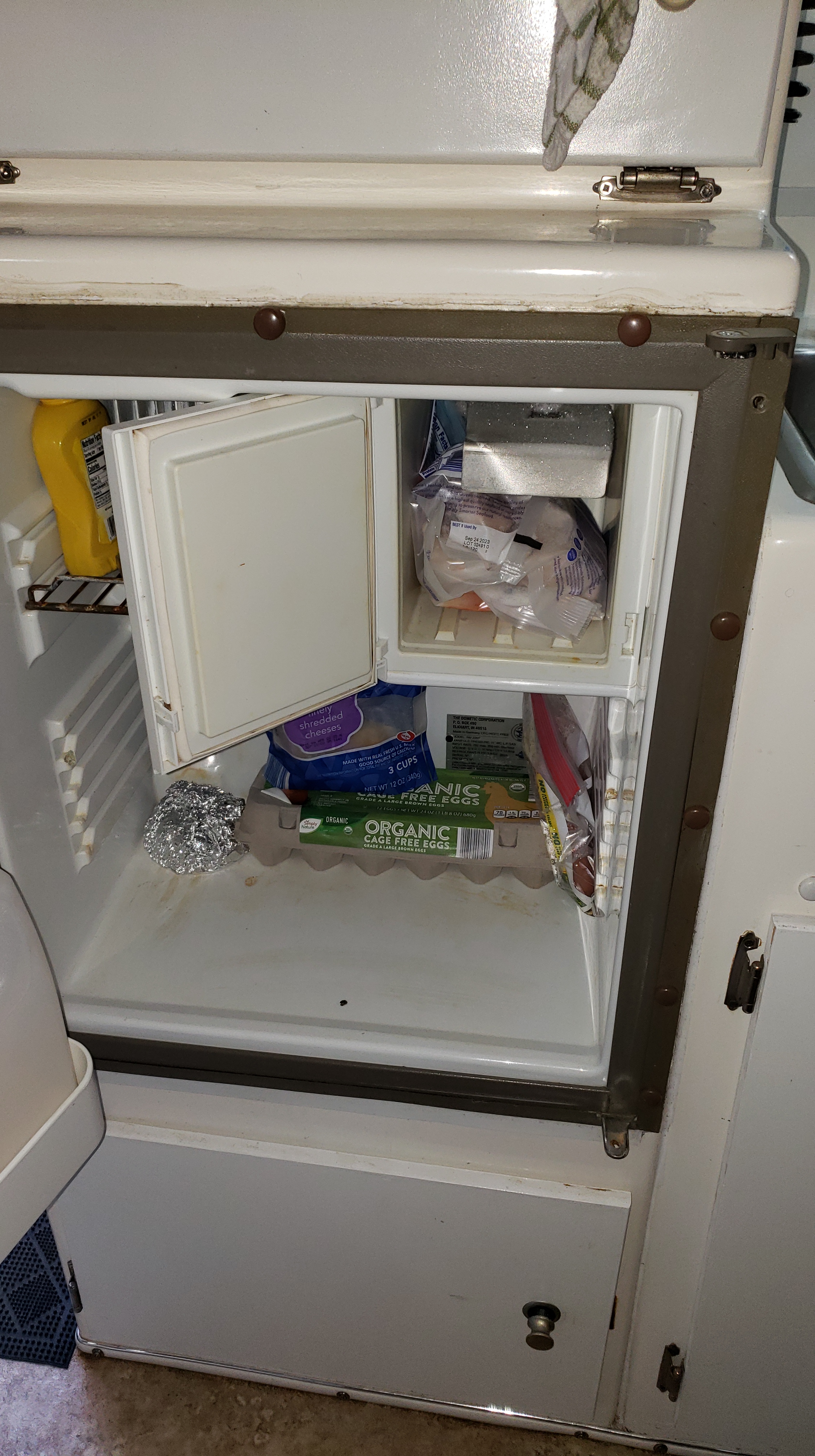

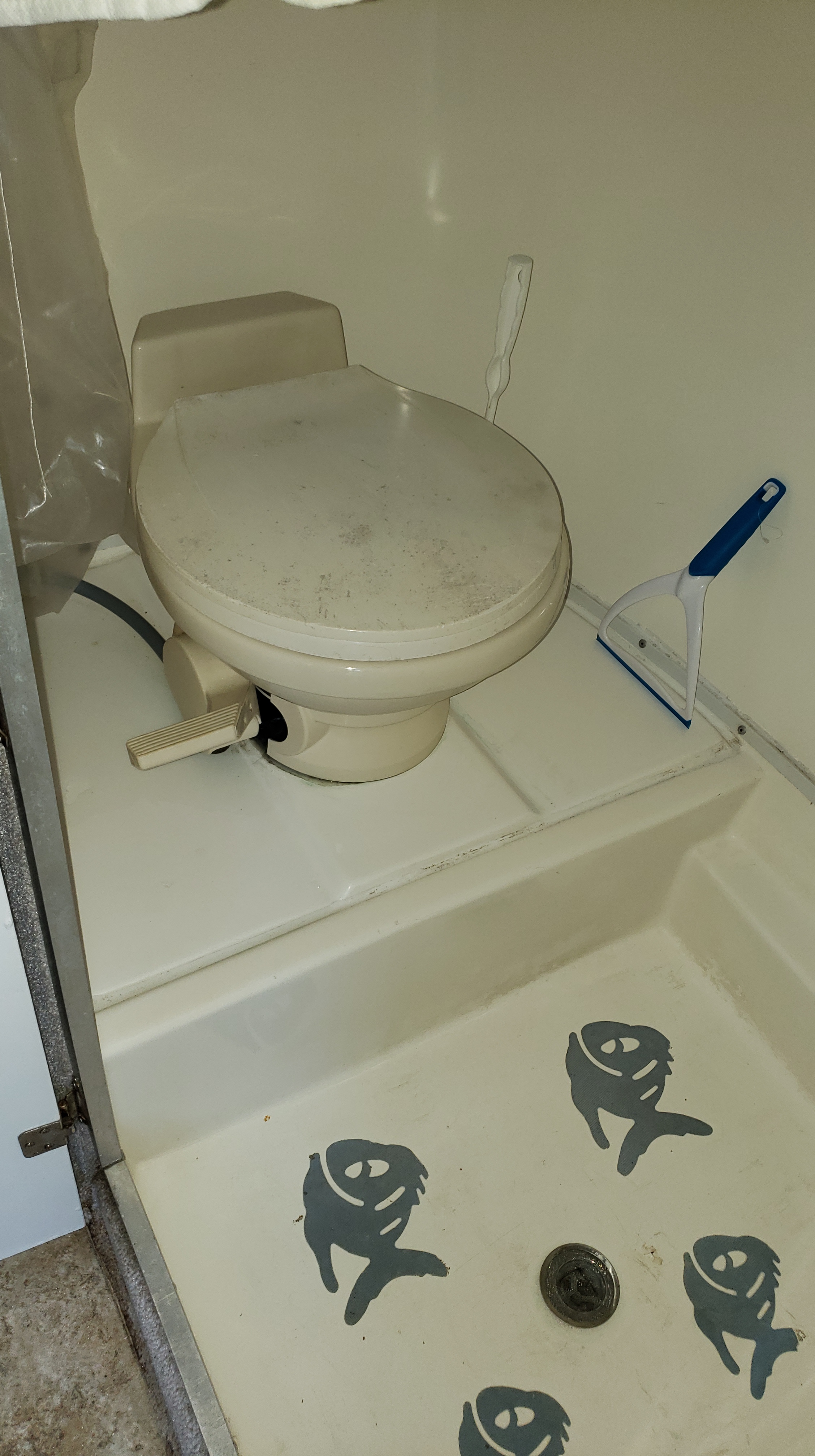


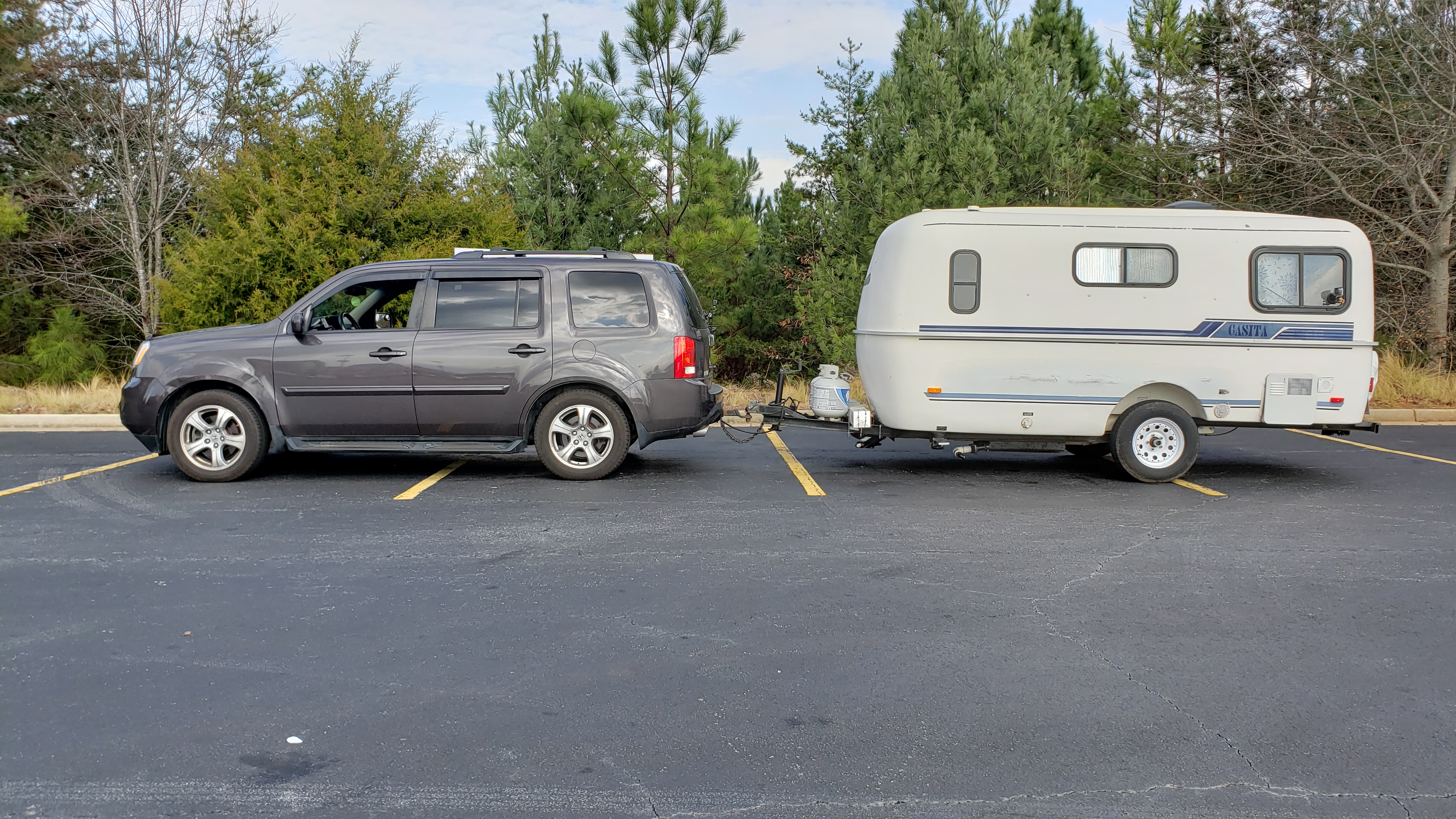
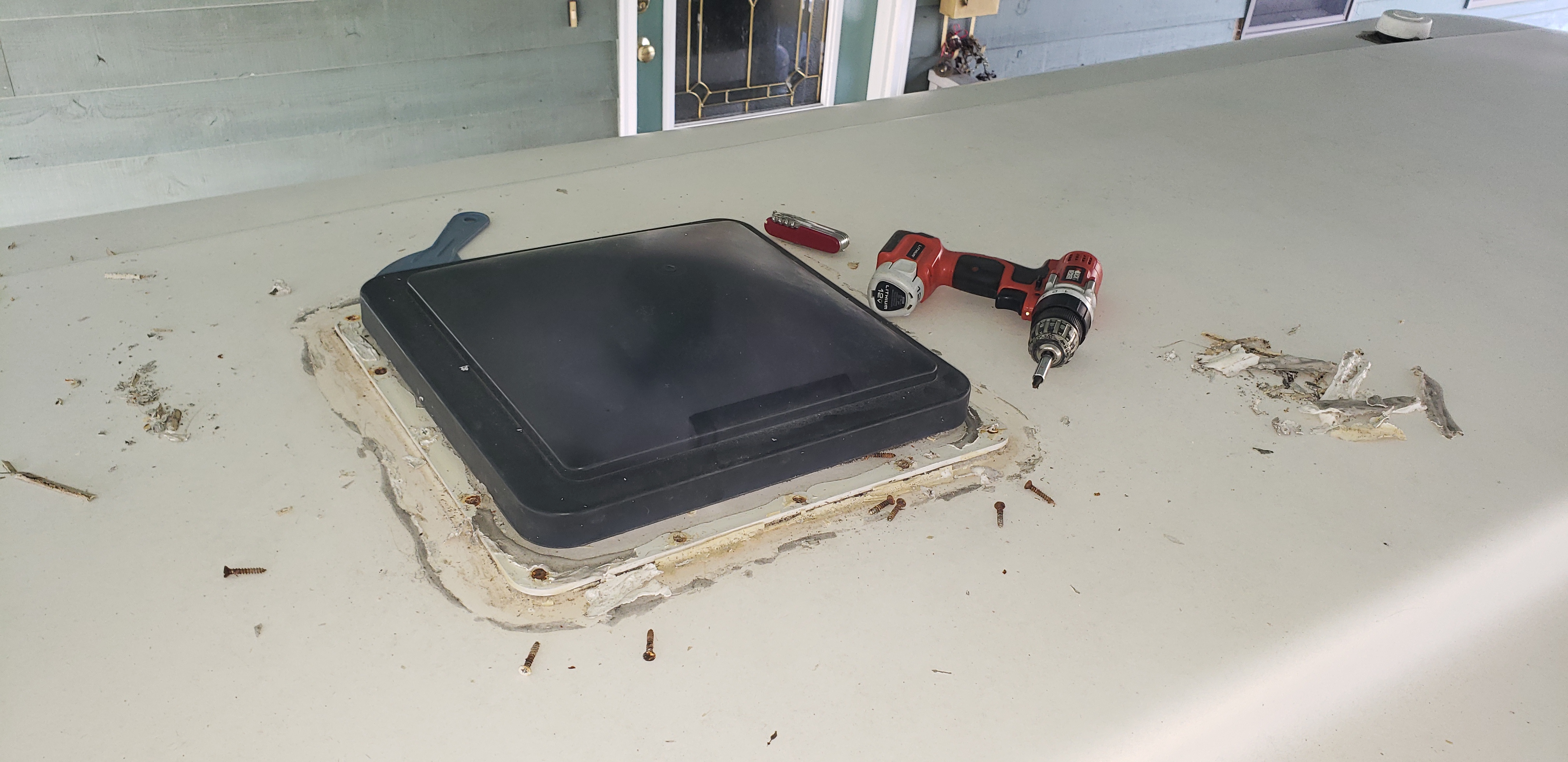
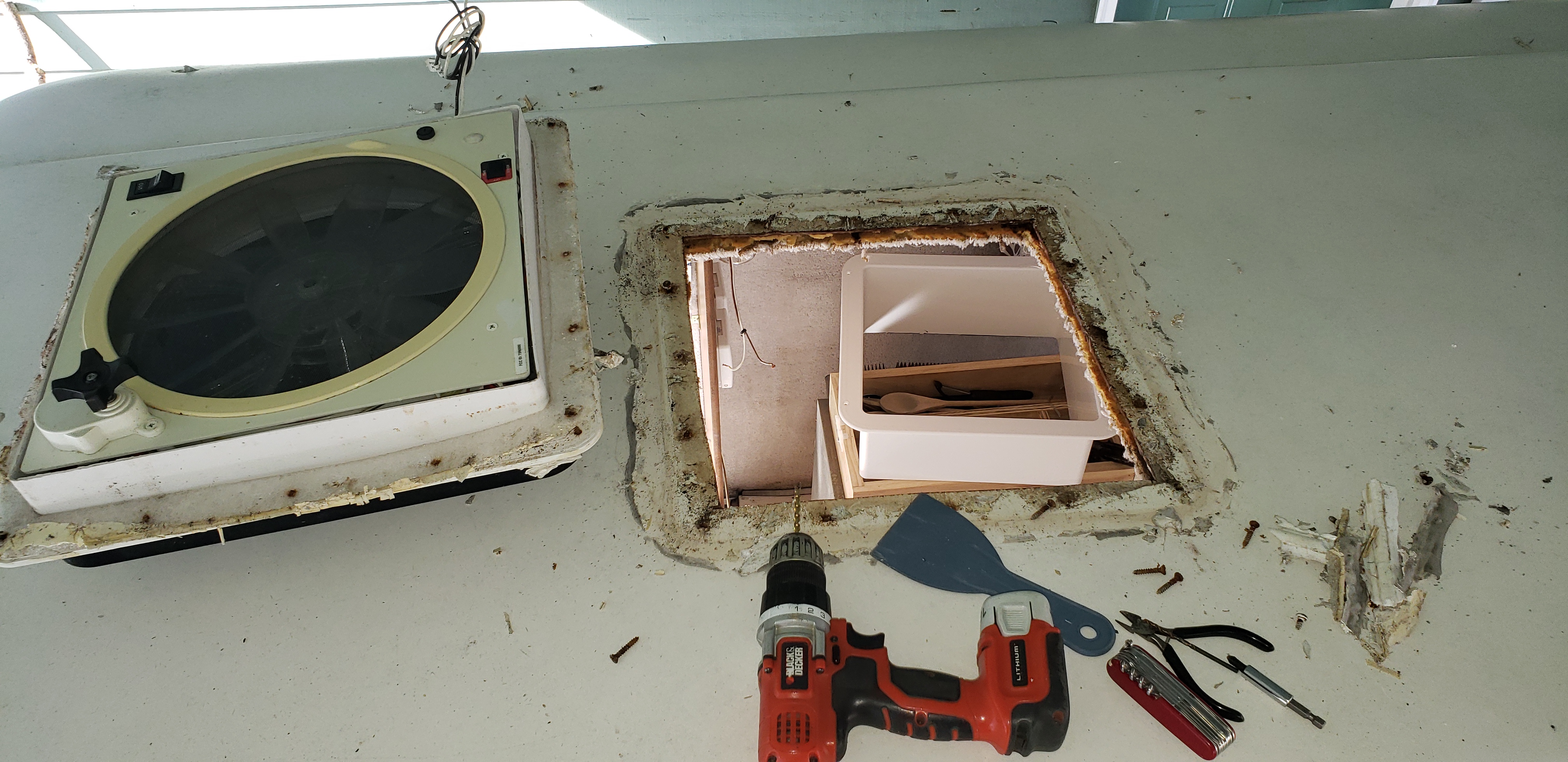


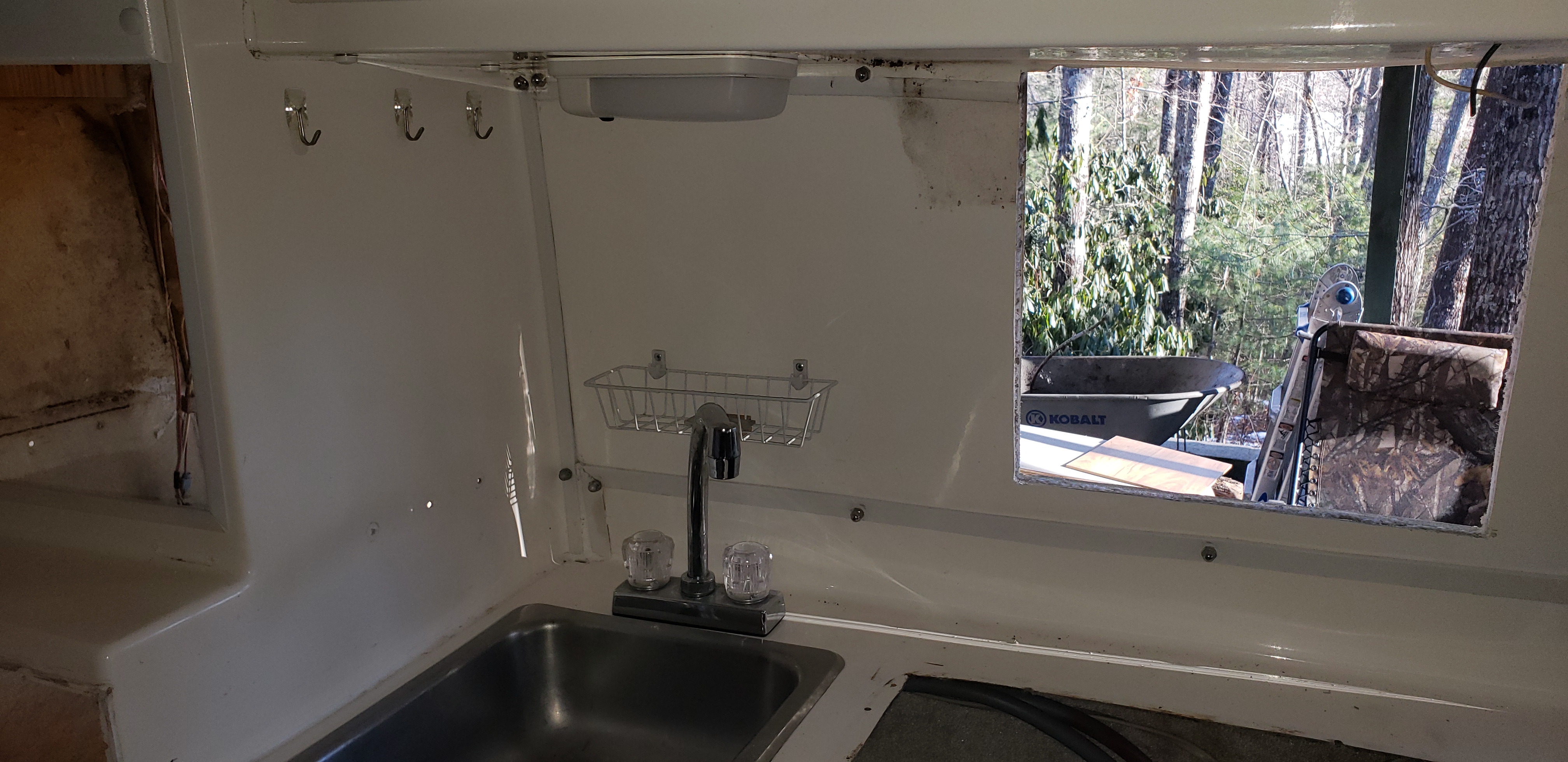
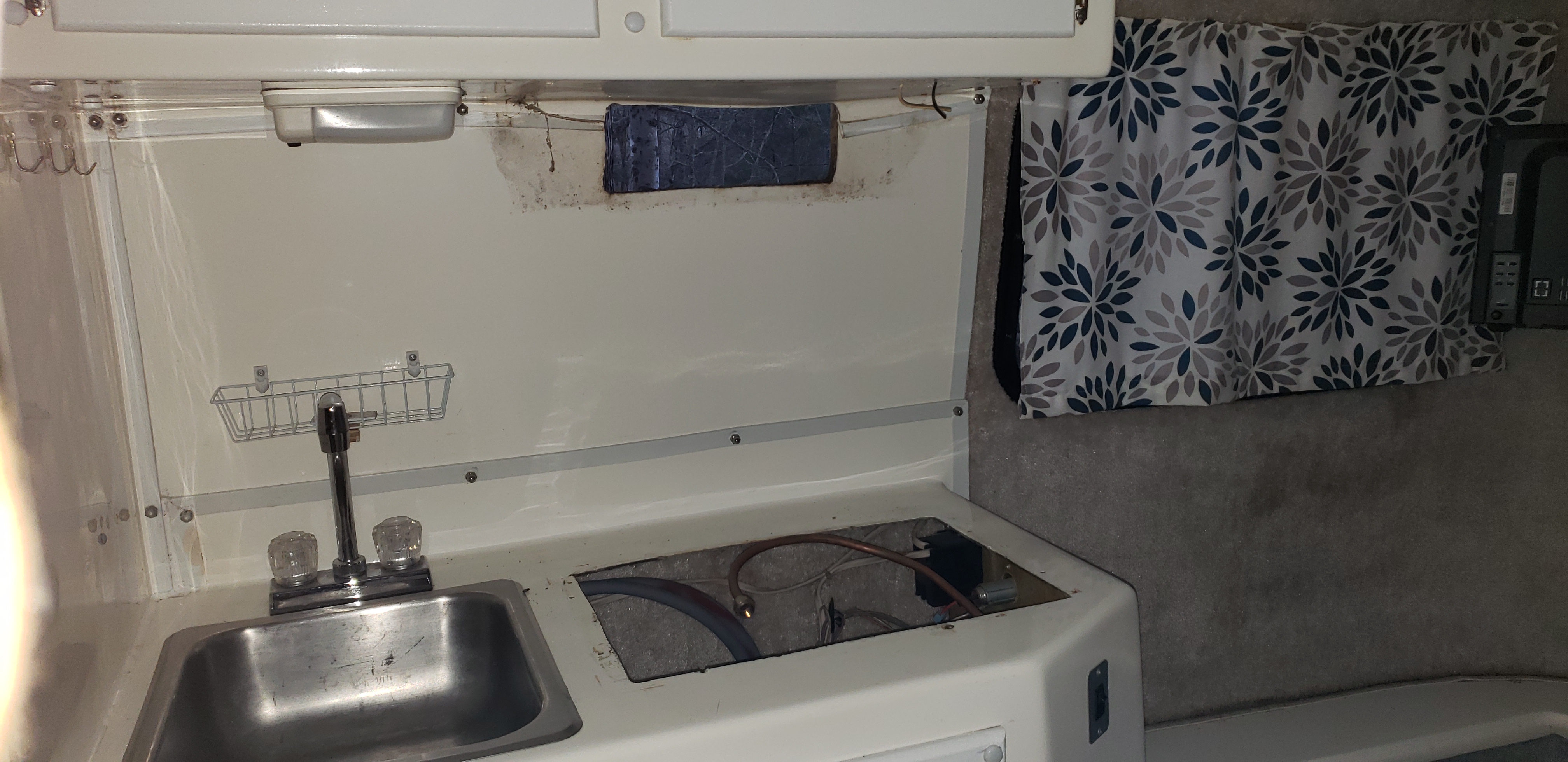

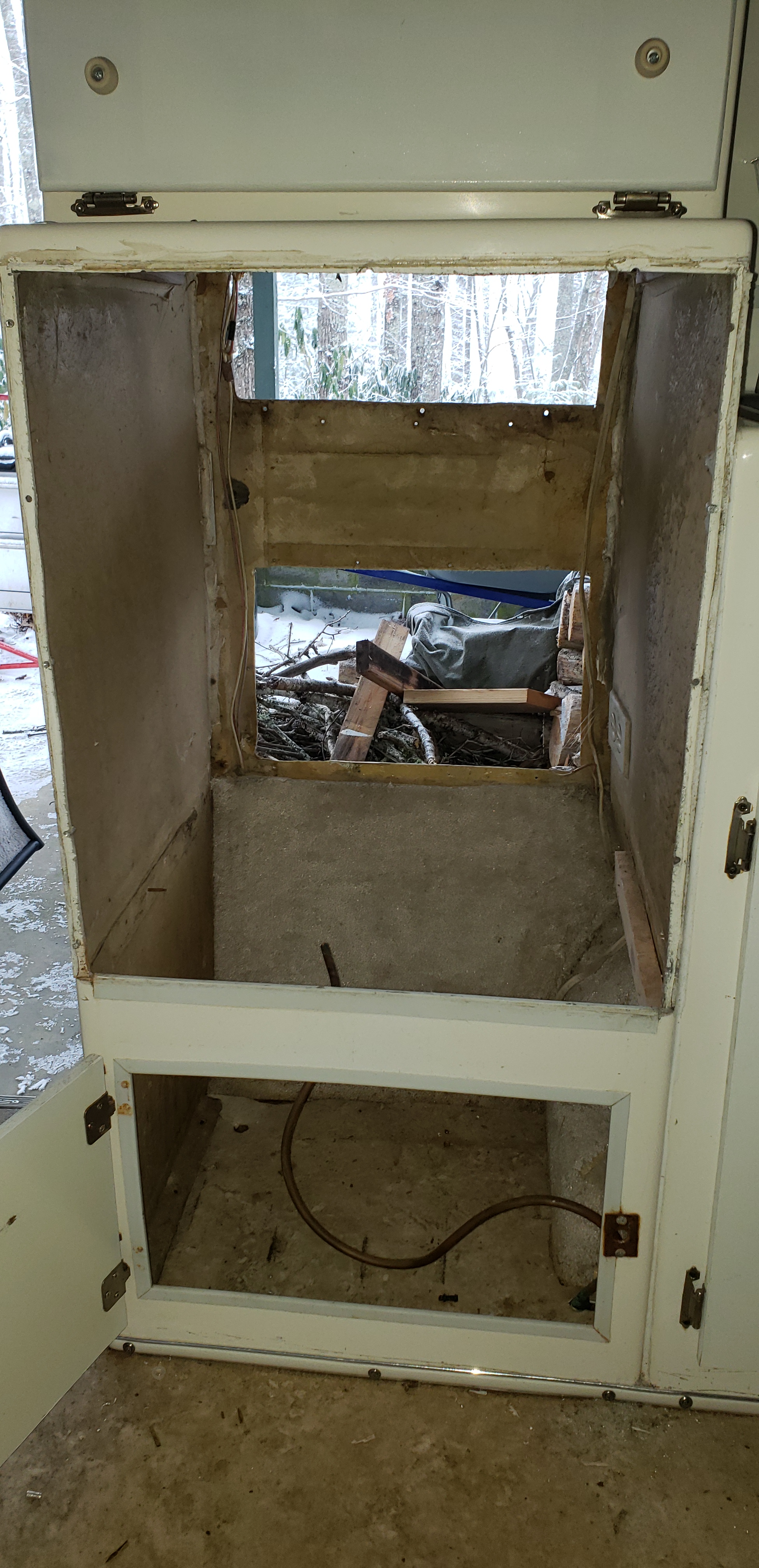

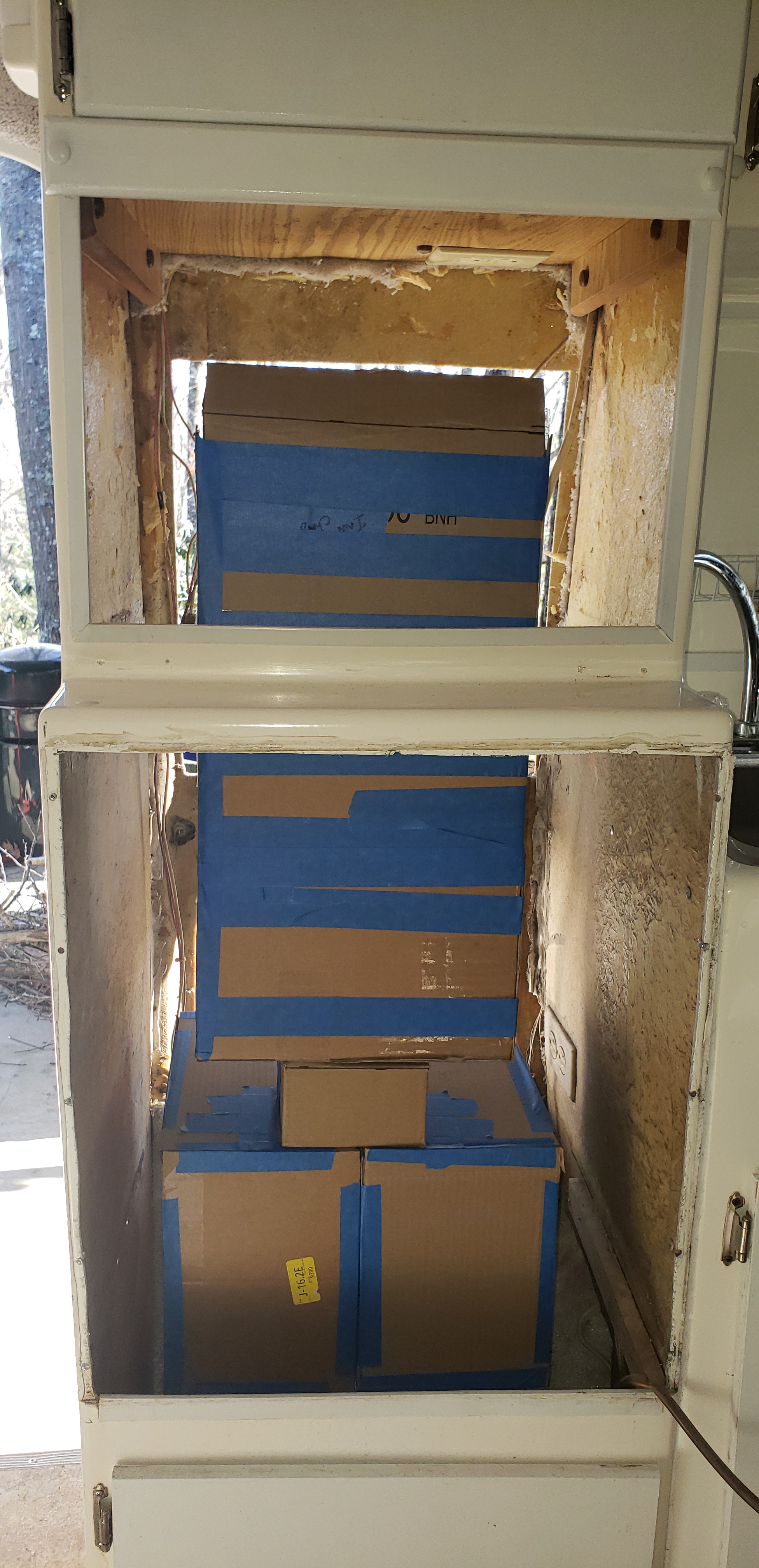
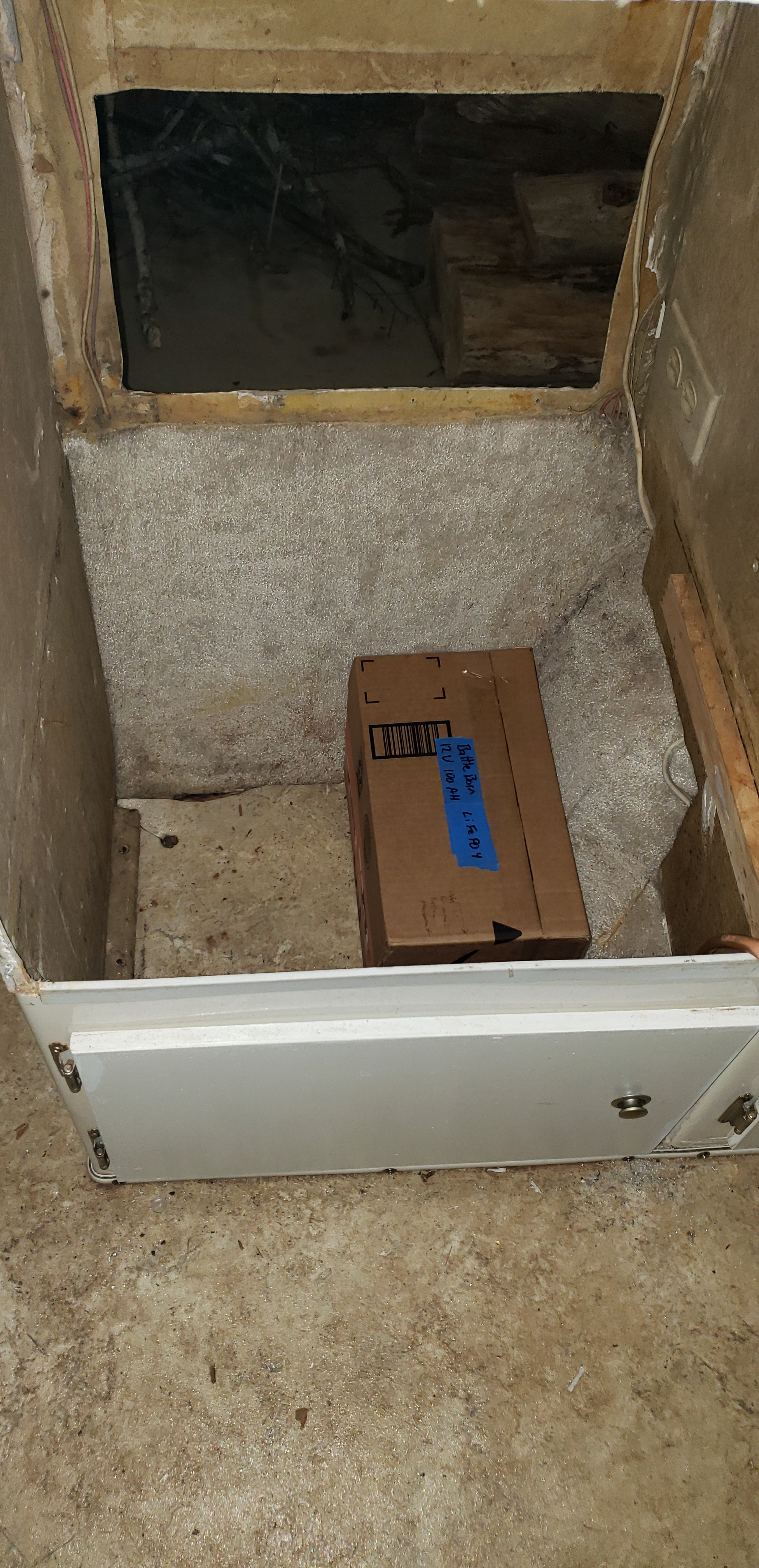
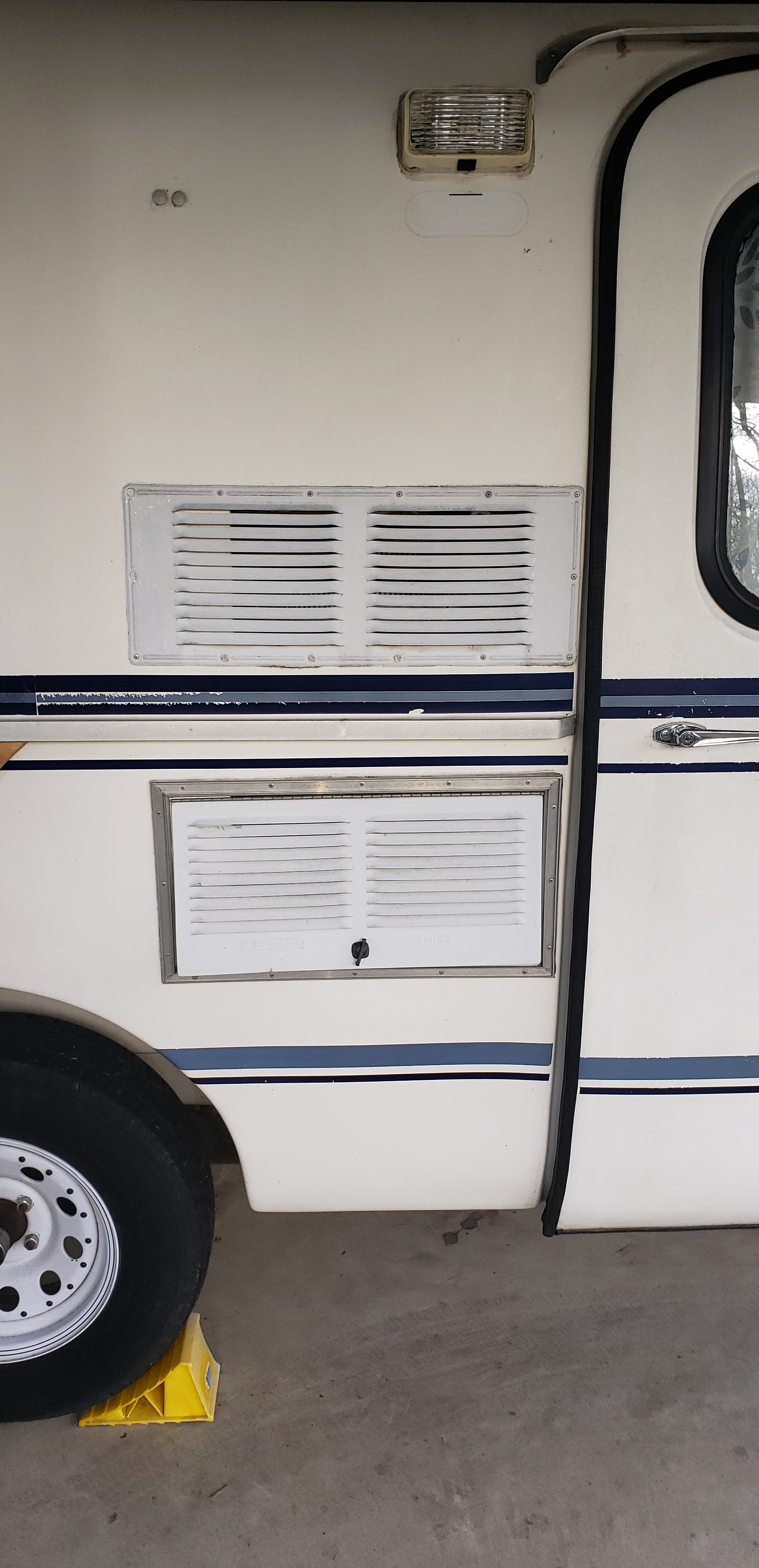

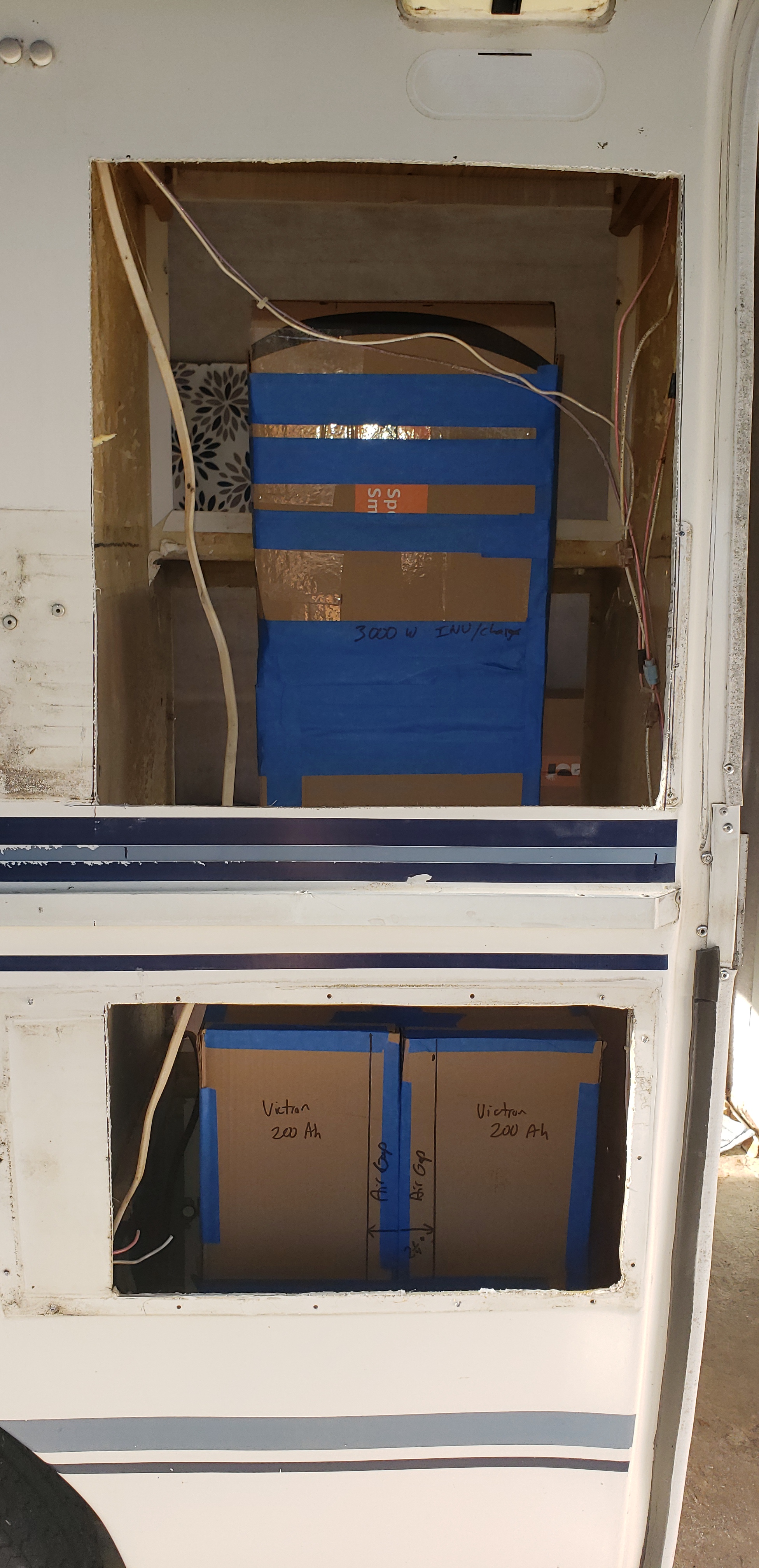
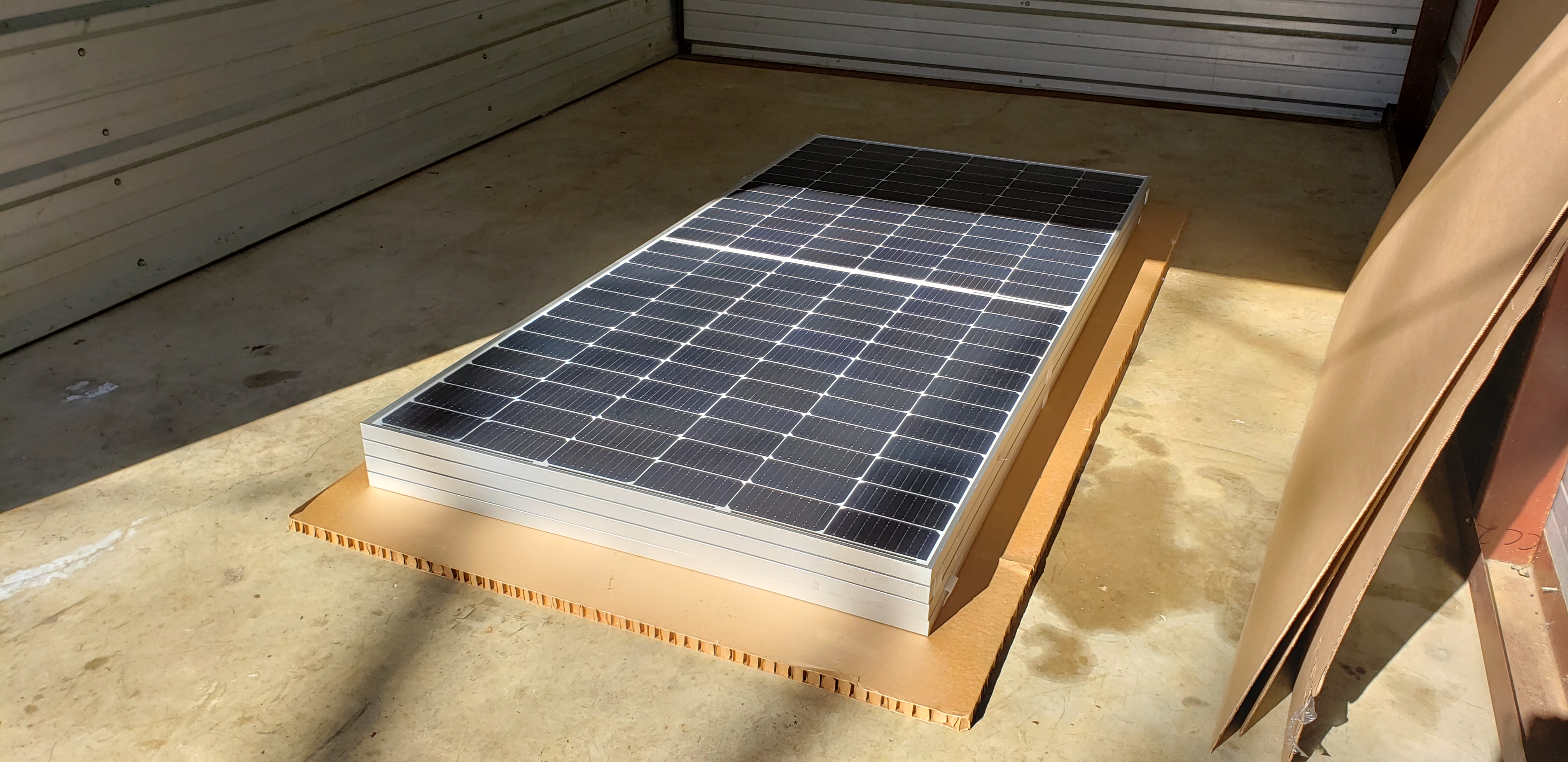
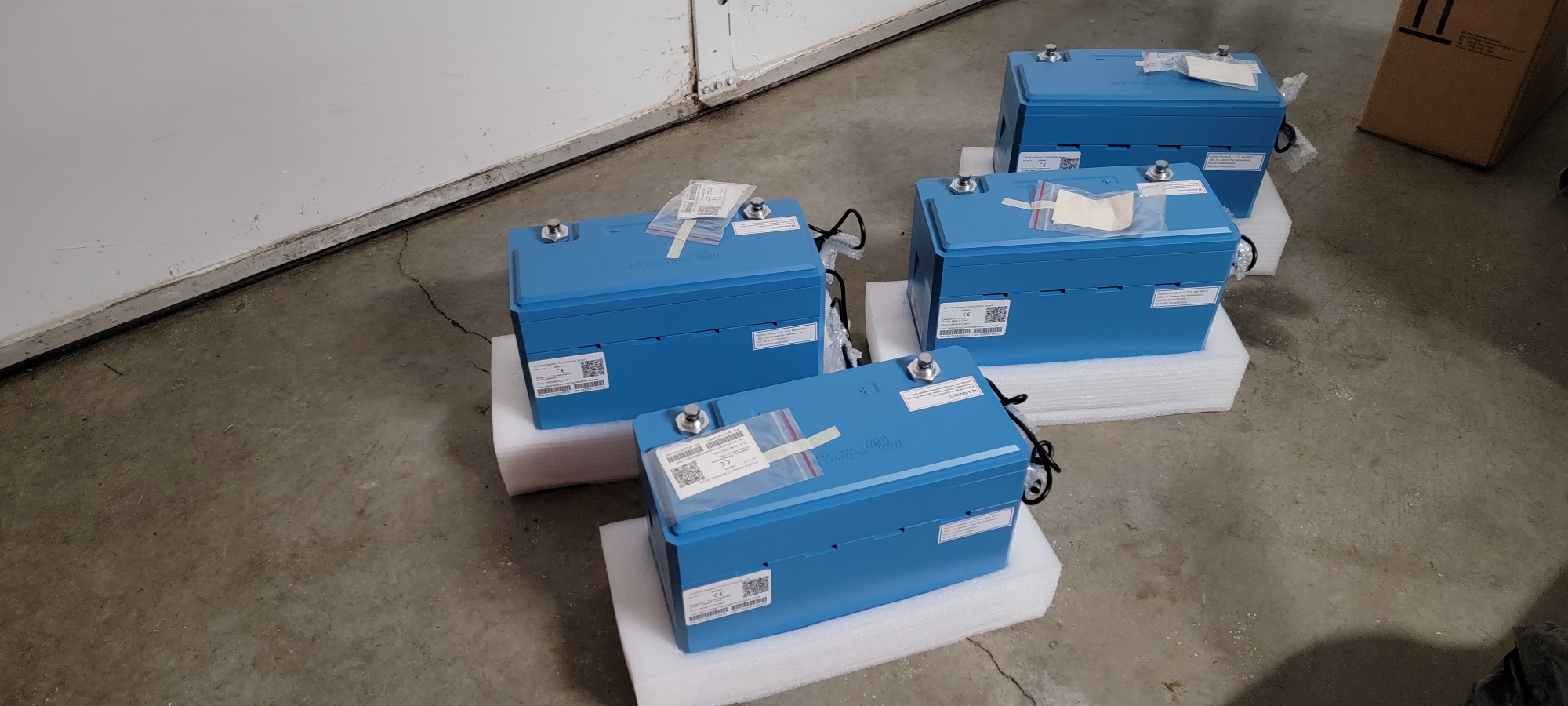
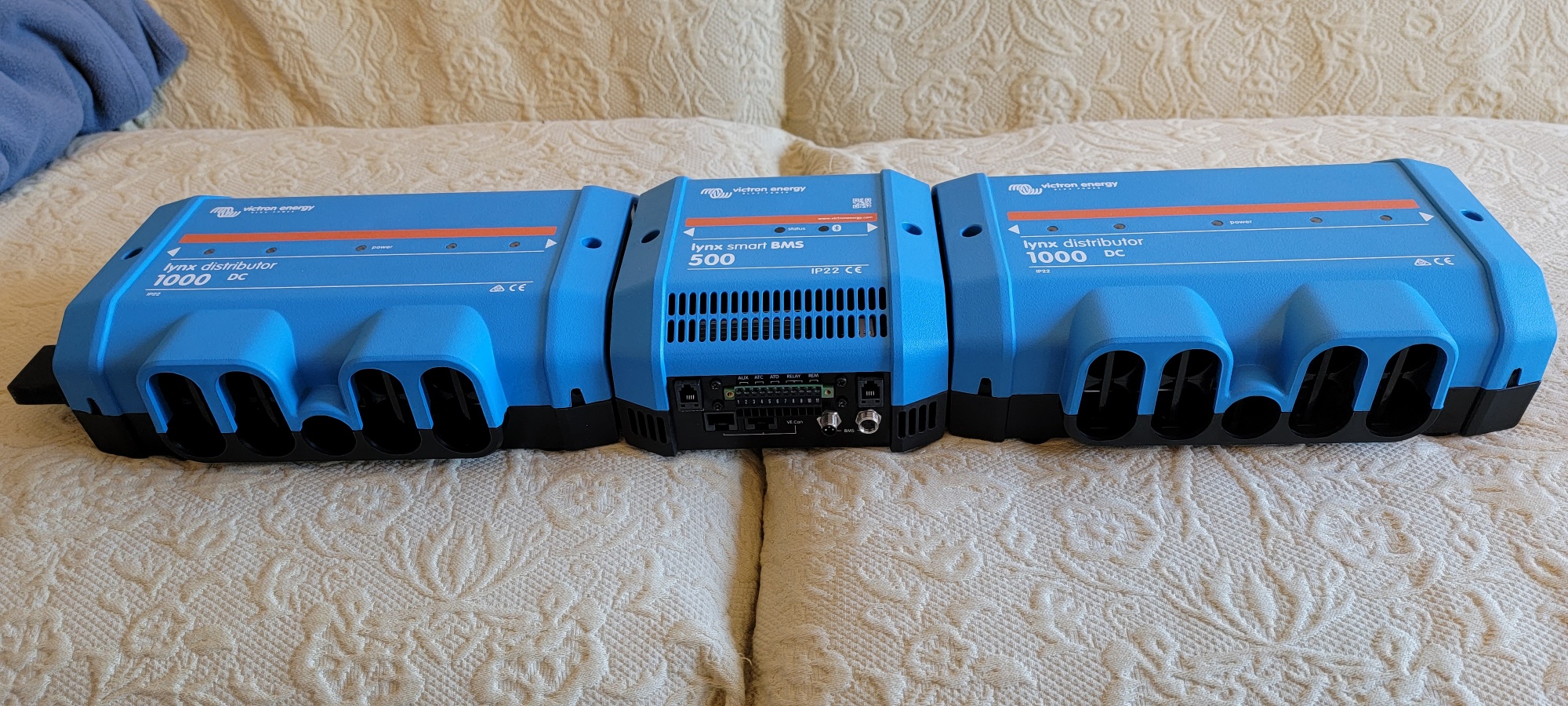

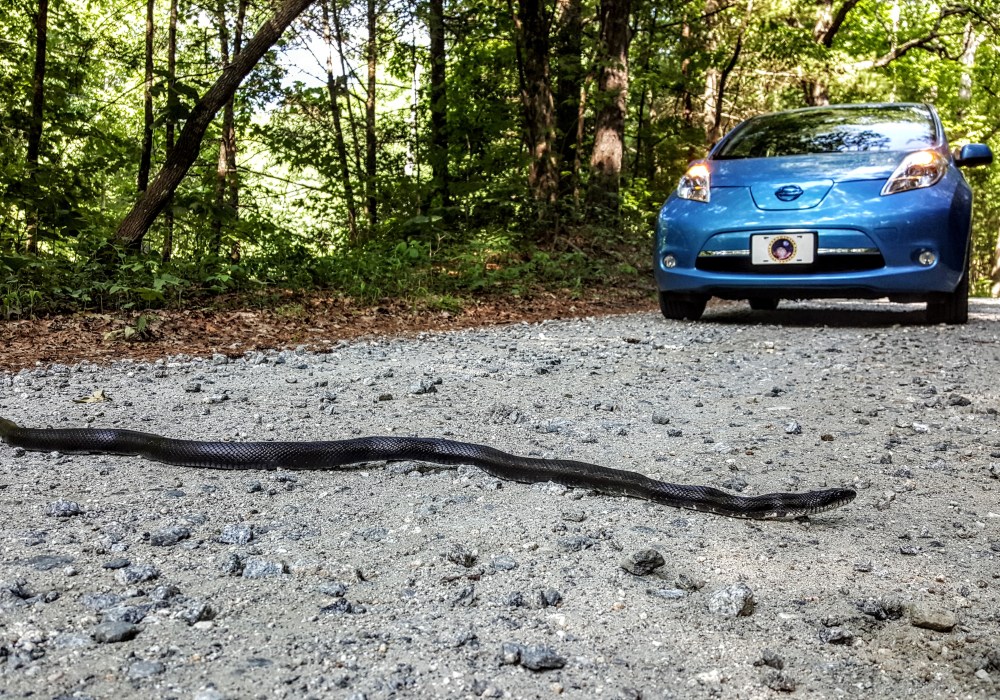
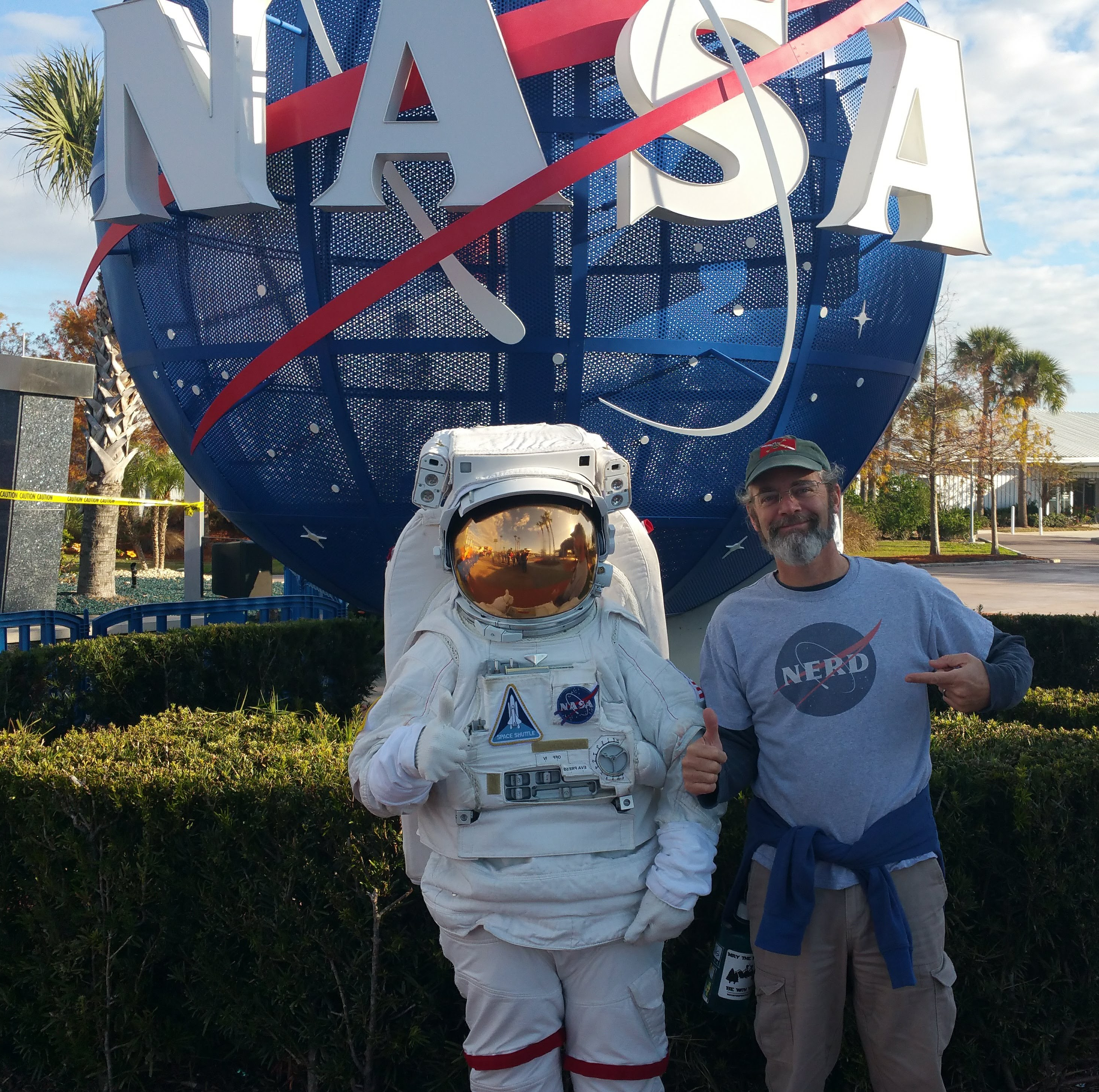
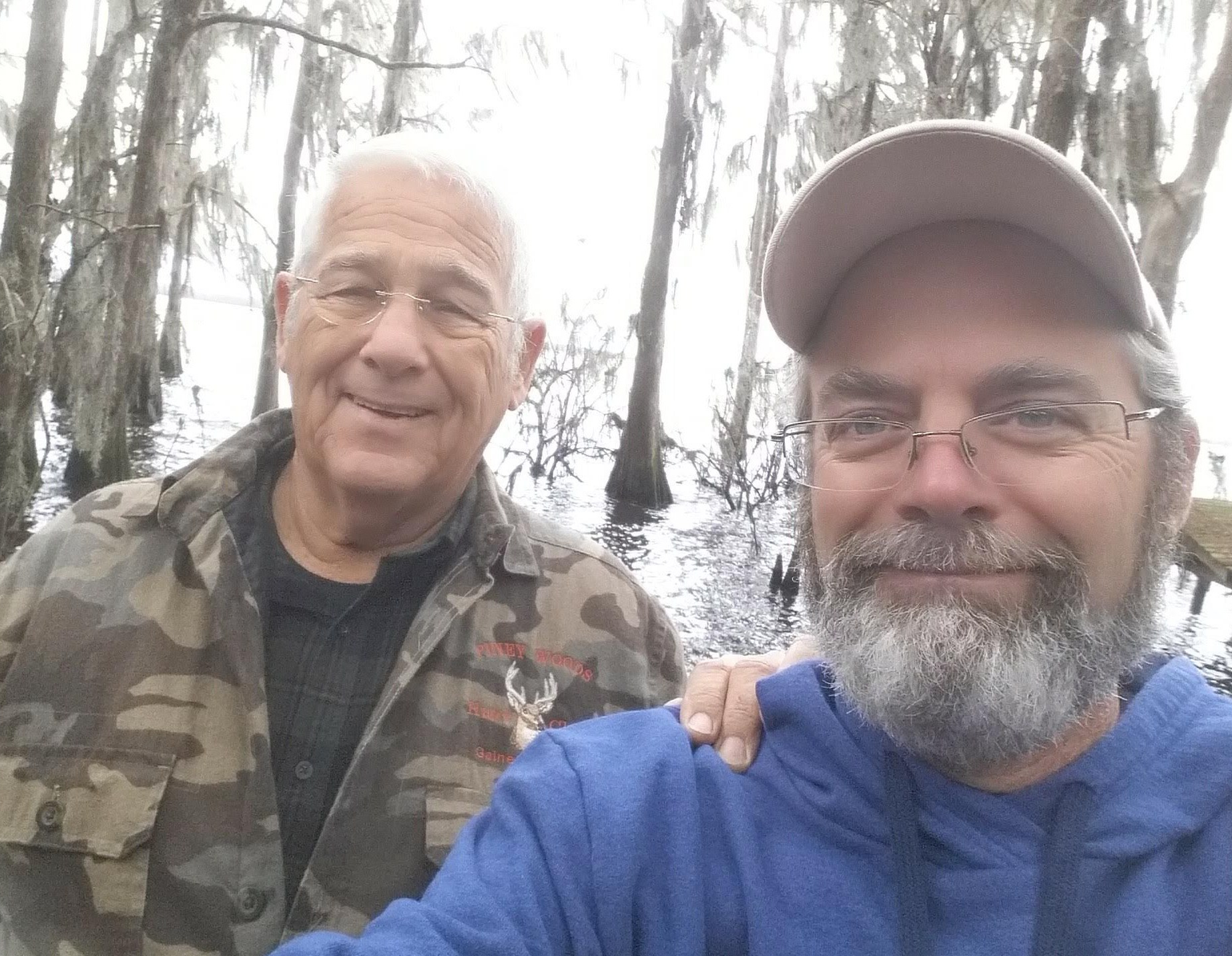
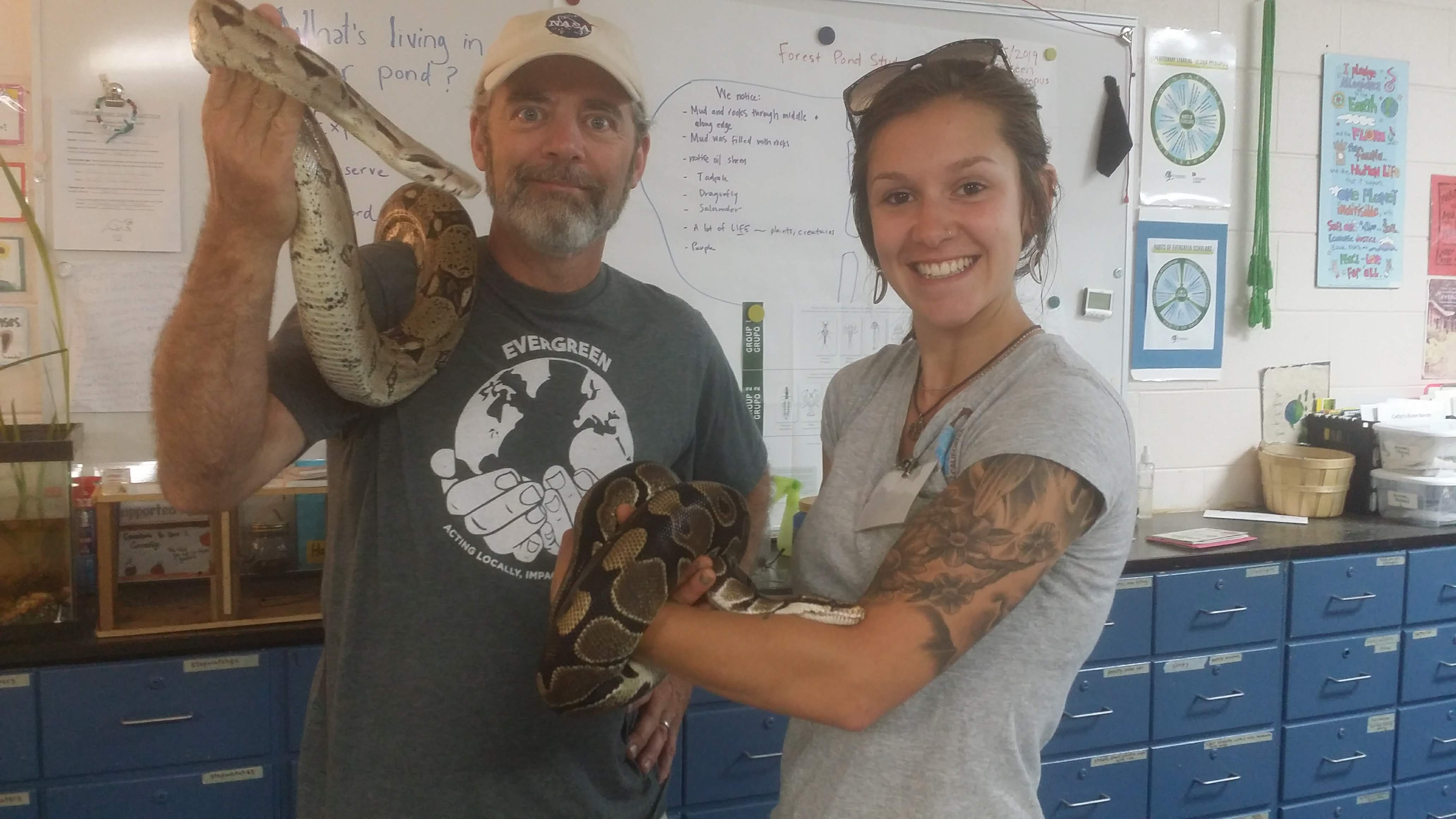
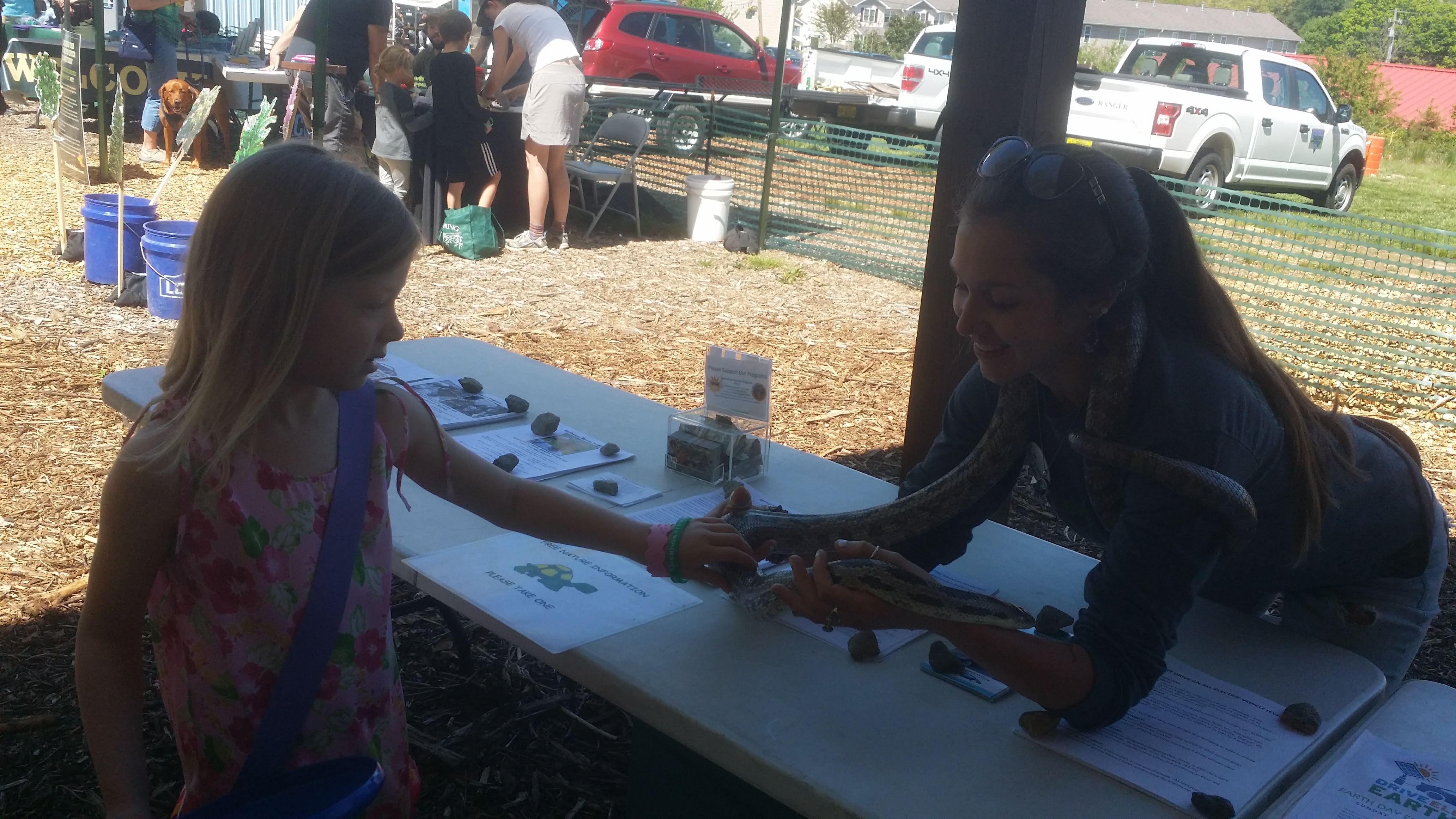
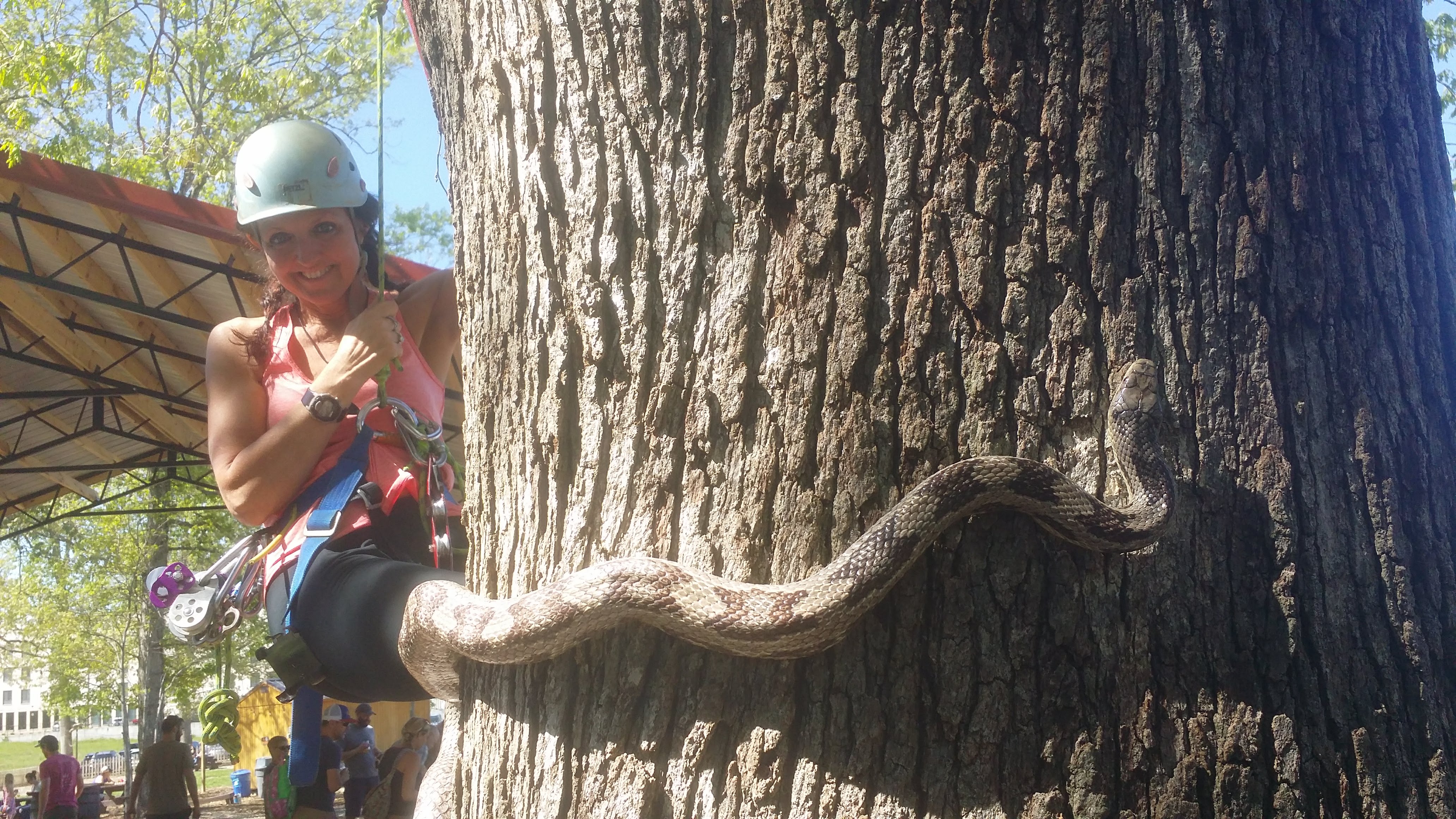
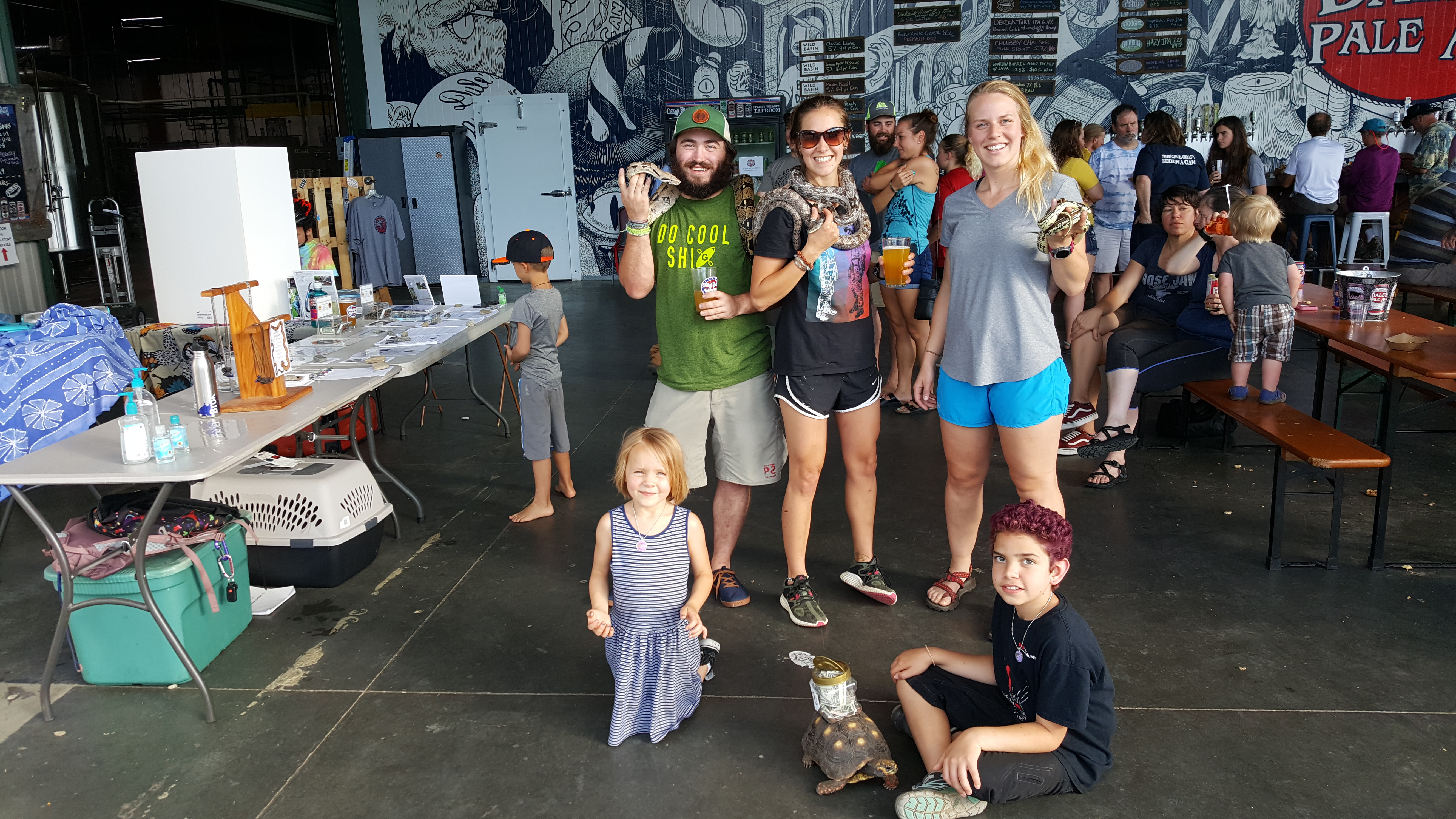
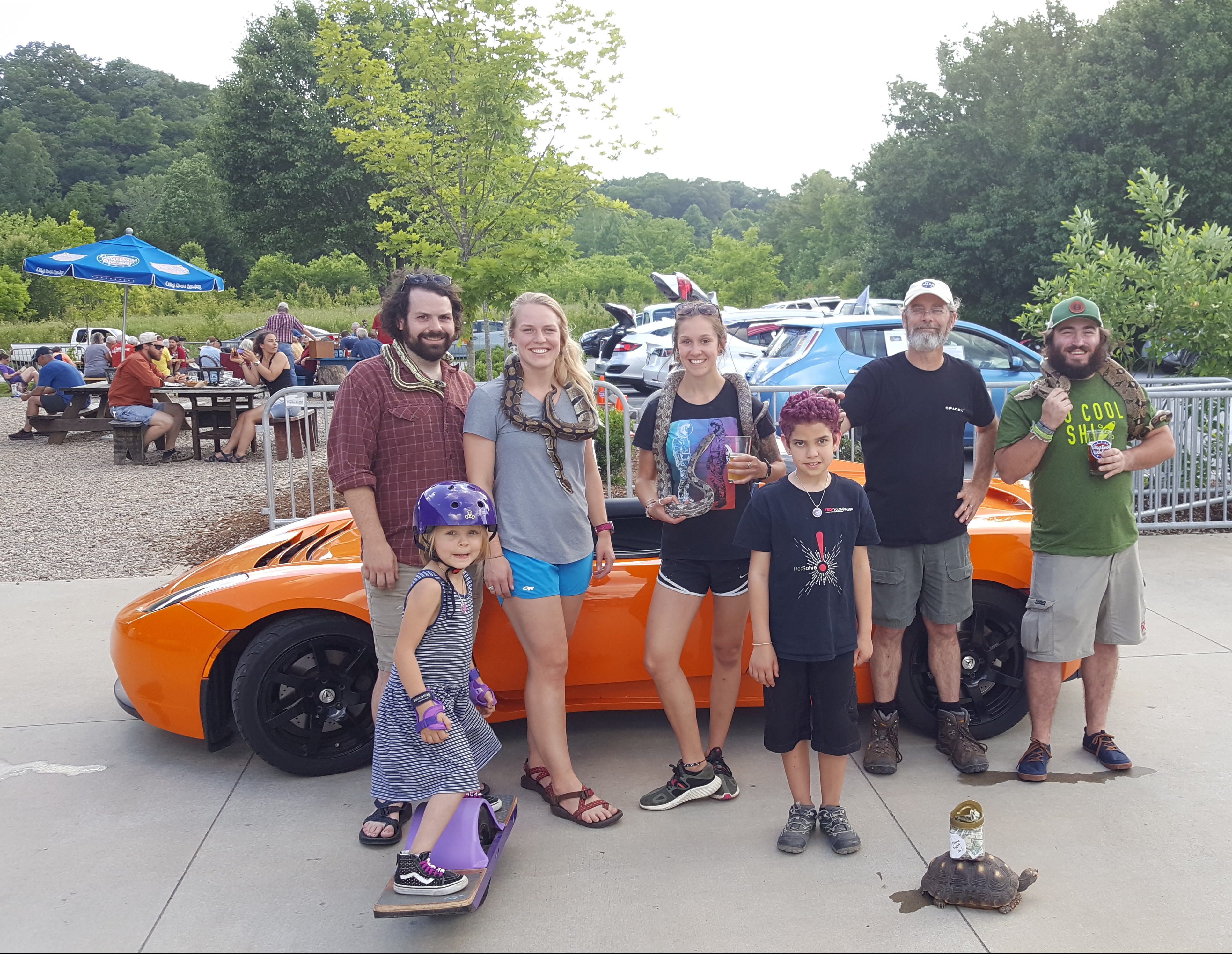
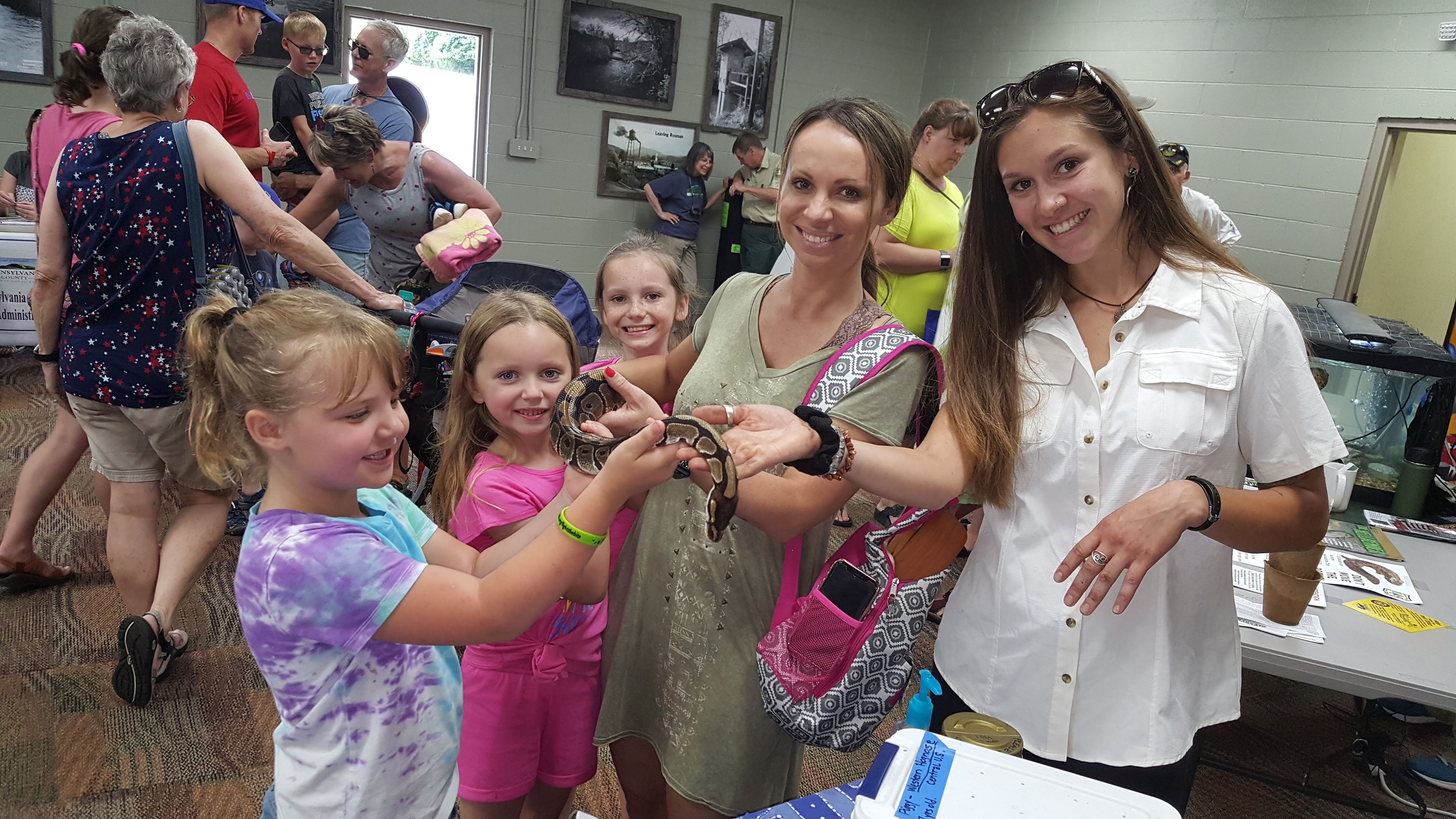
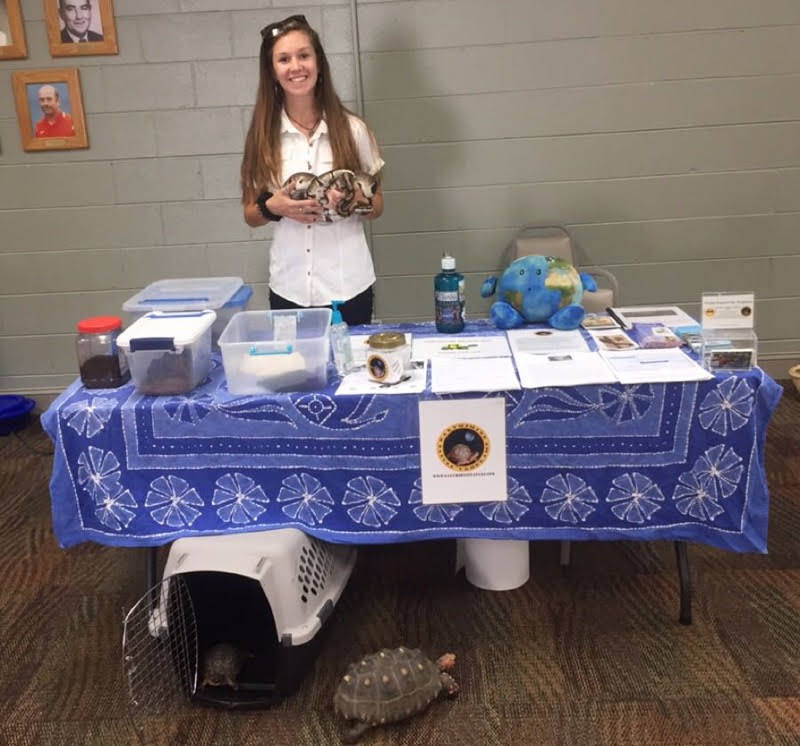
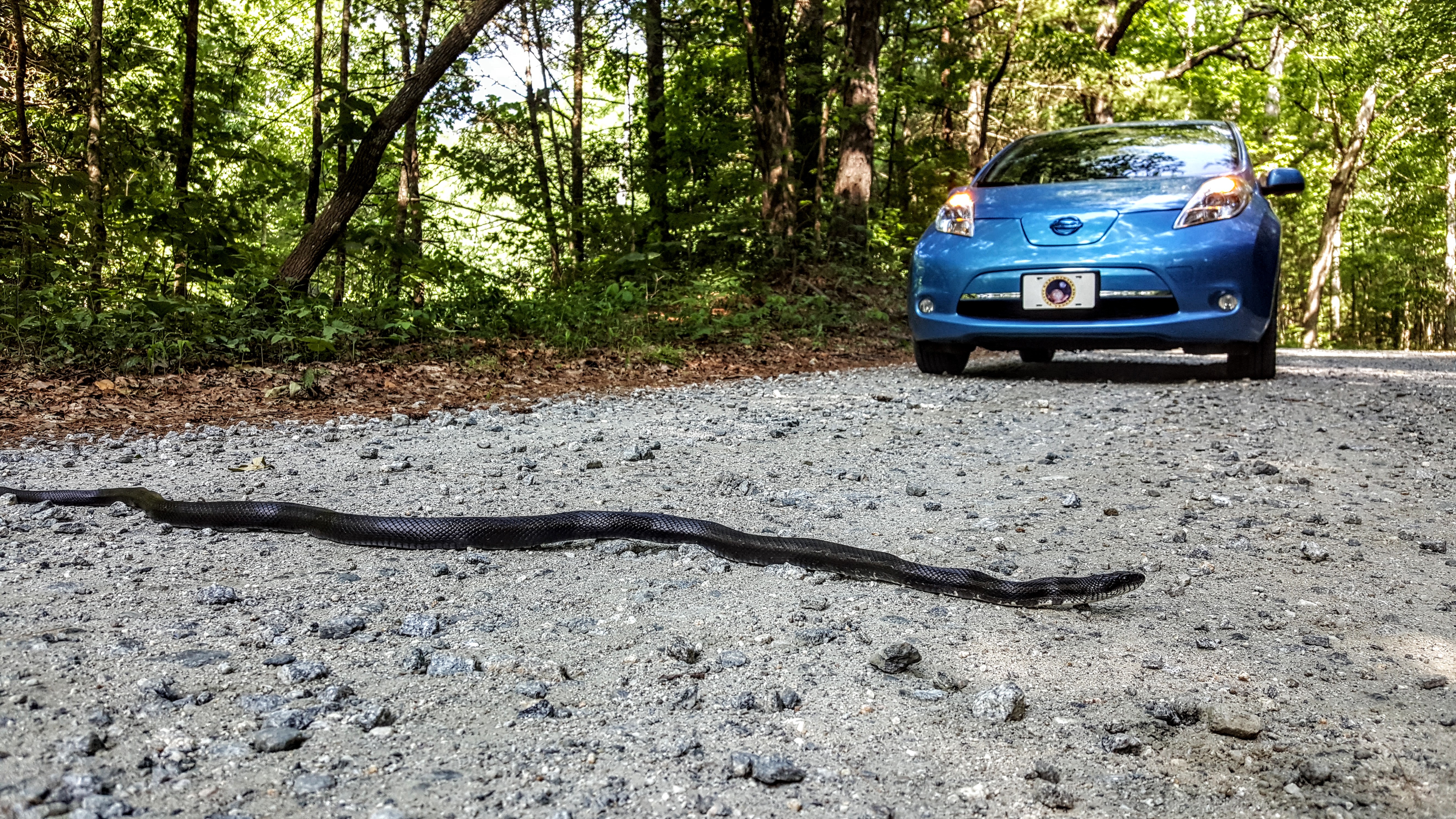
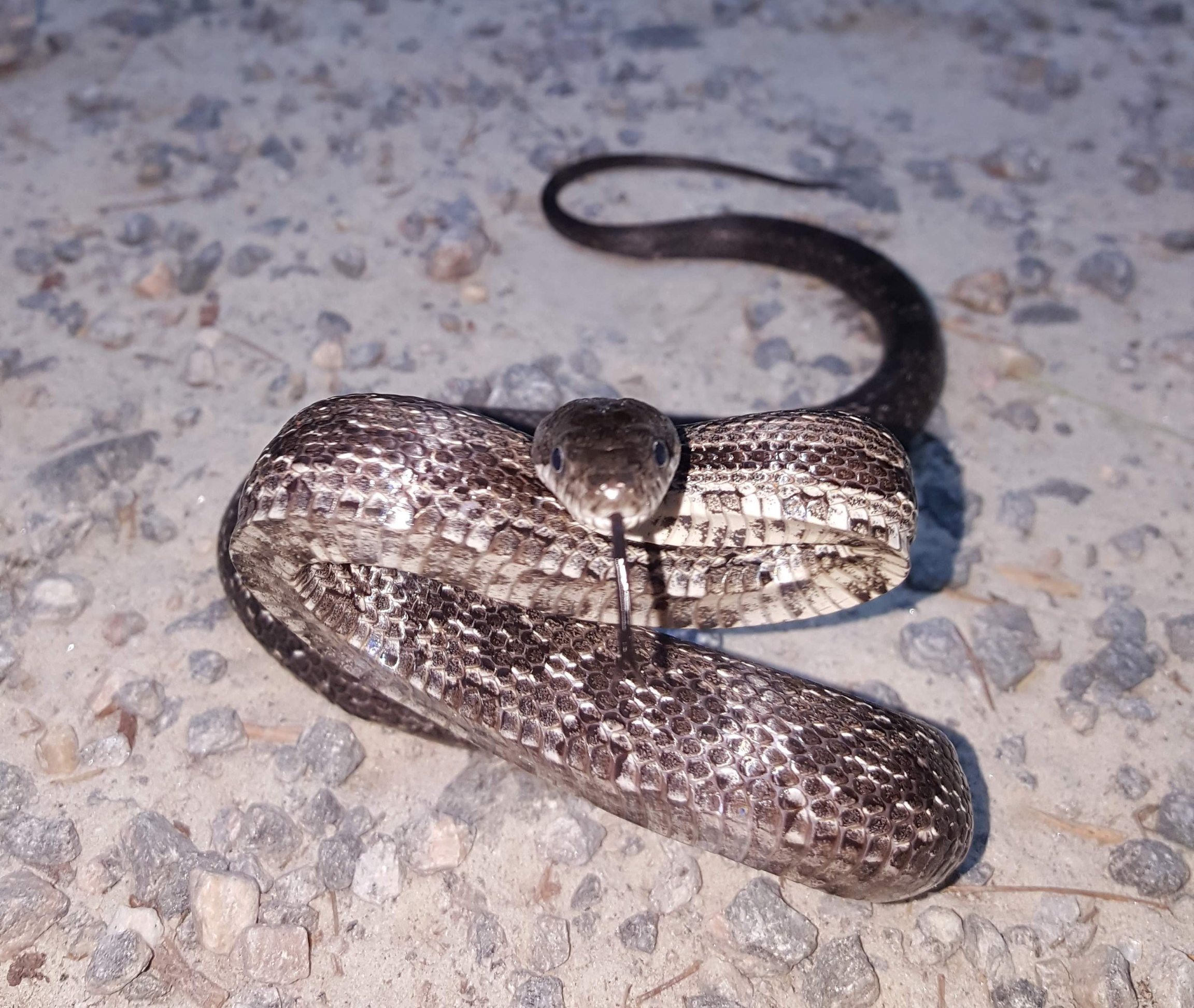
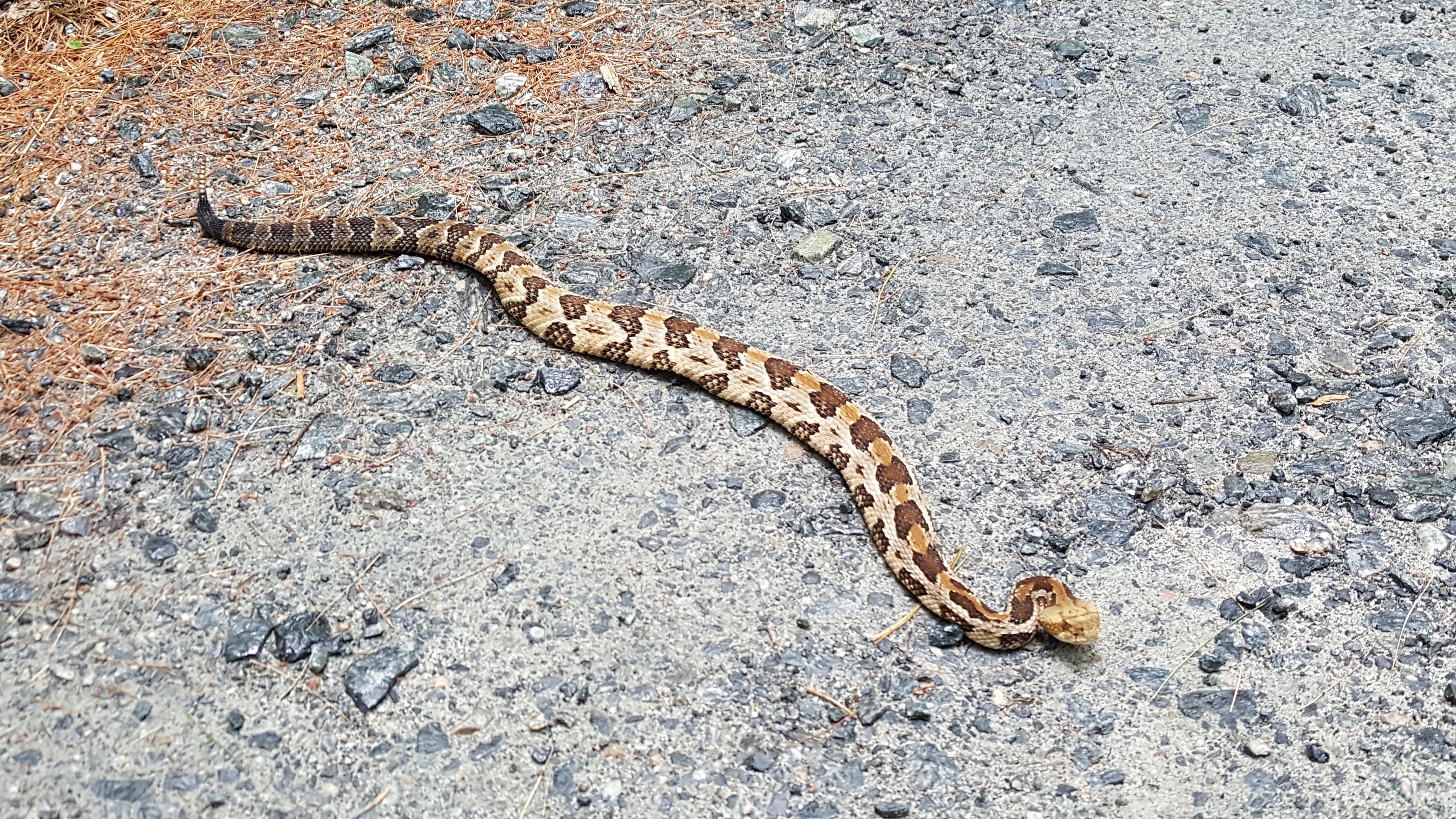
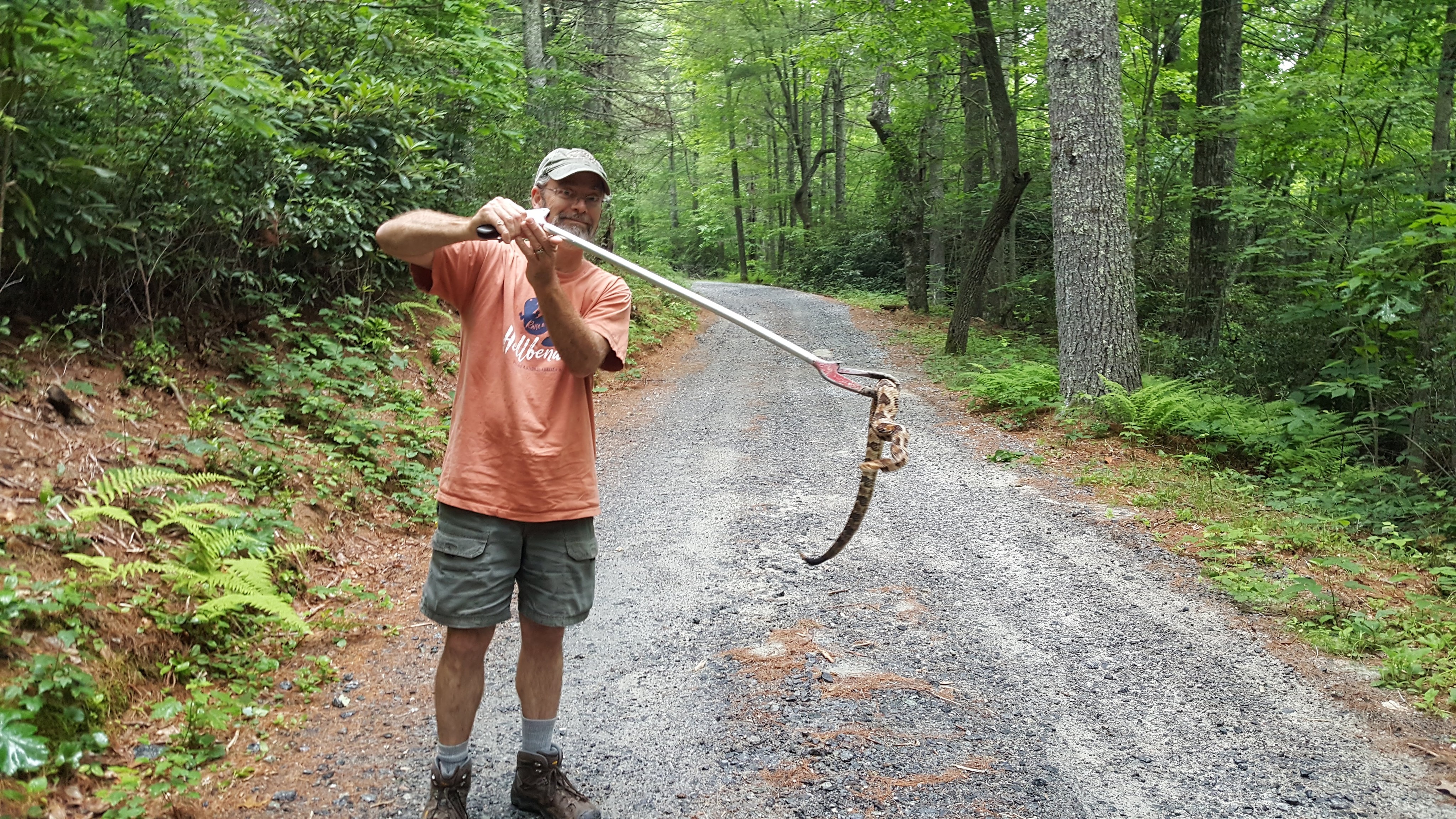
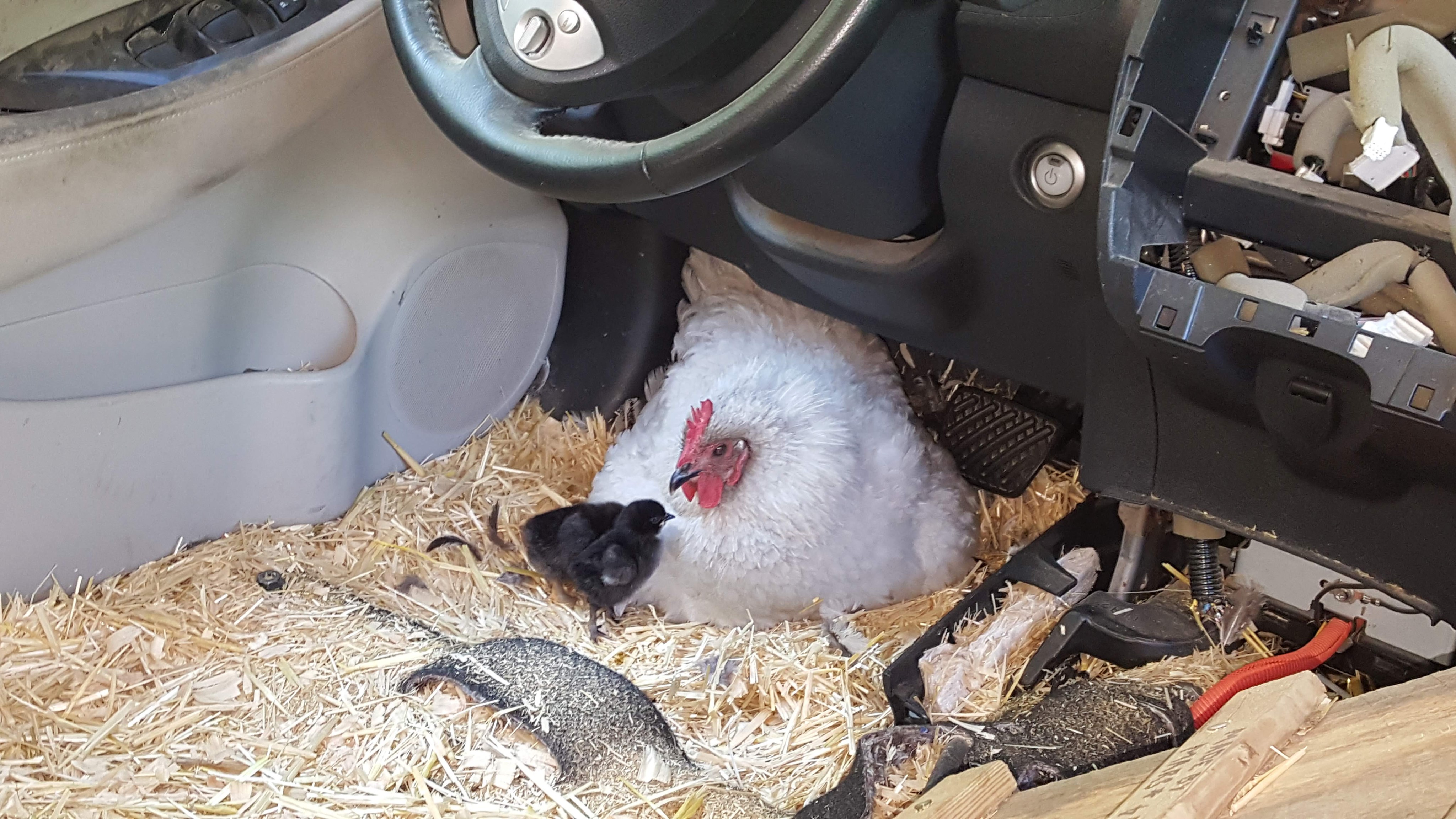
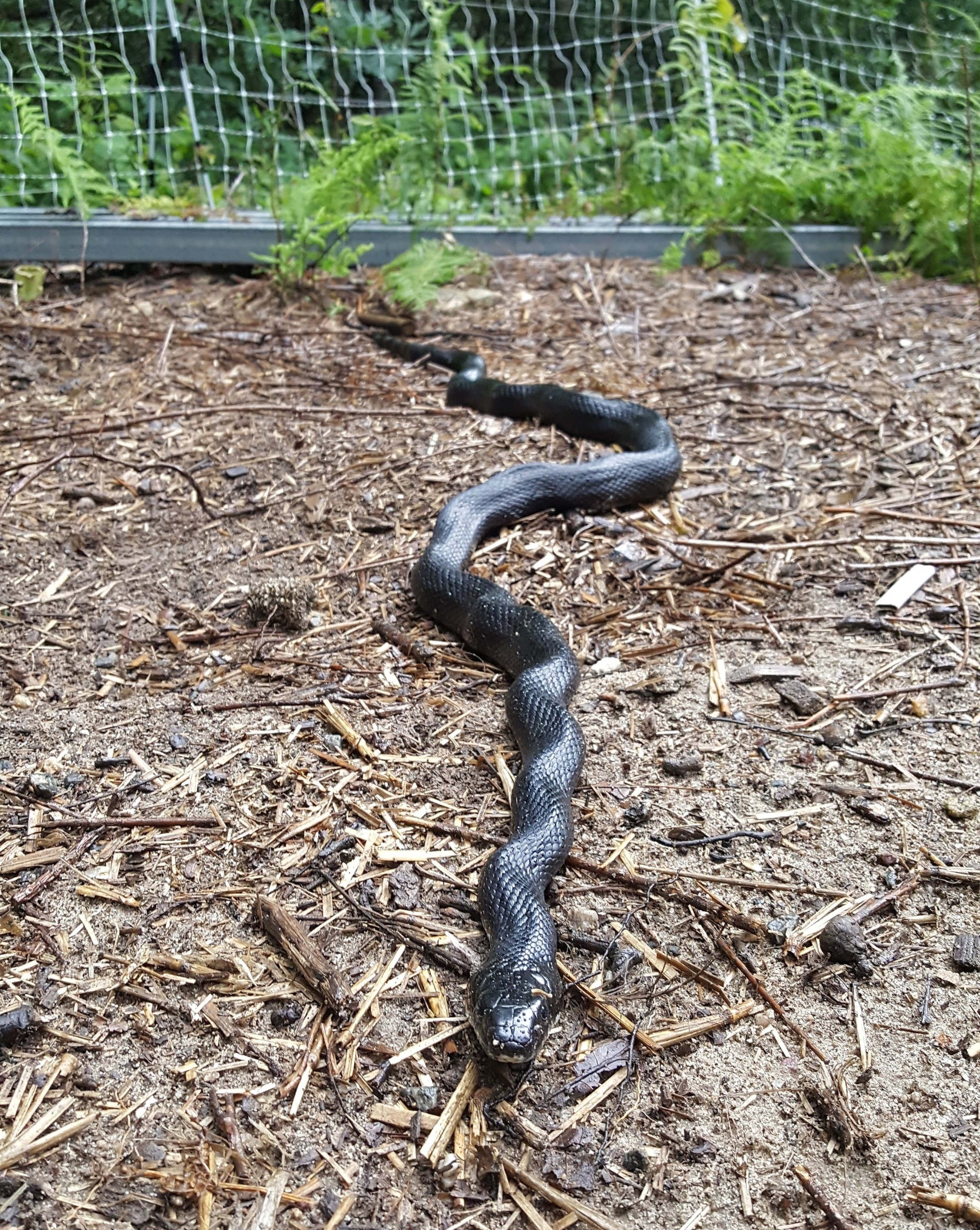
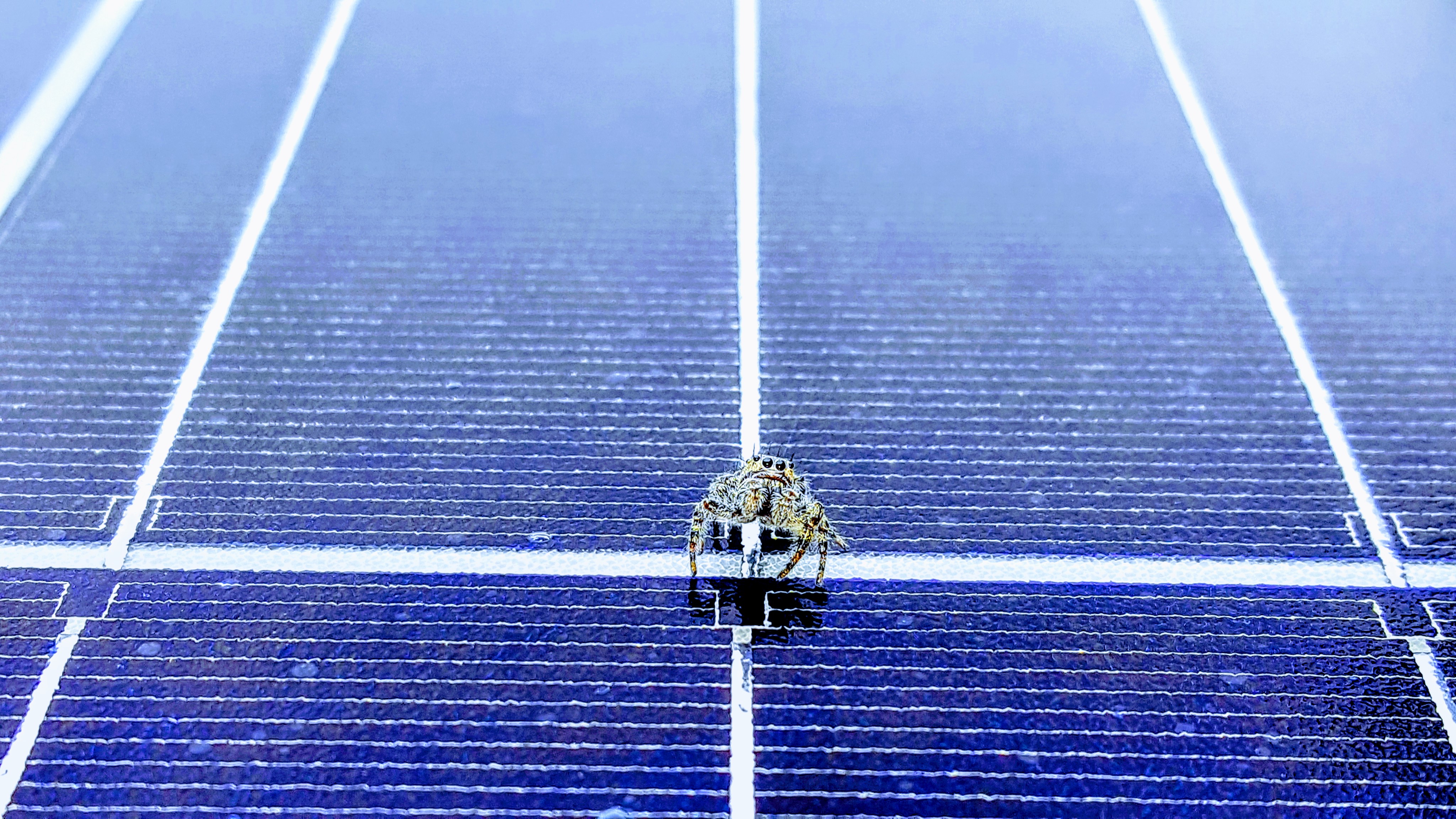
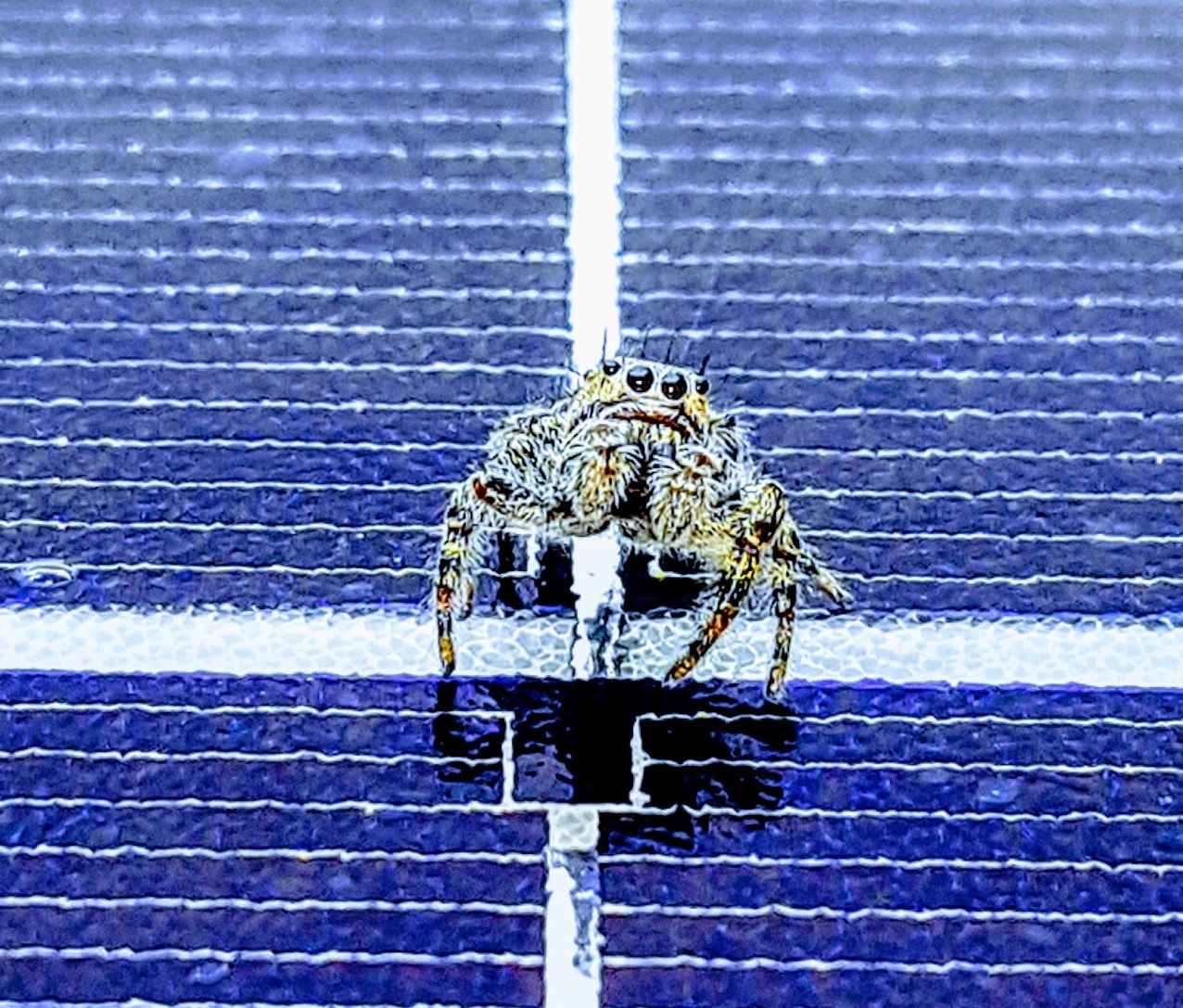
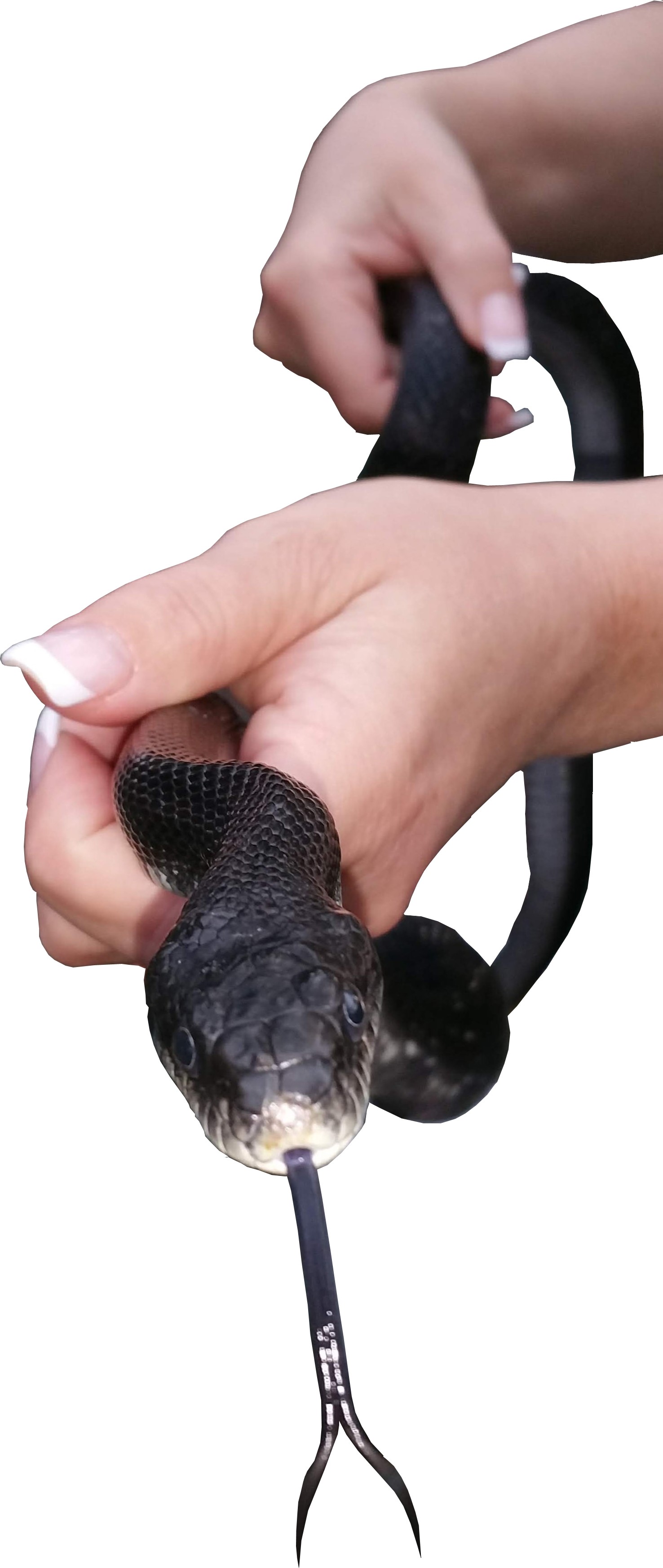
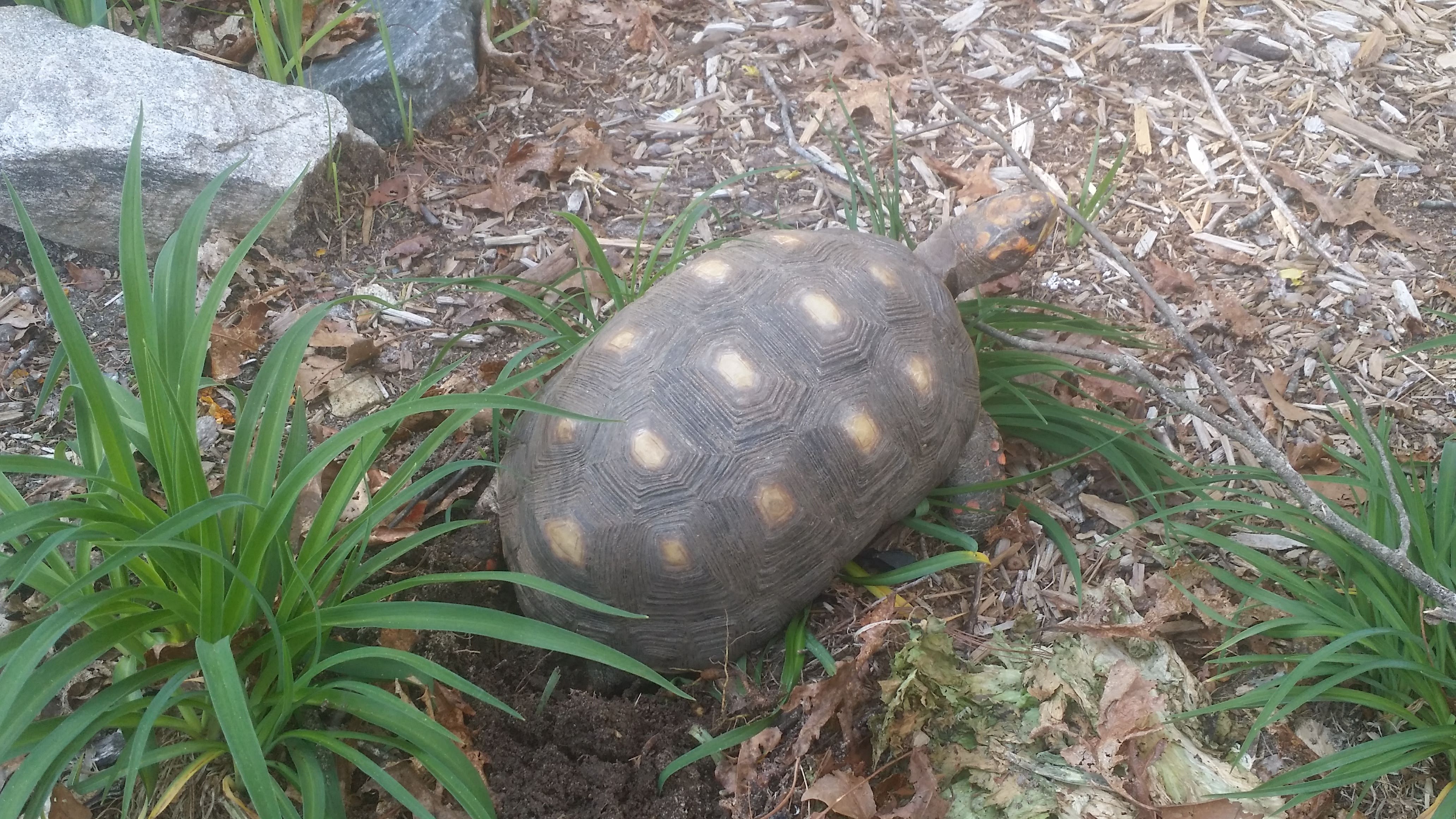
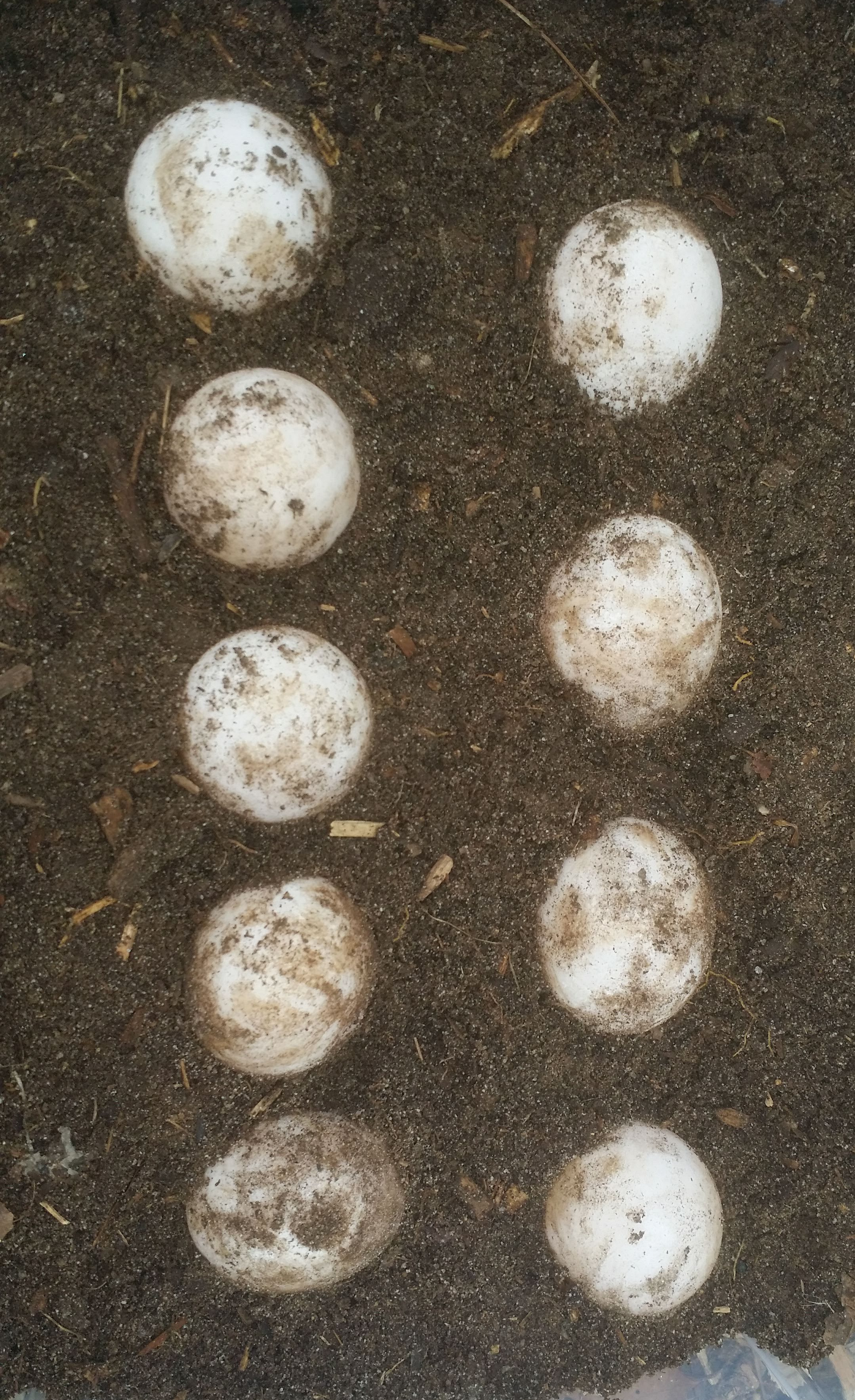
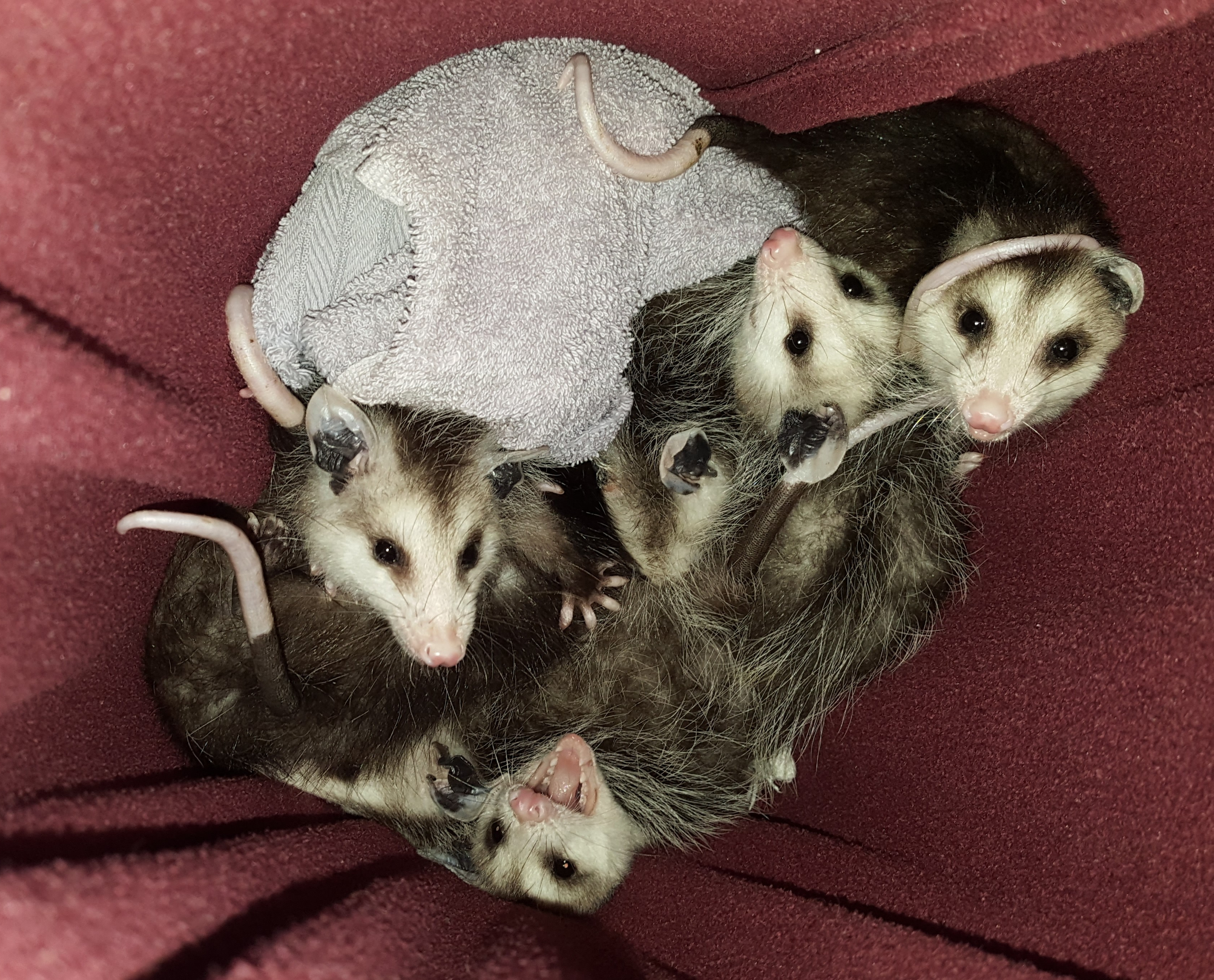
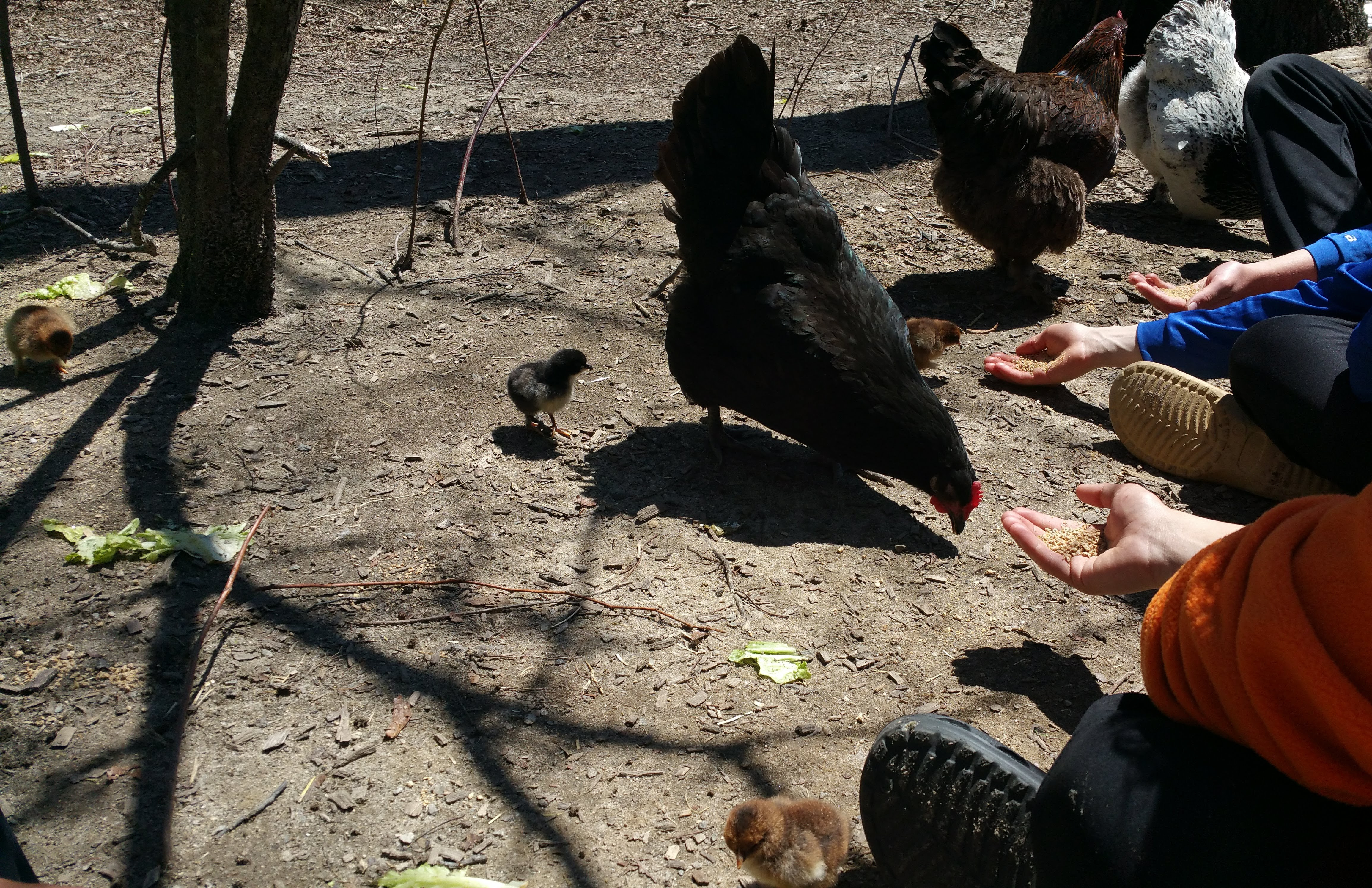
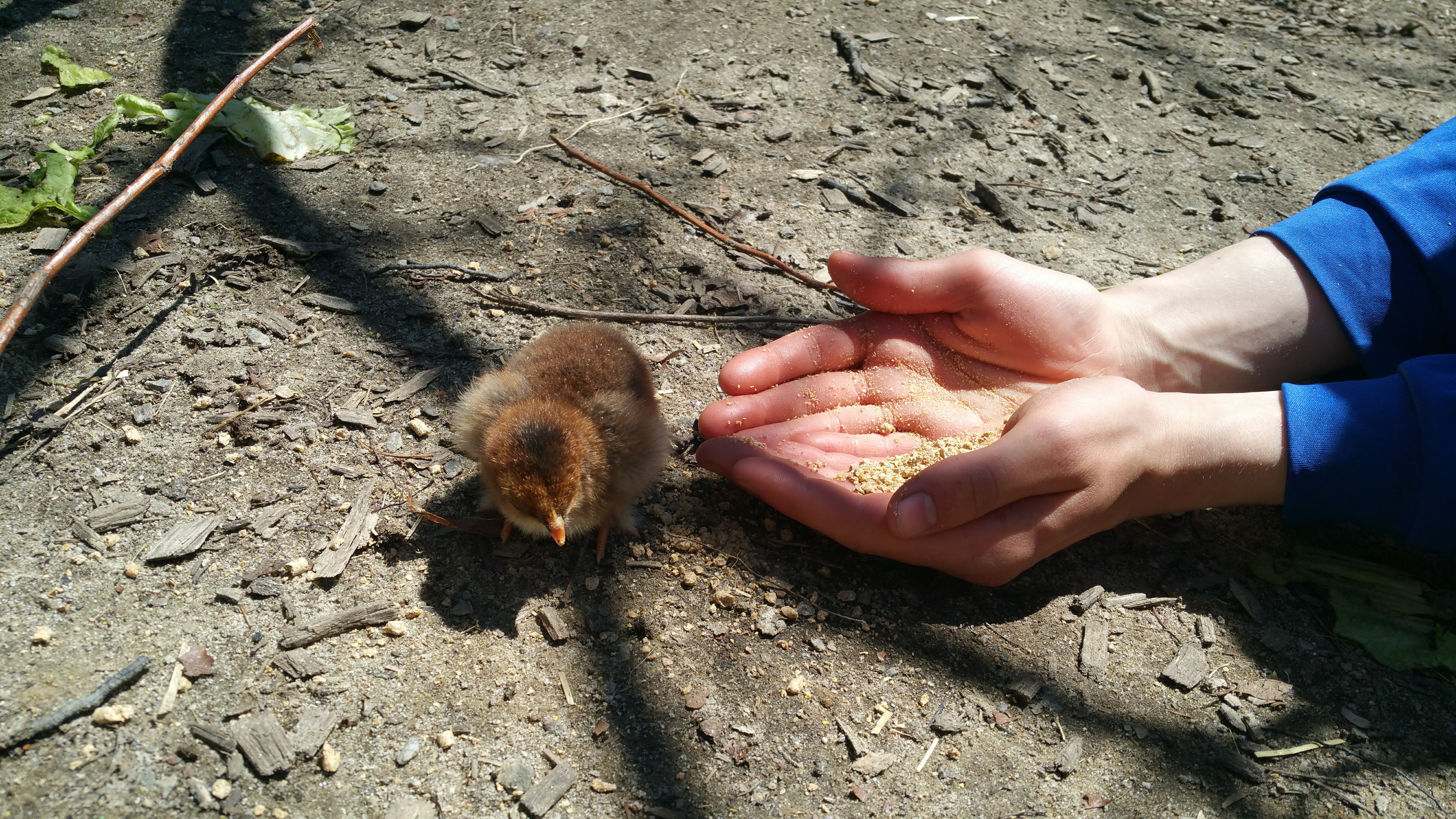
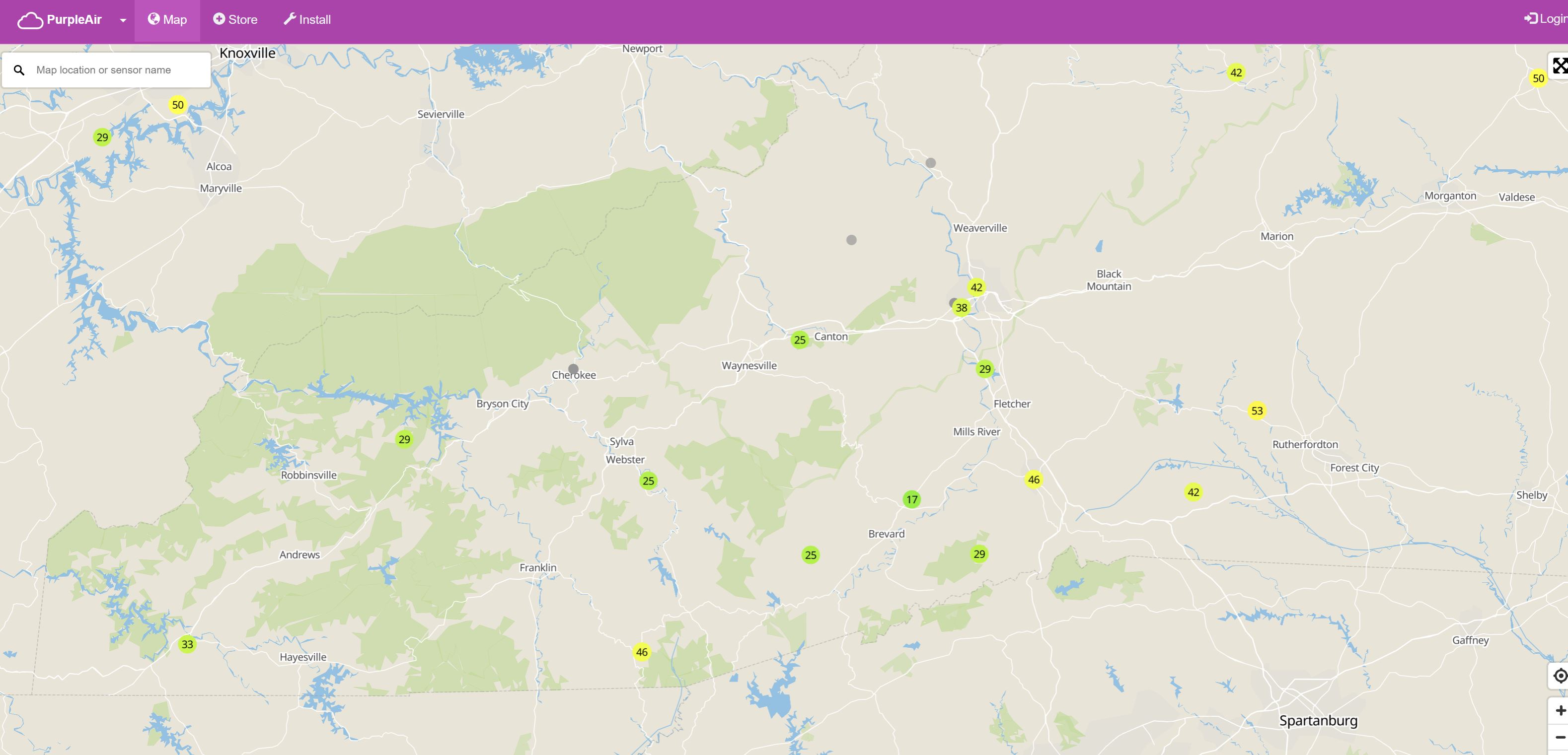
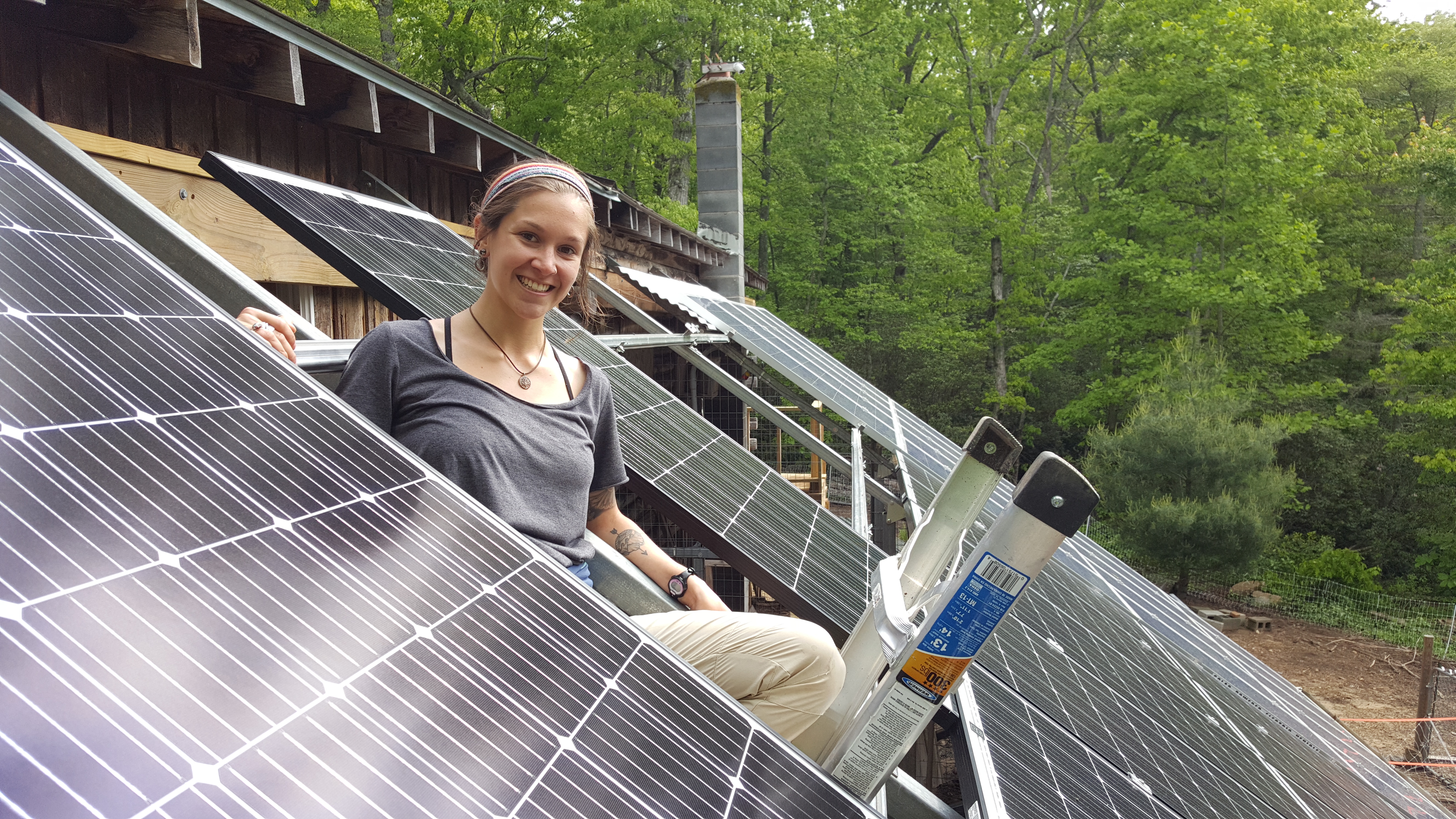
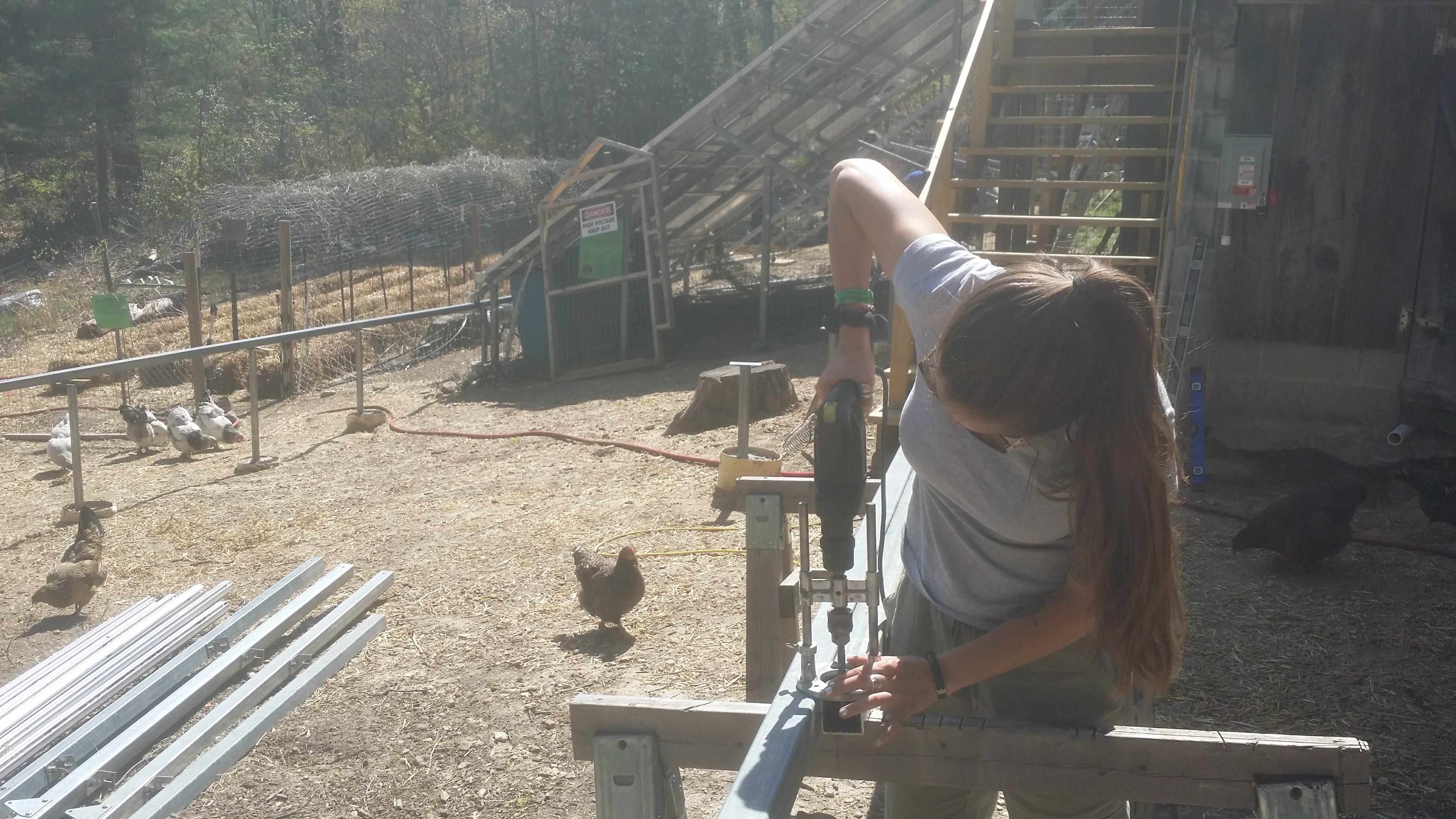


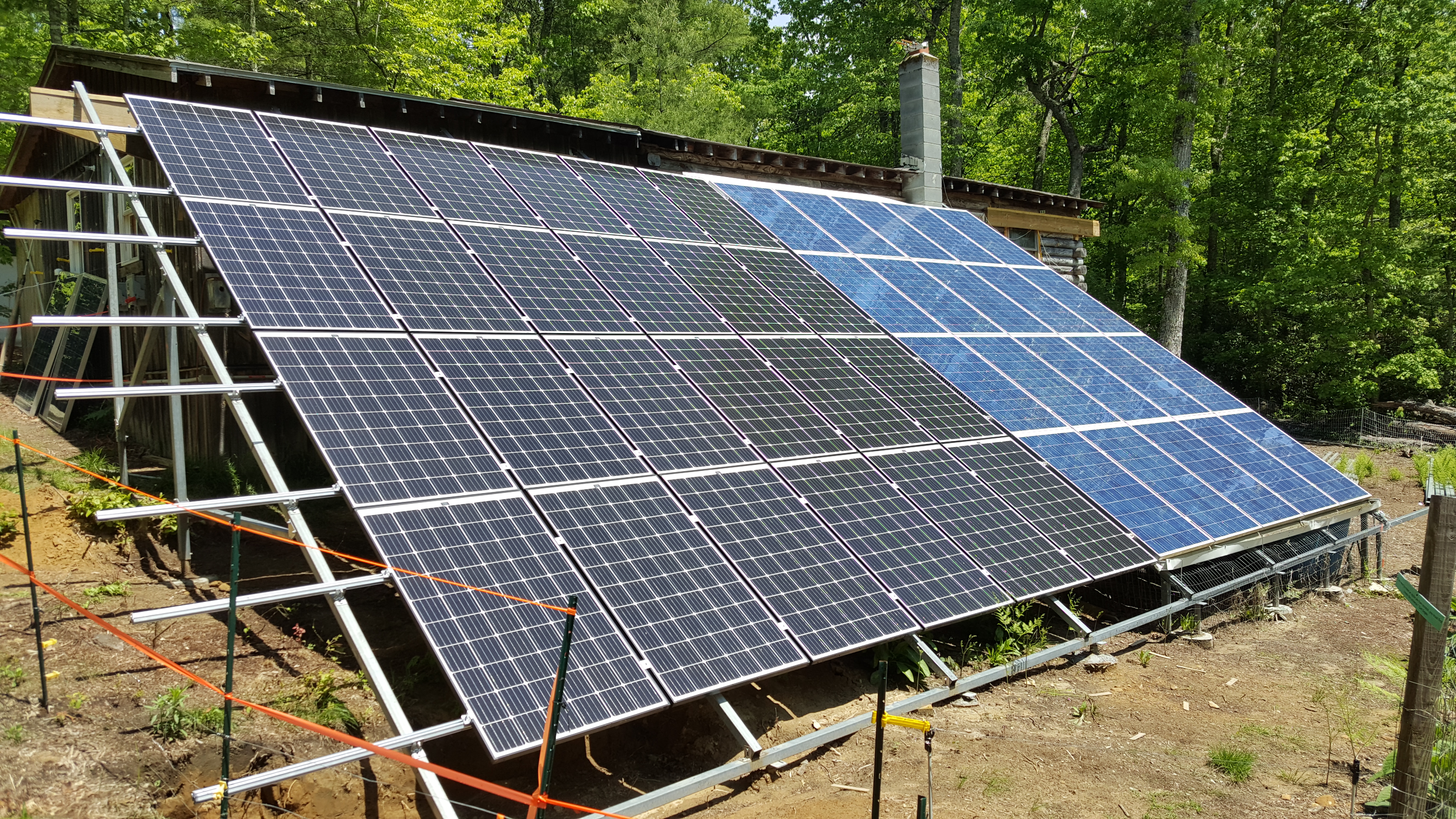
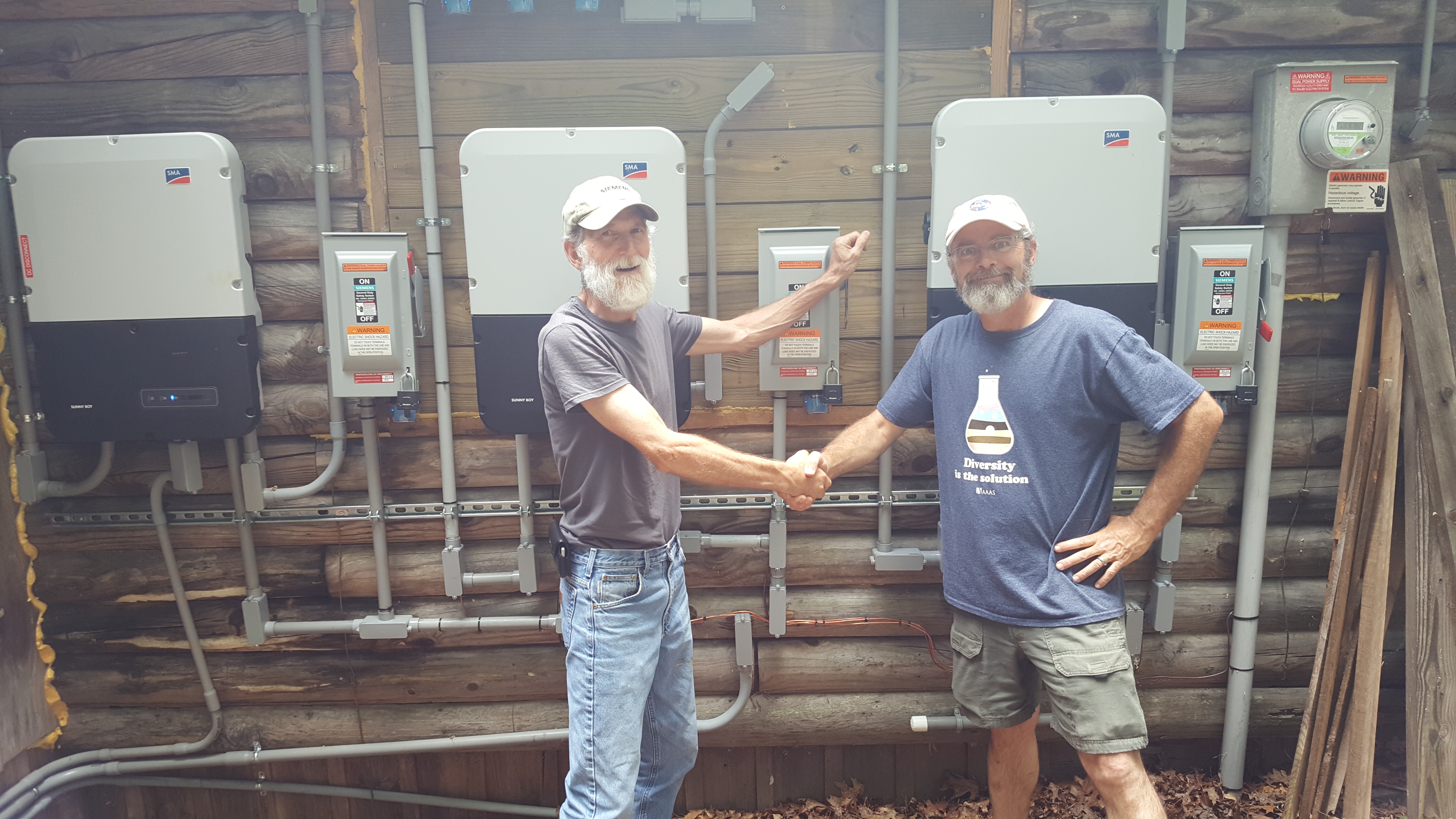
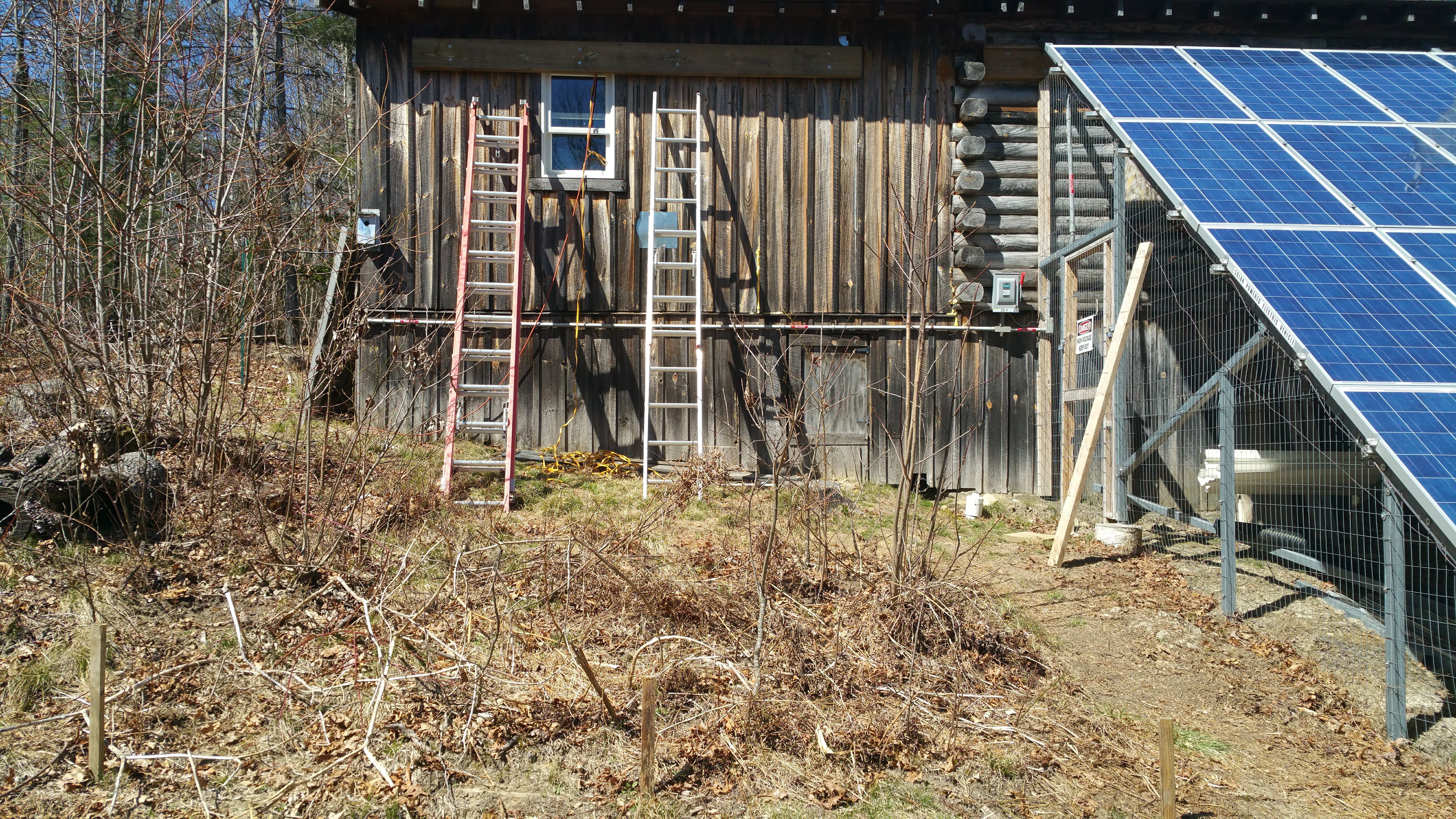
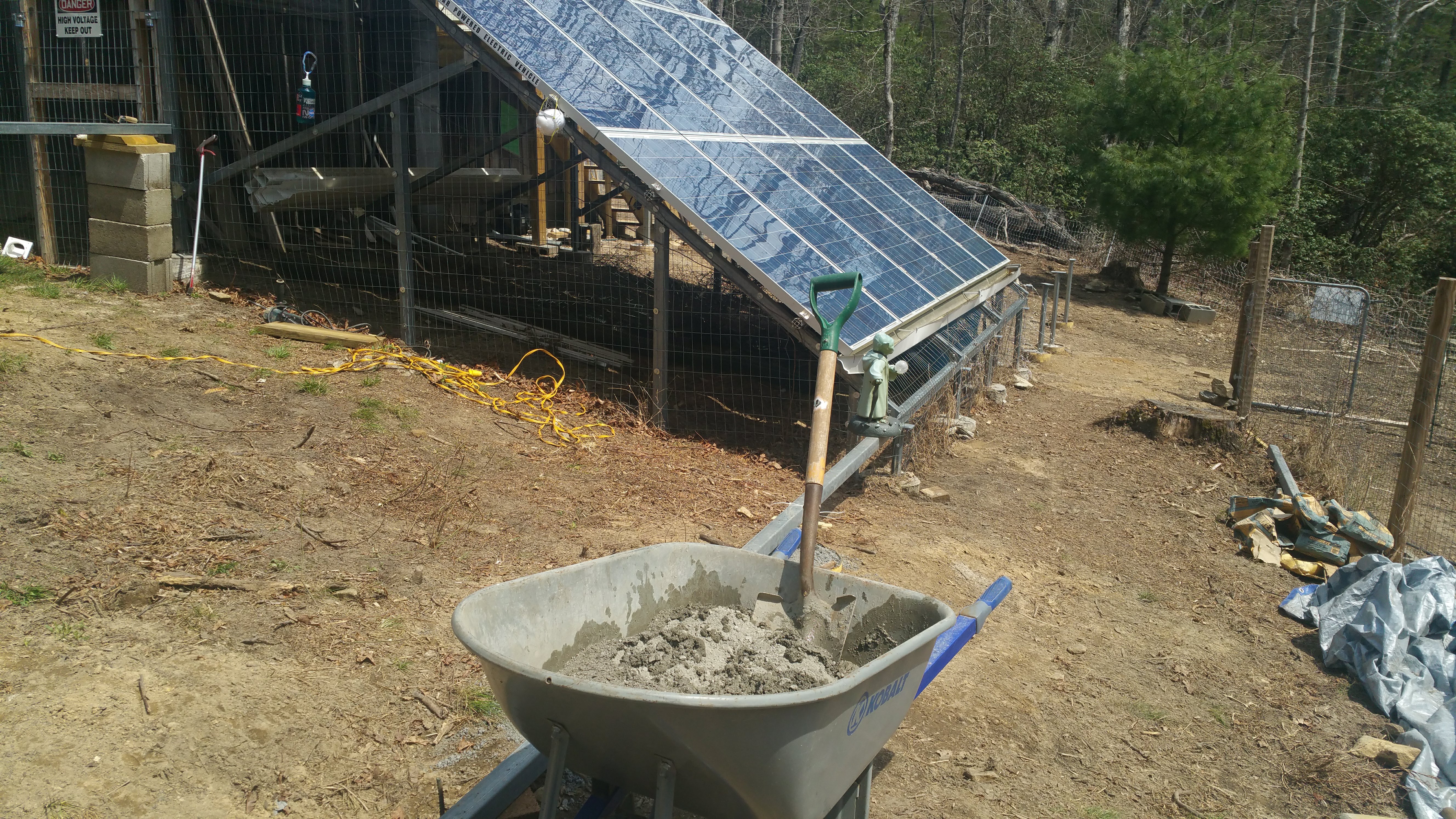
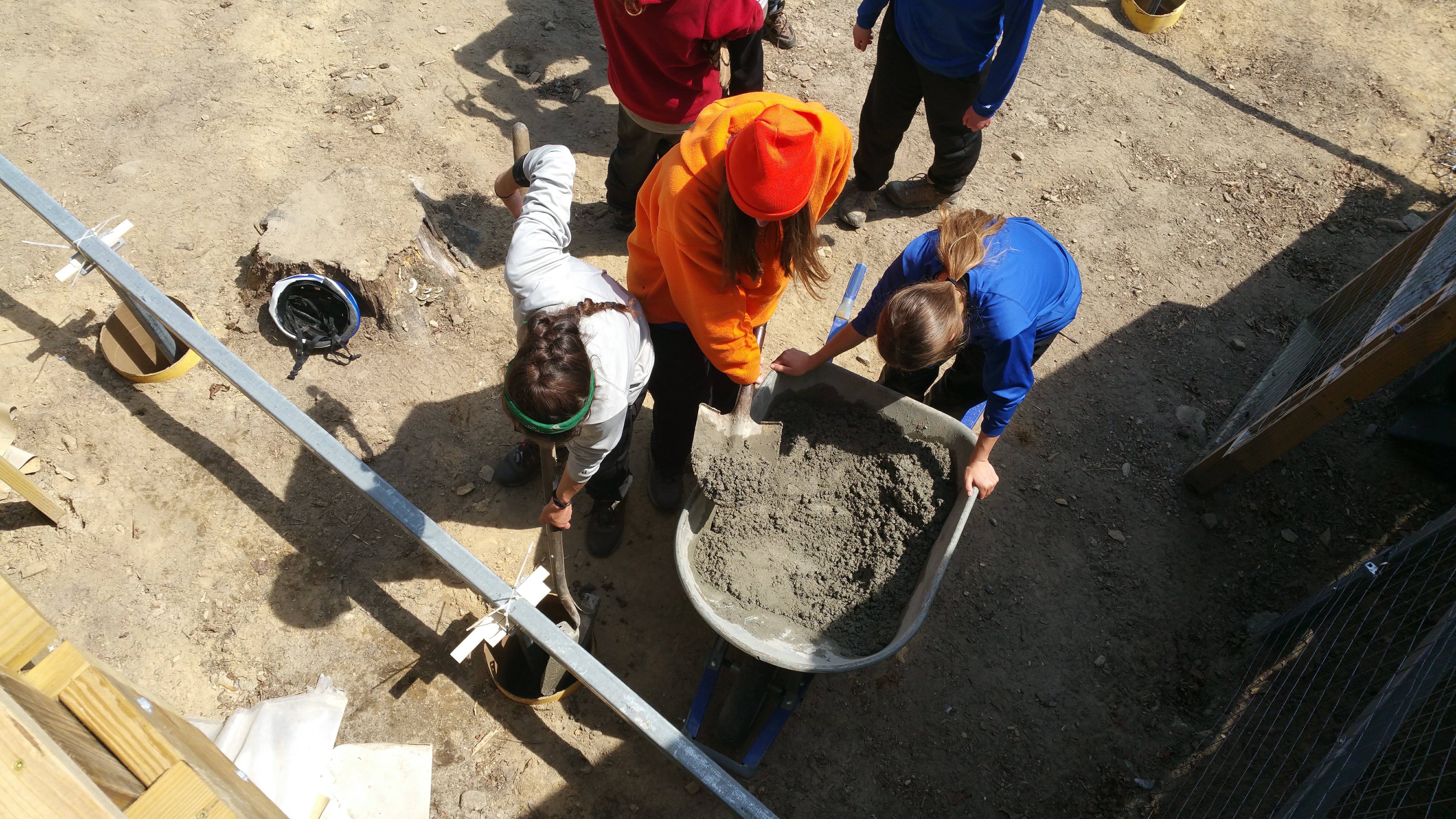
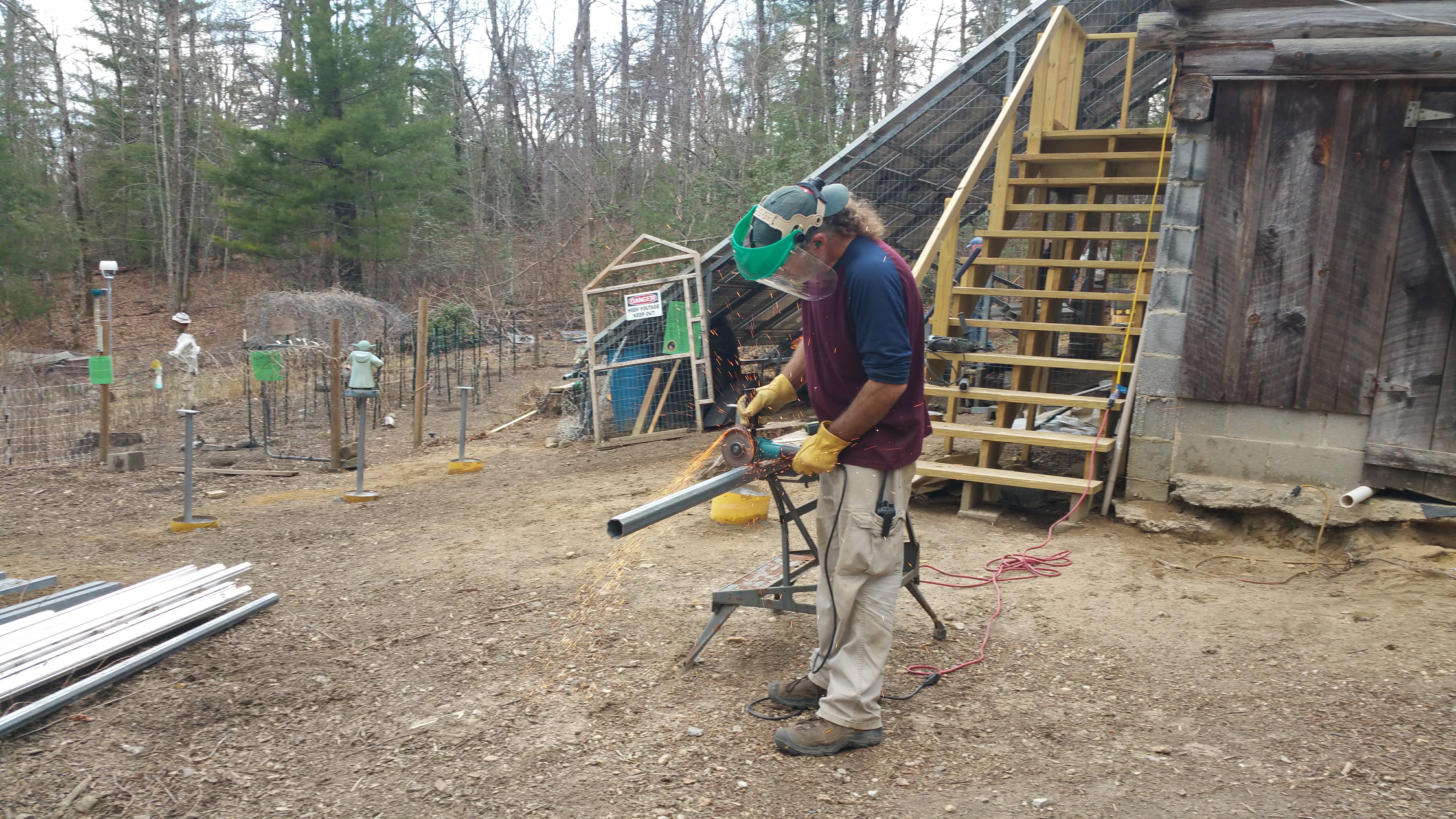
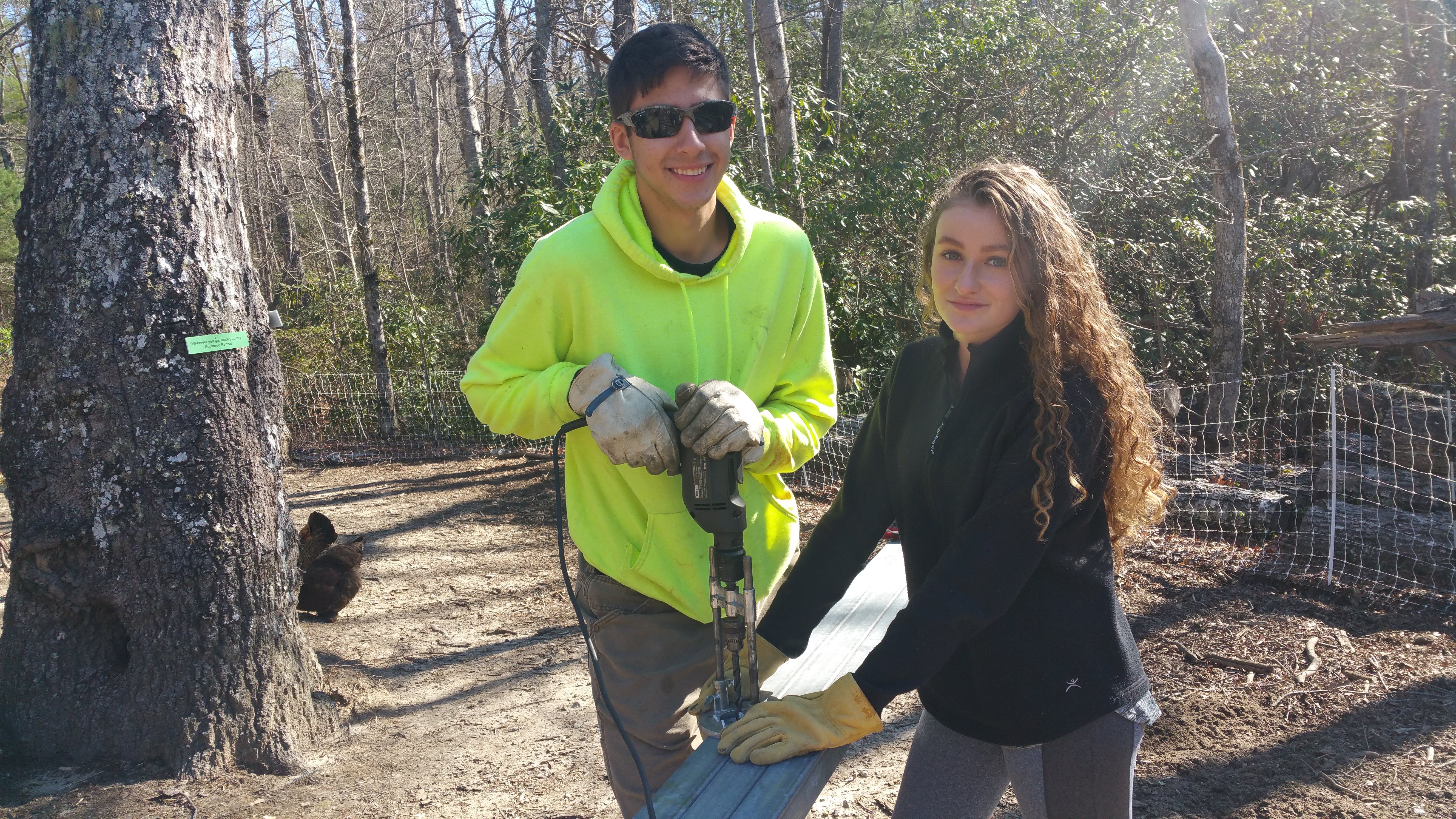
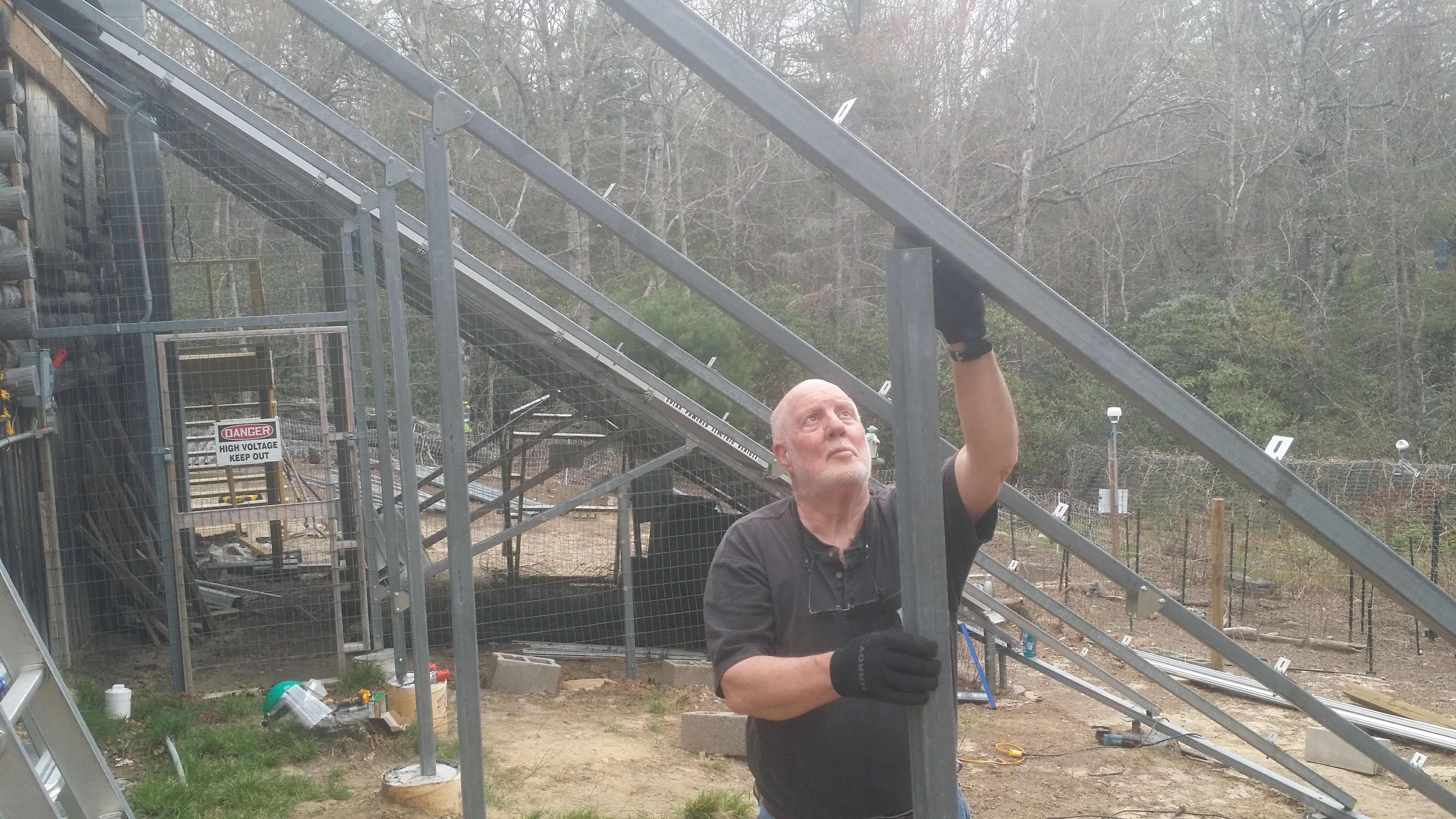
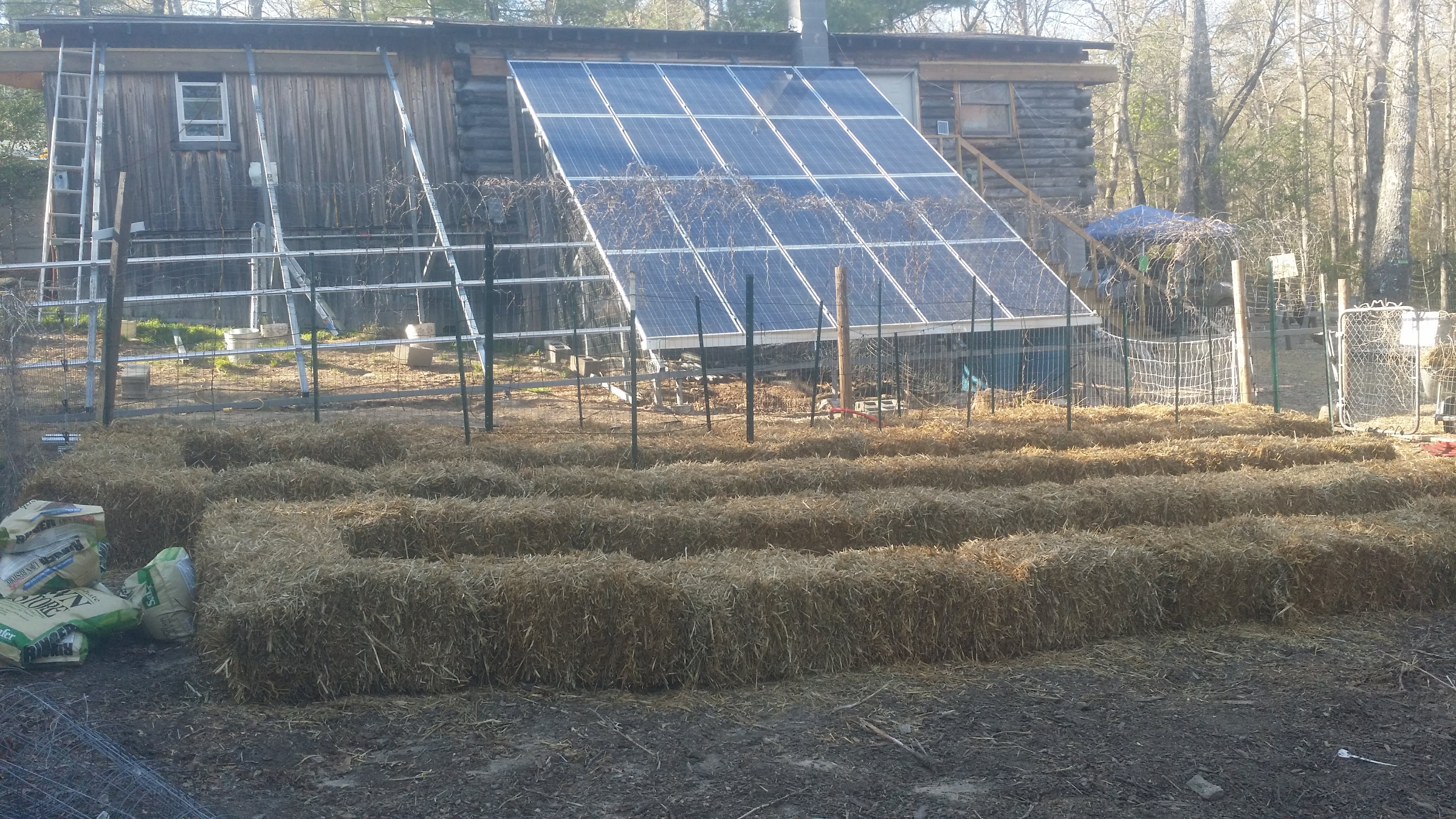
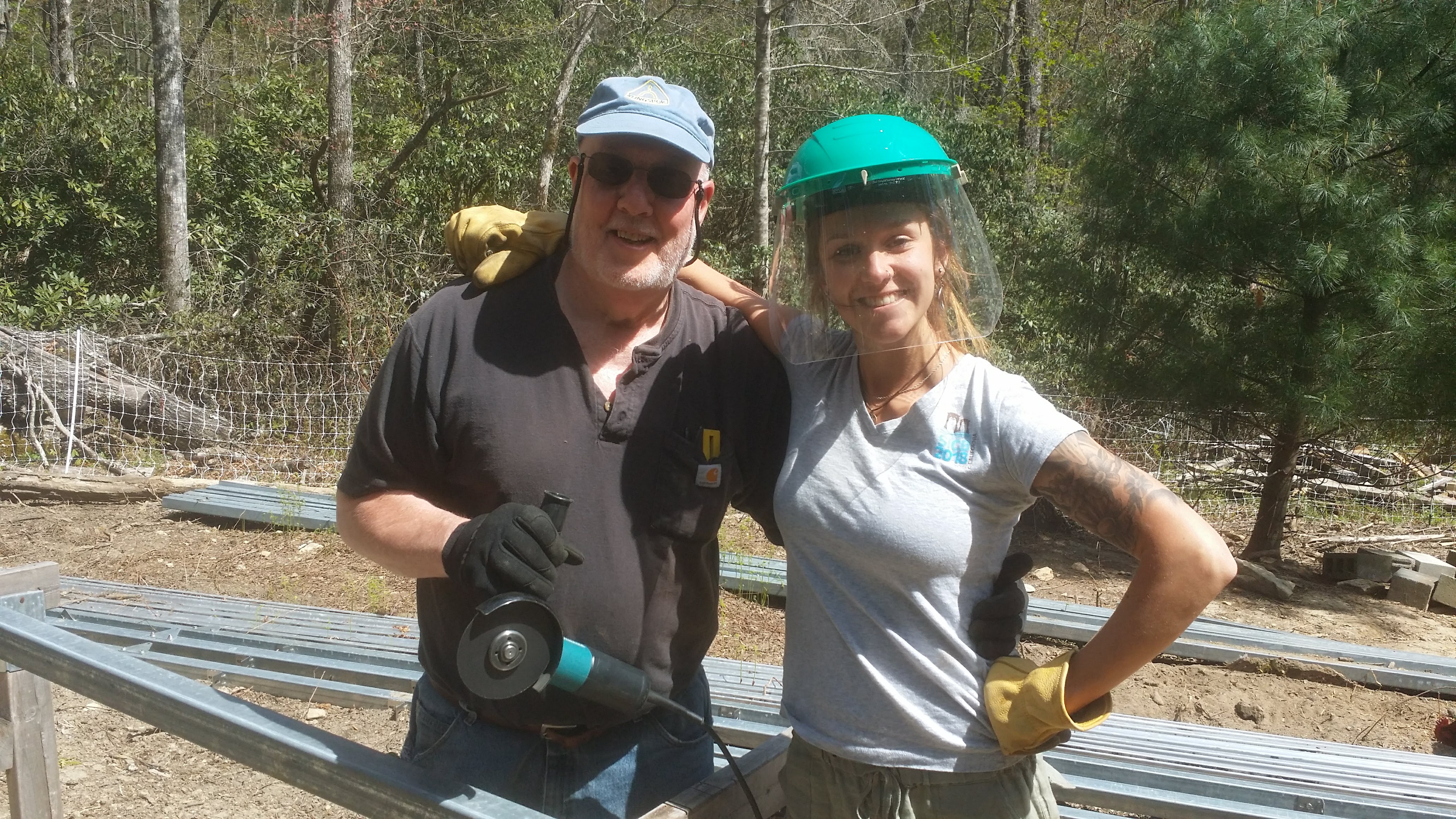
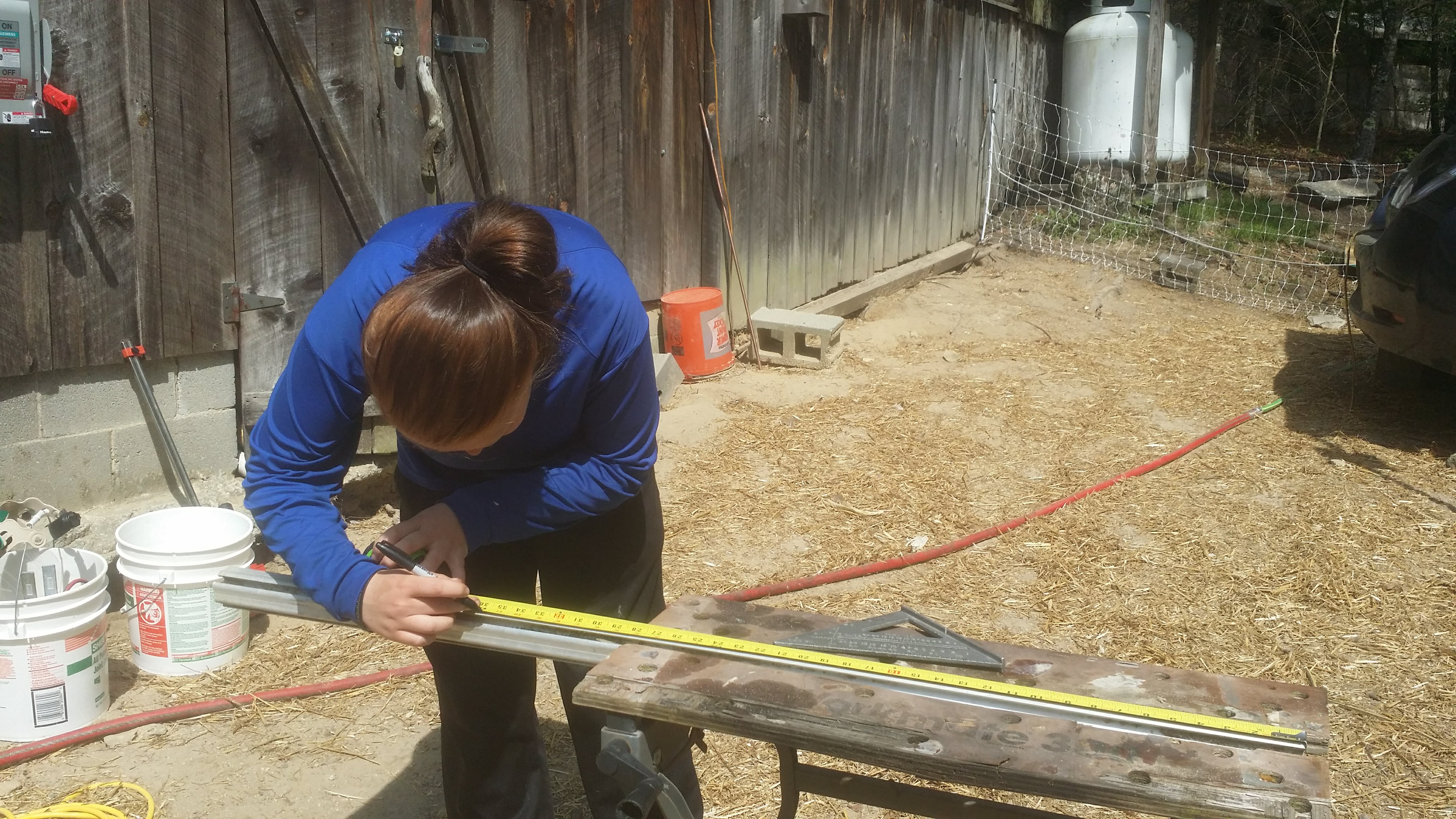
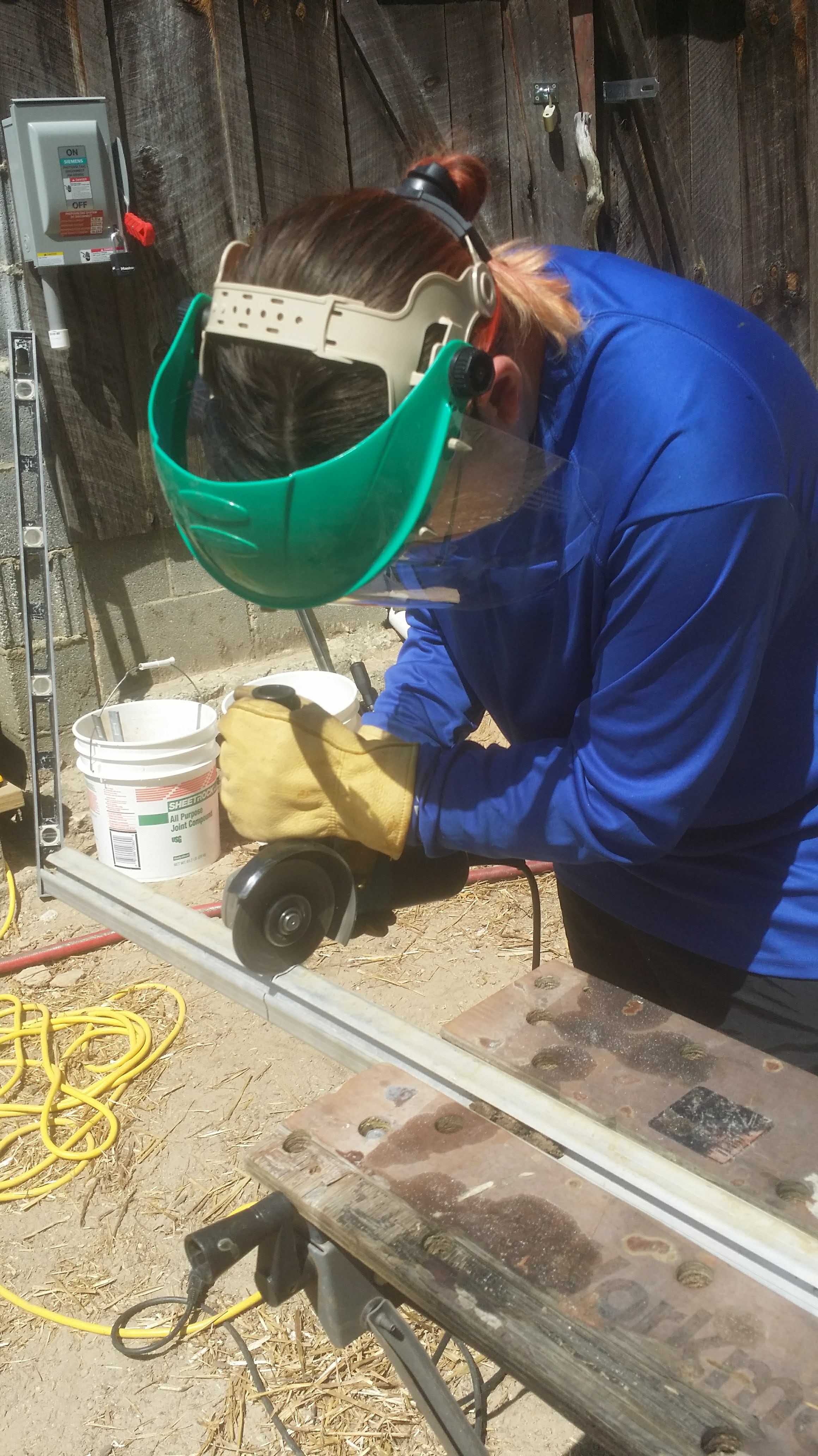
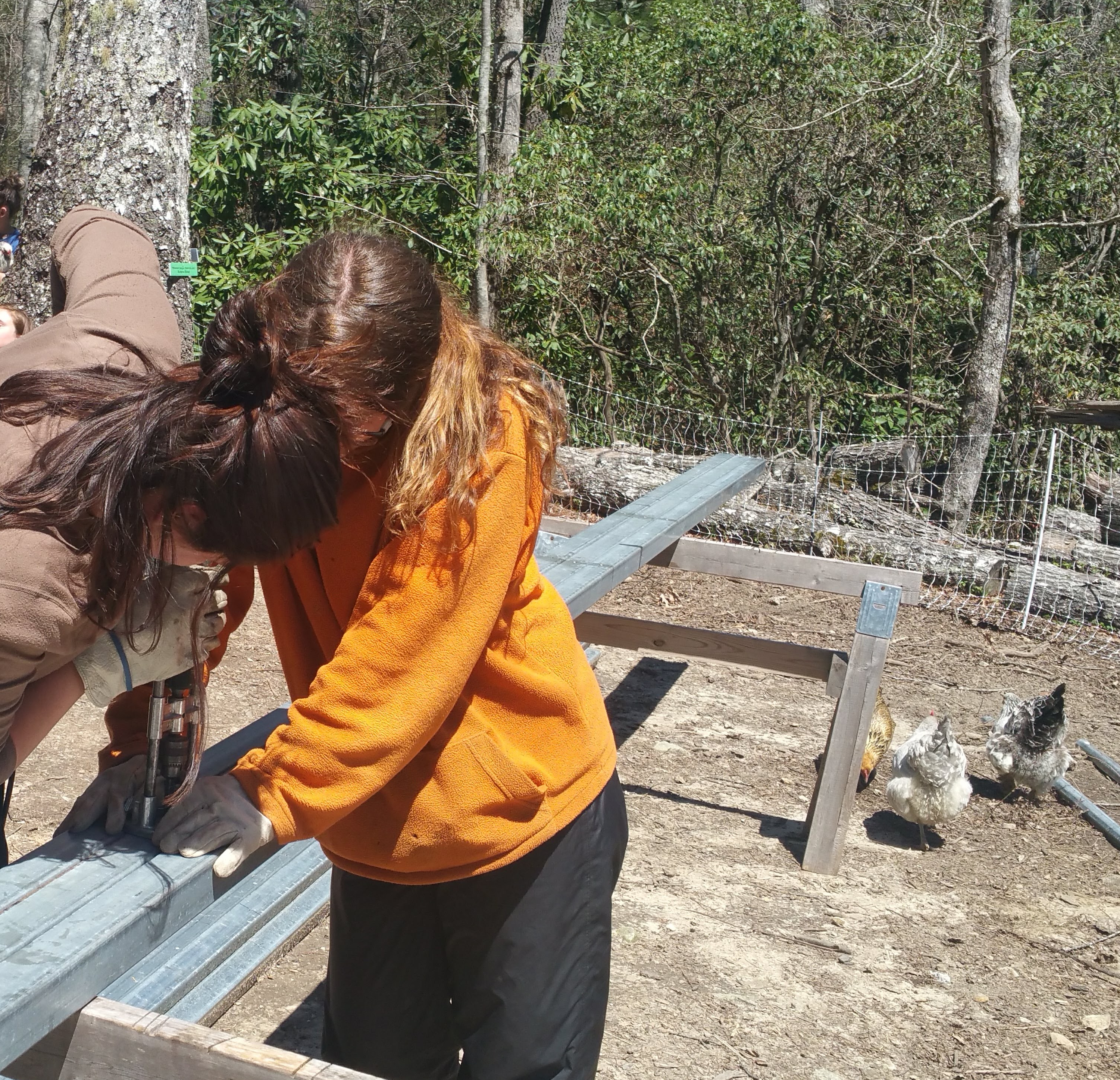
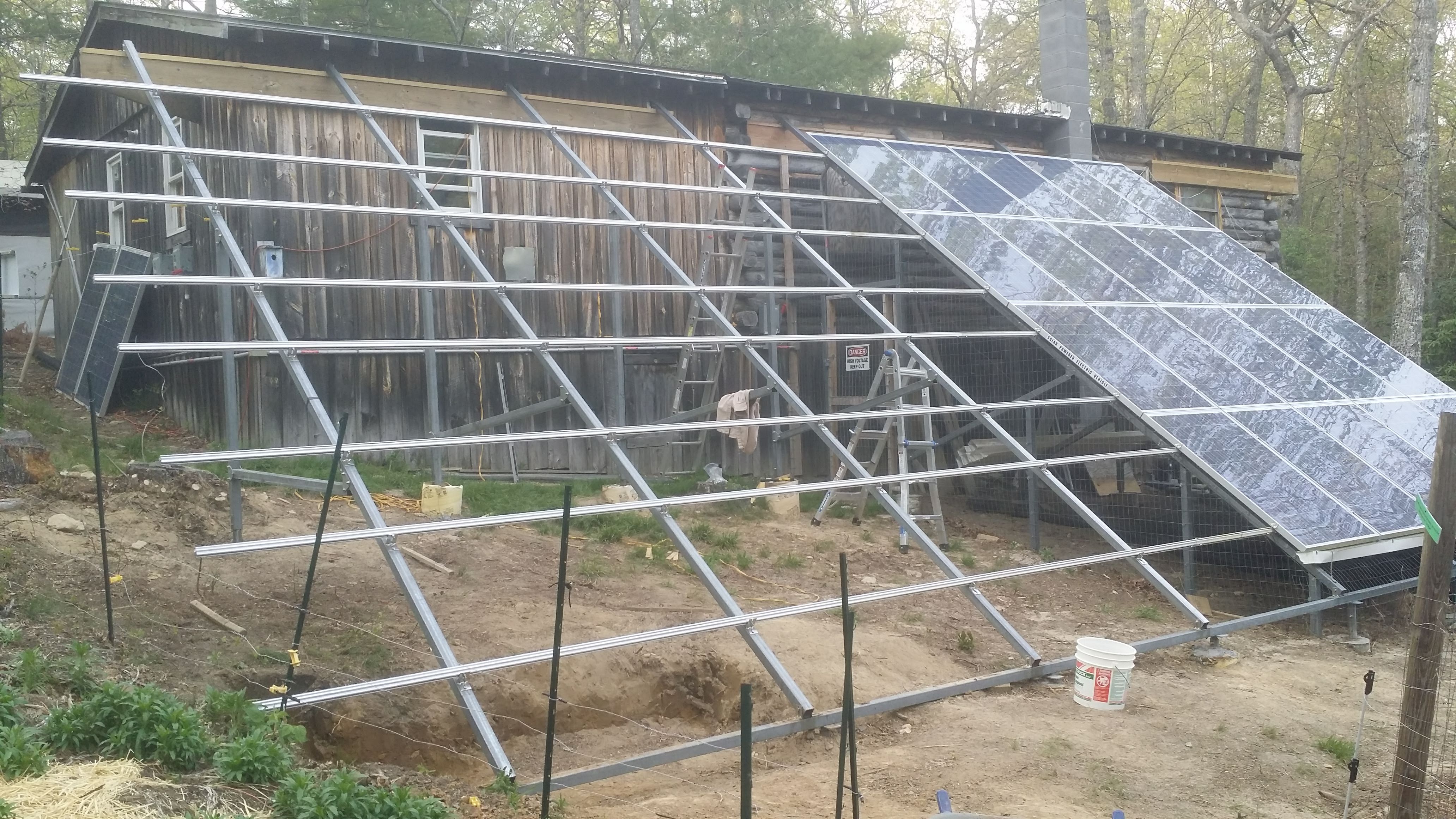
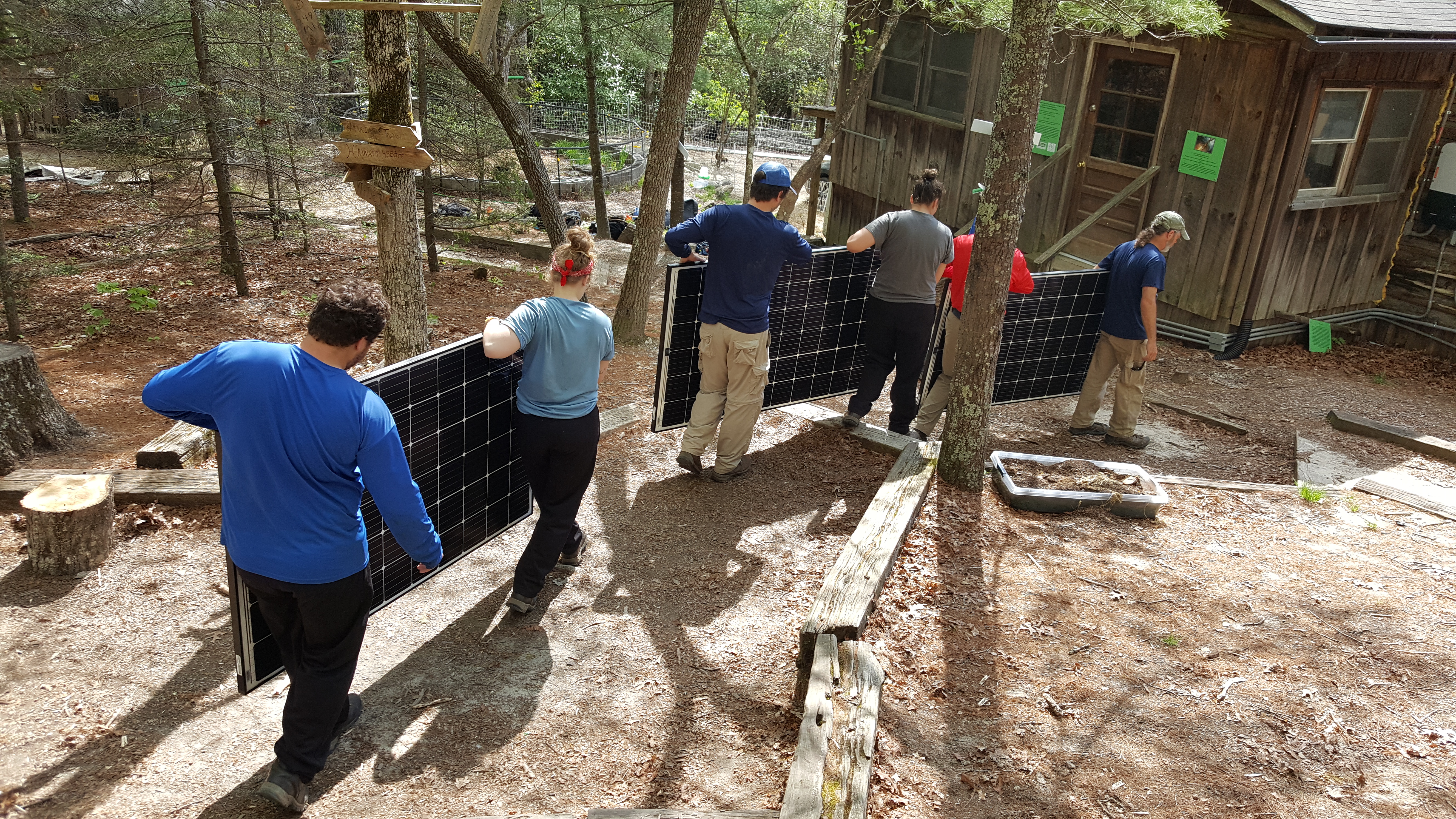
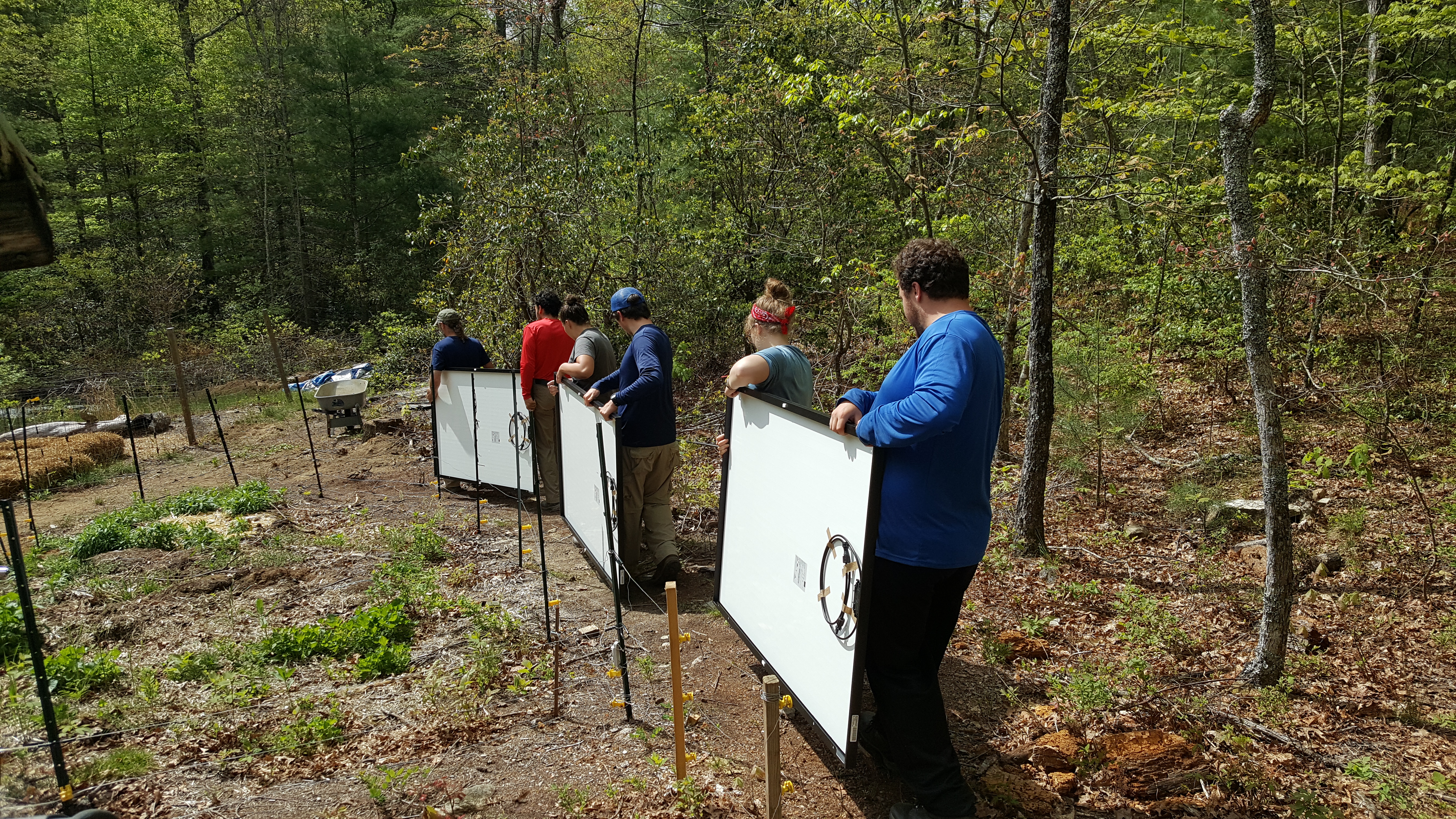
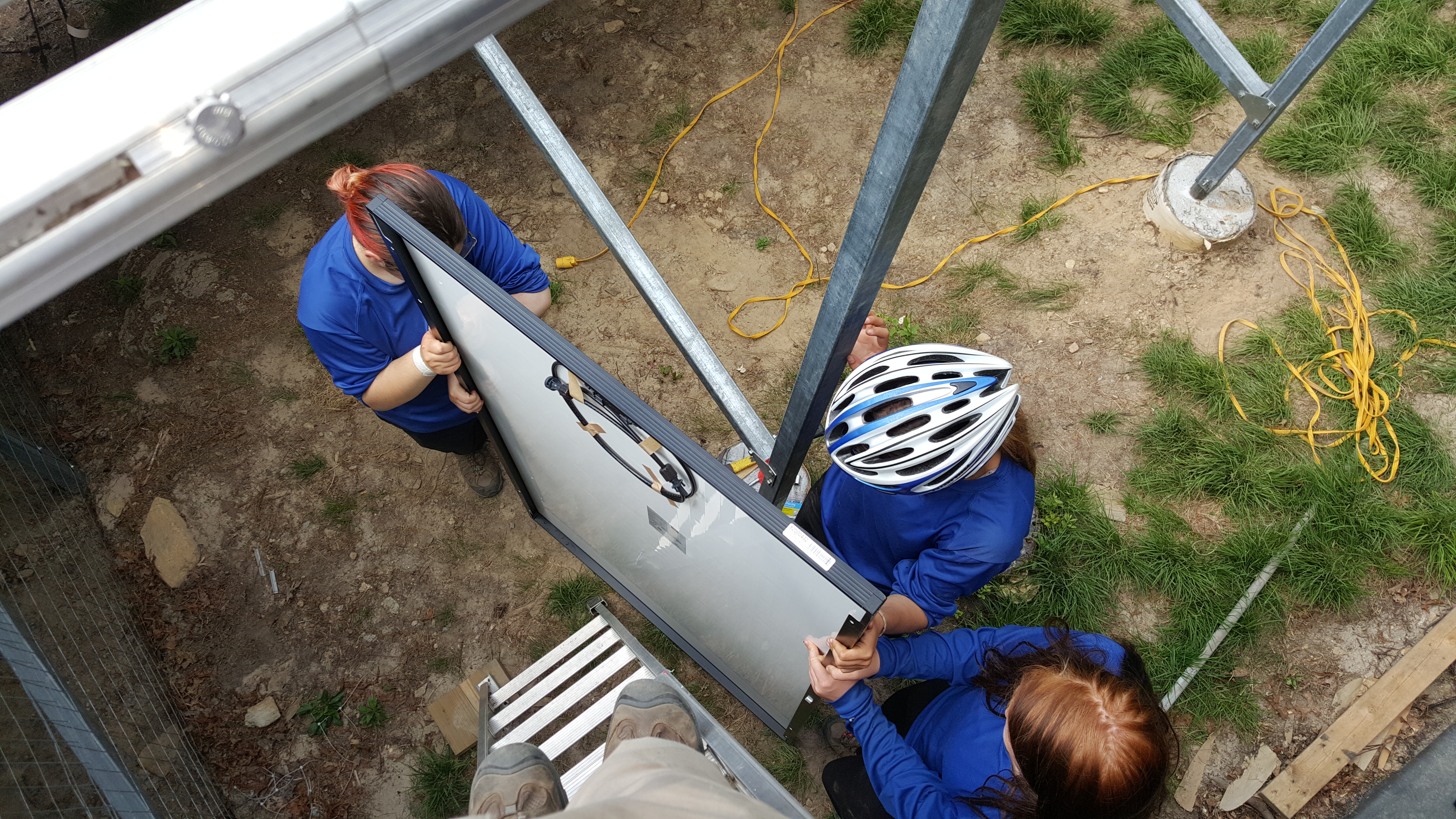
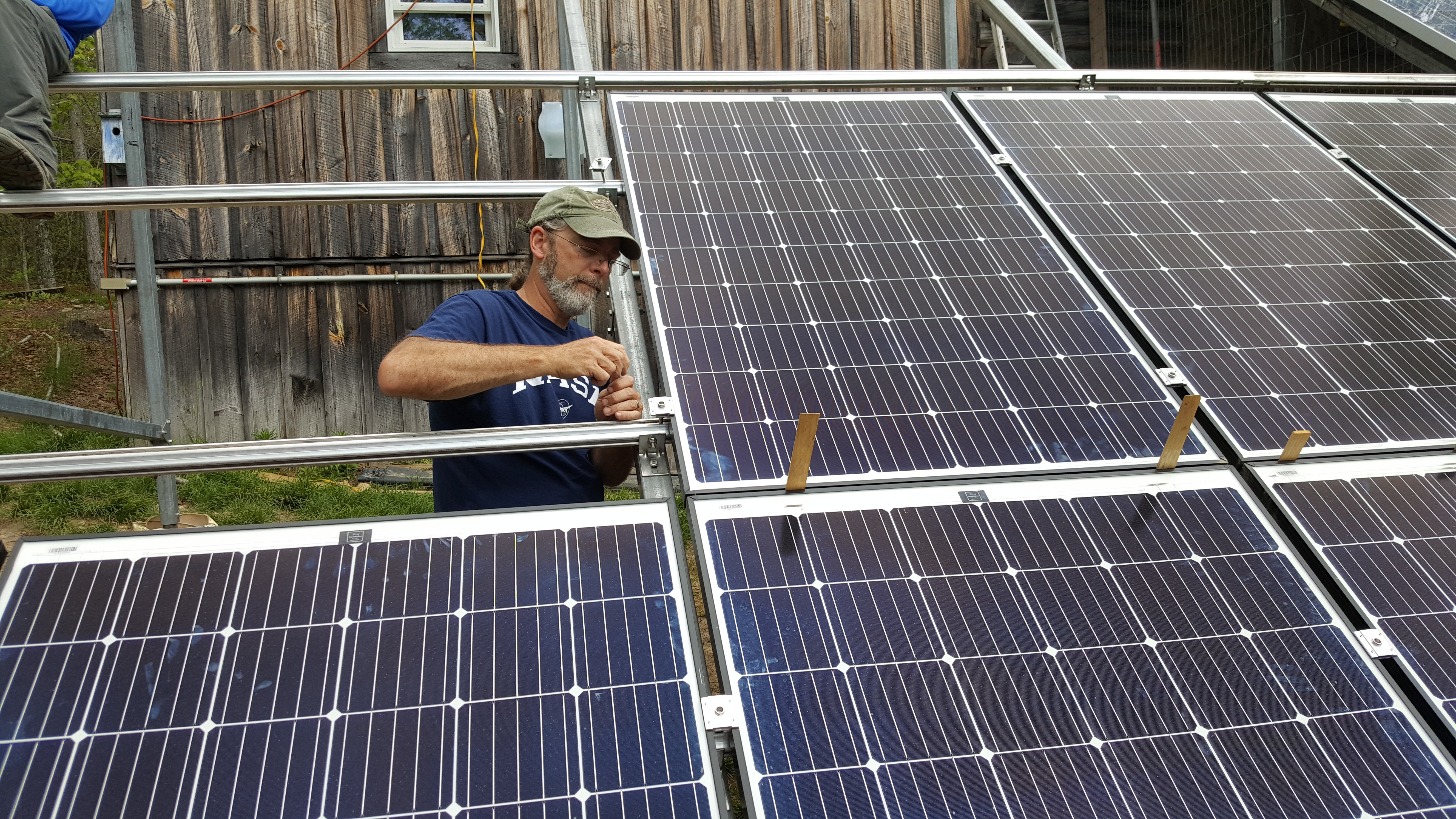
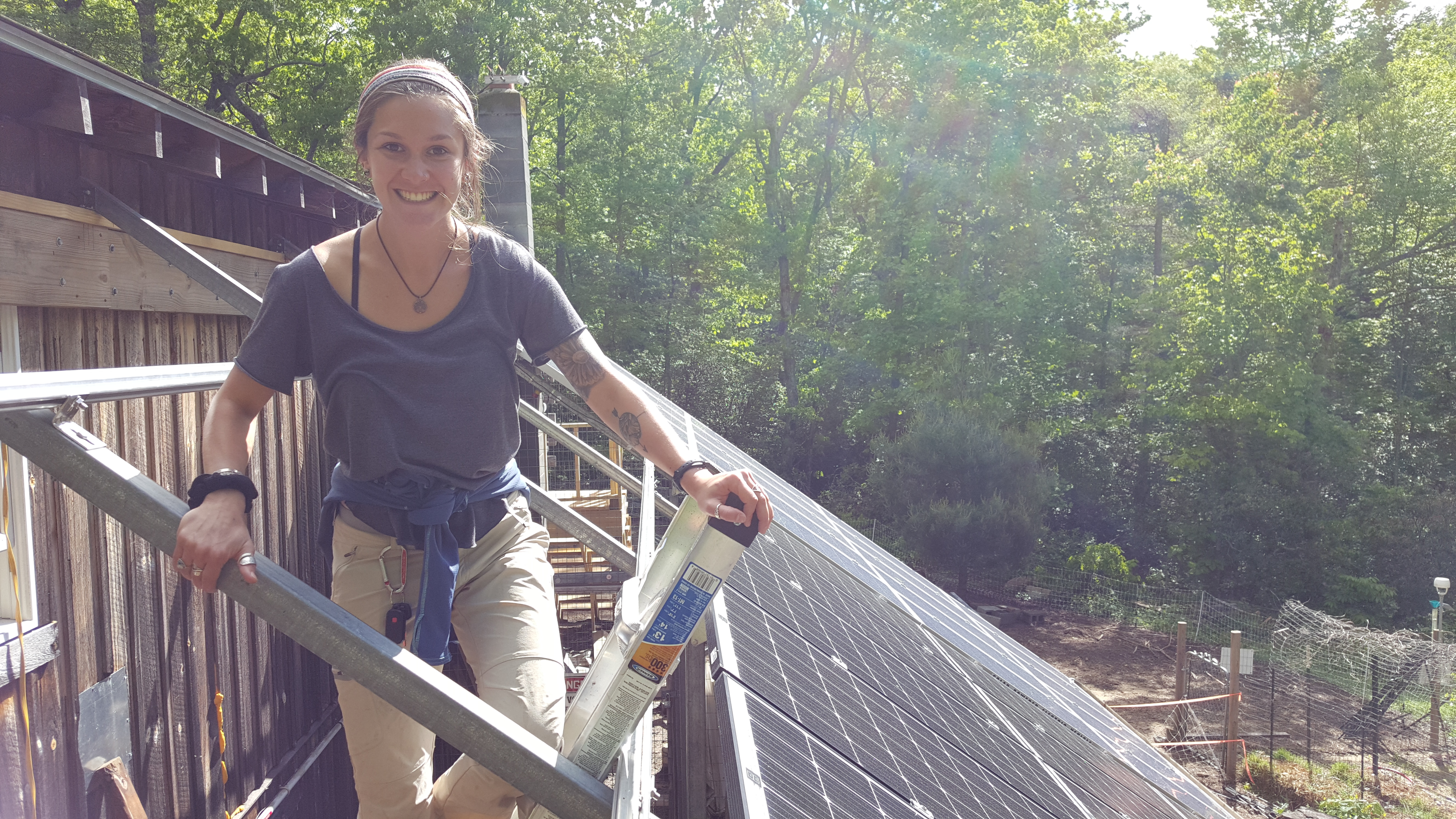
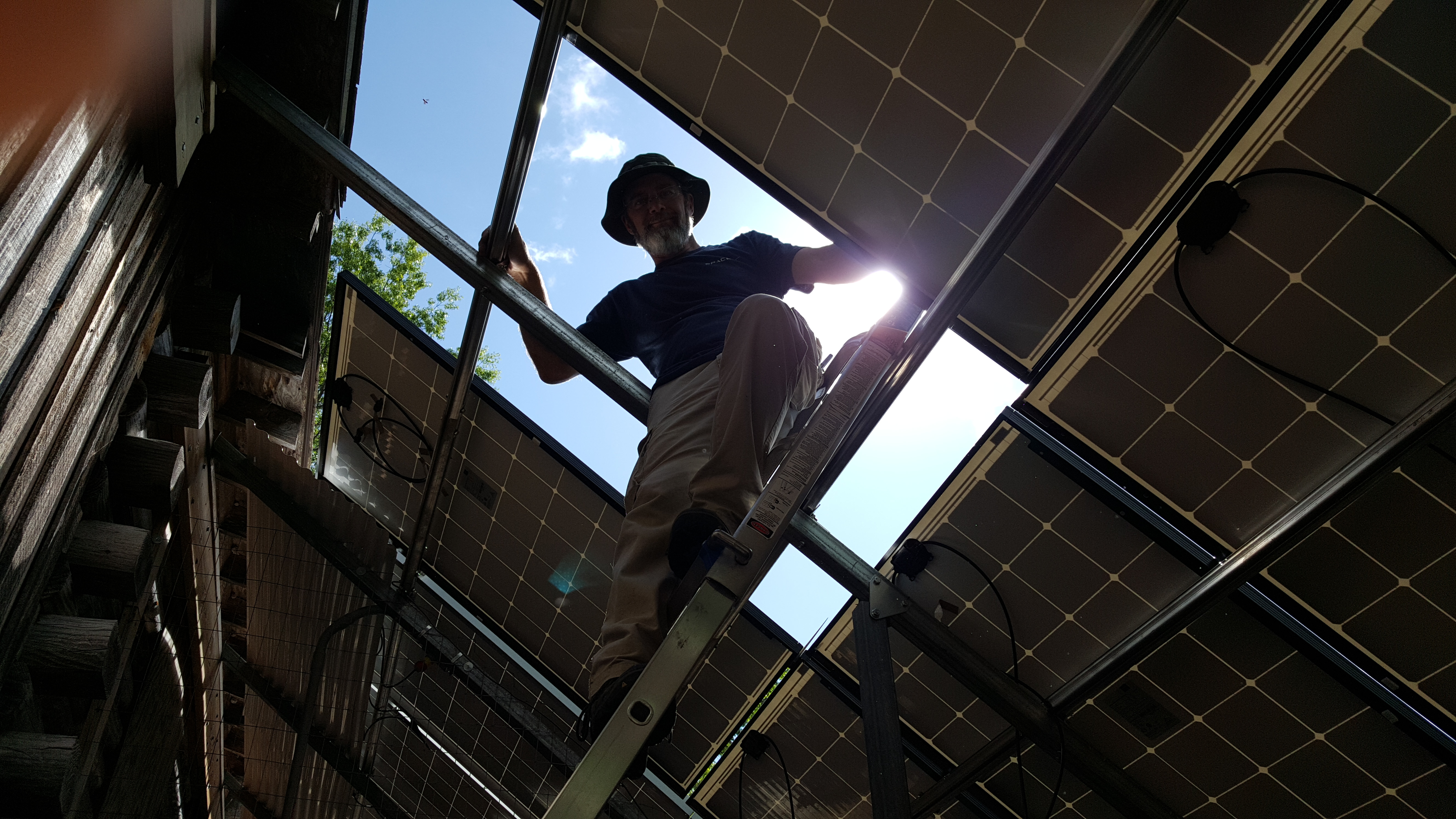
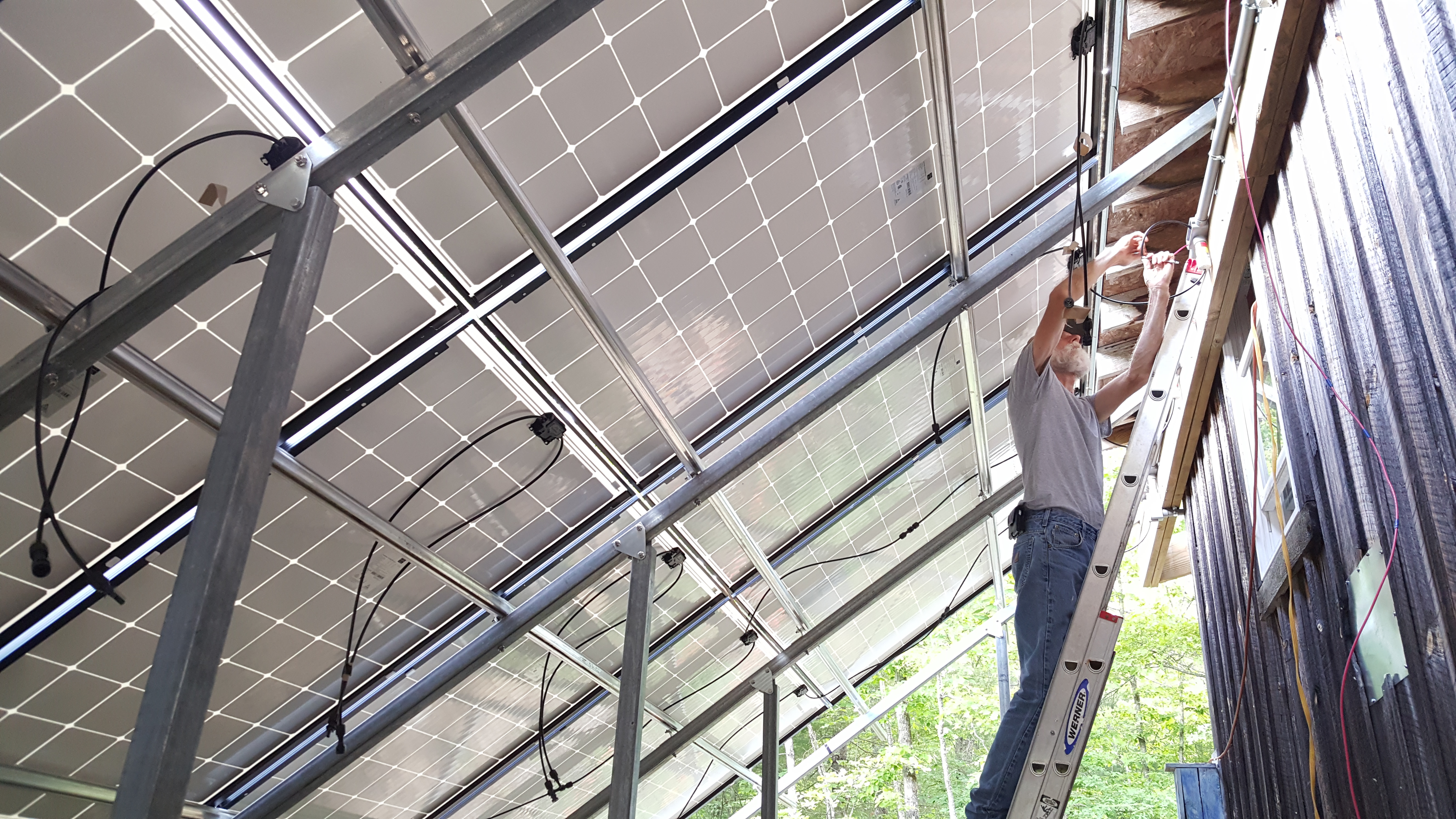
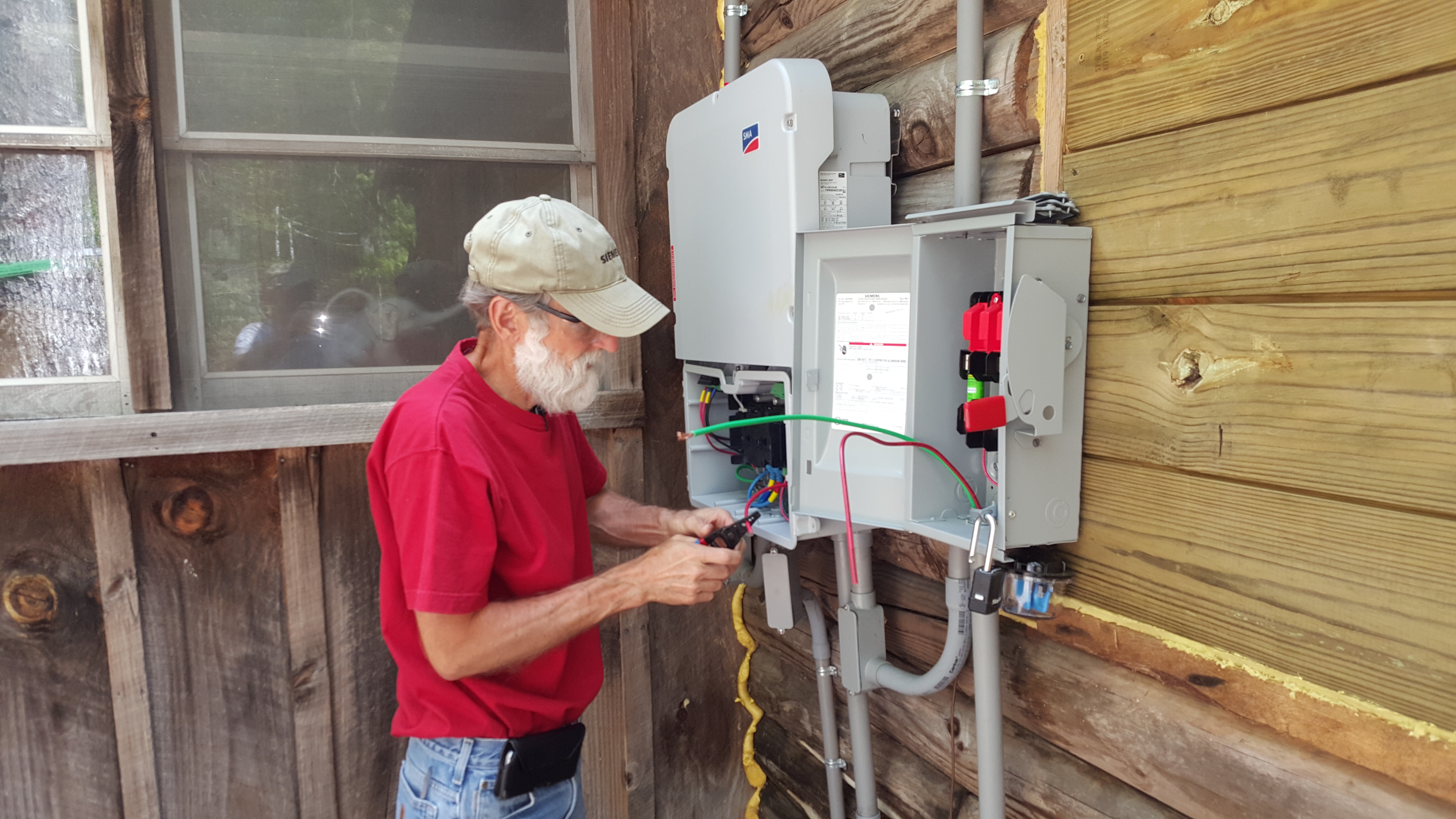
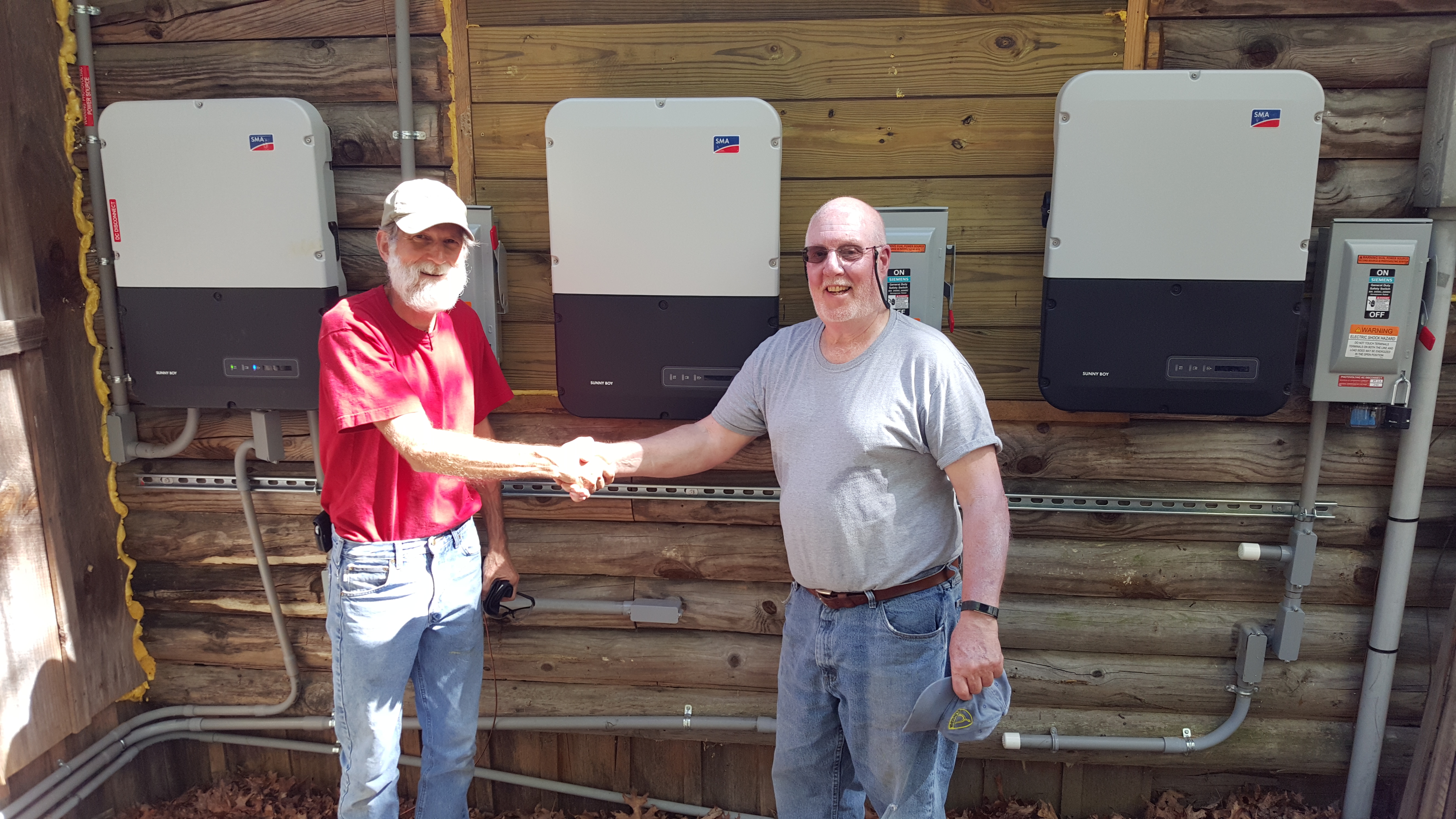
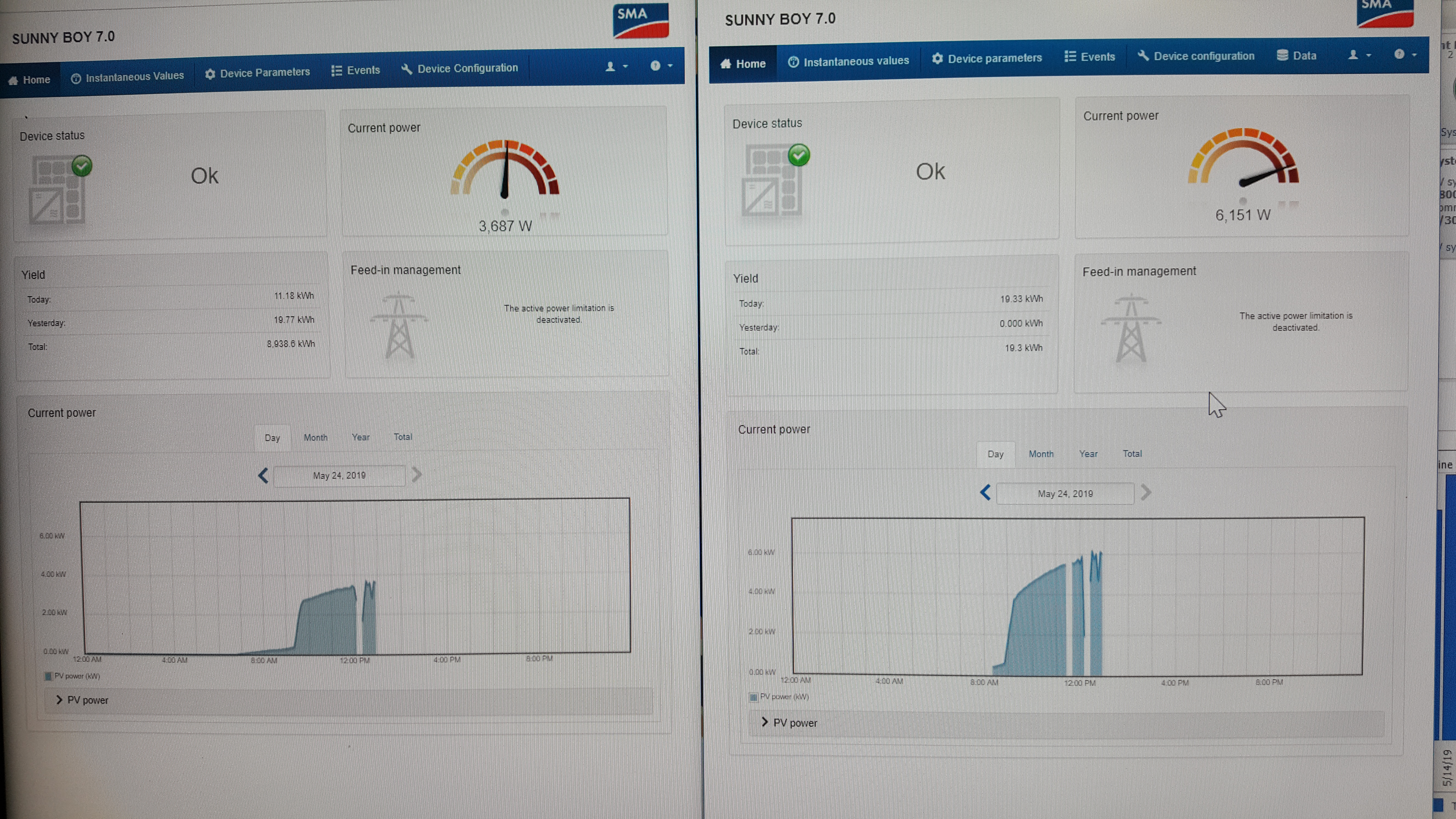
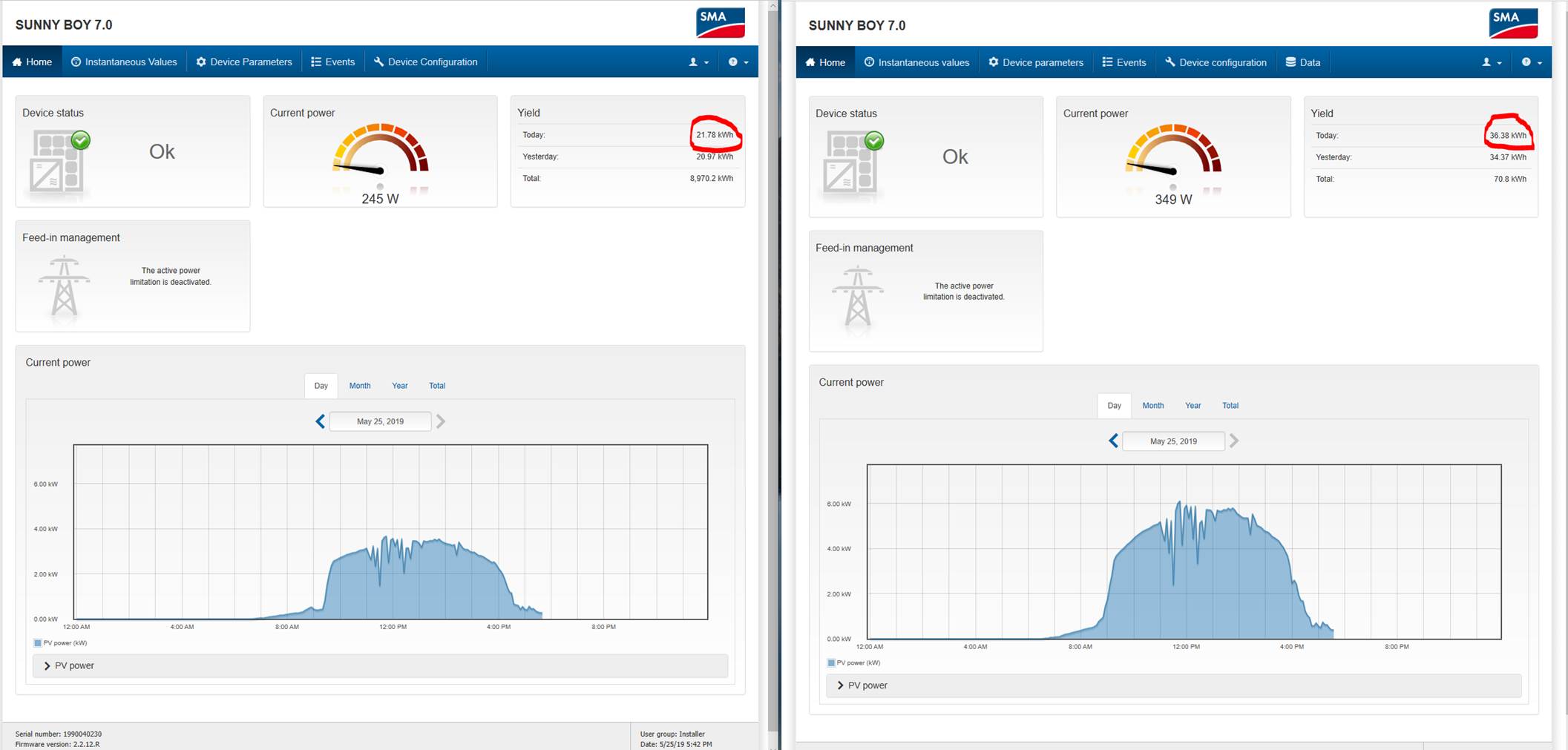
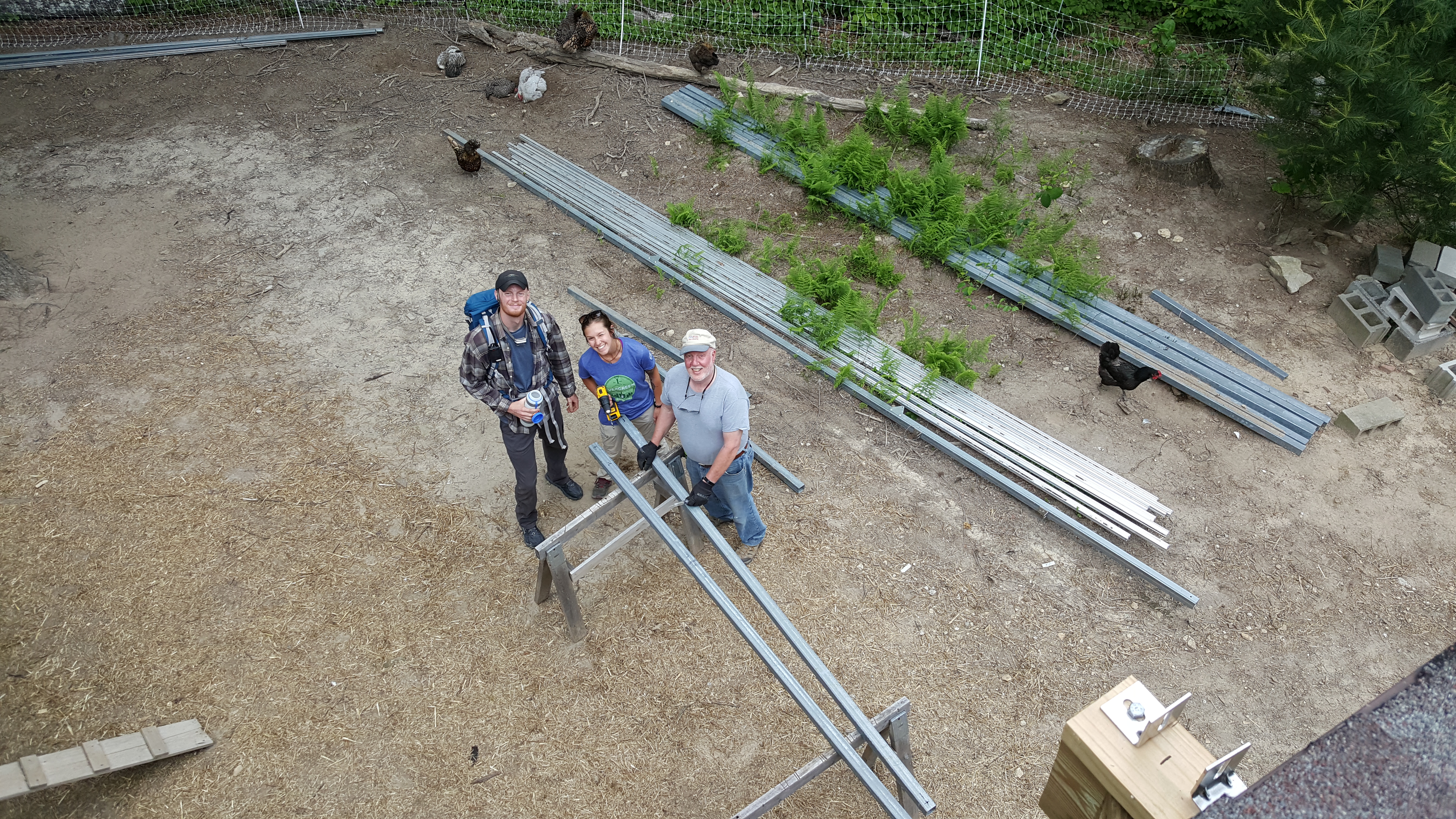
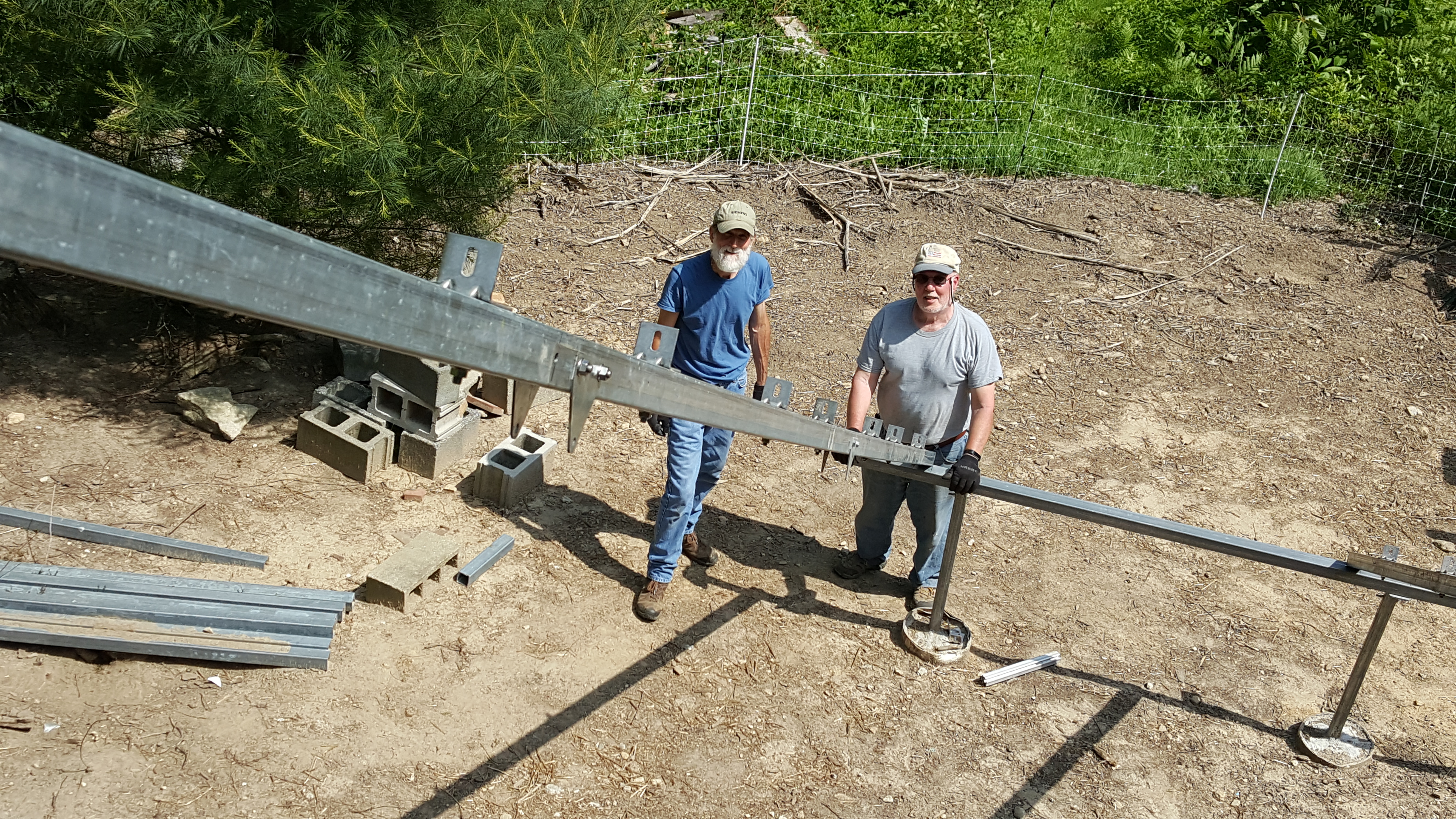
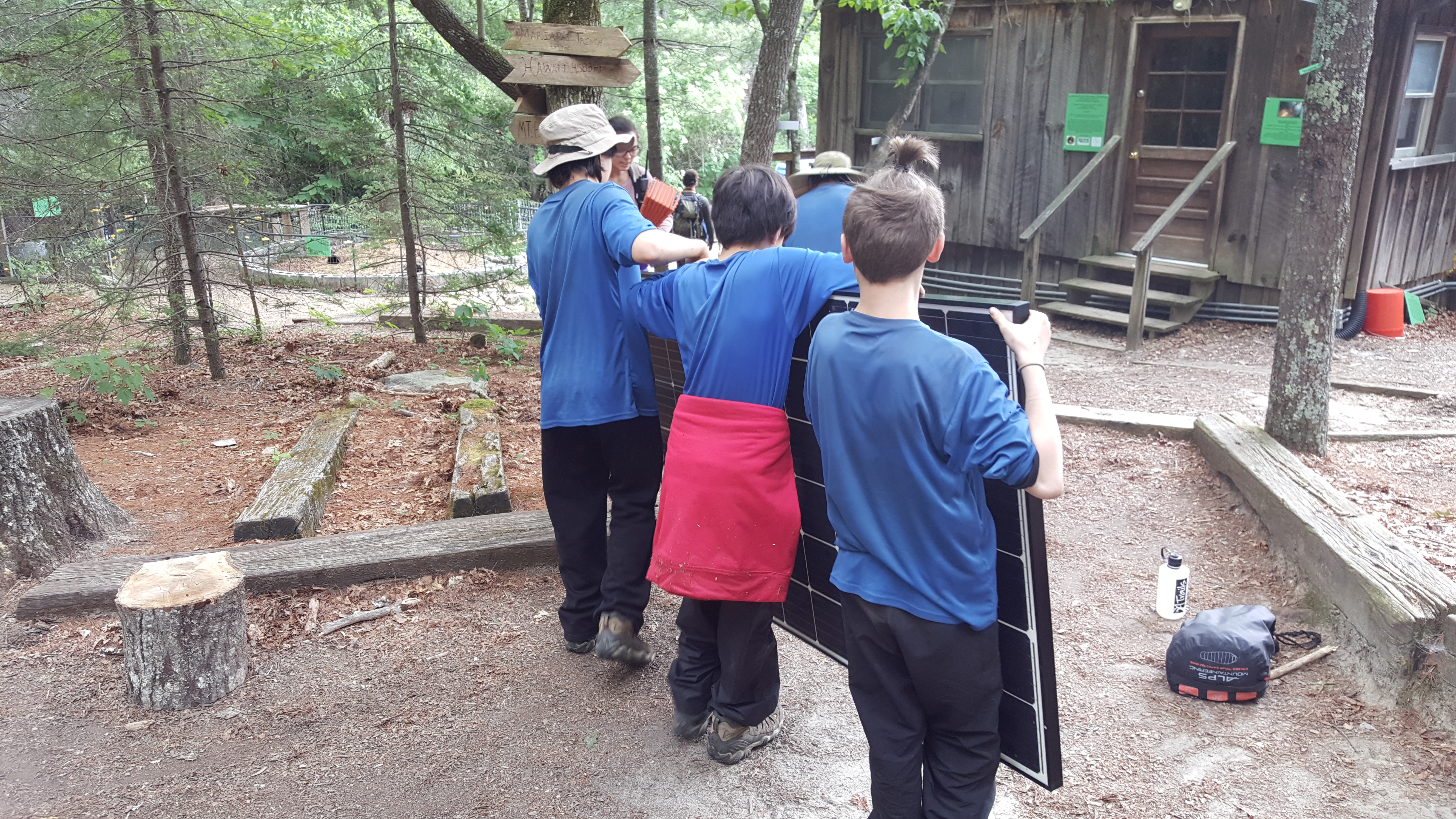
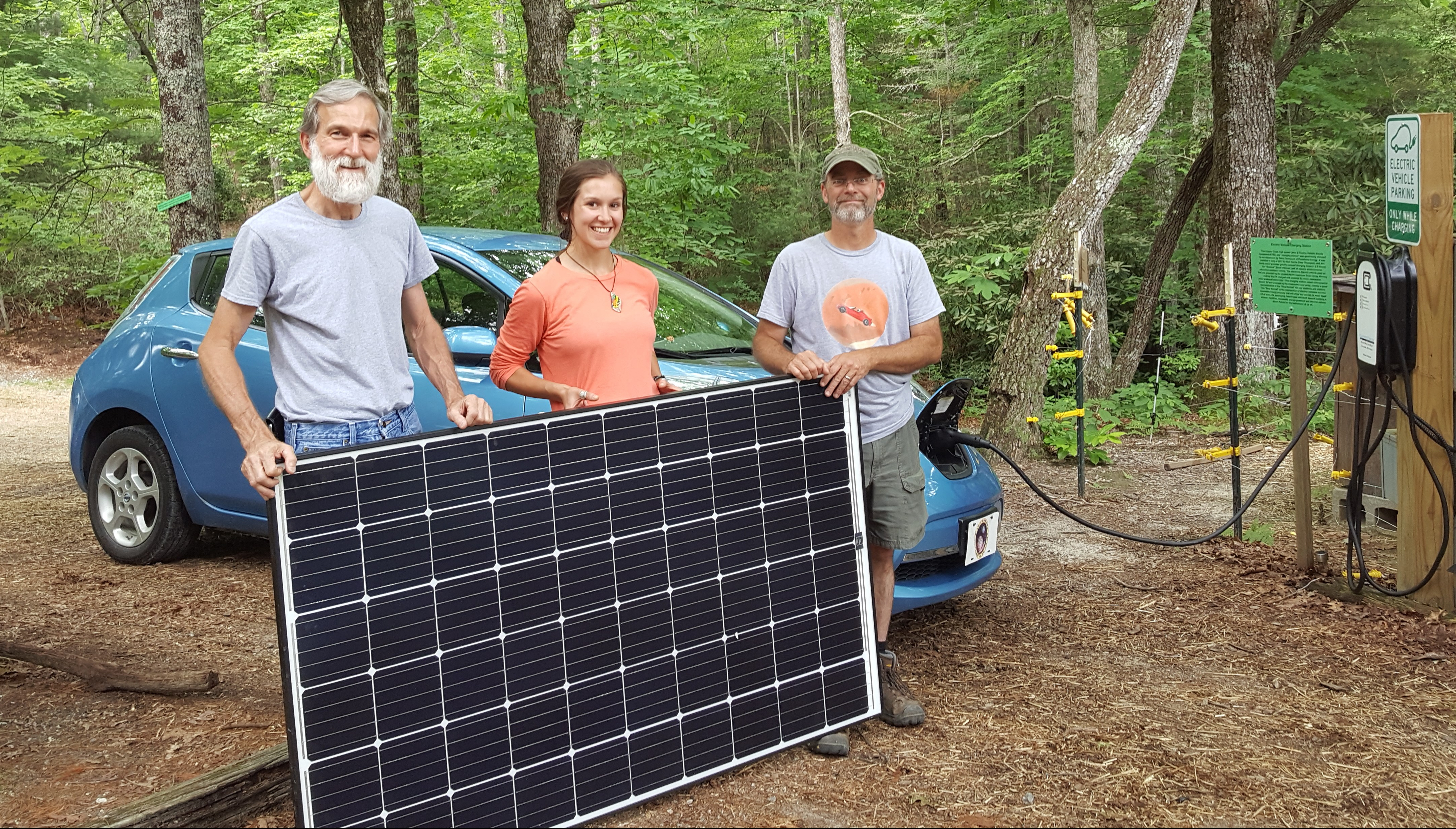
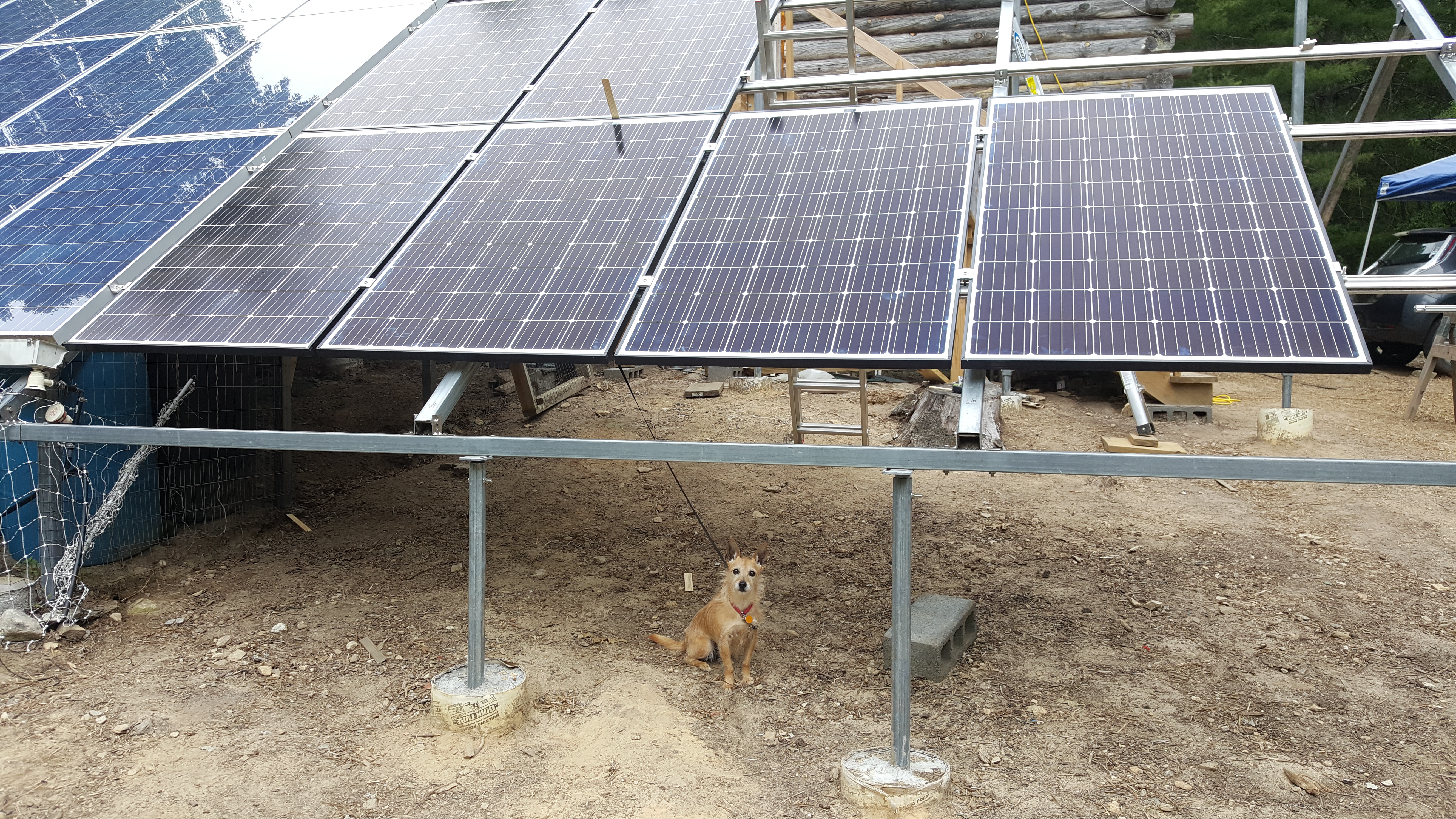
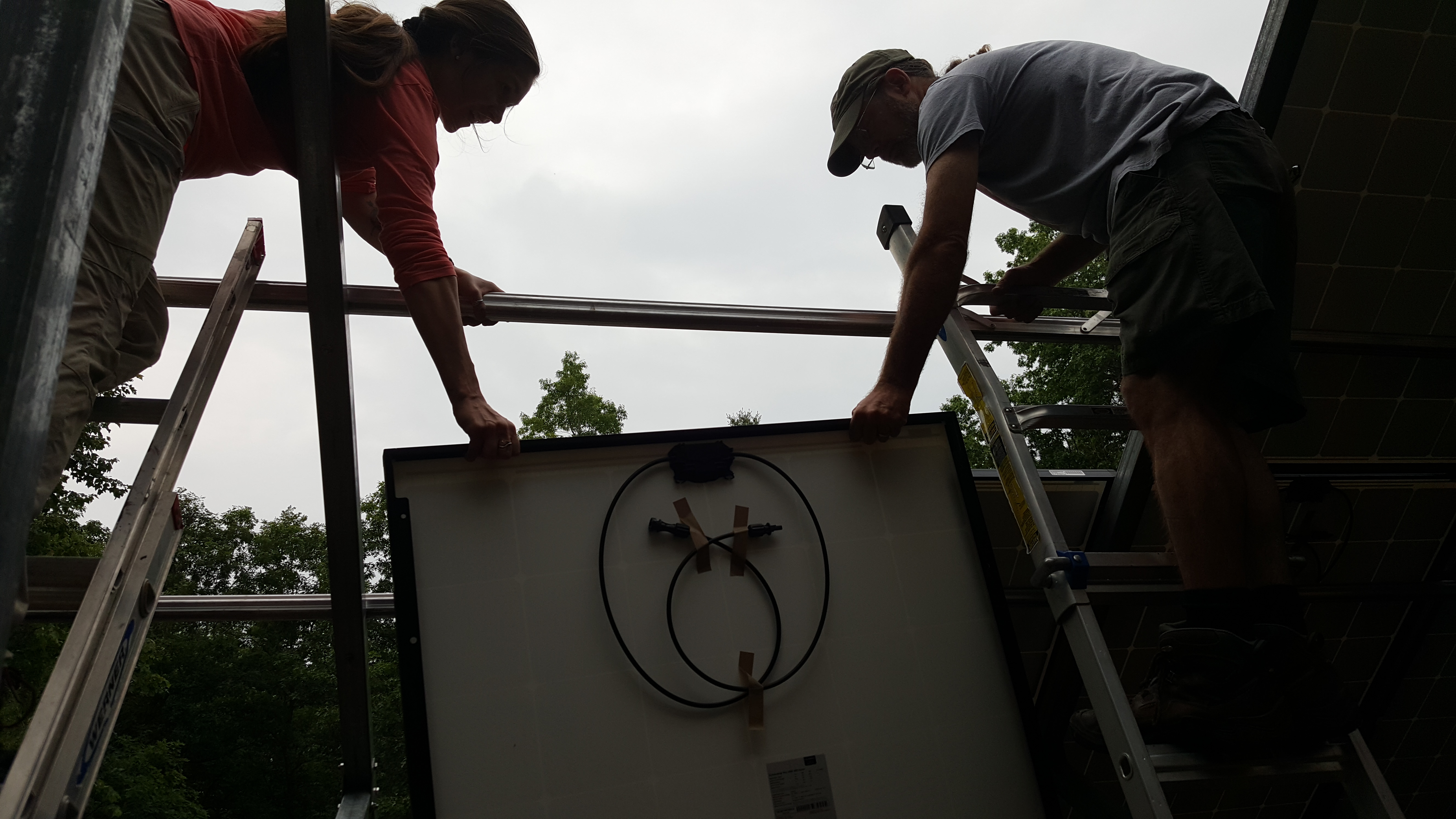
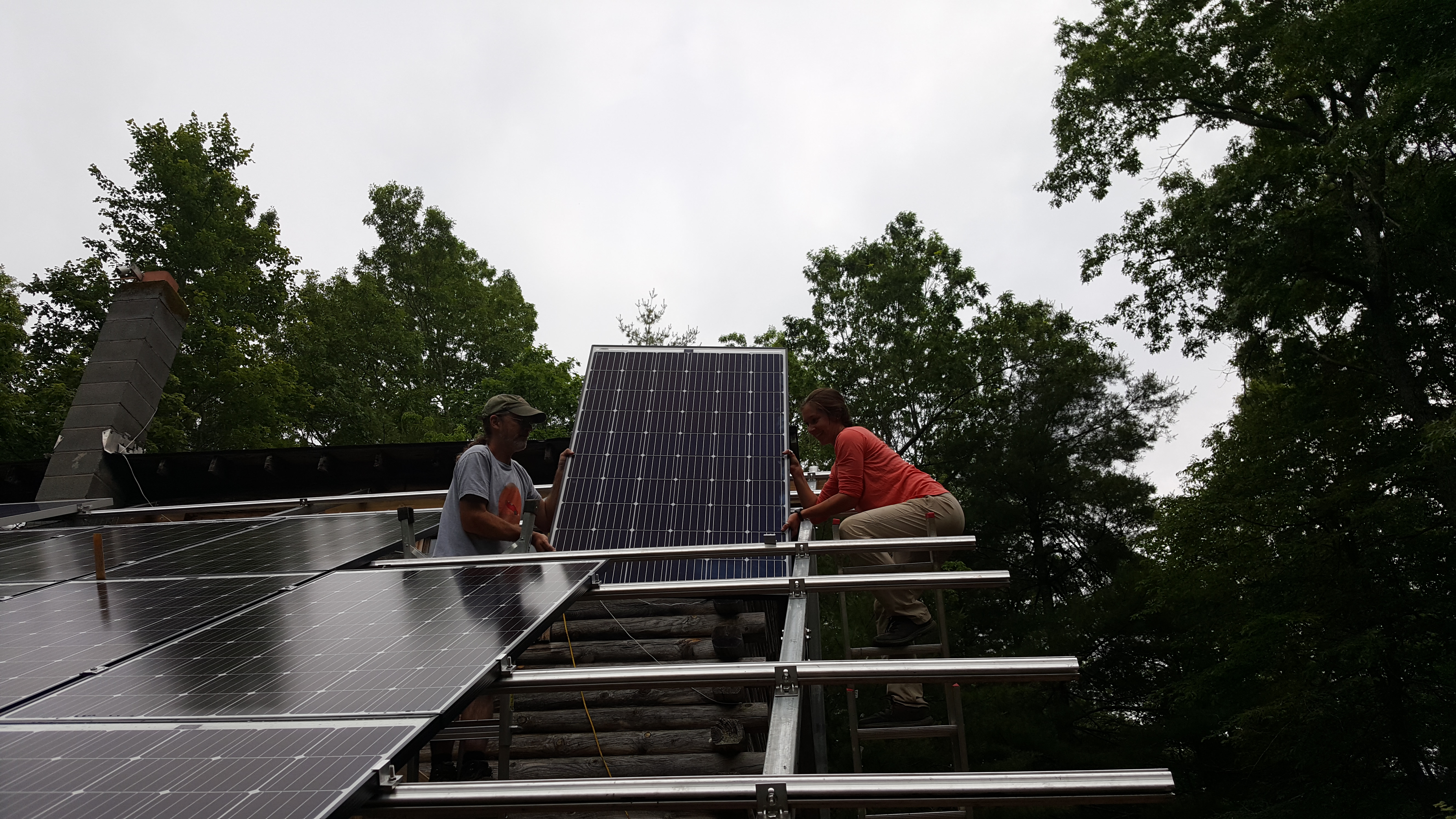
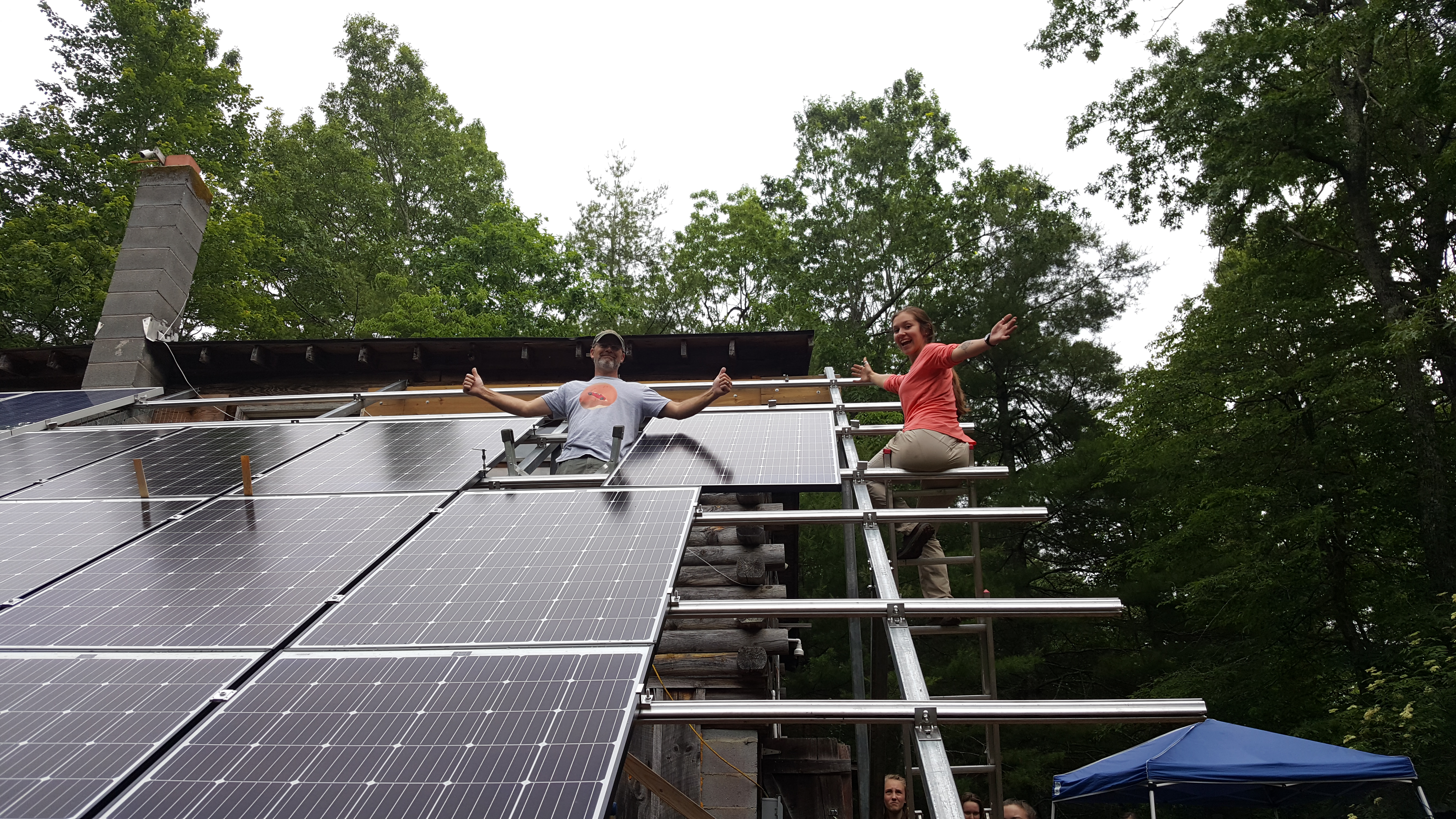
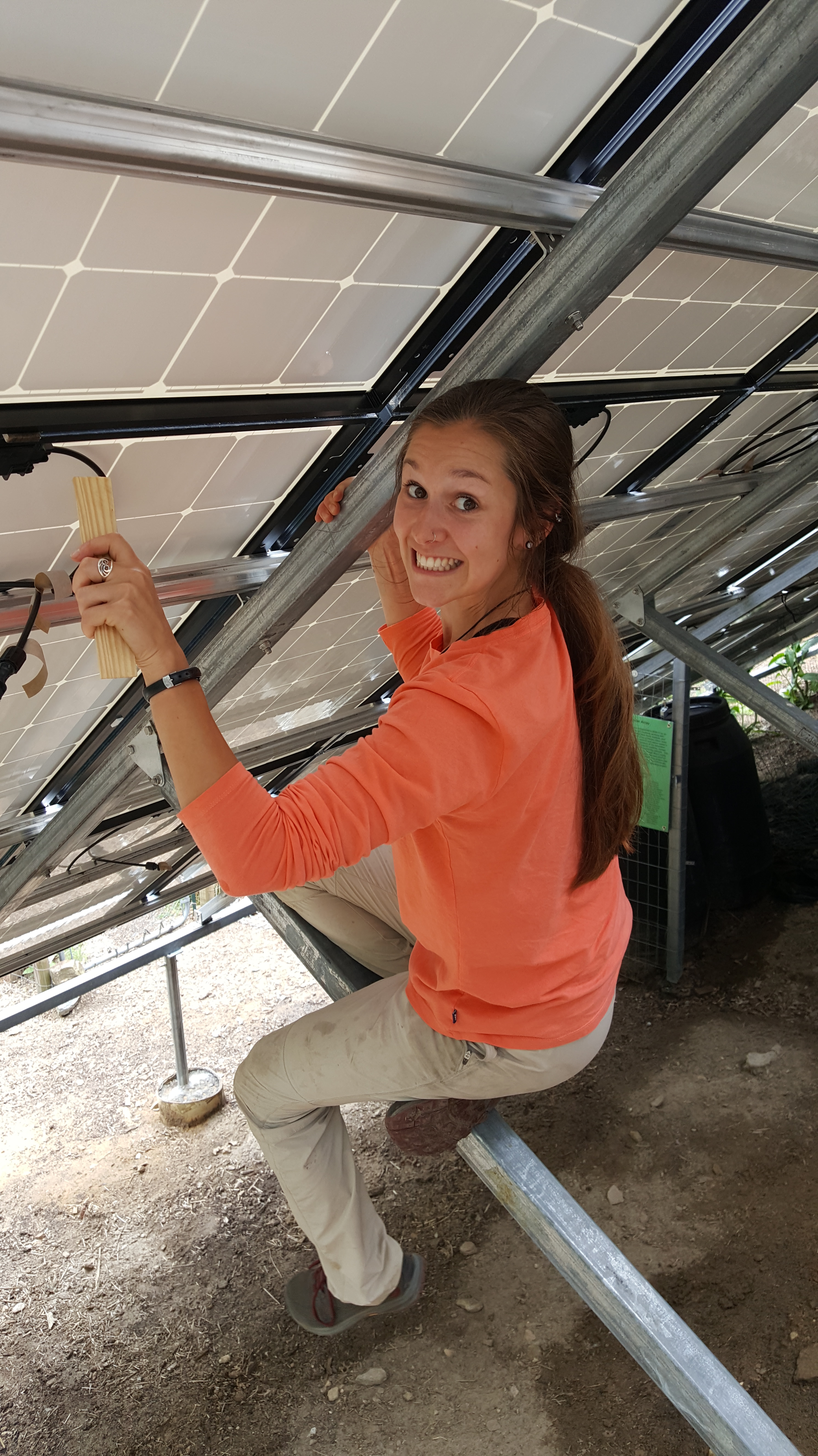
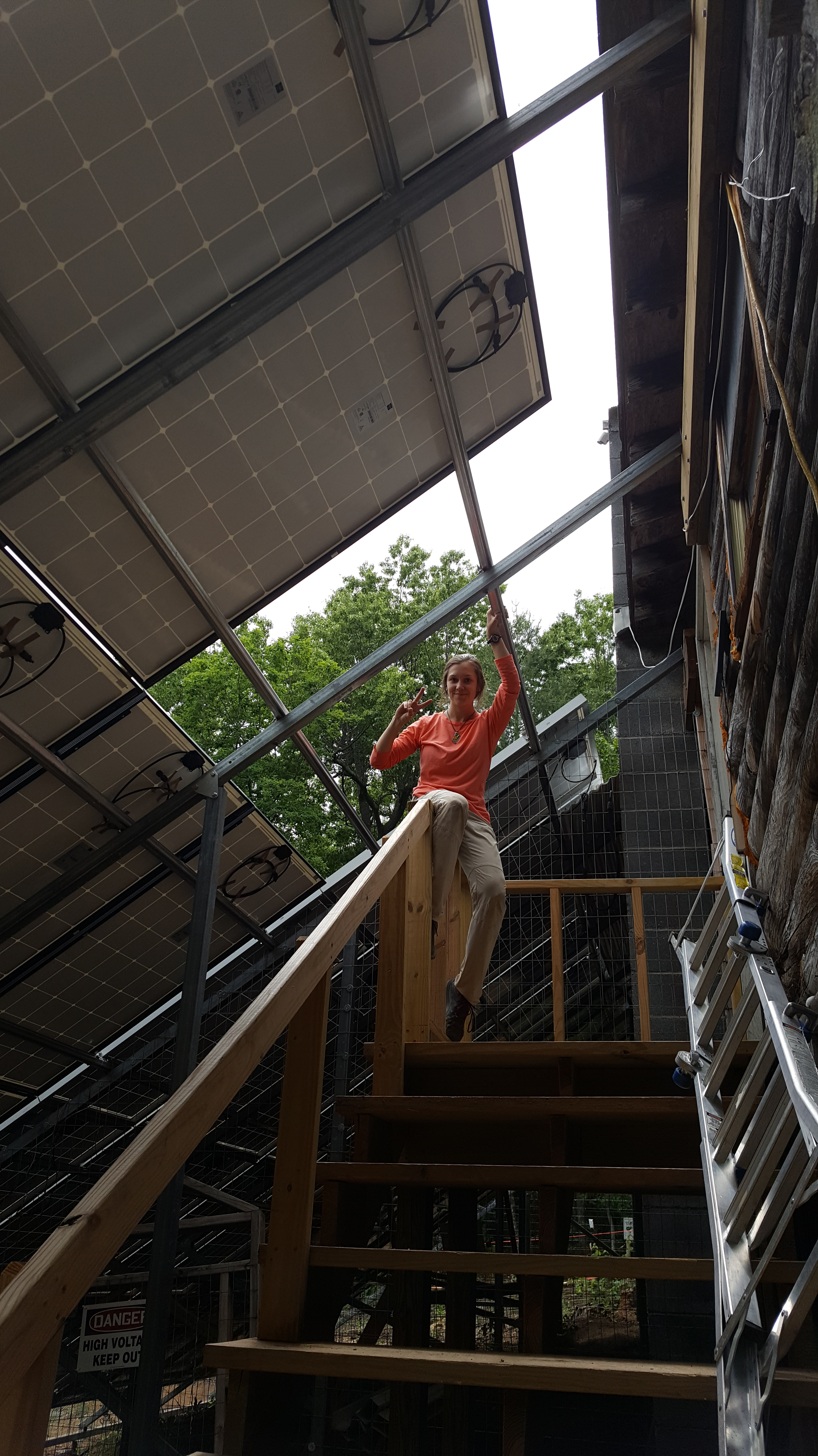
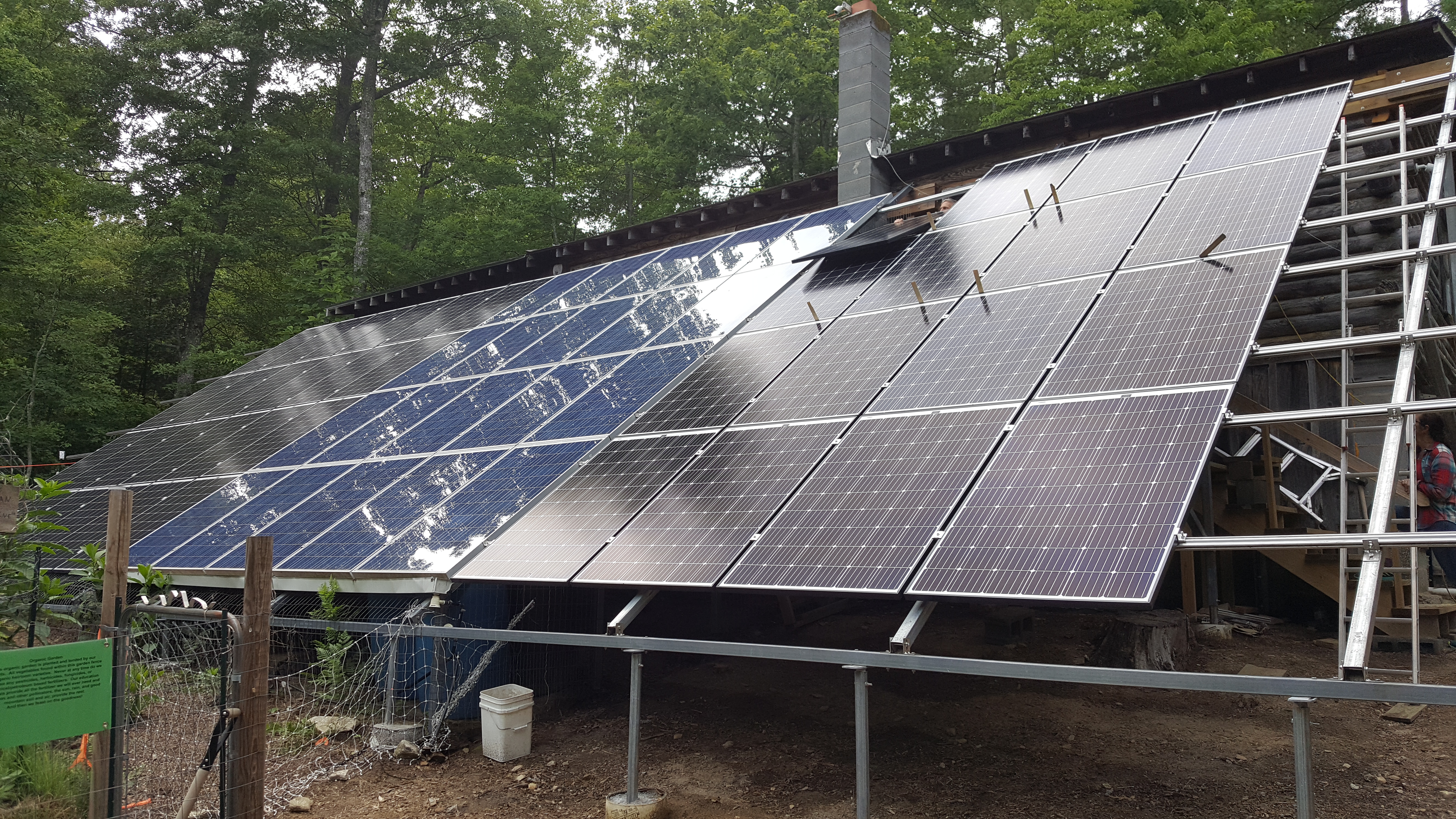
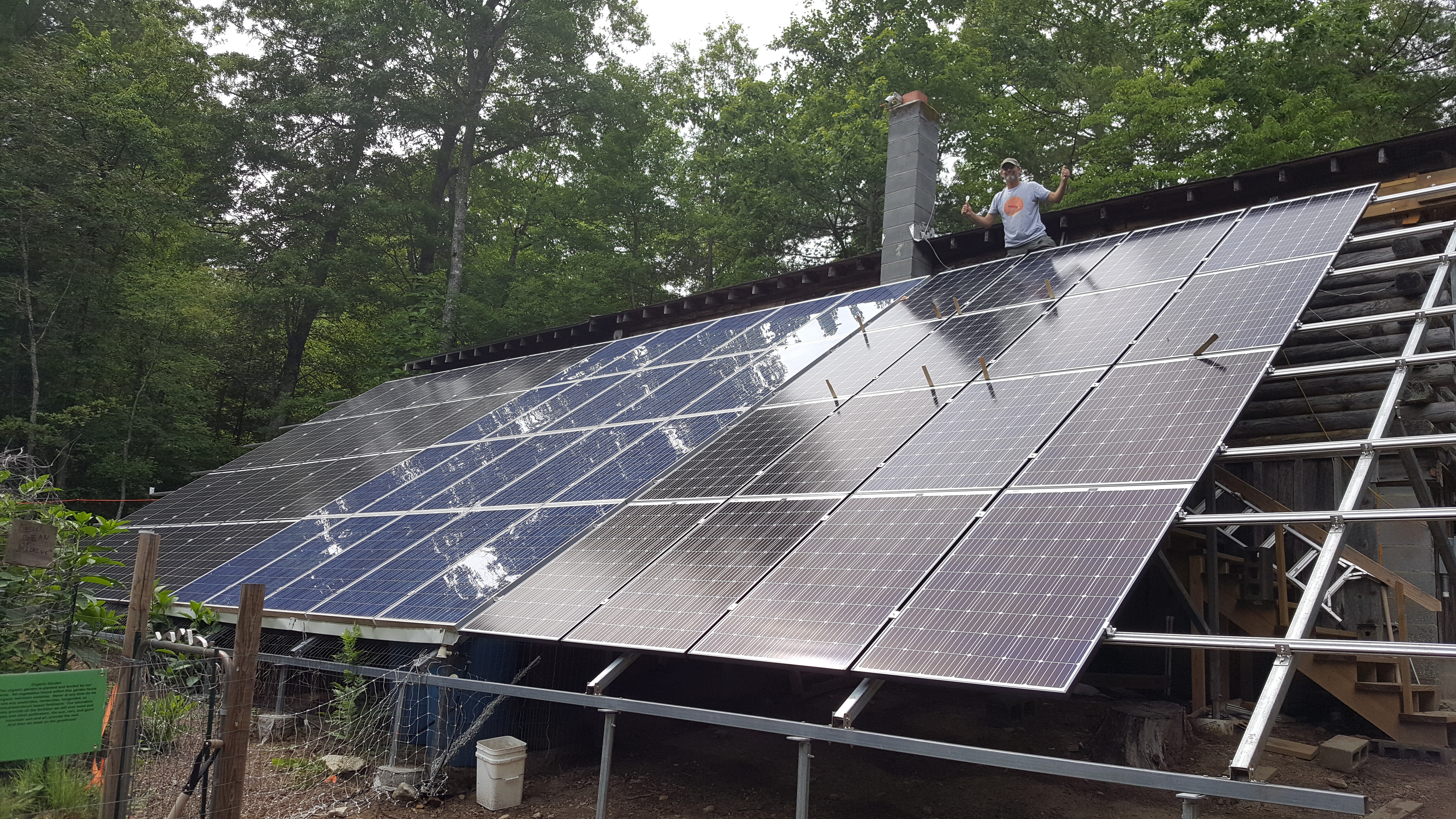
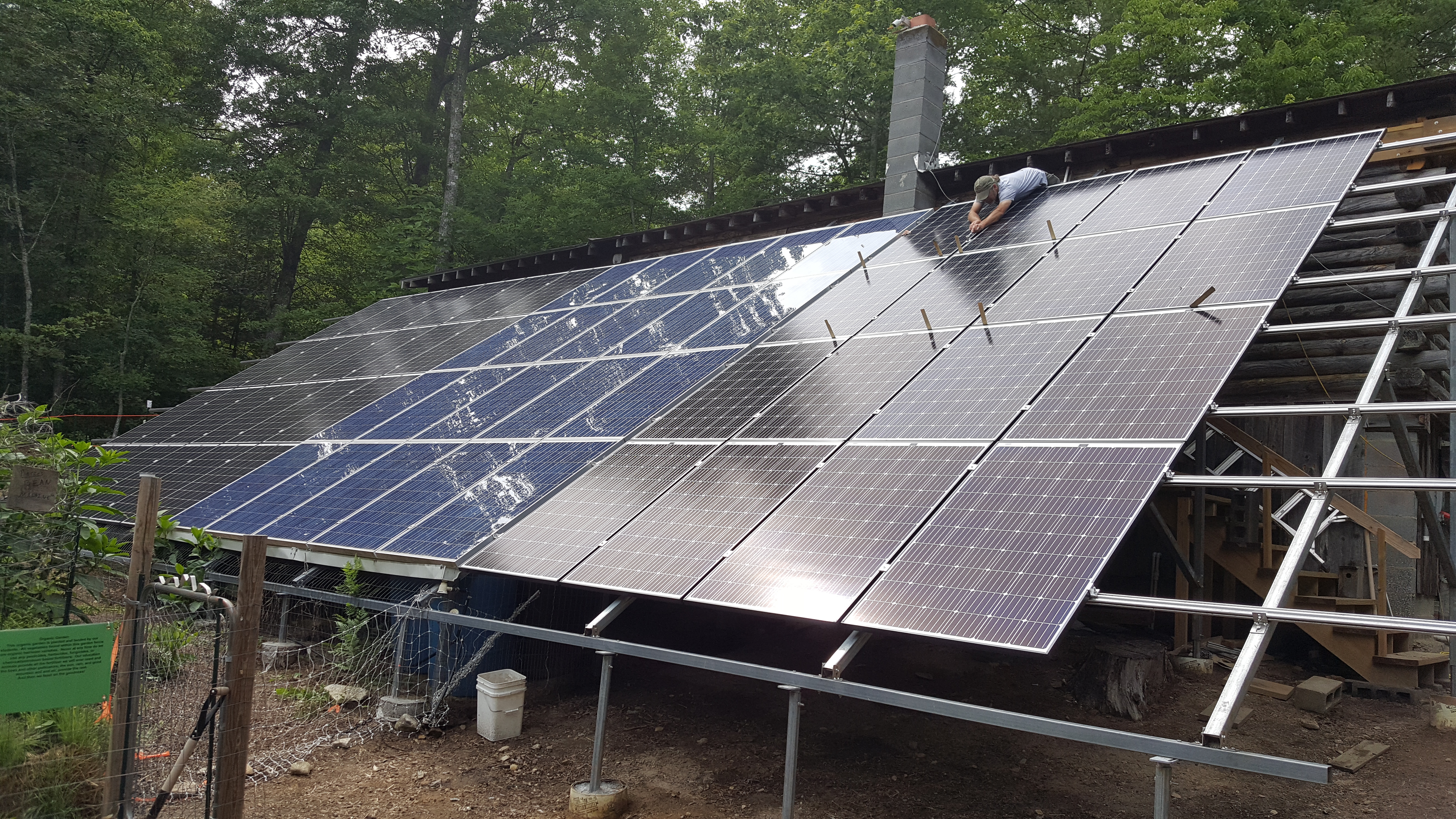
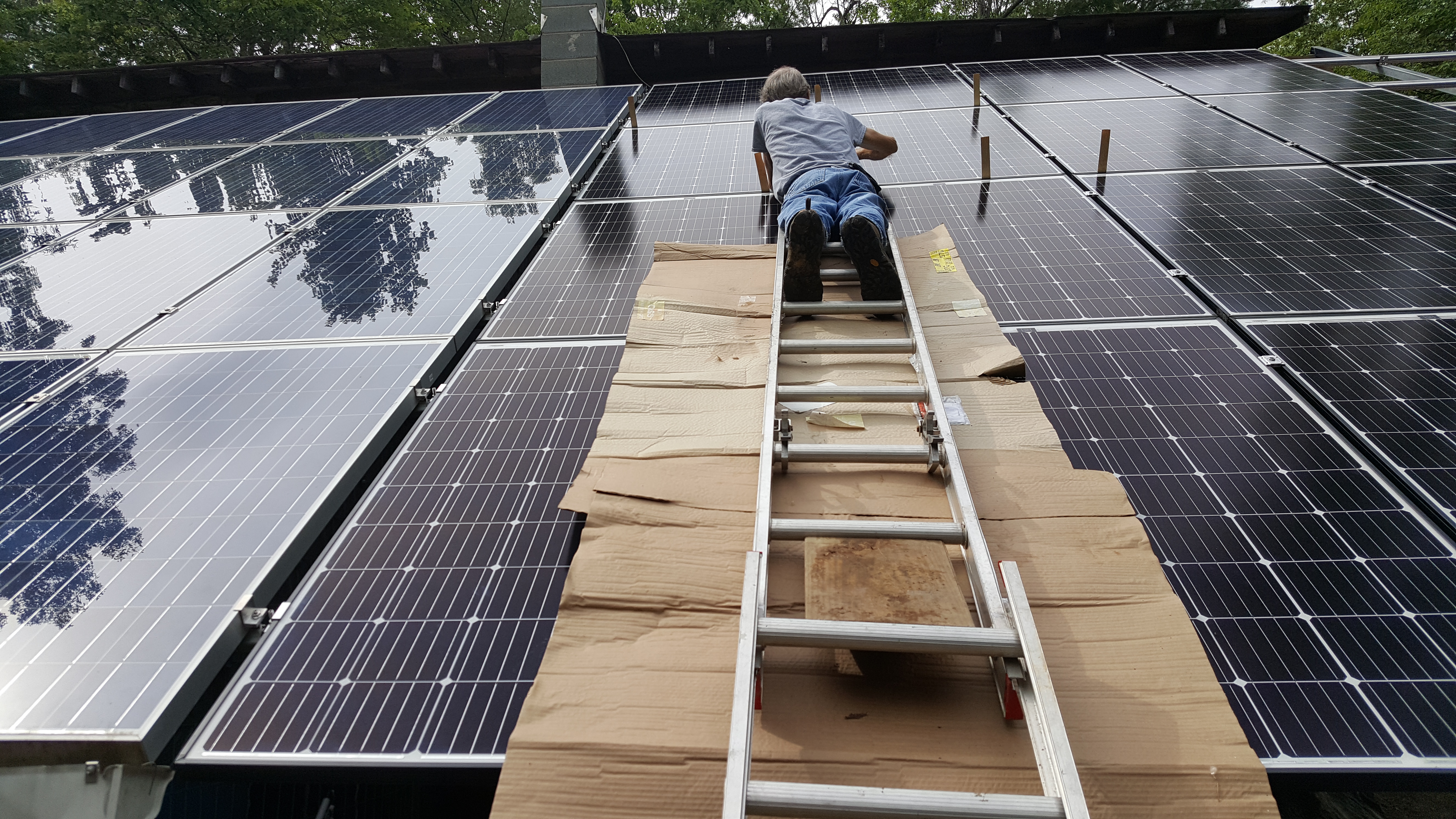
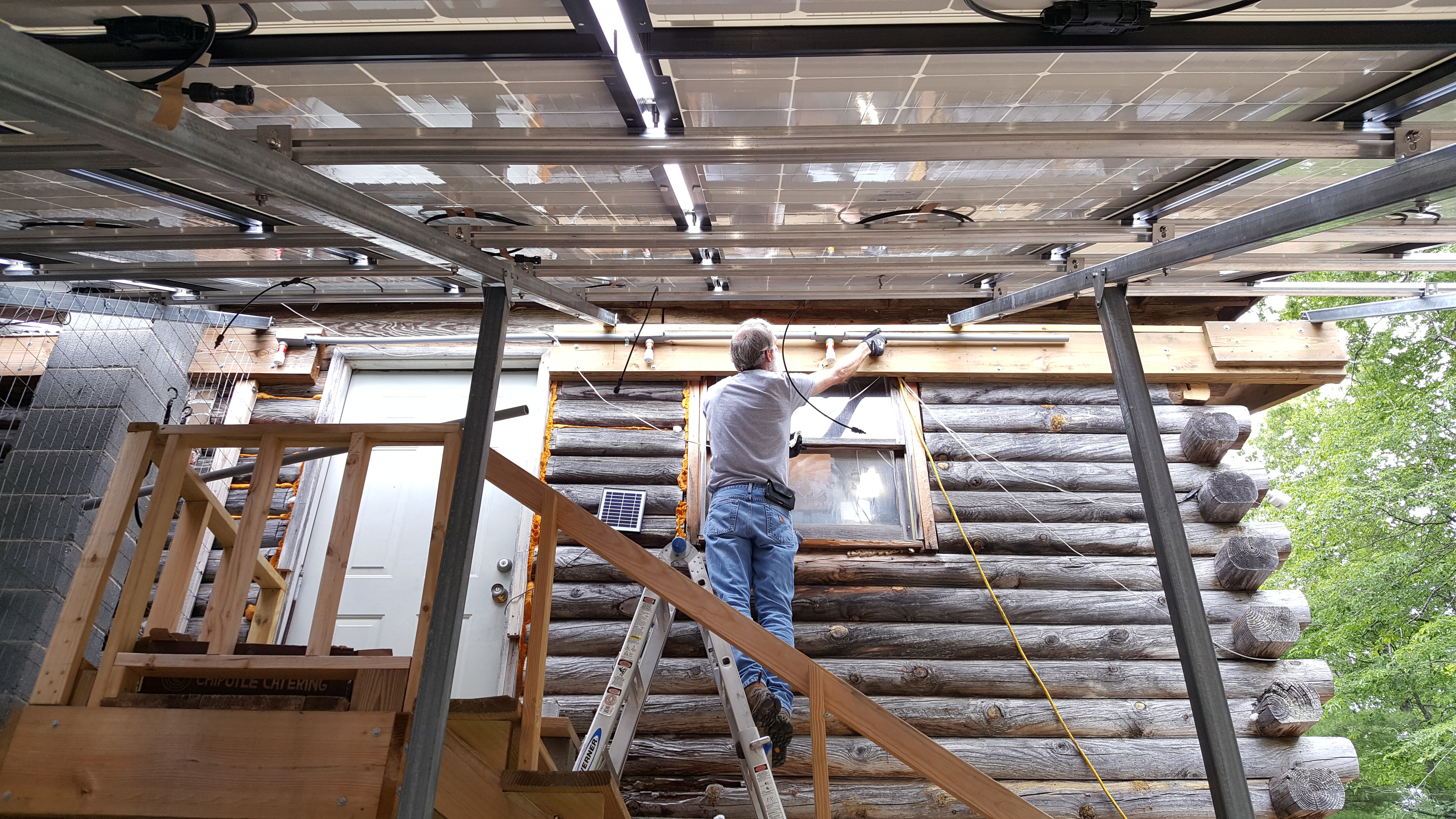
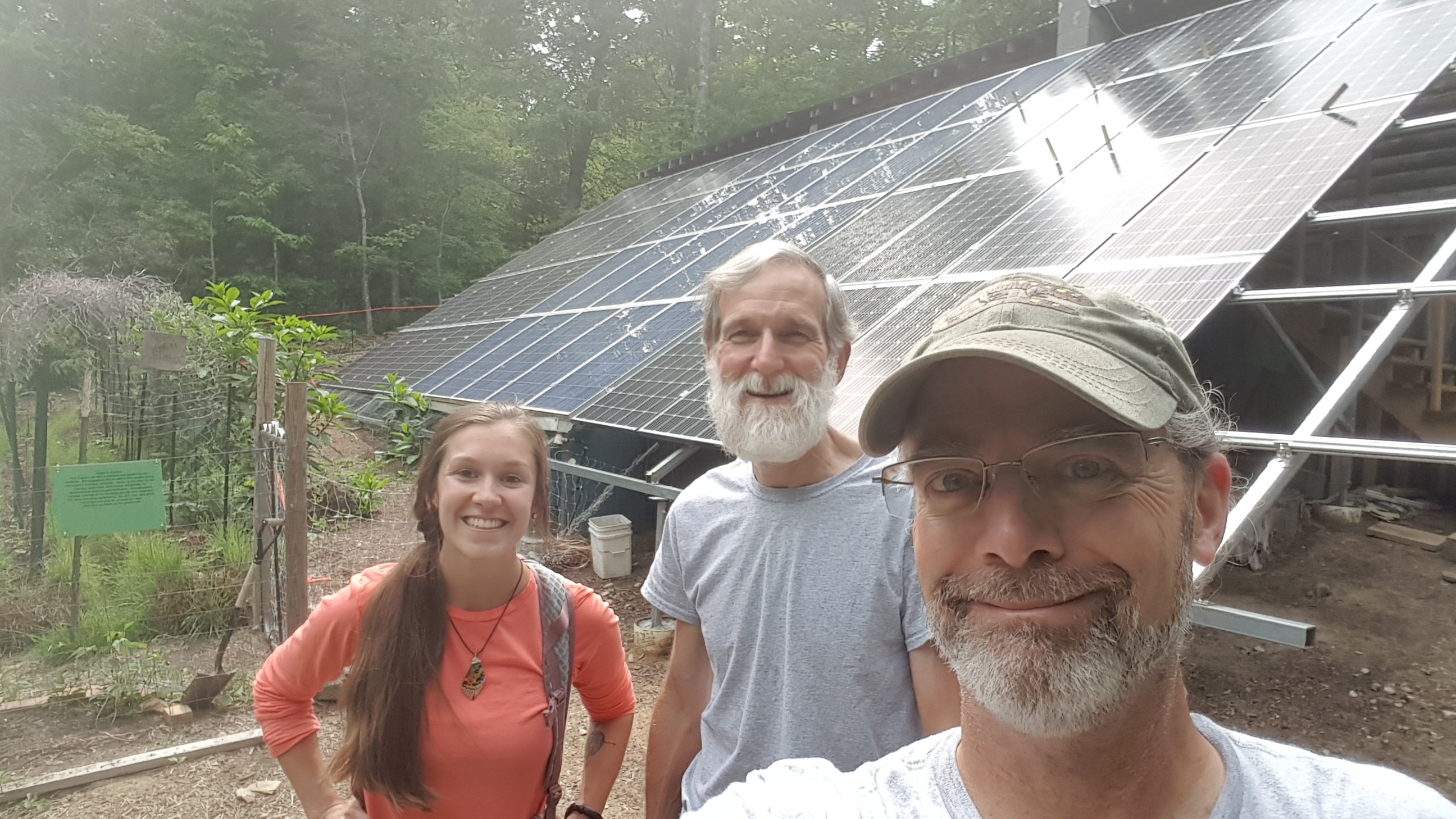
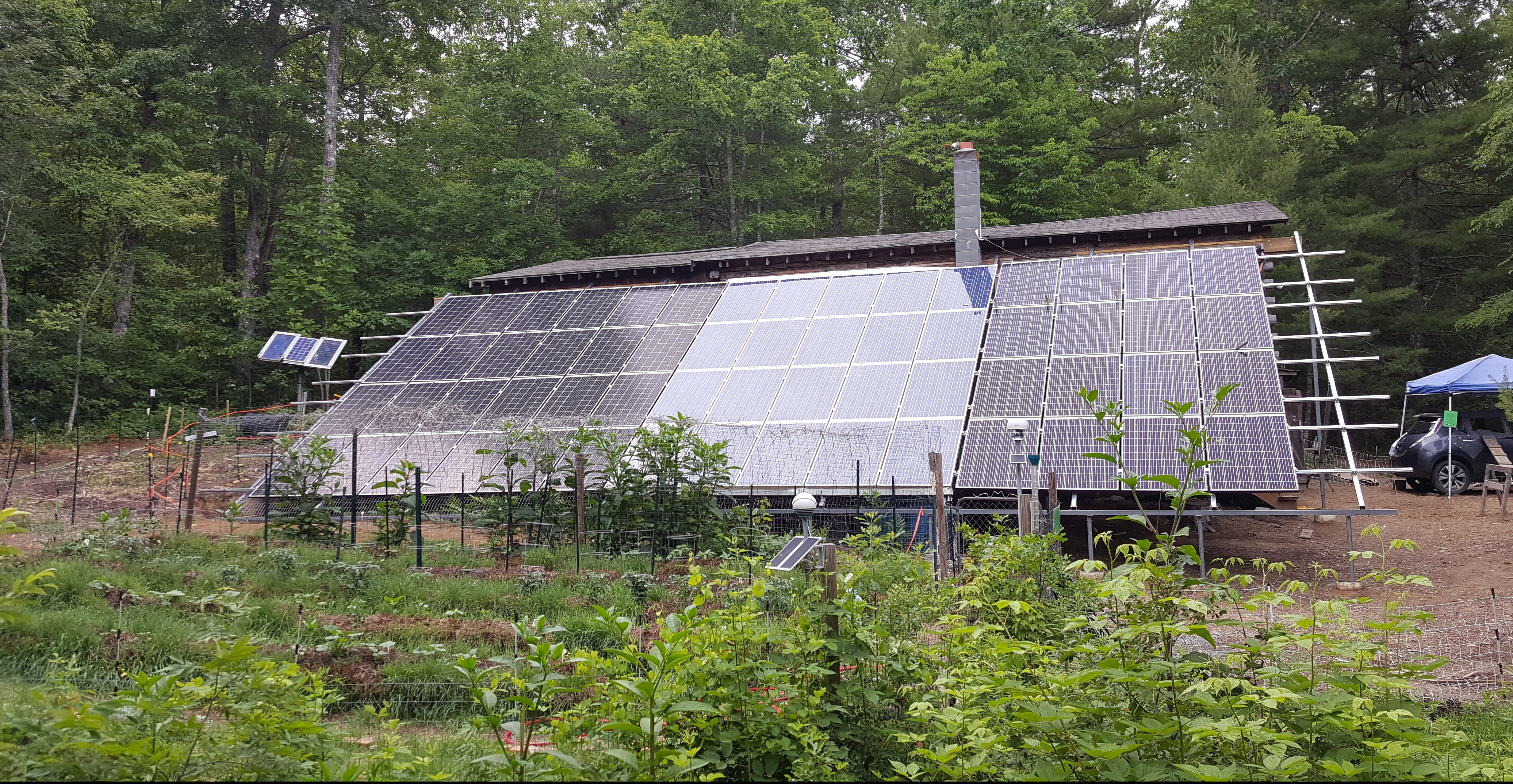
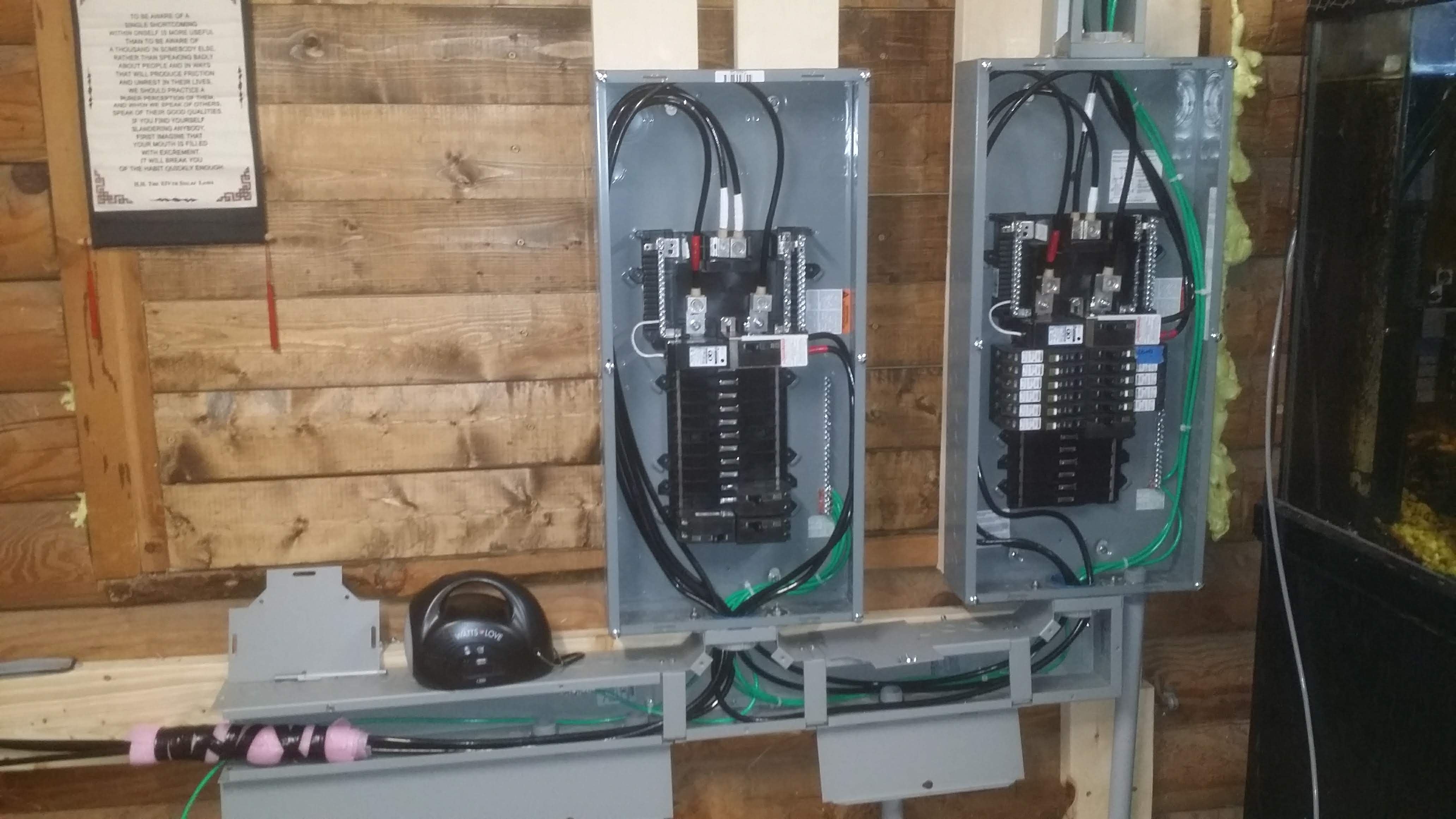
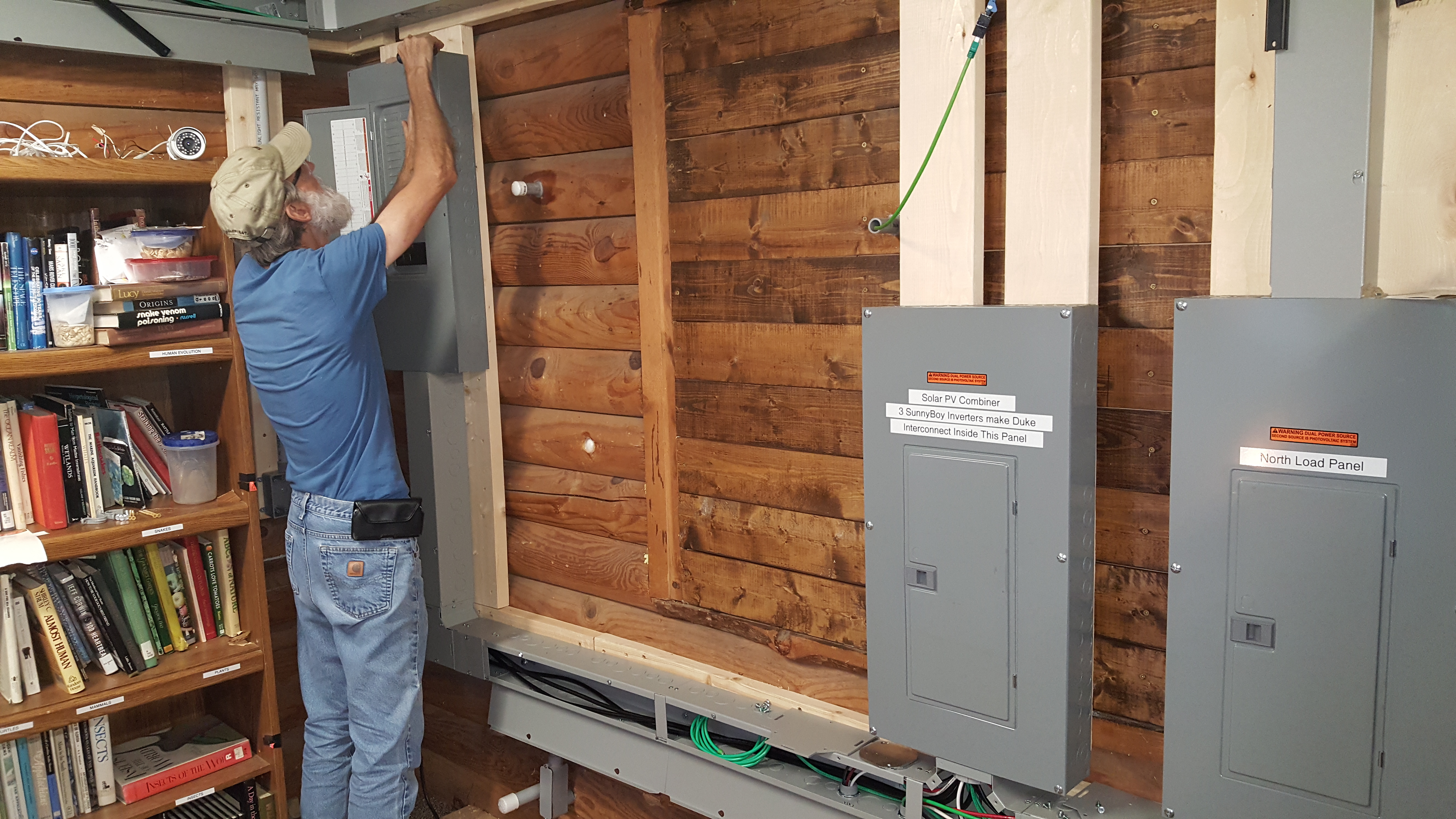
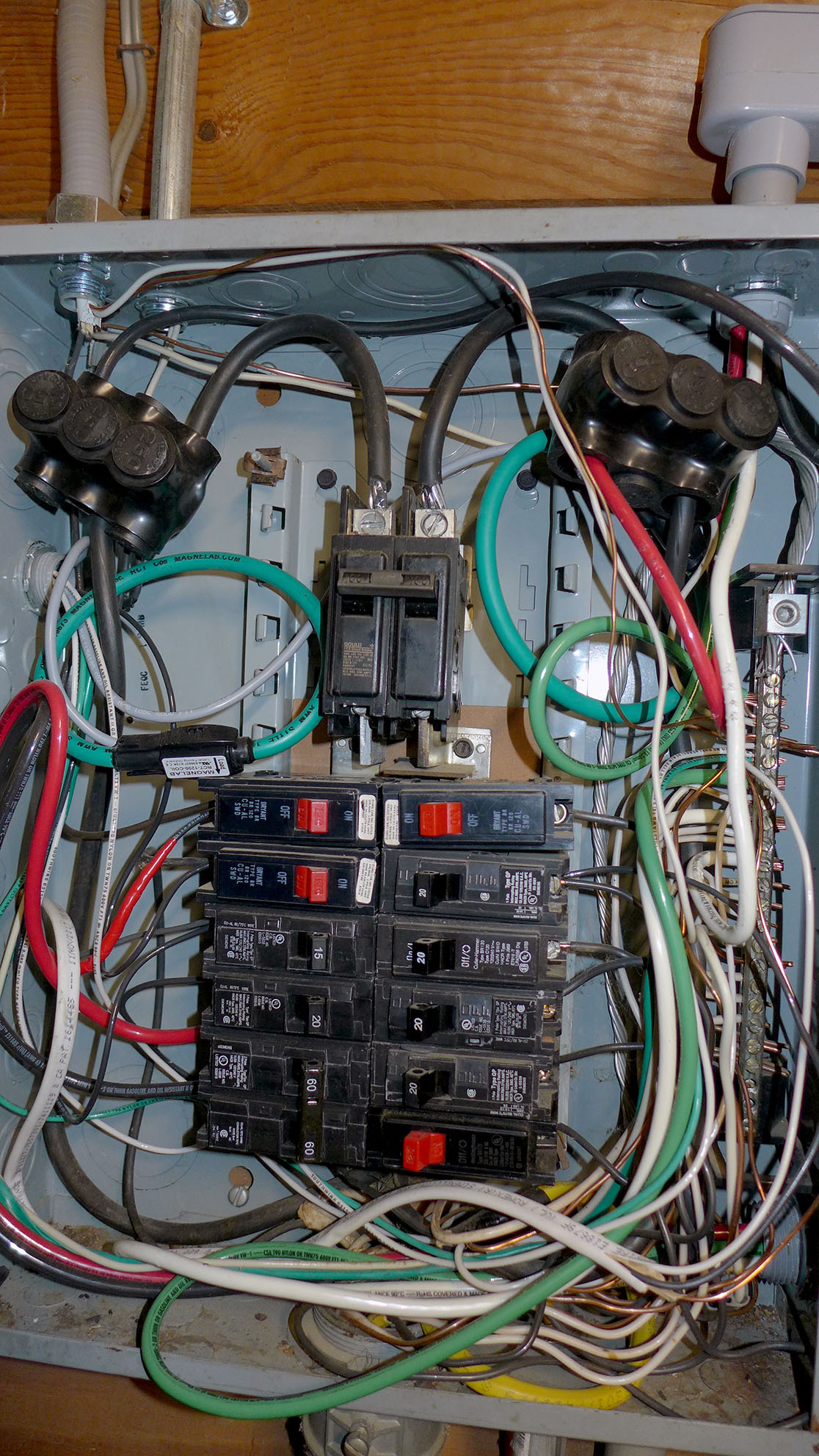
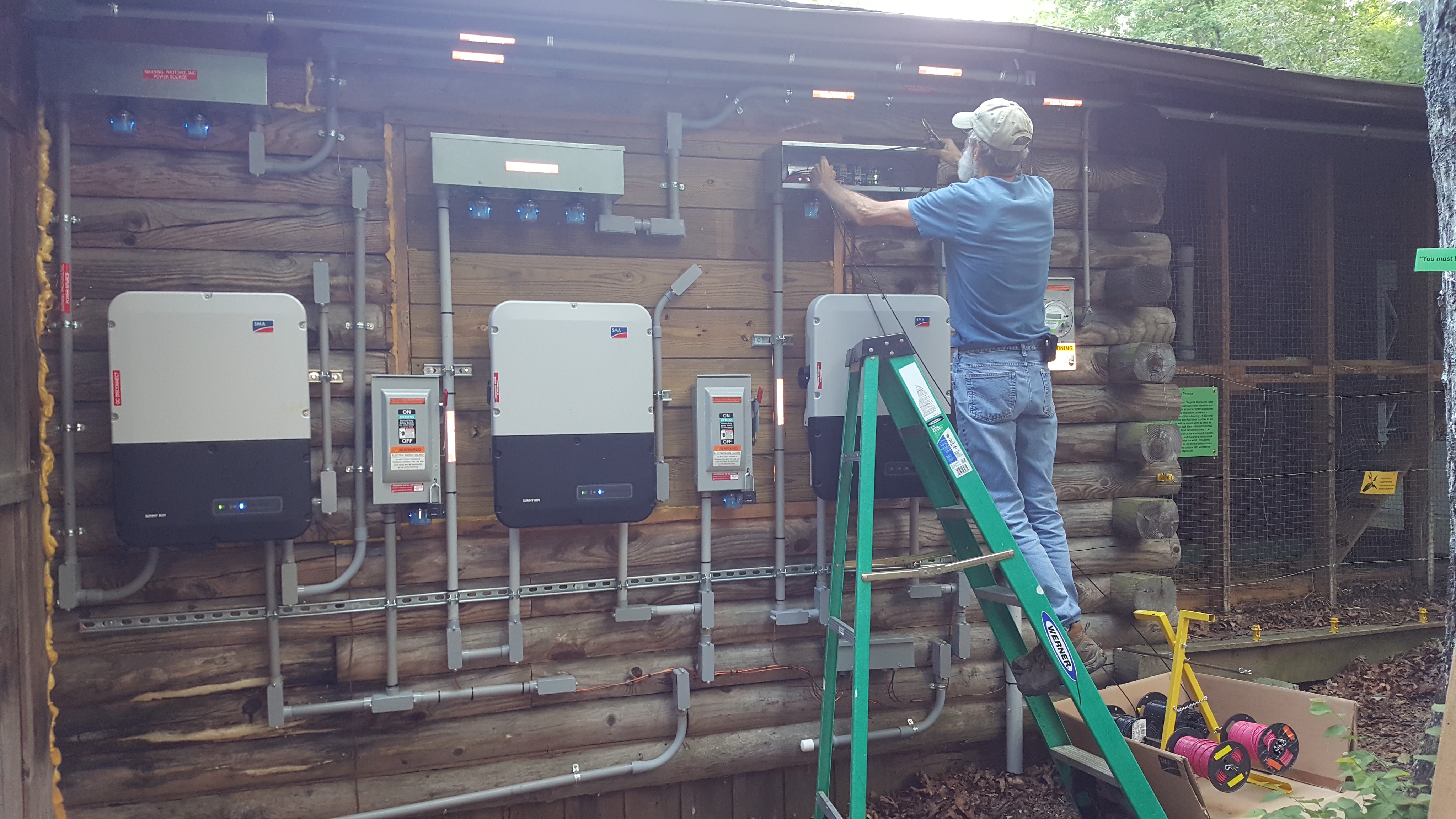
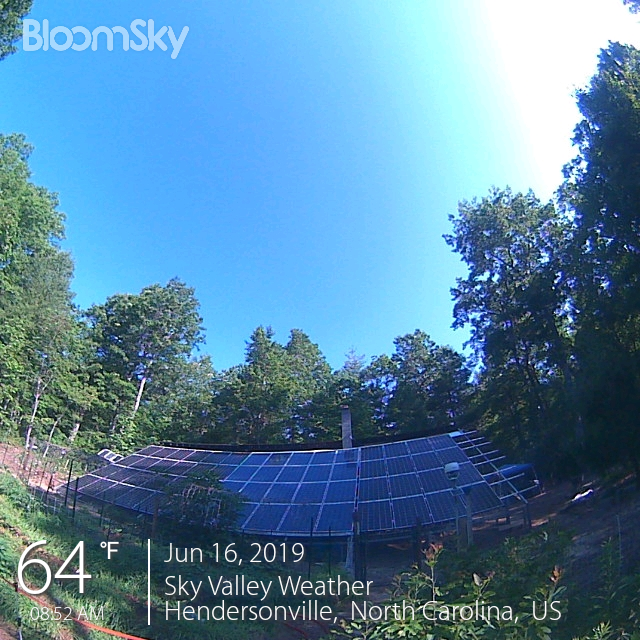
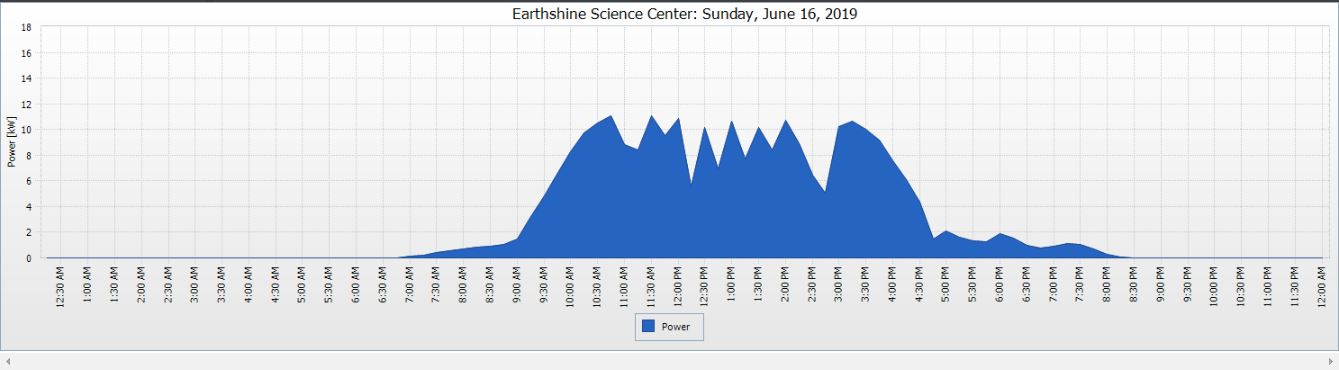
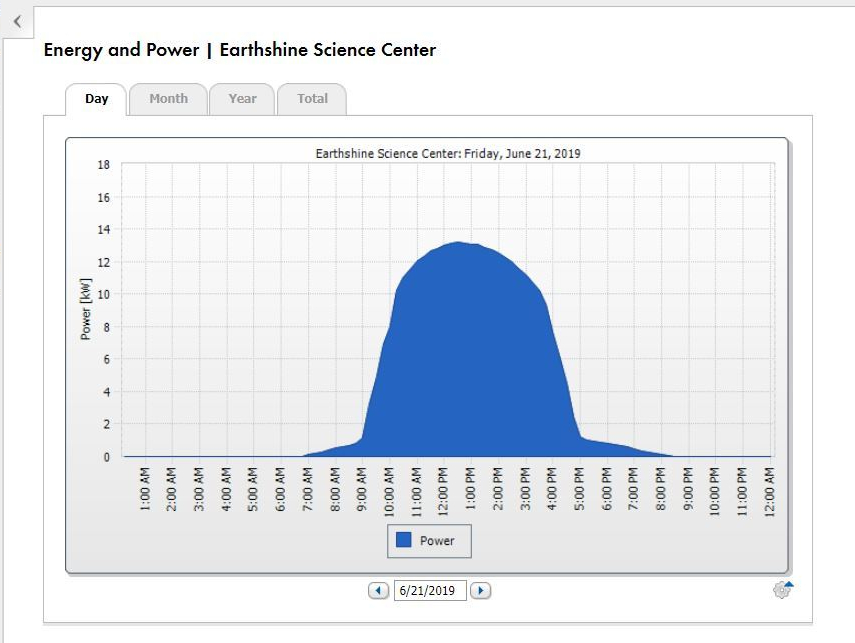
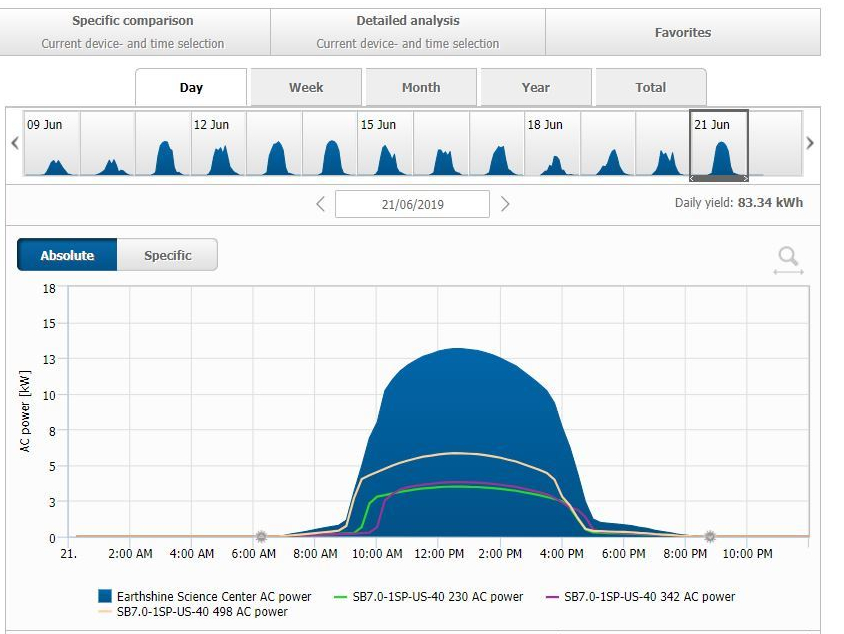
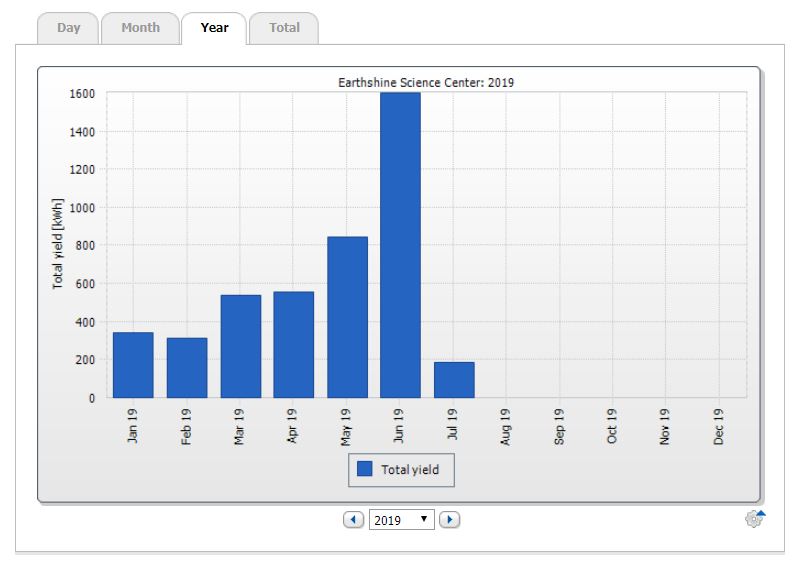
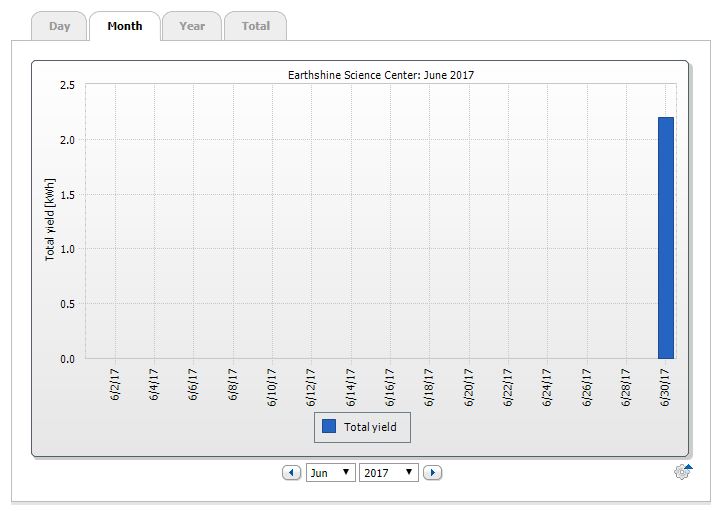
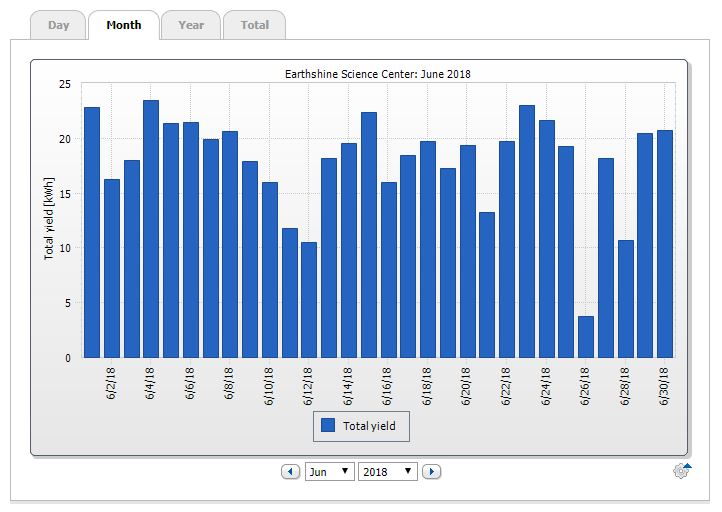
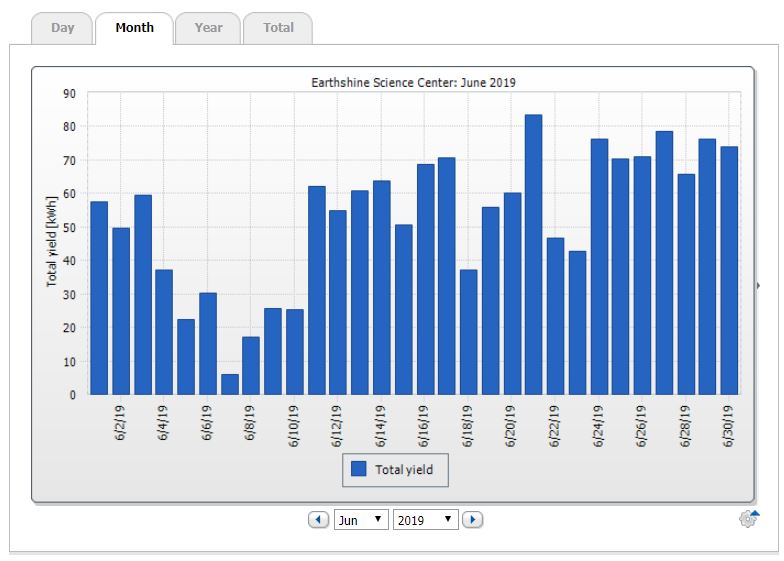
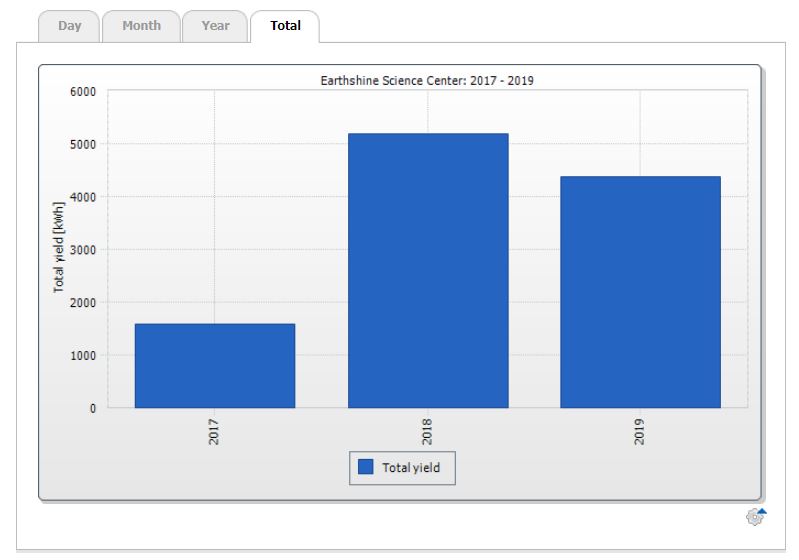
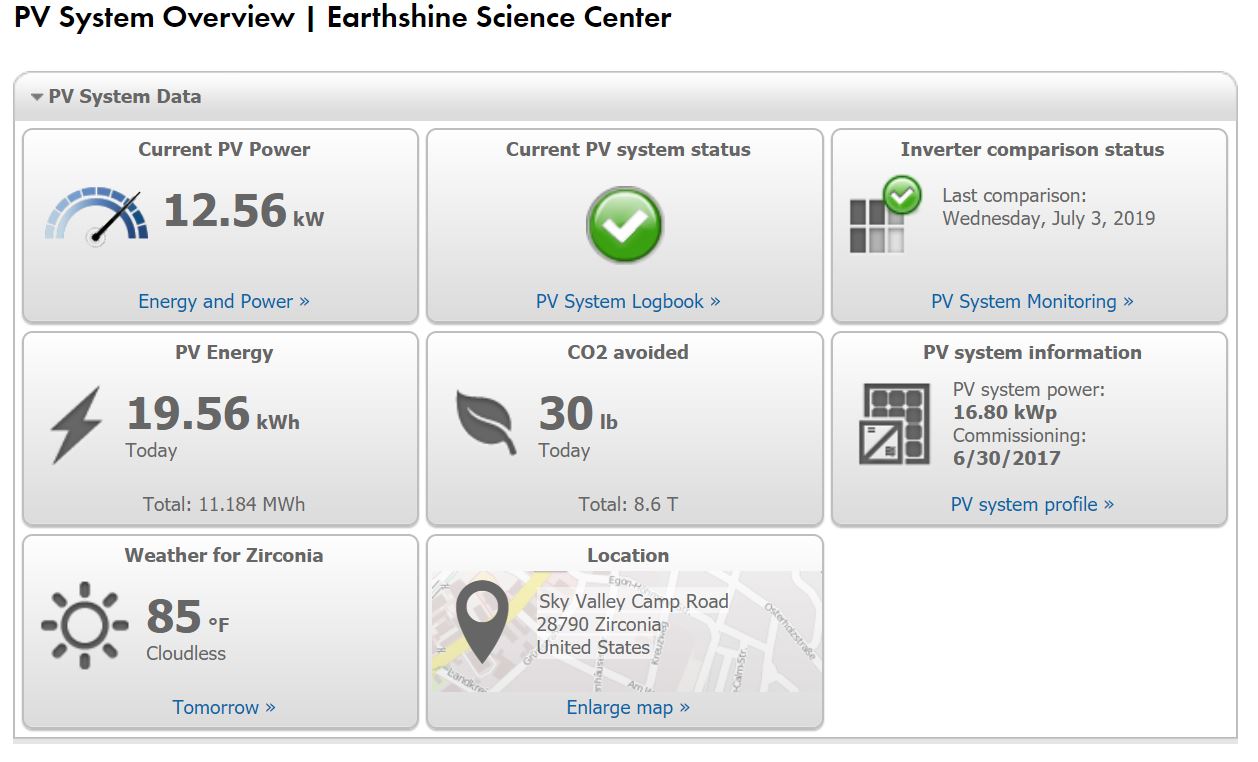
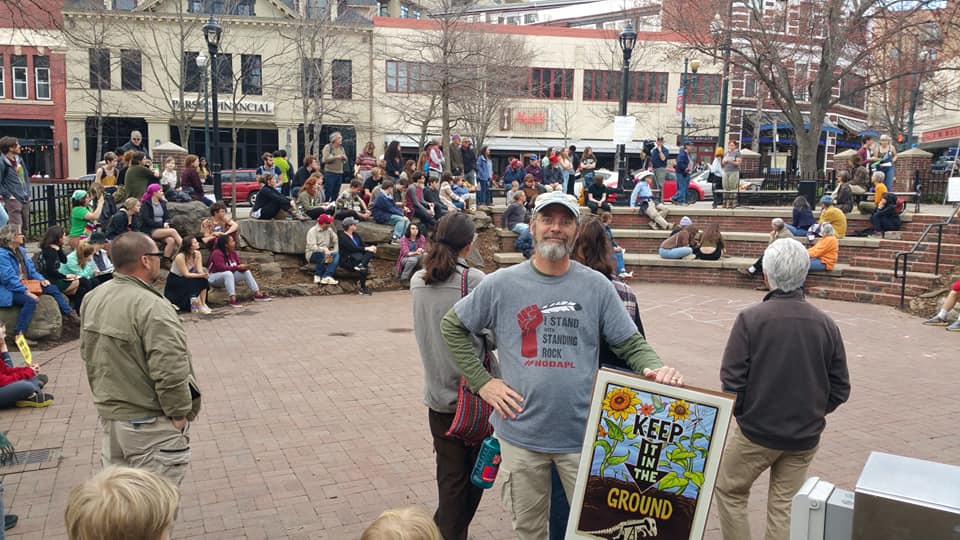
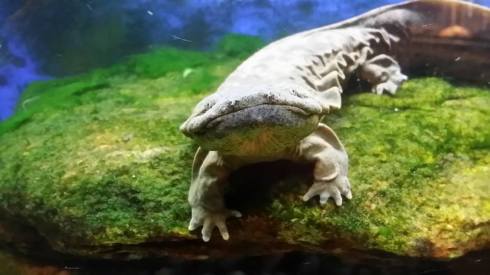
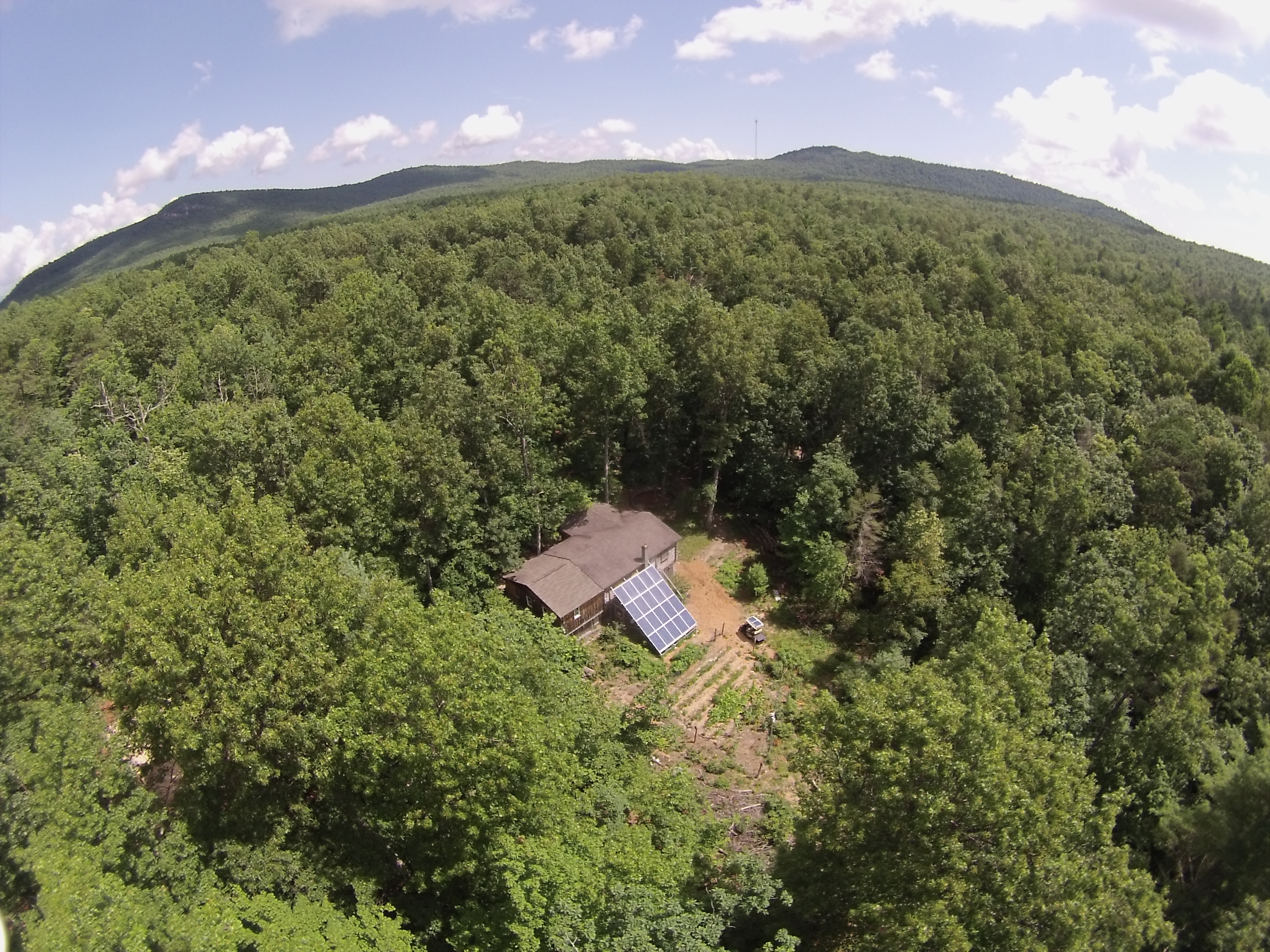
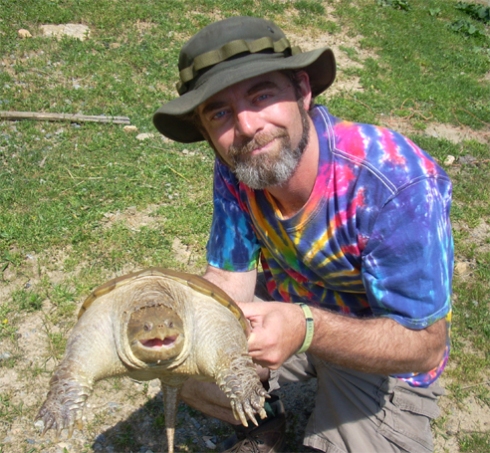
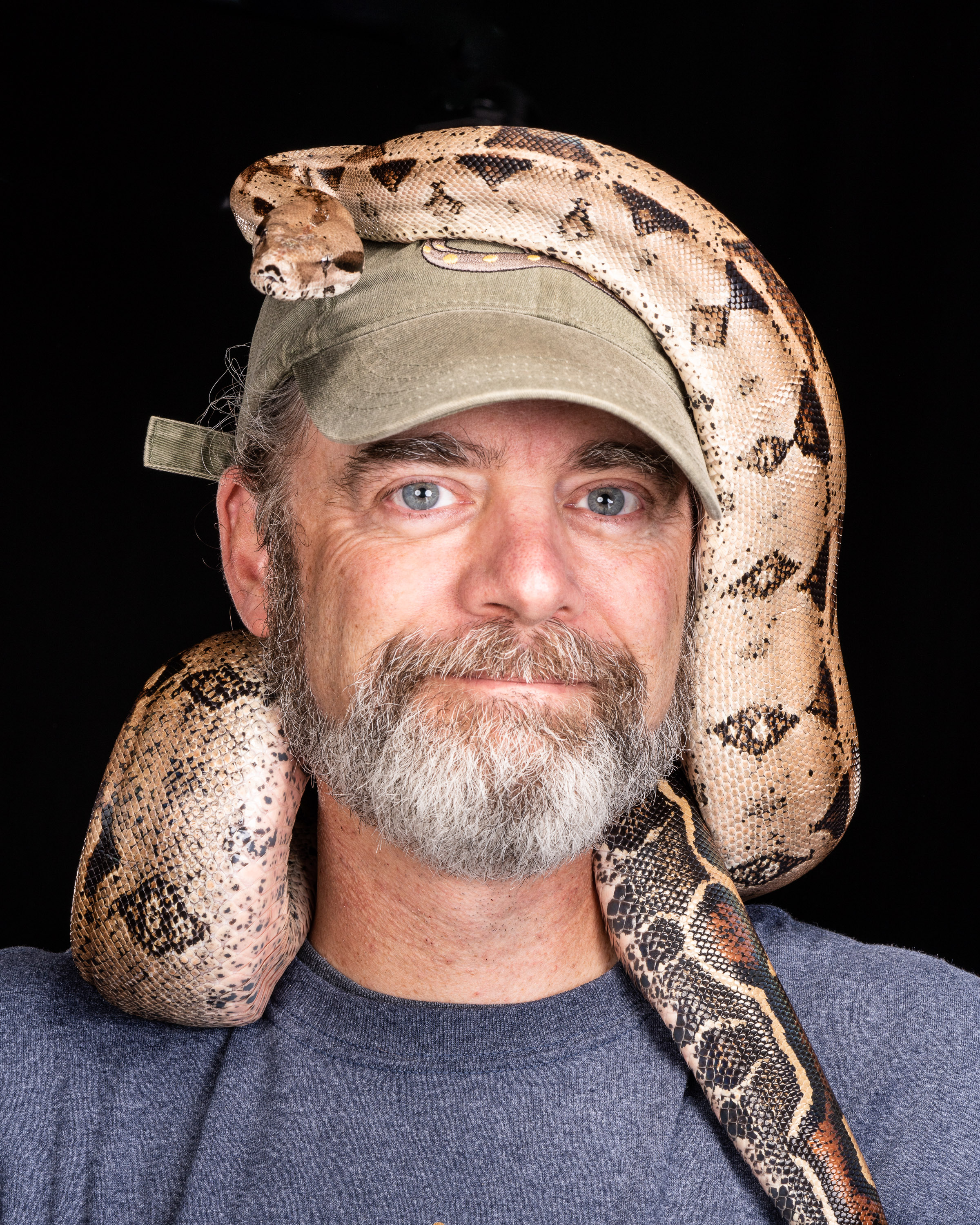
 Earthshine Nature