Over the last month, we have worked very hard on the PoD and we are happy to report that it is mostly complete! Recently we took it on its shakedown cruise – but before I tell you how that went I would like to give you a breakdown of the progress we have made since our last update. I could show several static photographs but instead, I have decided to share with you video update #2 that goes over all of the changes to the interior since the last update as well as a unique time-lapse of much of the work we have completed over the last 5 weeks or so. I hope you enjoy watching this update in video format but please note – it covers a lot of ground so it is a bit long at just over 1/2 an hour.
In our next update and video, we will cover the latest modifications to the exterior of the PoD as well as how it performed on its “shakedown cruise.”
This amazing education project will serve to inspire and educate all the curiosity seekers who discover it. But to do this right – we still need your support. If you choose to assist us in making this project a reality, this unique mobile classroom will greatly benefit the nature and wildlife conservation education, evidence-supported science, reality, common sense, and renewable energy awareness education for all our outreach program participants in the WNC region as well as our wonderful students at Trails Carolina and Trails Momentum who will benefit from the unique wonders it will contain while they are in class and in the field on expedition.
The construction and use of this unique mobile classroom will be documented on this blog, in our end-of-year newsletter, and on our YouTube channel.
The ENP NaSA PoD and the Mighty Bolt EV (our primary outreach vehicle) are owned by ENP and used primarily as the ENP company outreach vehicle and mobile outreach classroom for ENP and our education partners Trails Carolina and Trails Momentum. They will be powered and fueled primarily with cleanly-generated electricity provided by the ENP/Trails student-built classroom solar array and the NaSA PoD’s rooftop solar array. They will both serve as outstanding teaching tools for our Trails students, ENP outreach program participants, and everyone we meet via our outreach programs.
THANK YOU to everyone who has supported and is continuing to support this most unique project – you are all the greatest of heroes!!!
Please note: any/all ads that appear within or below this post are not provided, supported, or endorsed by ENP nor are we supported in any way by these ads – they are an automated feature of WordPress.com.
Since our last update, we worked very hard to have the PoD ready for our Earth Day reveal – but unfortunately, that did not happen. The conversion time is taking longer than we anticipated so we are now simply working to complete the PoD – with no set due date. This removed the notion of a deadline from the project and at the same time relieved some of the stress I felt because of that deadline. Now, with the anxiety of the deadline removed I feel far more at ease with things and much progress is happening at the pace at which it needs to happen.
That all being said – we are getting very close to completion.
We have completed over 90% of the PoD’s new educational/electrical/plumbing systems and all that remains includes the following:
Solar-electrical – over 95% complete: Most of the solar electronic components are now installed and all that remains is configuring the inverter, and some wire management issues.
Plumbing: 95% complete and working! All that remains is the installation of the composting toilet – this item is not time-sensitive and/or imperative to the initial operation of the PoD and will happen at some point over the next few months.
Exterior: 80% complete. All that remains is the installation of the microscope table*, flatscreen monitor mounting structure*, and painting of the PoD – these items are not imperative to the initial operation of the PoD and will happen over the next few weeks.
Interior: 99% complete! All that remains is the re-installation of the removed “furniture” from the interior of the RV as well as some finishing touches Marian will be making such as appropriately themed curtains.
Below is some of the work we have completed over the last few weeks.
We installed the Solar Inverter Battery Support Structure (SIBaSS – pronounced “Sea Bass”) into its final location in the solar-electronics gear cabinet.
We then installed the inverter, Battery Management System (BMS)/Lynx Distributor assembly, Charge controllers, and the two lower batteries.
We installed most of the heavy gauge wiring between the charge controllers and inverter to the distributor as well as the massive cables from the distributor to the batteries.
Wire management is most important. The next photo shows wires that are not yet managed.
We had to “MacGyver” a way to insulate the huge battery cables where they pass over and through the support structure. The black insulator is made from a thick, rubber, radiator hose from a large truck.
The “brains” of the system. This Cerbo GX device will allow me to monitor the real-time data from the solar-electronics system such as DC solar input, battery SOC, charging status, inverter status, AC/DC input, and output, as well as control the individual components of the system and share all of that information with my students and program participants via a Bluetooth connection to the presentation monitor on the outside of the PoD.
The AC/DC fuse/load panels are in place.
We moved the spare wheel and tire assembly from the back of the PoD to the tongue. Since we have done away with the gas bottles taking up space on the tongue, we have ample space to mount the spare. We also used the original clamp from the gas bottles as a hold-down for the wheel and tire assembly.
Moving the wheel/tire assembly freed up the space on the back of the PoD where we have installed a new access hatch that allows external access to the storage space under the bed. This will allow easy access to programming materials during classes 🙂
Lastly, we topped off the state of charge (SOC) in all four of the batteries in preparation for connecting them to the system this week!! We are about to bring the PoD to life!
In other news – Lucky the Eastern box turtle came out of hibernation this past week 🙂
If you live in an area with box turtles please keep watch for them crossing roads – especially during and after warm weather rain showers when they are most active. When you see them crossing the road please help them across to the side they are heading toward because they are on “important turtle business” and need our help crossing roads.
However, please do not take them home as “pets” or release them in areas that you believe are somehow better for them – they are protected by law in most places, and moving them far from their home range is stressful and detrimental to their health and the health of wildlife due to the potential vectoring of novel diseases and parasites and wildlife populations.
_________________________________________________
Stay tuned for all the awesome that is on the way – and a new video will be ready soon!
This amazing project will serve to inspire and educate all the curiosity seekers who encounter it. But to do this right – we need your support. If you choose to assist us in making this project a reality, this unique mobile classroom will greatly benefit the nature and wildlife conservation, science, reality, common sense, and renewable energy awareness education for all our outreach program participants in the WNC region as well as our wonderful students at Trails Carolina and Trails Momentum who will all greatly benefit from the wonders it will contain while they are in class and in the field on expedition.
The construction and use of this unique mobile classroom will be documented on this blog, in our end-of-year newsletter, and on our YouTube channel.
The ENP NaSA PoD and the Mighty Bolt EV (our primary outreach vehicle) are owned by ENP and used primarily as the ENP company outreach vehicle and mobile outreach classroom. They will be powered and fueled primarily with cleanly-generated electricity provided by the ENP/Trails student-built classroom solar array and NaSA PoD’s rooftop solar array. They will both serve as outstanding teaching tools for our Trails students, ENP outreach program participants, and everyone we meet via our outreach programs.
THANK YOU to everyone who has supported and is continuing to support this most unique project – you are all the greatest of heroes!!!
Please note: any/all ads that appear within or below this post are not provided or endorsed by ENP nor are we supported in any way by these ads – they are an automated feature of WordPress.com.
Over the last two weeks, we have continued making steady progress on the transformation of the PoD.
The welder finished his work and we retrieved the PoD from his shop. The new Bifacial Solar Array Support Structure (BiSASS) is now complete and it seems to be a very solid structure for supporting the PoD’s bifacial solar modules (panels). Take a look at these photos of the BiSASS from the welding shop.
The awning is in the black bag hanging on the right side of the rack – I will try to find a day soon when I will deploy it and get some photos to share with you.
Thank you Red Dog Welding for doing such a great job on this rack.
A word about our choice in solar modules. We are using Canadian Solar BiHiKu Bifacial solar modules. Unlike traditional solar modules which collect solar energy from only one side of their structure, bifacial solar modules have solar energy collecting ability from both sides of the module. This works well in applications where the modules are able to collect reflected light from any light-colored/reflective surface below them – such as the white rooftop of the PoD. This increased light collecting ability will allow these unique solar modules to harvest upwards of 30% more energy than a similarly-sized traditional solar module will harvest – without needing to be 30% larger – and with a vehicle as small as the ENP NaSA PoD – every little bit will help.
Before the modules could be installed we needed to prep the PoD’s roof to receive the solar array so we could install the pass-thru for the solar wiring. This is a photo of the huge hole we had to cut in the PoD’s perfectly good fiberglass roof…
We then installed the 3D printed entry gland over the hole – this device will allow the solar wiring to pass through from the roof to the solar-electronics cabinet directly below.
We also took some time to reseal all the existing rivets/bolts on the roof of the RV. As all these points will soon be under the solar array, we decided to seal everything up very well so we will not need to remove modules to seal up a roof leak. You can see two of these sealed rivet points in the above photo – they are curing under the paper/painter’s tape.
The next step was to cut several small holes that will allow the wiring from the security cameras to pass thru the shell and into the PoD. Since the PoD’s fiberglass body is basically a boat on wheels – we used cable entry ports often used in the boating industry.
For the forward-facing camera, we made use of the existing gray water tank vent pipe as the pathway to run the LAN cable for the camera as shown in this photo.
Why a security system you may be asking? There are several reasons.
1. This mobile classroom will often have several of our animal ambassadors living inside for several hours or even days at a time at multi-day festivals/events.
2. This mobile classroom will often have many unique and valuable teaching tools residing inside.
3. This mobile classroom will always contain many high technology electronics also hidden away inside.
All these unique creatures, tools, and components will need to be protected and safe. Therefore, we have created the the ENP NaSA PoD’s:
Security, Investigating, Environment, and Nature, Watching, Interpreting, Sensing, Evaluating and Recording Network (ScIENce WISERNet)
This system will allow safe and secure monitoring of the immediate area around the PoD. The obvious presence of the cameras will serve to keep would-be thieves and prowlers away from the PoD and its contents and it will allow real-time environmental, video, and audio monitoring and DVR/cloud-based recording via wireless internet connection. This connected network will allow those with administrator access* to see what the PoD’s cameras and environmental sensors are sensing at any given time and/or have recently seen via cloud storage – from any location on planet Earth that has WIFI or a cellular connection. *The only persons able to view the live feed from the PoD’s ScIENce WISERNet system will be the ENP Executive Director Steve aka “Science Steve” and his students when in class.
We have now completed the installation of the ScIENce WISERNet system – below are a few more photos of the placement of the cameras. This is another view of the forward-mounted camera.
This is the port-mounted camera. Behind it note the LAN cable leading back to the marine-grade cable entry port (out of view). Currently, this outdoor-rated cable is affixed to the surface of the PoD with adhesive cable organizers but soon, this exposed wire will be up out of the way and in a more secure location following the solar array frame rail.
This is the starboard-mounted camera. The black wire in front of the camera is one of the solar array power leads. It will soon be connected to the solar entry gland located to the right of the camera.
This is the aft-mounted camera. It is mounted on the aft structural support for the awning system.
After all the prep work was done it was time to install the 1740 watt Bifacial Photovoltaic Solar Array (BiPSA). Jim and I and two friends from work – Hunter, and Kevin* – worked for many hours to install the BiPSA onto the PoD’s BiSASS. *THANK YOU, Hunter and Kevin, for assisting us on such short notice!!!
We first pulled the solar modules out of storage and attached the mounting brackets.
Then we all worked together to carefully install the four giant solar modules onto the BiSASS. That is Jim and Kevin in the next photo – Hunter is not pictured as she had made a run to the hardware store for more stainless steel bolts and associated hardware. NOTE: The car on the right is Jim’s Nissan LEAF EV – yep, no gas needed. In fact, once the PoD is complete it will be able to charge the battery of Jim’s LEAF or any other electric vehicle using freely collected clean energy from our nearest fusion reactor – the sun!
The completed array – it is a thing of beauty.
The view looking up through the skylight – it will improve once I install the trim around the edges.
We also finished the installation of the PoD’s updated water system…
…but we will be unable to test it for a few days while we wait for the sealant to dry.
Jim and I sanded and painted the solar-electronics cabinet and will begin installing the components soon.
We also installed new LED taillight bars on the rear vertical supports (that now block the PoD’s original lights) as well as a new license plate bracket/light (the old one – that was originally located below the left rear taillight in this photo – snapped off when I was removing the plate from the previous owners).
We also installed a J-1772 inlet charge port – it is the black device to the right of the outdoor power outlet in the next set of photos. This device will allow us to charge the PoD’s lithium-ion batteries via any Level 2 Electric Vehicle Supply Equipment (EVSE) aka charger such as the one at my home, the one at the ENP/Trails classroom, or anywhere on the road using other J-1772 units and even Tesla Destination EVSE units (by using an adapter). This will be very useful when we are on the road and/or during long periods of rain when our solar modules are unable to keep our batteries full. The 120-volt power outlet will be used to power the monitor, microscope station, and any electric vehicle that possesses a J-1772 charge port (most of them) and/or that has the correct adapter.
Last, but definitely not least I then took the PoD for new a set of heavy-duty tires.
That is all for this ENP NaSA PoD update.
Stay tuned – there is much more to come.
In closing, here are some close family friends at my dad’s place in the country.
Please subscribe and follow this blog for more updates.
We hope to have the ENP NaSA PoD in service on or before Earth Day 2022!
This amazing project will serve to inspire and educate all the curiosity seekers who encounter it. But to do this right – we do still need your support. If you choose to assist us in making this project a reality, this unique mobile classroom will greatly benefit the nature and wildlife conservation, science, reality, common sense, and renewable energy awareness education for all our outreach program participants in the WNC region as well as our wonderful students at Trails Carolina and Trails Momentum who will all greatly benefit from the wonders it will contain while they are in class and in the field on expedition.
The construction and use of this unique mobile classroom will be documented on this blog, our end-of-year newsletter, and soon on our YouTube channel.
The ENP NaSA PoD and the Mighty Bolt EV (our primary outreach vehicle) are owned by ENP and used primarily as the ENP company outreach vehicle and mobile outreach classroom. They will be charged and fueled primarily with cleanly generated electricity provided by the ENP/Trails student-built classroom solar array and NaSA PoD’s rooftop solar array. They will both serve as outstanding teaching tools for our Trails students, ENP outreach program participants, and everyone we meet via our outreach programs.
THANK YOU to everyone who has supported and is continuing to support this most unique project – you are all the greatest of heroes!!!
Please note: any/all ads that appear below this post are not provided or endorsed by ENP nor are we supported in any way by these ads – they are an automated feature of WordPress.com.
Recently, Jim and I worked together to carefully machine some specialized support pieces for the Solar Inverter Battery Support Structure (SIBaSS – pronounced “Sea Bass” – LOL).
Take a look at some of the photos from that adventure below.
Drilling precision holes in a block of aluminum is fun!
Drilling a hole in a piece of T-Slot aluminum.
Aluminum blocks, strap cleats, and T-Slots in the process of being assembled.
Precision work.
All these parts were then applied to the SIBaSS and, with the webbing straps I will add soon, will all work together to hold the batteries and inverter securely in place.
At this point in the build, this is what the SIBaSS looks like. The solar inverter is on the top of the structure and the four batteries are below.
The aluminum blocks and yellow T-slot battery spacers are now in their final positions.
The back of the assembly. The large triangular gussets in the corners will serve to further strengthen the structure keeping it rigid and secure when the PoD is rolling down the road. A few small parts are still needed before the SiBaSS is complete and can finally be installed in the PoD.
In other news, we have transported the PoD to the Red Dog the welder who is working his magic and, as I write this, installing the solar array support structure onto the PoD. Here are a few photos of this major step in the process. Below, Red is toting the PoD into the shop with his forklift.
The PoD in the shop. Note the plastic shields I installed over the future window holes and air conditioner service port in the side – it was raining. Of note – the skylight Jim and I fabricated and installed a few days ago had a very good test today and I am happy to report that it passed with zero leaks.
Day One: Getting ready to begin the welding job.
Hmmm, I might need to re-locate the brake lights to the other side of the steel support beams.
Getting things perfectly aligned before the welding begins.
Array support structure taking shape.
Precision cuts require precision tools.
The solar array support rack being aligned. The solar modules (panels) will bolt directly to the shiny pieces of aluminum in the below photo.
This rack system is a special challenge since the roof of the PoD is made of fiberglass. The next photo shows one of the long “foot-like” structures Red is fabricating that will help to distribute the weight of the solar array and the awning over the entire rooftop.
Day Two of the construction: the rack is starting to come together.
One of the three brackets where the awning will attach.
Stay tuned – there is much more to come.
In closing, this is Tripod the Eastern box turtle – the ENP mascot. It will not be long before the warm sun of springtime awakens her from her long winter’s nap 🙂
Please subscribe and follow this blog for more updates.
We hope to have the ENP NaSA PoD in service on or before Earth Day 2022!
This amazing project will serve to inspire and educate all the curiosity seekers it will meet. But to do this right – we do still need your support. If you choose to assist us in making this project a reality, this unique mobile classroom will greatly benefit the nature and wildlife conservation, science, reality, common sense, and renewable energy awareness education for all our outreach program participants in the WNC region as well as our wonderful students at Trails Carolina and Trails Momentum who will all greatly benefit from the wonders it will contain while they are in class and in the field on expedition.
The construction and use of this unique mobile classroom will be documented on this blog, our end-of-year newsletter, and soon on our YouTube channel.
The ENP NaSA PoD and the Mighty Bolt EV (our primary outreach vehicle) are owned by ENP and used primarily as the ENP company outreach vehicle and mobile outreach classroom. They will be charged and fueled primarily with cleanly generated electricity provided by the ENP/Trails student-built classroom solar array and NaSA PoD’s rooftop solar array. They will both serve as outstanding teaching tools for our Trails students, ENP outreach program participants, and everyone we meet via our outreach programs.
Please note: any/all ads that appear below this post are not provided or endorsed by ENP nor are we supported in any way by these ads – they are an automated feature of WordPress.com.
Yesterday I took the PoD to meet metal fabricator Tim from Appalachian Sheet Metal and Fabrication in Weaverville, NC. Tim made some detailed measurements of the side of the Casita where the custom windows will be installed. Below is a photo of Tim making his measurements in preparation for the fabrication of the window frames.
It will take a few weeks for Tim to work his magic but hopefully, by early April I will be able to share the details of what Tim has created for us.
Also today Jim and I installed the PoD’s new skylight in the hole left by the removal of the old roof vent fan. In the next sequence of photos, you will see the process from start to finish. The first photo is taken from the roof of the Casita before I prepped the area around the hole in the roof. You can see the remnants of the old sealant as well as several broken screws sticking through the roof.
The old sealant came off easily with a razor blade but the old screw shafts had to be filed down to the roof-line with a metal file – that took a while. In the next photo, the surface has been prepped and cleaned and all screw shafts have been filed down.
Next Jim and I constructed the aluminum frames to hold the Lexan skylight. This was not as easy as it sounds and I could never have done it alone – Jim’s knowledge, expertise, and very nice tools allowed us to miter the corners of the frames and get everything lined up in preparation for installation
THANK YOU JIM!!
This is a photo of the skylight in its frame (with protective blue plastic coverings) just before I installed it on the roof.
In this next photo, we see the skylight installed in its final location on the rooftop with plenty of sealant under and around the skylight.
We needed to create a custom ultra-low-profile skylight since the solar array and its frame will need to be placed as close to the roofline as possible. An interesting point of note is that soon, with the placement of the solar array above the roof – the sky will not be very visible through this skylight. Maybe when that happens we will need to call it a solar array viewing port.
Soon, when the weather returns to something like spring (it is now 20F and windy with a dusting of snow on the ground!) I will work to install a trim piece around the interior of the skylight port…which at the moment appears as in the next photo (taken before I installed the skylight). The top layer is the fiberglass shell of the RV. Below that is a gap of about 1/2 inch, then the foam backing of the carpet, and finally the carpet itself. I plan to install an edge-hiding trim piece around the carpet and then glue the carpet up to the ceiling with construction glue…but to do that we will need warmer weather.
That is where we are in the build at the moment and we hope to have much warmer weather soon – so hopefully, more modifications will happen much faster.
I leave you with two of my furry family members who were enjoying the sunshine while Jim and I worked on the PoD. That is Cosmo the cat in the foreground rolling in the warm moss, and Tangie the “Carolina Mountain Red Dog” (rescued mixed-breed terrier thing) in the background. They both love the warmth of the early spring sunshine 🙂
We hope to have the ENP NaSA PoD in service on or before Earth Day 2022!
Stay tuned – there is much more to come.
Please subscribe and follow this blog for more updates.
This is an amazing project that will serve to educate and inspire all the curiosity seekers it meets. But to do this thing right – we do still need your support. If you choose to assist us in making this project a reality, this unique mobile classroom will greatly benefit the nature and wildlife conservation, science, and renewable energy awareness education of all of our outreach program participants in the WNC region as well as our wonderful students at Trails Carolina and Trails Momentum who will all greatly benefit from the wonders it will contain while they are in the field on expedition.
The construction and use of this unique mobile classroom will be documented on this blog, our end-of-year newsletter, and soon on our YouTube channel.
The ENP NaSA PoD and the Mighty Bolt EV (our primary outreach vehicle) are owned by ENP and used primarily as the ENP company outreach vehicle and mobile outreach classroom. They will be charged and fueled primarily with cleanly generated electricity provided by the ENP/Trails student-built classroom solar array and NaSA PoD’s rooftop solar array. They will serve as outstanding teaching tools for our Trails students, ENP outreach program participants, and everyone we meet via our outreach programs.
Please note: any/all ads that appear below this post are not provided or endorsed by ENP nor are we supported in any way by these ads – they are an automated feature of WordPress.com.
Over the past few days, much progress has been made.
The new door latch has been installed and works fabulously!
Over the last week or so I have also been working to get the PoD’s water system installed. This will be needed to supply the PoD’s human and animal inhabitants with life-giving water during outreach events -especially multi-day events – and allow the humans to grab a shower after the end of a long day of bringing nature and science knowledge to the masses 🙂 The mass of the 25 gallons (200 lbs) of water in the two tanks (the 3rd is the water heater) will also serve as a ballast system to help counter-balance the added mass in the solar-electronics cabinet.
Step one: Find a place to install the new water tank – this looks like a good location.
Step two: move the water pump to a new location.
Step Three: replace old water pipes with new PEX water pipes.
…and even more new pipes. In the next photo, you can see how all the various water pipes connect the two tanks allowing them to balance the water supply between the two tanks. The off-white upper tank pictured in this image is also where the water filler is located – its fill hatch is on the outside of the vehicle at the end of the white PVC tube on top of the tank. Also in this photo, you can see the new 50 Amp shore power connection cable coiled on the bottom right of the image.
We also installed the new water filler hatch – but we first had to make a larger hole. We made the new hatch hole using an existing hole – the old 12-volt battery off-gassing hole – a bit larger to accommodate the new fill point.
This is what the old battery vent port looked like before we modified it.
Marking the new hole…
Cutting the new hole…
The new water filler port installed.
We also installed a new shore power cord port after the original unit suffered a RUD (Rapid Unscheduled Disassembly) while I was attempting to open it one cold day in February – the plastic was old and brittle and just fell apart in my hands. Hopefully, this new one will serve us for many years.
Back to the water system.
After the pump and all the pipes were in place, we then installed the new 9-gallon water tank.
The system is not yet connected and tested since we are missing a few small water line adapters that we could not source locally. They should arrive later this week and will complete the final connections that will make the new water system complete. If you look closely in this image and to the left of the center you will see where the adapters are needed – where the blue water line ends in a brass 90-degree elbow fitting – it is at this location where we need to have a unique small adapter to connect the water line to the tank. We also need to install a system drain valve – it will go in the space above the brass elbow I just mentioned and will have an outlet tube that passes through the RV’s floor allowing the system to be fully drained in the event of cold weather.
We also installed a clean-out port (the circular white port in the top of the original water tank in the below photo) as well as the new filler line between the tank and the externally mounted gravity fill port we mentioned earlier. The clear hose on the right is part of the water system’s air venting system.
We filled some old gas line and drain holes with body putty then drilled some huge holes through the floor of the RV and into the frame and then preliminarily installed the raised and strengthened sub-floor in the soon-to-be solar-electronics cabinet. It is not bolted in place just yet – we still need to sand and paint the fiberglass walls, let them dry, then we will be able to bolt it all together – but to do that, we need warmer weather…
We installed an external weather-proof heavy-duty outlet. This will be used to power the presentation monitor as well as the microscope station and Level 1 EVSE (electric car charger).
Lastly, we preliminarily mounted the final two Victron solar storage batteries on their support structure and then compared them to the cardboard analogue we constructed several weeks ago. The cardboard unit is smaller because it was constructed without a frame – but not to worry – the support frame’s measurements were accounted for so all should fit nicely in the new solar-electronics cabinet.
The carport staging area is looking crowded. Hopefully, we will soon be able to start putting all these parts back into the PoD.
A great photo from many years ago. During this week in 2017, I took this photo of the first toad of spring. Note: the First Phase of our classroom solar array is in the process of being constructed in the background 🙂
That is where we are in the build at the moment and we hope to have much warmer weather soon – so hopefully, more modifications will happen much faster.
Currently, we are still waiting for word from the welder and trying to find a sheet metal fabricator. Once they work their magic we will be able to install the solar modules and continue with the installation of further components. Warmer weather in the early spring will be most helpful and much will happen fast so please subscribe and follow this blog for more updates on this unique project!
We hope to have the ENP NaSA PoD in service on or before Earth Day 2022!
Stay tuned – there is much more to come.
Please subscribe and follow this blog for more updates.
This is an amazing project that will serve to educate and inspire all the curiosity seekers it meets. But to do this thing right – we do still need your support. If you choose to assist us in making this project a reality, this unique mobile classroom will greatly benefit the nature and wildlife conservation, science, and renewable energy awareness education of all of our outreach program participants in the WNC region as well as our wonderful students at Trails Carolina and Trails Momentum who will all greatly benefit from the wonders it will contain while they are in the field on expedition.
The construction and use of this unique mobile classroom will be documented on this blog, our end-of-year newsletter, and soon on our YouTube channel.
The ENP NaSA PoD and the Mighty Bolt EV (our primary outreach vehicle) are owned by ENP and used primarily as the ENP company outreach vehicle and mobile outreach classroom. They will be charged and fueled primarily with cleanly generated electricity provided by the ENP/Trails student-built classroom solar array and NaSA PoD’s rooftop solar array. They will serve as outstanding teaching tools for our Trails students, ENP outreach program participants, and everyone we meet via our outreach programs.
Please note: any/all ads that appear below this post are not provided or endorsed by ENP nor are we supported in any way by these ads – they are an automated feature of WordPress.com.
Since our last update we have made some good progress on the conversion from camper to mobile outreach classroom.
We installed some custom cut and painted paneling – THANK YOU JIM! – inside the future solar-electronics cabinet (the old refrigerator space) and then cut two holes for the ventilation fans that will serve to keep everything cool. Note: all is unfinished so everything will look rough around the edges.
The first cooling fan in place – a perfect fit!
Looking at the exhaust side of the fan from the kitchenette side of the solar-electronics cabinet.
Looking at the inside of the lower fan from inside the SE cabinet.
The next photo is the intake side of the lower cooling fan. It is in the NaSA PoD’s entry way directly across from the air conditioner so on very hot, sunny, days when the A/C is running – this fan will serve to pull cool air in from the A/C unit only 2 feet away, thereby keeping the electronics cool and efficient which will in turn keep all of the PoD’s occupants – animal and human – comfortable and safe.
After getting the paneling and fans in place Jim and I temporarily mounted some of the solar-electronic gear. Below are the two Victron solar charge controllers in their future locations below the upper cooling fan. The cardboard structure to their right is the carboard crafted inverter/charger analogue…
…which will soon be replaced with the recently arrived Victron Inverter/Charger unit such as the one pictured below.
We then temporarily installed the Victron Battery Management System (BMS) and Lynx Distributors as in the photo below. Note: It looks crooked but that is an optical illusion created by the curvature of the RV’s shell. Second Note: this device is “naked” in that its pretty blue coverings have been removed. When complete it will have all its coverings in place.
After drilling all the holes to facilitate the future mounting of the electronics we removed the old, soggy, flooring of the soon to be an electronics cabinet revealing perfectly intact marine-grade fiberglass underneath…well, except for two holes which we will patch with marine-grade sealant.
We then fabricated a new floor covered by a nice piece of aluminum diamond plate. None of this is bolted in place just yet but will be very soon. The ugly yellow-brown fiberglass parts of the walls will also be sanded and painted to make the space far more presentable when we are teaching programs on renewable energy and/or attending festivals and events.
I then removed the fiberglass structures that support the sleeping area…
…exposing the hot water heater (the white device on the right) and the fresh water tank on the left. The stack of red tool boxes will become habitat pods that will house our reptilian education animals while presenting outreach programs. Each habitat pod will provide security and climate control for their sensitive scaly occupants.
This is the fresh water tank in its original location. I opted to move it to a new location to shift some of the weight from the “passenger side” to the “drivers” side of the RV to offset some of the weight from all the new solar-electronics gear going in place soon. The new location is directly across the room in the spot where the old 12volt battery once resided beside the hot water heater (the white thing under the old 12 volt battery. The water tank is not bolted in place just yet…
…in fact, it has yet again been removed and is just taking up space with all manner of other tools and parts as I work to modify the RV to begin service as an outreach education classroom.
I have also decided to remove all the Casita’s power management systems since they will no longer be needed – the Victron components will do all they could do – but far better and safer. The old electronics were originally located just to the right of center where the spaghetti-like pile of wires are now. Don’t worry, I know where all of them go 🙂
While waiting for some parts to come in the mail I removed the door latch and discovered it was really rusty and had an eroded area on its mechanism – this was why the door could not be locked.
I received the new unit – the one on the right below – and will be installing it very soon.
We also installed the new countertop and induction cooktop – THANK YOU JIM for your expertise and creativity in making this nice new countertop and THANK YOU BOB for the suggestion on the cooktop – we have tried it and it works perfectly!
That is where we are in the build at the moment and we hope to have much warmer weather soon – so hopefully, many more modifications will happen much faster.
Currently, we are still waiting for word from the welder and sheet metal fabricator. Once they work their magic we will be able to install the solar modules and continue with the installation of further components. Warmer weather in the early spring will be most helpful and much will happen fast so please subscribe and follow this blog for more updates on this unique project!
We hope to have the ENP NaSA PoD in service on or before Earth Day 2022!
Stay tuned – there is much more to come.
Please subscribe and follow this blog for more updates.
This is an amazing project that will serve to educate and inspire all the curiosity seekers it meets. But to do this thing right – we do still need your support. If you choose to assist us in making this project a reality, this unique mobile classroom will greatly benefit the nature and wildlife conservation, science, and renewable energy awareness education of all of our outreach program participants in the WNC region as well as our wonderful students at Trails Carolina and Trails Momentum who will all greatly benefit from the wonders it will contain while they are in the field on expedition.
The construction and use of this unique mobile classroom will be documented on this blog, our end-of-year newsletter, and soon on our YouTube channel.
The ENP NaSA PoD and the Mighty Bolt EV (our primary outreach vehicle) are owned by ENP and used primarily as the ENP company outreach vehicle and mobile outreach classroom. They will be charged and fueled primarily with cleanly generated electricity provided by the ENP/Trails student-built classroom solar array and NaSA PoD’s rooftop solar array. They will serve as outstanding teaching tools for our Trails students, ENP outreach program participants, and everyone we meet via our outreach programs.
Please note: any/all ads that appear below this post are not provided or endorsed by ENP nor are we supported in any way by these ads – they are an automated feature of WordPress.com.
I leave you with a cute photo of Orville our education Opossum snoozing in his new plush bed – he sure does have it made!
Due to the disruption of the pandemic keeping us from presenting our programming indoors as much as during the pre-pandemic era, we are now creating a new way of conducting our outreach programming outside of the classroom: we are building a mobile outreach education classroom!!
In the spring of 2021 we received the first sizable donation toward this project from Lake Toxaway Charities – THANK YOU LTC!!!
We knew we needed more support to make the awesome happen so continued our fundraising over the next few months while searching for a frame on which to build the classroom.
Then, late in 2021 with the help of our friend Mandy, a wonderful past ENP volunteer who is now a park ranger, we located a 16′ Casita travel trailer that we determined would be perfect for converting into our new mobile classroom. We then began a furious fundraising drive to raise the funds we needed to purchase the RV – including a Facebook (Meta) fundraiser and a still-active GoFundMe campaign and yes, we did raise some funds with the help of many of our generous friends and past supporters – but sadly, we were unable to raise the needed funds fast enough to cover the purchase price by the deadline – and then time ran out and we thought we had lost our chance at the RV. Then, a few days after the deadline had passed we received an amazing surprise – an incredible donation from a wonderful new ENP supporter that covered the entire cost of the RV (THANK YOU “A” and family)!! Therefore, due to their amazing generosity, we were able to make this dream a reality and purchase the camper.
Another few days passed and we received several more sizeable donations – this time from a few of our amazing longtime supporters and friends of ENP for many years.
All these, together with all the others gathered in the initial fundraising campaign, were used not only to purchase the RV – but they will allow us to completely retrofit the little Casita camper into the amazing mobile outreach classroom we have dreamed about for so long!
Along with the much-needed donations we also received wonderful and much-needed input from some of our closest friends, loved ones, and supporters of ENP who helped us see the many different angles such a complex project would entail. THANK YOU ALL!!!
We have taken in all their heartfelt input and informed opinions, made many sketches, consulted with many experts (it is always very important to listen to and take the advice of the experts into consideration when making any big decision), and now we are deep in the process of converting this little Casita camper into an amazing mobile outreach education classroom that will serve our Trails Carolina and Trails Momentum Students as well as everyone we meet through our outreach programs in the county and the region!
With the help of one of our most awesome recent graduates from Trails Carolina, (Thank you again A!) we came up with a name for our mobile classroom: The SS ENP NaSA PoD which stands for:
Science Steve’s* Earthshine Nature Programs Nature and Science Adventure Pod of Discovery!
*Science Steve is what my students call me 🙂
We took over ownership of the RV in late December and have been working as much as possible over the last few weeks in the attempt to have it ready for service by Earth Day – Friday, April 22, 2022!
When the PoD is complete it will contain the following educational systems:
Two custom-built Hardy Systems animal habitat pods will be designed and constructed by longtime friend and ENP supporter Jim Hardy. These habitat pods will provide comfortable, heated life support for up to 12 of our reptilian animal ambassadors. They will also be removable for ease of transport to and from the RV.
A microscope station for stream and field exploration.
A field guide library for identifying your finds.
A Little Free Library.
A real-time air quality and weather monitoring station.
A 1780 watt bifacial solar array and Victron Energy power system donated by Bob Harris of Black Bear Solar Institute (Thank you, Bob and BBSI!!!). This system will provide a clean energy supply to all of the PoD’s electronics and systems – including the Hardy Systems habitat pods, and RV systems – this feature will be most important when the PoD is being used for both short term day-use programming and long term multi-day programming at events and festivals where an overnight stay is needed.
A fold-out awning that will allow comfortable programming on those super hot summer days and in light precipitation.
A large flatscreen monitor that will allow the showing of nature and science documentaries in an outdoor setting.
Hand sanitizer stations to keep the germs at bay.
A custom paint job.
And more!
THANK YOU!!!
to everyone who has donated/supported this project so far! You know who you are and you are all truly amazing people! THANK YOU for your generosity and your trust in supporting this project and my little 501c3 – your generosity is above and beyond treasured and your trust is so deeply precious to me and without all of you working together with me to make this project (and all the others) happen – it would have all been impossible.
Now for a photo album of the ENP NaSA PoD project up to this point. I will continue to update this blog with more photos (and soon – videos) as the build continues so if you are not subscribed please do so in order to receive updates.
When we first met.
It is a really nice Casita camper that was renovated by the previous owners to include everything needed for comfortable camping including…
A fully functional kitchenette.
Nice 2 burner gas stove.
Double bed with extra thick mattress.
Working roof vent fan.
Working Dometic fridge.
Nice dinette.
Functioning latrine/shower.
And sink
Custom cabinetry and a working air conditioner!
But much of this would need to change for it to become our new mobile outreach classroom.
On December 31, 2021, we took over ownership of the Casita and toted it home to ENP HQ.
Sadly it is just too heavy to pull with our EV like we wanted to do – but that will change one day when we trade in our Honda Pilot for an all-electric EV pickup and then the package will be complete.
Once safely back at ENP HQ, we began the process to modify the camper into a portable classroom.
The old roof vent had to go…
…when fully open it would have been in the way of the new solar array.
The new vent fan location was sketched out on the side of the RV. This new fan will also replace the vent hood over the stove.
Jim cutting the hole for the new fan – which will double as a unique “kitchen window.”
New vent fan/kitchen window hole. We have not installed any of the windows or the fan due to the cold temperatures that would not allow the sealant to cure effectively.
The stove is history as well. We are dropping the gas in favor of an all-electric system including an induction cooktop for use during overnight events and campground programming.
The Dometic fridge was just taking up space…
…so we removed it. This space will now be used as a solar-electronics cabinet. Our new fridge will be a highly efficient 12-volt chest fridge/freezer stored under the bed.
This is a cardboard analogue of the solar-electronics package that will provide renewably generated electricity to power all of the classroom/RV systems. The real one will be much better looking and far more functional.
The solar-electronics cabinet with the cardboard analogue in place.
Looking into the bottom of the area where the batteries will reside. The cardboard box is a battery analogue – four batteries of this size will fit in this space after we construct a custom support structure to hold them safely.
The vent ports on the backside of the old fridge on the outside of the RV are no longer needed so we…
…removed them and made the holes larger in order to install observation windows that will allow students to view the solar-electronics package as well as help to make the PoD more weathertight.
Looking at the solar-electronics package analogue from outside. The new windows will drop in and cover up all the rough edges and all the exposed wiring will be made safe and secure.
Due to the cold winter weather we have been receiving lately we have not gotten very far with the outdoor work on the conversion of the RV into a mobile classroom. However, we have been working on the design process of how the solar array will fit together and function and we have ordered the components needed to secure and protect the solar-electronics gear. We have also consulted with a local welder who should be contacting us any day now with a quote for the custom roof rack that will support the solar array, weather/air quality monitoring station, and a few other components. We are also in communications with a sheet metal shop about creating the window frames to fit the viewports for the solar-electronics cabinet. We have also received the solar modules and most of the solar-electronics package including the components seen below:
Four Canadian Solar 445 watt bifacial solar modules (panels).
The four new Victron Energy 200Ah LiFePO4 batteries.
The Victron Energy power distribution bus and Battery Management System.
Lots of other components as well!
And this brings us to today.
Currently, we are waiting for word from the welder and sheet metal fabricator. Once they work their magic we will be able to install the solar modules and continue with the installation of further components.
Warmer weather in the early spring will be most helpful and much will happen fast so please subscribe and follow this blog for more updates on this unique project!
We hope to have the ENP NaSA PoD in service on or before Earth Day 2022!
This is an amazing project that will serve to educate and inspire all the curiosity seekers it meets. But to do this thing right – we do still need your support. If you choose to assist us in making this project a reality, this unique mobile classroom will greatly benefit the nature and wildlife conservation, science, and renewable energy awareness education of all of our outreach program participants in the WNC region as well as our wonderful students at Trails Carolina and Trails Momentum who will all greatly benefit from the wonders it will contain while they are in the field on expedition. Please consider supporting us today.
The ENP NaSA PoD and the Mighty Bolt EV (our primary outreach vehicle) are owned by ENP and used primarily as the ENP company outreach vehicle and mobile outreach classroom. They will be charged and fueled mostly with cleanly generated electricity provided by the ENP/Trails student-built classroom solar array and NaSA PoD’s rooftop solar array. They will serve as outstanding teaching tools for our Trails students, ENP outreach program participants, and everyone we meet via our outreach programs.
Darwinian Evolution is defined as: “descent with modification from preexisting species : cumulative inherited change in a population of organisms through time leading to the appearance of new forms : the process by which new species or populations of living things develop from preexisting forms through successive generations” – From Merriam-Webster
In Automotive Evolution we might say the following: automotive technologies descend with modification and enhancement from earlier preexisting forms and technologies : cumulative inherited change of traits occur within a population of automobiles/automakers through time leading to the appearance of new and often more evolved/advanced automotive forms : the process by which new automotive systems and/or collections of systems – as dictated by necessity and/or markets – lead to novel and more advanced automotive systems and/or collections of systems developed from preexisting forms through successive generations often (but not always) leading to more superior technological adaptations : those forms and technologies deemed inferior by function/markets are quickly weeded out of the population by the process that drives both automotive and Darwinian evolution – Natural Selection. Those forms and technologies deemed superior and that perform at or above their design will survive and their technological traits will be passed down to future populations.
Recently, I made the EVolutionary choice and I EVolved my automotive system.
In late September 2019 I purchased a 2019 Chevrolet Bolt to be the new ENP outreach vehicle.
Yep. The days of the Nissan Leaf are over.
My trusty old 2012 LEAF “Elektra” served me well as the ENP outreach vehicle for a little over six years but due to her failing battery chemistry and resulting limited driving range of only around 45-50 miles – natural selection prevailed and I was forced to automotively EVolve.
Yesterday meets today.
The old LEAF found a new home with a wonderful couple in a nearby town. Since they only drive around 25 miles per day I believe it will serve them well for many years to come.
For my ENP outreach vehicle needs, I require a vehicle that will travel more than 50 miles per day and sometimes upwards of 200 miles at a time. I also needed a vehicle that I can afford to fuel, maintain, and pay for as a company vehicle. Now that we have EV’s I feel that it is not logical nor is it a good use of funds for a small nonprofit organization to pay large amounts of money for fossil fuel powered vehicles and their fuels and maintenance. Essentially, using a fossil fuel powered vehicle for a nonprofit – or any business for that matter – is like lighting generously donated and/or hard earned money on fire, then tossing it out the window. It is not only a garish waste of funds but it also pollutes the environment – the very thing my organization is working so hard to protect, conserve, understand, and share.
So, after extensive research and planning, I decided to purchase a new 2019 Chevrolet Bolt EV – Premier edition – as a replacement outreach vehicle for Earthshine Nature Programs (501c3) – www.earthshinenature.com
I have owned the Bolt EV now for 4.5 months and during that time I have driven the little EV close to 6500 miles! It is a remarkable car that makes the old LEAF seem, well, – like ancient technology – or, in keeping with the EVolutionary theme – an earlier form of life.
The last solar charge for Elektra.
I really loved my LEAF EV but the primary reason I decided to go with a Chevrolet over another Nissan was mainly due to the ongoing terrible experience I had with Nissan HQ. Despite my detailed record keeping, sticking with the car’s dealer defined maintenance/warranty schedule, countless service visits/inquiries/emails/phone calls with Nissan HQ about my LEAF’s battery degradation issue, and even working tirelessly to promote the LEAF to many people online via this blog and in person via my nonprofit programming through EV education classes, and through the Blue Ridge Electric Vehicle Club at EV car shows during National Drive Electric week – all of these things lead up to many people I knew and many I did not who then purchased Nissan LEAF’s for themselves. Despite all this Nissan still refused to stand by their product and would not offer to replace my car’s degrading battery. Then, to make matters worse – just when I was about to consider the purchase of a new battery for my LEAF – Nissan raised the price by thousands of dollars as if trying to force owners of the first generation LEAF’s to upgrade to a newer car!
On top of all this madness, Nissan opted to forgo the implementation of an active battery management system that would extend the useful life of their EV batteries in favor of keeping the costs down so they could then sell more new LEAF’s using an out-dated technology while making a higher profit.
All these reasons pushed me over the edge so I decided that I was finished with Nissan and chose to look elsewhere. I looked at Tesla, Hyundai, Kia and then Chevrolet. Chevrolet already had several years of EV experience with the Volt and the Bolt’s technology was a few years old therefore giving them some time to weed out any major issues with the newer Bolt. Chevrolet also opted to go with a battery management system similar to Tesla’s that would keep the battery at the optimum operating temperature extending its driving range and its useful life. The bolt also has amazing driving range second only to Tesla (at the time) – at 238 it was a massive improvement over the old gen one LEAF which would only travel 73 miles before needing a charge. Another big deciding factor for me was the fact that at the time I was shopping there were some really nice end of model year deals on the Bolt so, for all these reasons, I chose the Bolt EV.
Taking ownership of the new “MIGHTY BOLT” from Walker Chevrolet in Franklin, Tennessee…interestingly enough only a few miles from where I purchased the Nissan Leaf in 2013.With the new Bolt at the Nissan HQ saying goodbye Nissan!
So far I love the little EV – although, it does have a few odd issues that need mentioning. These are issues that I believe need some real attention from Chevrolet – so let us get those out of the way first.
1: Ultra reflective dashboard deck. The windshield facing side of the dashboard (in my car) is light colored so it reflects sunlight onto the underside of the windshield making it almost impossible to drive without visual discomfort from the “flashing” reflections. This creates an unsafe and uncomfortable driving experience. During the test drive I did not notice this phenomenon – possibly due to the sun angle at the time – or I would have chosen a vehicle with a dark colored dashboard. To remedy the situation I purchased a custom fit charcoal black, non-reflective dash cover from Covercraft.com and the problem was solved.
2: Thin driver’s seat bottom cushion. I am a relatively thin person so the narrowness of the seats do not bother me as they do for some people. However, the thin cushion and adjacent plastic framework of the seat near the seat adjusting levers puts pressure on my left outer thigh region as I exit the vehicle. Over time this fact began to cause my left upper leg to ache. I fixed the issue with a simple pool noodle slipped over the plastic piece. It worked for me but GM should really work to remedy this problem as it may be a deal breaker for some buyers especially those who do not want a pool noodle flopping about in their new car.
This added pool noodle cushion ended all discomfort and is removable if need be.
3: Cargo space. For many people the Bolt will be perfect in size for town runs etc but I needed more carying capacity so I opted to install a roof basket.
This allows me to carry much more cargo when I take long trips and even lumber 🙂
Or bales of straw for the chickens 🙂
And even more lumber and conduit 🙂 !
Things I LOVE about this little car.
238 miles of range – and more depending on conditions! WOW! It is a real car!!
Range anxiety is a thing of the past!
Cool UI. I love all the data and functionality the UI provides and it is pretty.
One pedal driving – SO COOL!!! (and the brakes will last MUCH longer!)
Awesome stereo system with the option of SiriusXM.
Roof rack ready.
The three level cargo area.
Arm rest/drink holder in the rear seat.
Heated seats and steering wheel.
USB charging ports everywhere.
Qi/wireless phone charger.
Wonderful windshield wipers that really work well.
Deep, multi-level storage in center console.
Sliding sun visors.
Built-in rear-view mirror backup camera.
Surround view camera.
Automatic headlights.
Automatic Emergency Braking.
Lane keep assist.
Android Auto.
The hulkingly huge 60 kWH battery that lets me go for days without needing to charge.
The insanely low cost to fuel and operate.
In fact, lets look at some numbers on that last topic.
I am not bragging but I feel that I need to share this very revealing automotive data with you should you be considering EVolving up to a Bolt or other EV.
I have calculated the fuel costs to drive the car the 6500 miles I have traveled up to this point.
Are you ready for this?
Are you sitting down?
Here it is.
$119.71
Those costs come primarily from the five “quick charge” sessions I needed during these first four months of ownership. Those sessions resulted in a total charge of $77.95 or and average of $15.59 per charge.
The remaining $41.76 comes from multiple “Level 2” charge sessions on the road and from several overnight “Level 1” and “Level 2” charging sessions at home.
In summary, during the last four months, I have driven an average of
1,625 miles per month. 406.25 miles per week. 58.03 miles per day.
At a cost of –
$32.60 per month. $8.15 per week. $1.16 per day.
119.71/6500 = .0184
So that breaks down to be $0.0184 cents per mile for the Mighty Bolt’s electron fuel.
$0.2 cents per mile! I will let that sink in for a moment.
Those numbers are accurate as I keep detailed notes on all charge sessions/energy costs.
My EV’s electric fuel costs are much lower than many EV drivers since I am able to use locally generated renewably produced solar electricity as my EV’s primary fuel source. The largest percentage of my Bolt EV’s electron fuel comes from the classroom solar array my students, interns, volunteers and I installed on the ENP office/classroom.
For the average US homeowner without solar who is charging their EV at home using the local power utility energy mix (US average @ .12/kWh), their costs would be a bit higher than my numbers.
The fact remains that no matter an EV’s fuel source – fueling, maintaining, and driving an EV will always be much lower than anything powered by dirty, toxic, nature, life, earth, and future polluting fossil fuels.
It is very interesting and revealing to note that if I had driven those 6500 miles in my only remaining gas guzzler – a 2013 Honda Pilot – I would have needed to stop maybe 15 – 20 times to refill the gas tank (and change the oil and oil filter one and possibly the air filter once) and therefore my gasoline fuel bill (maybe we should call it a conveyance convenience cost) would have been a massive $812.50 or around 0.13/mile! …then add in the cost of the oil/filter change of around $50 and that’s $862.50!!
I do not care who you are, where you are from, or how much money you have to burn but you must logically agree with me – that is a CRAZY STUPID expense for anyone to spend just to get from point A to point B!
In fact, below is a photo of the gas pump the last time I filled up the Honda’s fuel tank…YIKES!
That $47 will push the Honda Pilot around 360 miles but it will also push the Chevy Bolt EV over 2300 miles!!!
Some Maths
6500 miles at an average of 20mpg = 325 gallons x $2.50 (per gasbuddy.com) = $812.50
Or 812.50/6500 = .125 (per mile)
(812.50 (gas) – 119.71(electricity))
That is a fuel only cost savings of $692.79!!
No one can deny the fuel savings of driving electric – but what about all those grossly unacceptable downsides of driving EV’s:
THE DIRTY DOWNSIDES OF DRIVING ELECTRIC
Charging: What about the horrible inconvenience of charging my EV while I sleep…It is just so difficult and time-consuming to need to remember to plug in the car before going on to other things…oh the horror!
First quick charge!
Stopping: The painfully needling fact that when on a road trip I always need to stop driving every 200 miles or so to plug in my car while I take a break, read a book, surf the net, take a nap, graze on food, have a cold one, get some exercise, go shopping, fish for lunch, fly a drone, watch a movie, spend time with friends and family, ride a zipline, pet a dog, pick some fruit, or just smell the flowers (these are just a few of the terribly inconvenient things I have been forced to do or could do while waiting for my EV to charge)…I just can’t take this intolerable electric car life of any longer!
Gas Stations: What about the hot insanity of never ever again needing to stop at dirty gas stations*? I so greatly miss the ritual of waiting in line for a pump, grasping the infectious germ and “booger” covered gas nozzle, shoving it into my legacy vehicle’s fuel port, engaging the trigger, inhaling deeply of the toxic and highly flammable hydrocarbon fumes while watching other oil addicted users doing the very same – oh and sometimes some of them leave their engines running and/or are even smoking while fueling – WTF!!! All this time our tanks fill up and our bank accounts drain…oh and let’s not forget the great fun of shopping in the station’s store for low quality overly processed foodstuffs…oh how I miss those days. *Ok, so I do occasionally stop at filling stations – but only if they have EV charging stations and/or to use their bathrooms or squeegee my EV’s windshield 🙂 (Read one of my earlier posts about an earlier and most unusual filling station experience.)
Fueling up on electrons at a Dandridge, Tennessee Exxon station – maybe one day the pump locations will be reversed 🙂
Cash Flow: How about the fact that driving electric means you will never again be forever stuck in the endless “subscription to dependency” that owning and driving petroleum-powered vehicles truly is. Therefore, I will be FORCED to stop endlessly paying out loads and loads of cash for gas/oil only to just burn it up over and over again harming our individual lungs and our shared environment. Whatever will I do with all this extra cash???
Health: When my asthma and the seasonal ozone/fossil fuel pollution-induced respiratory inflammation and distress go away – I will shed a great and lonely tear of loss. What will I ever do with all this improved health I just do not know…
Maintenance: Then there is the unbelievable madness of having virtually no maintenance costs/repair downtime on the EV’s motor, battery, brakes, and drive systems…like the LEAF before it, this BOLT EV (and all EV’s) are virtually maintenance-free. I am going to really miss the time-honored ritual of raising the hood and/or crawling under my vehicle on the side of a busy road – in the rain, mud, ice, snow, and boiling summer heat (been there done all that many, many times) – to fix some failing component such as a faulty belt/hose/fuel line/fuel tank/plug wire/radiator/thermostat/clutch/carburetor/alternator/exhaust/intake manifold/”johnson rod” and on an on…and/or wiring up a broken exhaust pipe/muffler…and/or adjusting some broken or maladjusted linkage/shaft in 20-degree weather then bashing my knuckles on a cross member etc…or having my old beater car towed to a repair shop and then waiting hours or days for it to be professionally repaired and then receiving the huge charge $$$$$$ for all those frequent repair/labor costs…again, what will I ever do with all this extra money and time? Note: I really do love working on older, classic cars – especially with my dad. However, working on a classic car at home in the garage or in the driveway/yard on a nice day is a totally different animal than what I described above – which is a fresh hell I would not wish on anyone.
Efficiency: Oh, and what about the insanely stupid fact that EVs produce a portion of their own electron fuel through the process of regenerative braking thereby extending their driving range by hundreds to thousands of free driving miles each year and therefore lowering my fuel costs even more…how will I ever adapt to all this egg-headed science nerd tech geek madness saving me loads of money and making my life easier, faster, stronger, better?!
The first road trip from Franklin, TN to Chattanooga, TN – a Bolt and a Tesla Model 3 – so cool! Photo by Bob Harris of Black Bear Solar Institute
Sound of silence: How about the unbearable and unbelievably smooth, quiet ride? I just cannot handle all this calmness, comfort, and serenity. Oh, how I miss the endless internal combustion engine drone drowning out the silence and/or the nuances of my favorite songs, audiobooks, and podcasts. Then there are the random noises, sudden jerks, squeaks, rattles, bangs, parts falling off (yes, that really happened), and body wrenching lurches that used to assault my ears, muddle my thought processes, and often torque my spine in all my previous legacy vehicles…
…all this EVolved silence is just so unbearable – oh, the humanity!
Convenience: What about that ridiculous one pedal driving thing! It is just so bizarre and inconvenient to only need to use one pedal instead of two. Not having to step on the brake all the time means my brake pads may last over one hundred thousand miles – how will I ever adapt to all this efficient madness? What will I ever do with all the extra money that I would have spent on bake jobs? My foot really misses stepping on the brake all the time so sometimes I do it out of nostalgia.
High above my EV’s fuel refinery. Note how clean the air is 🙂
Safety: I am not at all comfortable with the increased safety of this car. It will automatically and without asking me to authorize it – put on the brakes to avoid a collision!! What a HUGE compromisation of my freedoms to stop whenever I want to and under my own power and control!!! …oh and then there are all the airbags – they wrap around me on all sides – and then there’s the seatbelts holding me down keeping me from flying through the windshield in an accident – I feel so invaded!! …and what about all the CAMERAS!!! Giving over control to the machines – we all know where that leads!! It all must be a conspiracy…a plot fabricated by the Russians or maybe the Chinese…NO it is the greenies working with the Russians, the Chinese, the North Koreans and the DUTCH!!!! (To be clear: I am not racist and this was not a racial slur – it was a cheezy reference to an obscure comedy movie series staring Mike Myers.)
Furthermore!
I will not stand for all the EV safety madness!!!!
Give me back my 1969 Vista Cruiser!!
That 70’s Show photo courtesy of Carsey-Warner.
Fuel: How about the garishly un-American ability to charge an EV’s traction battery with home-grown electron fuel made on my own soil – be that electron fuel renewably generated by sun, wind, water, landfill gas, cow farts, or even the dirtiest hulking coal-fired power plant.
It is all domestically produced American made energy that does not require dirty deals, endless wars, and the terrible loss of our brave loved ones in the service just to keep it flowing into our tanks.
Nor does all this locally grown renewable energy destroy the very environment that gives all of us clean air, clean water, healthy food, diverse wildlife, our own lives, and a healthy future.
Driving electric vehicles powered by renewable energy is obviously such an un-American, un-patriotic sacrilege that our founding fathers must be spinning like oil-soaked V8 crankshafts in their graves!
__________________________________________
Ok, so for those of you that somehow missed it – I absolutely LOVE my Chevrolet Bolt EV and I absolutely LOVE driving electric. I was attempting to be overly and intentionally sarcastic and humorous with my previous outline of EV shortcomings. From my point of view and over six years of EV driving experience – there really are no EV shortcomings.
Driving electric is simply a better way to drive.
Despite my sarcastic attempts at humor aside and despite all the mostly manufactured EV shortcomings you may encounter from the deniers, doubters, Luddites, and FUD generators – and those with money/politics tied up in the legacy automakers and fossil fuel economy – I fail to see how anyone can rationally dispute the massive cost savings of driving electric vehicles as daily driver commuter vehicles and soon, much, much, more…and all this before we have even looked at the significant reductions to toxic air and water pollution and greenhouse gas emissions saved by driving electric vehicles especially when they are charged by locally grown renewably generated 100% energy secure electricity – but that is another long-winded data-rich topic for yet another blog posting on yet another day.
Final Question:
How much does it cost you to drive your fossil burner 6500 miles?
Charging with my cousin the Chevy Volt
So, suffice it to say that I absolutely LOVE my Chevrolet Bolt EV.
I will keep you posted on my newly EVolved EV life with the “Mighty Bolt” EV and hopefully I will be able to offer you some insight into the world of the Electric Vehicle, renewable energy, and maybe, if you have not already, you will take the necessary steps toward your own automotive EVolution.
GREAT ANDSPECIAL THANKS to Bob Harris of Black Bear Solar Institute, Jim and Alice Hardy, Catherine O’Neil, Marian O’Neil, and the Blue Ridge EV Club, my awesome students, and everyone who worked with me to make this possible – you know who you are!
Note: I do not work for, receive compensation from, or own stock in GM, Chevrolet, Tesla, or any electric vehicle or electric vehicle supply equipment company or renewable energy technology or company. I do however support all of these technologies, companies, and ways of life as long as they stay focused on their goals and work to help more than harm and because they are all working toward a better, cleaner, more energy secure, lower ecological footprint, science-focused way of life that supports everyone everywhere.
This year you helped us make the following amazing things possible –
and so much more!
Wildlife Rescue and Rehabilitation – In 2019 we rescued 9 young Opossum joeys that lost their mother while crossing a road. They were very close to the age where they would have left the warm home of their mother’s pouch to strike out on their own so we gave them a few days to build their strength, fed them all kinds of tasty natural treats, and released them in the forest near the classroom.
We also rescued five Eastern box turtles. All were injured while attempting to crossroads and after some shell splints and recovery time all but one were released back into their home habitats. The remaining turtle has an injured eye so it will continue to reside with us until it recovers from its injuries and starts eating on its own and we hope to be able to release it into its home habitat next spring.
Update on the Black rat snake with terrible oral infection (aka “mouth rot”) that we rescued last year. He fully recovered, was eating very well, and was released this past spring. Take a look at his release day video on our YouTube channel via this link: https://youtu.be/1b5HrXXRouY
Outreach – We teamed up with our crew of wonderful volunteers to take our animal ambassadors, our wildlife, and environmental conservation message, our didgeridoo music, and our renewable energy, EV, and science advocacy programming into many local and regional classrooms, summer camps, festivals, and special events, introducing thousands of people to the wonder and beauty of wildlife, nature, and our interconnectedness to our shared earth. We offered great ways to support nature, respect and live alongside wildlife, and to be better stewards of our environmental life support system with the adoption of renewable energy and transportation technologies such as solar power and electric vehicles. The above photo was taken at our spring fundraiser at Oscar Blues in Brevard, NC where many folks came out to meet our education animals, experience several electric vehicles, and some (including me) even tried out an awesome One Wheel electric skateboard!
A new set of wheels for ENP
Over the last 6 years we used our Nissan Leaf fully Electric Vehicle (EV) in most of our outreach classes and programs, wildlife rescue calls, and in the monitoring of Eastern box turtles, Black rat snakes, Timber rattlesnakes, bats, and Black vultures. It was a wonderful vehicle but sadly, due to a design flaw in the battery chemistry of 1st generation LEAF’s, its driving range degraded to the point where it was no longer useful to us for our outreach programming needs. In September of 2019, with generous support from some of our primary benefactors, we acquired a new outreach vehicle – a 2019 Chevrolet Bolt EV. It is 100% electric and has a driving range of 238 miles per charge – although we are often getting closer to 250 miles. The Bolt is the perfect vehicle for our mission as its battery is charged primarily from our classroom solar array making it truly zero-emission so it does not pollute the precious environment that we strive so hard to understand, preserve, protect, and share with you. This new outreach vehicle will allow us to expand our service area bringing our programming to a much larger audience. The ENP EV Motto: Drive electric to protect and preserve nature, wildlife and wild places. Drive electric for the health of your family, drive electric for freedom from dependence on toxic, polluting fossil fuels. Drive electric for energy independence. Drive electric for a better future for all. Drive electric for fun!
I took this photo a few days after acquiring the new Bolt. I was on the way home from work and stopped to assist a Rat snake across the road.
*This new EV is owned by ENP and will be used as a dedicated company outreach vehicle and it is charged primarily by local renewable energy sources. It will serve as an outstanding teaching tool for our Trails students, ENP outreach program participants, and everyone we meet. Learn more about driving electric at: www.blueridgeevclub.com
Organic Garden
2019 was the third year for our organic/heirloom student garden project. After the very successful straw bale squash garden experiment of 2018, this year we decided to plant the entire garden using straw bales as the substrate. This experiment worked surprisingly well allowing us to produce many more tasty organic vegetables from our little garden than in previous years.
We believe the only way to have a truly organic garden is to not use any toxic chemicals or fossil fuels in the preparation and tending of the garden in any way so this year the students and interns prepared the garden using only human power and fertilized it with composted food scraps and waste from our education animals. The students planted and tended the garden throughout its growing season and amazingly we had virtually no “pests” on our garden vegetables and we never used any toxic insecticides or herbicides! I am happy to say that our third year of the garden project was a great and tasty success with over 150 yummy squash, big bunches of green beans, countless tomatoes, Peruvian black corn, purple and red sweet potatoes, several varieties of peppers, and for the first time our Passion fruit vine produced several tasty fruits – all of this wonderful organic produce was then shared among the students and staff!
CLUCK CLUCK
Our small flock of friendly laying hens grew to over 25 birds this year! Several of the new recruits were adopted by Trails employees or found homes with chicken people in the community. Our flock of chickens are free-range, organically fed, and have been hand-raised by our students as pets, and are wonderful therapy animals – with the great side benefits of wonderful organic, free-range eggs, no-cost organic fertilizer, and free pest control for our organic garden!
Our rescue hen Midnight and her new chick in the “Coop Car.”
Just in case you missed it – last year ENP was featured in The Laurel of Asheville
(or just Google “Laurel of Asheville Earthshine Nature”)
The ENP Renewable Energy Program
On November 8th, 2019 our student-built classroom solar array project celebrated two full years of producing clean, renewable, “locally grown” solar-produced electricity for our classroom and electron fuel for our outreach EV! Add to all that awesome the incredible accomplishment this year of the completion of Phase Two of the solar array! That’s right, with your help we have completed Phase One and Phase Two of this amazing classroom energy project and the array is now complete!!
Steve and one of his awesome students installing the first solar module in Phase Two of our classroom solar array.
This time last year our student-built solar array had produced over 6.5 megawatts of clean solar produced electricity. With the completion of Phase Two, the now complete and fully functioning array has produced well over 12-megawatt hours – and that is just since mid-summer when the completed array went online full time! With the generous support of Bob Harris of Black Bear Solar Institute, Pisgah Forest resident Jim Hardy, Lake Toxaway Charities, Trails Carolina, Trails Momentum, and our many other wonderful project supporters – maybe you were one of them – and all of my amazing Trails Carolina and Trails Momentum students, ENP interns, and volunteers – this classroom renewable energy project has been an outstanding success!
Since the completed classroom solar array went online on July 04th, 2019 (our Energy Independence Day) it has consistently, quietly, and without any harmful toxic emissions – produced close to 4 times the power we need to meet the daily needs of our classroom building, education animal habitats, and our all-electric outreach vehicle’s electric fuel needs – all this entirely on 100% clean, “homegrown,” solar power!
We produce so much electricity that we send the surplus out to the local energy grid giving our closest neighbors on the campus of Trails Momentum some “locally grown” on-campus renewable energy. We are now producing an excess of around 823kWh of electricity each month and sending this out to the local grid. Over the course of the entire year that excess has totaled around 9.8 mWh – so our classroom has now become a renewable energy power plant for the campus of Trails Momentum and for the local community!! Due to our excess energy production, we have built up so much energy credit with Duke Energy that we could turn off the array and run on the solar credits for several months without paying a cent for energy! With the completion of Phase 2, the most complex portion of our classroom solar array project is now complete. We are now moving forward with fundraising for Phase 3 – the final Phase of our classroom energy project. This will consist of a “plug and play” battery storage system that will store excess electricity produced during the day that will then be used to keep all systems online at night and during power outages. We will then only use our grid connection to Duke Energy as a back-up power source during longer periods of dark/rainy/stormy weather – isn’t science amazing!
Watch a short time-lapse video of Phase Two of the solar array’s construction via this link: https://youtu.be/12wtCSldnKc
To make the 3rd and final Phase of this amazing student energy project a reality for our classroom, our students, and our animal ambassadors – we need your continued support in this final push to the end. Please consider making a year-end gift to Earthshine Nature Programs and help us reach our renewable energy powered goals.
Cute little Jumping spider says it is time for everyone to GO SOLAR!
Supporter Spotlight — Bob Harris and Jim Hardy
ENP would not be possible without all of our amazing supporters – including you. Two of our biggest supporters are also two of the most outstanding and most generous people on earth – Bob Harris and Jim Hardy. Jim and Bob have donated countless hours of their time, expertise, skills, and resources to make things happen for ENP, and for the students of Trails Carolina and Trails Momentum.
Jim Hardy is the master carpenter who has donated hundreds of hours of his valuable time and expertise as he has overseen, directed, and worked with our students and me on the construction of the solar array, our theater-style seating, the new fire escape steps, building electrical and other key building upgrades, many of the tables in the classroom and our “‘Possum Palace” Opossum habitat.
Bob is the incredible electrical engineer who designed the solar array, installed the wiring for the array, upgraded the classroom power grid, and donated countless technical and educational components and support to our classroom and outreach EV. All of these things have contributed immensely to the wonderful educational environment we are working to create for our students at ENP and Trails Science.
THANK YOU Bob Harris and Jim Hardy for your wonderful and most generous support – you are true HEROES!
Wildlife Conservation Programs
Turtle Tracks, Snake Tracks and Snake Trails
The Turtle Tracks and Timber Rattlesnake Tracks programs have ended and we have now decided to focus our energies on our classroom and environmental education outreach programming, wildlife rehabilitation, and on reporting our findings from the reptile conservation projects we conducted over the last decade of tracking misunderstood reptiles. What did we learn while tracking wild reptiles? – waaaay too much to fit into the pages of this newsletter – so we have decided to write it all down and share it with you! The stories and the answers are in the works in the form of three private publications currently available only to ENP supporters – namely you. The first of these three publications – The Rattlesnakes of the Blue Ridge– is ready now! It contains a naturalist’s perspective on everything we have learned by following the secret lives of Utsanati and Zoe – the two wild Timber rattlesnakes we followed in their native habitats for a four year period in the beautiful Blue Ridge Mountains of WNC. Within the pages you will find an overview of the natural history of the Timber rattlesnake, a consolidation of my field observations and personal reflections, tracking and activity maps, and many high-quality photographs from the field.
This document and the others that will follow on the Eastern box turtle and Black rat snake will grant fascinating insight into the lives of these unique, wonderful and very misunderstood creatures as well as useful information on coexisting with these animals and other native wildlife species on your lands. All proceeds from the sale of this and the future documents in this series will be 100% directed toward our nonprofit wildlife conservation, rehabilitation, and environmental education mission.
Zoe – By Steve Atkins
If you are interested in purchasing a copy of The Rattlesnakes of the Blue Ridge, and/orTurtle Tracks: Box Turtles of the Blue Ridge or Snake Trails: The Rat Snakes That Live Among Us at the discounted price of $25.00 each – please contact me via the links at the end of this newsletter.
Opie D. Opossum – by Evan Kafka
Clean Air Carolina Blue Sky Award
Photo by Clean Air Carolina
On November 07, 2019 ENP was honored to receive the Clean Air Carolina Blue Sky Award at a very special awards ceremony in Charlotte, NC. This award was presented to us by Clean Air Carolina for our volunteer work with the Clean Air Carolina Air Keepers project which is working to install air quality monitors in all 100 counties of North Carolina. We will continue to work with Clean Air Carolina and other organizations and individuals who value clean air, clean water, diverse wildlife, and energy independence for people, wildlife, and our shared environment.
In case you missed it last year ENP/Trails Science was featured in a Clean Air Carolina video clip with Miles O’Brien: https://youtu.be/mhQ4Kk3oq9o
We welcome your continued support in keeping our unique programming alive. There are many ways you can choose to help us make our programs and projects a reality.
Donate time and energy by volunteering at our Science and Nature Center classroom – we always have loads of projects from working in the garden, cleaning animal habitats, yard work, etc; so if you like to get your hands dirty for a good cause then just contact us at earthshine.nature@gmail.com or call Steve at (828) 606-8939 to set up a time to give us a hand around the classroom/farm.Another great way to support us is through the donation of much-needed supplies – our wish list can be found on Amazon by searching for the Earthshine Nature Programs Wish List or by visiting this tinyURL link: https://tinyurl.com/yahlsvnpAnother easy way to support us is through Amazon Smile. Simply visit:smile.amazon.com and sign up to support Earthshine Nature Programs. Then, every time you make a purchase on Amazon using your smile.amazon.com account, a portion of Amazon’s profits will be donated to ENP at no cost to you! Yes, it really is that easy to support us! If you would like to directly support our projects and programs there are several ways to do so. We have an ongoing GoFundMe campaign where you may donate to our solar project and more – visit: www.gofundme.com/enpsolartrails
We also now have a Patreon page where you can choose to support us with ongoing monthly donations of any size. Visit our Patreon Page:www.patreon.com/earthshinenature
Lastly, you may also donate to us via the PayPal link on our website at www.earthshinenature.com/donate or mail a donation to our address below. All donations to ENP are tax-deductible. Receipts available upon request.
THANK YOU SO MUCH
Without your continued support, Earthshine Nature Programs would not function. Please consider making a tax-deductible donation or end of year gift to us now and in the future. Earthshine Nature Programs is a 501c3, donation-funded, volunteer owned and operated, wildlife conservation and rehabilitation, environmental stewardship, and science education charity organization.
We have a wonderful partnership with Trails Carolina and Trails Momentum to provide nature knowledge, science education, curiosity, and inspiration to their populations of outstanding youth.
I am passionate about sharing my love, respect, and curiosity for nature, wildlife and wild places, environmental stewardship, science literacy, and reason with everyone I meet – especially my classroom and outreach programming students. It is the students of today who will make the big wildlife and nature conservation, science, and energy decisions of the future, and it is my goal to communicate to my students the most up to date, unbiased, peer-reviewed evidence, practices, technologies, and environmental ethics so they will be better informed and ready to take on the world and be the change that will guide us all forward. I feel that by demonstrating working models of what is possible, respectfully coexisting with each other, and by working together toward the common goal of creating and maintaining a better world for all living things today and into the future, we will bring the changes that will make all of our dreams come true.
Earthshine Nature Programs(501c3) is supported primarily through monetary, resource, and time donations from caring, concerned individuals just like you. I work hard to fundraise and acquire grants and donations from any and all sources that would like to support us. With your help with hands-on volunteering, a one-time donation of equipment or funds, a year-end gift, or your continuing patronage – together we will continue to create something unique and wonderful that will serve to educate and inspire thousands of students with a new curiosity, a greater respect, an evidence-supported understanding, and a powerful conservation ethic for caring for wildlife, nature, and the environment that supports us all. Your support will assist us in sharing with others the value of adopting responsible, secure, clean energy and transportation resources we can all work to bring to our homes, businesses, and to the roads, thereby lowering our impacts on our shared environment and in the process, become better stewards of the earth and empower our shared futures through the findings, methods, and tools of science.
Photo by Evan Kafka
THANK YOU ALL
Sincerely, Steve O’Neil
Executive Director of Earthshine Nature Programs (501c3)

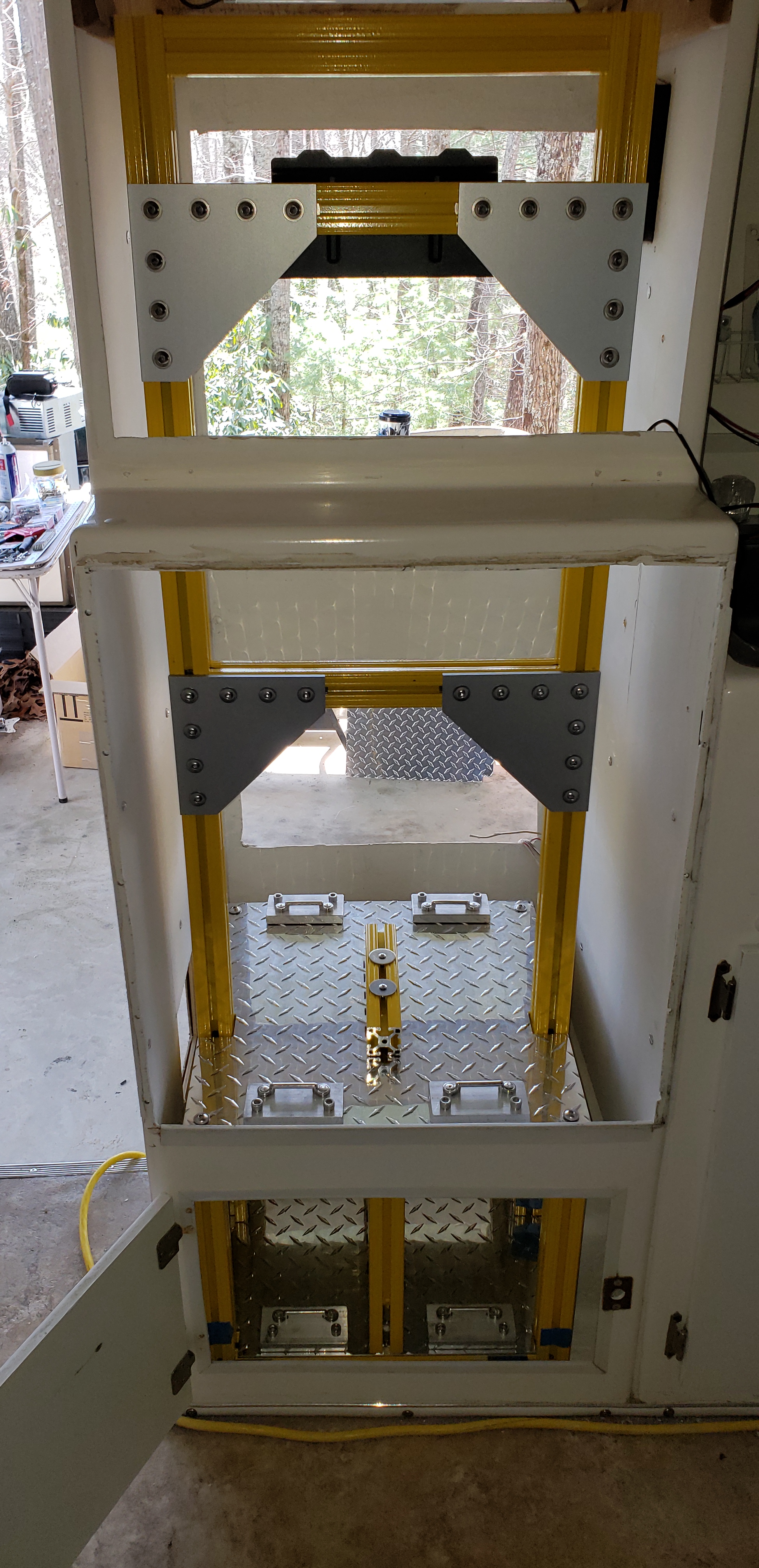
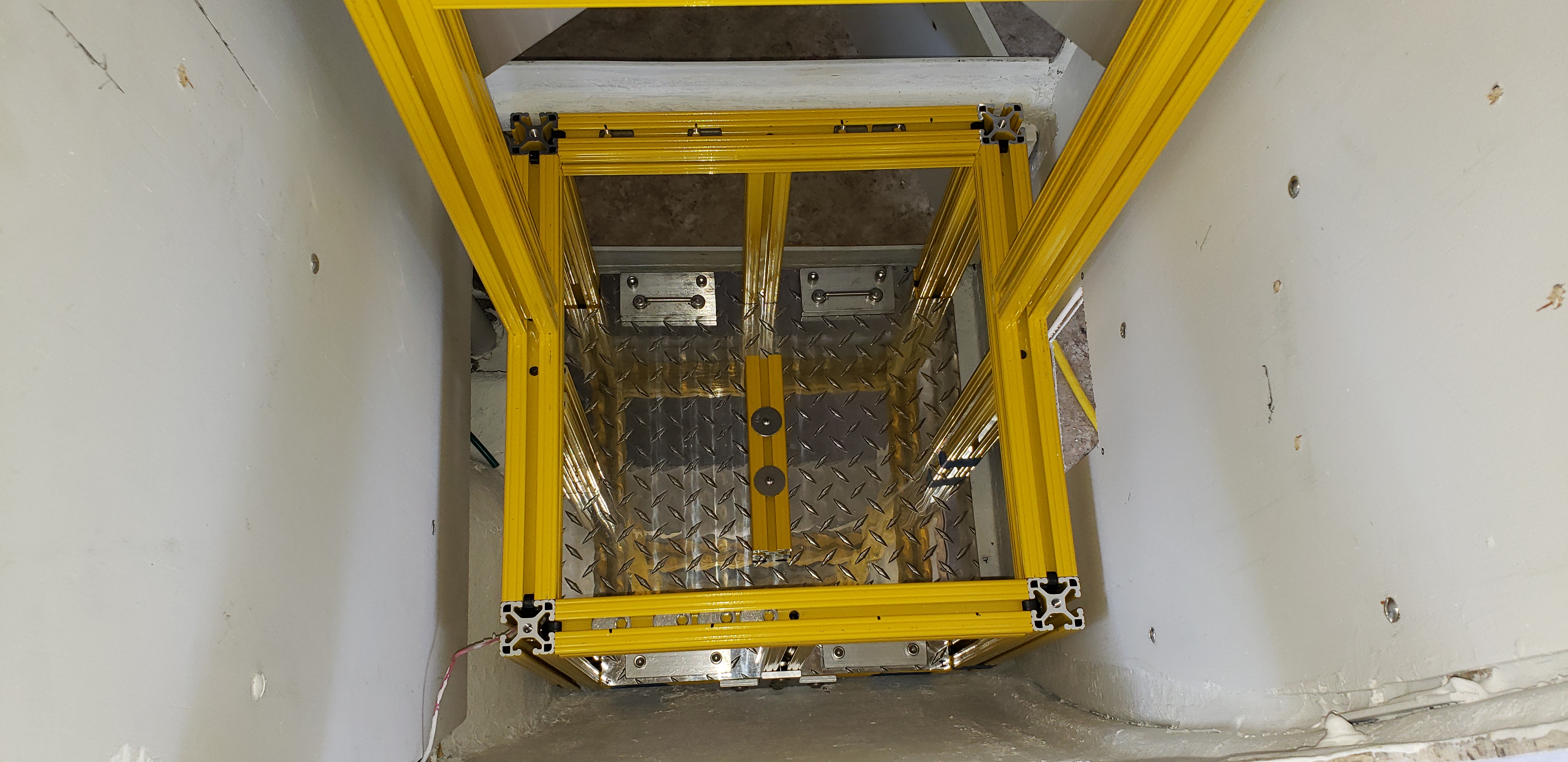

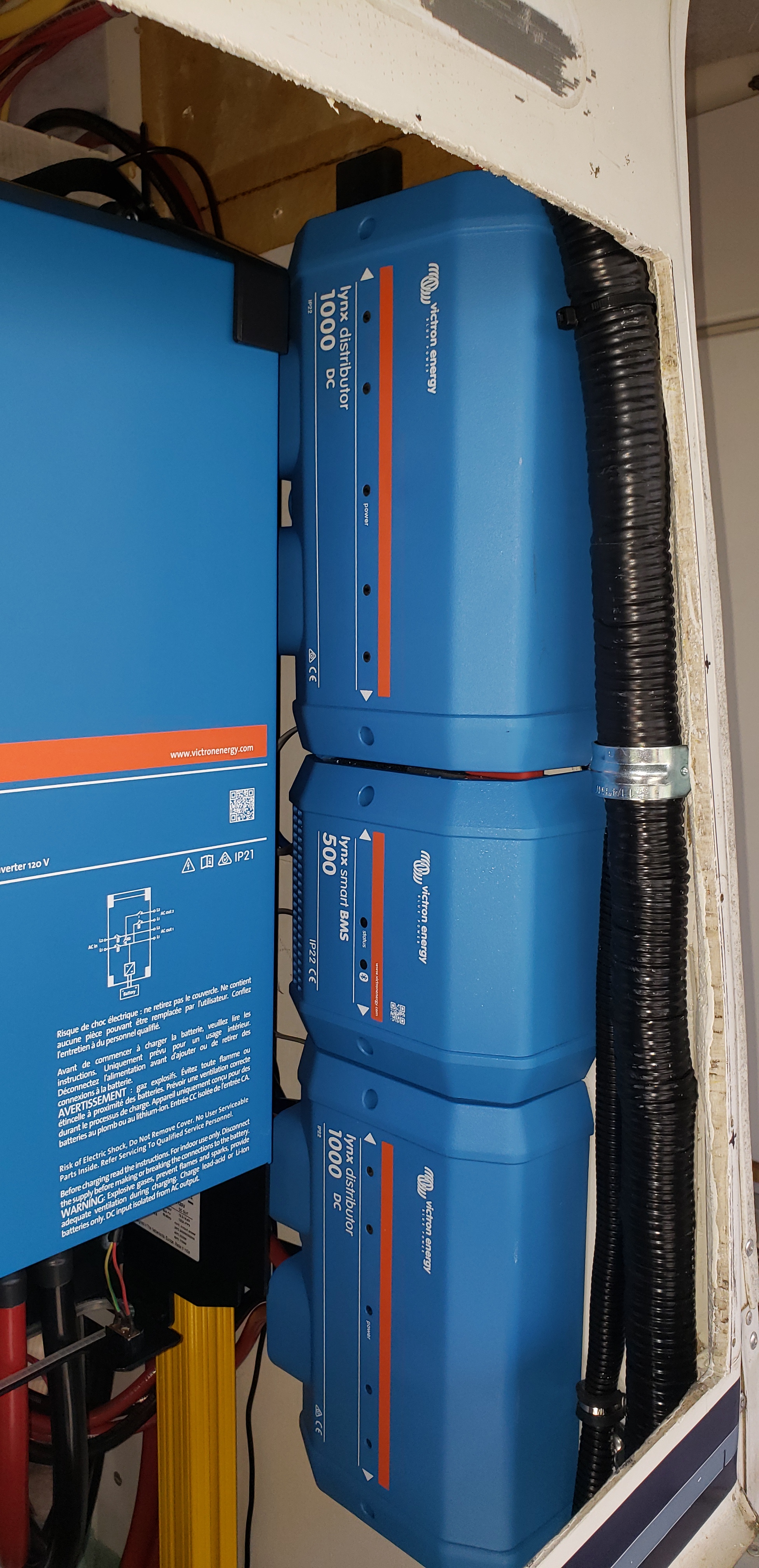

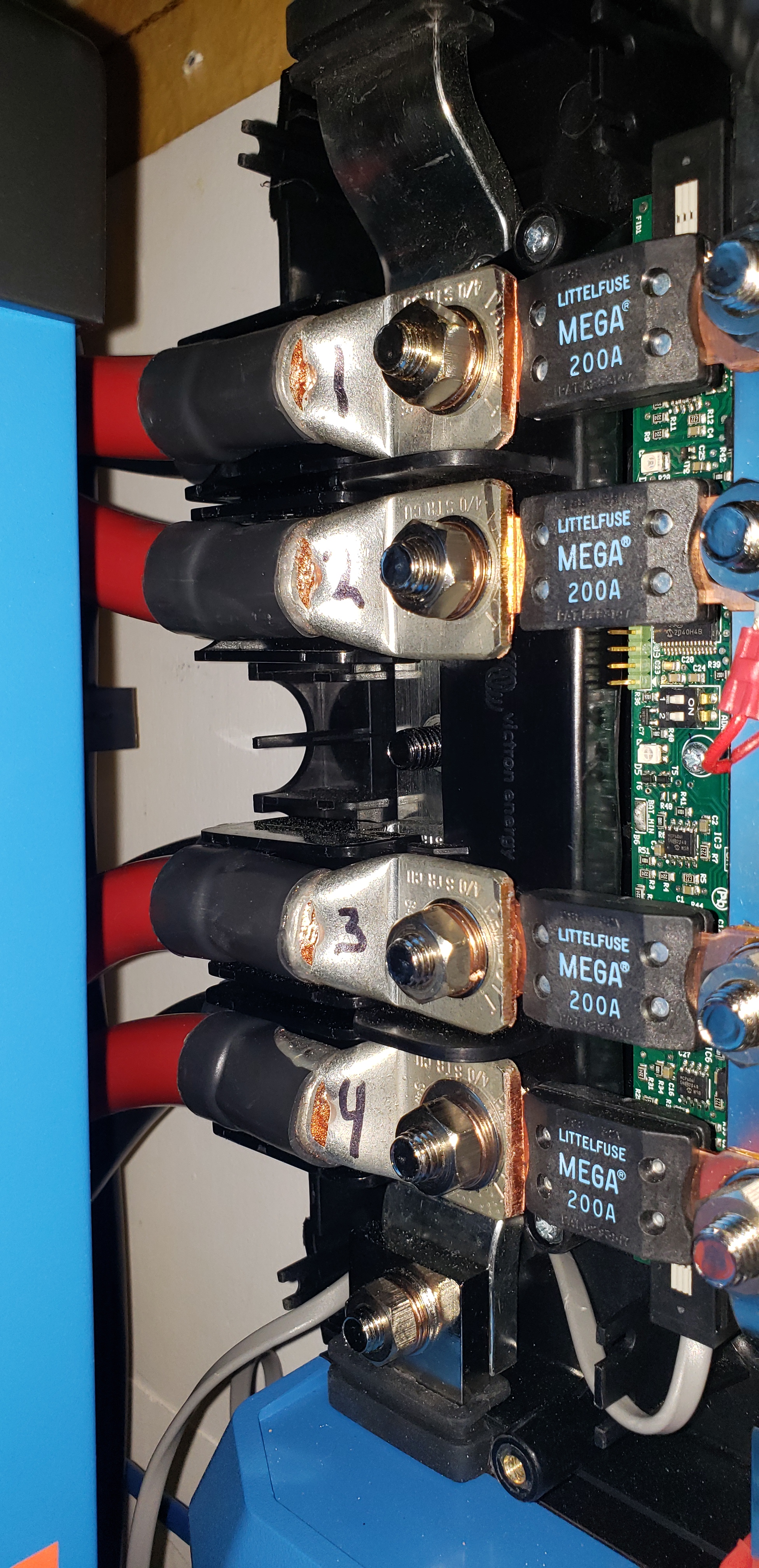
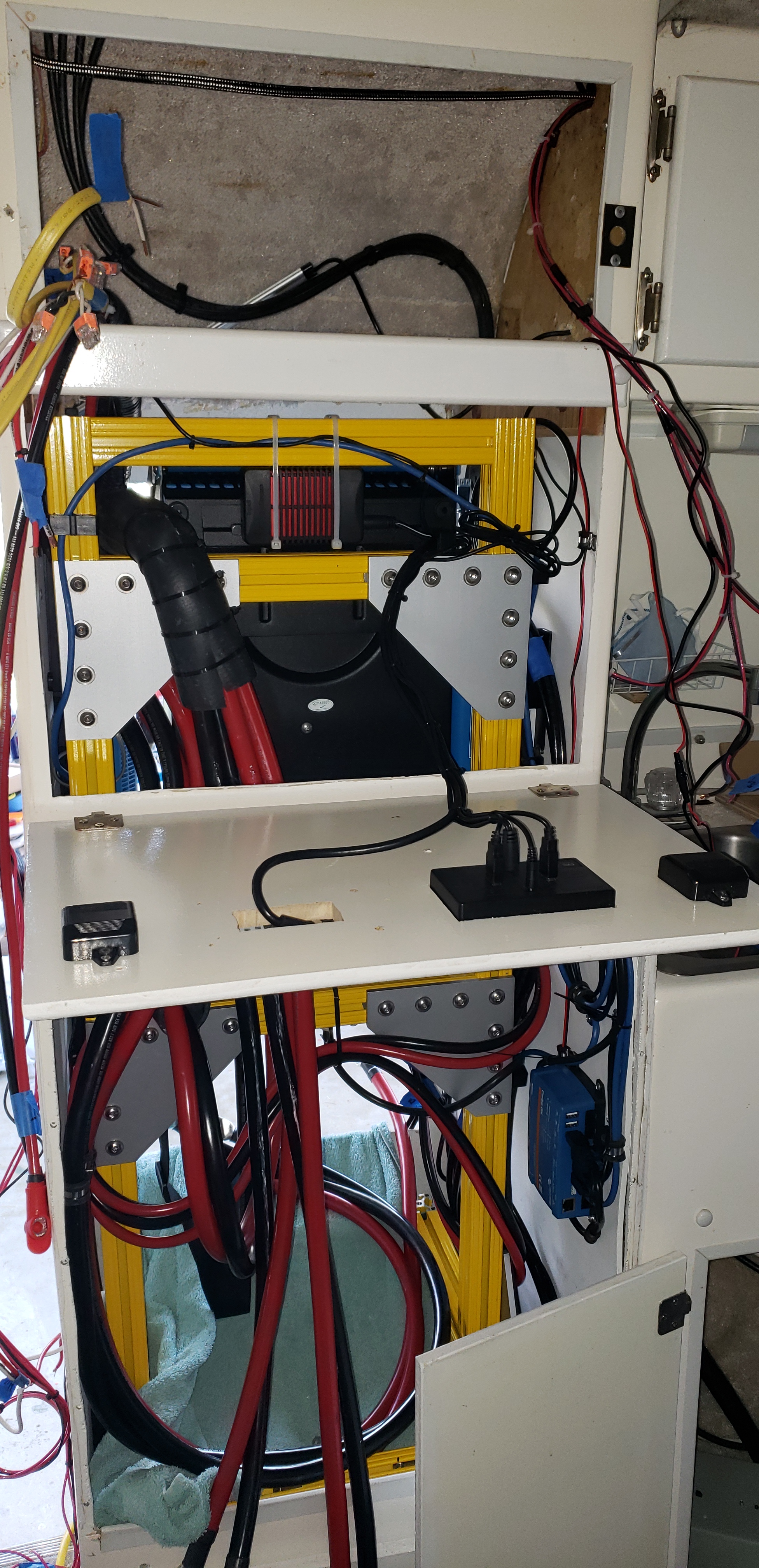
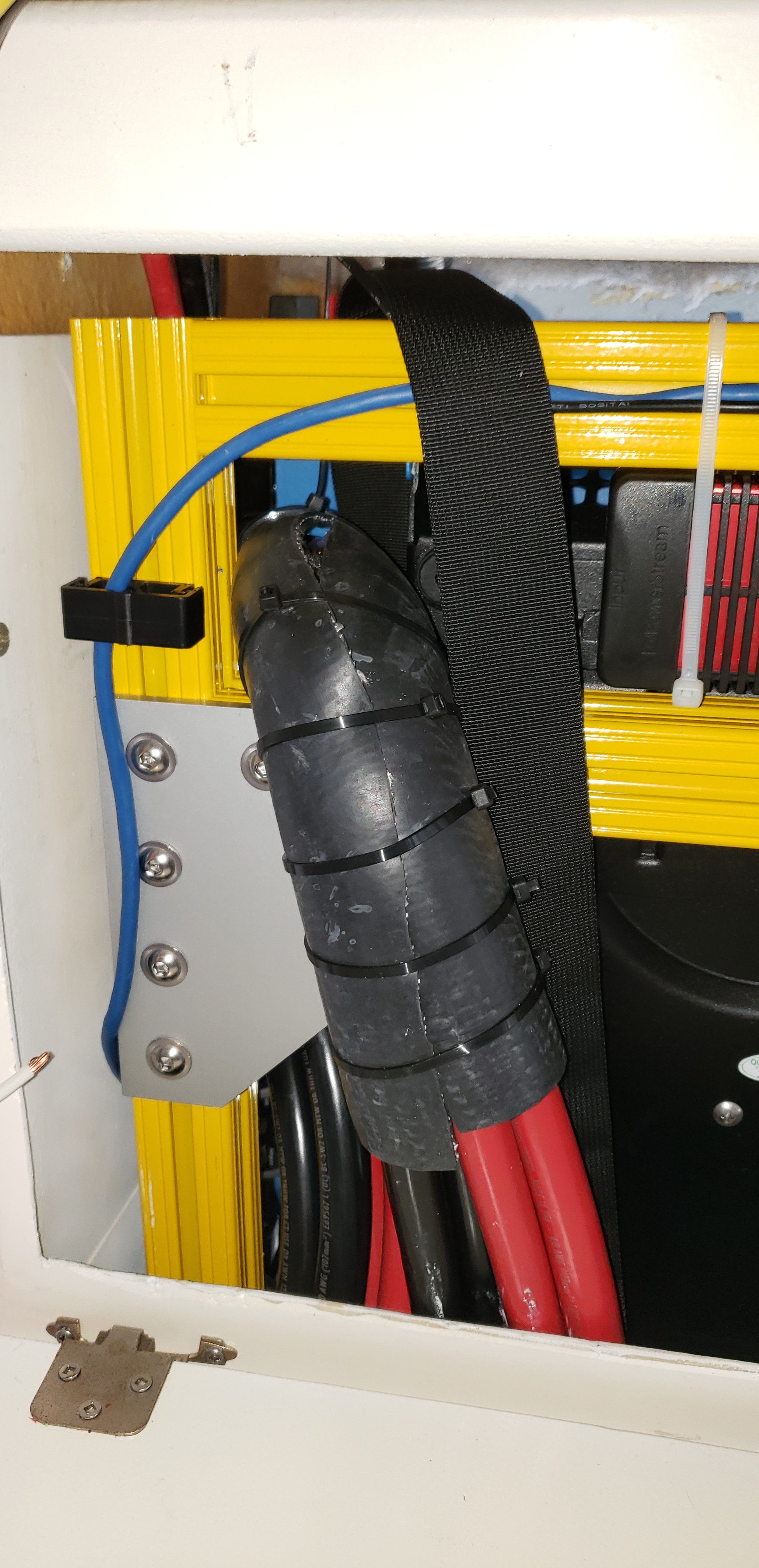

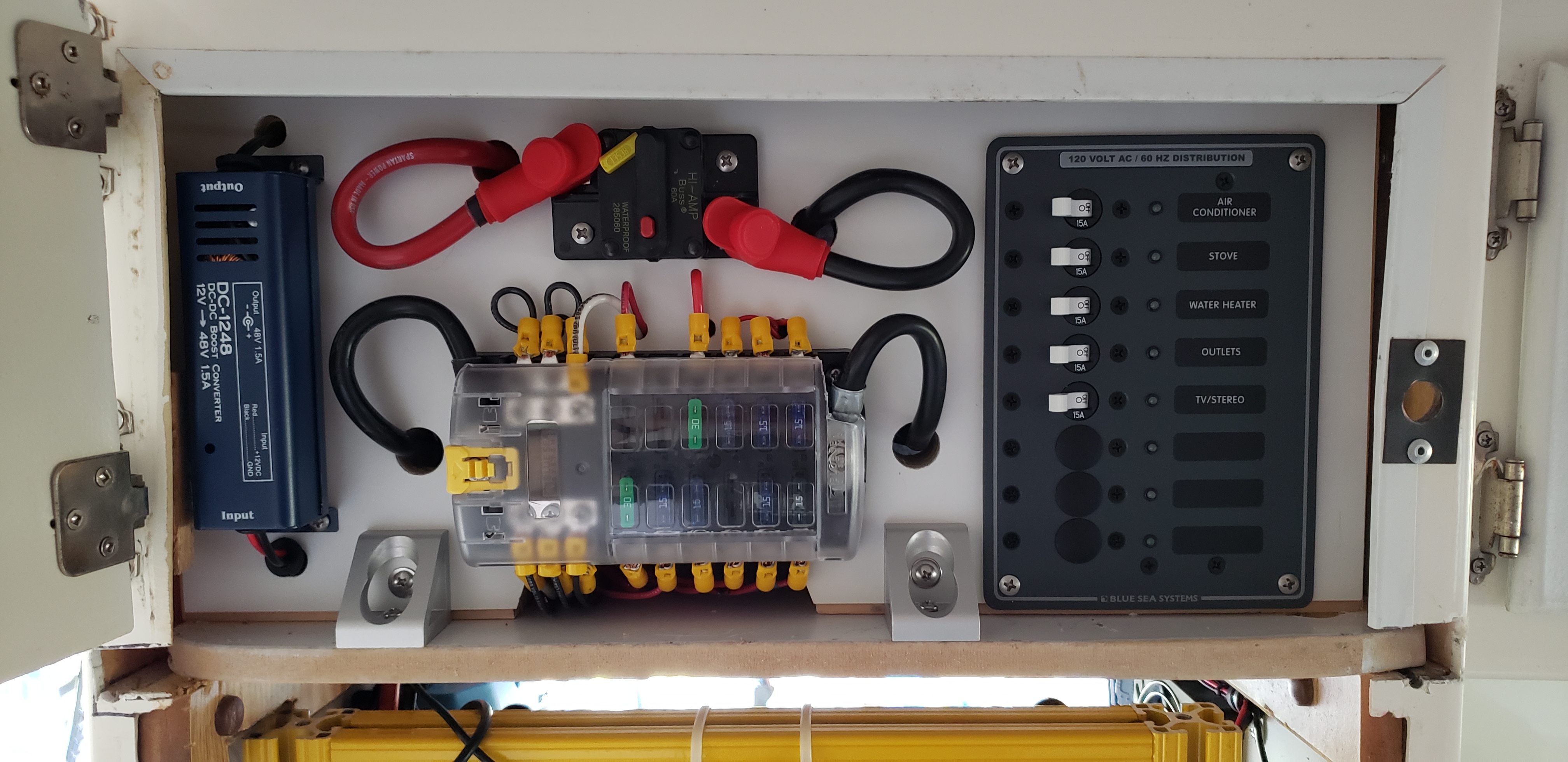


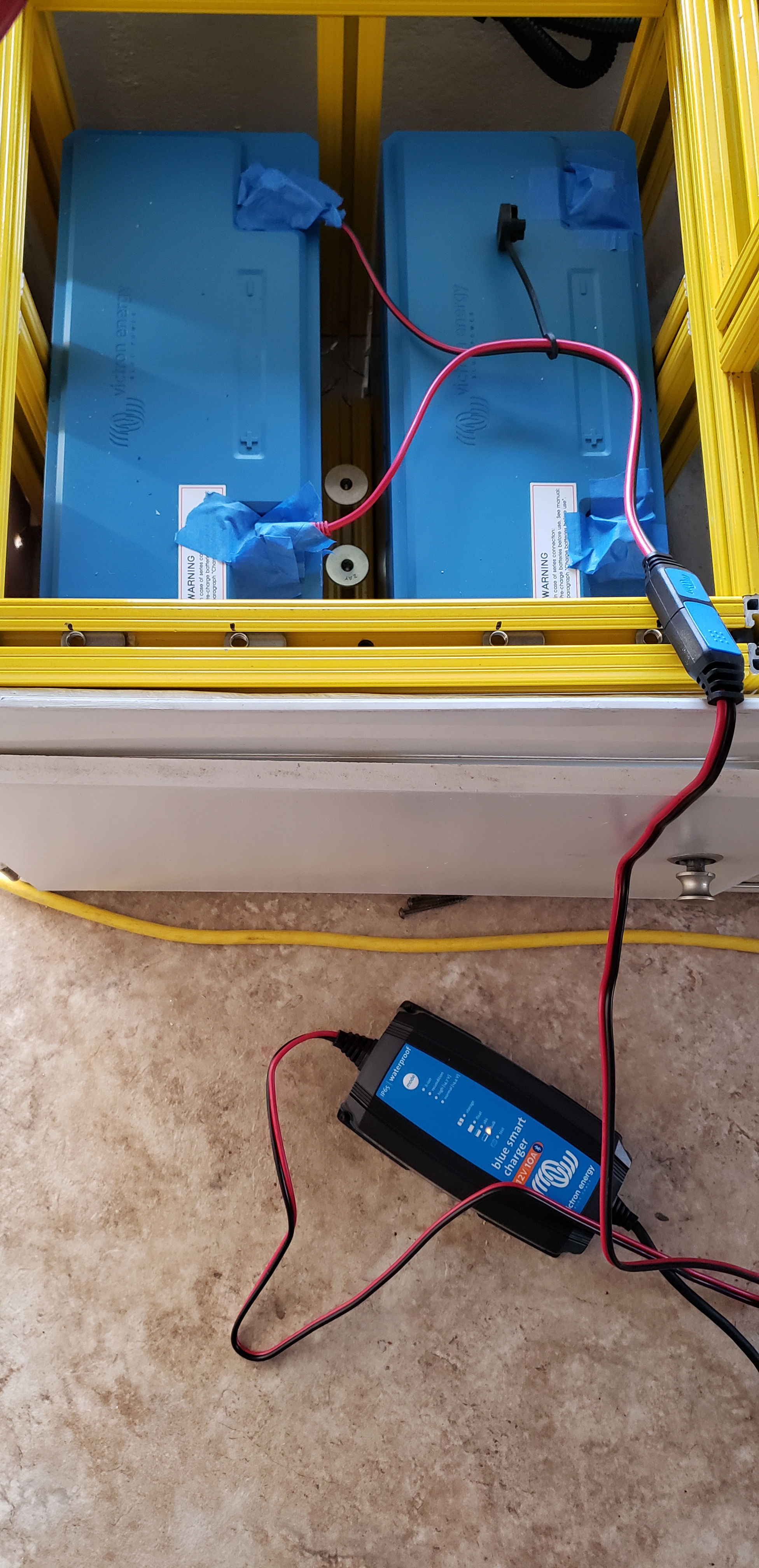


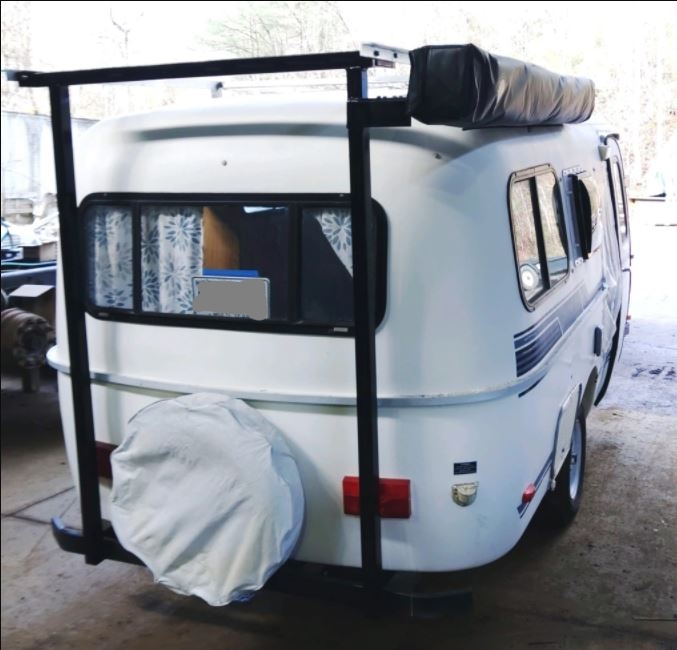


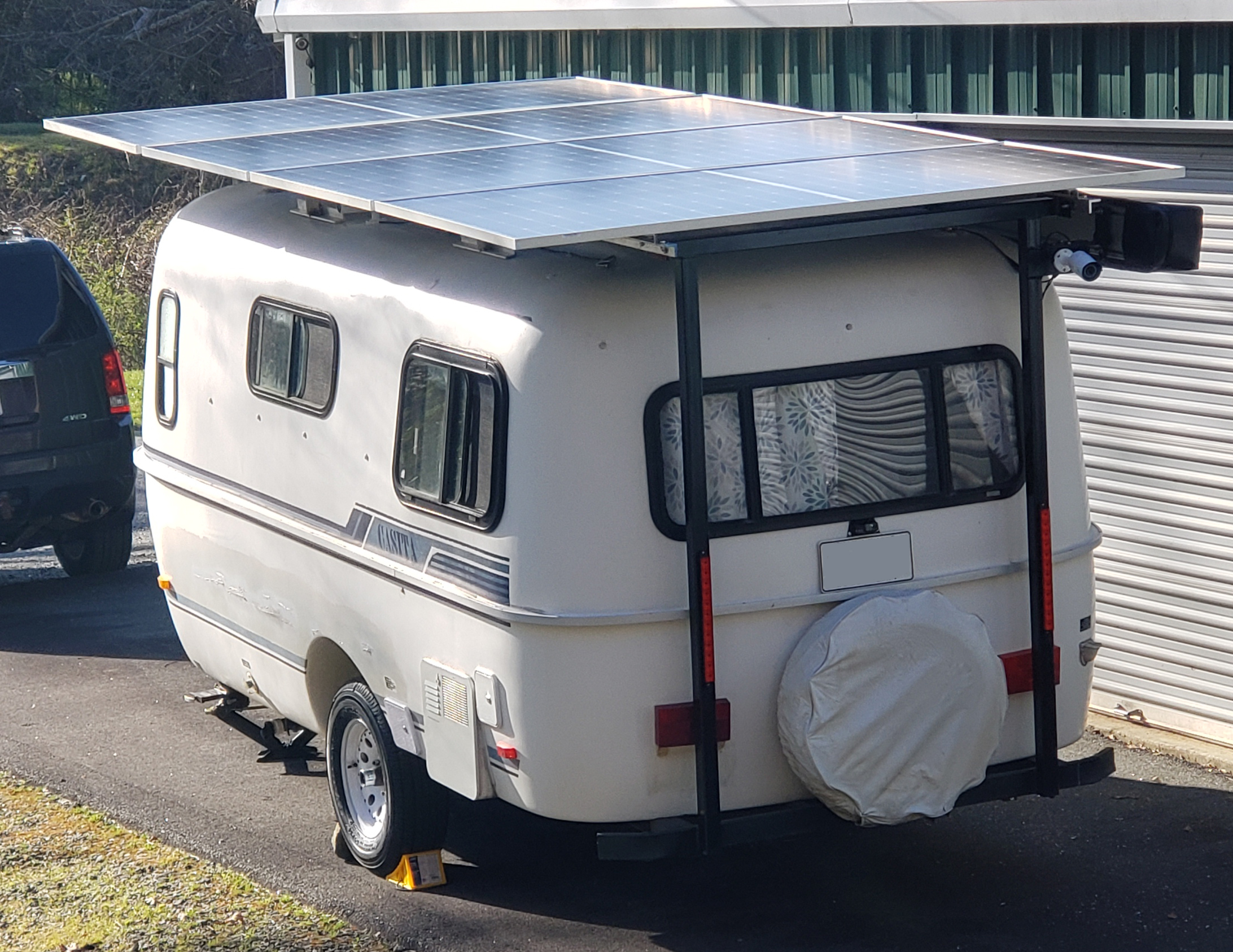


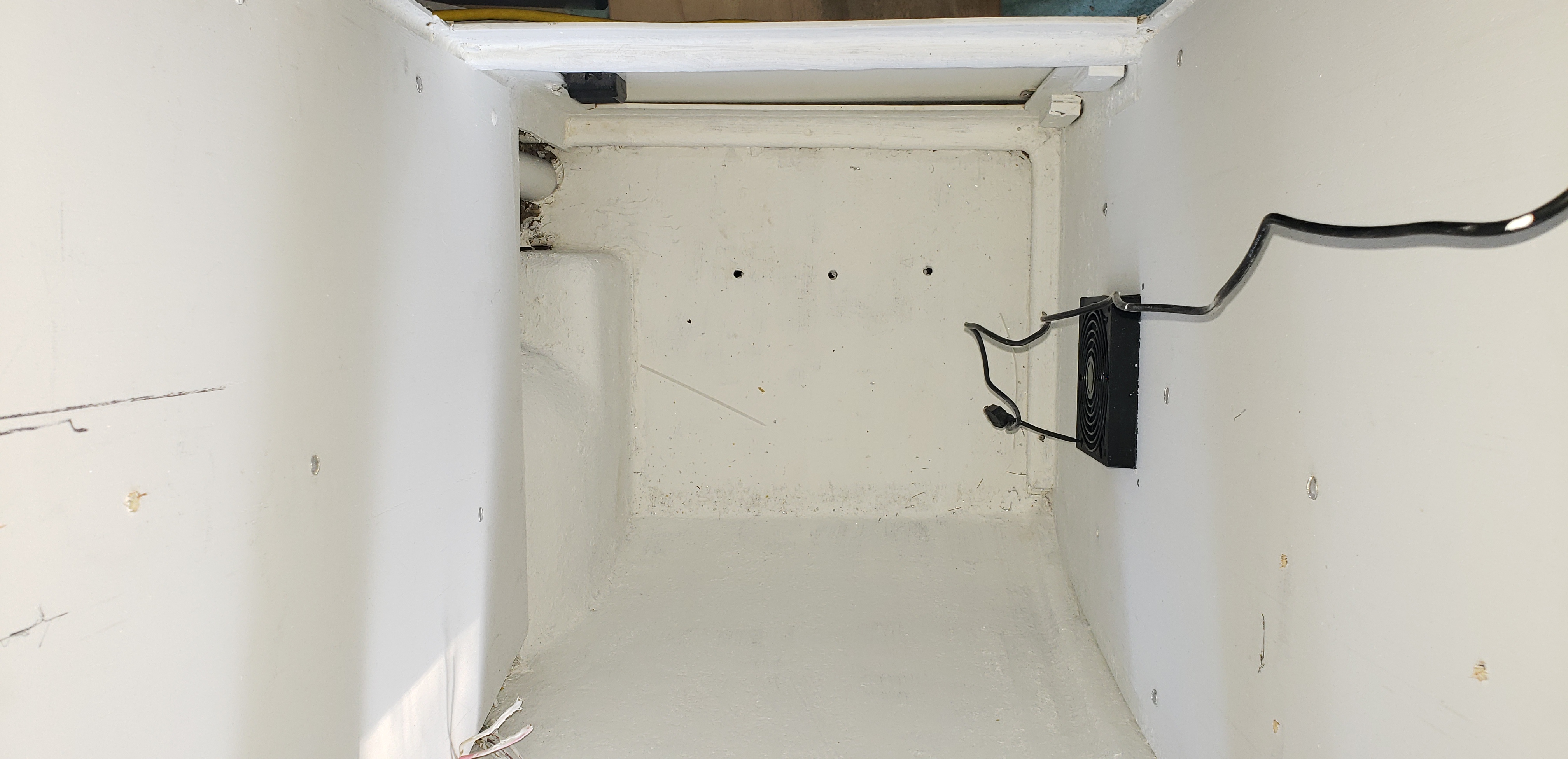

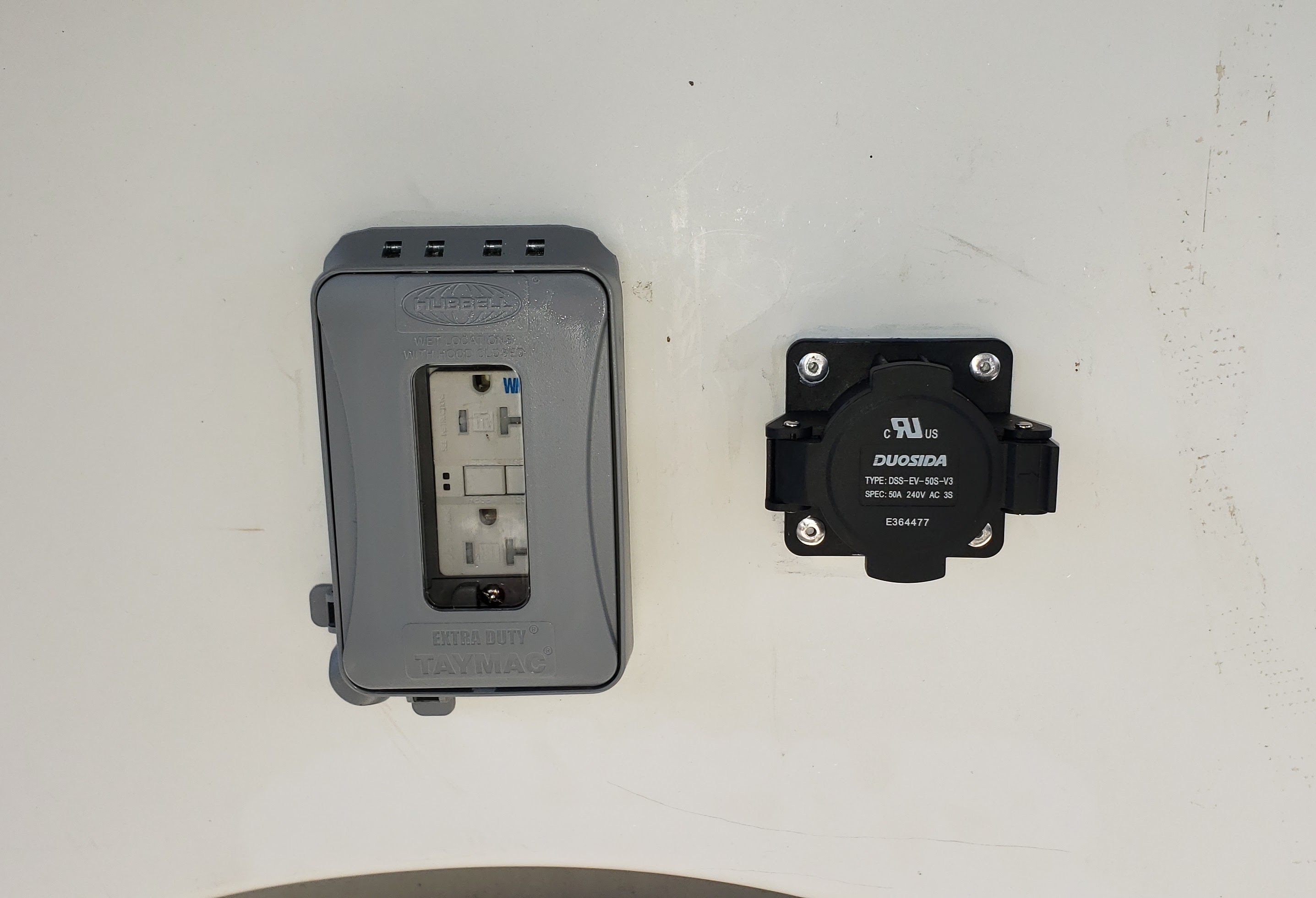

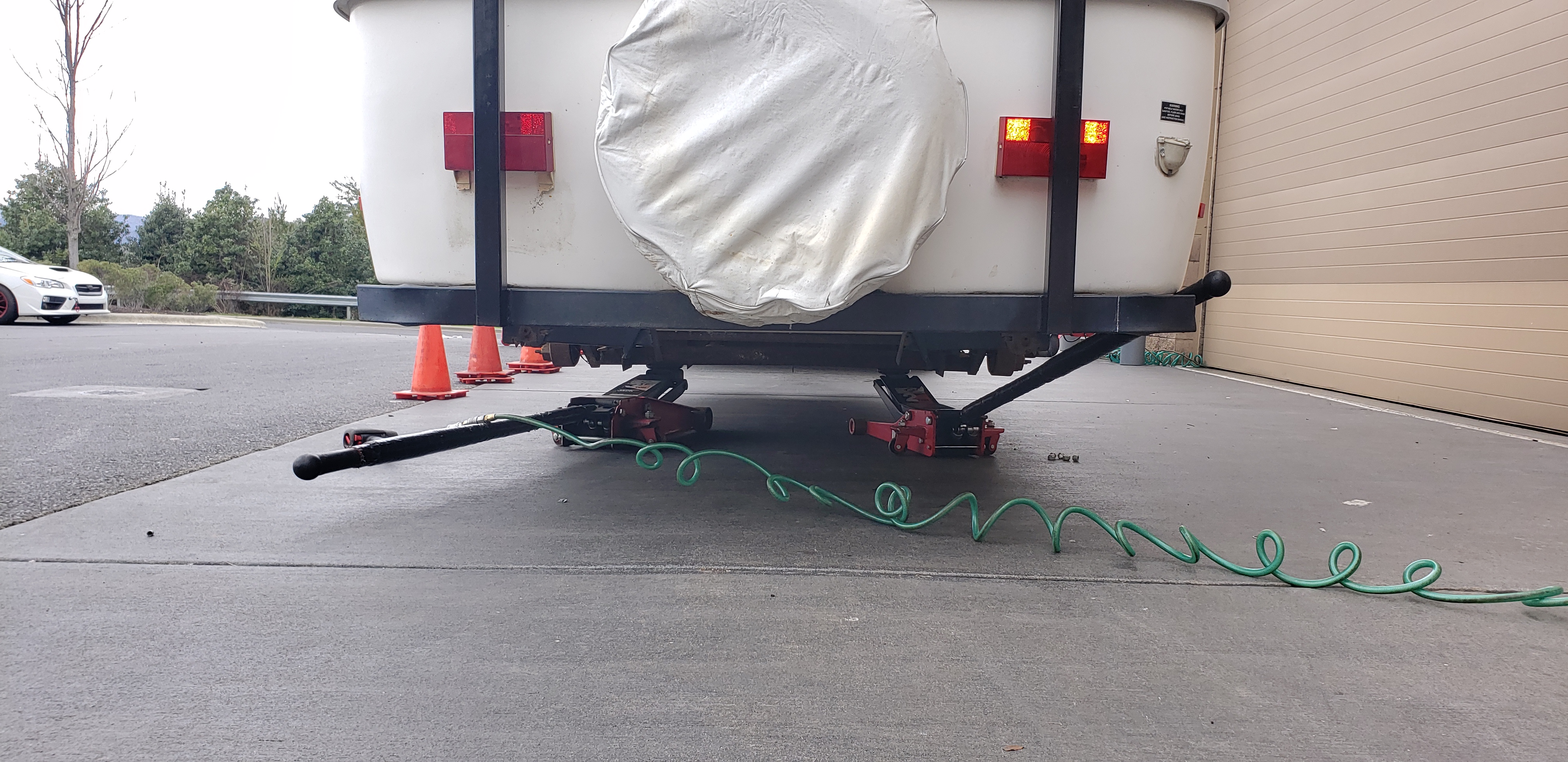


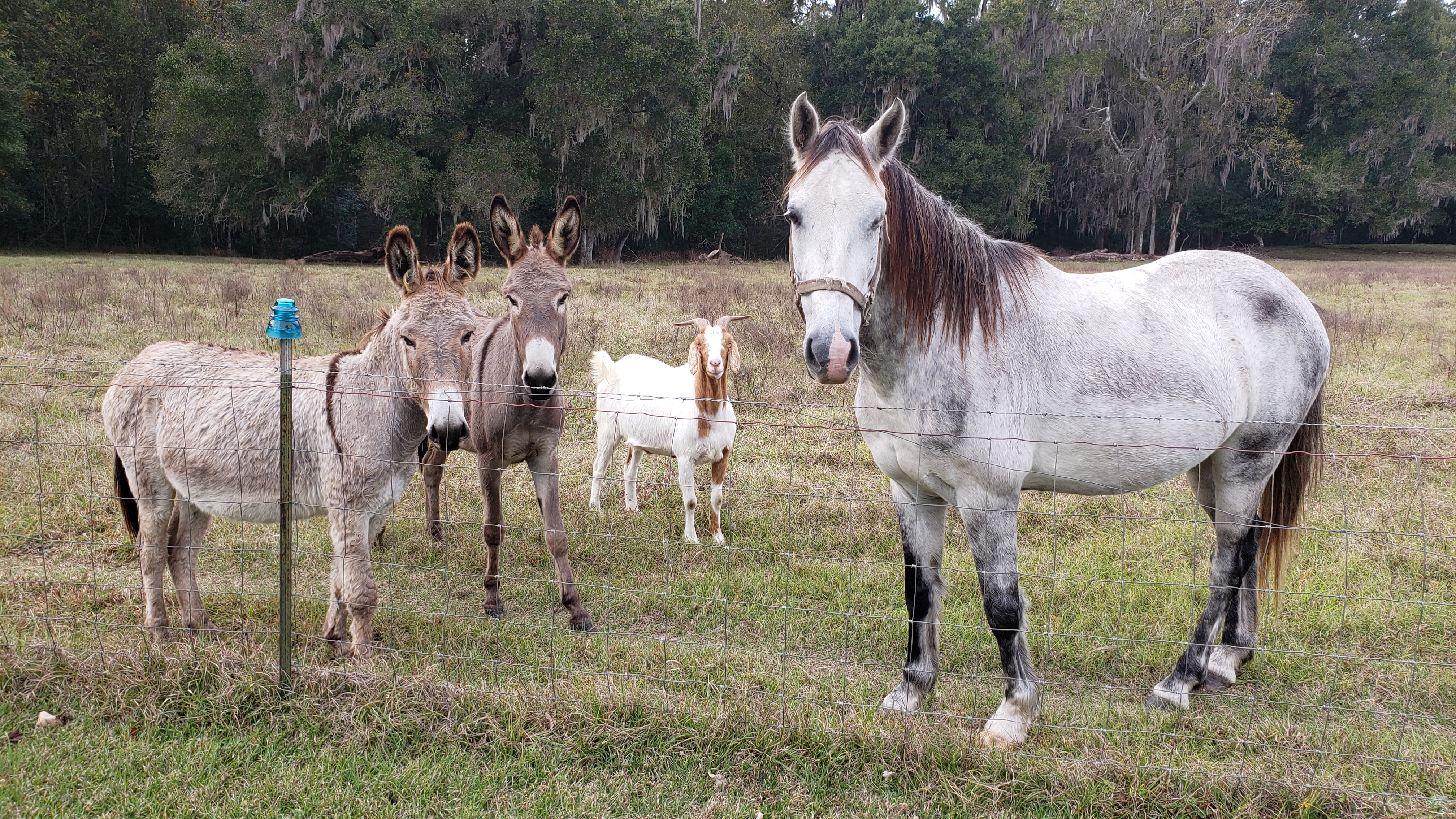


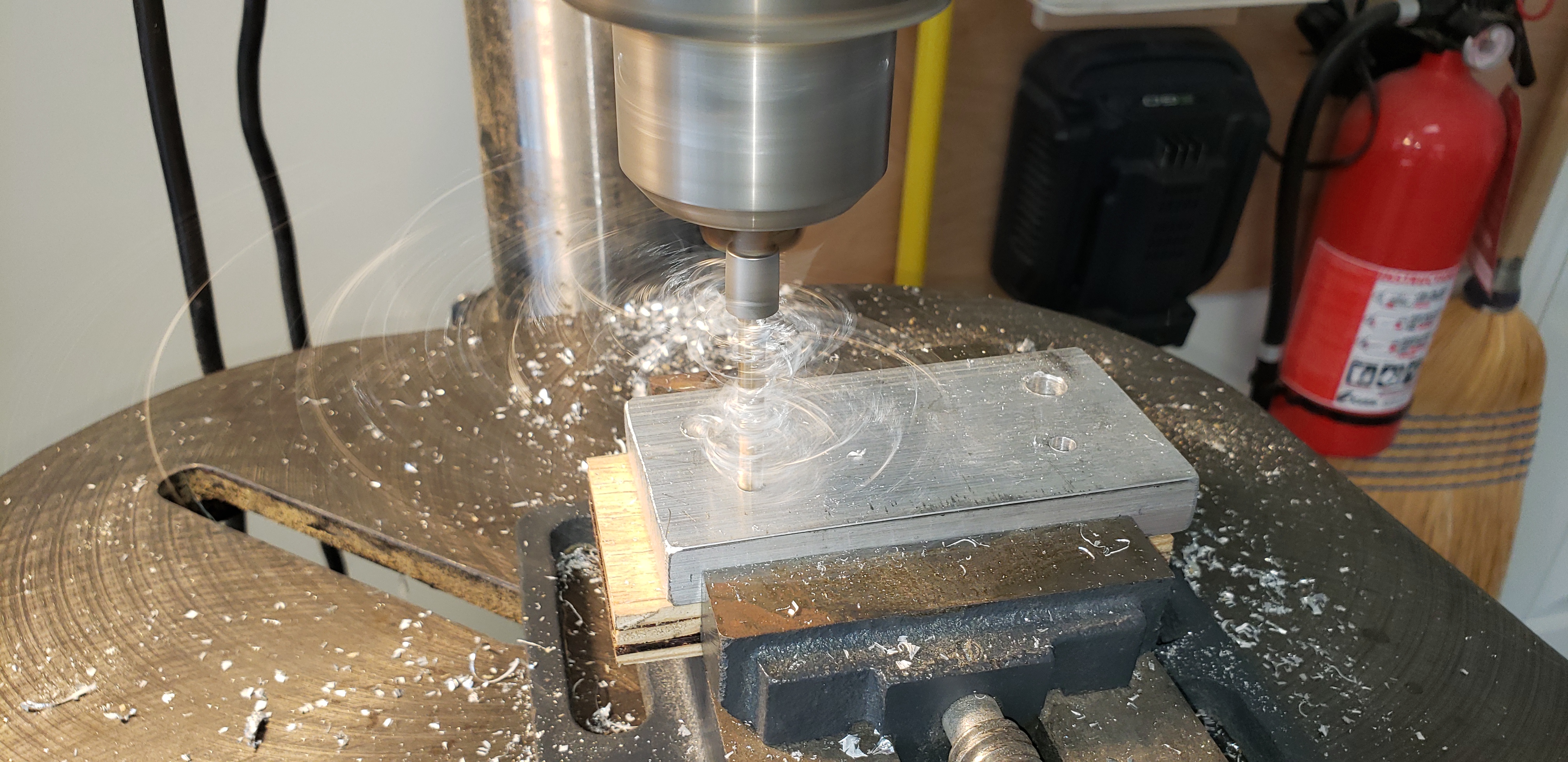


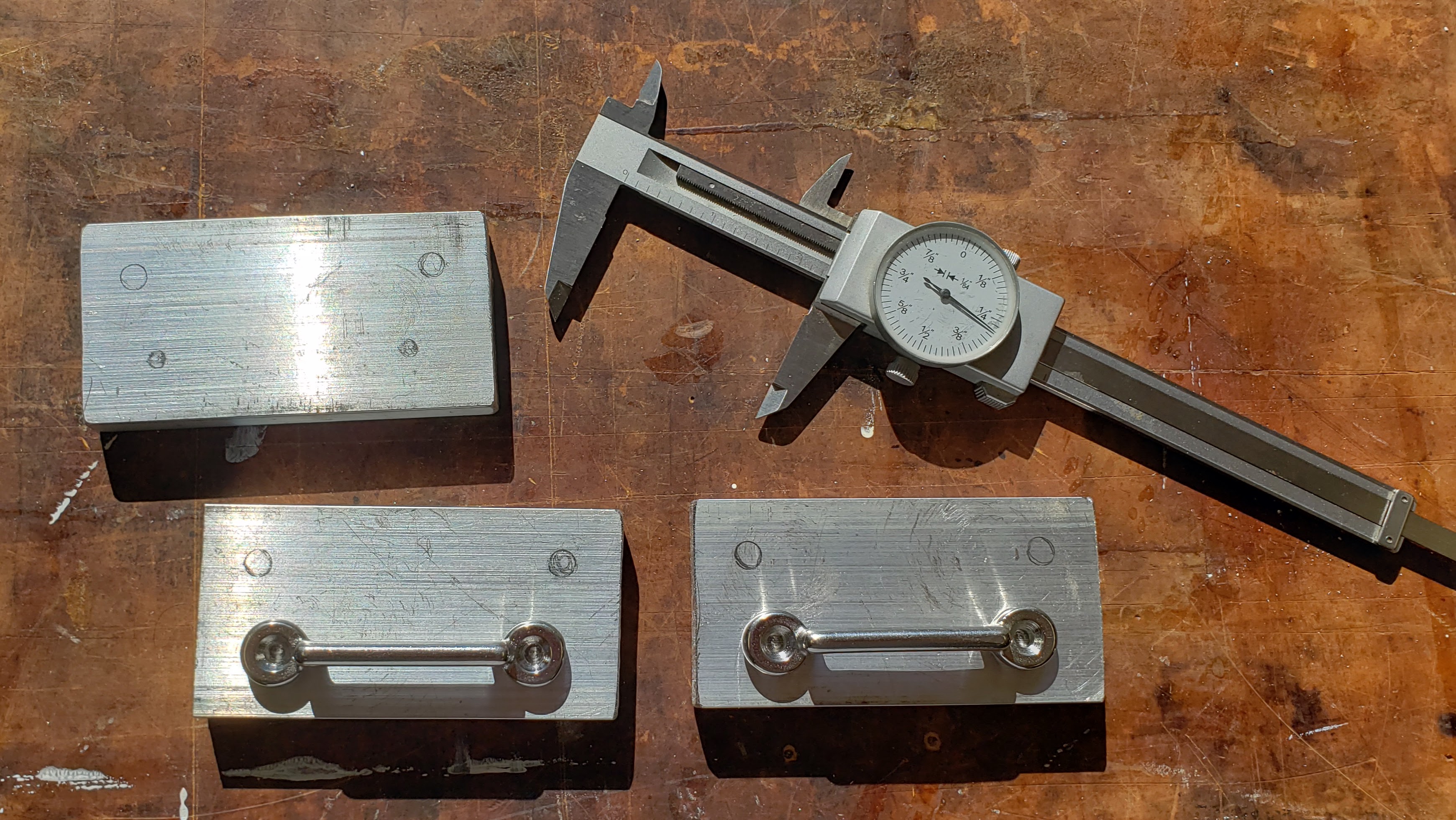
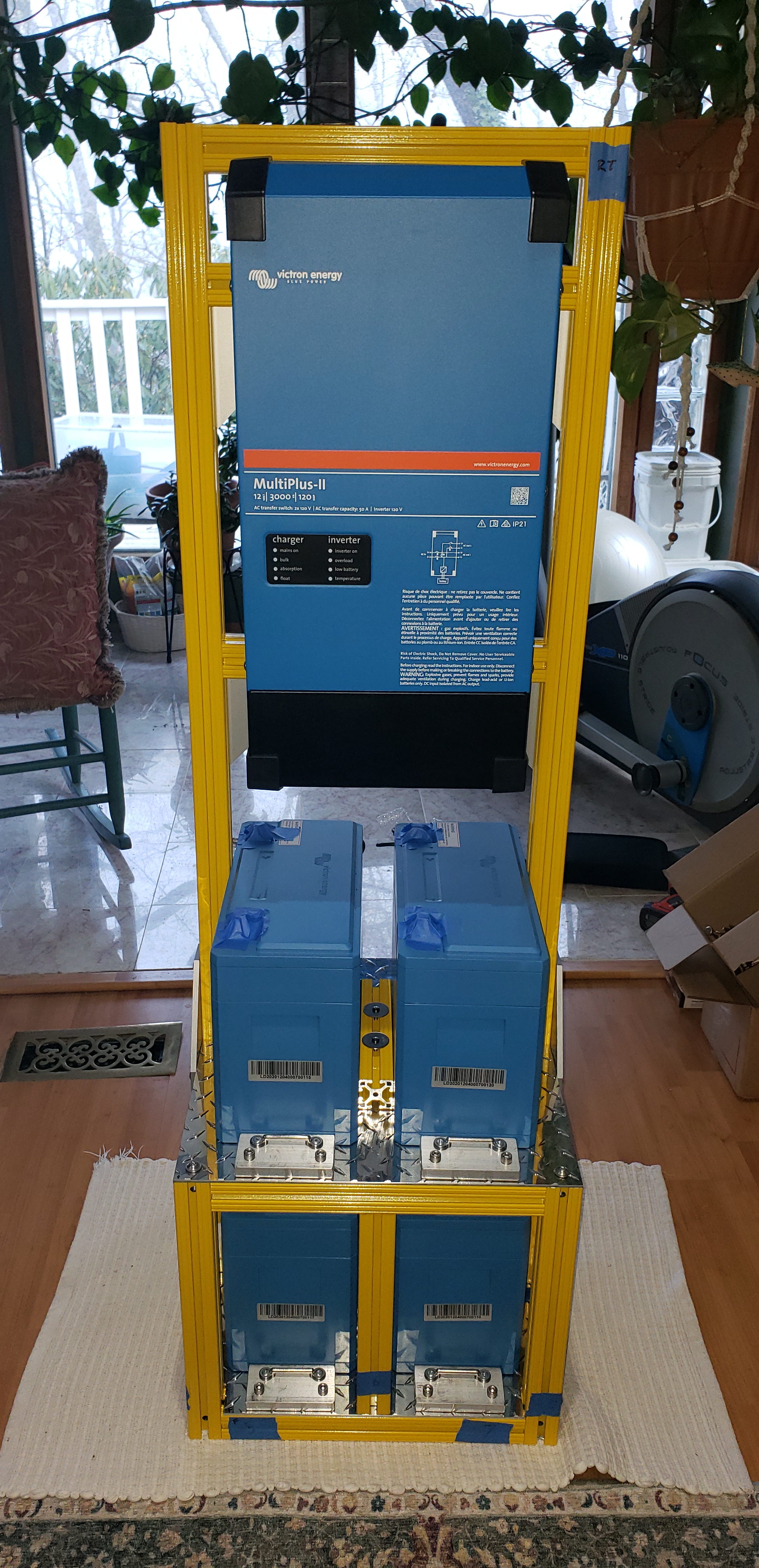
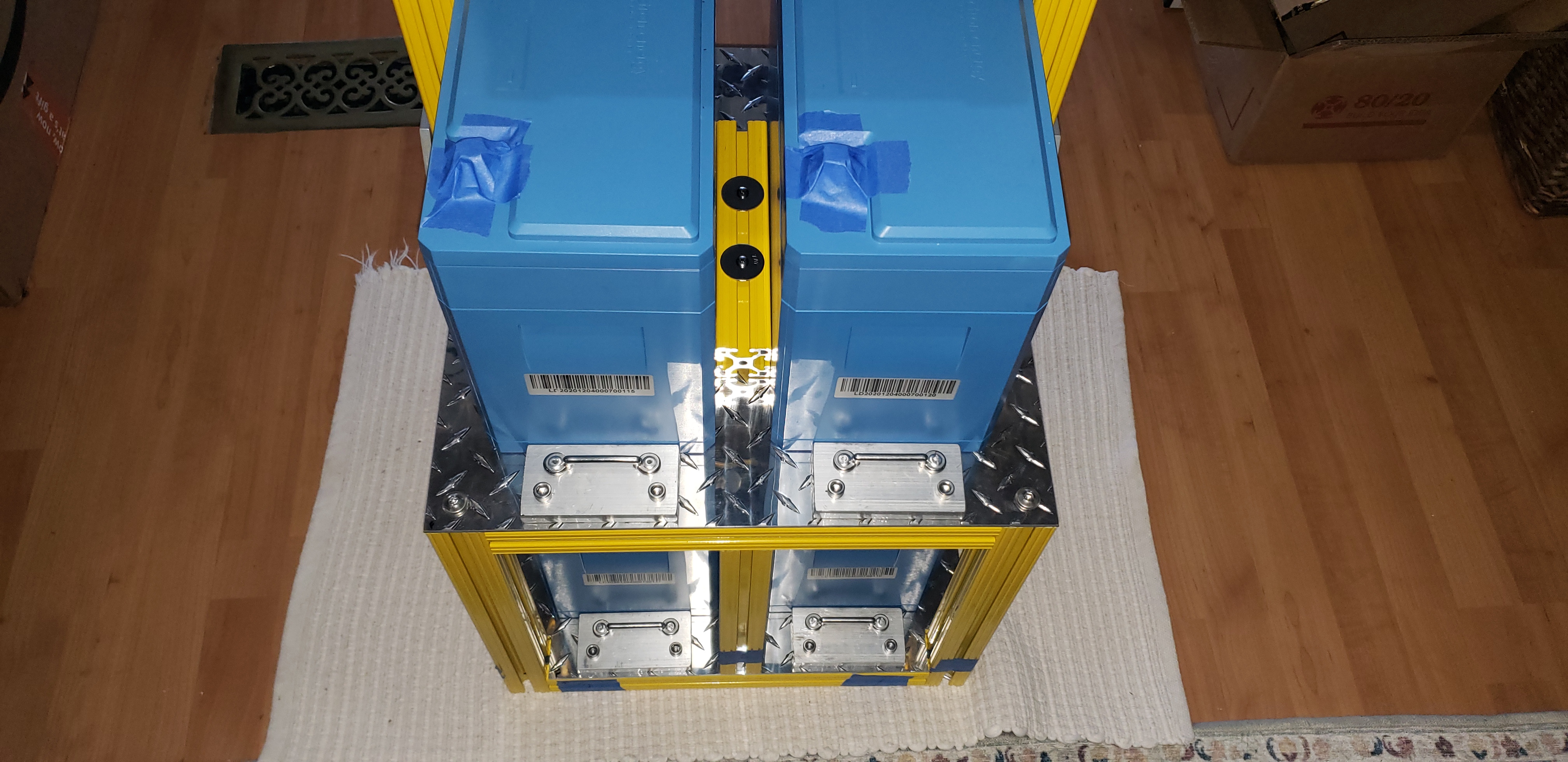
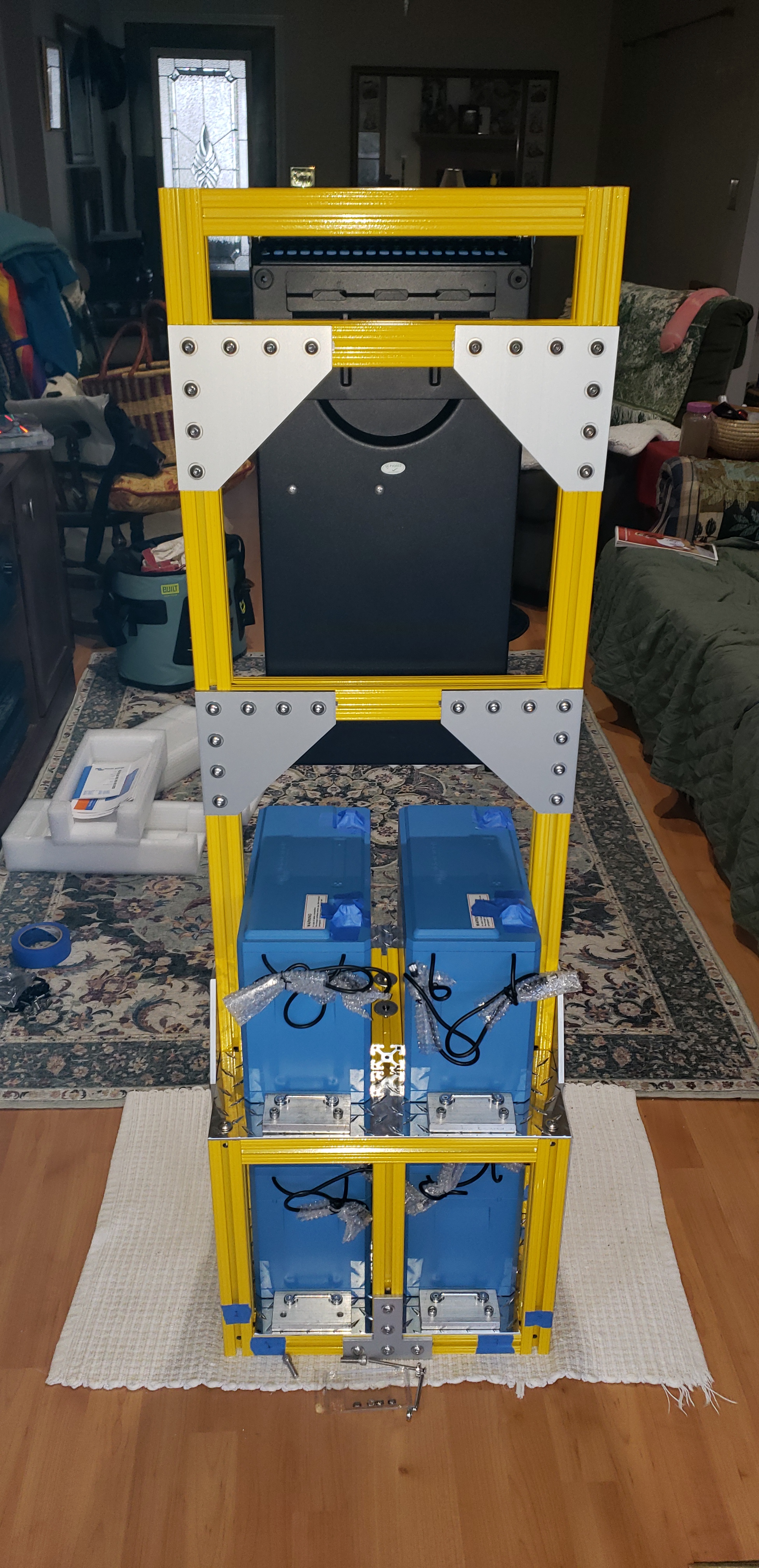

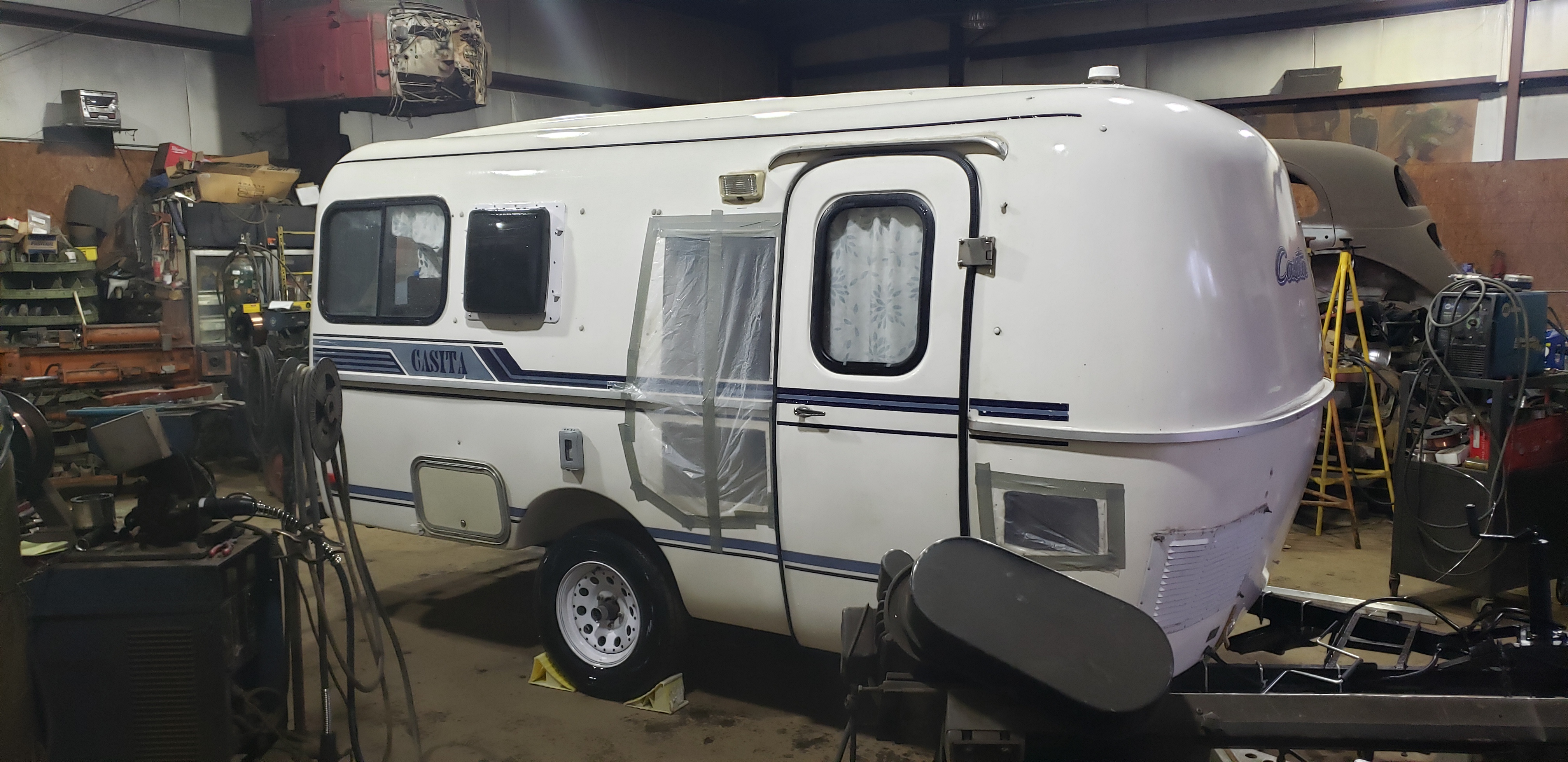


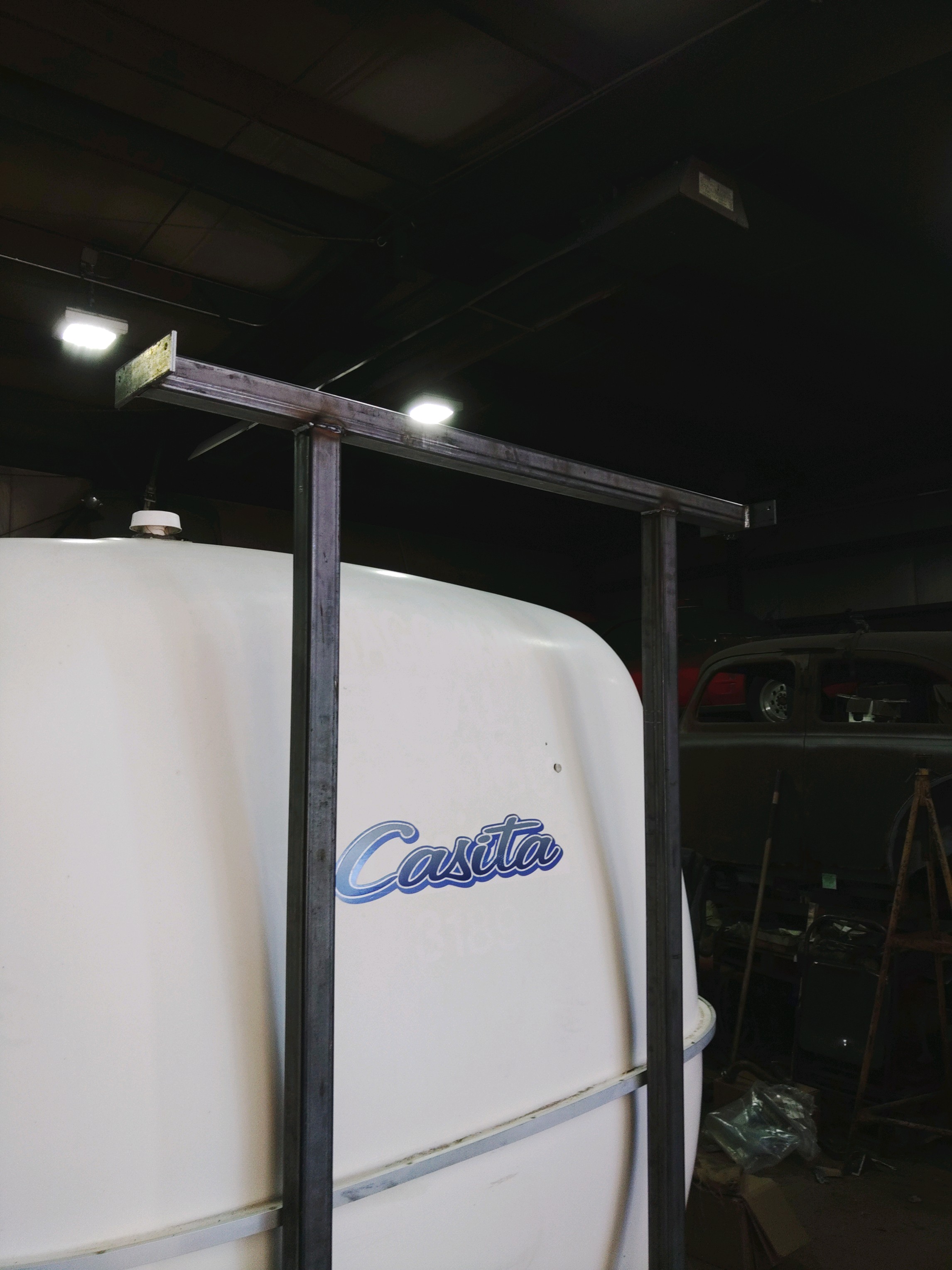


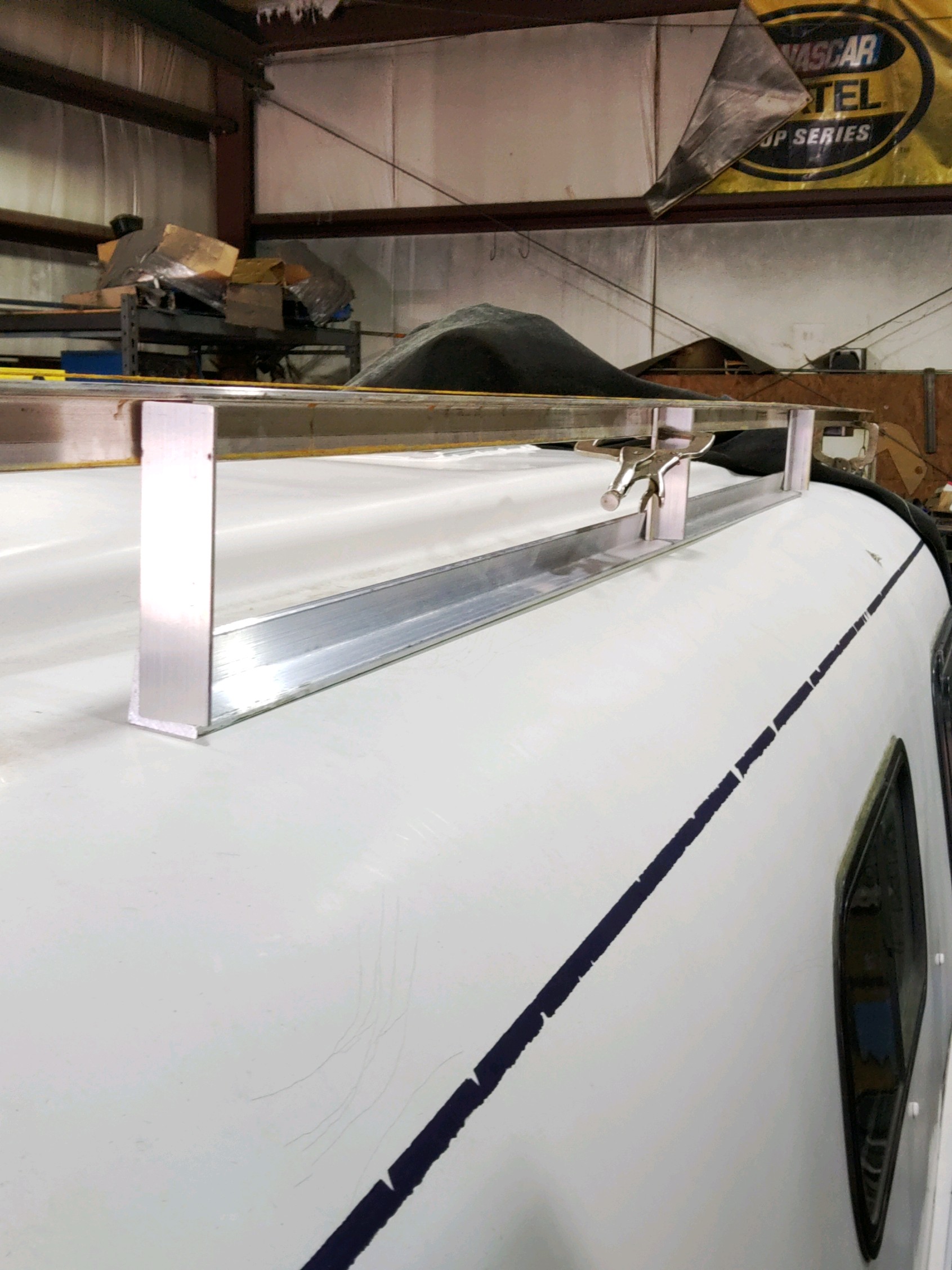


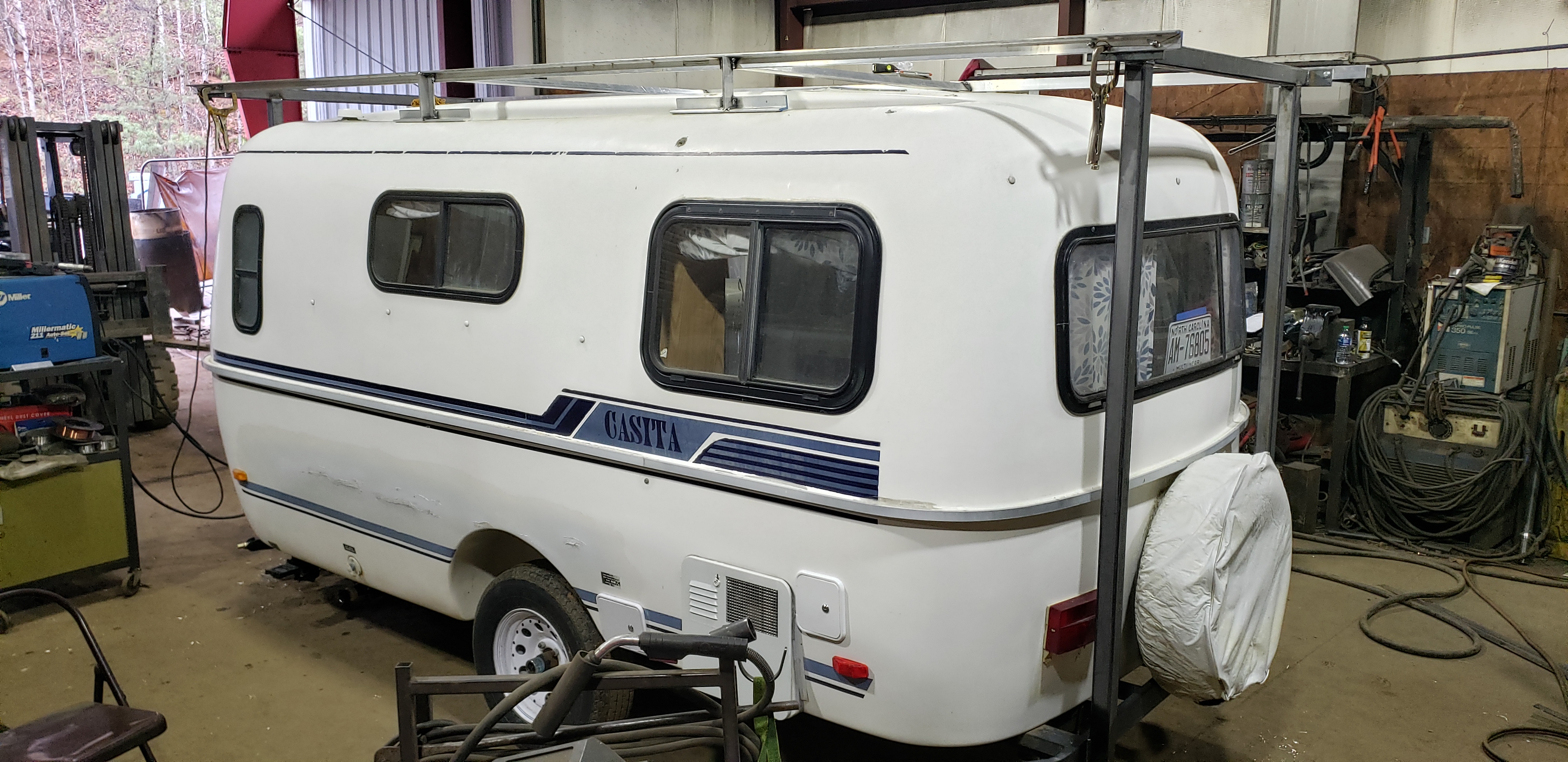
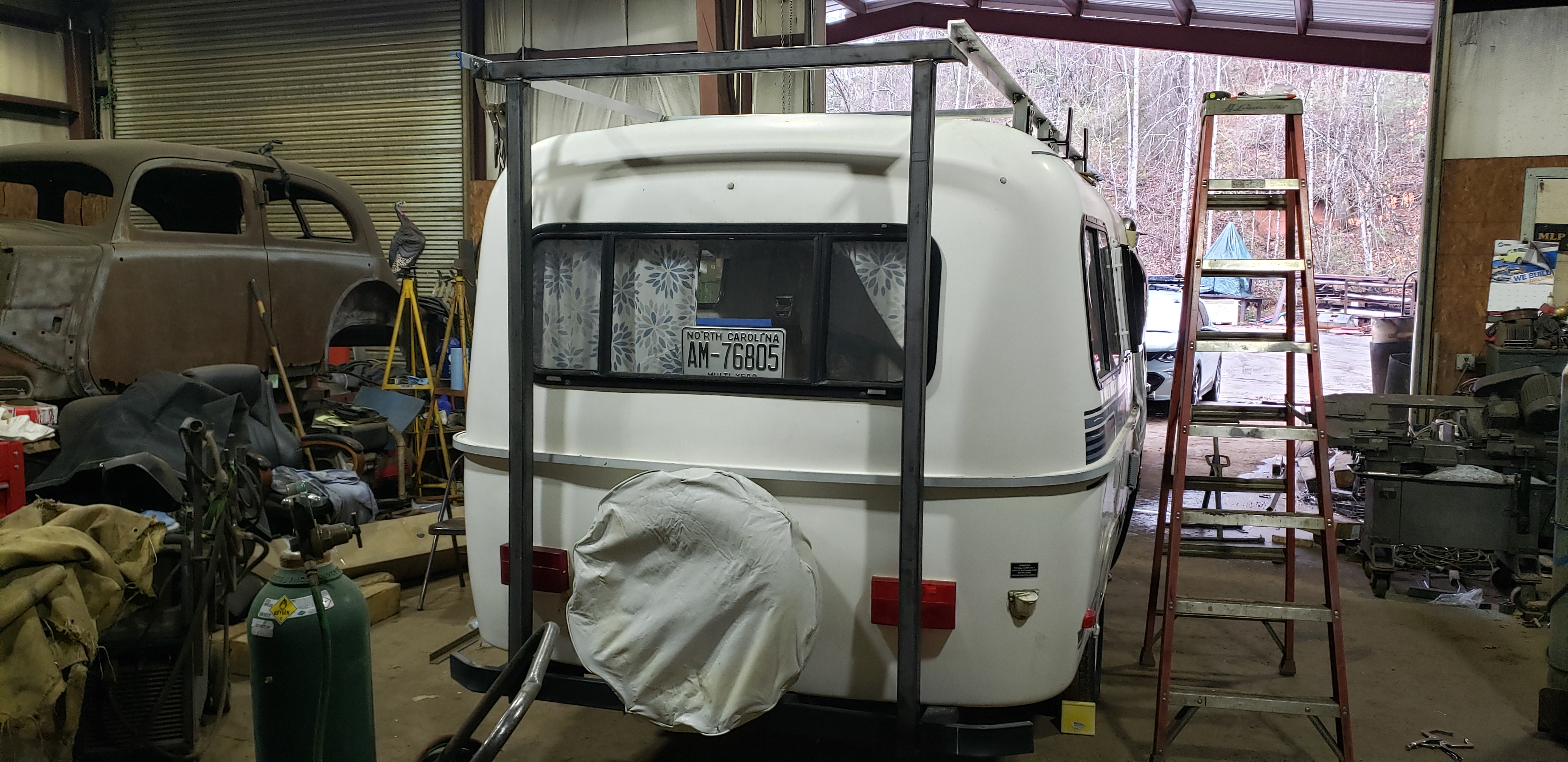

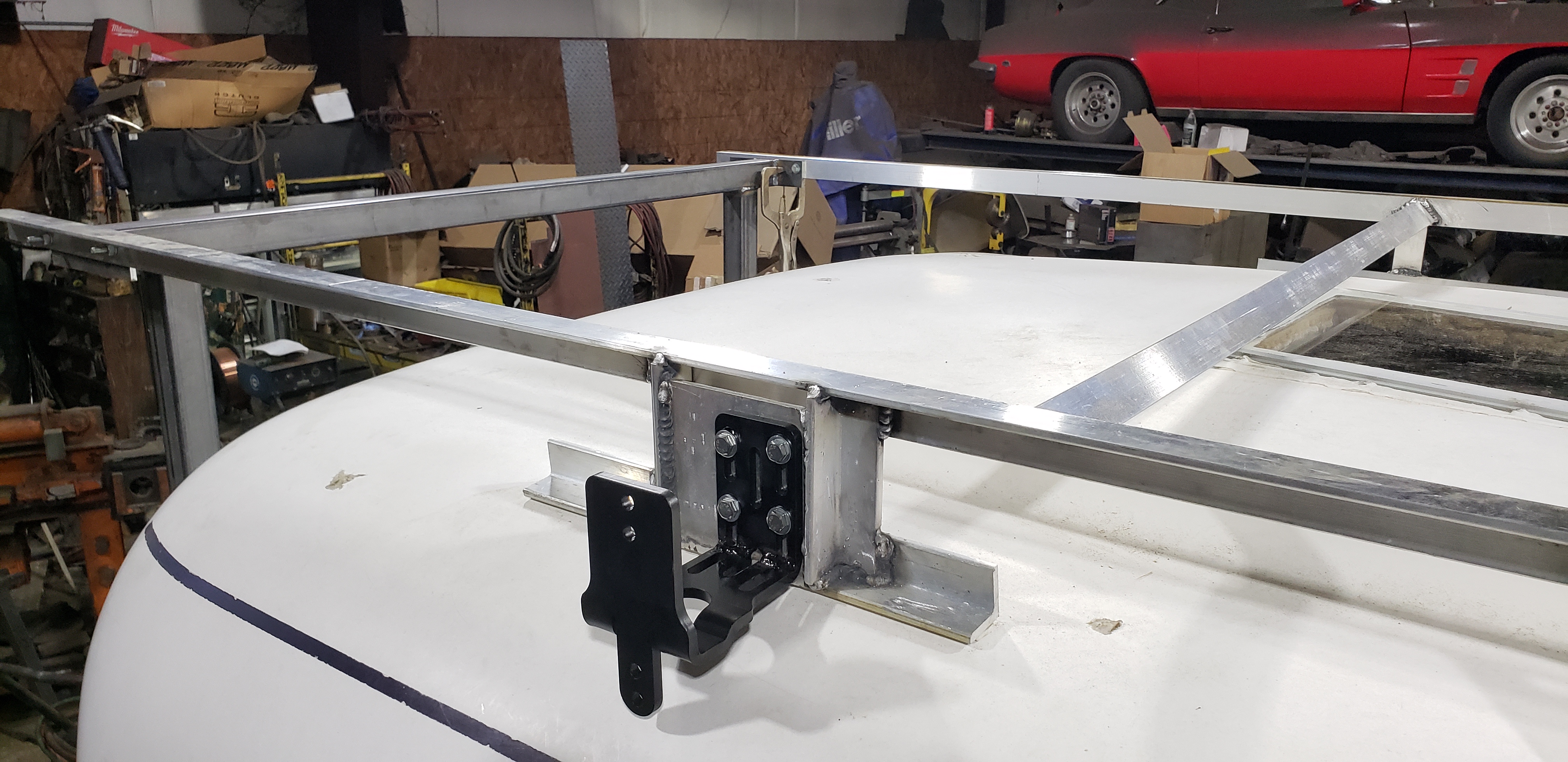
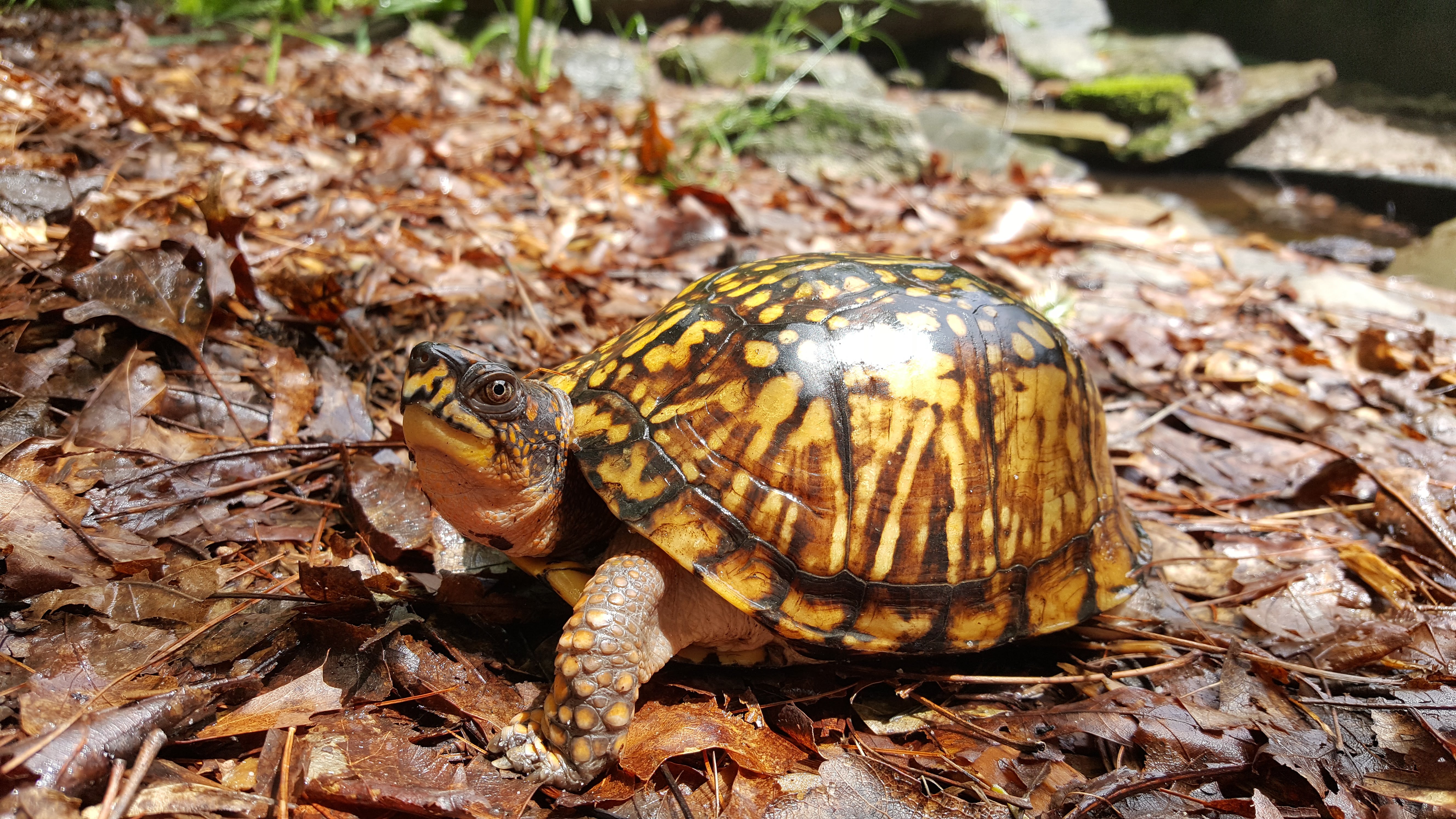


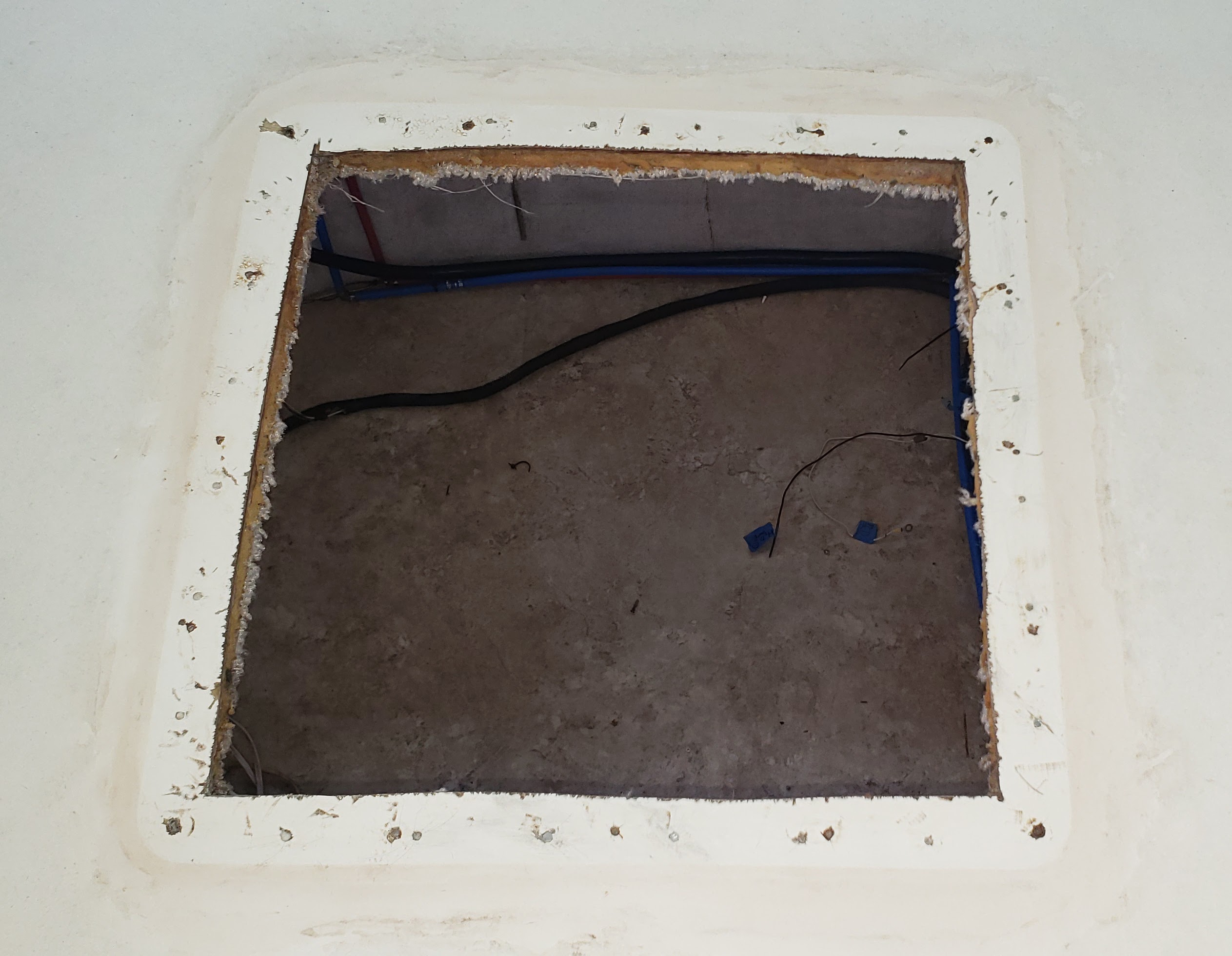


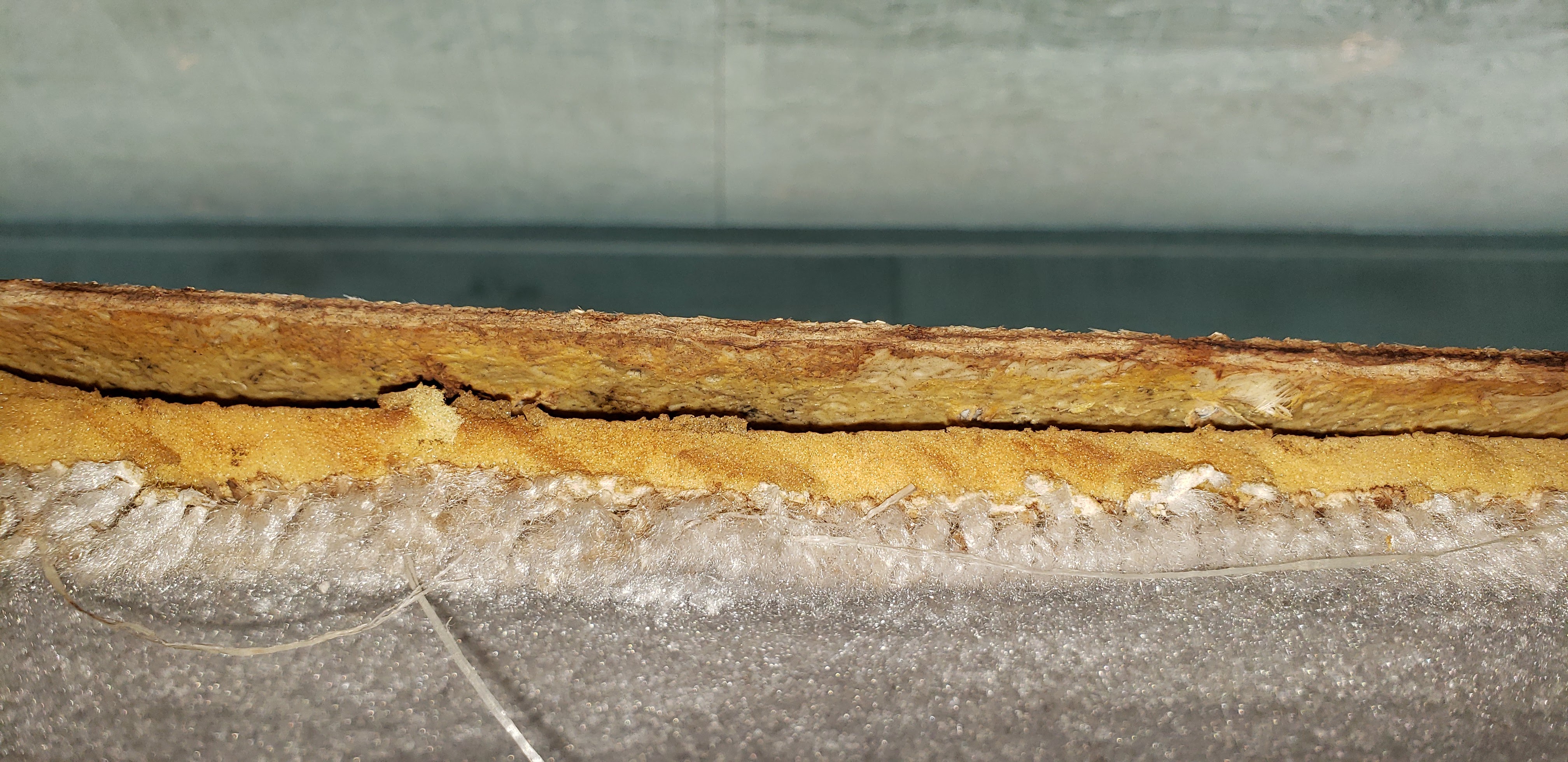

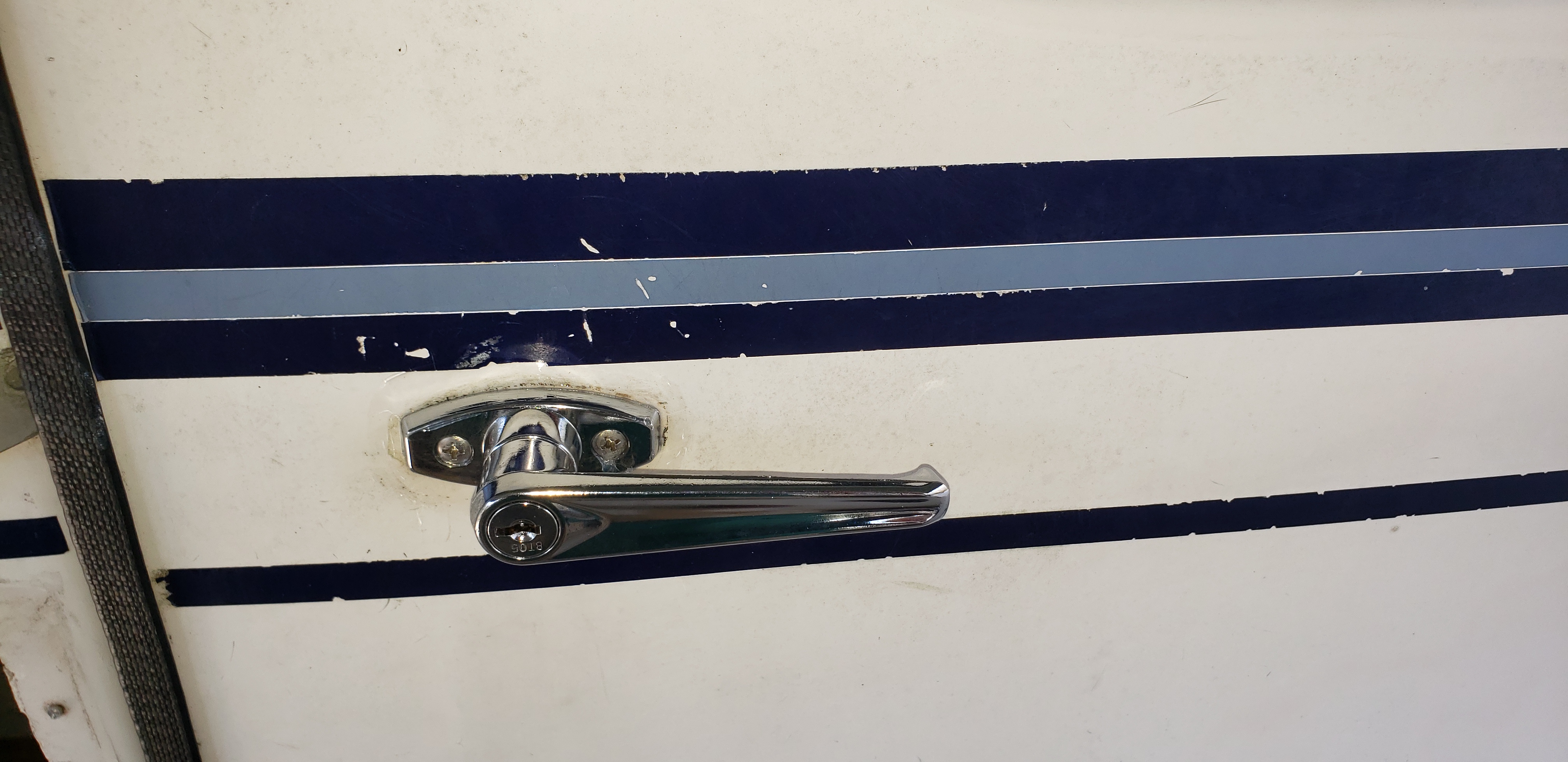
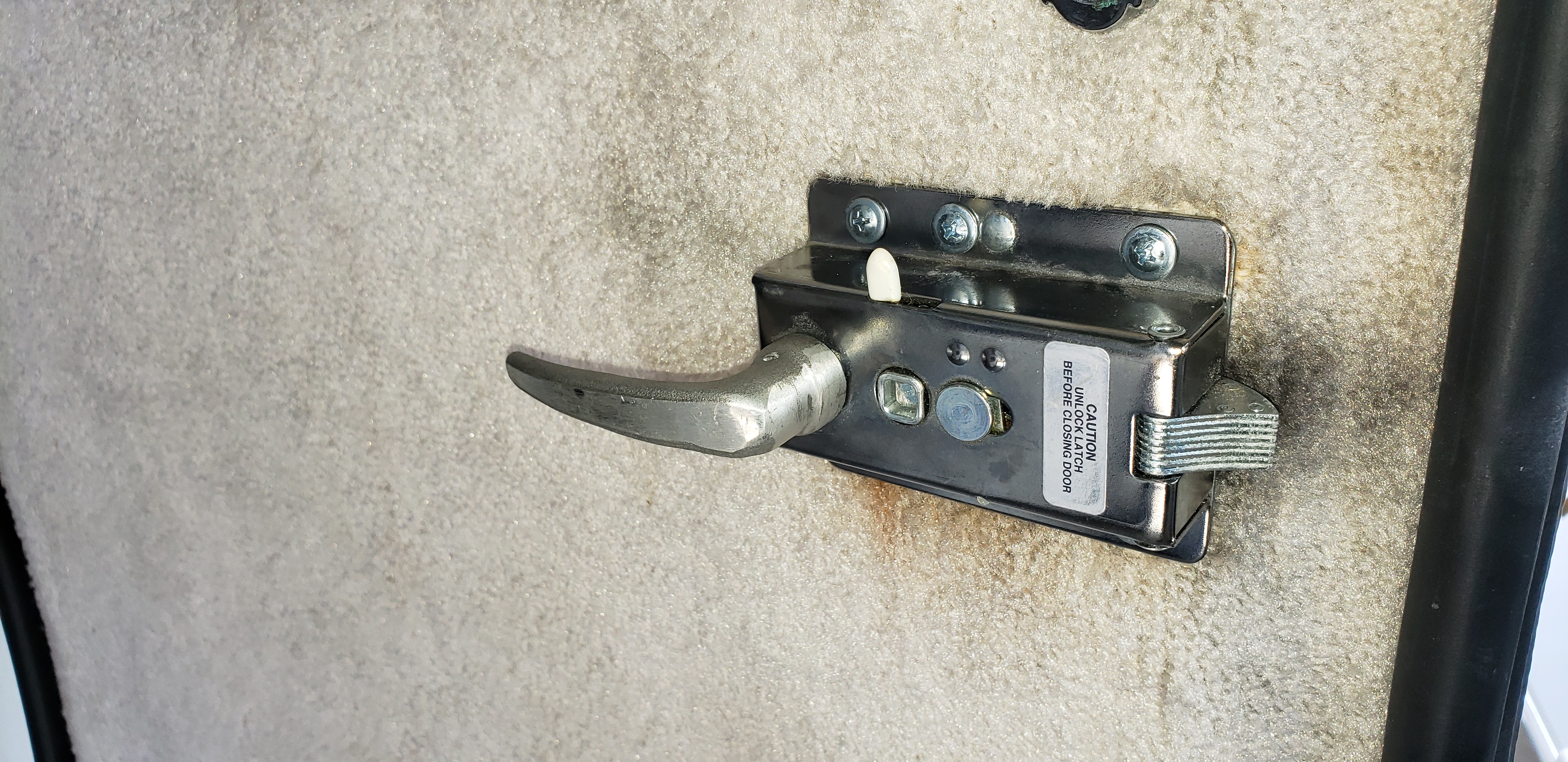

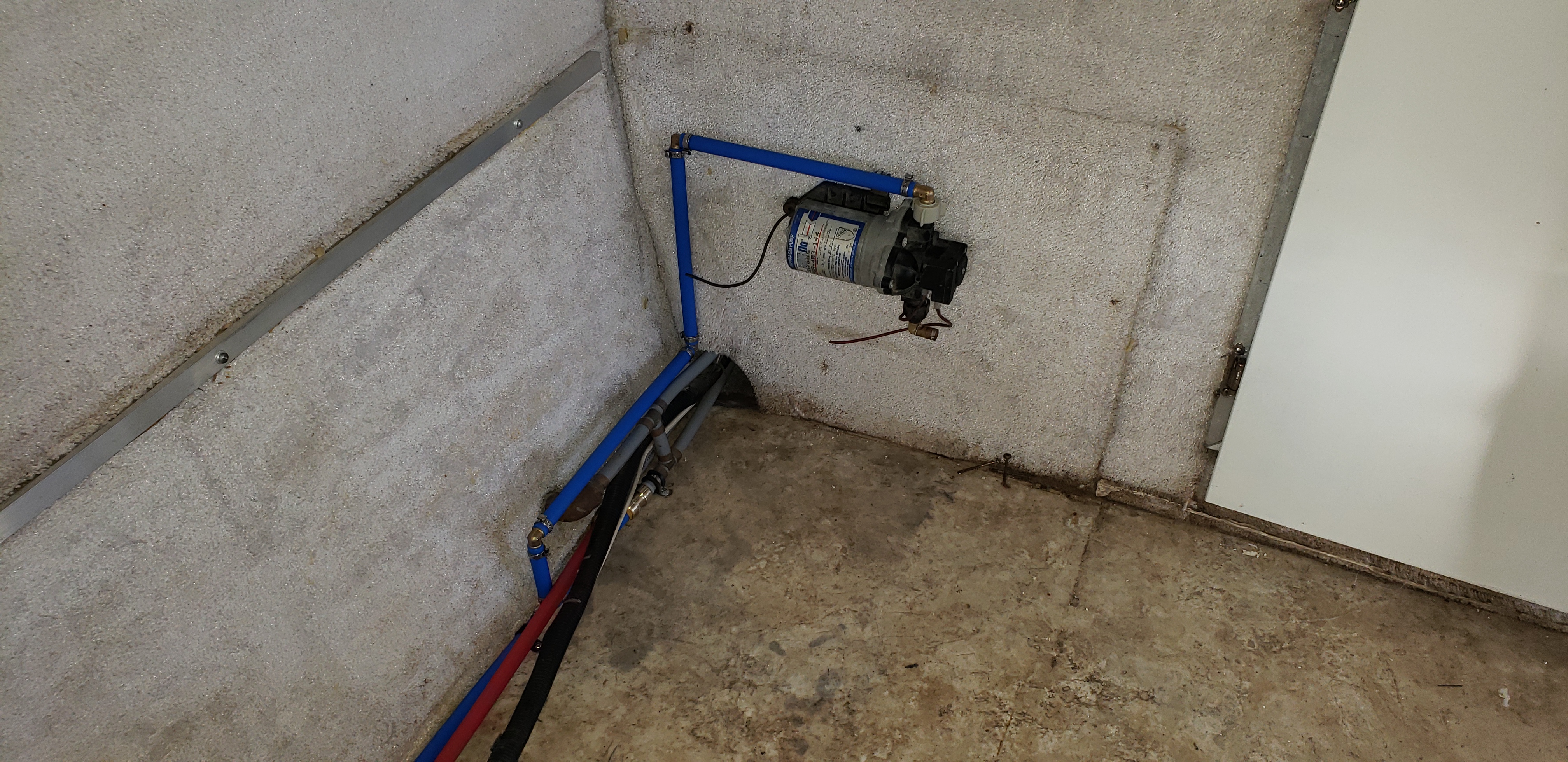

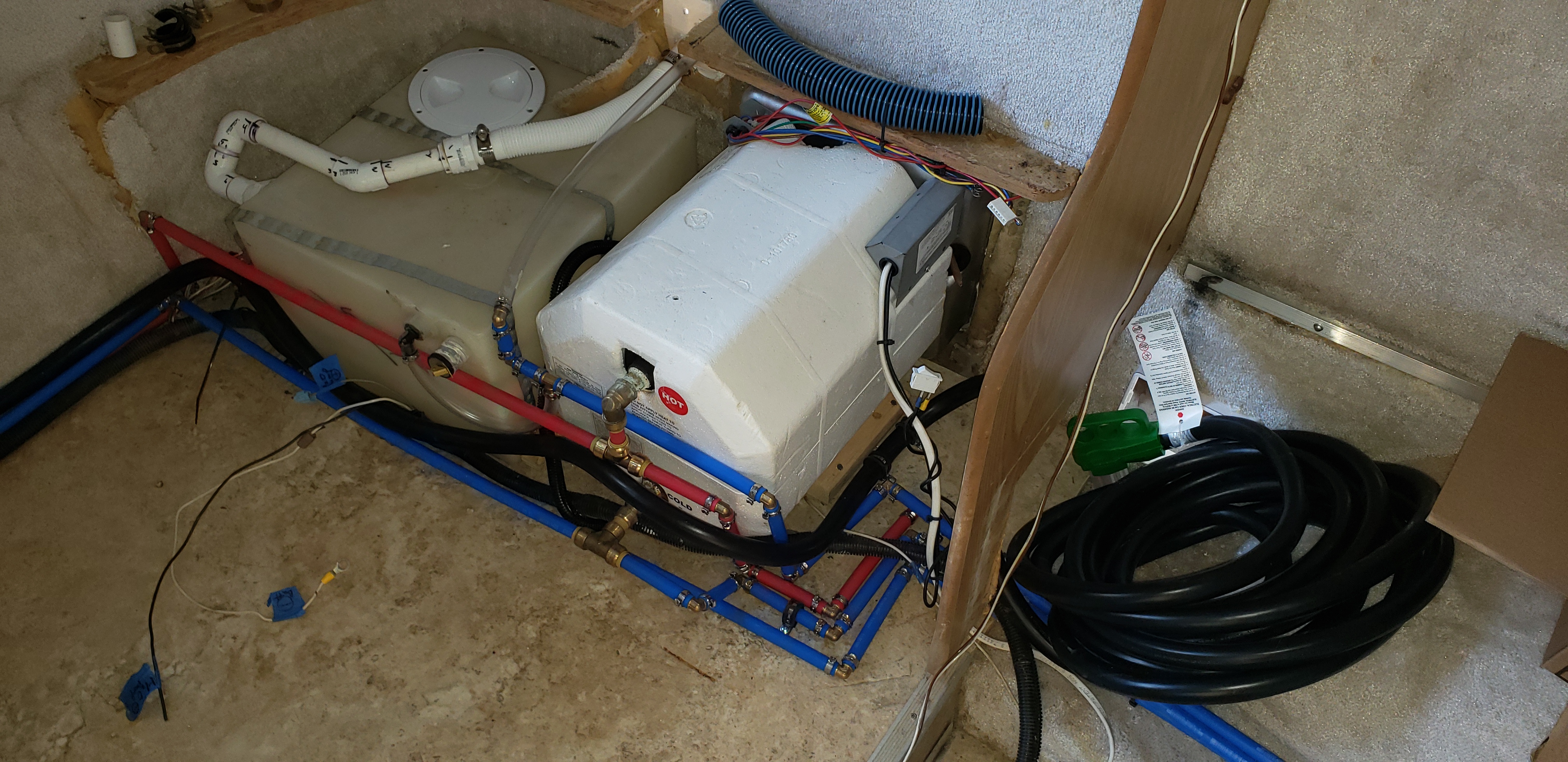
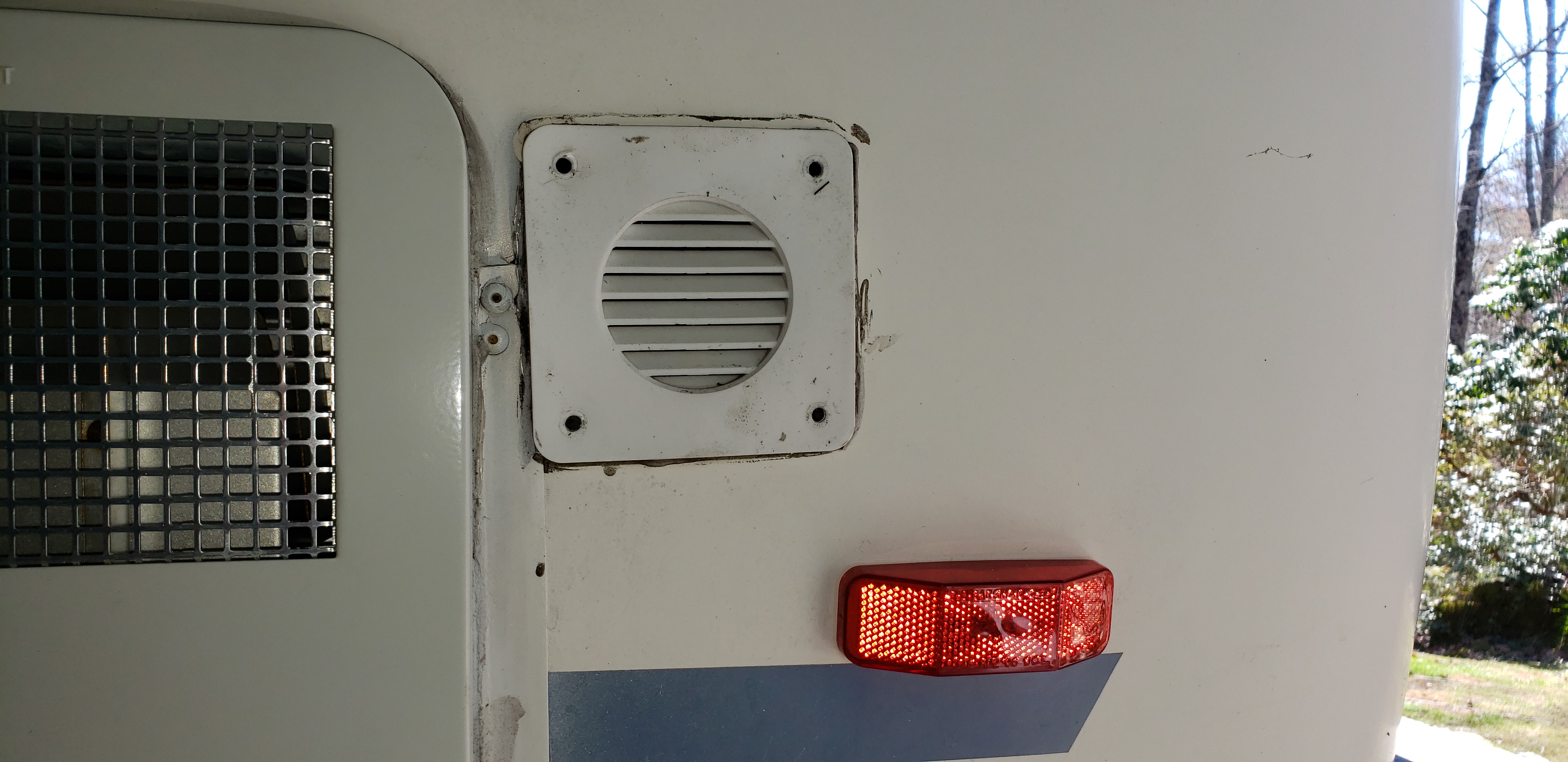
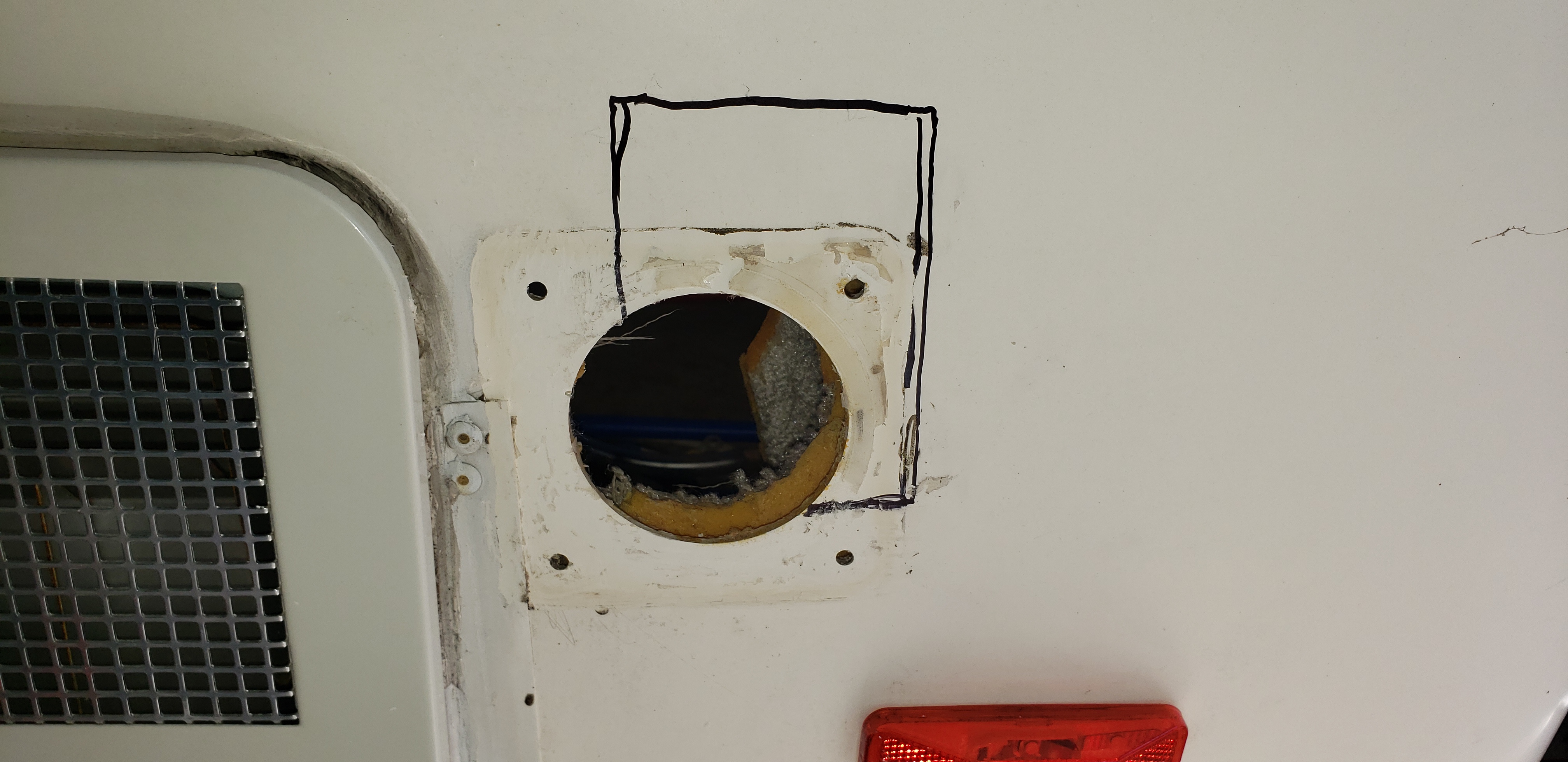


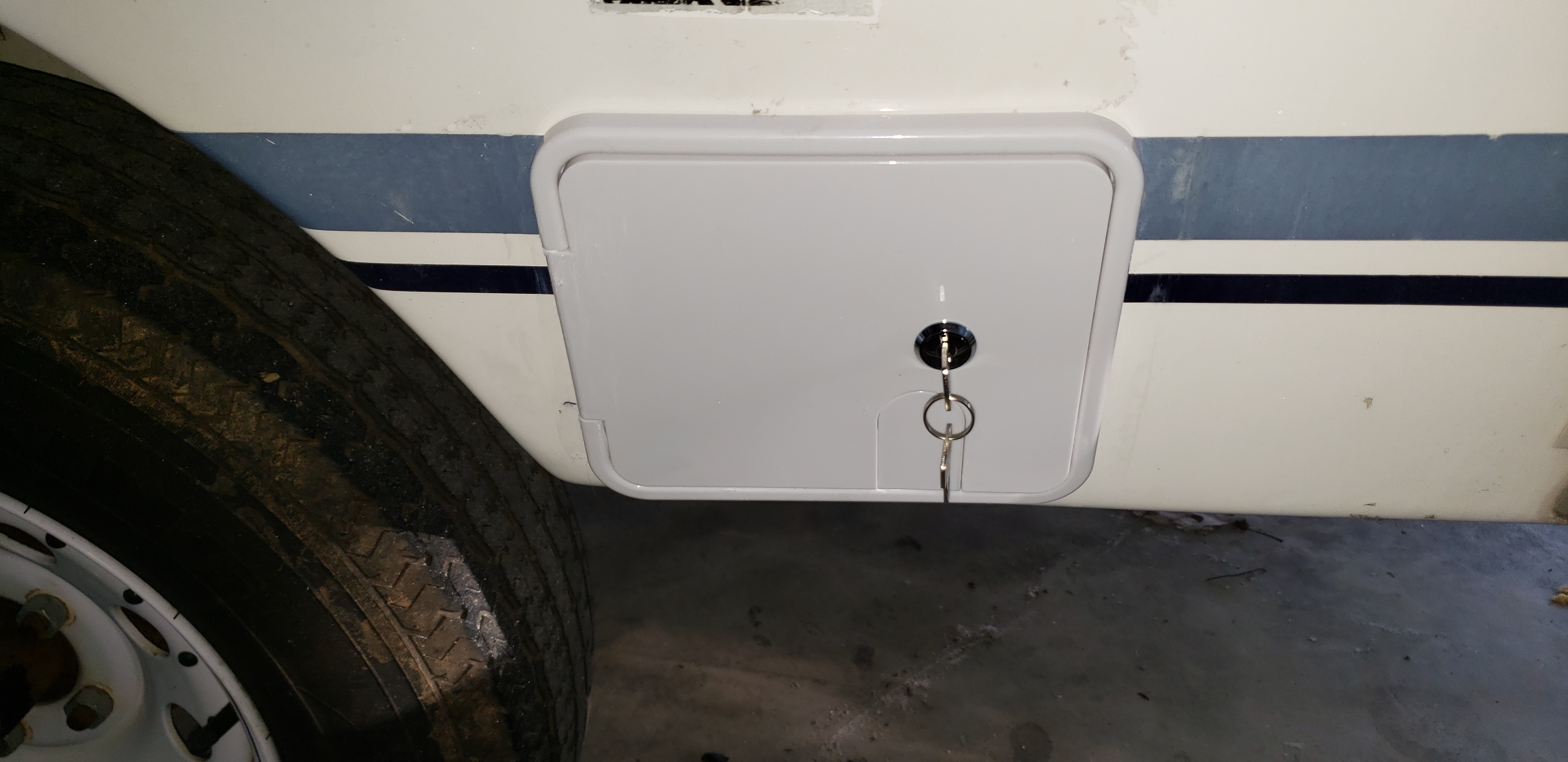
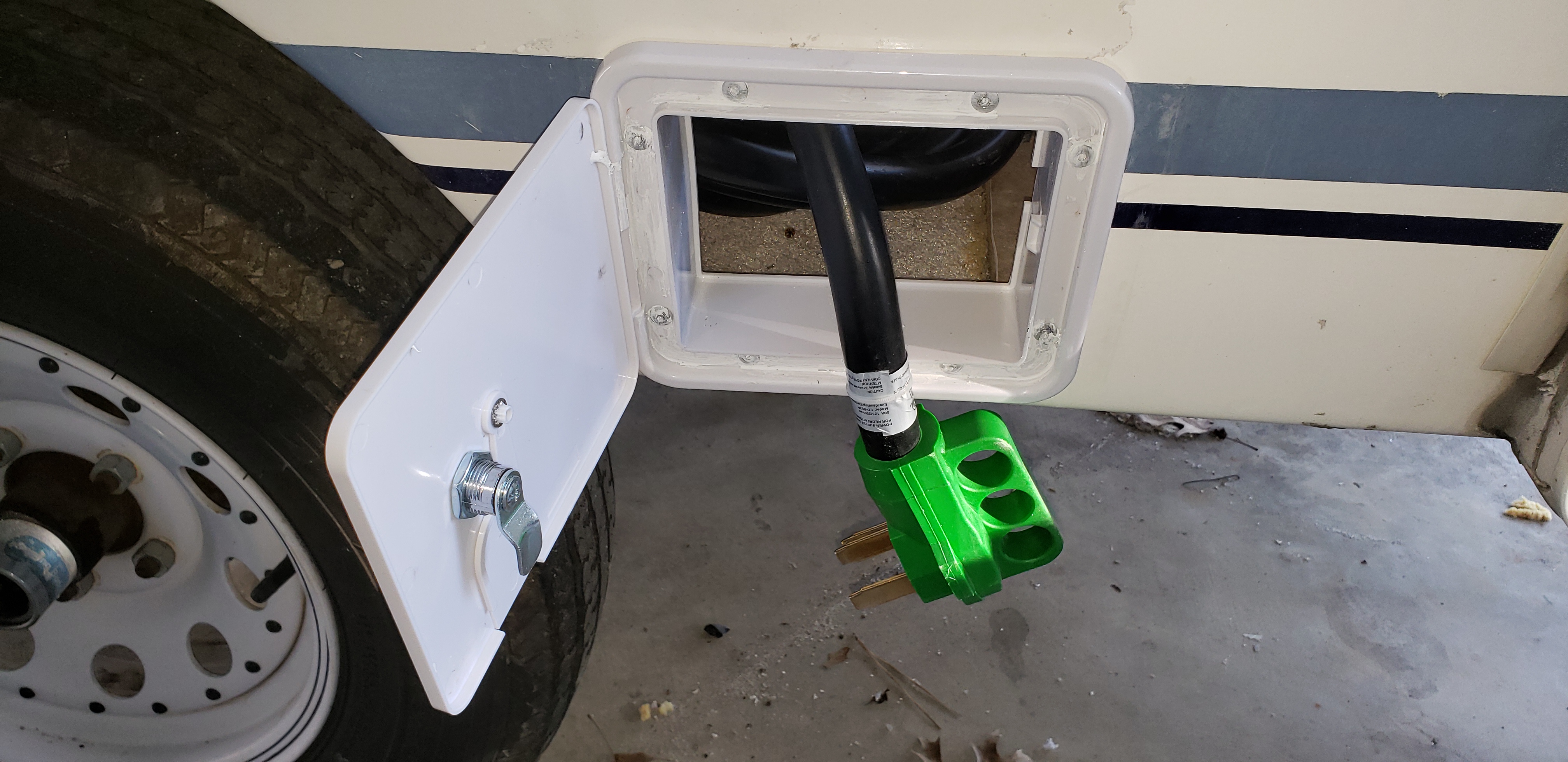
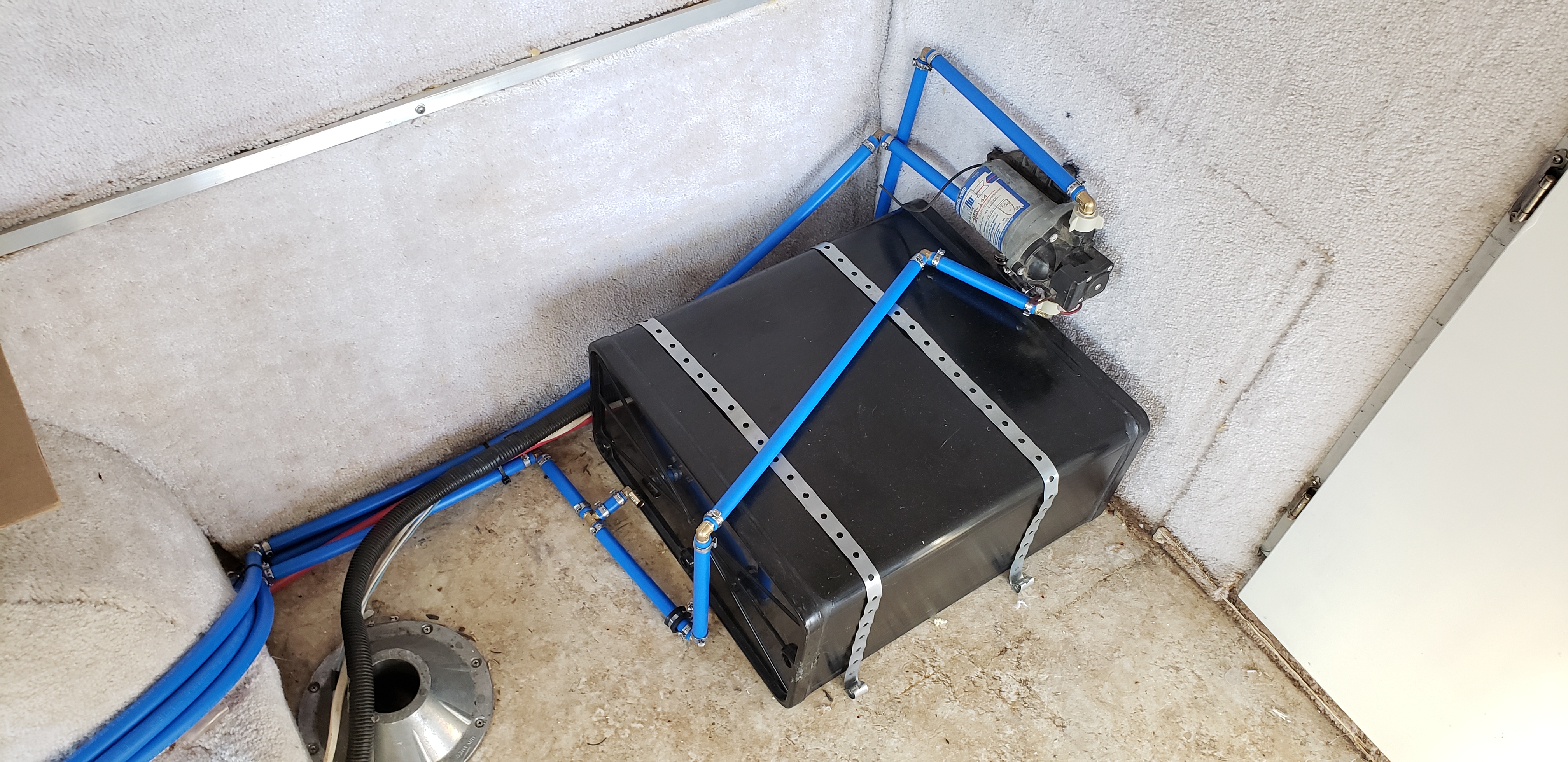
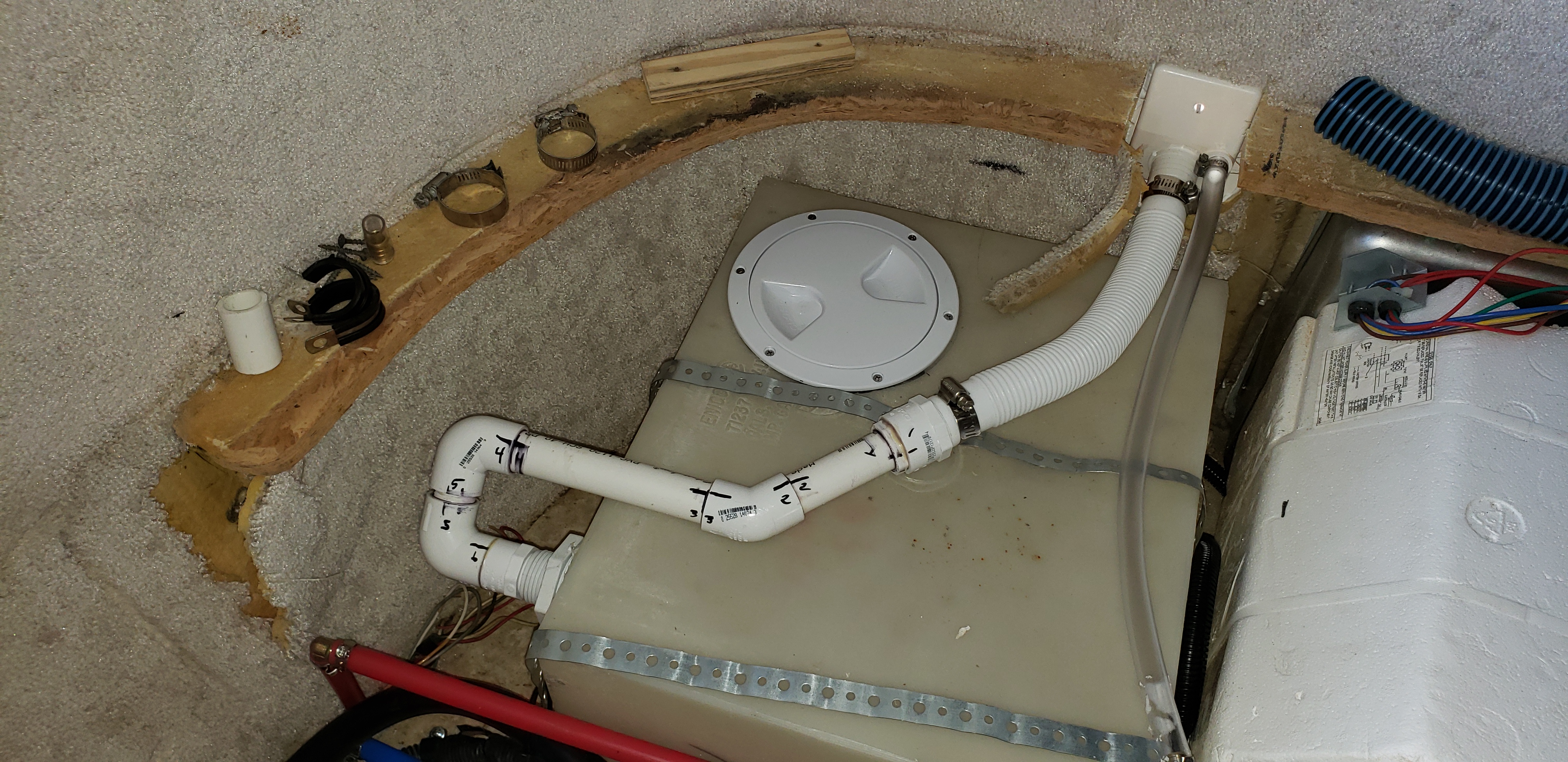


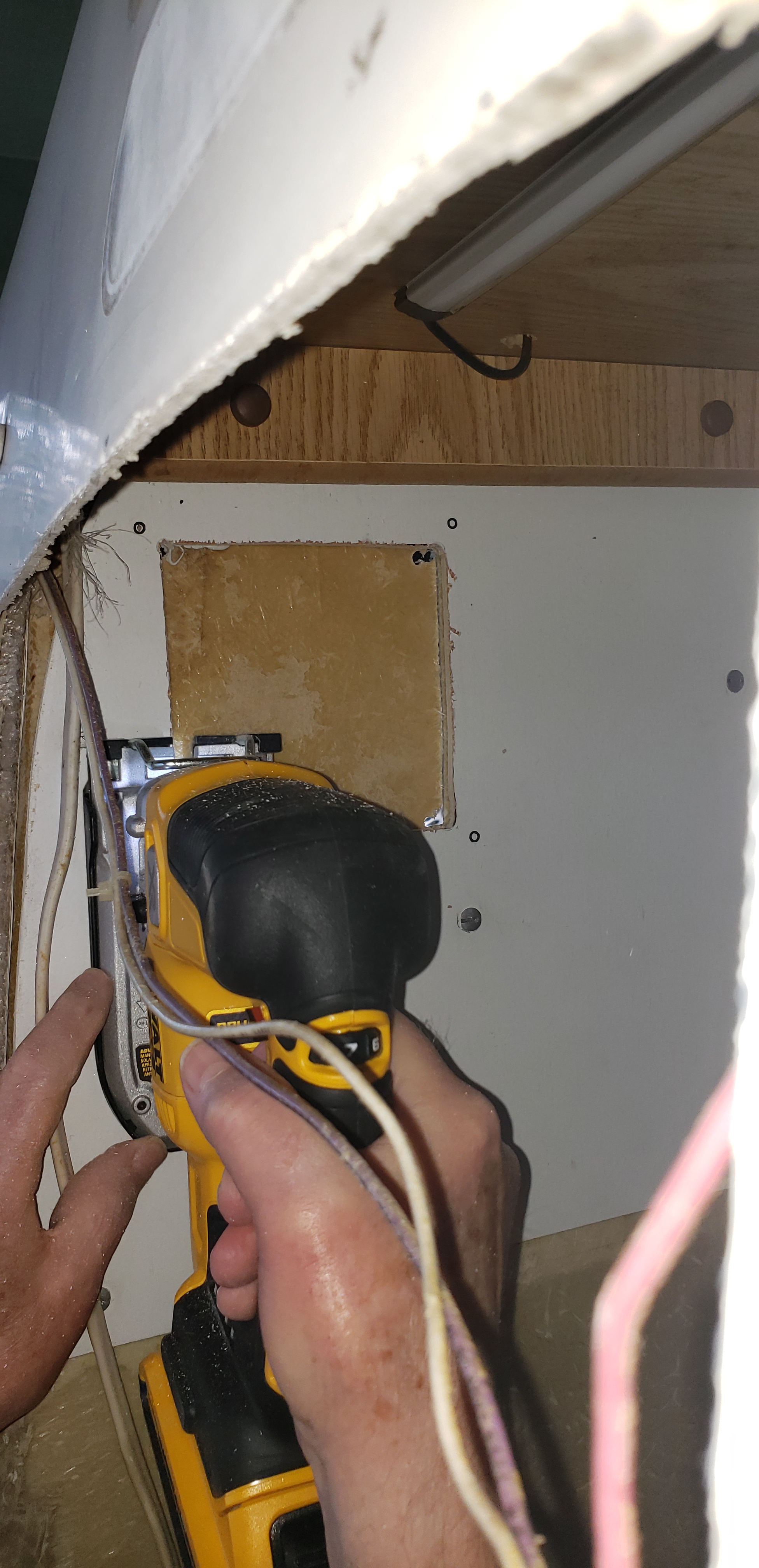

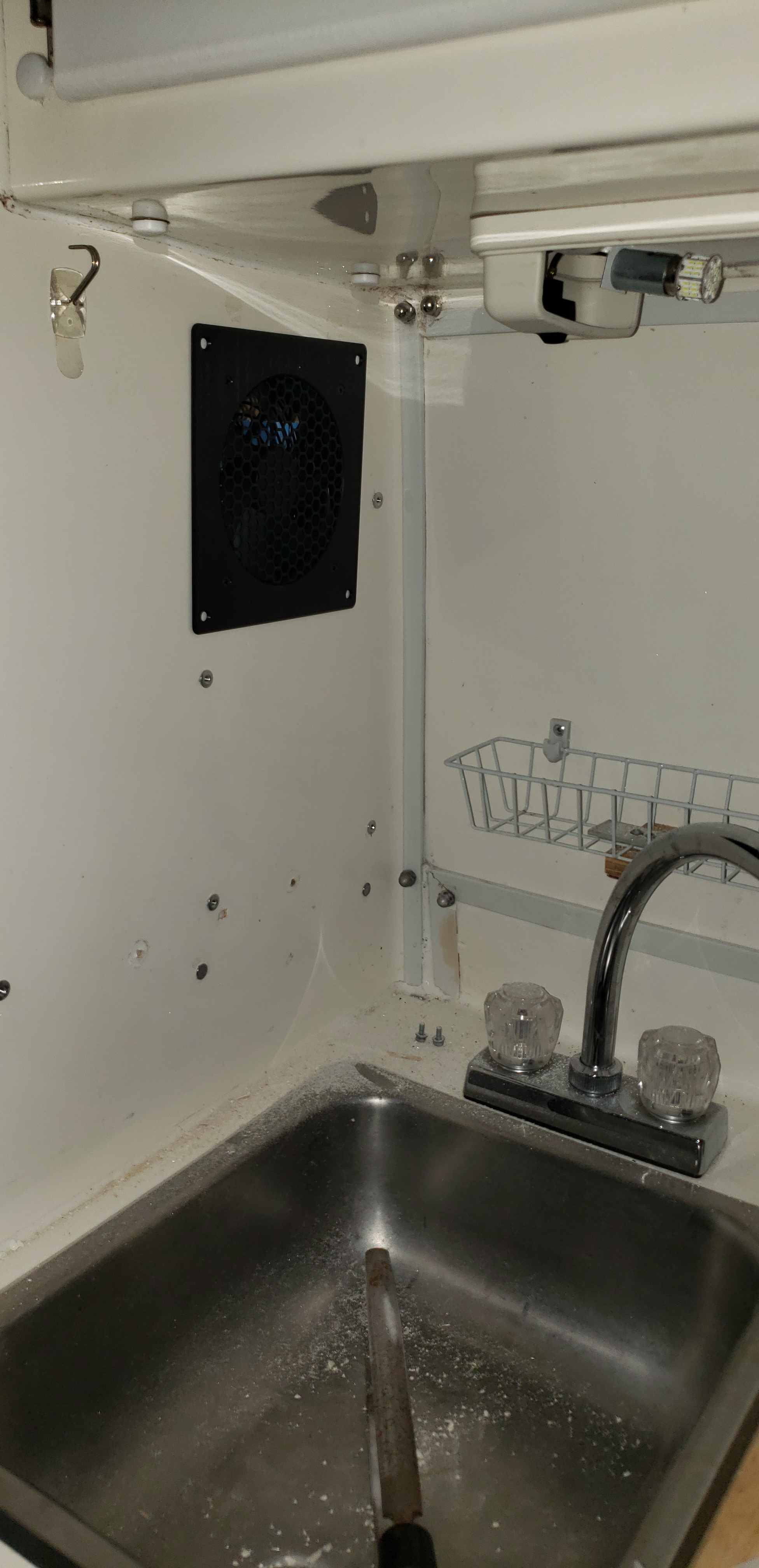


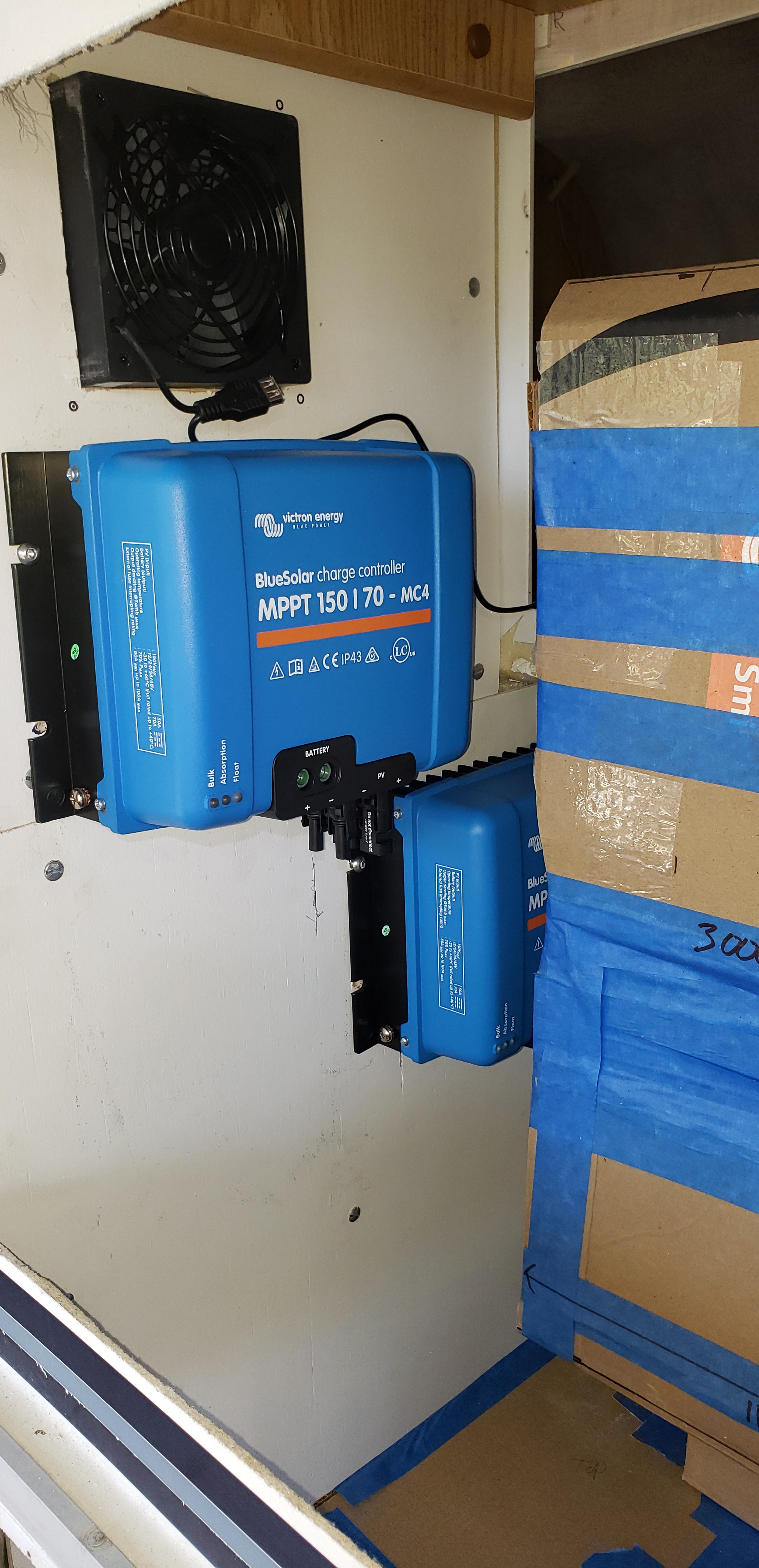
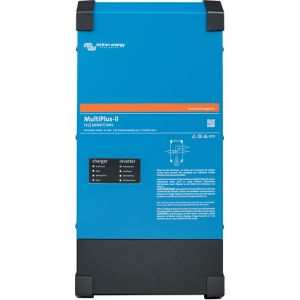
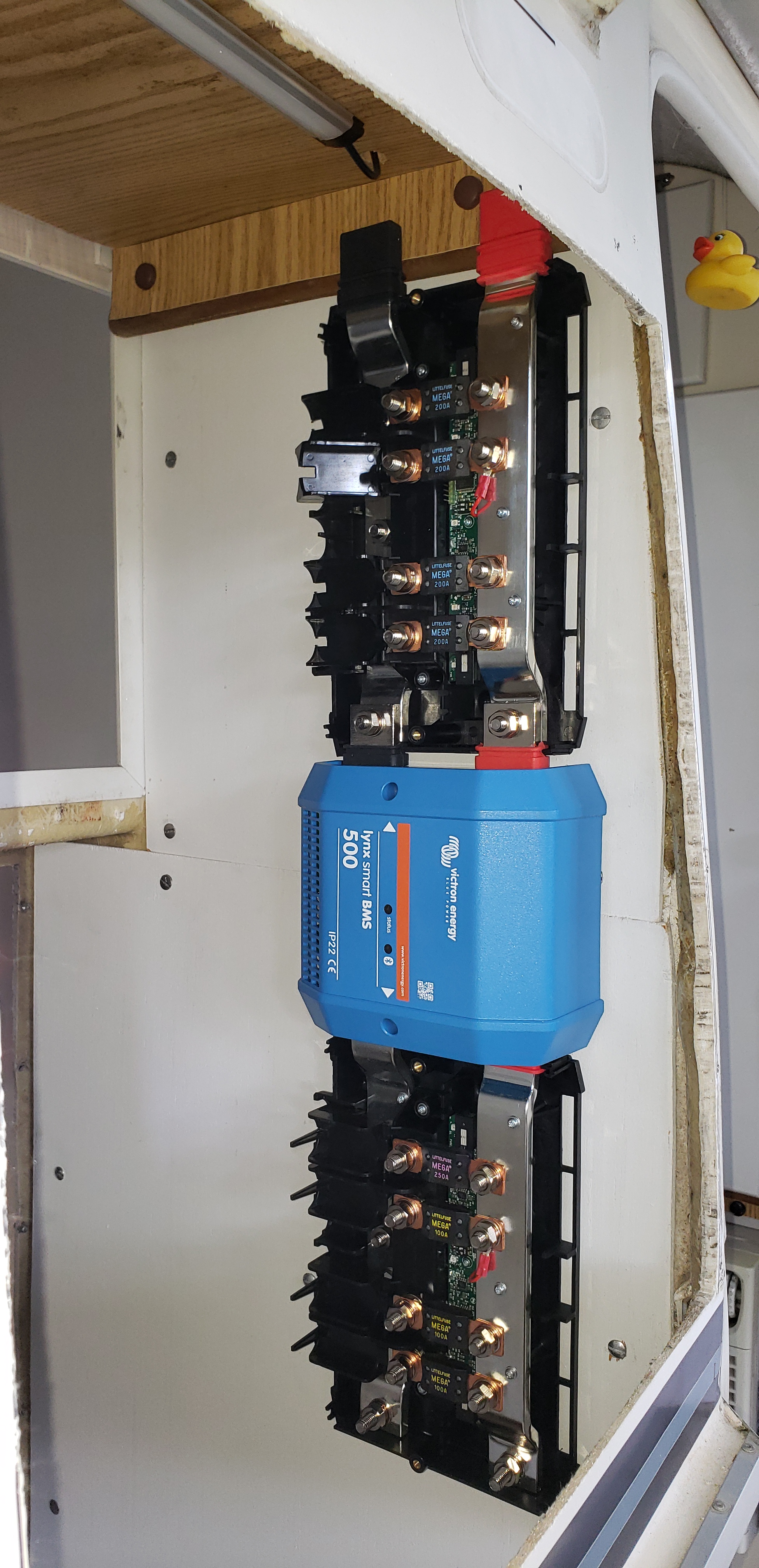


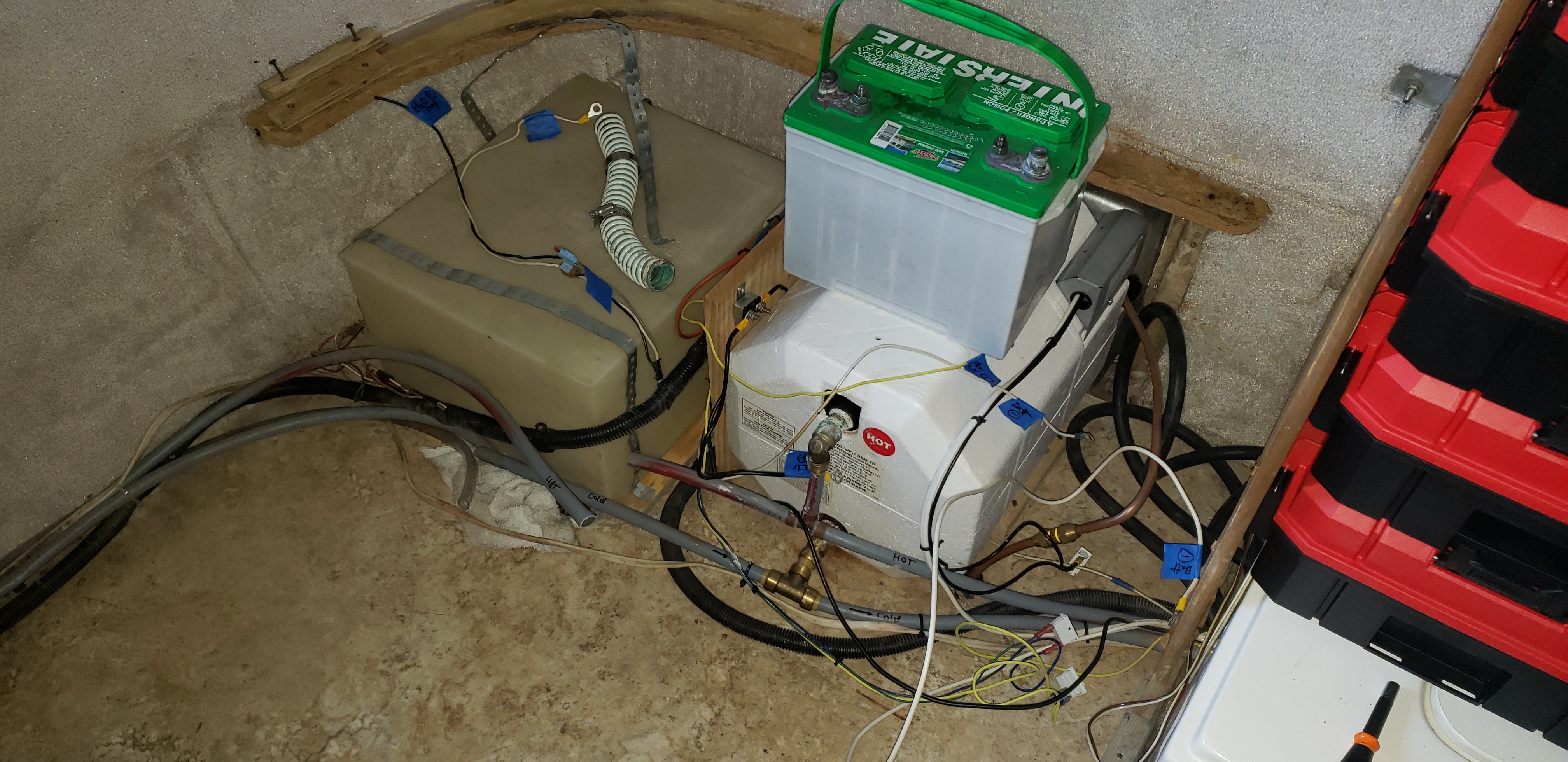
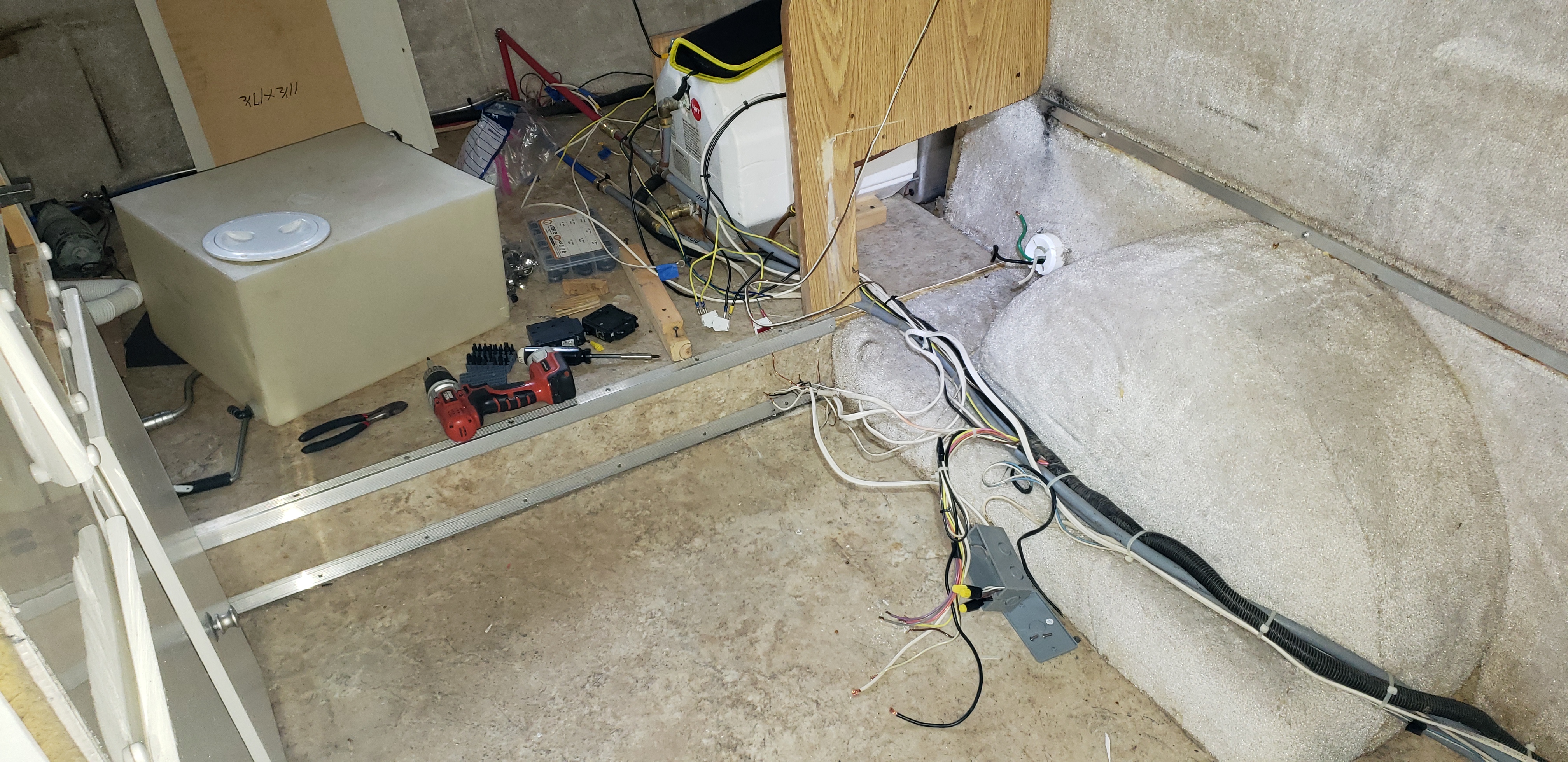


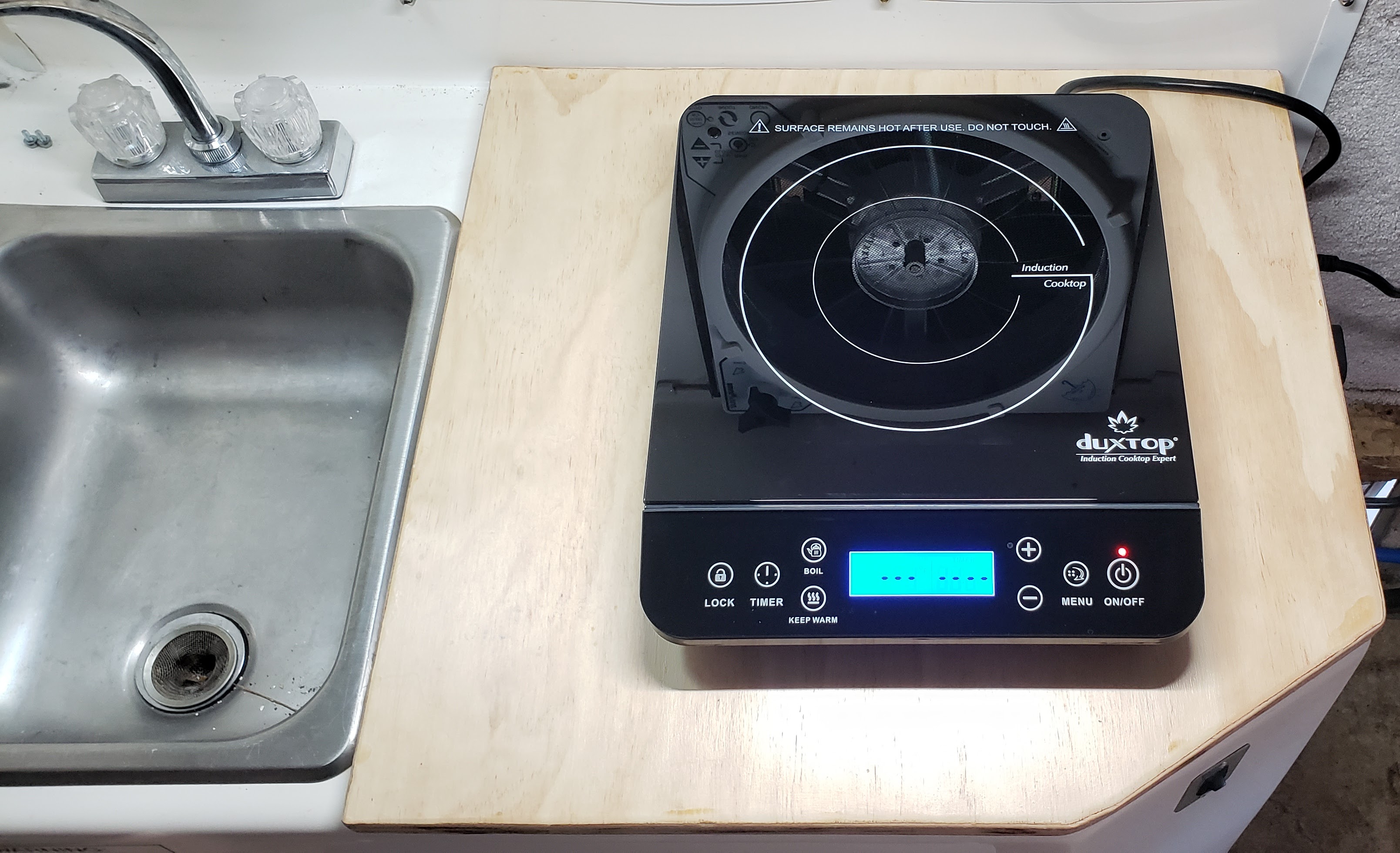
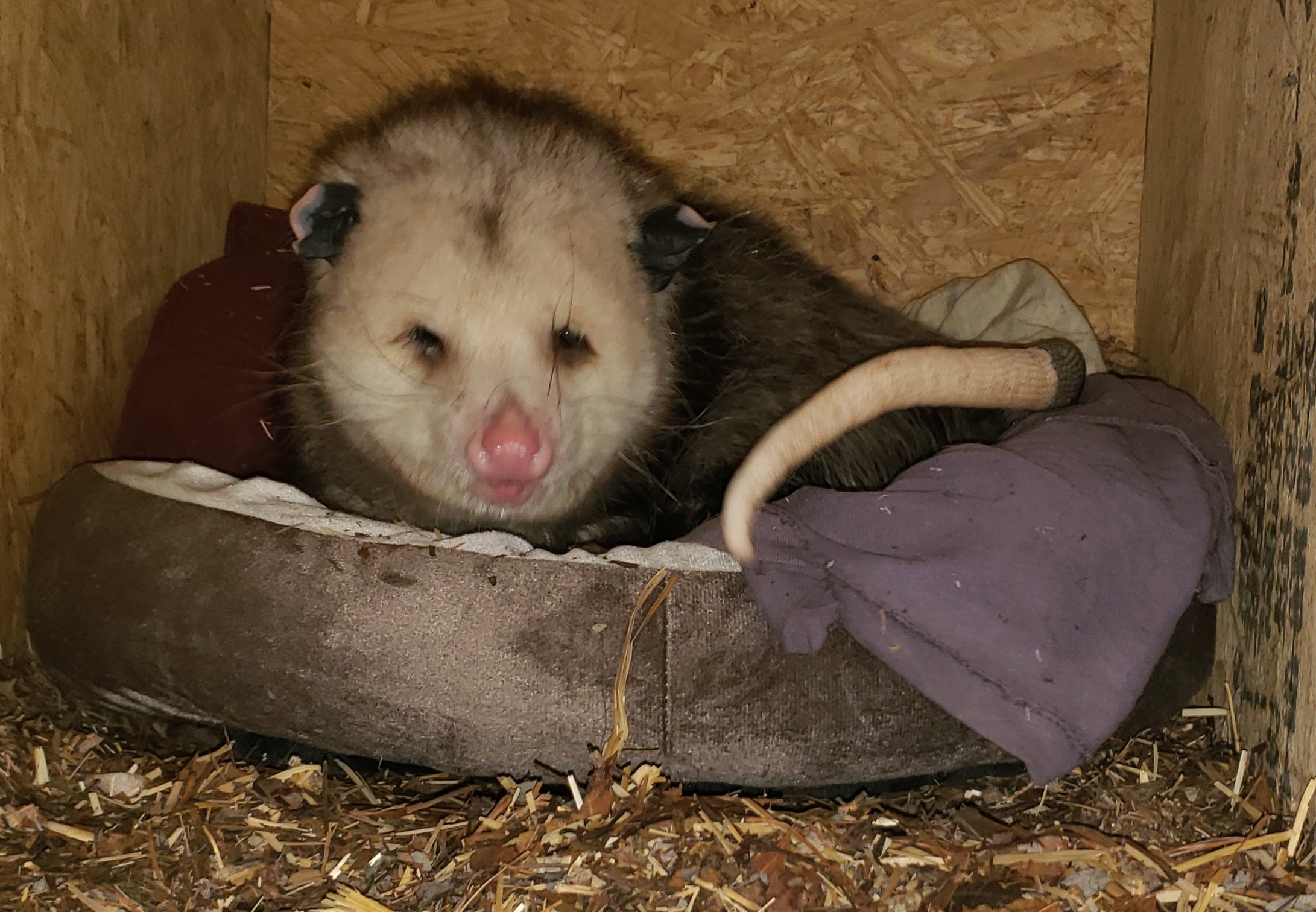


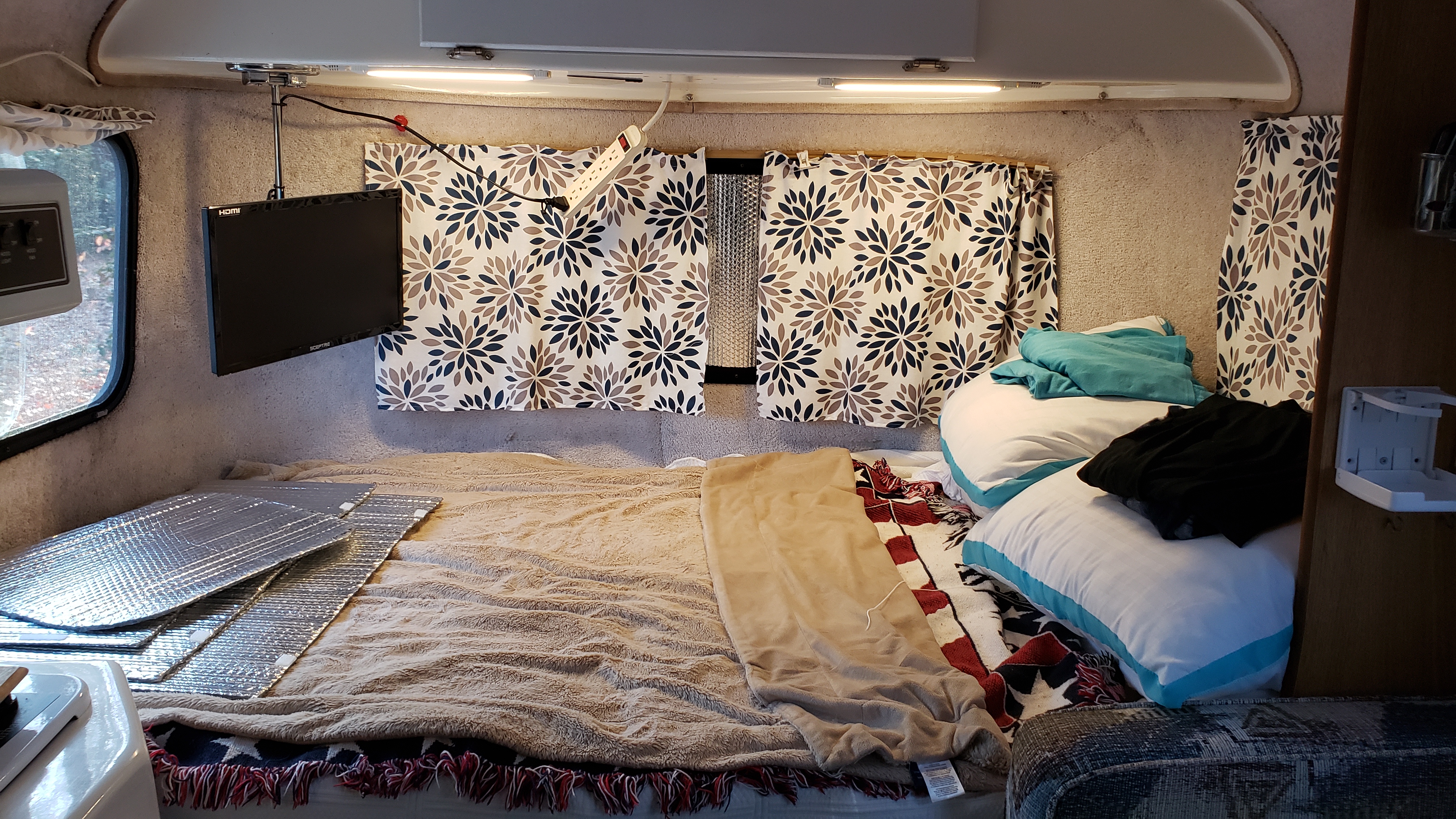
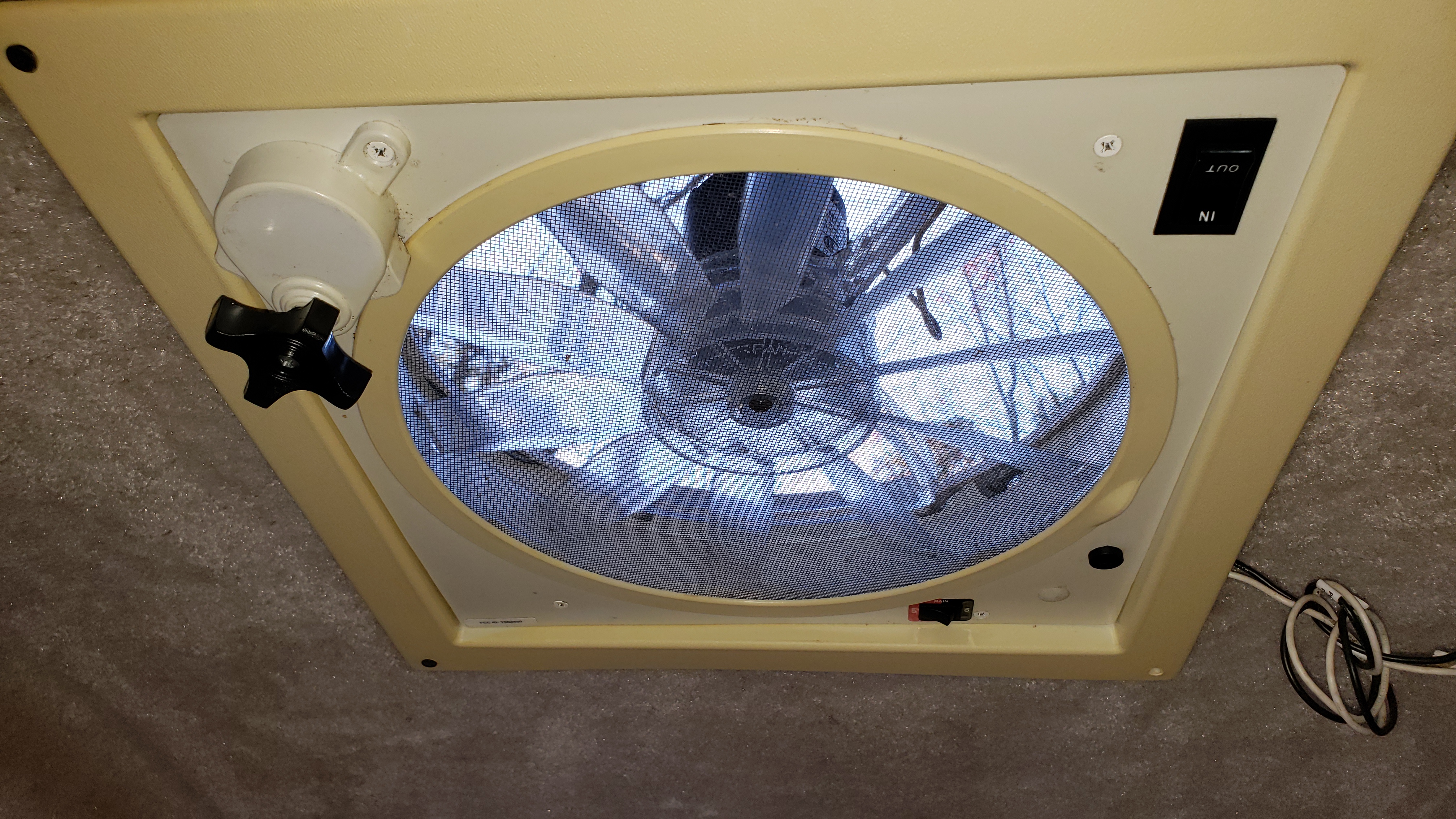
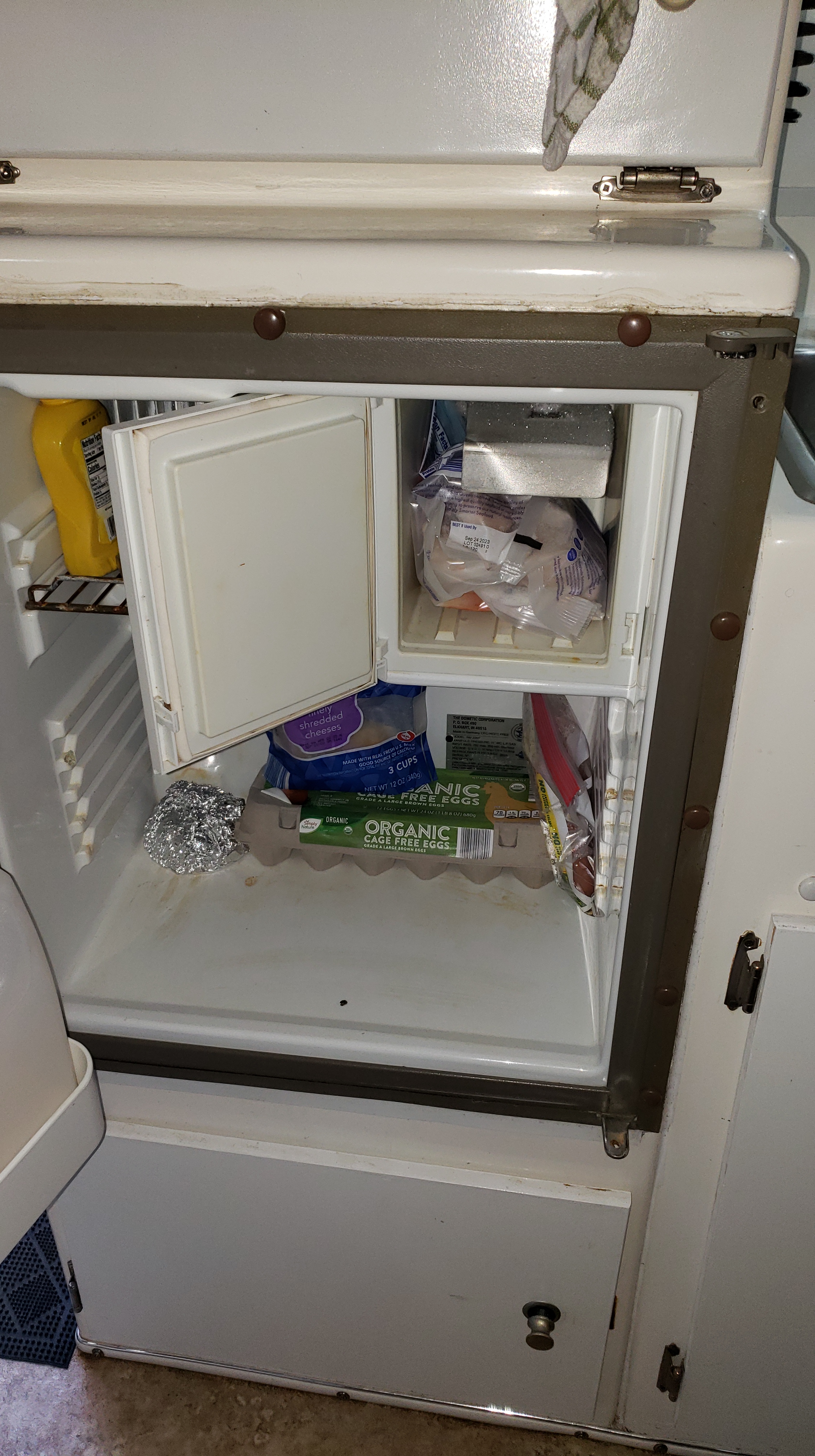

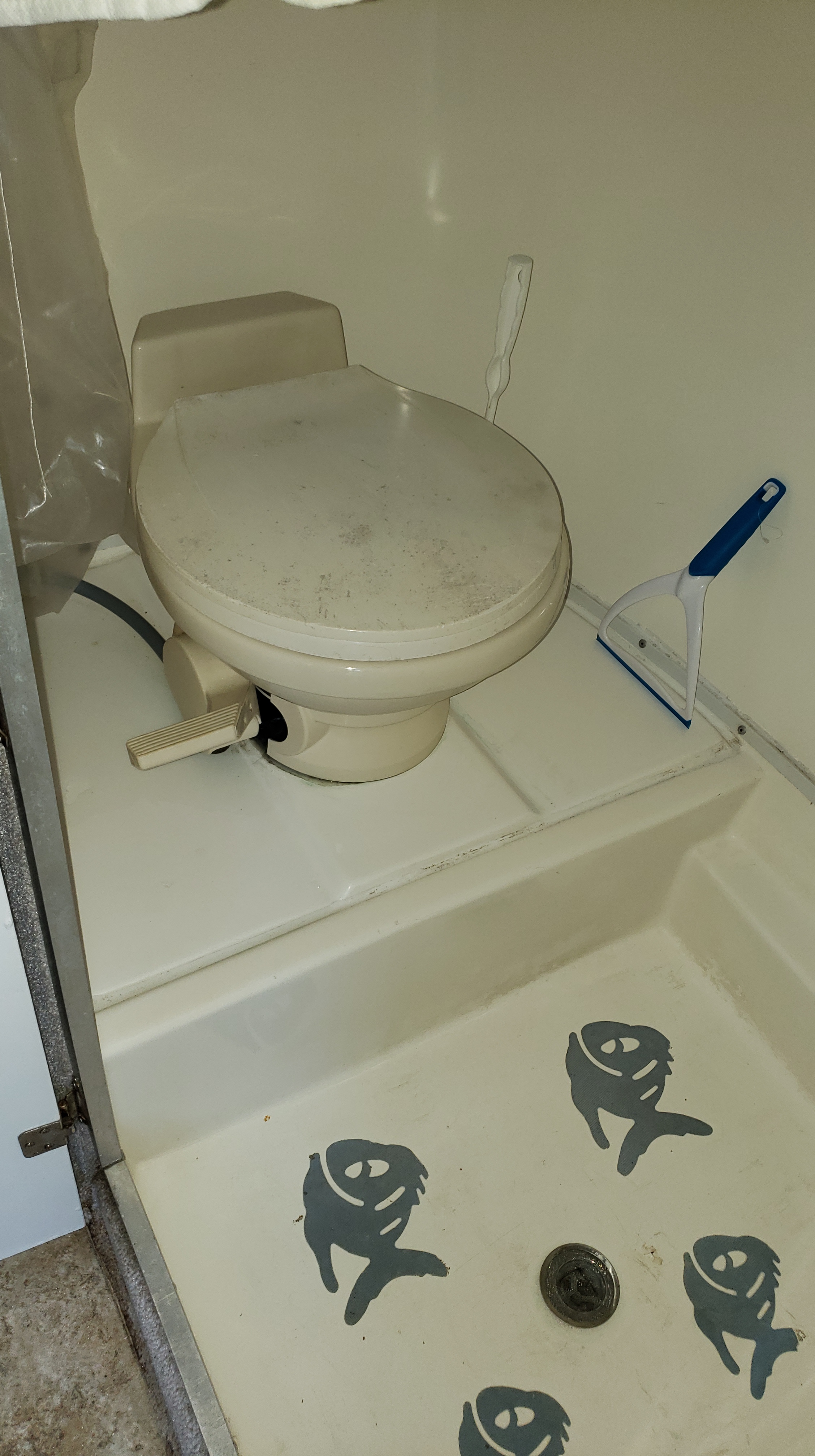


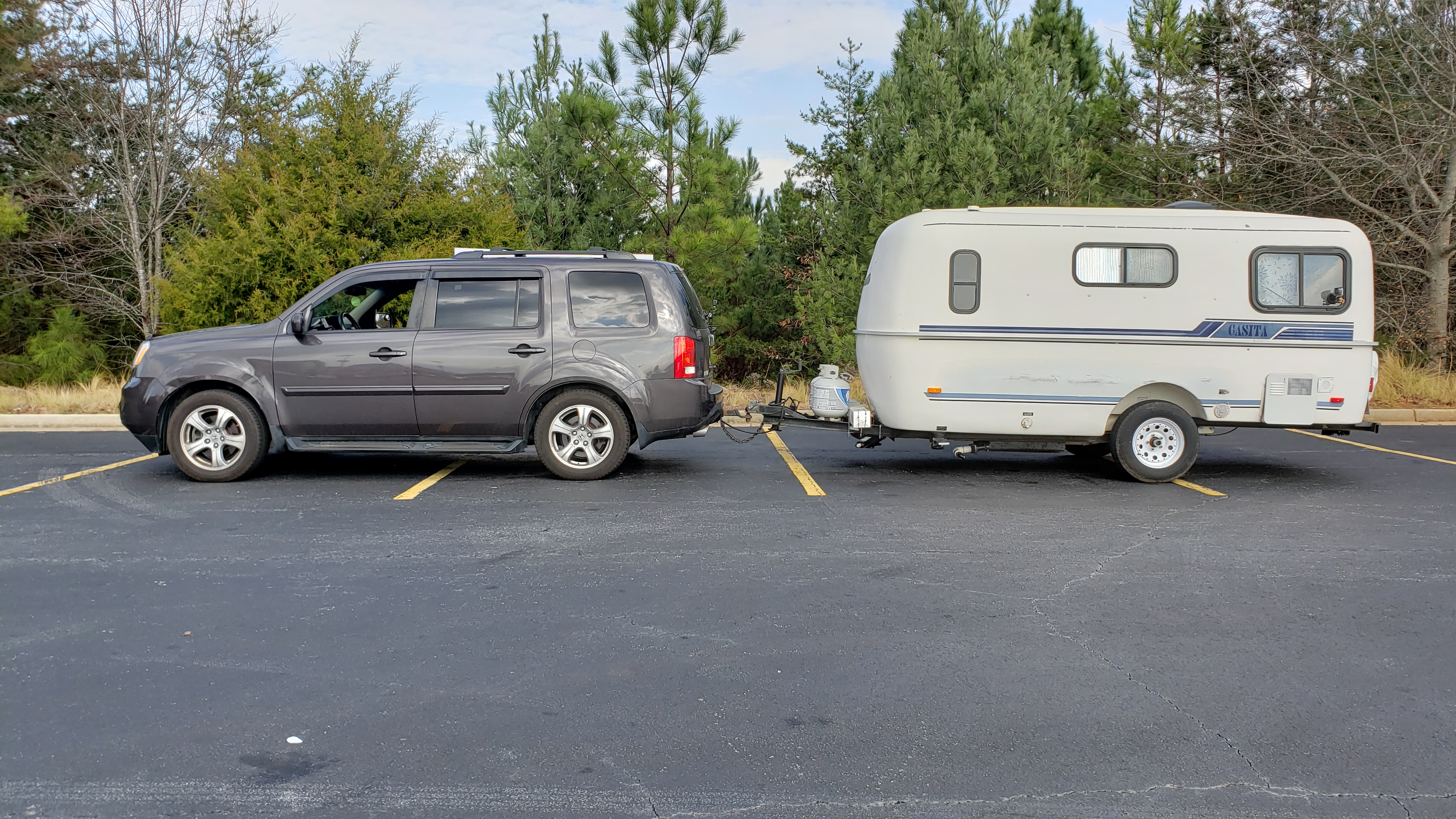
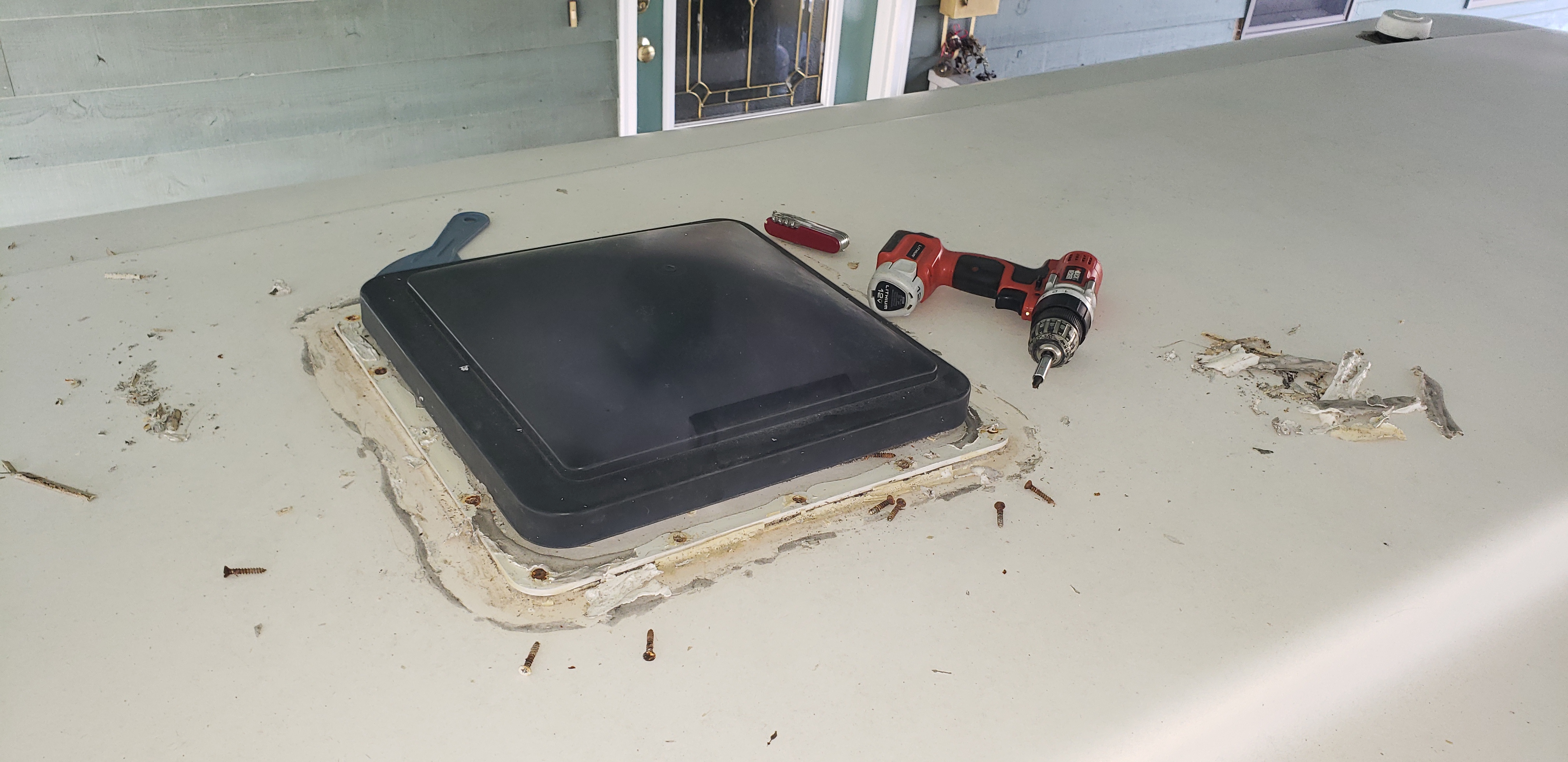
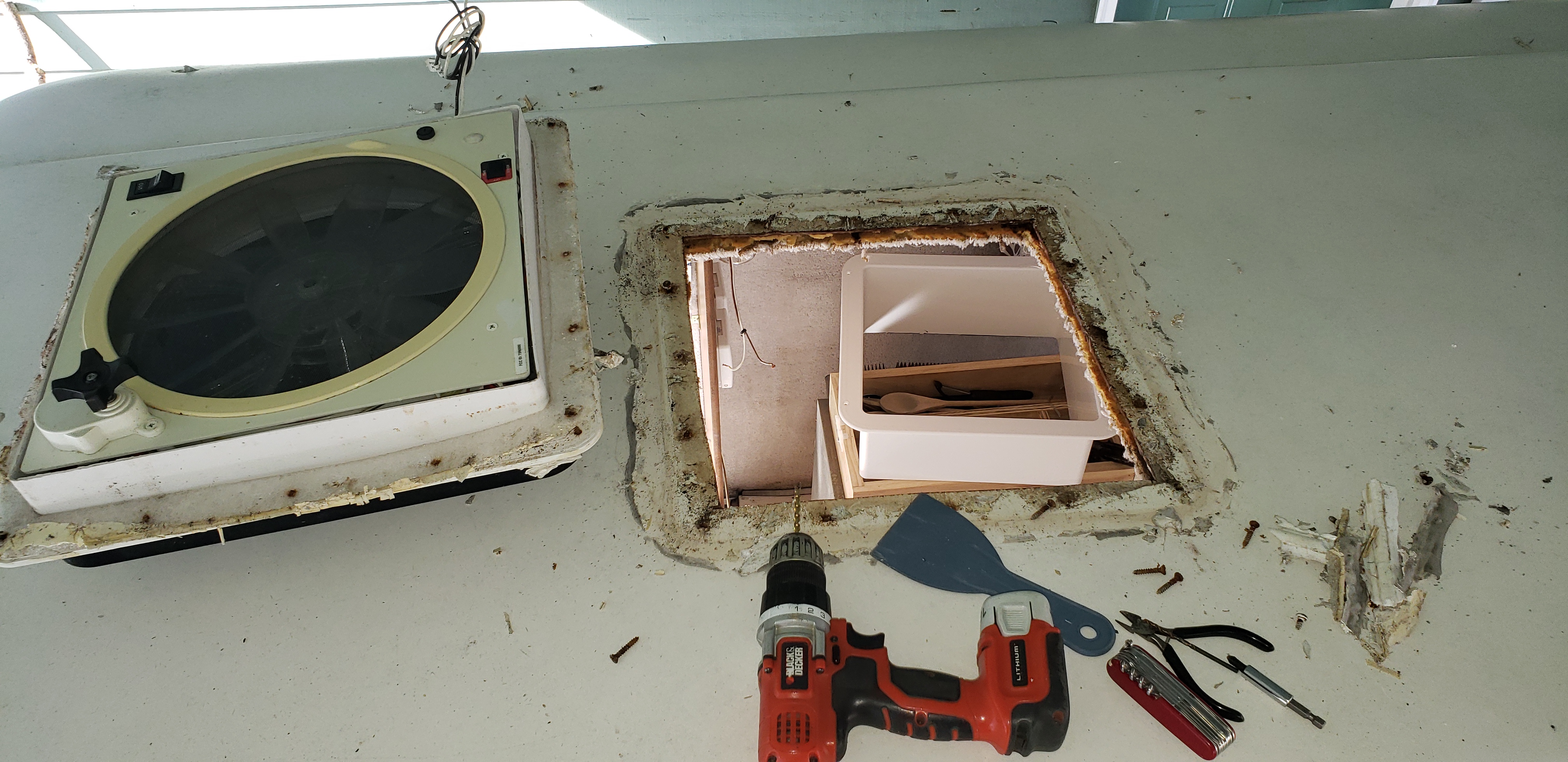


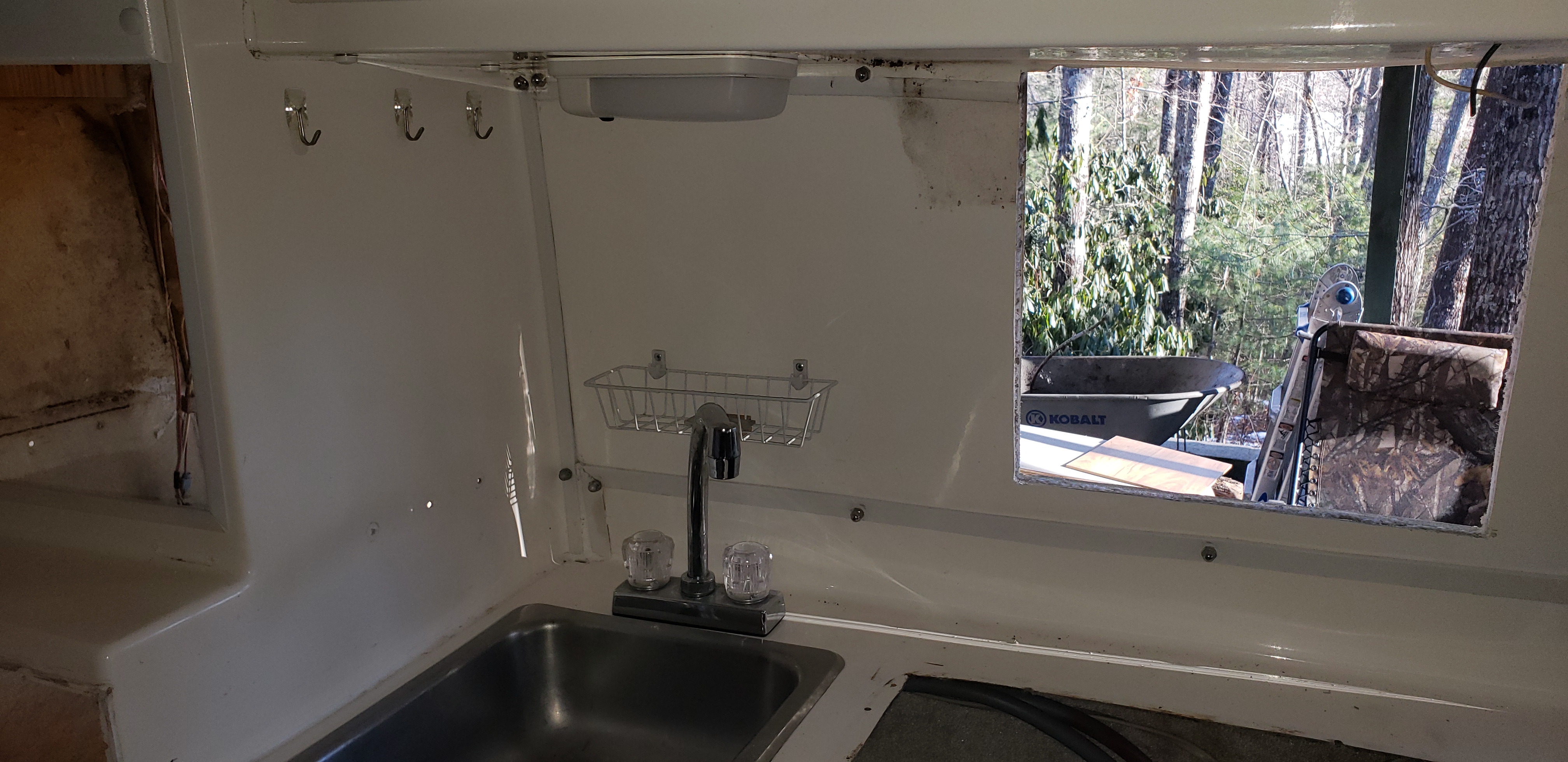
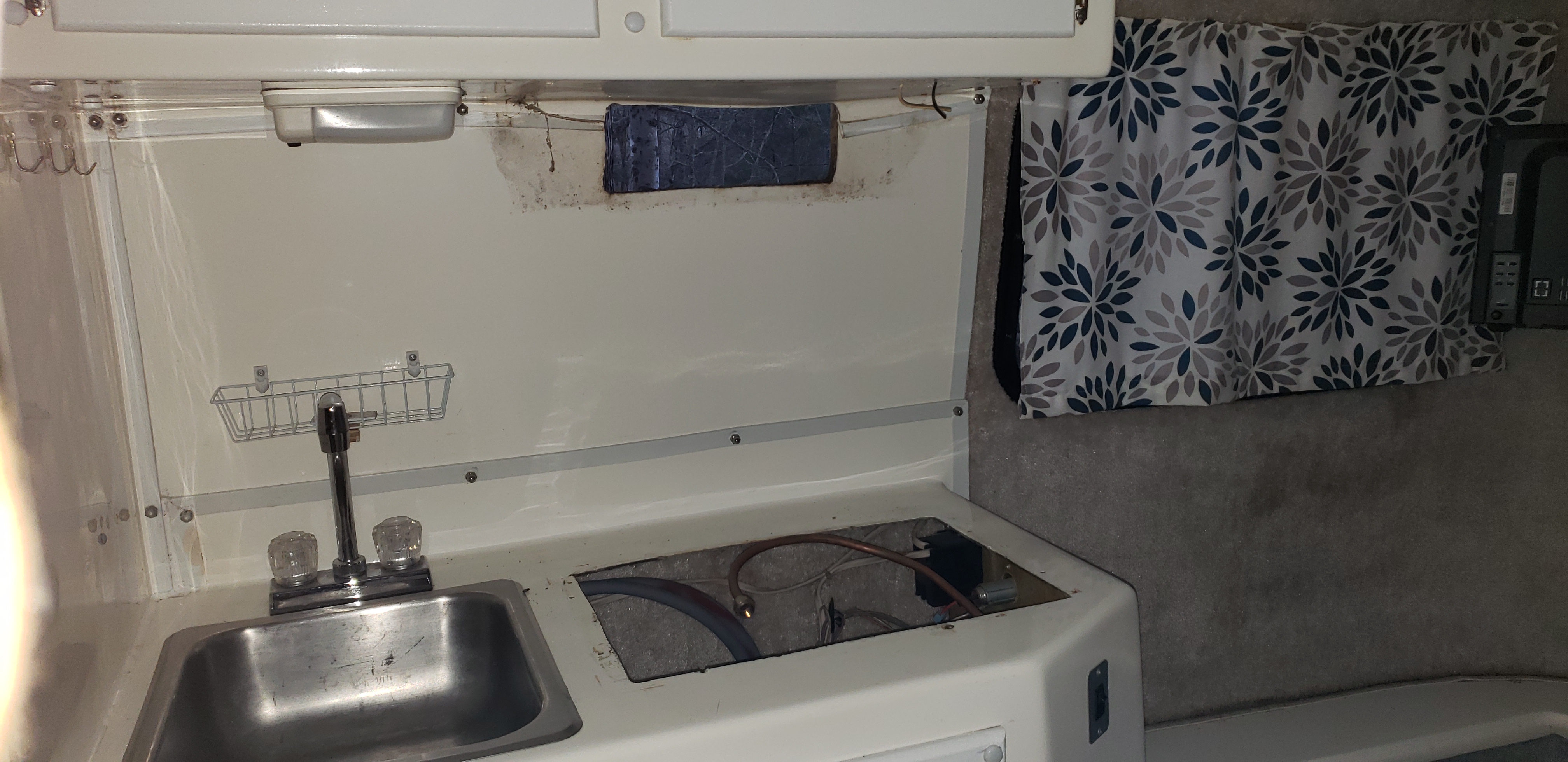

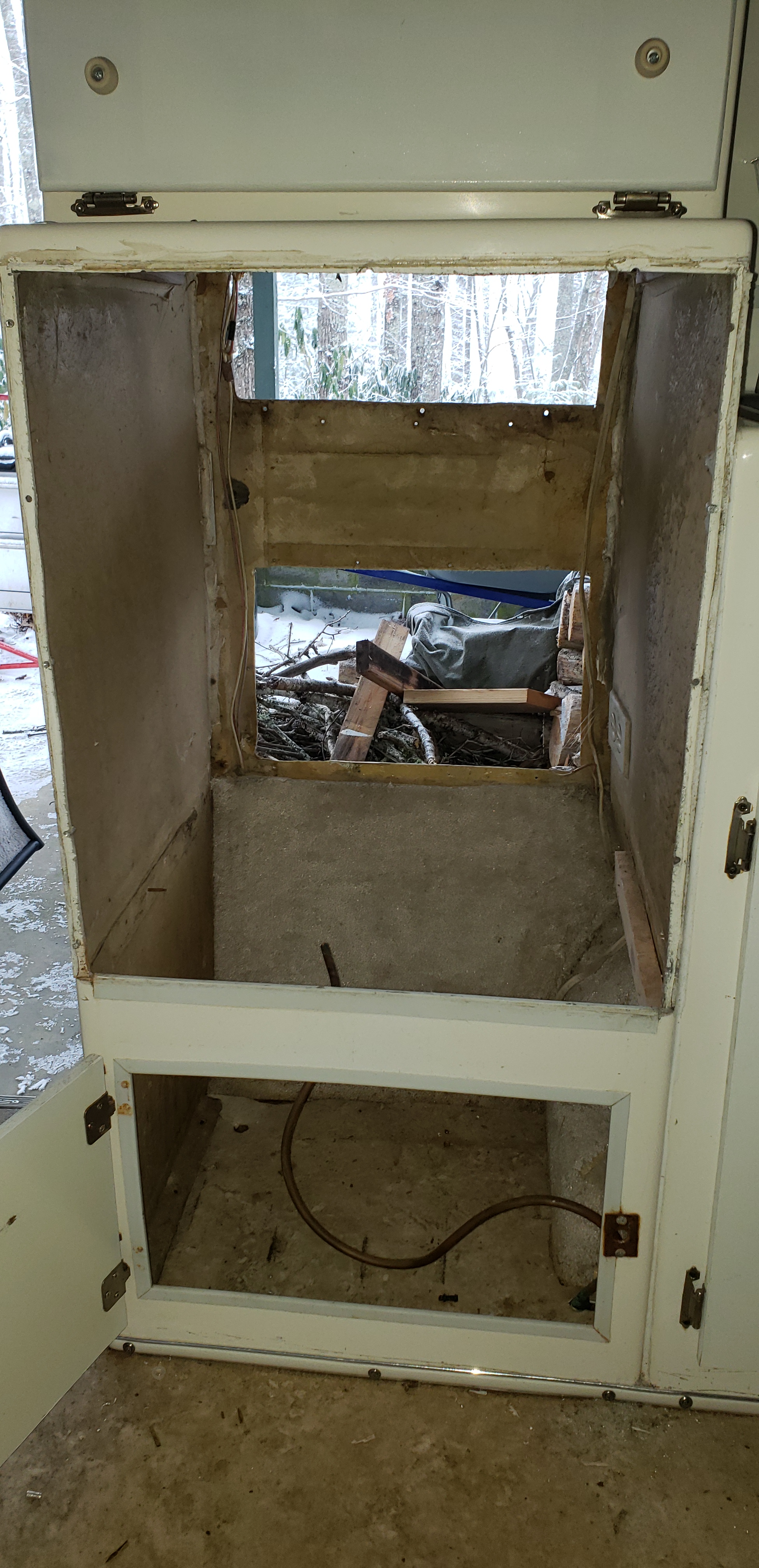

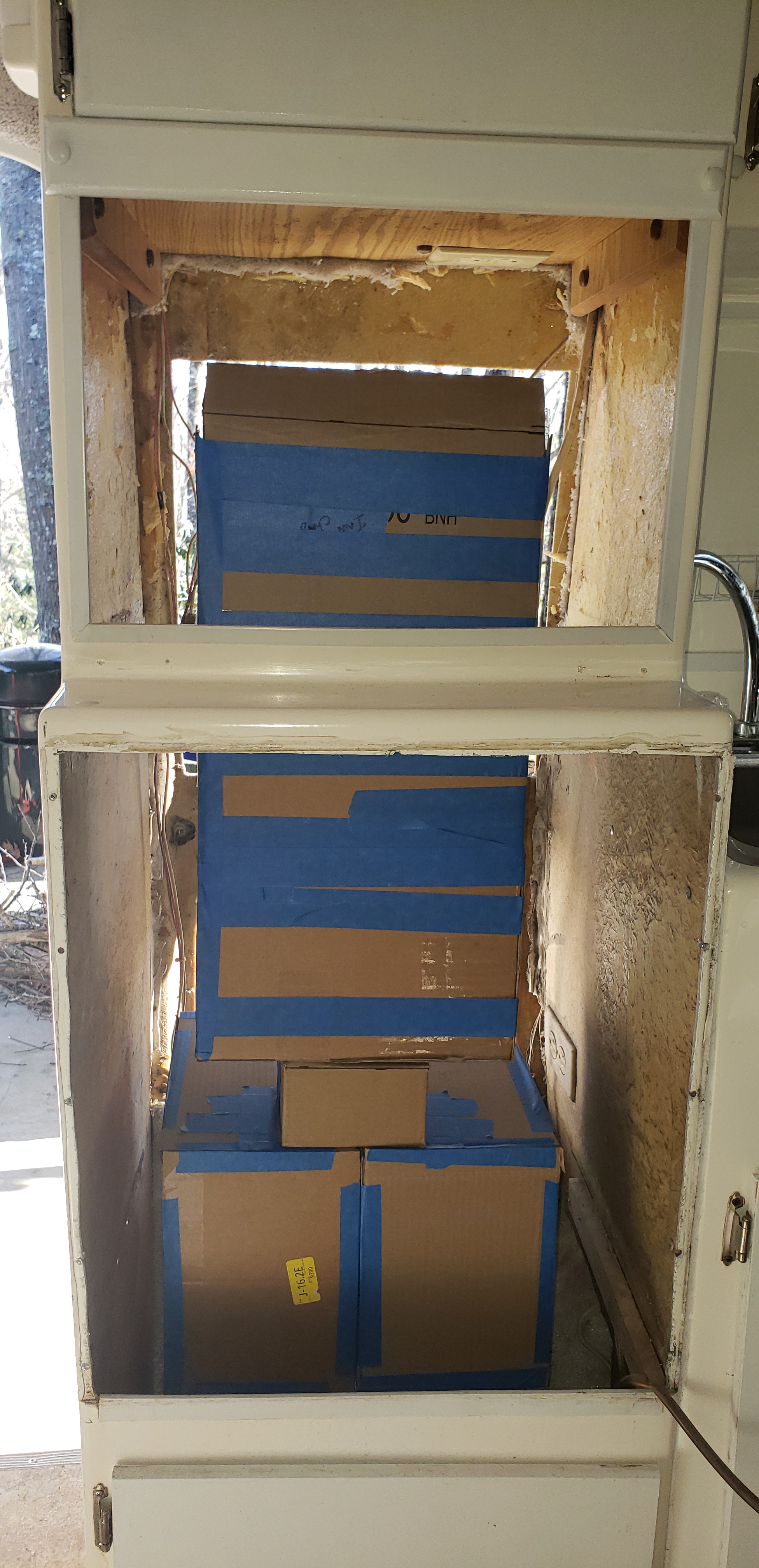
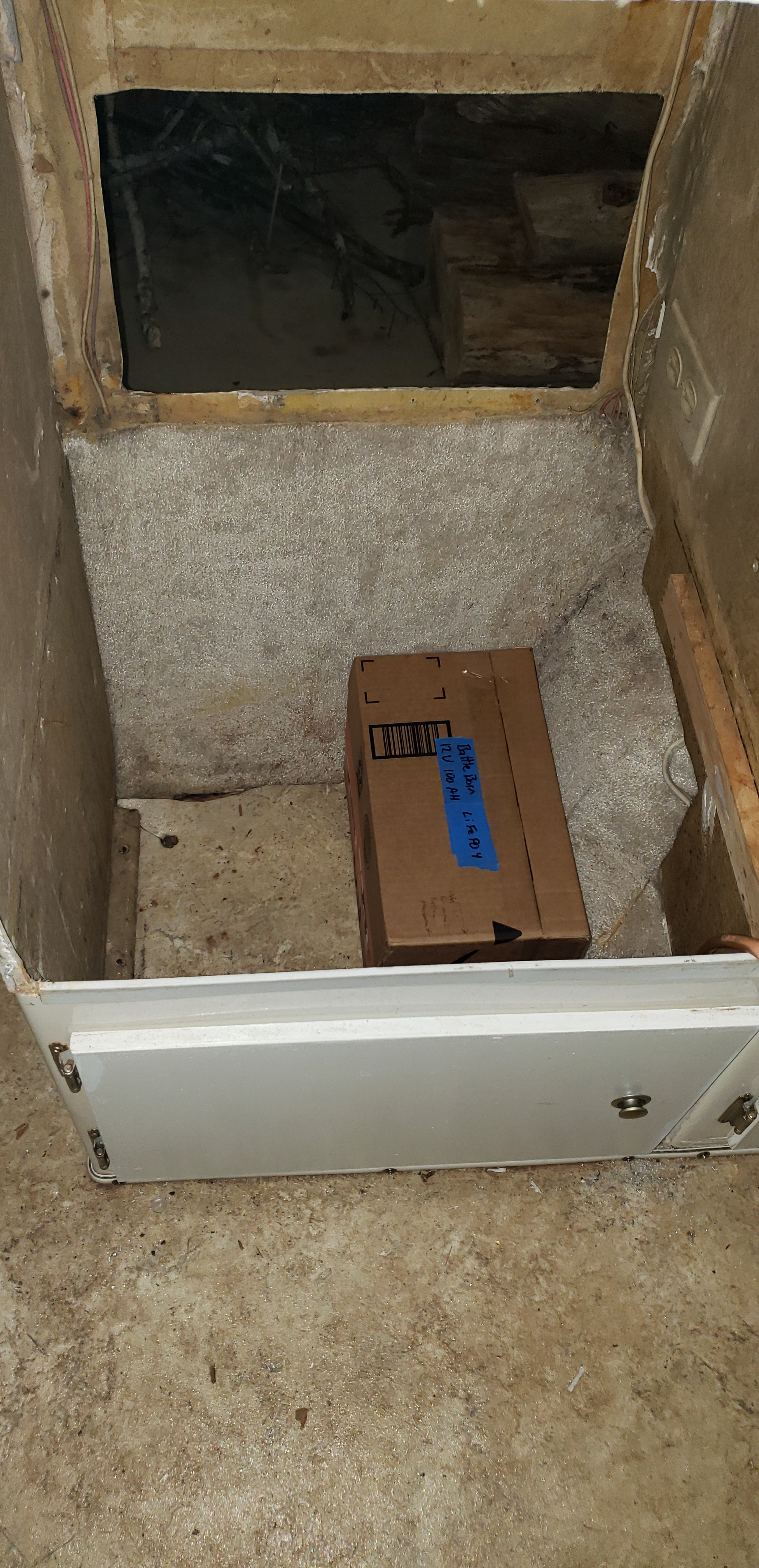
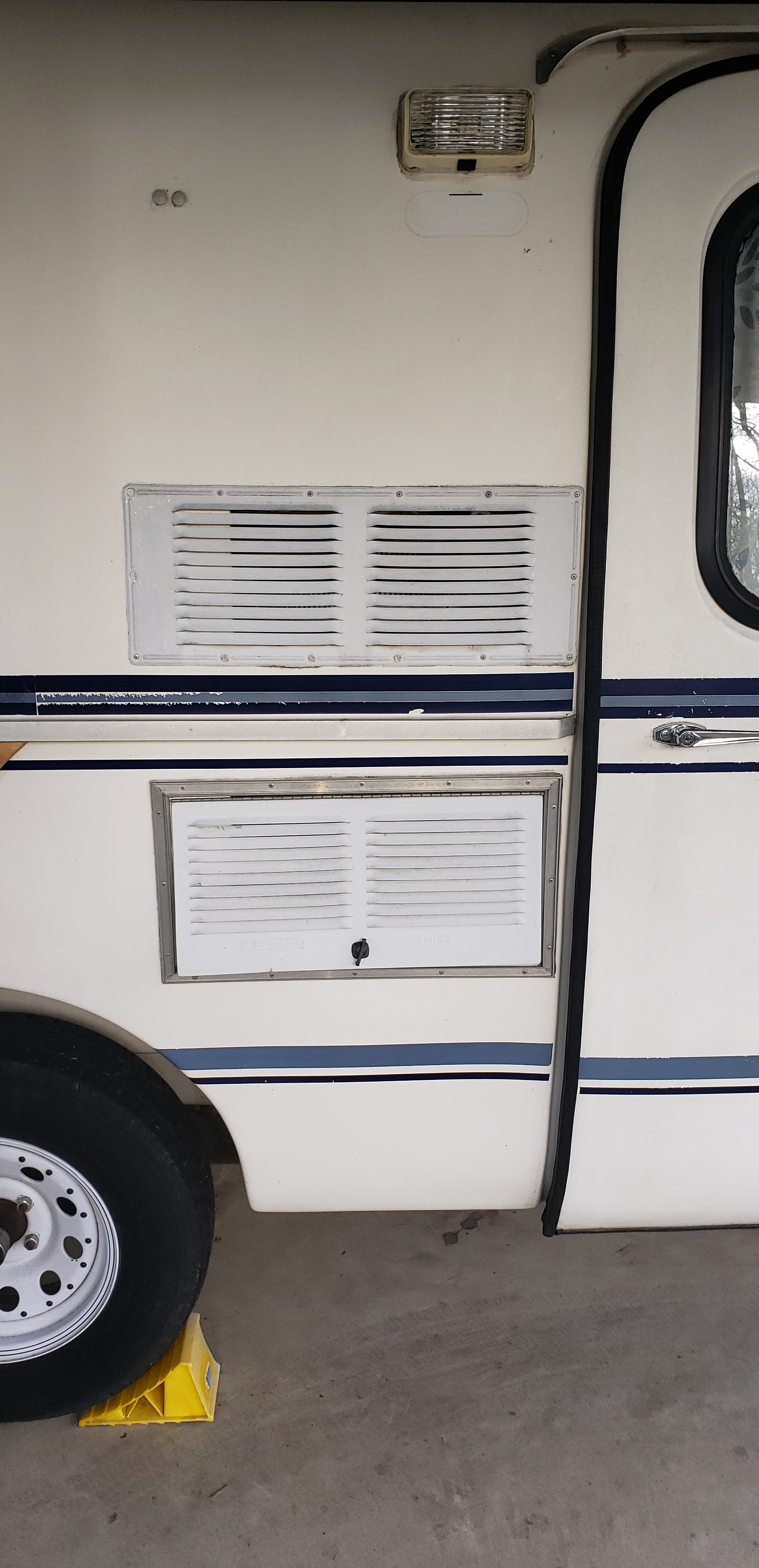

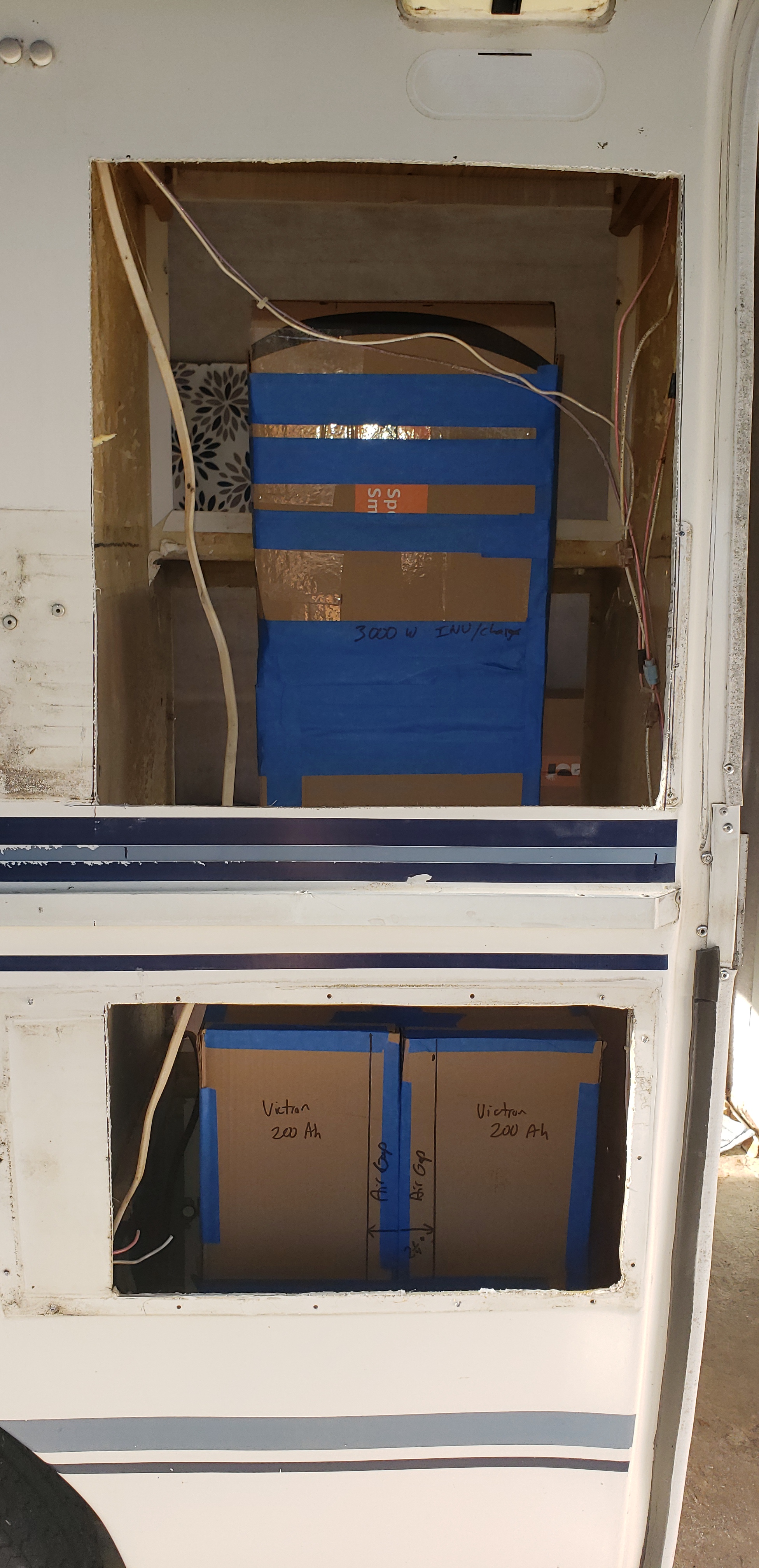
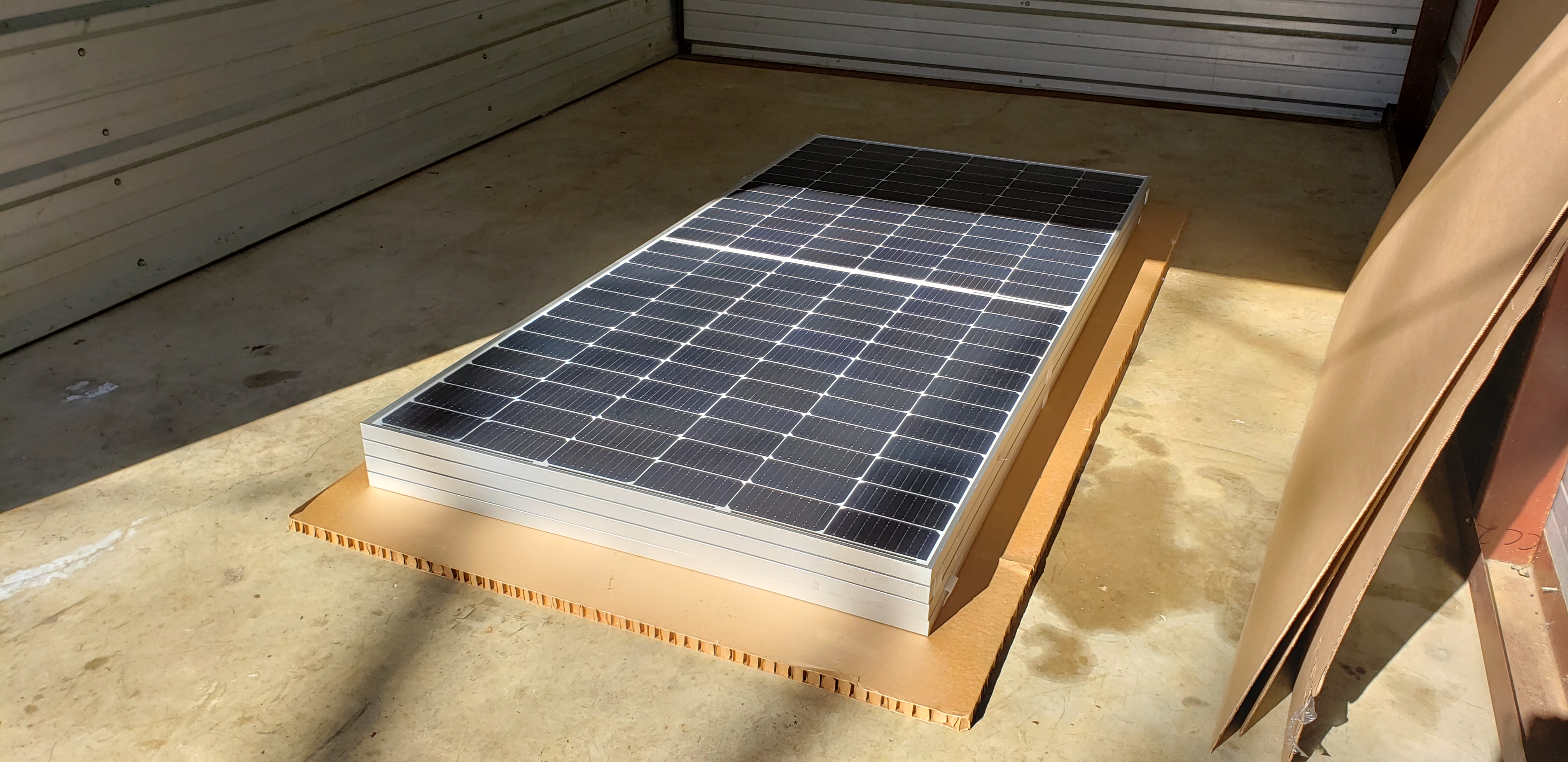
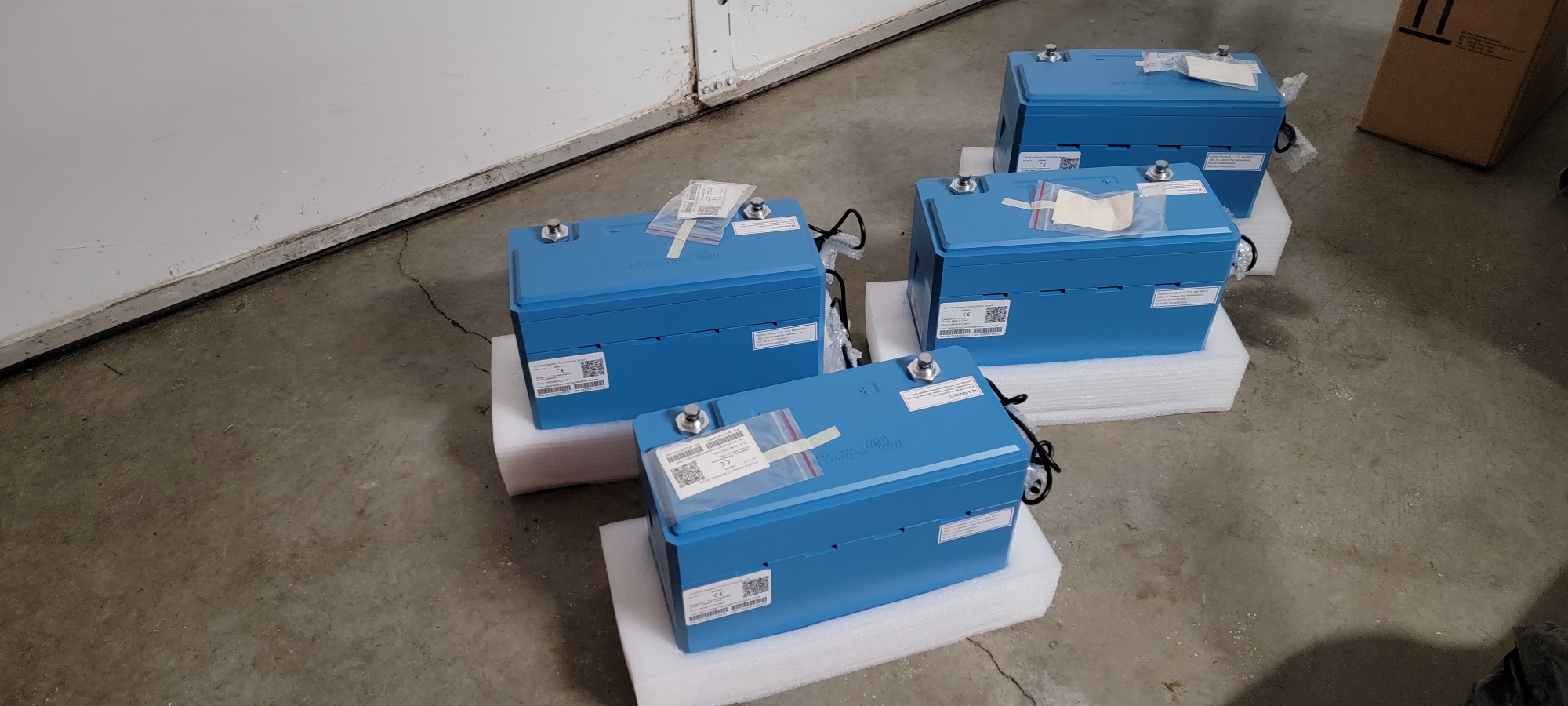
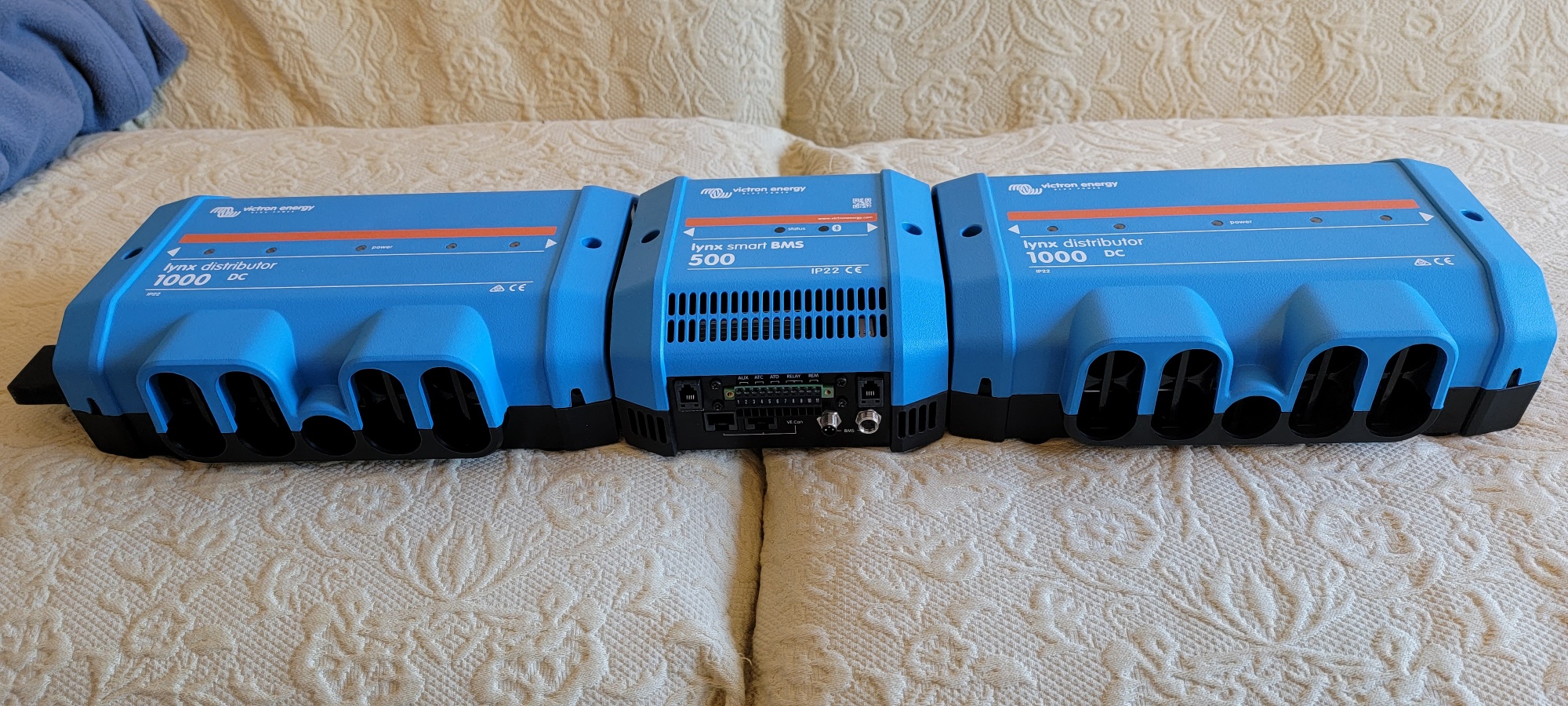





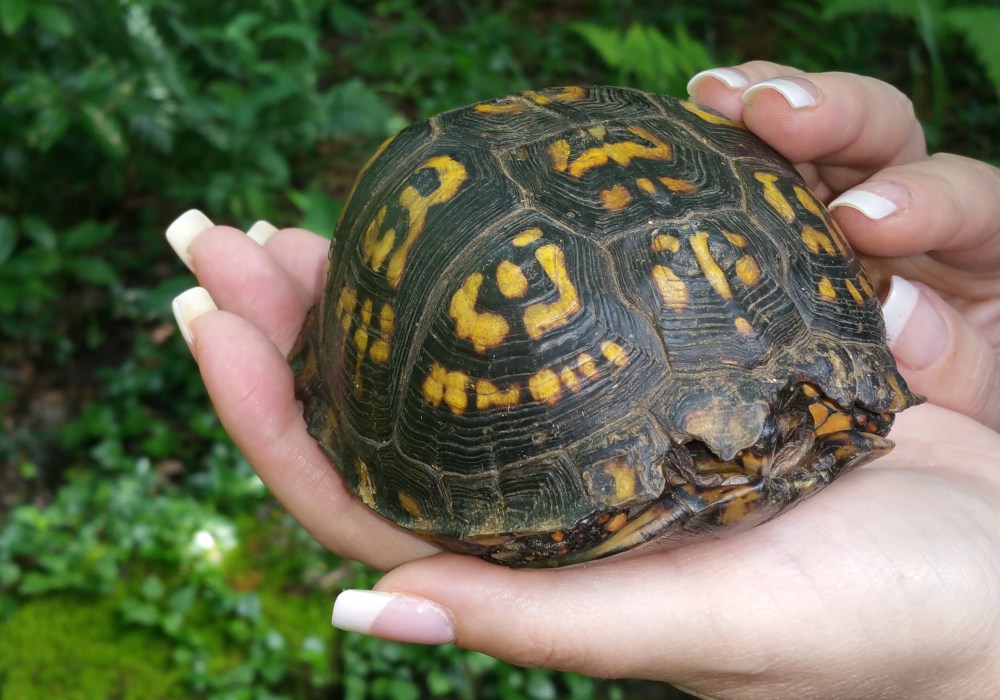
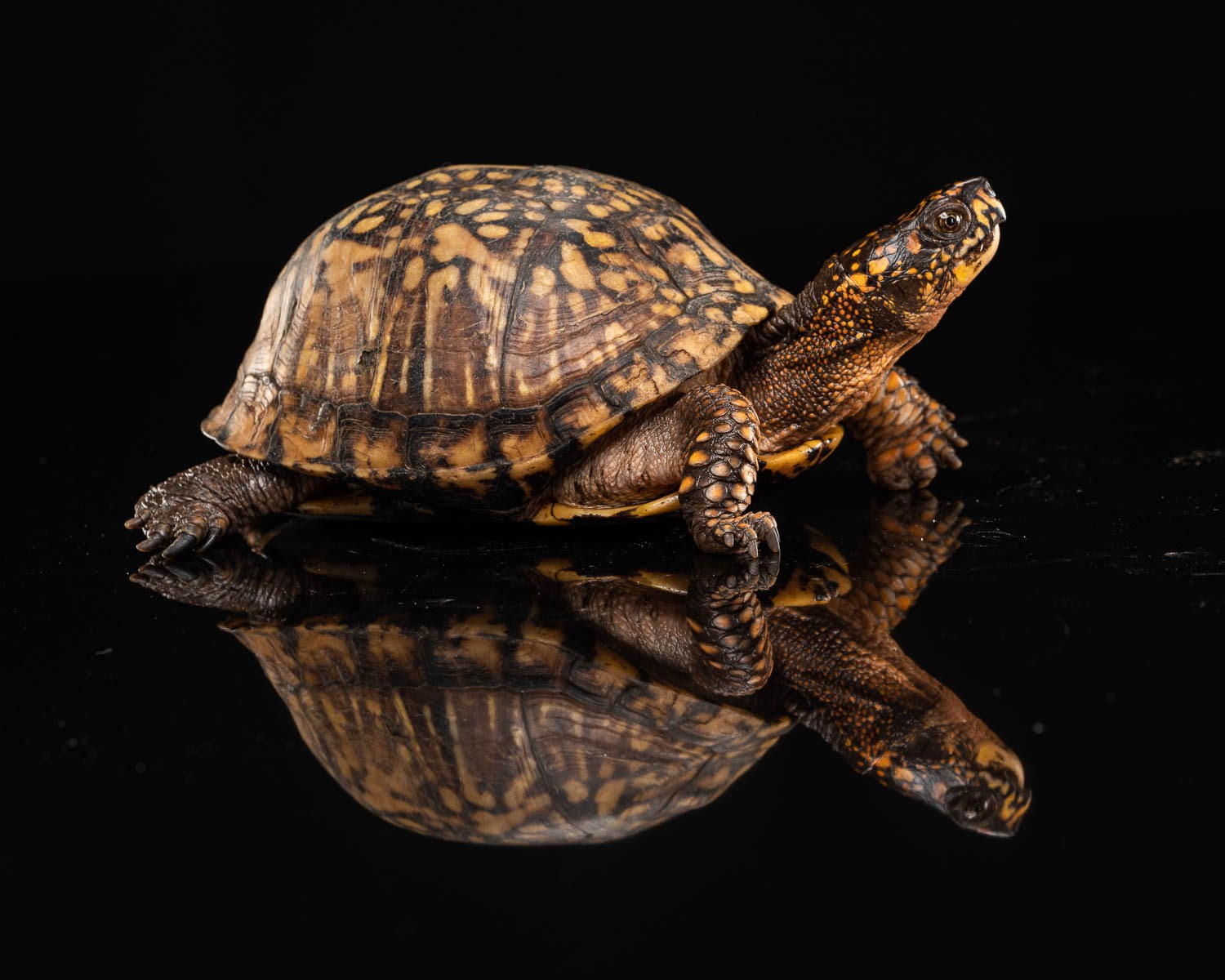
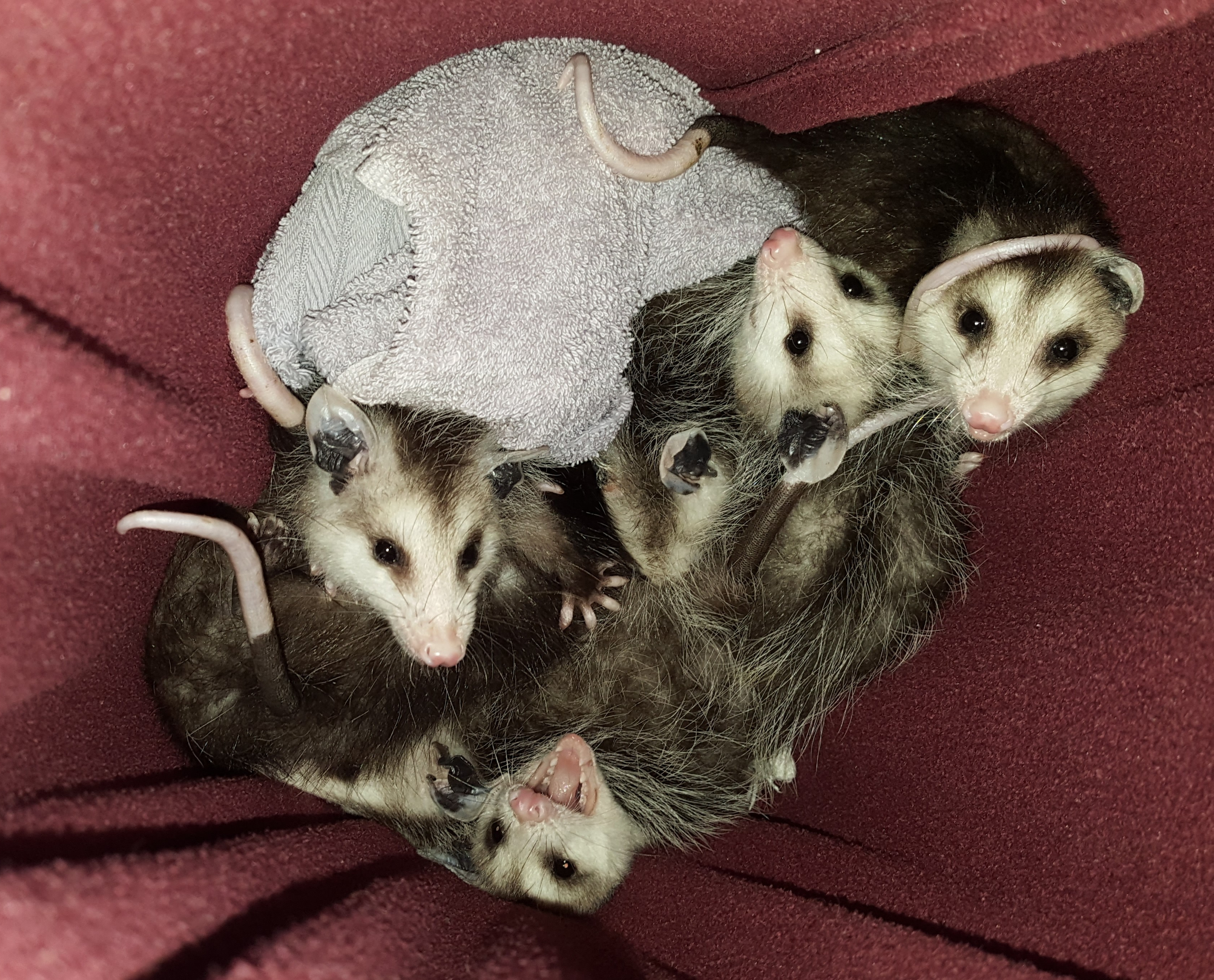
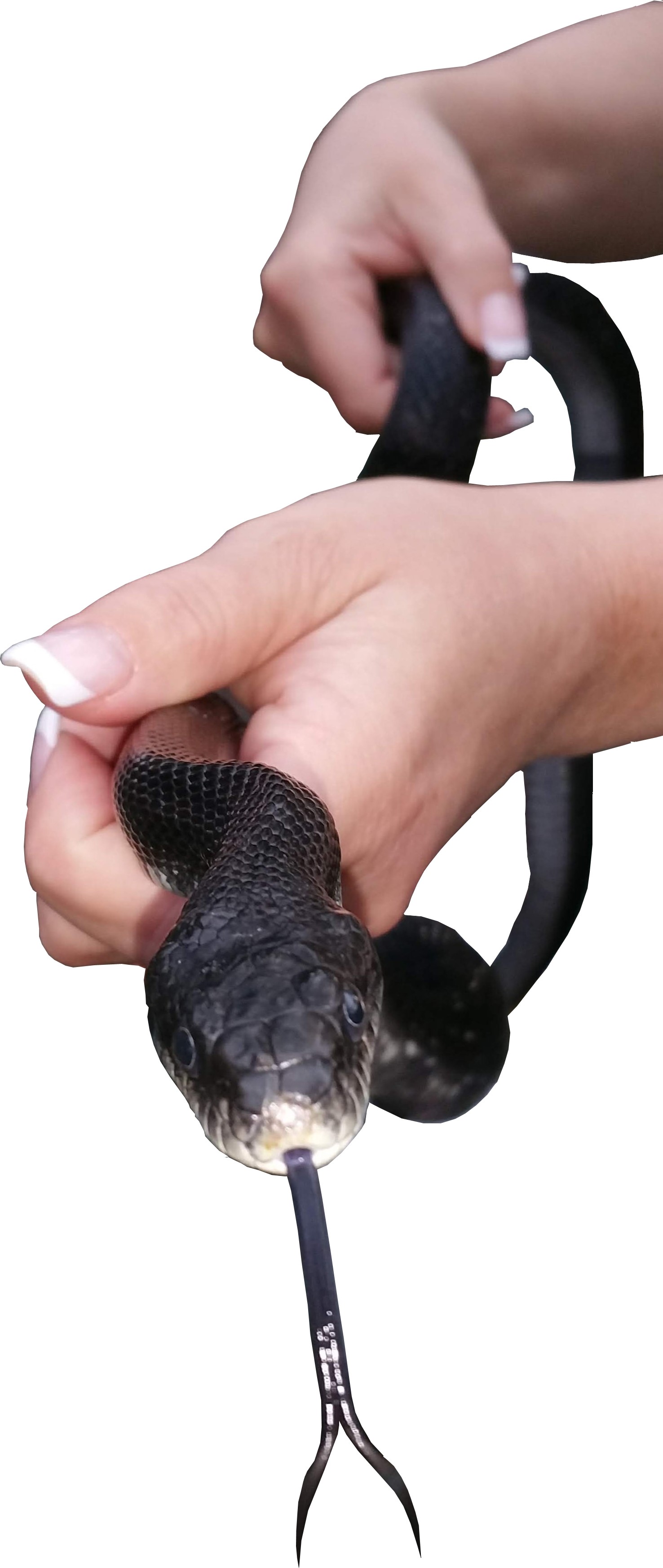
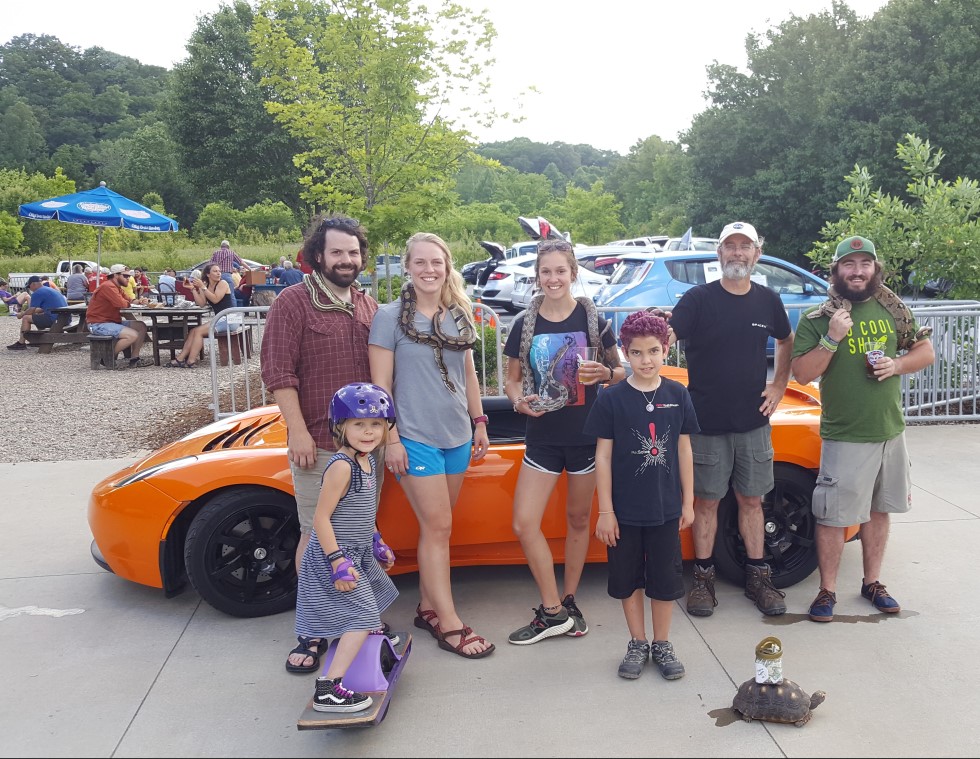
 I took this photo a few days after acquiring the new Bolt. I was on the way home from work and stopped to assist a Rat snake across the road.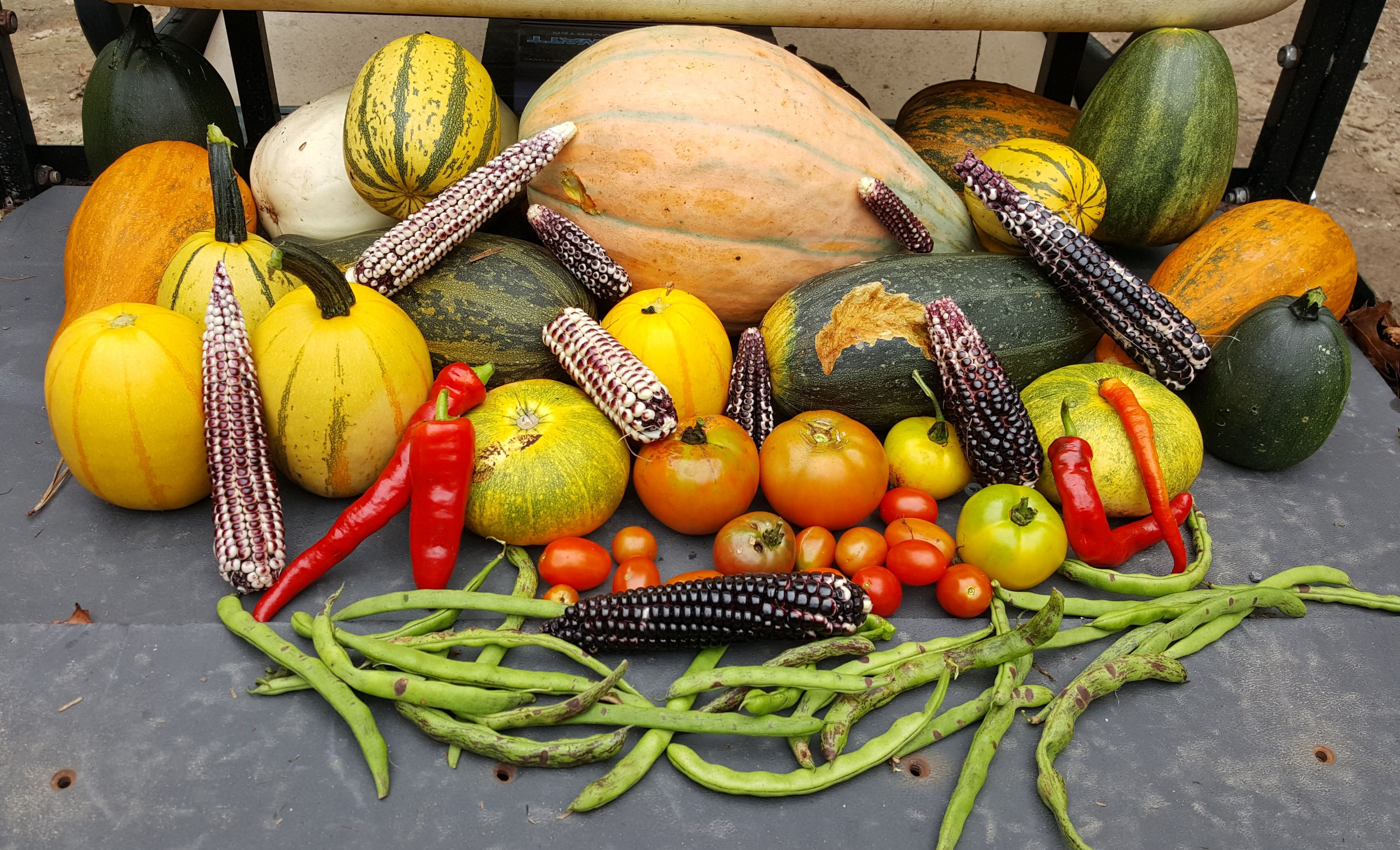

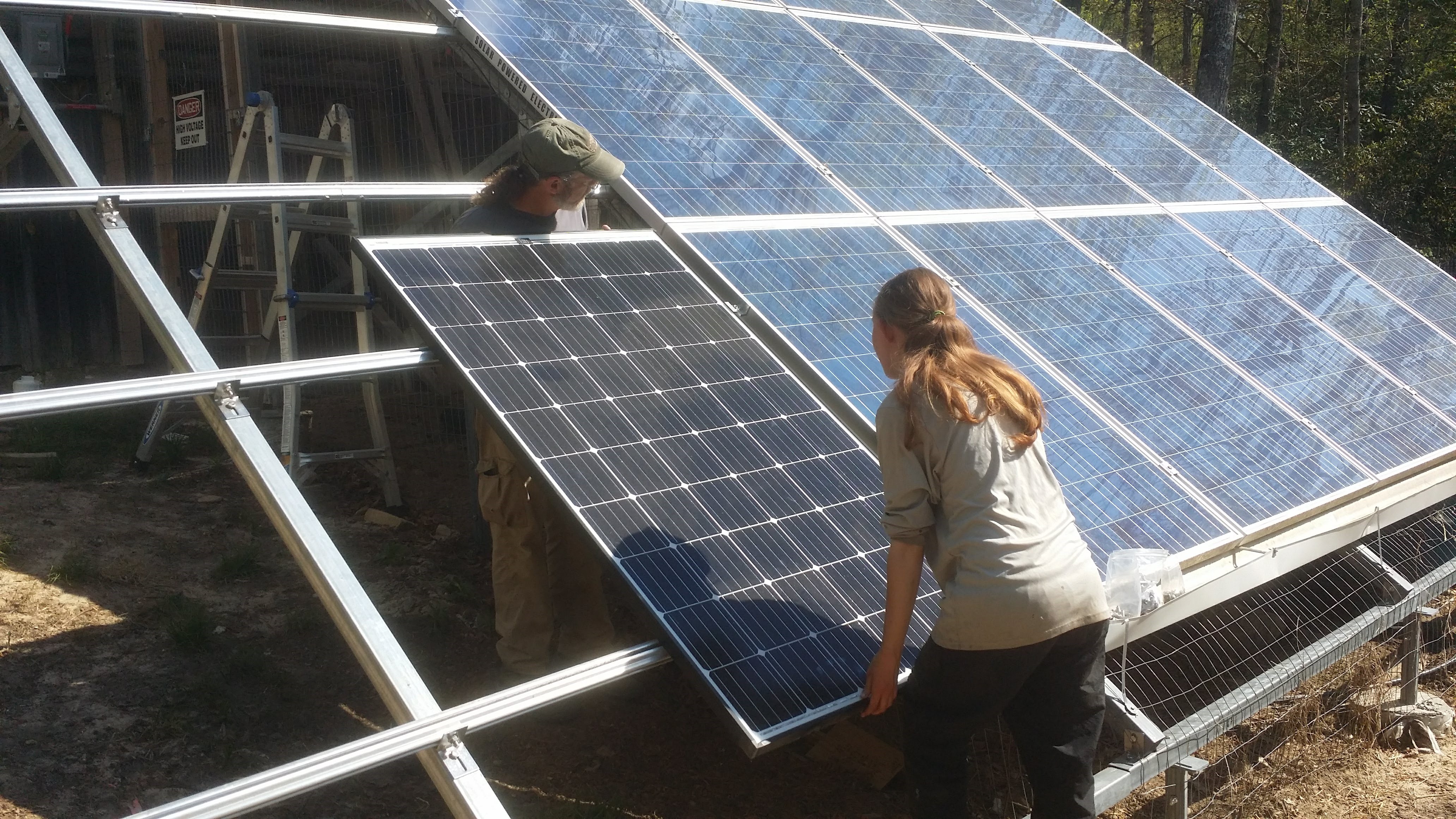
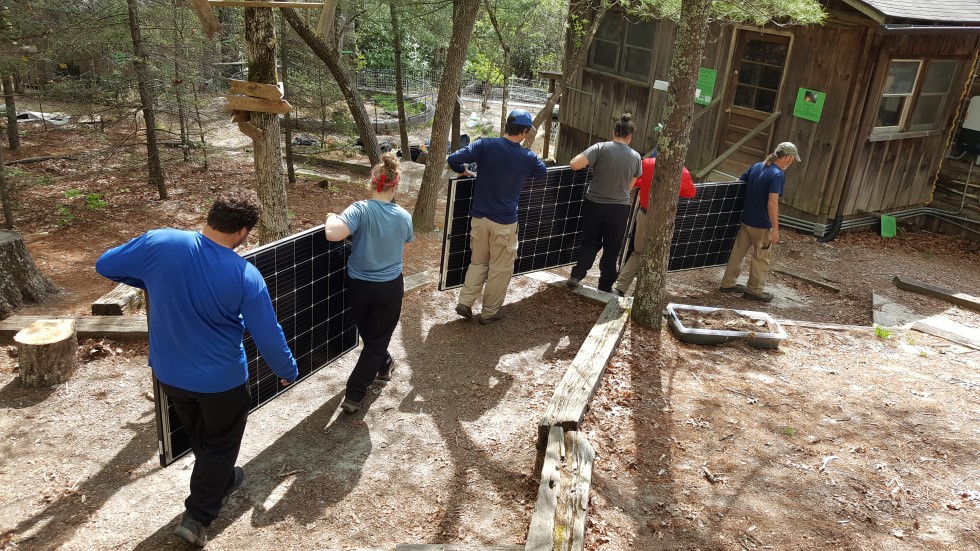
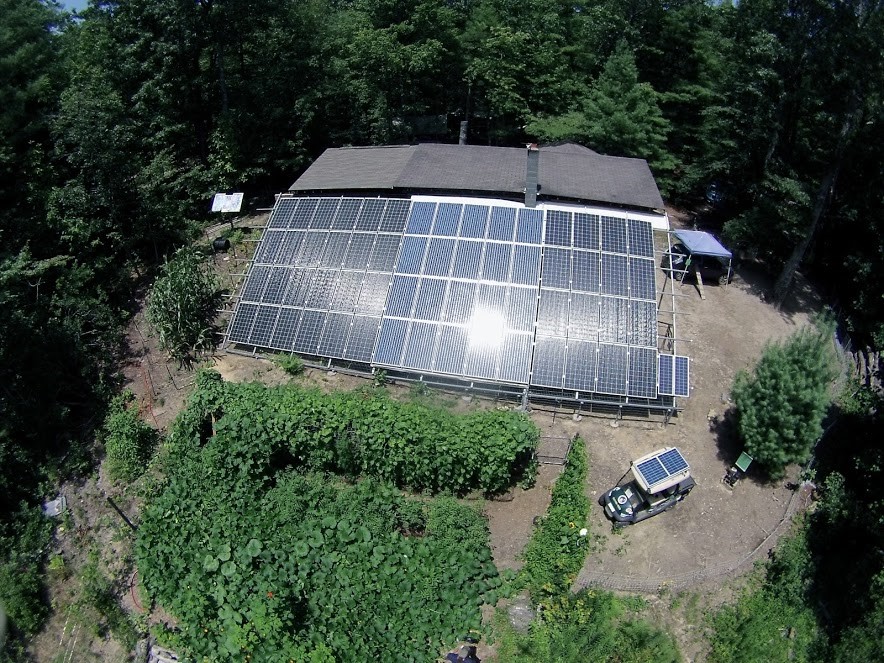
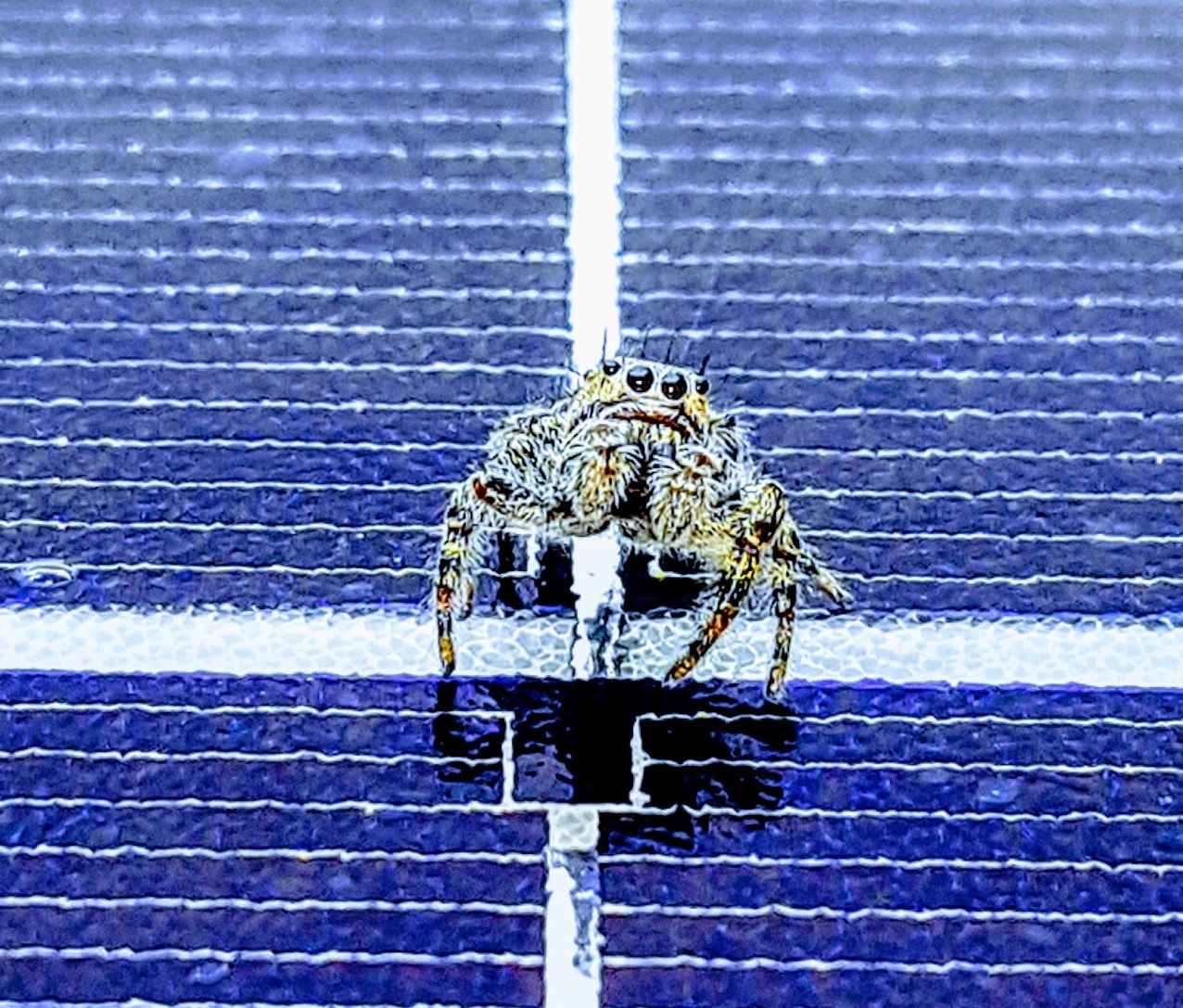
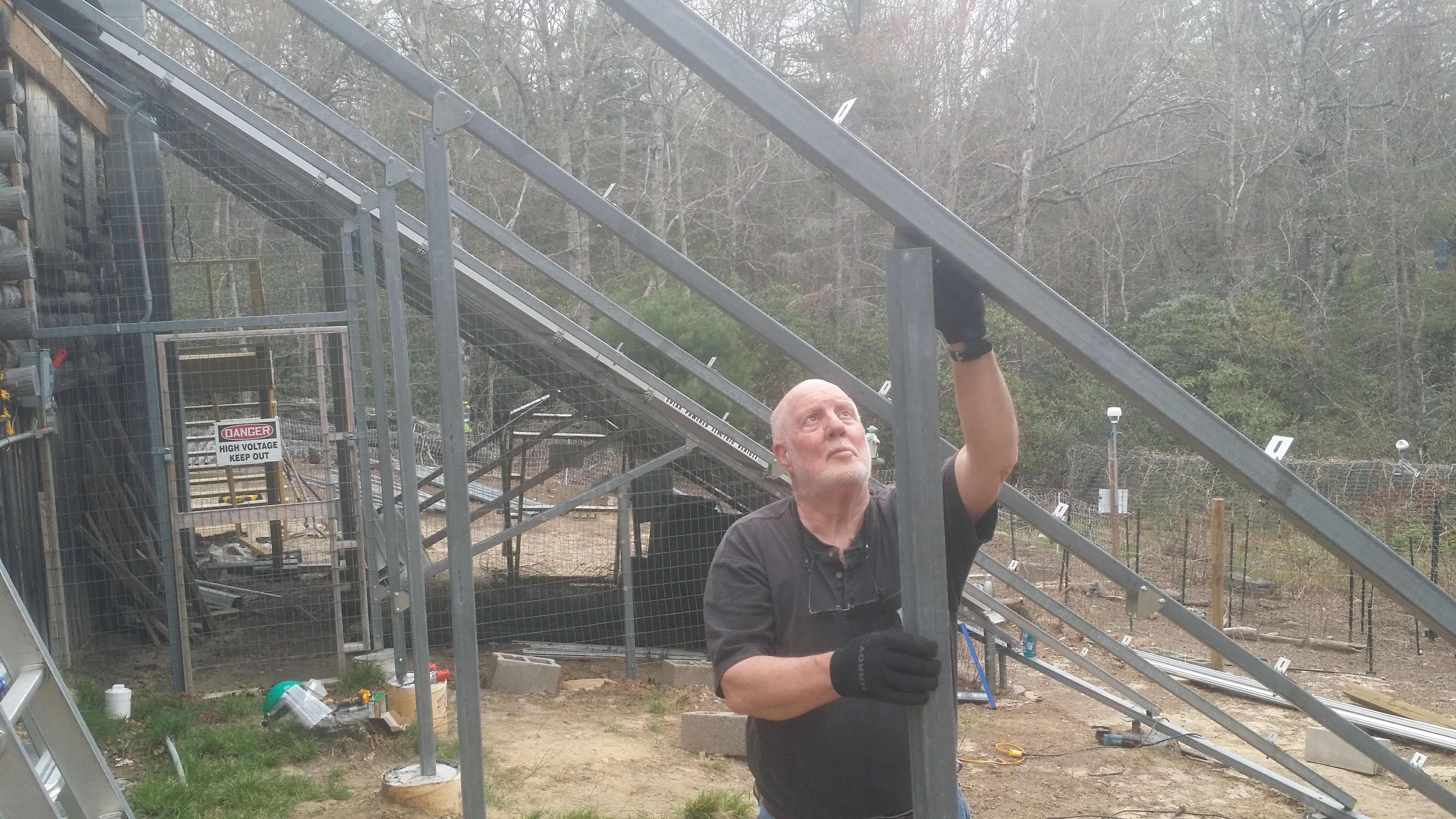
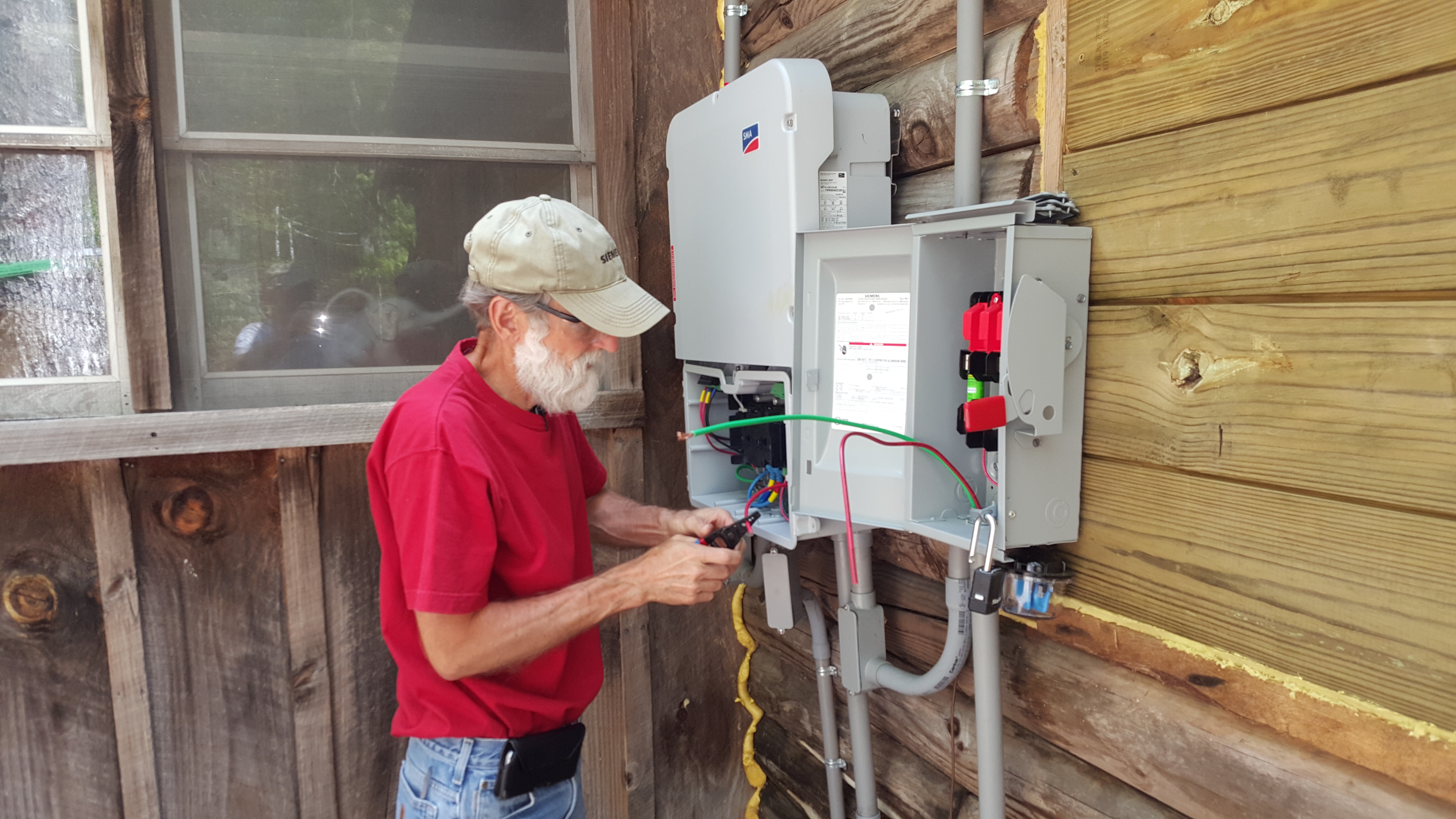


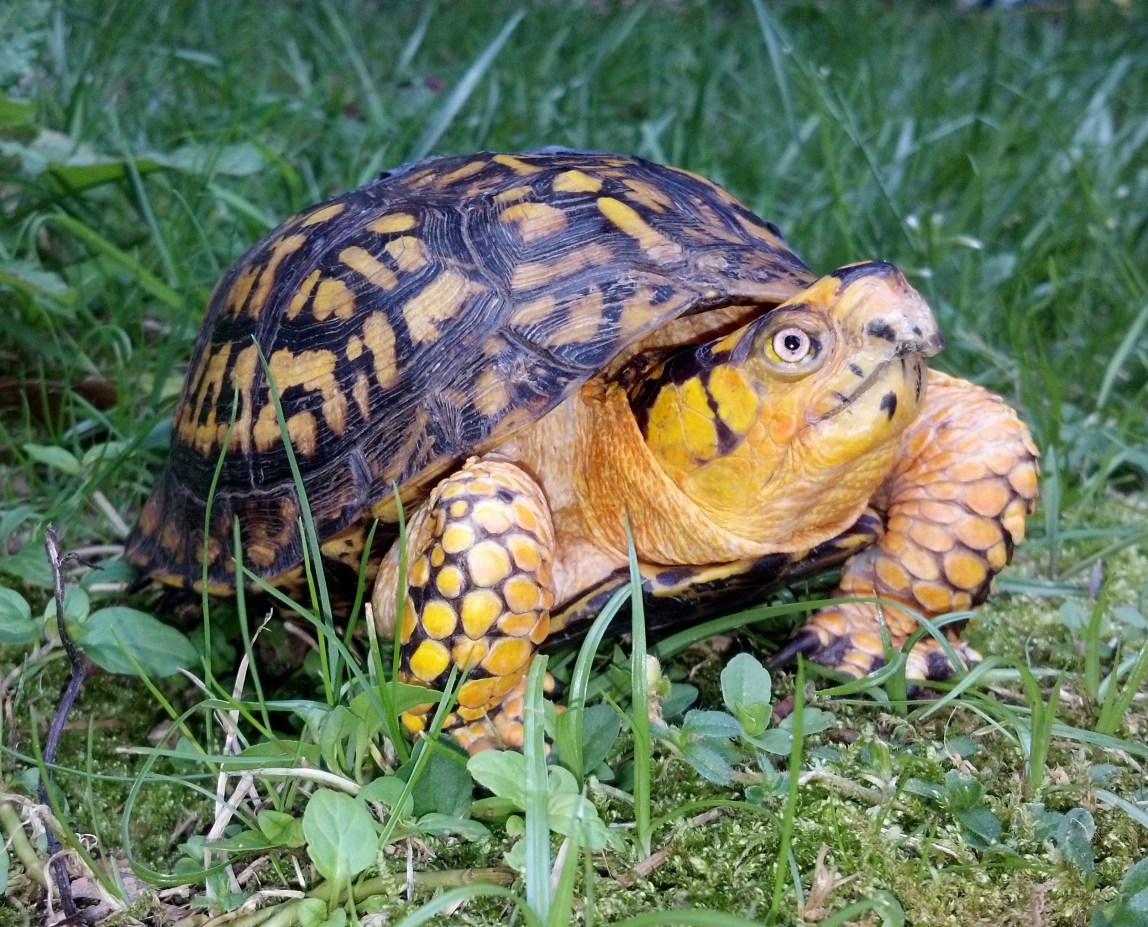


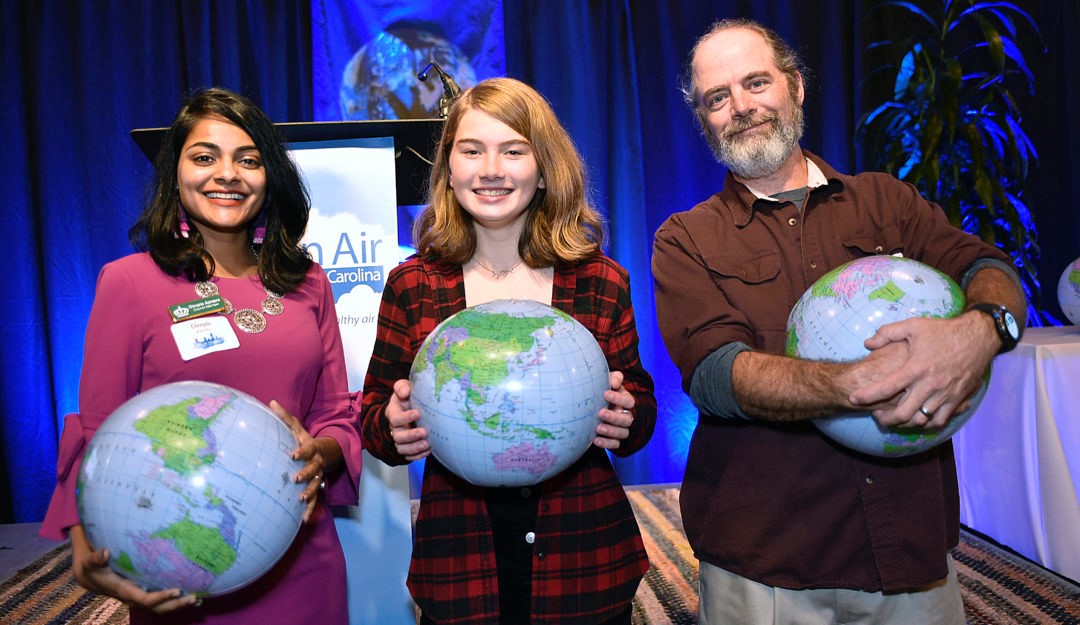
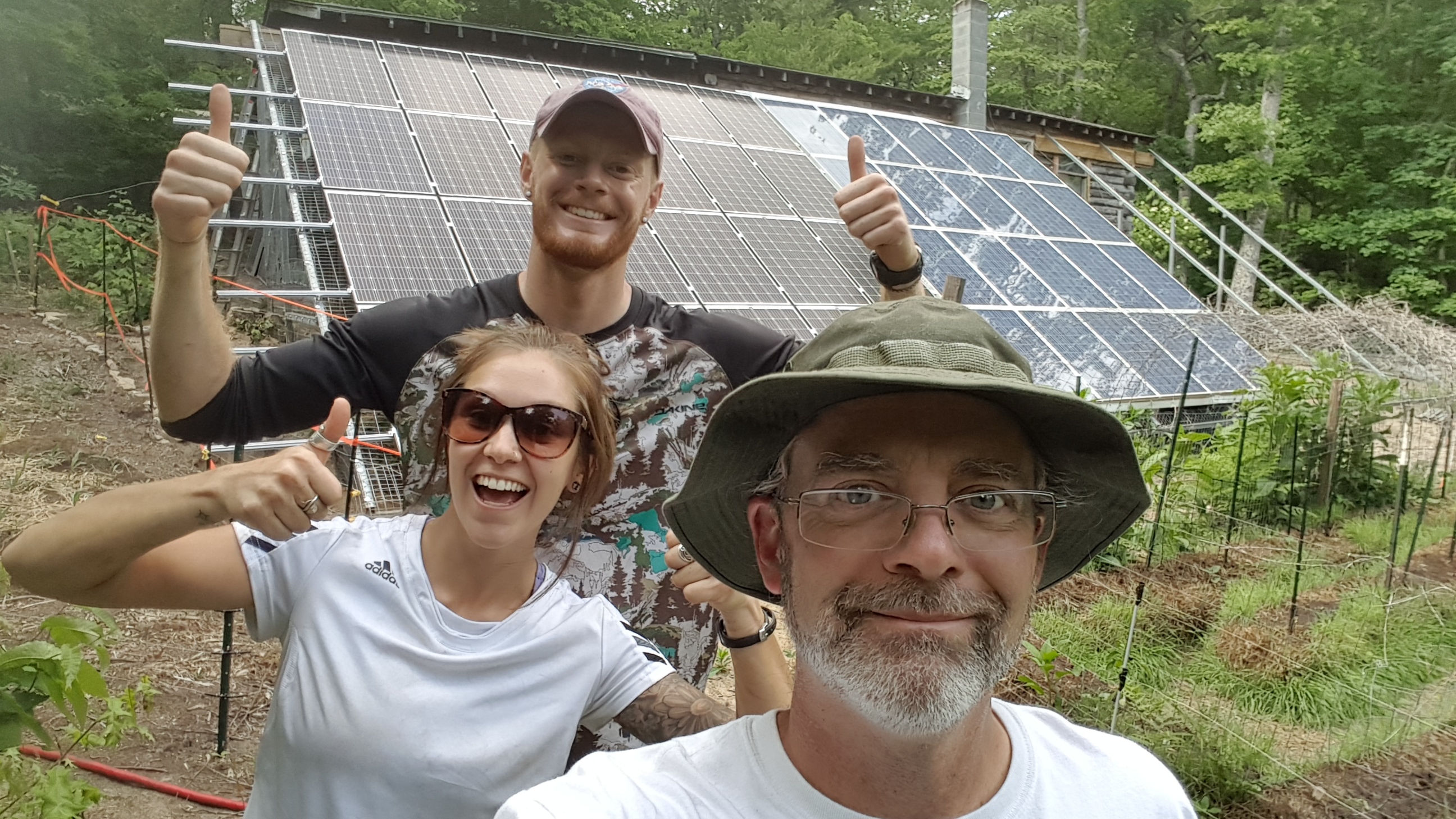


 Earthshine Nature